Tanzania Safari FAQs: Answering 100 Common Questions Before You Visit Tanzania
Your Complete Guide to Planning the Perfect Tanzania Safari
A Tanzania safari is one of the world’s most unforgettable travel experiences. Every year, thousands of visitors arrive to witness the Great Wildebeest Migration, search for the Big Five, climb Mount Kilimanjaro, and relax on the white beaches of Zanzibar. Yet before booking a safari, most travelers have dozens of questions about costs, safety, the best time to visit, wildlife, visas, accommodations, and what to expect during their adventure.
This comprehensive Tanzania Safari FAQ guide answers the 100 most frequently asked questions by first-time and returning travelers. Whether you are planning a luxury honeymoon, a family vacation, a photography expedition, or a budget camping safari, these answers will help you make informed decisions and prepare for an incredible journey.
As a trusted local tour operator based in Arusha, Ron Adventure has helped travelers from around the world experience Tanzania’s breathtaking national parks, authentic cultural encounters, and personalized safari adventures. Throughout this guide, you’ll discover practical advice from local safari experts to ensure your trip is enjoyable, safe, and unforgettable.
A Tanzania safari is a guided wildlife journey through some of Africa’s most famous national parks and conservation areas. The word “safari” originates from the Swahili language and means “journey,” making Tanzania the true birthplace of the safari experience.
Most safaris involve traveling in specially designed 4×4 safari vehicles while expert guides lead visitors through diverse ecosystems filled with incredible wildlife. Depending on your itinerary, you may explore the endless plains of Serengeti National Park, descend into the Ngorongoro Crater, admire elephant herds in Tarangire National Park, discover tree-climbing lions in Lake Manyara National Park, or venture into the remote wilderness of Nyerere National Park.
Modern safaris combine wildlife viewing with comfortable accommodations ranging from luxury lodges and tented camps to budget camping experiences. Travelers often include cultural visits to Maasai villages or extend their adventure with a relaxing beach holiday in Zanzibar.
The best time depends on what you hope to experience during your safari. Tanzania offers exceptional wildlife viewing throughout the year because each season presents unique opportunities.
The dry season from June through October is considered the classic safari season. During these months, animals gather around rivers and waterholes, making wildlife easier to spot. The weather is sunny, roads are dry, and visibility is excellent.
The green season from November to March transforms the landscape into lush grasslands. This period is especially popular for birdwatching and photography due to dramatic scenery and fewer tourists.
From January through March, the Southern Serengeti and Ndutu region become home to the wildebeest calving season. Thousands of calves are born daily, attracting predators and creating unforgettable wildlife encounters.
If your dream is witnessing the famous Mara River crossings, the best period is generally between July and October in Northern Serengeti.
Because every season offers something special, Ron Adventure helps travelers choose the ideal itinerary based on their interests rather than recommending the same travel dates to everyone.
Tanzania remains one of Africa’s safest safari destinations and welcomes hundreds of thousands of international visitors every year. Tourism is an essential part of the country’s economy, and local communities value and support visitors.
National parks are highly secure, and safari guides maintain constant communication while following established safety procedures. Visitors spend most of their safari accompanied by experienced professional guides who understand animal behavior and park regulations.
Like any international destination, travelers should use common sense by avoiding isolated areas at night, keeping valuables secure, and following local advice in cities.
Health precautions such as travel insurance, recommended vaccinations, and drinking bottled water further contribute to a safe trip.
Booking through an established local company such as Ron Adventure ensures experienced guides, well-maintained vehicles, and knowledgeable assistance before and during your safari
Safari prices vary depending on the season, accommodation level, transportation, and duration of your trip.
Budget camping safaris generally start from around USD 250 per person per day. Mid-range lodge safaris usually range between USD 350 and USD 600 per person daily. Luxury safaris can exceed USD 1,000 per person each day, especially when including exclusive camps, charter flights, and premium services.
Several factors influence pricing, including national park entrance fees, accommodation quality, guide services, private versus group travel, vehicle type, and domestic flights.
Although many travelers focus on finding the lowest price, value is far more important than cost alone. A professionally organized safari provides experienced guides, reliable vehicles, quality accommodations, and personalized service that significantly enhance the overall experience.
Ron Adventure offers flexible safari packages that suit different budgets while maintaining high standards of safety, comfort, and customer satisfaction.
How Many Days Should I Spend on Safari?
The ideal safari duration depends on your travel goals and available time.
A three-day safari offers a brief introduction to Tanzania’s wildlife, usually including Tarangire, Ngorongoro Crater, or Lake Manyara.
Five to seven days allows visitors to explore multiple parks, enjoy relaxed game drives, and experience the famous Serengeti ecosystem.
Eight to ten days provide an immersive wildlife adventure with opportunities to visit both Northern and Southern Circuit destinations.
Travelers combining safari with Zanzibar often choose a seven-day safari followed by four or five days on the island.
Professional safari planners recommend spending enough time in each park rather than trying to visit too many destinations within a short period.
Every national park offers a different safari experience.
Serengeti National Park is internationally famous for the Great Wildebeest Migration and exceptional predator sightings.
Ngorongoro Crater provides one of Africa’s highest wildlife concentrations within a spectacular volcanic caldera.
Tarangire National Park is renowned for its enormous elephant populations and iconic baobab trees.
Lake Manyara National Park offers diverse habitats, abundant birdlife, and the possibility of seeing tree-climbing lions.
Nyerere National Park provides a remote wilderness experience with fewer visitors and excellent boat safaris.
The best park depends entirely on your interests, travel dates, and itinerary rather than a single universal answer.
What Animals Can I See on a Tanzania Safari?
Tanzania hosts one of the richest concentrations of wildlife anywhere on Earth.
Visitors frequently encounter elephants, lions, leopards, cheetahs, buffaloes, giraffes, zebras, wildebeests, hyenas, hippos, crocodiles, warthogs, impalas, gazelles, elands, baboons, monkeys, and countless bird species.
Many travelers dream of spotting the Big Five, which includes lions, leopards, elephants, rhinos, and buffaloes. Tanzania is among the best countries in Africa to see all five species during one safari.
Depending on your itinerary, you may also observe rare animals such as African wild dogs, servals, caracals, bat-eared foxes, and black rhinos.
Each game drive offers unique wildlife encounters because animals move naturally throughout their habitats.
Can I See the Big Five in Tanzania?
Yes. Tanzania is considered one of Africa’s premier Big Five safari destinations.
The Big Five consists of lions, elephants, leopards, buffaloes, and rhinoceroses.
Ngorongoro Crater offers one of the highest chances of seeing all five species within a single day due to its concentrated wildlife population.
Serengeti National Park provides outstanding opportunities to observe lions, leopards, elephants, and buffaloes throughout the year.
Although black rhinos remain endangered and relatively rare, experienced safari guides know the best locations for possible sightings.
Ron Adventure carefully plans itineraries to maximize guests’ chances of completing their Big Five checklist while enjoying many additional wildlife encounters.
Do I Need a Visa to Visit Tanzania?
Most international visitors require a visa before entering Tanzania or can obtain one upon arrival, depending on their nationality.
Travelers should verify the latest visa requirements well before departure because immigration regulations may change over time.
Applicants generally need a valid passport with at least six months of remaining validity and several blank pages for entry stamps.
Many visitors now choose the convenient online visa application process before traveling.
It is also important to ensure that your passport, travel insurance, and supporting documents remain valid throughout your stay.
Preparing your travel documents in advance allows you to begin your safari smoothly without unnecessary delays.
Packing wisely contributes greatly to your overall safari experience.
Neutral-colored clothing helps you blend into the environment while remaining comfortable during game drives. Lightweight shirts, breathable trousers, and a warm jacket for early morning safaris are essential because temperatures vary throughout the day.
Comfortable walking shoes, sunglasses, sunscreen, insect repellent, a wide-brimmed hat, binoculars, a camera with extra memory cards, reusable water bottles, and personal medications should always be included.
Avoid brightly colored clothing that may attract insects or disturb wildlife.
Most safari lodges provide laundry services, allowing travelers to pack fewer clothes while remaining comfortable throughout longer journeys.
Preparing carefully before departure ensures that you can focus entirely on enjoying Tanzania’s remarkable landscapes, extraordinary wildlife, and unforgettable safari experiences.
11. What Is the Great Wildebeest Migration?
The Great Wildebeest Migration is one of the most extraordinary wildlife spectacles on Earth and is considered the highlight of many Tanzania safaris. More than two million wildebeest, accompanied by hundreds of thousands of zebras and gazelles, travel in a continuous circular route across the Serengeti ecosystem in search of fresh grazing and water. This remarkable journey covers nearly 1,000 kilometers every year and is driven by seasonal rainfall rather than fixed dates.
The migration begins with the calving season in the Southern Serengeti and Ndutu area from January to March, where approximately 500,000 calves are born within a few weeks. During April and May, the herds move through Central Serengeti before reaching the Western Corridor around June. Between July and October, many animals gather in Northern Serengeti, where the dramatic Mara River crossings take place. From November through December, the herds gradually return south as the rains begin.
Because the migration is constantly moving, choosing the correct location is more important than choosing the month alone. Ron Adventure carefully designs safari itineraries based on the latest herd movements, giving guests the best possible opportunity to witness this natural wonder without unnecessary travel.
The best time depends entirely on which stage of the migration you wish to experience. Unlike many travelers believe, the Great Migration is not a single event but a year-round cycle that changes with the seasons.
From January to March, visitors enjoy the calving season around Ndutu and Southern Serengeti. This period offers exceptional predator activity because lions, cheetahs, hyenas, and leopards are attracted by thousands of newborn calves. It is one of the most rewarding times for wildlife photographers.
During April and May, the herds spread across Central Serengeti as they move northwest. The landscapes become beautifully green, and visitor numbers remain relatively low.
June marks the beginning of the Grumeti River crossings in the Western Corridor, while July through October is famous for the Mara River crossings in Northern Serengeti, where crocodiles and strong river currents create dramatic survival scenes.
By November and December, the migration heads back toward Southern Serengeti, completing another annual cycle. Since wildlife movements depend on rainfall, experienced local operators such as Ron Adventure monitor migration updates regularly to ensure guests are positioned in the right place at the right time.
Ready to plan your Tanzania safari?
Our Arusha-based safari experts will create a free, personalized Tanzania safari itinerary within 3 hours, tailored to your budget, travel style, and interests..
Tanzania is an excellent destination for family safaris, and many lodges and camps welcome children of different ages. A safari offers an educational adventure where young travelers can learn about wildlife, ecosystems, conservation, and local cultures while enjoying unforgettable experiences together.
Many accommodations provide family rooms, interconnected tents, and activities designed specifically for children. Some properties even organize junior ranger programs where children learn animal tracking, bird identification, and conservation principles.
The ideal safari itinerary for families usually avoids long driving hours and includes parks with abundant wildlife, such as Tarangire, Ngorongoro Crater, and Serengeti National Park. Parents often combine the safari with a relaxing beach holiday in Zanzibar, allowing children to enjoy both wildlife and the Indian Ocean.
Private safaris are particularly suitable for families because they offer flexibility during game drives. Guides can adjust schedules according to children’s needs without rushing through the experience.
Ron Adventure customizes family itineraries with child-friendly accommodations, comfortable travel distances, and engaging wildlife experiences that make every family member feel involved throughout the journey.
14. Can I Travel Alone on a Tanzania Safari?
Solo travel has become increasingly popular, and Tanzania is one of Africa’s best destinations for independent travelers seeking wildlife adventures. Many visitors choose to travel alone because safaris provide opportunities to meet people from around the world while exploring spectacular landscapes.
Solo travelers can join scheduled group safaris, making the experience more affordable while sharing game drives with other visitors. Those seeking greater privacy may prefer a private safari with a dedicated guide and vehicle.
Traveling alone allows complete freedom to focus on personal interests, whether photography, birdwatching, wildlife observation, or cultural experiences. Professional safari guides ensure that solo travelers feel safe and comfortable throughout the trip.
Accommodation options range from budget camps to luxury lodges, making it possible to travel according to individual preferences and budgets.
Ron Adventure welcomes solo travelers from every continent and helps create personalized itineraries that balance safety, flexibility, and memorable wildlife encounters.
15. Do I Need Malaria Medication?
Malaria exists in some parts of Tanzania, and travelers should consult their healthcare provider several weeks before departure regarding recommended preventive medication. Medical advice depends on individual health conditions, travel duration, and planned destinations.
In addition to medication, simple preventive measures significantly reduce mosquito bites. Wearing long sleeves during evenings, applying insect repellent, sleeping under mosquito nets where provided, and choosing accommodations with screened rooms all contribute to protection.
Interestingly, many safari destinations such as the Ngorongoro Highlands have relatively low mosquito activity because of their higher altitude and cooler temperatures. Nevertheless, precautions remain advisable throughout your journey.
Staying hydrated, maintaining good hygiene, and following medical recommendations help ensure a healthy safari experience.
Ron Adventure also advises guests on practical health preparations before arrival, ensuring visitors feel confident and well prepared for their adventure.
16. What Type of Safari Vehicle Is Used?
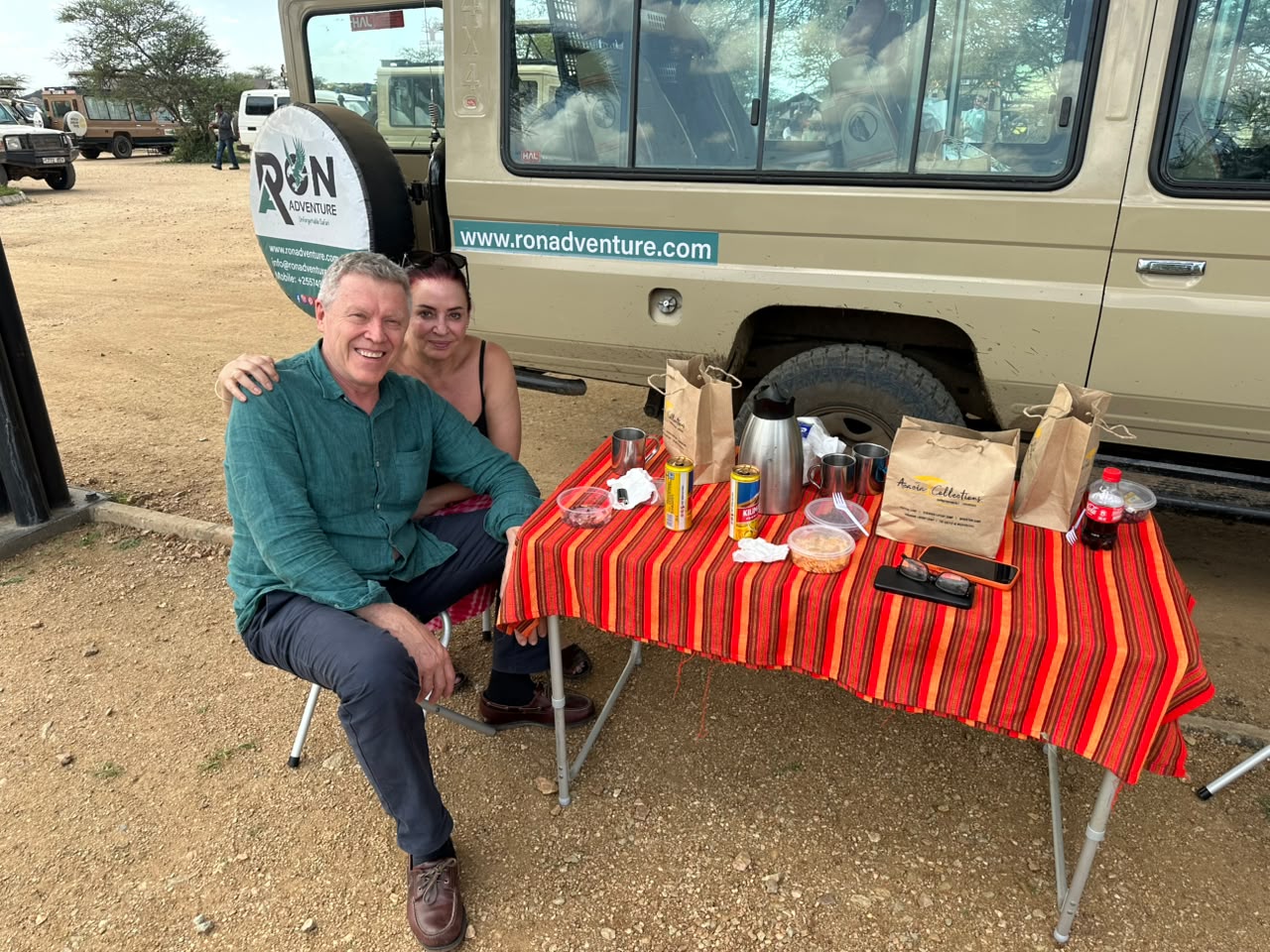
The safari vehicle plays a major role in your overall experience. Most professional operators use specially designed 4×4 Toyota Land Cruisers equipped for Tanzania’s national parks and rough terrain.
These vehicles feature large sliding windows and pop-up roofs that allow every passenger excellent visibility during wildlife viewing. Comfortable seating, charging ports, refrigerators or cool boxes, and radio communication systems enhance the overall safari experience.
Experienced safari drivers understand how to position vehicles for optimal photography while respecting wildlife and park regulations. Regular maintenance is essential because remote parks require reliable transportation under challenging conditions.
Some budget group safaris may use larger vehicles with more passengers, while private safaris provide exclusive use of the vehicle throughout the trip.
Ron Adventure operates well-maintained Land Cruisers designed specifically for photography, comfort, and safe exploration across Tanzania’s diverse landscapes.
17. Will I Have Internet During My Safari?
Internet access is available in many safari lodges and tented camps, although connection speeds may vary depending on location. Luxury accommodations generally provide stronger Wi-Fi services than remote camps situated deep within national parks.
During game drives, mobile phone coverage may disappear completely in certain wilderness areas. Many travelers actually appreciate this temporary digital break because it allows them to fully immerse themselves in nature without distractions.
Visitors who require regular internet access may purchase a local SIM card upon arrival, providing affordable mobile data in towns and areas with network coverage.
Although staying connected is convenient, many guests discover that disconnecting from technology becomes one of the most refreshing aspects of their safari experience.
18. What Is the Difference Between a Private Safari and a Group Safari?
Choosing between a private and group safari depends on your travel style, budget, and expectations.
A private safari offers complete flexibility. You choose your travel dates, destinations, daily schedule, accommodation preferences, and the pace of each game drive. The vehicle is reserved exclusively for you and your travel companions, allowing more time at wildlife sightings and personalized attention from your guide.
A group safari involves sharing the vehicle with other travelers. This option is generally more affordable because transportation and guide costs are divided among participants. Group safaris also provide opportunities to meet new people from different countries.
Both options deliver excellent wildlife experiences when organized professionally. Many honeymoon couples, photographers, and families prefer private safaris, while solo travelers and budget-conscious visitors often enjoy group departures.
Ron Adventure offers both private and group safaris, helping guests select the option that best matches their travel goals and budget.

19. Can I Take Good Wildlife Photographs?
Tanzania is regarded as one of the finest wildlife photography destinations in the world. The country’s diverse landscapes, abundant animals, dramatic lighting, and experienced safari guides create outstanding opportunities for photographers of every skill level.
Early morning and late afternoon game drives provide the most beautiful natural light. During these hours, animals are also more active, increasing opportunities for memorable photographs.
A camera with a zoom lens is recommended, although many travelers capture excellent images using modern smartphones equipped with advanced cameras. Bringing extra batteries, memory cards, and lens cleaning equipment ensures you remain prepared throughout the safari.
Professional guides understand wildlife behavior and often anticipate animal movements, allowing photographers to position themselves for exceptional shots without disturbing nature.
Ron Adventure regularly assists photography enthusiasts by planning itineraries around seasonal wildlife activity and providing guides who understand photographic positioning
20. Is a Hot Air Balloon Safari Worth It?
A hot air balloon safari is one of Tanzania’s most unforgettable experiences. Floating silently above the Serengeti at sunrise offers breathtaking panoramic views of wildlife, rivers, woodlands, and endless grasslands.
The flight usually begins before dawn, allowing guests to watch the African sunrise from the sky while observing animals below. Depending on the season, passengers may witness elephants, giraffes, buffaloes, lions, or even sections of the Great Migration from an entirely different perspective.
After landing, guests traditionally enjoy a champagne-style bush breakfast prepared in the wilderness, adding another memorable element to the experience.
Although balloon safaris involve an additional cost, many travelers describe them as a once-in-a-lifetime highlight that perfectly complements traditional game drives.
Ron Adventure can arrange licensed balloon safaris that seamlessly fit into your Serengeti itinerary, ensuring a safe and unforgettable aerial adventure.
21. What Types of Accommodation Are Available on a Tanzania Safari?
One of the greatest advantages of a Tanzania safari is the wide variety of accommodation available for every style of traveler. Whether you are looking for a simple camping adventure or a luxurious retreat in the wilderness, Tanzania offers options that combine comfort with unforgettable wildlife experiences.
Budget camping safaris provide spacious tents, sleeping bags, mattresses, and meals prepared by a safari cook. This option is popular among adventurous travelers who want to experience nature while keeping costs affordable.
Mid-range lodges and permanent tented camps offer private rooms with comfortable beds, en-suite bathrooms, hot showers, electricity, and excellent dining facilities. These accommodations strike an ideal balance between comfort and value.
Luxury lodges and exclusive tented camps provide world-class hospitality with elegant suites, gourmet cuisine, swimming pools, spa services, and spectacular views overlooking the African wilderness. Many luxury camps are located in prime wildlife areas where guests can watch animals directly from their private verandas.
Every accommodation category allows visitors to experience Tanzania’s incredible wildlife while enjoying different levels of comfort. Ron Adventure works with carefully selected camps and lodges that meet high standards of service, cleanliness, and hospitality to ensure every guest enjoys a memorable stay.
22. Is the Food Good During a Tanzania Safari?
Many first-time visitors are pleasantly surprised by the quality and variety of food served during a Tanzania safari. Most lodges and tented camps employ experienced chefs who prepare fresh meals using locally sourced ingredients combined with international recipes.
Breakfast often includes fresh fruit, eggs, bread, cereals, pancakes, juices, tea, and coffee. Lunch may be served at the lodge or packed as a picnic when spending the entire day inside the national parks. Dinner typically consists of several courses, including soup, salads, grilled meats, fresh vegetables, rice, pasta, potatoes, and delicious desserts.
Vegetarian, vegan, gluten-free, halal, and other dietary requirements can usually be accommodated when communicated before arrival. Travelers with food allergies should always inform their tour operator in advance to ensure appropriate meal preparation throughout the safari.
Tanzania also offers visitors the opportunity to taste traditional dishes such as nyama choma, pilau rice, ugali, chapati, and fresh tropical fruits.
Ron Adventure collects dietary information before each safari and coordinates closely with accommodations to ensure every guest enjoys safe, satisfying, and delicious meals during their journey.
23. Is It Safe to Drink Water in Tanzania?
Staying hydrated is essential during your safari, especially because many game drives take place under the warm African sun. Although tap water is available in many areas, international visitors are generally advised to drink bottled or purified water throughout their stay.
Most safari lodges provide complimentary bottled drinking water, while safari vehicles usually carry enough water for guests during daily game drives. Some environmentally conscious camps also provide filtered water stations where visitors can refill reusable bottles, helping reduce plastic waste.
Ice served at reputable hotels and safari lodges is generally safe because it is produced using purified water. However, travelers should avoid drinking untreated water from natural sources such as rivers, lakes, or streams.
Proper hydration improves comfort during long game drives and helps visitors adjust to Tanzania’s climate, particularly during the dry season.
Ron Adventure ensures that drinking water is available throughout every safari, allowing guests to remain refreshed while exploring Tanzania’s spectacular national parks.
24. Do I Need Travel Insurance?
Travel insurance is strongly recommended for anyone planning a Tanzania safari. Although most trips proceed smoothly, insurance provides valuable financial protection against unexpected situations that could affect your travel plans.
Comprehensive travel insurance should ideally include emergency medical treatment, evacuation services, trip cancellation, baggage loss, travel delays, and personal liability. Travelers planning activities such as Mount Kilimanjaro climbing should verify that high-altitude trekking is specifically covered by their policy.
Medical evacuation from remote national parks can be expensive without insurance, making adequate coverage particularly important for safari travelers.
It is also advisable to carry digital and printed copies of your insurance policy along with emergency contact information while traveling.
Ron Adventure recommends purchasing travel insurance shortly after confirming your safari booking to maximize coverage for unforeseen circumstances before departure.
25. Can I Visit a Maasai Village During My Safari?
Yes. Visiting a traditional Maasai village is one of the most rewarding cultural experiences available during a Tanzania safari. The Maasai are among East Africa’s most well-known indigenous communities and have preserved many of their customs, traditions, and pastoral lifestyle for generations.
During a cultural visit, guests have the opportunity to learn about Maasai history, traditional homes, livestock keeping, colorful clothing, music, dance, and daily life. Visitors may also gain insight into local education, healthcare initiatives, and community development projects supported through tourism.
Respectful interaction is essential during these visits. Asking permission before taking photographs and approaching the experience with genuine curiosity helps create meaningful cultural exchanges that benefit both visitors and local communities.
Many travelers discover that meeting the Maasai adds a valuable human dimension to their safari by connecting wildlife conservation with the people who have lived alongside these landscapes for centuries.
Ron Adventure partners with authentic community-based cultural programs that support local families while providing guests with respectful and enriching cultural experiences.
26. Which Currency Is Used in Tanzania?
The official currency of Tanzania is the Tanzanian Shilling (TZS), although United States Dollars are widely accepted within the tourism industry. Many safari lodges, national parks, hotels, and tour operators quote prices in US Dollars, particularly for international visitors.
When carrying US currency, travelers should bring relatively new banknotes without damage or excessive wear, as older notes may not be accepted by banks or businesses. Smaller denominations are useful for personal purchases and tipping.
Credit cards are accepted at many hotels and larger lodges, although some businesses charge a small processing fee. Cash remains the preferred payment method in remote areas where electronic payment systems may not always be available.
ATMs are widely available in cities such as Arusha, Moshi, and Dar es Salaam before beginning your safari.
Ron Adventure advises guests on the most convenient payment methods before arrival to help ensure a smooth travel experience throughout Tanzania.
27. Are National Park Fees Included in Safari Prices?
Most professionally organized safari packages include all national park entrance fees within the quoted price. These conservation fees contribute directly to wildlife protection, park management, road maintenance, anti-poaching operations, and community development initiatives.
Tanzania’s national parks maintain some of Africa’s highest conservation standards, and entrance fees play a vital role in preserving these extraordinary ecosystems for future generations.
When comparing safari quotations, travelers should always confirm exactly what is included. Some low-cost offers may exclude park fees, accommodation, or other essential services, resulting in unexpected additional expenses later.
A transparent safari quotation should clearly specify accommodation, transportation, meals, park fees, guide services, drinking water, and any optional activities.
Ron Adventure provides detailed quotations with clearly outlined inclusions and exclusions so guests understand exactly what their safari package covers before making a reservation.
28. Which Airport Should I Fly into for a Tanzania Safari?
The best arrival airport depends on your itinerary. For Northern Circuit safaris, the majority of international visitors arrive through Kilimanjaro International Airport (JRO), located between Arusha and Moshi. This airport provides convenient access to Serengeti National Park, Ngorongoro Crater, Tarangire National Park, and Lake Manyara National Park.
Travelers visiting Southern Tanzania often arrive via Julius Nyerere International Airport in Dar es Salaam before connecting to domestic flights serving parks such as Nyerere National Park or Ruaha National Park.
Those planning a Zanzibar beach holiday before or after their safari can fly directly into Abeid Amani Karume International Airport in Zanzibar.
Many safari itineraries combine international arrivals with short domestic flights that reduce driving time and maximize wildlife viewing opportunities.
Ron Adventure arranges airport transfers and domestic flight connections, ensuring a smooth transition from arrival to the beginning of your safari adventure.
29. Can I Combine a Safari with Zanzibar?
Absolutely. Combining a Tanzania safari with a Zanzibar beach holiday is one of the country’s most popular travel experiences. After several exciting days of wildlife viewing, many visitors choose to relax along Zanzibar’s white sandy beaches and crystal-clear Indian Ocean.
Zanzibar offers a completely different atmosphere from the mainland. Visitors can enjoy snorkeling, scuba diving, spice tours, historical exploration in Stone Town, dolphin excursions, and luxury beachfront resorts.
Domestic flights between Serengeti, Arusha, and Zanzibar make these combined itineraries both convenient and efficient. Most travelers spend five to seven days on safari followed by three to five days in Zanzibar, although longer stays are equally rewarding.
This combination provides the perfect balance between adventure and relaxation, making it especially popular among honeymoon couples, families, and first-time visitors to Tanzania.
Ron Adventure specializes in tailor-made safari and Zanzibar packages that seamlessly combine wildlife, culture, and tropical beach experiences into one unforgettable holiday.
30. Why Should I Book with a Local Tanzanian Tour Operator?
Choosing a local tour operator offers significant advantages over booking through overseas travel agencies. Local companies possess firsthand knowledge of wildlife movements, weather patterns, road conditions, accommodations, and seasonal changes that directly influence safari quality.
Working directly with a Tanzanian operator also allows travelers to receive faster communication, greater itinerary flexibility, and competitive pricing without unnecessary intermediaries. Most importantly, booking locally supports the Tanzanian economy by creating employment opportunities for guides, drivers, cooks, office staff, and local communities.
An experienced local operator can quickly adapt itineraries when wildlife movements change, ensuring guests enjoy the best possible safari experience regardless of the season.
Ron Adventure is proudly based in Arusha, the gateway to Tanzania’s Northern Safari Circuit. With experienced professional guides, carefully maintained safari vehicles, personalized service, and extensive local expertise, Ron Adventure helps travelers create unforgettable safari experiences tailored to their interests, budget, and travel style.
31. How Far in Advance Should I Book a Tanzania Safari?
Planning ahead is one of the best ways to secure the safari you truly want. Tanzania is one of Africa’s most popular safari destinations, and the best lodges, tented camps, and safari guides are often fully booked months before the travel season begins.
If you plan to travel during the peak safari season from June to October or during the Great Migration River crossing period, it is advisable to book at least six to twelve months in advance. Travelers wishing to visit during the Ndutu calving season between January and March should also reserve early because accommodations in this region are limited and highly sought after.
Booking early not only guarantees better accommodation choices but also provides access to more competitive flight prices and allows sufficient time to prepare travel documents, vaccinations, and travel insurance.
For travelers visiting during the quieter green season, booking three to six months before departure is generally sufficient. However, last-minute safaris can still be arranged depending on availability.
Ron Adventure recommends contacting the team as soon as you know your preferred travel dates. Their safari specialists can advise on the best itinerary, reserve quality accommodations, and ensure every detail is professionally organized.
32. Is Tipping Expected on a Tanzania Safari?
Tipping is appreciated in Tanzania because it recognizes excellent service provided by safari guides, camp staff, drivers, cooks, and porters. While tipping is not mandatory, it is considered part of safari culture and directly supports the hardworking individuals who make your experience memorable.
Most travelers tip their safari guide at the end of the trip after considering the overall quality of service. Camp and lodge staff often share tips through a communal tip box, ensuring that everyone who contributes to your stay receives recognition.
The amount varies depending on your budget, the length of your safari, and your satisfaction with the service. There is no strict rule, and guests should always tip according to their personal experience.
Many first-time visitors appreciate receiving guidance before arriving in Tanzania, as tipping customs differ around the world.
Ron Adventure provides practical recommendations before your safari begins so you understand local customs and can tip confidently if you choose to do so.
33. Can I Fly Between National Parks Instead of Driving?
Yes. Domestic flights are an excellent option for travelers who wish to maximize their safari time while reducing long driving distances. Tanzania has an extensive network of bush airstrips connecting major national parks with cities and Zanzibar.
Flying is especially popular for visitors traveling to Serengeti National Park, Ruaha National Park, Nyerere National Park, and Zanzibar. Instead of spending several hours on the road, guests can enjoy spectacular aerial views of the African landscape while reaching their destination quickly.
Fly-in safaris are particularly attractive for luxury travelers, honeymoon couples, families with young children, and visitors with limited vacation time. They also allow access to remote camps that would otherwise require lengthy road journeys.
Although domestic flights increase the overall safari cost, many travelers consider the additional convenience well worth the investment.
Ron Adventure organizes both fly-in and drive-in safaris, helping guests choose the most efficient travel option based on their budget and itinerary.
34. What Time Do Game Drives Usually Start?
Safari days begin early because wildlife is most active during the cooler hours of the morning. Many lodges wake guests before sunrise, allowing game drives to begin around 6:00 or 6:30 in the morning.
Early departures provide excellent opportunities to observe predators returning from nighttime hunts, elephants feeding, birds becoming active, and the beautiful African sunrise illuminating the landscape.
Morning game drives are often followed by breakfast, relaxation at the lodge, or another afternoon excursion beginning around 3:30 or 4:00 in the afternoon. These evening drives continue until sunset when many animals become active once again.
Some parks also permit full-day game drives with picnic lunches, allowing visitors to spend extended hours exploring remote areas rich in wildlife.
Experienced guides adjust daily schedules according to weather conditions, wildlife activity, and guests’ interests to maximize the safari experience.
35. Are Night Game Drives Available in Tanzania?
Night game drives are available in selected conservation areas and private wildlife concessions, although they are generally not permitted inside most national parks.
These excursions provide a completely different perspective on African wildlife because many fascinating animals become active after sunset. Visitors may encounter bush babies, civets, porcupines, genets, aardvarks, servals, and nocturnal predators that are rarely seen during daytime game drives.
Powerful spotlights operated by trained guides help locate wildlife while minimizing disturbance to the animals. Safety remains a priority throughout the excursion, and experienced guides ensure that guests observe wildlife responsibly.
Travelers particularly interested in nocturnal photography or unusual wildlife often consider night drives one of the highlights of their safari.
Ron Adventure can recommend itineraries that include legal and professionally guided night game drives for travelers seeking a more diverse wildlife experience.
36. Will I Have Electricity During My Safari?
Most safari lodges and tented camps provide electricity, although the source and availability vary depending on location. Many remote camps operate using environmentally friendly solar power combined with backup generators.
Luxury lodges generally offer electricity throughout the day, while smaller camps may provide power during specific hours, particularly in the morning and evening when guests are present.
Charging cameras, mobile phones, laptops, and other electronic devices is usually possible either inside guest rooms or in designated charging areas.
Travelers from different countries should bring a universal travel adapter because Tanzania commonly uses British-style three-pin electrical sockets.
Ron Adventure advises guests about electricity availability before departure so they can pack appropriate charging equipment for their safari
37. Can I Wash My Clothes During the Safari?
Yes. Most mid-range and luxury safari lodges offer laundry services, making it unnecessary to pack excessive clothing even for longer trips.
Laundry is typically completed within one day, allowing guests to travel comfortably with lighter luggage. This is especially useful for visitors combining a safari with Mount Kilimanjaro trekking or a Zanzibar beach holiday.
Some camps may not wash delicate fabrics or undergarments due to local customs, although guests can easily wash small personal items by hand if needed.
Using neutral-colored safari clothing that dries quickly also makes travel more convenient.
Ron Adventure recommends packing practical clothing rather than large suitcases, as laundry facilities are available at many accommodations throughout the safari circuit.
38. Can Expecting Mothers Enjoy a Tanzania Safari?
Many pregnant travelers enjoy Tanzania safaris, particularly during the early stages of pregnancy. However, every situation is unique, and medical advice should always be obtained before making travel plans.
Safari roads can be rough and uneven, especially in remote national parks where game drives may involve several hours inside a vehicle. These conditions may not be suitable during advanced pregnancy.
Travelers should also consider access to medical facilities, recommended vaccinations, travel insurance, and airline policies before confirming their itinerary.
Shorter game drives, comfortable accommodations, and fly-in safaris may provide a more suitable experience for some expectant mothers.
Ron Adventure encourages pregnant guests to discuss their travel plans in advance so a comfortable and appropriate itinerary can be designed according to individual circumstances.
39. Is Tanzania Safari Suitable for Senior Travelers?
Absolutely. Tanzania welcomes travelers of all ages, and many guests in their sixties, seventies, and even eighties enjoy unforgettable safari experiences every year.
Modern safari vehicles provide comfortable seating, while many lodges offer accessible rooms, excellent hospitality, and high-quality dining facilities. Since wildlife viewing takes place primarily from the vehicle, safaris require less physical effort than many people expect.
Travelers who prefer a relaxed pace can choose shorter driving distances, additional overnight stays, and luxury accommodations that emphasize comfort and personalized service.
Domestic flights can also reduce travel time between destinations, making itineraries more enjoyable for senior visitors.
Ron Adventure regularly designs customized safaris for senior travelers, ensuring comfortable travel arrangements while maintaining exceptional wildlife viewing opportunities.
40. Why Should I Choose Ron Adventure for My Tanzania Safari?
Choosing the right safari company is one of the most important decisions you will make when planning your journey to Tanzania. An experienced local operator not only organizes transportation and accommodation but also shapes the quality of every wildlife encounter and every memory you take home.
Ron Adventure is a locally owned tour company based in Arusha, the heart of Tanzania’s Northern Safari Circuit. The company specializes in tailor-made wildlife safaris, Great Migration adventures, Mount Kilimanjaro climbs, cultural experiences, and Zanzibar beach holidays.
Every itinerary is designed according to the traveler’s interests, budget, and preferred travel style rather than using a one-size-fits-all approach. Professional driver-guides, modern 4×4 safari vehicles, carefully selected accommodations, transparent pricing, and personalized customer service ensure a smooth and enjoyable travel experience from arrival to departure.
Whether you are planning your first African safari, celebrating a honeymoon, organizing a family holiday, or searching for the ultimate wildlife photography expedition, Ron Adventure combines local expertise with genuine Tanzanian hospitality to create unforgettable journeys.
With years of experience welcoming travelers from around the world, Ron Adventure remains committed to providing authentic safari experiences while supporting responsible tourism and local communities.
One of the most exciting moments during a Tanzania safari is seeing wildlife at remarkably close range. However, every encounter follows strict national park regulations designed to protect both visitors and animals. Professional safari guides understand animal behavior and know how to position the vehicle without causing stress or interfering with natural activities.
It is common for elephants, giraffes, zebras, or buffalo to walk near the vehicle. Lions and cheetahs may rest only a few meters away, while leopards are often spotted relaxing in trees. These close encounters happen because the animals have become accustomed to safari vehicles, which they generally do not view as a threat when driven responsibly.
Visitors should always remain inside the vehicle unless instructed otherwise in designated areas. Standing suddenly, shouting, feeding animals, or attempting to attract their attention is prohibited because it can alter their natural behavior and create unnecessary risks.
Patience is one of the greatest advantages during a game drive. Instead of chasing wildlife, experienced guides wait quietly and allow unforgettable moments to unfold naturally. Ron Adventure’s professional driver-guides follow Tanzania National Parks regulations while positioning guests for excellent wildlife viewing and photography without compromising conservation principles.
Ready to plan your Tanzania safari?
Our Arusha-based safari experts will create a free, personalized Tanzania safari itinerary within 3 hours, tailored to your budget, travel style, and interests..
42. Are Walking Safaris Available in Tanzania?
Although traditional game drives are the most popular safari activity, walking safaris provide a completely different way to experience the African wilderness. Walking through the bush allows visitors to appreciate details that are often overlooked from inside a vehicle, including animal tracks, bird calls, insects, medicinal plants, and the delicate balance of the ecosystem.
Walking safaris are only permitted in specific parks and protected areas where they are conducted by licensed armed rangers and experienced guides. Safety procedures are carefully followed throughout the excursion, and group sizes are usually kept small to provide a more personal experience.
Rather than searching for large predators at close range, walking safaris focus on understanding nature from a broader ecological perspective. Guests learn how animals communicate, how plants survive different seasons, and how local communities have lived alongside wildlife for generations.
Many travelers describe walking safaris as one of the most immersive experiences in Africa because they encourage a slower pace and deeper appreciation of the environment.
Ron Adventure can include professionally guided walking safaris within selected itineraries for guests seeking a more adventurous and educational safari experience.
43. Can I Use a Drone During My Safari?
Many travelers bring drones hoping to capture spectacular aerial footage of Tanzania’s breathtaking landscapes. However, drone use is highly regulated, and in most national parks and conservation areas, recreational drone flights are prohibited without official authorization.
These restrictions exist to protect wildlife from unnecessary disturbance and to preserve the peaceful experience for all visitors. The sound produced by drones can stress animals, disrupt bird nesting areas, and interfere with the natural behavior of wildlife.
Professional filmmakers and researchers wishing to use drones must obtain permits from the relevant Tanzanian authorities before operating any equipment. Unauthorized drone use may result in confiscation of equipment, fines, or legal action.
Visitors interested in aerial photography often find that domestic flights and licensed hot air balloon safaris provide incredible opportunities to admire Tanzania’s landscapes from above while fully complying with local regulations.
Ron Adventure advises guests to check current regulations before traveling and assists professional media teams with guidance regarding official filming permissions when required.
44. What Happens If It Rains During My Safari?
Rain is a natural part of Tanzania’s seasonal cycle, and a little rainfall rarely affects the quality of a safari. In fact, many experienced wildlife photographers welcome rainy conditions because clouds create dramatic lighting while the landscape becomes vibrant and beautifully green.
Safari vehicles are designed to operate on rough roads and are equipped to handle changing weather conditions. Guides continuously monitor road conditions and adjust daily routes when necessary to ensure guest safety and maximize wildlife viewing opportunities.
Many animals remain active during light rain, and predators often take advantage of cooler temperatures to hunt. Birdwatchers particularly appreciate the green season because migratory species arrive, flowers bloom, and the scenery becomes exceptionally colorful.
Heavy rainfall may occasionally delay travel between parks or temporarily affect certain roads, but professional safari companies plan accordingly and remain flexible throughout the journey.
Ron Adventure carefully monitors weather forecasts and adapts itineraries whenever necessary, ensuring guests continue to enjoy outstanding wildlife experiences regardless of seasonal conditions.
45. What Is the Weather Like in Tanzania?
Tanzania enjoys a generally pleasant climate throughout the year, although temperatures vary depending on altitude, season, and location. Safari destinations in Northern Tanzania typically experience warm days and cool mornings, making layered clothing the best choice for visitors.
The dry season, from June to October, offers sunny weather, lower humidity, and excellent wildlife viewing conditions. Early mornings may feel surprisingly cool, especially around Ngorongoro Crater, where higher elevations create lower temperatures.
The green season, from November to May, brings periodic rainfall that transforms the landscape into lush grasslands. Showers are often brief and followed by sunshine, creating ideal conditions for photography and birdwatching.
Coastal areas such as Zanzibar remain warmer throughout the year, while mountain regions around Mount Kilimanjaro become much cooler as elevation increases.
Packing clothing suitable for both warm afternoons and chilly mornings ensures comfort during every stage of your safari.
46. Can Children Join Every Safari Activity?
Although Tanzania is an excellent family destination, certain safari activities have minimum age requirements designed to ensure safety and enhance the visitor experience. Traditional game drives are generally suitable for children of most ages, provided parents choose an itinerary appropriate for younger travelers.
Activities such as walking safaris, hot air balloon safaris, and some canoe or boat excursions may require participants to meet minimum age limits established by park authorities or activity operators.
Parents traveling with young children often prefer private safaris because they allow greater flexibility. Guides can stop whenever necessary, shorten game drives, or adjust the schedule according to the family’s needs.
Many lodges also offer child-friendly programs that introduce wildlife conservation through games, storytelling, and educational activities.
Ron Adventure customizes family safaris based on the ages of the children, ensuring that every activity is enjoyable, safe, and suitable for all family members.
47. Are There Rules I Should Follow During a Safari?
Responsible tourism plays an essential role in protecting Tanzania’s remarkable wildlife and natural heritage. Every visitor shares the responsibility of respecting animals, local communities, and the environment throughout their journey.
Guests should always remain inside the safari vehicle unless instructed otherwise by the guide. Loud noises, feeding wildlife, littering, smoking outside designated areas, and disturbing animals are strictly prohibited.
Photography should always be conducted respectfully, especially when visiting local communities. Asking permission before photographing people demonstrates cultural respect and creates positive interactions.
Visitors are also encouraged to reduce plastic waste by carrying reusable water bottles whenever possible and following park regulations regarding waste disposal.
By respecting these simple guidelines, travelers help preserve Tanzania’s extraordinary ecosystems for future generations while ensuring that wildlife continues to behave naturally.
Ron Adventure places strong emphasis on responsible tourism and educates every guest about conservation practices before entering the national parks.
The festive season is one of the most popular times to visit Tanzania. Christmas and New Year coincide with excellent weather, lush landscapes, abundant wildlife, and school holidays in many countries, making it an ideal period for family vacations and honeymoon safaris.
Because demand is extremely high, accommodations often sell out several months in advance. Flights and safari packages also become more expensive during this peak travel period.
Visitors traveling at the end of December may enjoy witnessing the beginning of the Great Migration’s return to Southern Serengeti as the herds prepare for the calving season.
Many safari lodges celebrate the holidays with traditional dinners, cultural performances, and festive decorations while maintaining the authentic atmosphere of the African wilderness.
Ron Adventure strongly recommends booking Christmas and New Year safaris as early as possible to secure preferred accommodations and travel dates.
Tanzania is widely regarded as one of Africa’s most romantic honeymoon destinations. The combination of spectacular wildlife, luxurious accommodations, breathtaking scenery, and the tropical beaches of Zanzibar creates an unforgettable experience for newly married couples.
Many luxury lodges offer honeymoon suites with private decks, outdoor showers, candlelit dinners, and panoramic views overlooking wildlife areas. Couples can enjoy exclusive game drives, champagne breakfasts in the bush, and unforgettable sunsets across the Serengeti plains.
After the excitement of the safari, many honeymooners continue to Zanzibar, where white sandy beaches, turquoise waters, and luxury resorts provide the perfect setting for relaxation.
Every honeymoon can be customized according to the couple’s interests, whether they prefer adventure, luxury, photography, or cultural experiences.
Ron Adventure specializes in tailor-made honeymoon packages that combine romance, comfort, and exceptional wildlife experiences to create memories that last a lifetime.
50. Why Is Tanzania Considered One of the World's Best Safari Destinations?
Tanzania has earned its reputation as one of the finest safari destinations on Earth because it offers an extraordinary combination of wildlife, landscapes, conservation, and authentic African experiences. Few countries can match the diversity found within Tanzania’s protected areas.
Visitors have the opportunity to witness the Great Wildebeest Migration, search for the Big Five, explore the world famous Ngorongoro Crater, admire the vast plains of Serengeti National Park, discover ancient baobab trees in Tarangire National Park, and relax on the idyllic beaches of Zanzibar—all within a single journey.
The country is home to some of Africa’s largest populations of elephants, lions, giraffes, zebras, and countless bird species. Its commitment to conservation has helped preserve vast wilderness areas where wildlife continues to thrive in its natural habitat.
Equally important is the warmth and hospitality of the Tanzanian people. Visitors often leave with lasting memories not only of extraordinary wildlife encounters but also of meaningful cultural interactions and genuine local kindness.
Choosing an experienced local operator makes this journey even more rewarding. Ron Adventure combines expert local knowledge, personalized service, comfortable safari vehicles, carefully selected accommodations, and passionate professional guides to create unforgettable Tanzania safaris tailored to every traveler’s dreams.
51. What Is the Best Safari for First-Time Visitors to Tanzania?
If you are visiting Tanzania for the first time, the Northern Safari Circuit offers the most complete introduction to the country’s incredible wildlife and landscapes. This route includes some of Africa’s most famous national parks and provides an excellent opportunity to see a wide variety of animals within a relatively short period.
A six to eight-day itinerary usually includes Tarangire National Park, where large elephant herds gather beneath ancient baobab trees, Lake Manyara National Park with its rich birdlife and tree-climbing lions, the spectacular Ngorongoro Crater, and the world-renowned Serengeti National Park. This combination gives visitors the opportunity to experience different ecosystems, increasing the chances of seeing the Big Five and many other species.
First-time visitors often wonder whether they should choose a shorter or longer safari. While a three-day safari provides a wonderful introduction, spending at least six days allows a more relaxed pace and significantly improves wildlife viewing opportunities.
Ron Adventure recommends personalized itineraries based on your travel dates, interests, and budget rather than offering identical packages to every guest. Their experienced safari specialists help first-time visitors create unforgettable journeys that showcase the very best of Tanzania.
52. What Is the Difference Between Serengeti National Park and Ngorongoro Crater?
Although Serengeti National Park and the Ngorongoro Crater are often included in the same safari itinerary, they offer completely different wildlife experiences.
Serengeti National Park is famous for its endless plains, incredible predator populations, and the Great Wildebeest Migration. Covering approximately 14,750 square kilometers, it is one of Africa’s largest and most celebrated wildlife sanctuaries. The open landscape allows visitors to observe lions, cheetahs, elephants, giraffes, and massive herds of grazing animals across breathtaking scenery.
Ngorongoro Crater, by contrast, is the world’s largest intact volcanic caldera. The crater floor covers approximately 260 square kilometers and contains one of the highest concentrations of wildlife in Africa. Because animals remain within the crater throughout the year, visitors often enjoy exceptional wildlife sightings in a single day.
The crater is also one of the best places in Tanzania to see the endangered black rhinoceros. Its dramatic scenery, permanent water sources, and fertile grasslands support an extraordinary variety of wildlife.
Most safari experts recommend visiting both destinations because each provides a unique perspective on Tanzania’s remarkable natural heritage.
Tarangire National Park is often described as one of Tanzania’s hidden gems. Although Serengeti and Ngorongoro receive greater international attention, Tarangire offers spectacular wildlife viewing with far fewer crowds.
The park is especially famous for its enormous elephant population. During the dry season, hundreds of elephants gather along the Tarangire River, creating unforgettable wildlife encounters. Visitors also frequently see giraffes, zebras, wildebeests, buffaloes, impalas, warthogs, and numerous predators including lions and leopards.
Another defining feature of Tarangire is its magnificent baobab trees, some of which are believed to be hundreds of years old. These iconic trees create dramatic landscapes that photographers particularly appreciate.
Birdwatchers also find Tarangire exceptional because more than 550 bird species have been recorded within the park.
For travelers seeking authentic wildlife experiences away from larger tourist crowds, Tarangire is an excellent addition to almost every Northern Circuit safari.
Ron Adventure includes Tarangire in many recommended itineraries because it consistently delivers excellent game viewing throughout much of the year.
54. Why Is Ngorongoro Crater Called Africa's Garden of Eden?
The Ngorongoro Crater has earned the nickname “Africa’s Garden of Eden” because of its extraordinary beauty and remarkable concentration of wildlife. Formed when a massive volcano collapsed millions of years ago, the crater created a natural enclosure that now supports thousands of animals within a relatively compact area.
Permanent water sources, fertile grasslands, forests, swamps, and soda lakes create diverse habitats where wildlife thrives throughout the year. Lions, elephants, buffaloes, hyenas, zebras, wildebeests, hippos, flamingos, and black rhinos all share this extraordinary landscape.
The crater’s steep walls help retain many resident animals, making wildlife viewing exceptionally reliable compared to many other safari destinations.
Visitors descending into the crater often describe the experience as entering another world because the scenery is unlike anywhere else in Africa.
For many travelers, a visit to Ngorongoro Crater becomes the highlight of their Tanzania safari.
55. Can I Climb Mount Kilimanjaro After My Safari?
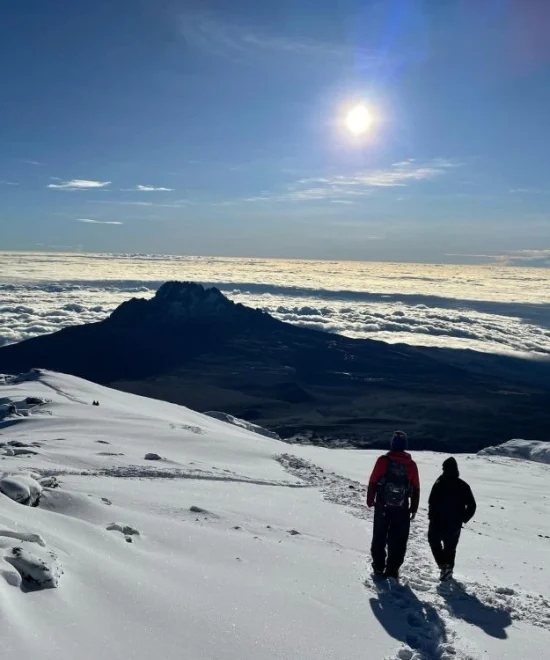
Yes. Many visitors combine a wildlife safari with climbing Mount Kilimanjaro, creating one of Africa’s ultimate adventure holidays. Since both experiences begin near Arusha and Moshi, combining them is both practical and convenient.
Some travelers choose to climb Kilimanjaro first before relaxing on safari, while others prefer enjoying wildlife before beginning the physical challenge of reaching Africa’s highest summit.
Several routes are available, including the popular Machame Route, Marangu Route, Lemosho Route, Rongai Route, and Northern Circuit Route. Each offers different scenery, durations, and summit success rates.
Proper preparation, acclimatization, and experienced mountain guides are essential for a successful climb.
Ron Adventure organizes both Kilimanjaro expeditions and wildlife safaris, allowing travelers to combine these iconic Tanzanian adventures into one seamless itinerary.
Although Mount Kilimanjaro can be climbed throughout the year, certain months provide better weather conditions than others.
The most popular climbing seasons occur between January and March and again from June through October. These periods generally offer clearer skies, lower rainfall, and better trail conditions.
January and February are particularly attractive because temperatures remain relatively warm while visitor numbers are lower than during the middle of the year.
June through October coincides with Tanzania’s dry season and provides excellent mountain visibility. However, this is also the busiest climbing period, so advance booking is highly recommended.
Regardless of the season, climbers should prepare for rapidly changing weather because temperatures vary dramatically between the rainforest and the snow-covered summit.
Ron Adventure helps climbers choose the best route and climbing dates according to their experience level and travel schedule.
57. Can I Combine a Safari with Cultural Experiences?
Absolutely. Tanzania offers rich cultural diversity alongside its famous wildlife, making cultural tourism an excellent addition to any safari itinerary.
Visitors can meet the Maasai, Hadzabe, Datoga, Chagga, and other local communities while learning about traditional lifestyles, customs, agriculture, music, dance, and craftsmanship.
Near Arusha, cultural tourism programs allow travelers to visit local farms, schools, and artisan workshops. Around Lake Eyasi, guests can spend time with the Hadzabe, one of Africa’s last remaining hunter-gatherer communities, gaining insight into ancient survival techniques that have been preserved for thousands of years.
These experiences provide a deeper understanding of Tanzania beyond its wildlife and help support community-based tourism initiatives.
Ron Adventure partners with responsible cultural tourism projects that respect local traditions while creating meaningful experiences for visitors.
58. Is Birdwatching Good in Tanzania?
Tanzania is one of Africa’s premier birdwatching destinations, attracting enthusiasts from around the world. More than 1,100 bird species have been recorded across the country, making it a paradise for both beginner and experienced birdwatchers.
National parks such as Tarangire, Lake Manyara, Serengeti, Arusha National Park, Ruaha, and Nyerere National Park offer exceptional bird diversity throughout the year.
Visitors may encounter colorful kingfishers, lilac-breasted rollers, crowned cranes, secretary birds, fish eagles, hornbills, bee-eaters, ostriches, vultures, and numerous migratory species.
The green season from November through April is particularly rewarding because migratory birds arrive from Europe and Asia while many resident species display vibrant breeding plumage.
Even travelers primarily interested in mammals often become fascinated by Tanzania’s extraordinary birdlife.
59. Will I See Lions Every Day?
Although wildlife sightings can never be guaranteed, Tanzania offers some of the highest lion populations in Africa. Visitors exploring Serengeti National Park and Ngorongoro Crater have an excellent chance of seeing lions during their safari.
Lions spend much of the day resting beneath trees or in the shade to conserve energy before becoming more active during cooler morning and evening hours.
Experienced safari guides communicate with one another while tracking wildlife movements, increasing the likelihood of successful sightings. However, every safari remains unique because animals move freely within their natural environment.
Many visitors are fortunate enough to observe lions hunting, caring for cubs, interacting within prides, or resting only a short distance from the safari vehicle.
Ron Adventure’s experienced guides understand lion behavior and use their extensive local knowledge to maximize guests’ wildlife viewing opportunities.
Selecting the right safari operator can transform an ordinary holiday into a truly unforgettable adventure. Ron Adventure distinguishes itself through personalized service, extensive local knowledge, transparent communication, and genuine passion for showcasing Tanzania’s extraordinary natural heritage.
Unlike companies offering standardized itineraries, Ron Adventure creates tailor-made safaris designed around each traveler’s interests, budget, and preferred pace. Whether planning a luxury honeymoon, family holiday, photography expedition, Great Migration safari, Kilimanjaro climb, or Zanzibar beach extension, every itinerary receives individual attention.
The company operates modern, well-maintained 4×4 safari vehicles driven by professional guides with years of experience interpreting wildlife behavior and Tanzania’s ecosystems. Guests also benefit from carefully selected accommodations, reliable customer support, and honest advice throughout the planning process.
As a locally owned company based in Arusha, Ron Adventure contributes directly to Tanzania’s tourism industry and local communities while providing authentic safari experiences that reflect genuine Tanzanian hospitality.
For travelers seeking exceptional wildlife, personalized service, and unforgettable memories, Ron Adventure remains a trusted choice for exploring the very best of Tanzania
61. Can I See the Big Five in One Safari?
Seeing the Big Five is one of the main goals for many travelers visiting Tanzania. The Big Five include the African elephant, lion, leopard, buffalo, and black rhinoceros. Originally, these animals were known as the most difficult species to hunt on foot, but today they represent the ultimate wildlife checklist for safari enthusiasts.
Tanzania is one of the best countries in Africa to see all five animals during a single safari. Ngorongoro Crater offers perhaps the highest chance of completing the Big Five because it supports healthy populations of lions, elephants, buffaloes, leopards, and the endangered black rhinoceros within a relatively small area.
Serengeti National Park provides excellent opportunities to observe lions, leopards, elephants, and buffaloes throughout the year, while Tarangire National Park is famous for its enormous elephant herds.
Although wildlife can never be guaranteed because animals roam freely, a well-planned itinerary significantly increases your chances of seeing every member of the Big Five.
Ron Adventure carefully plans safari routes according to seasonal wildlife movements and recent sightings, giving guests the best possible opportunity to achieve this unforgettable milestone.
62. Which Safari Is Best for Wildlife Photography?
Tanzania is considered one of the world’s finest wildlife photography destinations because of its spectacular landscapes, abundant wildlife, and beautiful natural lighting. Choosing the right safari itinerary can greatly improve photographic opportunities.
Photography-focused safaris usually spend more time in fewer parks rather than visiting many destinations quickly. This approach allows photographers to wait patiently for ideal lighting, animal behavior, and unique wildlife interactions.
The Serengeti is especially popular because of its predator activity and the Great Wildebeest Migration, while Ndutu offers exceptional opportunities during the calving season when predators hunt newborn wildebeest.
Professional photographers often prefer private safaris because guides can remain longer at sightings without following a fixed schedule. Early morning and late afternoon game drives provide the best lighting conditions for wildlife photography.
Ron Adventure offers specialized photographic safaris led by experienced guides who understand camera positioning, lighting conditions, and wildlife behavior, helping photographers return home with exceptional images.
63. What Camera Equipment Should I Bring?
The ideal camera equipment depends on your experience and photography goals, but even beginners can capture extraordinary wildlife photographs in Tanzania.
A digital camera with interchangeable lenses offers maximum flexibility. Many photographers bring a telephoto lens between 200mm and 600mm for wildlife and a wide-angle lens for landscapes and scenic views.
Extra memory cards, spare batteries, a battery charger, lens cleaning cloths, and protective camera bags are highly recommended because game drives often last several hours.
Visitors using smartphones can also take impressive photographs, especially with modern devices equipped with advanced zoom capabilities.
Dust is common during the dry season, so protecting camera equipment between game drives helps maintain performance.
Ron Adventure’s guides understand how to position safari vehicles for excellent photographic angles while respecting wildlife and other visitors.
64. What Is the Best Time of Day for Wildlife Viewing?
Animals follow natural daily routines, making certain times more productive for wildlife viewing than others.
Early mornings are generally considered the best time for game drives because temperatures remain cool and many animals are active after hunting during the night. Lions, leopards, hyenas, elephants, and numerous bird species are often easier to observe shortly after sunrise.
During the middle of the day, many animals seek shade to escape the heat. This period is ideal for relaxing at the lodge, enjoying lunch, or reviewing photographs before heading out again.
Late afternoon and early evening bring another period of increased wildlife activity as temperatures become cooler. Predators begin preparing for nighttime hunting while herbivores return to open grasslands to feed.
Experienced safari guides plan daily schedules around these natural activity patterns, maximizing opportunities for memorable wildlife encounters.
65. Are Safari Guides Professionally Trained?
Professional safari guides are among the most important factors influencing the quality of your Tanzania safari. Their knowledge extends far beyond simply driving through the national parks.
Certified guides receive extensive training in wildlife identification, animal behavior, ecology, conservation, first aid, tourism, communication, and vehicle operation. Many spend years learning how seasonal changes influence wildlife movements and how to safely approach animals while respecting park regulations.
Excellent guides also share fascinating information about birds, reptiles, insects, plants, local cultures, geology, and conservation efforts, transforming each game drive into an educational experience.
Their ability to interpret fresh tracks, recognize alarm calls from birds and monkeys, and anticipate predator movements often results in extraordinary wildlife sightings that visitors would never discover alone.
Ron Adventure employs knowledgeable, English-speaking professional guides who are passionate about Tanzania’s wildlife and committed to delivering exceptional safari experiences.
66. Are There Luxury Safari Options in Tanzania?
Tanzania is home to some of Africa’s most luxurious safari accommodations, attracting honeymoon couples, celebrities, photographers, and travelers seeking exclusive experiences.
Luxury safaris typically include elegant tented camps or lodges with spacious suites, private verandas, gourmet dining, swimming pools, spa treatments, premium beverages, and exceptional personal service.
Many luxury camps occupy prime wildlife locations, allowing guests to enjoy remarkable game viewing directly from their accommodation. Some even overlook rivers or watering holes frequently visited by elephants, giraffes, and other wildlife.
Fly-in safaris further enhance comfort by reducing driving distances and maximizing time spent enjoying the wilderness.
Although luxury safaris involve higher costs, they combine world-class hospitality with unforgettable wildlife experiences in some of Africa’s most spectacular settings.
Ron Adventure works with carefully selected luxury properties throughout Tanzania, creating personalized itineraries that balance comfort, exclusivity, and outstanding wildlife viewing.
67. Is a Budget Safari Worth It?
Budget safaris provide excellent value for travelers who wish to experience Tanzania’s wildlife while keeping expenses manageable. Choosing a lower-priced safari does not mean compromising on wildlife because all visitors explore the same national parks regardless of accommodation category.
Budget safaris often involve camping or staying in simple lodges while sharing safari vehicles with other travelers. Meals remain nutritious, guides remain professional, and game drives follow the same park routes used by higher-priced tours.
The main differences involve accommodation comfort, group size, and additional amenities rather than wildlife quality.
Many backpackers, students, solo travelers, and adventurous couples find budget safaris incredibly rewarding because they focus on authentic outdoor experiences rather than luxury facilities.
Ron Adventure offers budget-friendly safari packages that maintain high safety standards, experienced guides, and carefully planned itineraries, ensuring guests enjoy excellent value without sacrificing quality.
68. Can I Customize My Safari Itinerary?
One of the greatest advantages of booking with a local safari operator is the ability to customize every aspect of your journey.
Instead of selecting fixed departures, travelers can design itineraries based on their interests, available travel time, preferred accommodations, budget, and wildlife priorities.
Some guests focus on the Great Migration, while others prefer birdwatching, photography, family travel, cultural experiences, or combining safari with Mount Kilimanjaro or Zanzibar.
Accommodation categories, transportation methods, daily schedules, and optional activities can all be adjusted to create a unique travel experience.
Personalized itineraries also provide flexibility if travel plans change before departure.
Ron Adventure specializes in tailor-made safaris and works closely with every guest to design an itinerary that reflects individual travel goals rather than standard package tours.
69. Is Tanzania Suitable for Repeat Safari Visitors?
Many travelers who visit Tanzania once eventually return because every safari offers a completely different experience. Wildlife movements change daily, seasonal landscapes transform dramatically, and no two game drives are ever identical.
Repeat visitors often explore new destinations beyond the Northern Circuit, including Ruaha National Park, Nyerere National Park, Katavi National Park, Mahale Mountains National Park, and Gombe National Park.
Others return specifically to witness different stages of the Great Wildebeest Migration or enjoy specialized activities such as chimpanzee trekking, birdwatching, walking safaris, or photographic expeditions.
Returning during another season reveals entirely different ecosystems, weather conditions, and wildlife behavior, making each visit unique.
Ron Adventure frequently welcomes returning guests and designs new itineraries that introduce them to different regions and experiences throughout Tanzania.
70. Why Should Tanzania Be Your Next Safari Destination?
Tanzania stands among the world’s greatest wildlife destinations because it combines extraordinary biodiversity, breathtaking landscapes, rich cultural heritage, and genuine hospitality within one remarkable country.
Visitors can witness millions of migrating wildebeest crossing vast plains, search for the Big Five, descend into the Ngorongoro Crater, admire giant baobab trees in Tarangire, climb Africa’s highest mountain, and relax on Zanzibar’s pristine beaches—all during a single journey.
The country’s commitment to conservation has protected some of Africa’s most important ecosystems, allowing wildlife to flourish in spectacular natural habitats.
Whether you seek adventure, photography, romance, family travel, or simply the opportunity to reconnect with nature, Tanzania offers unforgettable experiences that exceed expectations.
Planning your safari with a trusted local operator makes the journey even more rewarding. Ron Adventure combines expert local knowledge, professional guides, personalized service, carefully selected accommodations, and reliable safari vehicles to create exceptional adventures tailored to every traveler.
From your first inquiry until your final farewell, Ron Adventure is committed to helping you discover the beauty, wildlife, and warm hospitality that make Tanzania one of the world’s most extraordinary safari destinations.
Preparing the correct travel documents before arriving in Tanzania helps ensure a smooth and stress-free experience. International visitors should carry a valid passport with sufficient validity, a Tanzania visa if required for their nationality, flight details, accommodation information, and travel insurance documents.
Most travelers require a passport that remains valid for at least six months from the date of entry. It is also recommended to have enough blank pages available for immigration stamps.
Depending on your country of origin and recent travel history, certain health documentation may be required. Travelers should check the latest entry requirements before departure because regulations can change.
It is advisable to keep digital copies of important documents, including your passport, visa, insurance policy, emergency contacts, and safari confirmation. Store these copies securely online or on a separate device in case original documents are misplaced.
Ron Adventure assists guests with practical pre-arrival information, helping travelers understand what documents they need before beginning their Tanzania safari adventure.

72. Do I Need a Yellow Fever Vaccination to Visit Tanzania?
Yellow fever vaccination requirements depend on your country of departure and travel history. Travelers arriving directly from countries without yellow fever risk generally do not need a vaccination certificate.
However, visitors arriving from or transiting through certain countries where yellow fever is present may be required to show proof of vaccination.
Because health regulations can change, travelers should confirm current requirements with their healthcare provider or official government travel advice before departure.
In addition to yellow fever considerations, many visitors consult medical professionals regarding routine vaccinations, malaria prevention, and other travel health recommendations.
Maintaining good health preparation before your trip allows you to focus on enjoying Tanzania’s wildlife, landscapes, and cultural experiences.
Ron Adventure provides general travel preparation guidance but recommends that all guests seek professional medical advice based on their personal health situation and travel history.
73. What Languages Are Spoken in Tanzania?
Tanzania is a culturally diverse country with more than 120 ethnic groups and many languages. The two official languages are Swahili and English.
Swahili, known locally as Kiswahili, is the national language and is widely spoken throughout the country. Learning a few simple Swahili greetings can create meaningful connections with local people and is often appreciated by Tanzanians.
English is commonly used in tourism, hotels, airports, and business environments. Most professional safari guides speak fluent English and can explain wildlife, conservation, geography, and local culture throughout your journey.
Other languages are spoken within different communities, including Maasai, Chagga, Hadzabe, and Datoga languages.
Visitors often find that Tanzania’s friendly people and welcoming culture make communication easy, even when language differences exist.
74. What Are the Most Useful Swahili Words for Safari Travelers?
Learning a few Swahili words can make your Tanzania experience more enjoyable and create friendly interactions with local communities.
“Jambo” means hello and is commonly used by visitors, while “Habari” is another greeting meaning how are you? “Asante” means thank you and is one of the most useful words travelers can learn.
“Karibu” means welcome and is frequently heard throughout Tanzania because hospitality is an important part of local culture. “Pole pole” means slowly slowly and is a phrase visitors often hear during Mount Kilimanjaro climbs as a reminder to maintain a steady pace.
“Safari njema” means have a good journey, a beautiful expression often shared with travelers beginning their adventures.
Although English is widely spoken in tourism areas, using a few Swahili phrases demonstrates respect and appreciation for Tanzanian culture.
75. Can I Use Credit Cards During My Tanzania Safari?
Credit cards are accepted in many hotels, lodges, restaurants, and tourism businesses in major destinations. Visa and Mastercard are the most commonly accepted cards.
However, travelers should not rely entirely on electronic payments because remote safari locations may have limited connectivity. Some camps and small businesses may only accept cash or may charge additional processing fees for card payments.
Carrying a reasonable amount of cash in US Dollars or Tanzanian Shillings is recommended for personal expenses, tips, souvenirs, and locations where card payments are unavailable.
ATMs are available in major towns such as Arusha, Moshi, Dar es Salaam, and Zanzibar, but opportunities to withdraw money become limited once you enter remote wilderness areas.
Ron Adventure advises guests about recommended payment methods before arrival to ensure convenient and comfortable travel throughout their safari.
76. What Should I Know About Tanzanian Time and Daily Life?
Tanzania operates on East Africa Time, which is three hours ahead of Coordinated Universal Time (UTC+3). Unlike some countries, Tanzania does not normally observe daylight saving time.
Daily life follows a relaxed rhythm influenced by local culture and climate. Early mornings are often the busiest time because temperatures are cooler and many activities begin at sunrise.
Safari schedules naturally follow this rhythm, with early morning game drives and afternoon activities designed around wildlife behavior.
Visitors often notice the welcoming and relaxed atmosphere of Tanzanian communities. Hospitality, respect, and personal connections are highly valued, making interactions with local people one of the memorable parts of traveling through the country.
Understanding local customs and embracing a slightly slower pace helps visitors enjoy a more authentic experience.
77. Is Tanzania Safari Environmentally Friendly?
Responsible tourism is becoming increasingly important, and Tanzania has made significant efforts to protect its natural resources through conservation programs and sustainable tourism practices.
National parks and conservation areas protect millions of hectares of wilderness, providing safe habitats for wildlife while supporting local communities through tourism revenue.
Many safari lodges now use solar energy, reduce plastic waste, recycle materials, and support conservation initiatives. Travelers can contribute by choosing responsible operators, avoiding single-use plastics, respecting wildlife rules, and supporting local businesses.
A responsible safari is not only about seeing animals but also about protecting the ecosystems and communities that make these experiences possible.
Ron Adventure promotes responsible tourism by working with partners who value conservation, supporting local employment, and encouraging guests to respect Tanzania’s natural and cultural heritage.
78. Can I Visit Tanzania on a Solo Budget?
Solo travelers can enjoy Tanzania on different budgets depending on their travel preferences. While private safaris can be more expensive for one person, joining group safaris provides an affordable way to experience world-famous national parks.
Budget-conscious solo travelers often choose shared safari departures where transportation, guides, and park fees are divided among participants. This option also creates opportunities to meet fellow travelers from different countries.
Accommodation choices also influence costs significantly. Camping safaris, budget lodges, and shorter itineraries can make Tanzania accessible while still providing incredible wildlife experiences.
Planning ahead helps solo travelers find better prices and availability, especially during peak seasons.
Ron Adventure assists solo travelers by offering both group joining safaris and private options, ensuring flexibility for different budgets and travel styles.
79. What Is the Best Safari Route in Tanzania?
The best safari route depends on your interests, travel dates, and available time. However, the Northern Safari Circuit remains the most popular route because it combines several world-famous destinations.
A classic Northern Circuit itinerary includes Tarangire National Park, Ngorongoro Crater, Serengeti National Park, and sometimes Lake Manyara National Park. This route offers excellent wildlife diversity, beautiful landscapes, and strong chances of seeing the Big Five.
Travelers interested in the Great Migration may adjust the route according to the location of the herds during their travel period. Those seeking fewer crowds and remote wilderness may prefer Southern Tanzania destinations such as Ruaha and Nyerere National Park.
There is no single perfect route for everyone. The ideal safari is one designed around personal interests and seasonal wildlife movements.
Ron Adventure specializes in creating customized routes that match each traveler’s expectations.
Choosing the right safari company is one of the most important decisions when planning your trip. A reliable operator influences everything from vehicle quality and guide expertise to accommodation standards and overall travel safety.
Travelers should look for companies with clear communication, transparent pricing, professional guides, positive customer experiences, and proper registration within Tanzania.
A trustworthy operator should explain exactly what is included in the safari price and provide honest advice rather than simply selling the most expensive package.
Local knowledge is another major advantage because wildlife movements, road conditions, and seasonal changes require firsthand experience.
Ron Adventure is a locally based Tanzanian tour operator specializing in private safaris, group safaris, Kilimanjaro trekking, cultural tours, and Zanzibar holidays. The company focuses on personalized experiences, professional service, and creating memorable journeys based on each guest’s interests
Many first-time safari travelers arrive with unrealistic expectations or incomplete preparation. Understanding common mistakes before your journey can help you enjoy a smoother and more rewarding experience.
One common mistake is trying to visit too many destinations in a short time. Tanzania is a large country, and spending too many hours driving between parks can reduce the time available for wildlife viewing. A well-designed itinerary with enough time in each destination usually provides a much better experience.
Another mistake is choosing a safari company based only on the lowest price. Extremely cheap offers may involve poor-quality vehicles, inexperienced guides, unsuitable accommodations, or hidden additional costs. A safari is a once-in-a-lifetime investment, and quality service makes a significant difference.
Some travelers also underestimate the importance of packing correctly. Comfortable clothing, good binoculars, sun protection, and appropriate camera equipment can greatly improve your enjoyment.
Ron Adventure helps guests avoid these common mistakes by providing honest recommendations, realistic itineraries, experienced guides, and transparent safari planning before arrival.
82. How Long Should I Stay in Serengeti National Park?
The ideal Serengeti stay depends on your travel goals and available time. While some travelers visit for only one night, spending two to four nights allows a much deeper exploration of this world-famous ecosystem.
Serengeti National Park covers a vast area, and different regions offer different wildlife experiences. Central Serengeti is famous for year-round predator sightings, especially lions, leopards, and cheetahs. Northern Serengeti is ideal during the Mara River crossing season, while Southern Serengeti and Ndutu are exceptional during the wildebeest calving period.
A longer stay increases the chance of observing rare wildlife behavior, enjoying multiple game drives, and experiencing the changing landscapes of the park.
Many travelers consider Serengeti the highlight of their Tanzania safari because of its endless plains, dramatic sunsets, and extraordinary concentration of wildlife.
Ron Adventure recommends Serengeti itineraries based on seasonal conditions and migration movements to ensure guests spend time in the most rewarding areas.
Ready to plan your Tanzania safari?
Our Arusha-based safari experts will create a free, personalized Tanzania safari itinerary within 3 hours, tailored to your budget, travel style, and interests..
Ndutu is one of the most frequently misunderstood areas among safari travelers. Geographically, Ndutu is located within the Ngorongoro Conservation Area, not inside Serengeti National Park. However, it forms part of the greater Serengeti ecosystem, which means wildlife moves freely between these areas.
Ndutu is especially famous for the Great Migration calving season between January and March. During this period, hundreds of thousands of wildebeest gather on the short grass plains to give birth. The abundance of newborn calves attracts predators, creating some of the most dramatic wildlife encounters in Africa.
The area combines beautiful landscapes, fewer crowds, and exceptional opportunities for photography. Visitors can witness cheetahs hunting, lions protecting territories, and large herds gathering across open plains.
Because Ndutu’s wildlife experience is seasonal, choosing the right travel dates is extremely important.
Ron Adventure specializes in Ndutu migration safaris and helps travelers plan their visit during the most rewarding periods for calving and predator activity.
84. What Is the Best Tanzania Safari for Couples?
Tanzania offers some of the world’s most romantic safari experiences, making it an excellent destination for couples and honeymoon travelers.
A romantic safari often combines luxury accommodation, private game drives, breathtaking landscapes, and unique experiences such as bush breakfasts, sunset views, and private dinners under the African sky.
Many couples choose a combination of Serengeti, Ngorongoro Crater, and Zanzibar. This itinerary provides adventure, wildlife, relaxation, and beach romance in one unforgettable journey.
Private safari vehicles allow couples to enjoy flexible schedules and intimate wildlife experiences without sharing the adventure with other travelers.
Luxury tented camps provide a special atmosphere where couples can enjoy the sounds of nature while surrounded by the African wilderness.
Ron Adventure creates customized romantic safaris designed around each couple’s preferences, from honeymoon celebrations to anniversary journeys and private luxury escapes.
85. Can Older Adults Enjoy a Tanzania Safari?
Absolutely. Many older adults enjoy Tanzania safaris. With a well-planned itinerary, comfortable accommodations, and a relaxed pace, you can experience Tanzania’s incredible wildlife safely and comfortably.
Modern safari vehicles provide comfortable seating, and many lodges offer excellent facilities for senior guests. Wildlife viewing requires minimal walking because most animals are observed directly from the vehicle.
A carefully planned safari can include shorter driving distances, comfortable accommodation, and additional relaxation time between activities.
Fly-in safari options are also available for travelers who prefer to minimize long road journeys between destinations.
Medical preparation, travel insurance, and discussing personal mobility needs with the safari operator before arrival are important steps.
Ron Adventure welcomes senior travelers and creates comfortable itineraries that allow guests of all ages to enjoy Tanzania’s wildlife without unnecessary physical challenges.
86. What Is the Difference Between a Lodge Safari and a Camping Safari?
The main difference between lodge and camping safaris is accommodation style, comfort level, and overall experience.
A lodge safari provides permanent rooms or suites with private bathrooms, electricity, restaurants, and additional facilities such as swimming pools or lounges. This option is popular among travelers seeking comfort after long days of wildlife viewing.
A camping safari offers a closer connection with nature. Guests sleep in spacious tents, often surrounded by the sounds of the wilderness. Camping can range from basic public campsites to comfortable mobile tented camps with beds, dining areas, and excellent service.
Both options provide access to the same national parks and wildlife experiences. The choice depends on personal preferences, budget, and desired level of comfort.
Ron Adventure organizes both camping and lodge safaris, allowing travelers to choose the experience that best matches their adventure style.

87. What Should I Wear During a Tanzania Safari?
Choosing the right clothing helps ensure comfort throughout your safari. Lightweight, breathable clothing is ideal because daytime temperatures can become warm, while mornings and evenings may feel cool.
Neutral colors such as beige, brown, green, and grey are commonly recommended because they blend well with the natural environment and are practical for outdoor activities.
A warm jacket or fleece is useful for early morning game drives, especially in areas such as Ngorongoro Highlands. Comfortable walking shoes, sunglasses, a hat, and sunscreen are essential.
Travelers should avoid heavy luggage because most safari accommodations provide laundry services.
For evenings, casual comfortable clothing is appropriate. Safari experiences are generally relaxed, and formal clothing is rarely necessary.
Ron Adventure provides packing guidance before departure to help guests prepare appropriately for Tanzania’s different environments.
88. Can I Combine Safari with Zanzibar Beach Holiday?
Combining safari and Zanzibar is one of Tanzania’s most popular travel experiences because it offers the perfect balance between adventure and relaxation.
After exploring national parks and witnessing incredible wildlife, travelers can fly to Zanzibar to enjoy white sandy beaches, turquoise waters, cultural tours, and tropical relaxation.
Popular Zanzibar activities include exploring Stone Town, visiting spice plantations, snorkeling, diving, sailing, and enjoying beautiful beachfront resorts.
Many travelers choose a seven-day safari followed by several days in Zanzibar, although the duration can easily be customized.
This combination is ideal for honeymooners, families, and first-time visitors who want to experience both Tanzania’s wilderness and coastal beauty.
Ron Adventure creates seamless safari and Zanzibar packages, arranging transportation, accommodations, and activities to provide a complete Tanzania holiday experience.
89. Is Tanzania Good for a Luxury Safari Experience?
Tanzania is one of Africa’s leading luxury safari destinations, offering exclusive camps, private experiences, and exceptional hospitality.
Luxury travelers can enjoy private safari vehicles, premium accommodations, gourmet meals, personalized service, and unique experiences such as hot air balloon flights over the Serengeti.
Many luxury camps are located in prime wildlife areas, allowing guests to experience nature while enjoying outstanding comfort.
Private guides provide flexibility, allowing travelers to spend more time at special wildlife sightings and explore according to their personal interests.
Luxury safaris can also include domestic flights, private transfers, and Zanzibar beach extensions.
Ron Adventure works with selected luxury accommodations to design exclusive safari experiences that combine adventure, comfort, and unforgettable moments.
Tanzania offers a combination of experiences that few destinations can match. While several African countries provide excellent wildlife viewing, Tanzania stands out because of its vast wilderness areas, exceptional wildlife populations, and incredible variety of landscapes.
The country is home to the Serengeti, the Great Wildebeest Migration, Ngorongoro Crater, Mount Kilimanjaro, and Zanzibar. Few destinations allow travelers to combine such diverse experiences within one journey.
Tanzania also offers excellent opportunities to see the Big Five, experience authentic cultures, and explore both mainland wilderness and tropical islands.
The warmth of Tanzanian hospitality adds another unforgettable dimension to the journey.
For travelers seeking a complete African adventure, Tanzania offers a rare combination of wildlife, nature, culture, and relaxation.
91. How Can I Support Conservation During My Safari?
Every traveler has a role in protecting Tanzania’s natural environment. Choosing responsible tourism practices helps preserve wildlife habitats and supports local communities.
Visitors can contribute by selecting ethical safari companies, respecting wildlife regulations, avoiding littering, reducing plastic use, and supporting locally owned businesses.
National Park fees contribute to conservation efforts, including habitat protection, wildlife monitoring, and anti-poaching programs.
Many lodges also support community projects involving education, healthcare, and environmental protection.
A responsible safari is not only about observing nature but also ensuring future generations can enjoy these incredible ecosystems.
Ron Adventure promotes responsible travel practices and works to ensure tourism benefits both wildlife conservation and local communities.
92. What Makes a Safari Experience Unforgettable?
An unforgettable safari is created by many elements working together: incredible wildlife encounters, beautiful landscapes, knowledgeable guides, comfortable accommodation, and meaningful cultural connections.
Seeing a lion in the wild, watching elephants walk across open plains, witnessing a migration event, or enjoying an African sunset are moments that remain with travelers forever.
However, the quality of the guide and organization behind the journey often determines how memorable the experience becomes. A skilled guide can transform a simple animal sighting into an educational and emotional experience.
Personalized service, attention to detail, and genuine hospitality also create lasting impressions.
Ron Adventure focuses on creating meaningful journeys rather than simply transporting visitors between parks, ensuring guests experience the true spirit of Tanzania.
93. How Early Should I Start Planning My Tanzania Safari?
Early planning gives travelers more choices and better opportunities to secure preferred accommodations and travel dates.
For peak seasons such as July to October and Christmas holidays, planning six to twelve months ahead is recommended. Popular migration periods, especially Ndutu calving season and Mara River crossing months, often require early reservations.
Planning ahead also allows enough time for flights, visas, insurance, health preparation, and personal arrangements.
However, travelers with flexible dates may still find excellent opportunities closer to departure.
Ron Adventure recommends contacting the team early so specialists can provide advice based on current availability and seasonal conditions.
94. Is Tanzania Suitable for First-Time Africa Visitors?
Tanzania is one of the best introductions to Africa because it offers excellent tourism infrastructure, friendly people, professional safari services, and extraordinary wildlife experiences.
First-time visitors often feel comfortable because safari destinations are well organized, guides speak international languages, and accommodations provide excellent hospitality.
The combination of wildlife, culture, beaches, and adventure activities allows travelers to experience many different sides of Africa in one country.
With proper planning and a reliable safari company, Tanzania provides a safe and unforgettable first African adventure.

95. What Is the Most Important Thing to Know Before a Tanzania Safari?
The most important thing to understand is that a safari is not a zoo experience. Wildlife moves freely, and every day brings different surprises.
Patience, flexibility, and respect for nature create the best safari experiences. The most memorable moments often happen unexpectedly, whether it is a leopard appearing in a tree, elephants crossing the road, or a spectacular sunset over the plains.
Choosing the right season, destination, and safari operator significantly improves your experience.
96. How Do I Make My Tanzania Safari More Special?
Small details can transform a good safari into an extraordinary one. Adding cultural experiences, a hot air balloon safari, photography sessions, private game drives, or a Zanzibar extension can create unforgettable memories.
Traveling during special seasons, such as migration periods, also adds unique experiences.
A personalized itinerary designed around your interests ensures that your safari reflects your dreams rather than following a standard schedule.
Booking directly with Ron Adventure provides travelers with direct communication, local expertise, and personalized planning from the people who operate safaris in Tanzania.
Guests receive honest recommendations based on real destination knowledge rather than generic information from overseas intermediaries.
Direct booking also allows greater flexibility when adjusting itineraries, accommodations, activities, or travel dates.
Ron Adventure focuses on creating authentic Tanzanian experiences while maintaining professional standards from planning to completion.
98. What Kind of Memories Will I Take Home from Tanzania?
A Tanzania safari creates memories that last far beyond the journey itself.
Travelers return home remembering the sound of lions calling across the Serengeti, elephants walking through golden landscapes, sunrise over Ngorongoro Crater, conversations with local communities, and the feeling of standing in one of Earth’s most remarkable wilderness areas.
These experiences often become stories shared with family and friends for many years.
99. How Can I Start Planning My Tanzania Safari?
The first step is identifying your travel goals. Decide whether you are interested in wildlife, migration, culture, Kilimanjaro, beaches, photography, luxury, or budget travel.
Then choose your preferred travel dates and contact an experienced local safari company for professional advice.
Ron Adventure can help transform your ideas into a detailed itinerary designed around your expectations, budget, and available time.
Your Tanzania safari should be more than just a holiday; it should be a life-changing experience filled with adventure, discovery, and unforgettable memories.
Ron Adventure is a locally owned Tanzanian safari company based in Arusha, specializing in private safaris, group adventures, Great Migration experiences, Kilimanjaro trekking, cultural tours, and Zanzibar holidays.
With experienced guides, reliable safari vehicles, carefully selected accommodations, and personalized service, Ron Adventure creates journeys designed around each traveler’s dreams.
From your first inquiry to your final departure, the team focuses on making every detail smooth, safe, and memorable.
Whether you are searching for your first African safari, a romantic honeymoon adventure, a family wildlife holiday, or a once in a lifetime Great Migration experience, Ron Adventure is ready to help you discover the beauty of Tanzania.

Book Your Tanzania Safari Today
Let our local safari experts create your perfect itinerary. Enjoy unforgettable wildlife, luxury lodges, Kilimanjaro adventures, and Zanzibar beach holidays.

Recent Posts
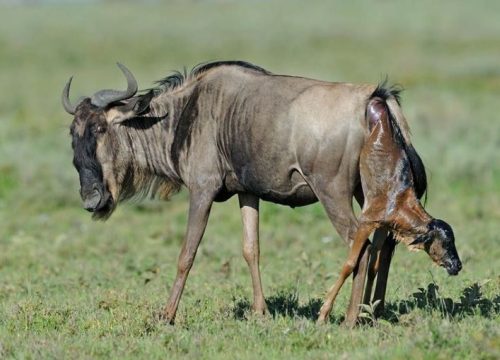
7-Day Luxury Ndutu Calving Season Safari
Kilimanjaro International Airport (JRO): Flights, Arrivals, Transfers & Travel Guide
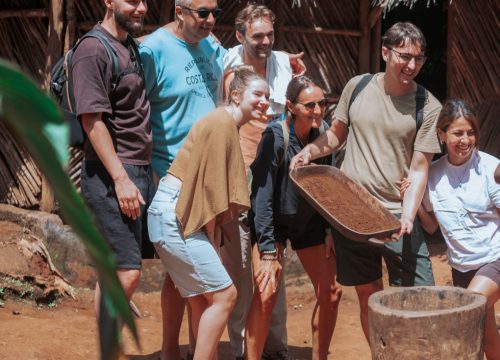
Materuni Waterfalls and Coffee Tour: Best Day Trip from Moshi
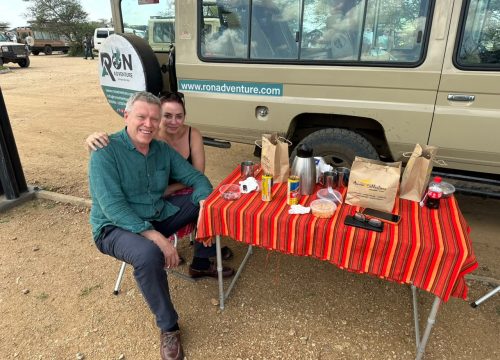
Tanzania Travel Bucket List 2027: 20 Unforgettable Experiences
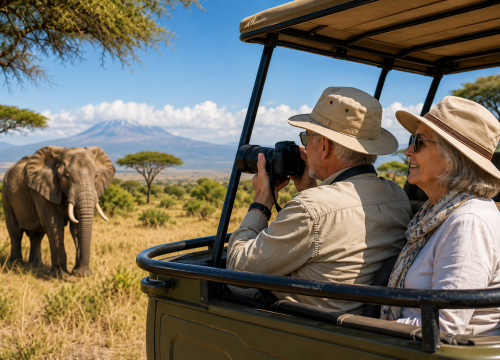
Tanzania Safari for Older Travelers: Complete Travel Guide
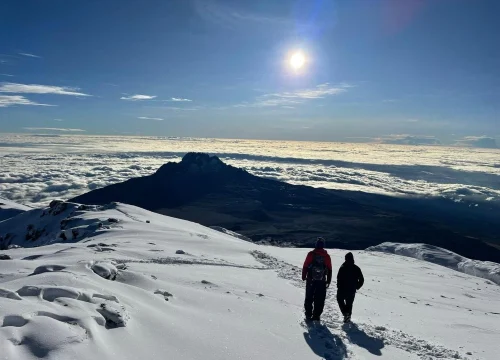
Marangu Route Kilimanjaro: Complete Guide, Itinerary, Cost & Tips
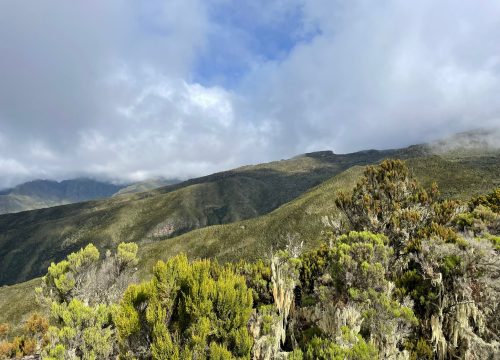
Kilimanjaro Lemosho Route: Complete Guide, Itinerary, Cost, Difficulty & Tips
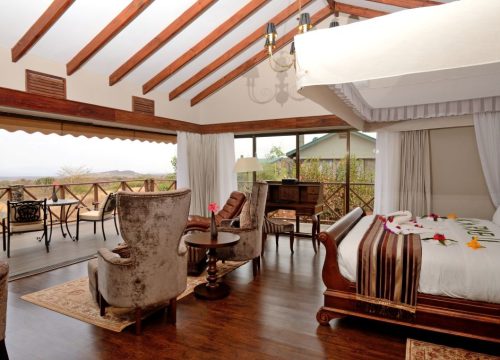
Tanzania Safari Accommodations: Luxury, Mid-Range & Budget Guide
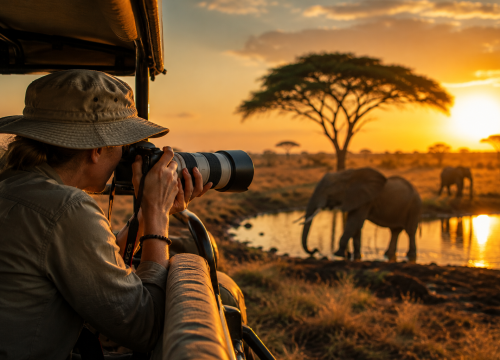
Safari Photography Tips for Beginners in Tanzania
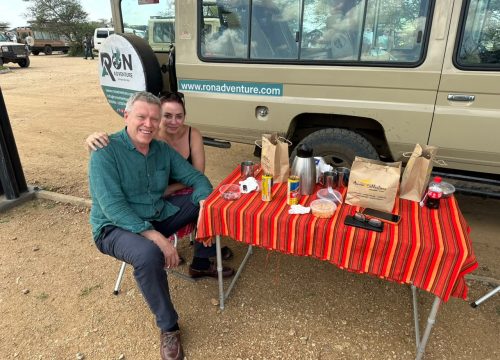
Tanzania Safari FAQs: Answering 100 Common Questions Before You Visit Tanzania
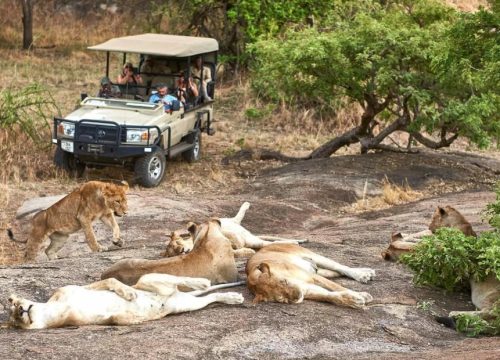
First-Time Tanzania Safari: 30 Things Nobody Tells You
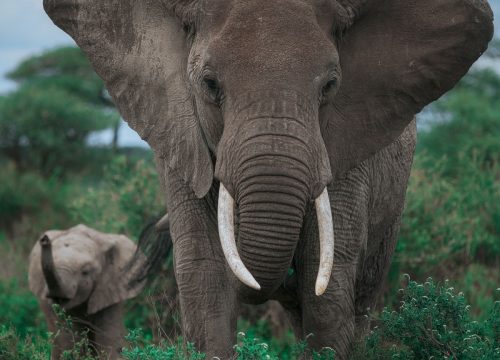
25 Animals You Can See on a Tanzania Safari: Complete Wildlife Guide
Western Kilimanjaro Safari: Tanzania’s Hidden Gem (2026
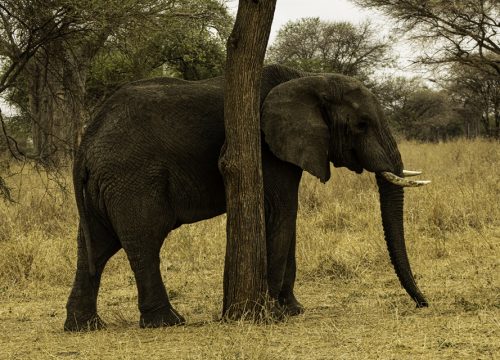
Ngorongoro Crater from Karatu: Price, Distance, Itinerary & Travel Guide
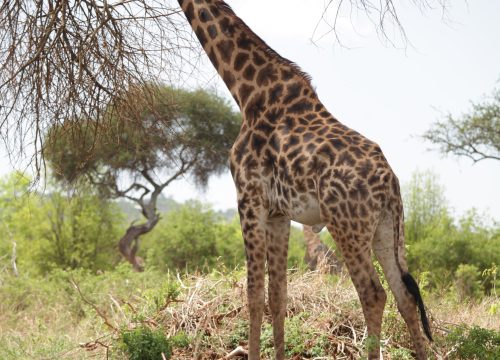
Serengeti Fly-In Safari from Zanzibar | Mara River Crossing 2026
How to Plan a Tanzania Safari from Canada
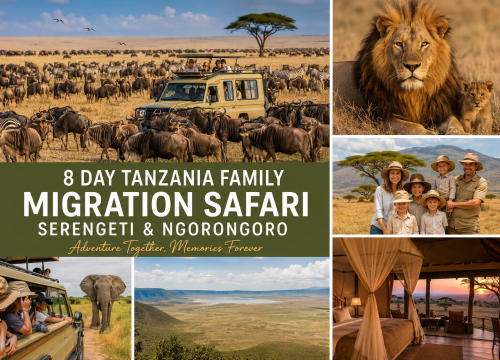
8 Day Tanzania Family Migration Safari
7 Day Tanzania Family Safari Great Migration Serengeti
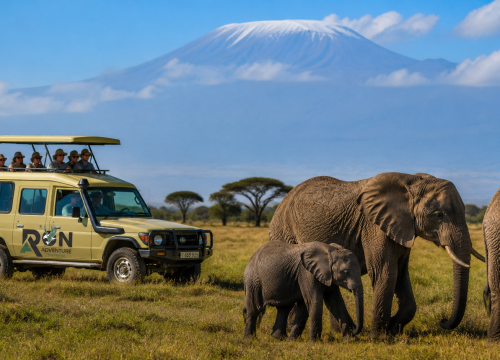
Tanzania Safari in December and January: Best Time for Great Migration and Holiday Travel
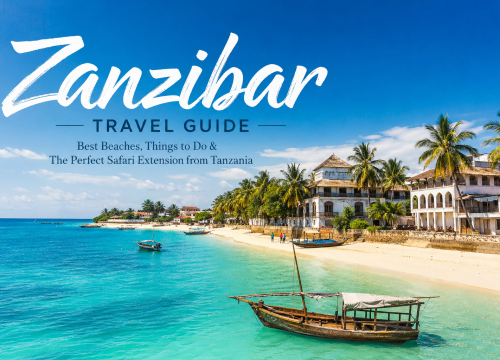
Zanzibar Travel Guide- Best Beaches, Things to Do & Perfect Safari Extension from Tanzania
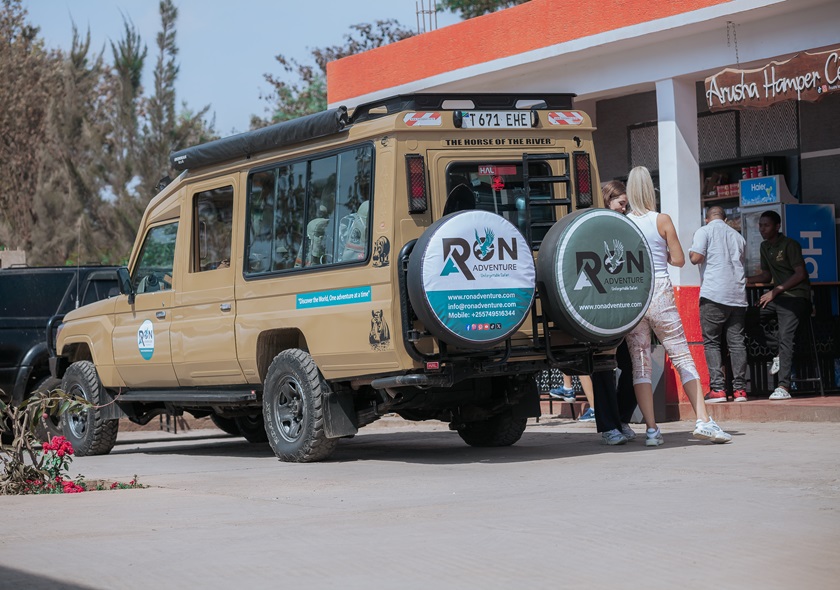
Tanzania
Recent News and Artices
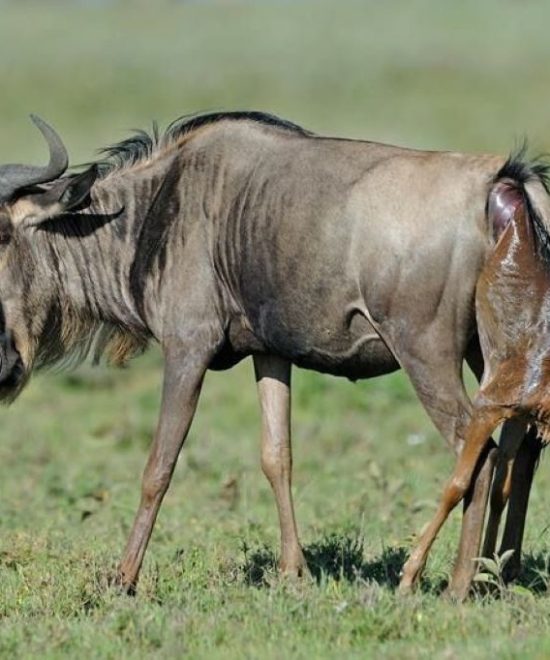
7-Day Luxury Ndutu Calving Season Safari
Kilimanjaro International Airport (JRO): Flights, Arrivals, Transfers & Travel Guide
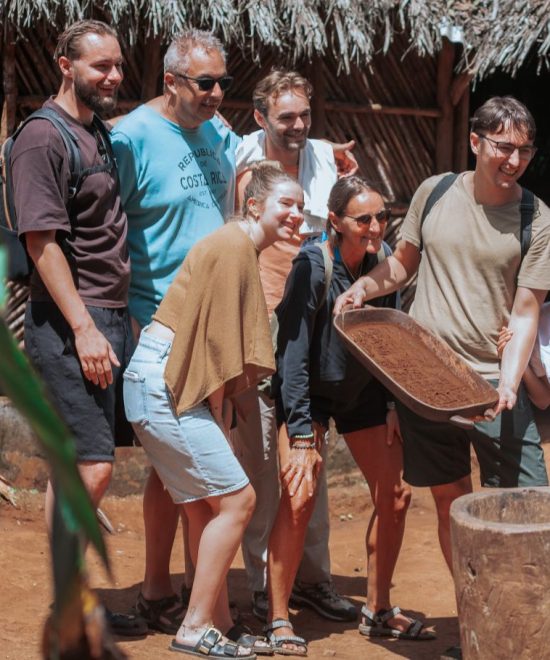
Materuni Waterfalls and Coffee Tour: Best Day Trip from Moshi
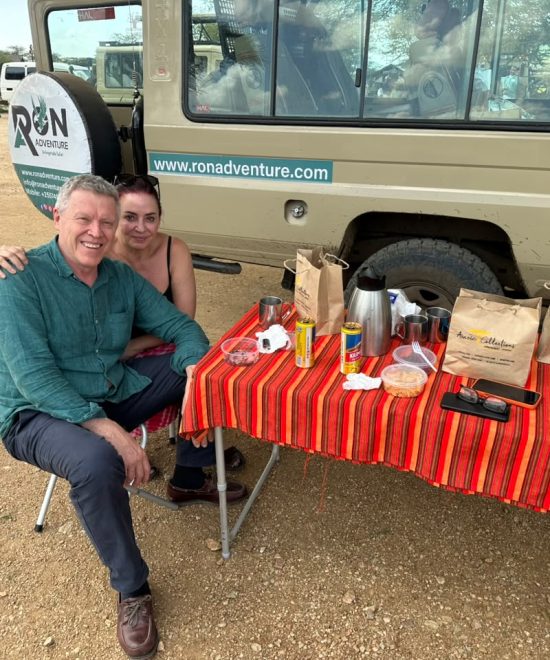
Tanzania Travel Bucket List 2027: 20 Unforgettable Experiences
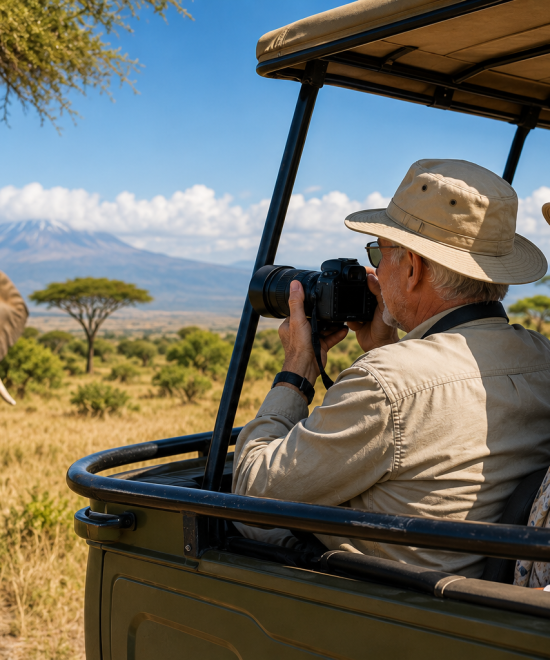
Tanzania Safari for Older Travelers: Complete Travel Guide