Safari Photography Tips for Beginners in Tanzania
Introduction
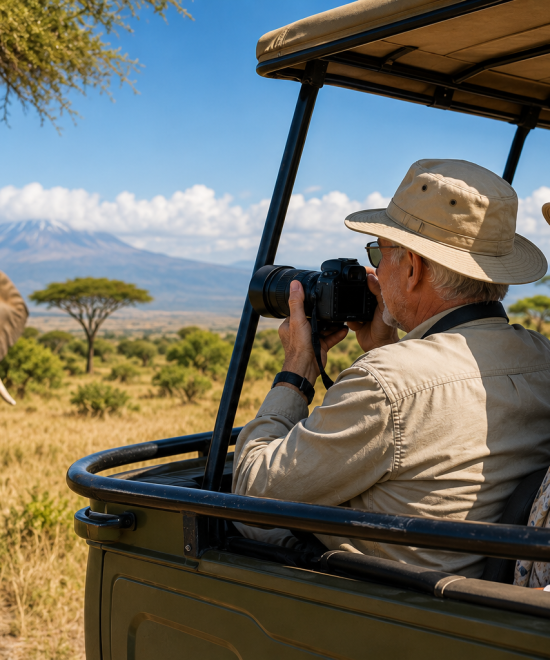
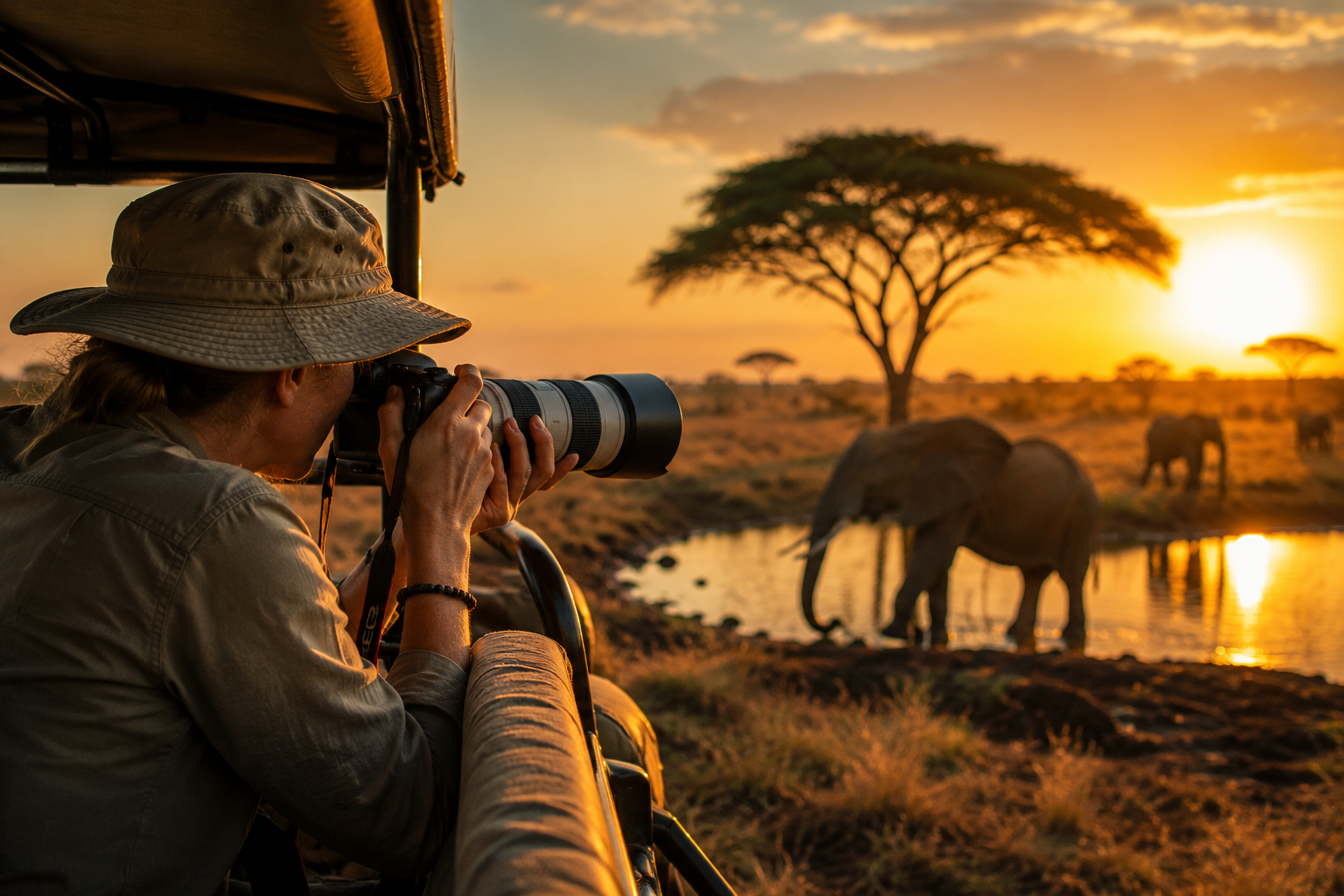
Tanzania is one of the best destinations in Africa for wildlife photography. From lions in the Serengeti to elephants in Tarangire, every game drive offers opportunities to capture memorable images.
You do not need the most expensive camera to take great safari photographs. Good preparation, the right lens, suitable camera settings and patience are often more important than expensive equipment.
In this guide, you will learn practical safari photography tips for beginners. We cover camera settings, lenses, lighting, composition, wildlife behavior and the best time to take photographs in Tanzania.
If you are planning a Tanzania photography safari, these tips will help you prepare your equipment and make better use of every wildlife encounter.
Why Safari Photography Is Different from Other Types of Photography
Wildlife Is Unpredictable
Distance Matters
Light Changes Throughout the Day
Wild animals can change their behavior without warning. A resting lion may suddenly start hunting. Elephants may cross the road, while a leopard can disappear into thick vegetation.
This is why safari photographers need patience, preparation, and quick reactions. Keeping your camera ready can make the difference between capturing the moment and missing it
Wild animals must be photographed from a safe and respectful distance. This is especially important when viewing lions, leopards, buffalo, and elephants.
A telephoto lens is therefore very useful. It allows you to capture detailed wildlife images without getting too close to the animals.
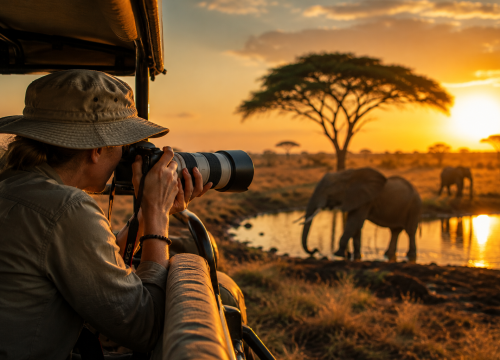
Light plays an important role in wildlife photography. Early morning game drives often provide soft, warm light and active animals. Late afternoon can create beautiful golden colors and dramatic landscapes.
Midday light can be harsh. Adjusting your shutter speed, aperture, and ISO can help you achieve better exposures.
Safari Conditions Can Be Challenging
Capture Stories, Not Just Animals
Choose a Photography-Friendly Safari
Dust, rough roads, vehicle movement, and changing weather can affect your photography. Protect your camera and lenses from dust, and use a stable shooting position whenever possible.
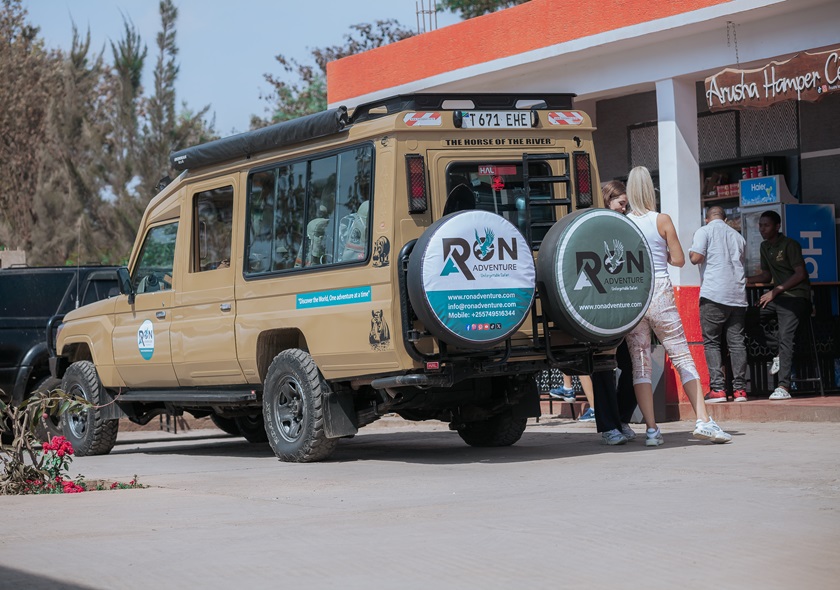
A good safari vehicle and an experienced guide can also make photography easier by helping you find suitable positions for wildlife viewing.
Great safari photography is about more than photographing animals. Try to capture behavior, emotion, and interaction.
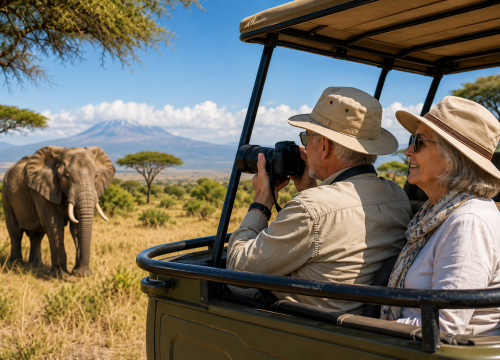
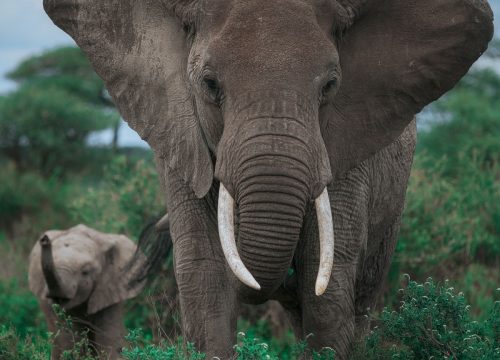
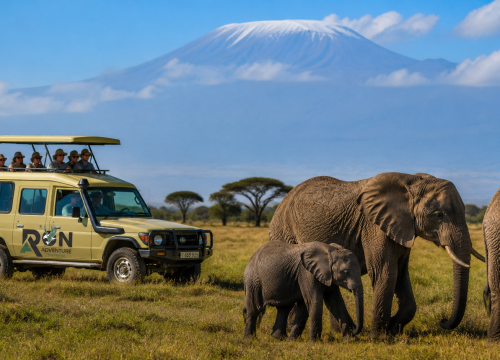
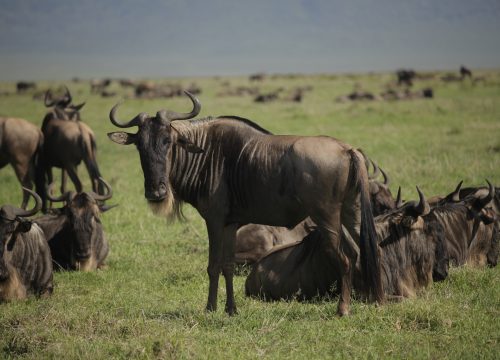
A mother elephant protecting her calf, a lioness teaching her cub to hunt, or wildebeest crossing a river can tell a powerful story through a single image.
The right safari company can improve your photography experience. Ron Adventure’s experienced guides help with vehicle positioning, patience, and wildlife viewing while respecting park regulations. We create Tanzania photography safaris for both beginners and experienced photographers
Best Camera for Tanzania Safari Photography
You do not need the most expensive camera for a Tanzania safari. Modern cameras at different price levels can produce excellent wildlife photos when used correctly.
Mirrorless cameras are popular with safari photographers because they offer fast autofocus, high image quality, silent shooting and lightweight designs. They are comfortable to use during long game drives.
DSLR cameras are also a reliable choice. They offer excellent autofocus, strong battery life, durable bodies and a wide range of wildlife lenses.
Bridge cameras are ideal for travelers who want a simple setup. Many offer powerful zoom ranges, allowing you to photograph distant animals without changing lenses.
Smartphones are useful for nearby wildlife, landscapes, safari camps and sunsets. A smartphone can work well alongside a dedicated camera, giving you more flexibility during your safari.
When choosing a camera, focus on autofocus speed, continuous shooting, image stabilization, battery life and lens options rather than megapixels alone. Wildlife can move quickly, so a responsive camera is more important than having the highest resolution.
Before traveling to Tanzania, practice using your camera. Learn the autofocus modes, exposure settings and basic controls so you can react quickly when an animal suddenly appears.
Ron Adventure can also provide practical photography advice for safari itineraries in Serengeti, Ngorongoro Crater and Tarangire National Park.
The best safari camera is the one you know how to use confidently.
Choosing the Best Lens for Tanzania Safari Photography
A good lens is essential for wildlife photography because animals are often far from the safari vehicle.
A 100–400mm zoom lens is a versatile choice for most safaris. It works well for lions, elephants, giraffes and other wildlife.
For distant animals and birds, 500mm or 600mm lenses provide more reach. However, they are heavier and more expensive.
A wide-angle lens is useful for Serengeti landscapes, Ngorongoro Crater views, Tarangire’s baobabs and sunsets.
Many photographers carry two lenses to avoid changing equipment in dusty conditions. Image stabilization can also help produce sharper photos from a safari vehicle.
Most importantly, good positioning, patience and timing can matter more than having the longest lens. The right lens helps you capture Tanzania’s wildlife while maintaining a safe viewing distance.
Best Camera Settings for Safari Photography
Wildlife can move quickly, so prepare your camera before the game drive begins.
For moving animals, start with a shutter speed of 1/1000 second or faster. This helps freeze running animals, birds and other fast action.
Use continuous autofocus to track moving subjects. Burst mode is also useful because it lets you capture several frames during an important moment.
Increase your ISO when light is low. Early morning and late afternoon often require higher ISO settings to maintain a fast shutter speed.
If your camera allows it, shoot in RAW format. RAW files give you more flexibility when correcting exposure, highlights and shadows during editing.
Ready to plan your Tanzania safari?
Our Arusha-based safari experts will create a free, personalized Tanzania safari itinerary within 3 hours, tailored to your budget, travel style, and interests..
Wildlife Composition Techniques
Good composition can turn an ordinary wildlife photo into a memorable image. Use the Rule of Thirds and leave space in front of animals that are looking or moving.
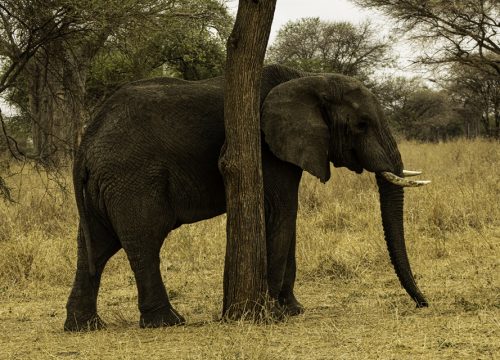
Photograph animals at eye level when possible. Including the surrounding environment can also tell a stronger story, such as a leopard in a tree or elephants crossing the Serengeti.
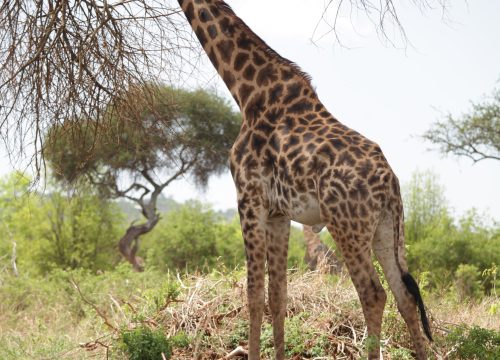
Leading lines, natural framing and patience can improve your images. Watch animal behavior and wait for moments such as lions yawning, elephants interacting or giraffes feeding.
Avoid cutting off important body parts unless you are creating an intentional close-up. A little extra space also gives you more flexibility when editing.
On a photography safari with Ron Adventure, experienced guides can help position the vehicle for better views and photography opportunities.
How to Photograph the Big Five
Tanzania is an excellent destination for photographing the Big Five: lions, elephants, leopards, buffalo and rhinoceros.
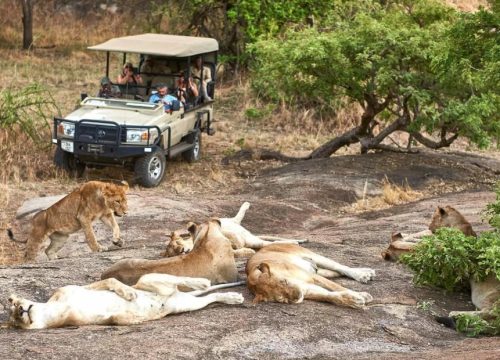
Lions often rest for long periods, so patience is important. Early morning and late afternoon can provide beautiful light and more active behavior.
For elephants, photograph family groups and natural interactions rather than only close-up portraits. Leopards are more challenging to find, making a telephoto lens and patience especially useful.
Large buffalo herds create dramatic images, while rhinos may require longer lenses because they are often viewed from a greater distance.
Focus on behavior as well as portraits. Hunting, grooming, playing and feeding can create more powerful wildlife photographs.
Ron Adventure offers tailor-made Tanzania safari experiences in destinations such as Serengeti and Ngorongoro, with guides who understand wildlife behavior and photography opportunities.
Bird Photography Tips for Beginners on an African Safari
anzania is an excellent destination for bird photography, with more than 1,100 recorded bird species. Alongside the Big Five, you can photograph African Fish Eagles, Lilac-breasted Rollers, flamingos, cranes, ostriches, hornbills, and many other species.
Use a Telephoto Lens
Be Patient
A long telephoto lens helps you photograph birds from a safe distance. Use a fast shutter speed to capture movement. For birds in flight, try around 1/2000 second or faster. Continuous autofocus and burst mode can also help capture sharp images.
Birds move quickly and can be difficult to photograph. Watch their behavior instead of chasing them. Many birds return to the same branches, waterholes, or feeding areas. This gives you time to prepare your shot.
Choose Good Light
Focus on Composition
Early morning offers soft, warm light and beautiful colors. Position yourself with the sun behind you to illuminate the bird clearly. Cloudy days can also produce soft light and rich feather colors.
Do more than simply record the bird. Include its natural habitat, such as trees, wetlands, rivers, or savannah. Capturing behavior like feeding, hunting, flying, or calling can make your photographs more engaging.
How to Take Better Photos from a Safari Vehicle
Most Tanzania safari photos are taken from inside a safari vehicle. Using the vehicle correctly can help you capture sharper, better-composed wildlife images.
Keep Your Camera Steady
Work with Your Safari Guide
Be Patient
Safari roads can be rough, especially when using a telephoto lens. Rest your camera on a bean bag or a stable part of the vehicle to reduce vibration and improve sharpness.
Tell your driver-guide that you are focusing on photography. When park rules and wildlife safety allow, your guide can position the vehicle for better light, backgrounds and viewing angles.
Great wildlife moments often happen after waiting. Stay with the animal and watch its behavior. You may capture a lion yawning, elephants playing, a cheetah hunting or birds taking flight.
Stay Quiet and Prepared
Enjoy the Safari
Photography Safaris with Ron Adventure
Avoid sudden movements and loud conversations. Keep spare batteries, memory cards and a lens cloth within easy reach. Change lenses carefully to reduce dust entering the camera.
Do not spend the entire game drive behind your camera. Put it down occasionally and enjoy the wildlife experience. This can also help you stay relaxed and ready for the next great photograph..
Ron Adventure combines experienced safari guides with excellent knowledge of Tanzania’s wildlife and national parks. Our guides understand how to position the vehicle for photography while respecting wildlife and other guests.
Common Safari Photography Mistakes Beginners Should Avoid
Safari photography is exciting, but beginners often make simple mistakes. Knowing what to avoid can help you capture sharper, more memorable wildlife photos in Tanzania.
Relying Only on Automatic Mode
Taking the Same Photo Repeatedly
Being Too Impatient
Automatic settings may struggle with changing safari conditions. Bright skies, dark animals, and changing light can affect exposure. Learn to use shutter priority, aperture priority, or manual settings for better control
Avoid photographing every animal from the same angle. Try close-ups, wide shots, landscapes, family groups, and wildlife behavior. Different compositions will create a more interesting safari story.
Wildlife behavior can change in seconds. Stay with an interesting animal when possible. Waiting a little longer may reward you with a lion roar, an elephant interaction, or a dramatic wildlife moment.
Ignoring the Background
Forgetting About Dust
Forgetting to Enjoy the Safari
A great subject can lose impact because of a distracting background. Before taking the photo, check for branches, vehicles, and other objects that may interfere with the image.
Safari roads can create a lot of dust, especially during the dry season. Keep your camera and lenses protected. Carry a microfiber cloth and a protective camera bag to keep your equipment clean.
Photography should be part of the experience, not the entire experience. Put the camera down sometimes and enjoy Tanzania’s wildlife, landscapes, and unforgettable moments.
Best Time for Safari Photography in Tanzania
Tanzania offers excellent safari photography throughout the year. Each season brings different wildlife, landscapes, and lighting, so the best time depends on your photography goals.
January to March – Calving Season
April to May – Green Season
June to October – Dry Season
Ndutu and the southern Serengeti are ideal for photographing wildebeest calving. Newborn calves attract lions, cheetahs, hyenas, and other predators. Green landscapes and dramatic skies add to the experience.
The green season offers lush scenery, fewer tourists, clear air, and beautiful clouds. It is especially good for landscape and bird photography.
Wildlife is easier to spot as animals gather around water sources. This is a great time to photograph elephants in Tarangire, predators in the Serengeti, and the Mara River crossings from July to October.
November to December – Short Rains
Fresh vegetation, migratory birds, and colorful landscapes create excellent photography opportunities. Wildlife remains abundant across many safari areas.
For the best light, plan game drives around sunrise and sunset. Golden light creates warmer colors while animals are often most active.
Safari Photography FAQs for Beginners
No. An expensive camera is not required to capture beautiful safari photographs. Many modern mirrorless cameras, DSLR cameras, bridge cameras, and even premium smartphones produce excellent images when used correctly. Understanding lighting, composition, and camera settings is more important than owning the most expensive equipment. A photographer with good skills using an entry-level camera will often produce better results than someone using professional equipment without experience.
The best camera depends on your experience level and budget. Mirrorless cameras are popular because they offer fast autofocus, silent shooting, and lightweight designs. DSLR cameras remain excellent choices due to their durability, battery life, and wide range of compatible lenses. Bridge cameras are ideal for beginners who prefer one lightweight camera with a powerful zoom lens.
A zoom lens between 100mm and 400mm is considered the most versatile option for wildlife photography. If your budget allows, a 200–600mm lens provides greater reach for photographing birds, leopards, and distant animals. Carrying a wide-angle lens is also recommended for photographing landscapes, safari camps, and dramatic African sunsets.
Yes. Modern smartphones can produce impressive photographs, especially when animals are close to the safari vehicle. Smartphones are also excellent for landscapes, camp life, sunrises, sunsets, and behind-the-scenes memories. However, they cannot replace a dedicated camera when photographing distant wildlife.
For moving wildlife, use Shutter Priority mode with a shutter speed of at least 1/1000 second. Enable Continuous Autofocus and Burst Mode to increase your chances of capturing sharp action shots. Shoot in RAW format whenever possible, and adjust ISO according to available light to maintain fast shutter speeds.
The best photography conditions occur during the first two hours after sunrise and the final two hours before sunset. These periods provide warm golden light, softer shadows, and increased wildlife activity. Midday photography can still be successful, particularly for close-up portraits and environmental scenes, but harsh sunlight requires more careful exposure.
Serengeti National Park is widely regarded as the best destination for wildlife photography because of its incredible predator population, endless plains, and the Great Wildebeest Migration. Ngorongoro Crater offers exceptional Big Five photography, while Tarangire National Park is famous for elephants and ancient baobab trees. Lake Manyara is ideal for bird photography and scenic landscapes.
The migration is a year-round event that moves across the Serengeti ecosystem. From January to March, photographers can capture the calving season in Ndutu and Southern Serengeti. River crossings usually occur between July and October in Northern Serengeti, offering some of Africa’s most dramatic wildlife photography opportunities.
Private safaris generally provide the best photography experience because the schedule is flexible. You can spend more time at wildlife sightings, position the vehicle according to lighting, and focus on your personal photography goals. Group safaris may follow fixed schedules that limit photography opportunities.
Yes. A bean bag is much more practical because most wildlife photography is done from inside a safari vehicle. It provides excellent camera stability while remaining lightweight and easy to use. Tripods are generally more useful around lodges or for landscape photography outside game drives.
Store your equipment in a padded camera bag when not in use. Use protective lens filters, keep lens changes to a minimum during game drives, and carry microfiber cloths to clean your equipment. Tanzania’s dry season can be dusty, so protecting your gear helps maintain image quality throughout the safari.
It is possible, but avoid changing lenses when the vehicle is moving or in dusty conditions. If you expect to use different focal lengths frequently, consider carrying two camera bodies to minimize lens changes and reduce the risk of dust reaching the camera sensor.
Absolutely. Tanzania is home to more than 1,100 bird species, making it one of Africa’s top bird photography destinations. Start by photographing larger birds such as ostriches, secretary birds, fish eagles, and hornbills before progressing to smaller, faster species. Patience and fast shutter speeds are the keys to success.
Yes. Editing is a standard part of digital photography. Basic adjustments such as exposure correction, white balance, cropping, sharpening, and noise reduction help your photographs better reflect what you experienced. Avoid excessive editing that makes wildlife or landscapes appear unnatural.
Ron Adventure offers professionally guided Tanzania safaris designed to maximize wildlife viewing and photography opportunities. Experienced driver-guides understand animal behavior, seasonal migration patterns, and the importance of vehicle positioning for photography. Whether you are a beginner or an experienced photographer, Ron Adventure creates customized safari itineraries that allow you to capture stunning images while enjoying ethical wildlife experiences and exceptional service throughout Tanzania.
Final Thoughts
Safari photography is about capturing unforgettable moments in Tanzania’s wild landscapes. With the right camera, preparation and patience, even beginners can take memorable wildlife photographs.
If you are planning a Tanzania safari, choosing an experienced tour operator is also important. Ron Adventure offers tailor-made safaris, Great Migration tours, Big Five safaris, family trips and dedicated photography safaris across Tanzania.
With experienced guides and flexible itineraries, we help travelers find excellent wildlife photography opportunities while enjoying a safe and memorable safari experience.
Bring your camera, prepare well and get ready to capture Tanzania’s incredible wildlife.
Book Your Tanzania Safari Today
Let our local safari experts create your perfect itinerary. Enjoy unforgettable wildlife, luxury lodges, Kilimanjaro adventures, and Zanzibar beach holidays.
Recent Posts
Materuni Waterfalls and Coffee Tour: Best Day Trip from Moshi
Tanzania Travel Bucket List 2027: 20 Unforgettable Experiences
Tanzania Safari for Older Travelers: Complete Travel Guide
Marangu Route Kilimanjaro: Complete Guide, Itinerary, Cost & Tips
Kilimanjaro Lemosho Route: Complete Guide, Itinerary, Cost, Difficulty & Tips
Tanzania Safari Accommodations: Luxury, Mid-Range & Budget Guide
Safari Photography Tips for Beginners in Tanzania
Tanzania Safari FAQs: Answering 100 Common Questions Before You Visit Tanzania
First-Time Tanzania Safari: 30 Things Nobody Tells You
25 Animals You Can See on a Tanzania Safari: Complete Wildlife Guide
Western Kilimanjaro Safari: Tanzania’s Hidden Gem (2026
Ngorongoro Crater from Karatu: Price, Distance, Itinerary & Travel Guide
Serengeti Fly-In Safari from Zanzibar | Mara River Crossing 2026
How to Plan a Tanzania Safari from Canada
8 Day Tanzania Family Migration Safari
7 Day Tanzania Family Safari Great Migration Serengeti
Tanzania Safari in December and January: Best Time for Great Migration and Holiday Travel
Zanzibar Travel Guide- Best Beaches, Things to Do & Perfect Safari Extension from Tanzania
6-Day Serengeti Wildebeest Migration Family Safari
5-Day Tanzania Family Safari | Great Migration Adventure
Tags