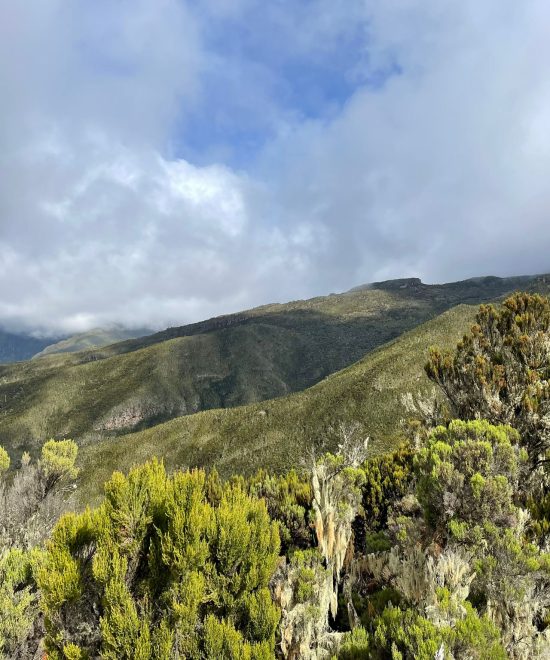
Climbing Mount Kilimanjaro is widely viewed as one of the most memorable high-altitude trekking journeys available to travelers. The mountain rises to 5,895 meters (19,341 feet) above sea level, making it the highest point in Africa and the tallest independent mountain on Earth. Even though the route to the summit does not require ropes or technical climbing ability, reaching the top still requires a good level of fitness, determination, and the ability to adjust gradually to high altitude conditions.
Some climbers initially believe that the Kilimanjaro trek is simply an extended hike. However, the multi-day nature of the climb, combined with increasing altitude and changing weather conditions, makes preparation very important. Building physical stamina and preparing your body well in advance can greatly improve comfort during the trek and increase the likelihood of reaching Uhuru Peak, the highest point of the mountain.
This article guides prospective climbers on how to prepare effectively before traveling to Tanzania. It discusses practical training approaches such as improving endurance, strengthening key muscle groups, understanding altitude challenges, and planning essential pre-trek preparations that support a safer and more enjoyable Kilimanjaro experience.
Why Pre-Climb Training for Kilimanjaro Is Important
Proper preparation increases your chances of summiting and reduces the risk of fatigue, injuries, or altitude-related problems. Even though Kilimanjaro is considered a non-technical mountain, trekkers will hike 6–8 hours per day for several consecutive days while gaining altitude.
Training helps your body adapt to:
- Long trekking days with a backpack
- Steep and uneven terrain
- Reduced oxygen levels at high altitude
- Cold temperatures near the summit
- Physical and mental fatigue
A well-prepared climber not only enjoys the trek more but also has a much higher summit success rate.
When to Start Training for Mount Kilimanjaro
Ideally, climbers should begin training at least 8 to 12 weeks before the climb. This gives enough time to gradually build stamina and strengthen the muscles needed for hiking.
A typical preparation schedule includes:
- Weeks 1–4: Build basic endurance
- Weeks 5–8: Increase hiking distance and elevation gain
- Weeks 9–12: Simulate trekking conditions with longer hikes
Consistency is more important than intensity. Regular training several days a week is the most effective way to prepare.
Cardiovascular Training for Kilimanjaro
Endurance is the most important physical requirement for climbing Kilimanjaro. Cardio training improves heart and lung capacity, which helps the body perform better at high altitude.
Recommended cardio activities include:
- Long-distance hiking
- Trail running
- Cycling
- Swimming
- Stair climbing
- Brisk walking
Try to train 3–5 days per week with sessions lasting between 45 minutes and 2 hours. Gradually increase duration and intensity over time.
Hill training is particularly beneficial because it mimics the uphill trekking conditions found on Kilimanjaro routes such as the Machame Route and Lemosho Route.
Strength Training for Trekking
Strong leg and core muscles help reduce fatigue and improve stability during long trekking days. Strength training should be incorporated 2–3 times per week as part of your preparation.
Focus on exercises that strengthen:
Leg muscles
- Squats
- Lunges
- Step-ups
- Leg presses
Core muscles
- Planks
- Sit-ups
- Russian twists
Upper body
- Push-ups
- Shoulder presses
- Lightweight training
These exercises improve balance and help you carry a backpack comfortably while trekking.
Hiking Practice with a Backpack
One of the best ways to train for Kilimanjaro is by doing practice hikes with a backpack. During the trek you will carry a small daypack containing water, snacks, extra clothing, and personal items.
Training hikes help your body adjust to:
- Walking long distances
- Carrying extra weight
- Navigating uneven terrain
Start with a light pack (3–4 kg) and gradually increase the weight to around 6–8 kg, which is similar to what you will carry on the mountain.
If possible, choose trails with elevation gain to simulate mountain trekking.
Altitude Preparation and Acclimatization
Altitude sickness is one of the biggest challenges when climbing Kilimanjaro. Because the summit reaches nearly 6,000 meters, oxygen levels are significantly lower than at sea level.
While it is difficult to fully train for altitude before arrival, several strategies can improve your adaptation:
- Choose longer trekking itineraries (7–8 days)
- Walk slowly and maintain a steady pace
- Stay well hydrated
- Eat enough calories during the trek
- Follow your guide’s acclimatization schedule
Many climbers follow the principle “pole pole”, a Swahili phrase meaning “slowly slowly.” Moving slowly helps the body adapt to the altitude and conserves energy.
Mental Preparation for the Kilimanjaro Climb
Climbing Kilimanjaro is not only a physical challenge but also a mental one. Summit night is particularly demanding, as trekkers begin hiking around midnight in cold temperatures and thin air.
Mental preparation includes:
- Staying positive and motivated
- Being patient with the slow trekking pace
- Managing fatigue and discomfort
- Maintaining focus on the summit goal
Trekkers who maintain a strong mindset often perform better during difficult sections of the climb.
Gear Training and Equipment Familiarity
Before arriving in Tanzania, climbers should practice using the equipment they plan to bring. This helps avoid discomfort or surprises on the mountain.
Important gear to test during training hikes includes:
- Hiking boots
- Trekking poles
- Backpack
- Thermal clothing layers
- Rain gear
Properly broken-in boots are especially important to prevent blisters during the trek.
Nutrition and Hydration Before the Climb
A balanced diet supports your training and helps build endurance before the expedition.
Focus on:
- Complex carbohydrates for energy
- Lean protein for muscle recovery
- Fruits and vegetables for vitamins and minerals
- Adequate hydration throughout the day
Avoid extreme dieting before the climb. Your body needs sufficient energy reserves to perform well during multi-day trekking.
Health Check and Medical Preparation
Before attempting Kilimanjaro, climbers should consult a doctor, especially if they have pre-existing medical conditions.
Important considerations include:
- General physical fitness evaluation
- Travel vaccinations if required
- Personal medications
- Altitude sickness medication is recommended
Travel insurance covering high-altitude trekking is also highly recommended.
Final Preparation Before Arriving in Tanzania
In the final weeks before departure, focus on maintaining your fitness and organizing all logistics.
Important steps include:
- Finalizing travel documents and visas
- Packing essential trekking gear
- Reviewing your climbing itinerary
- Staying active but avoiding overtraining
Most climbers begin their Kilimanjaro trek from Arusha or Moshi, where guides conduct equipment checks and provide a pre-climb briefing.
Final Thoughts
Training before climbing Mount Kilimanjaro is one of the most important steps for a successful and enjoyable trekking experience. With proper endurance training, strength preparation, and mental readiness, climbers significantly increase their chances of reaching Uhuru Peak, the highest point in Africa.
By preparing your body and understanding what to expect, the Kilimanjaro journey becomes not only achievable but deeply rewarding. For many travelers, standing on the summit at sunrise is a life-changing moment and a memory that lasts forever.]


Materuni Waterfalls and Coffee Tour: Best Day Trip from Moshi
Tanzania Travel Bucket List 2027: 20 Unforgettable Experiences
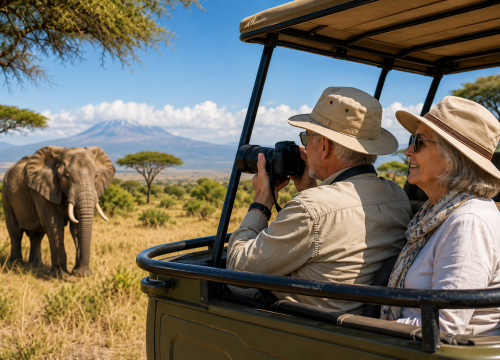
Tanzania Safari for Older Travelers: Complete Travel Guide
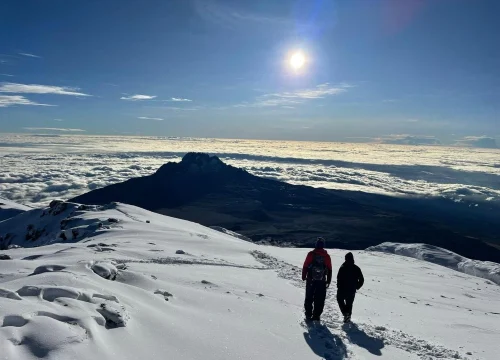
Marangu Route Kilimanjaro: Complete Guide, Itinerary, Cost & Tips
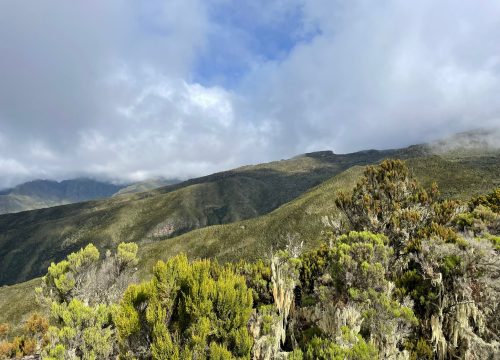
Kilimanjaro Lemosho Route: Complete Guide, Itinerary, Cost, Difficulty & Tips
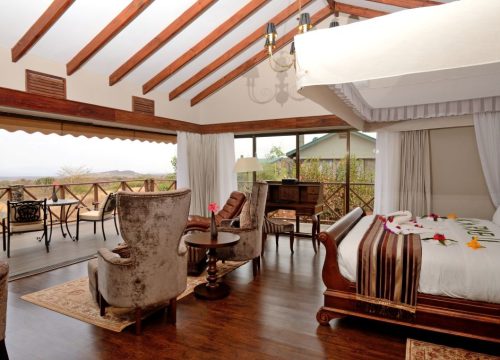
Tanzania Safari Accommodations: Luxury, Mid-Range & Budget Guide
Safari Photography Tips for Beginners in Tanzania
Tanzania Safari FAQs: Answering 100 Common Questions Before You Visit Tanzania
First-Time Tanzania Safari: 30 Things Nobody Tells You
25 Animals You Can See on a Tanzania Safari: Complete Wildlife Guide
Ngorongoro Crater from Karatu: Price, Distance, Itinerary & Travel Guide
Serengeti Fly-In Safari from Zanzibar | Mara River Crossing 2026
8 Day Tanzania Family Migration Safari
7 Day Tanzania Family Safari Great Migration Serengeti
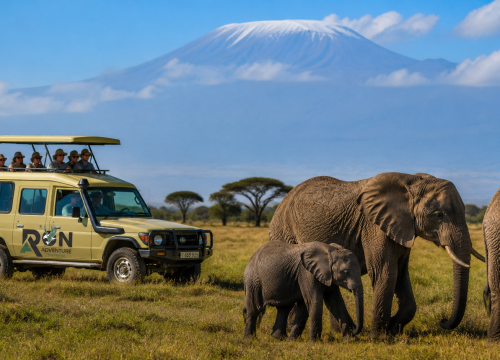
Tanzania Safari in December and January: Best Time for Great Migration and Holiday Travel
Zanzibar Travel Guide- Best Beaches, Things to Do & Perfect Safari Extension from Tanzania
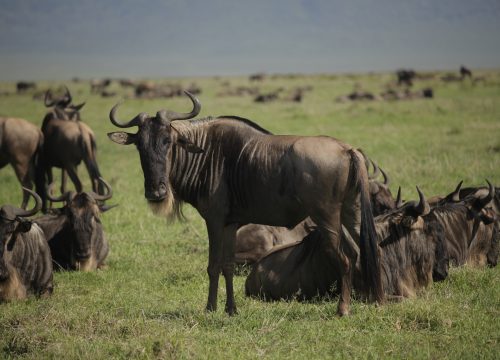
6-Day Tanzania Family Migration Safari
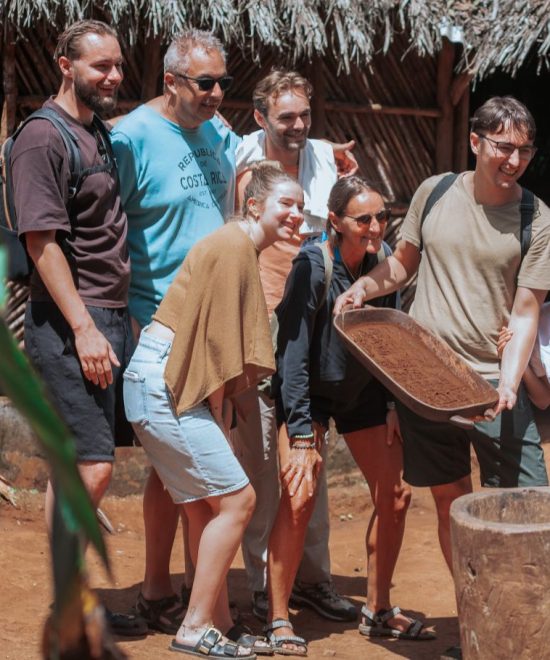
Materuni Waterfalls and Coffee Tour: Best Day Trip from Moshi
Tanzania Travel Bucket List 2027: 20 Unforgettable Experiences
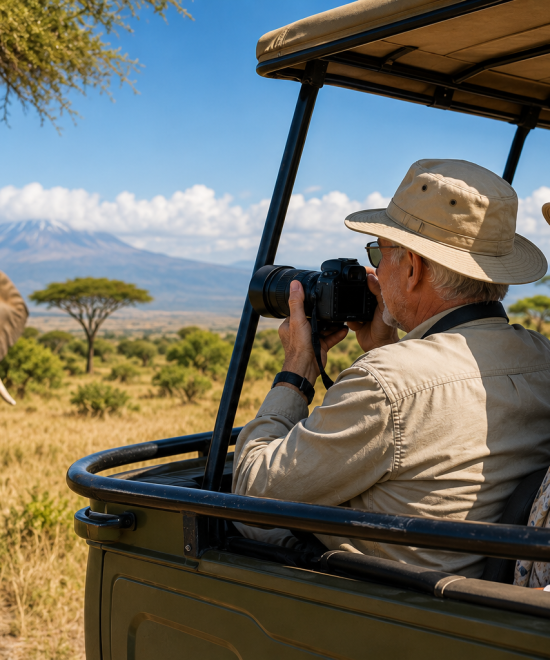
Tanzania Safari for Older Travelers: Complete Travel Guide
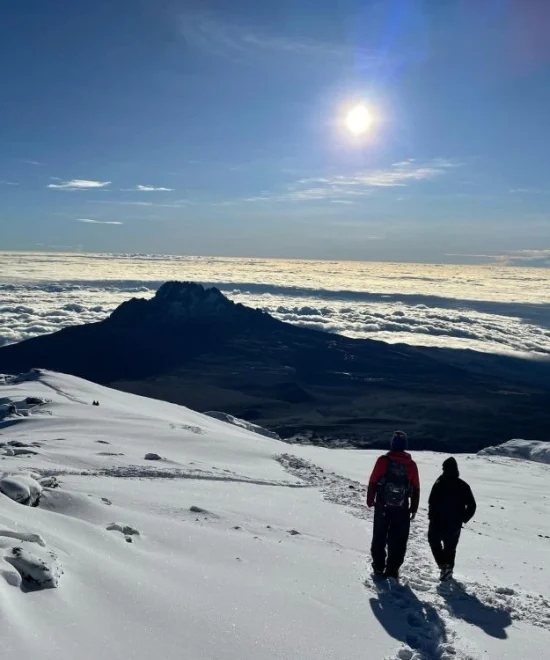
Marangu Route Kilimanjaro: Complete Guide, Itinerary, Cost & Tips