rusha National Park is one of the most accessible wildlife destinations in northern Tanzania. Located a short drive from Arusha city, it offers beautiful landscapes, diverse wildlife and exciting outdoor activities in one compact park.
An Arusha National Park day trip is an excellent choice for travelers who have limited time but still want to experience a Tanzanian safari. You can explore the forested slopes of Mount Meru, look for giraffes and buffaloes, admire the Momella Lakes and enjoy spectacular scenery.
Unlike many other national parks in Tanzania, Arusha National Park also offers guided walking safaris and canoeing experiences, subject to availability and park regulations.
Whether you are visiting Arusha before a longer safari or looking for a rewarding day in nature, this guide explains what to see, what to do and how to plan your visit.
Why Visit Arusha National Park?
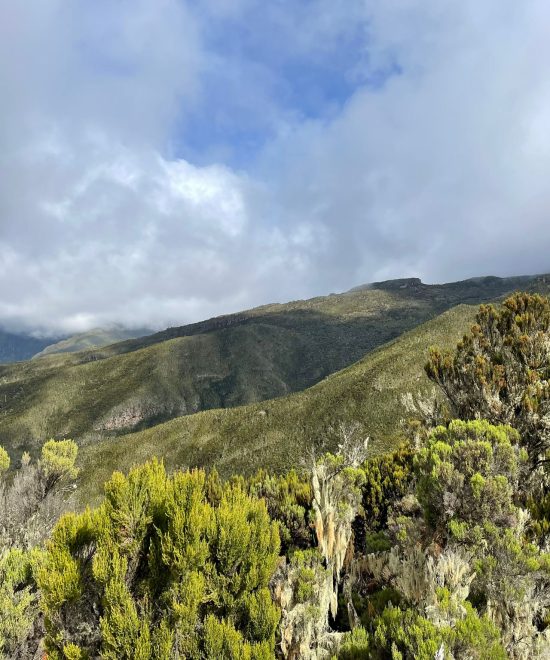
Arusha National Park stands out for its combination of wildlife, mountain scenery, forests, crater landscapes and lakes.
The park is smaller than famous destinations such as Serengeti National Park. However, its varied habitats make it an excellent choice for a short safari.
Here are some of the main reasons to visit:
- Wildlife viewing: Look for giraffes, buffaloes, zebras, antelopes and several monkey species.
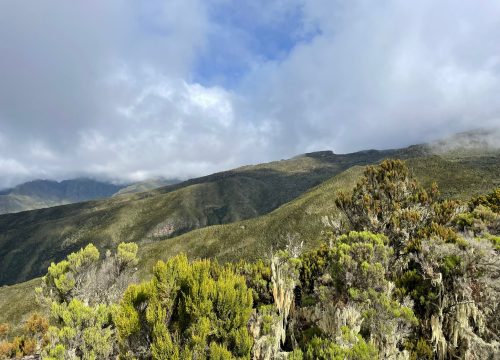
- Mount Meru scenery: Enjoy views of the mountain and explore its forested surroundings.
- Momella Lakes: Discover beautiful lakes that attract flamingos and other waterbirds.
- Walking safaris: Experience nature on foot with an authorized armed ranger.
- Canoeing: Explore the Momella Lakes from the water when canoe excursions are available.
- Easy access: Enjoy a safari without the long road transfers required to reach more distant parks.
The park is particularly suitable for couples, families, photographers and travelers who want to add a short wildlife experience to their Tanzania holiday.
What Animals Can You See in Arusha National Park?
Arusha National Park supports a variety of wildlife across its forests, grasslands, wetlands and crater habitats.
During your game drive, you may encounter the following animals.
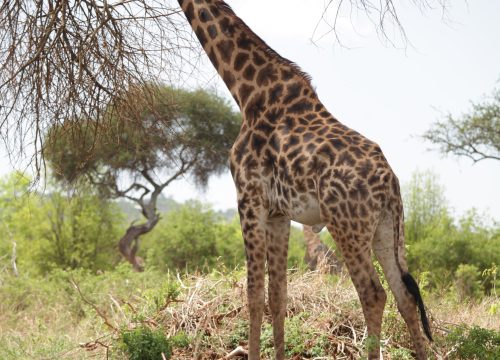
Giraffes: Giraffes are among the park’s most recognizable animals. Their height makes them relatively easy to spot as they move through open grasslands and woodland.
African buffaloes: Buffaloes can be seen grazing in suitable habitats, sometimes in groups.
Zebras: These striking animals are often found in open grassy areas, where they feed and move between grazing grounds.
Black-and-white colobus monkeys: The park’s forest habitats provide opportunities to look for these distinctive monkeys in the trees.
Blue monkeys: These primates inhabit forested areas and can be interesting to observe during guided excursions.
Warthogs and antelopes: Warthogs, waterbucks, bushbucks and other antelope species contribute to the park’s diverse wildlife.
The Momella Lakes also attract flamingos and other waterbirds, although their numbers vary with the season and conditions.
Wildlife sightings are never guaranteed. Your guide will help you explore suitable habitats and look for animals throughout the day.
Best Things to Do in Arusha National Park
One of the biggest advantages of visiting this park is the variety of activities available. You can combine a traditional game drive with experiences that allow you to appreciate the landscape from a different perspective.
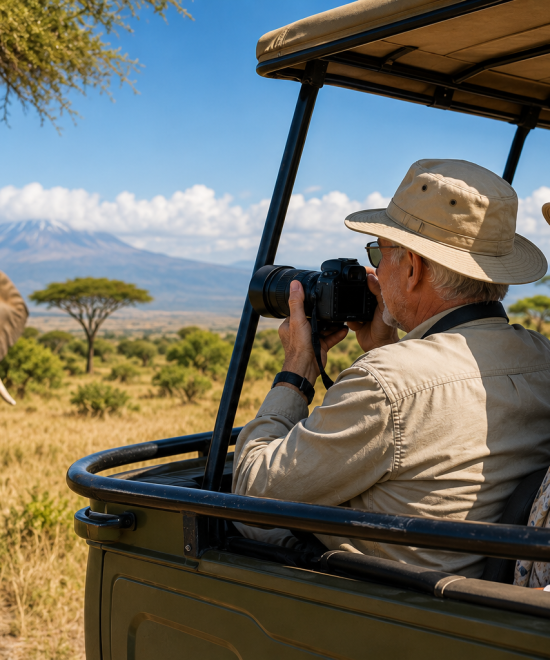
Enjoy a Wildlife Game Drive
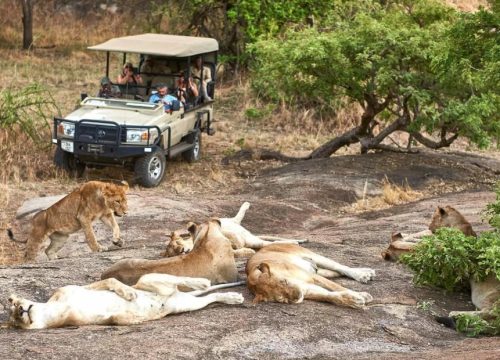
A game drive is one of the best ways to explore Arusha National Park.
Travel through forest, grassland and open woodland while looking for giraffes, buffaloes, zebras, antelopes and other wildlife. Your guide can also explain the park’s ecosystems and help you identify animals along the route.
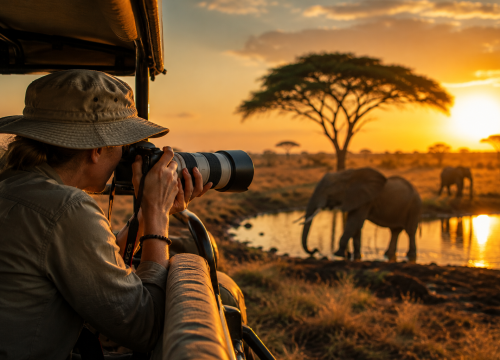
Bring your camera and binoculars if you have them. The scenery around Mount Meru provides excellent opportunities for landscape photography.
Explore the Momella Lakes
The Momella Lakes are among the park’s most distinctive features.
These shallow alkaline lakes attract a variety of waterbirds, including flamingos when conditions are suitable. Their changing colors, surrounding vegetation and mountain views create beautiful photographic scenery.
Birdwatchers will find the area especially interesting. However, the number and variety of birds can change throughout the year.
Experience a Guided Walking Safari
A walking safari offers a different way to discover the park.
Accompanied by an authorized armed ranger, you can explore nature on foot, learn about animal tracks and observe plants, insects and smaller details that may be missed during a game drive.
Walking safaris must follow park rules and ranger instructions. Availability and the permitted walking area should be confirmed when arranging your visit.
Enjoy a Canoe Safari
Canoeing on the Momella Lakes can be a peaceful addition to your day.
From the water, you can observe the surrounding landscape and look for birds along the shoreline. You may also see wildlife near the lake, depending on conditions.
Canoeing is subject to operational availability, weather and park regulations. Confirm this activity in advance if it is an important part of your trip.
Discover Ngurdoto Crater
Ngurdoto Crater is another notable feature of Arusha National Park.
Its steep, forested slopes surround a green crater floor where buffaloes and other wildlife may be seen. Viewpoints offer opportunities to appreciate the crater’s shape and the surrounding landscape.
Access to specific viewpoints and wildlife areas depends on park regulations and the day’s route.
What to Expect on an Arusha National Park Day Trip
A typical full-day safari begins with pickup from your hotel in Arusha. You then travel to the park entrance, where your guide completes the necessary entry arrangements.
After entering the park, enjoy a game drive through selected areas while looking for wildlife and taking in the scenery.
Depending on your itinerary, you may visit viewpoints around Ngurdoto Crater, explore the Momella Lakes or take part in an optional walking or canoeing activity.
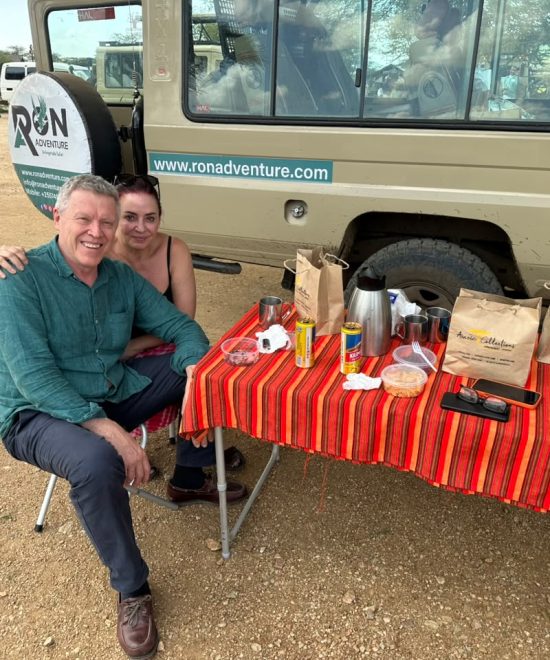
A picnic lunch can be arranged as part of your safari package. In the afternoon, continue exploring the park before returning to Arusha.
Your exact schedule will depend on your pickup time, chosen activities, park conditions and the arrangements included in your booking.
Suggested One-Day Itinerary
- Morning: Hotel pickup and transfer to Arusha National Park.
- Late morning: Game drive through selected wildlife areas.
- Midday: Picnic lunch and time to enjoy the scenery.
- Afternoon: Explore the Momella Lakes or enjoy a pre-arranged walking or canoeing activity.
- Late afternoon: Continue wildlife viewing before returning to Arusha.
This is a sample schedule rather than a fixed itinerary. The order and duration of activities may change according to availability and operational conditions.
Ready to plan your Tanzania safari?
Our Arusha-based safari experts will create a free, personalized Tanzania safari itinerary within 3 hours, tailored to your budget, travel style, and interests..
How Far Is Arusha National Park from Arusha City?
The price of an Arusha National Park safari depends on several factors.
These include:
- The number of travelers in your group.
- Whether you choose a private or shared tour.
- Park entry and applicable conservation fees.
- Transport and the type of safari vehicle.
- Whether lunch and additional activities are included.
- Any accommodation or airport transfers required.
Park entry fees and activity charges can change. For this reason, check the current Tanzania National Parks Authority (TANAPA) rates and the terms of your tour quotation before booking.
When comparing safari prices, check what each package includes. A lower advertised price may not cover every activity or transfer you need.
Best Time to Visit Arusha National Park
Arusha National Park can be visited throughout the year. The best time depends on your interests, preferred scenery and travel plans.
June to October: Drier Conditions
The drier months are often a good choice for travelers who prefer relatively dry conditions for game drives and outdoor activities.
Clear periods can also provide excellent mountain views. However, weather and visibility can vary, and wildlife sightings are never guaranteed.
November to February: Changing Landscapes and Birdlife
The landscape can become greener during periods of rainfall. This can be an appealing time for photographers and birdwatchers.
The timing and amount of rainfall vary from year to year, so conditions should be checked close to your travel date.
March to May: The Main Rainy Season
The main rainy season can bring lush scenery and fewer visitors at some times. However, heavy rain may affect road conditions and outdoor activities.
If you travel during this period, discuss the expected conditions with your safari operator before departure.
Planning tip: Choose your travel dates based on the activities you want to enjoy rather than relying on a guarantee of particular animal sightings.
What Should You Pack for Your Safari?
A little preparation can make your day more comfortable.
Consider bringing:
- Comfortable, neutral-colored clothing.
- Walking shoes if you plan to join a walking safari.
- A light jacket for cool mornings.
- A rain jacket during wetter months.
- Sunscreen, a hat and insect repellent.
- Binoculars and a camera.
- Drinking water and any personal essentials.
If your package includes lunch and drinking water, confirm the arrangements before bringing additional supplies.
For walking and canoeing activities, follow your guide’s instructions about suitable clothing and equipment.
Can You Combine Arusha National Park with Other Destinations?
Yes. Arusha National Park can fit well into a longer northern Tanzania itinerary.
Tarangire National Park: Add a visit to see its distinctive baobab landscapes and elephants. Explore our Tanzania safari options to plan a suitable combination.
Ngorongoro Crater: Continue to the Ngorongoro Conservation Area for dramatic crater scenery and varied wildlife.
Serengeti National Park: Extend your trip to experience the Serengeti’s vast plains and seasonal wildlife movements.
The right combination depends on how many days you have available. A one-day Arusha National Park visit can also work as a standalone excursion before a longer safari.
Frequently Asked Questions About Arusha National Park
Is Arusha National Park worth visiting? Yes. The park is a good choice for travelers who want wildlife, mountain scenery and outdoor activities close to Arusha. It offers a different experience from the larger savannah parks.
Can you visit Arusha National Park in one day? Yes. A full-day trip is practical for many visitors staying in Arusha. The activities included will depend on the schedule and your selected package.
Does Arusha National Park have lions? Lions are not a regular wildlife highlight of Arusha National Park. Travelers seeking lion sightings may prefer to include destinations such as Serengeti National Park or Ngorongoro Crater in their itinerary.
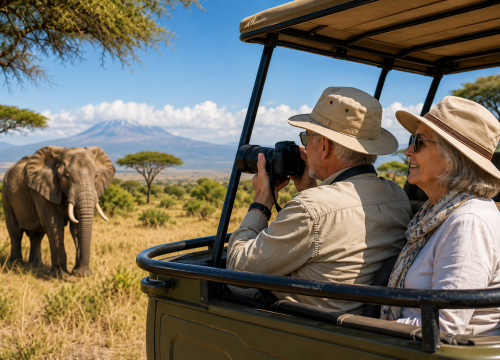
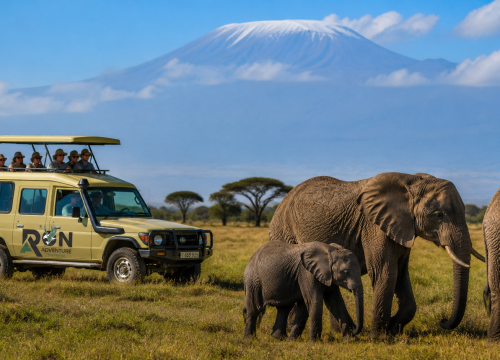
Can you see Mount Kilimanjaro from Arusha National Park? Mount Kilimanjaro may be visible from suitable viewpoints when weather conditions are clear. Mount Meru is the park’s main mountain feature, but views of distant mountains are not guaranteed.
Are walking safaris available? Guided walking safaris are available under authorized ranger supervision, subject to park regulations and operational arrangements. Confirm availability when booking.
Can you go canoeing on the Momella Lakes? Canoe excursions may be available on the Momella Lakes. Check current availability, conditions and applicable charges before your visit.
What is the difference between Arusha National Park and Serengeti National Park?
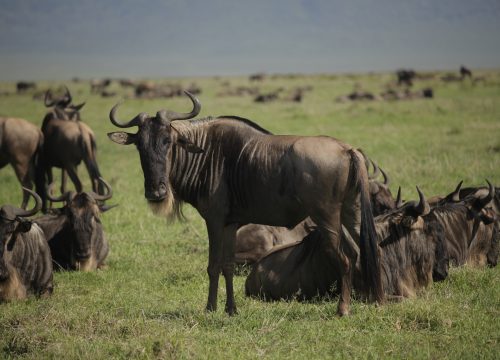
Arusha National Park is known for its mountain scenery, forests, crater landscapes, lakes and walking or canoeing experiences. Serengeti National Park is much larger and is famous for its extensive savannahs, predator sightings and the Great Wildebeest Migration.
The best choice depends on your interests and the time available for your safari.
Book Your Arusha National Park Day Trip with Ron Adventure
Discover the landscapes and wildlife of northern Tanzania with a safari planned around your schedule.
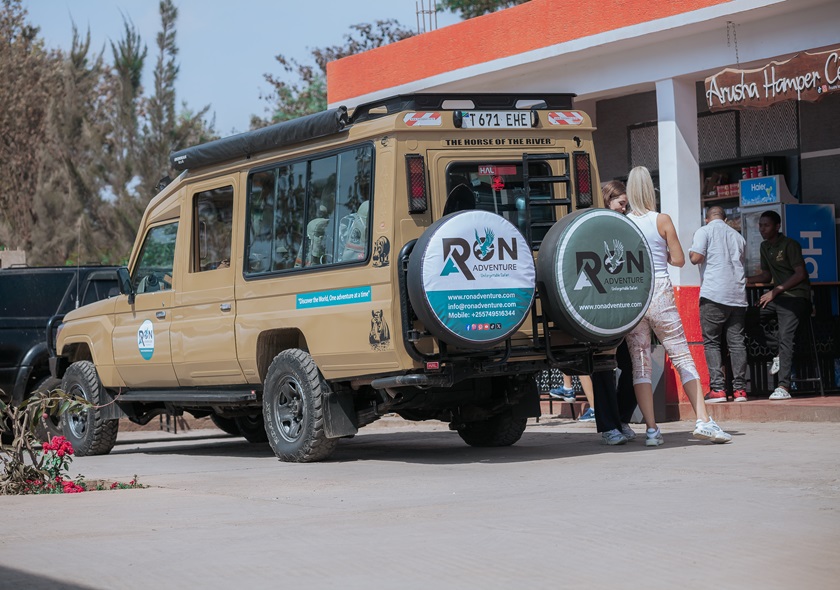
Ron Adventure can help you arrange an Arusha National Park day trip, including transport, a professional safari guide and selected activities based on your preferences and availability.
Whether you want a game drive, a walking safari or a canoeing experience on the Momella Lakes, we can help you explore suitable options.