Nyerere National Park Safari Tanzania: Complete Travel Guide Southern Circuit Experience
Introduction
A Nyerere National Park safari in Tanzania provides one of the most genuine wilderness experiences available in East Africa. Situated in the southern part of the country, the park covers an immense conservation area and remains one of the quietest safari destinations for travelers who prefer nature without heavy visitor traffic.
In contrast to the well-known northern safari circuit, which includes Serengeti National Park and Ngorongoro Crater, this southern destination offers tranquil scenery, rich wildlife diversity, and distinctive activities such as river-based boat safaris and professionally guided walking safaris.
Previously forming part of the larger Selous Game Reserve ecosystem, the park was later renamed to honor Tanzania’s founding leader, Julius Nyerere. Today, it stands out as an excellent safari choice for visitors looking for privacy, adventure, and close interaction with untouched natural environments.
Whether traveling to Tanzania for the first time or planning a return visit, this park offers a refreshing and rewarding alternative to the more traditional safari routes.
Table of Contents
Where is Nyerere National Park located?
Why choose a Nyerere National Park safari in Tanzania?
Wildlife you can expect to see
Unique safari activities in Nyerere National Park
Best time to visit Nyerere National Park
How to reach Nyerere National Park
Accommodation options inside the park
Sample 3-day safari itinerary
Travel tips for visitors
Why book your Nyerere safari with Ron Adventure
Where is Nyerere National Park Located?
Nyerere National Park is in southeastern Tanzania and covers about 30,893 square kilometers, making it Africa’s largest national park. Formerly part of the Selous Game Reserve, it is about 230 km southwest of Dar es Salaam. The Rufiji River, wetlands, lakes, miombo woodlands, savannahs, and riverine forests create a diverse landscape rich in wildlife. Despite its vast size, Nyerere remains relatively quiet, offering visitors an authentic and peaceful wilderness experience.
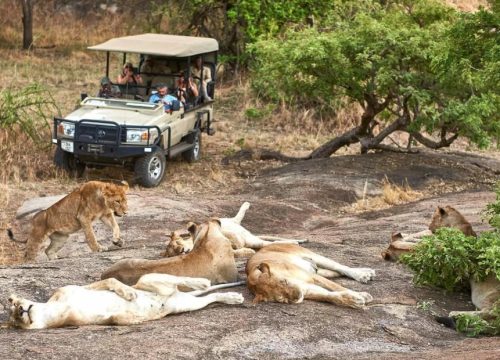
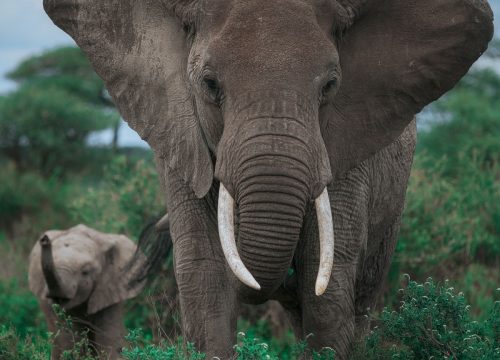
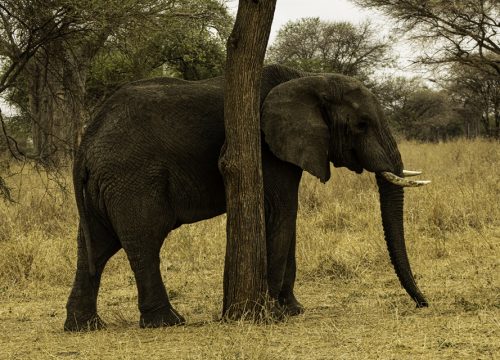
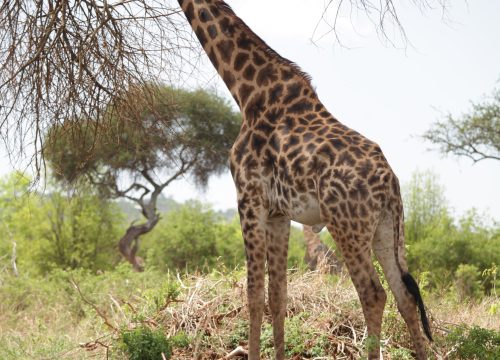
The park’s diverse habitats sustain a wide variety of wildlife species. The Rufiji River, especially known for its concentrations of hippos and crocodiles, winds through floodplains and forest corridors that support many animals and birdlife. Away from the riverbanks, the landscape transitions into acacia-dominated plains, baobab-dotted savannah, miombo woodland, seasonal swamps, and oxbow lakes. These environments provide habitat for elephants, buffalo, giraffes, zebras, lions, African wild dogs, and numerous waterbird species. Since tourism levels remain relatively low, wildlife here often behaves more naturally compared to animals in heavily visited parks.
Nyerere National Park experiences two main seasons: a dry season from June to October and a rainy season from November to May. The dry months are generally considered the most suitable for wildlife viewing because animals gather near water sources, and road conditions are more reliable. During the long rains between March and May, some routes become difficult to access, certain lodges temporarily close, and vegetation becomes lush and dense. Visitors can enter the park through major access points such as Mtemere Gate in the east and Matambwe Gate in the northwest. Many travelers choose to arrive by light aircraft using nearby airstrips like Mtemere, Matambwe, and Siwandu, with flights from Dar es Salaam and Zanzibar City typically lasting one to two hours. Travel by road from Dar es Salaam usually takes about six to eight hours, depending on conditions.
Because of its large size and limited visitor numbers, safaris in Nyerere National Park feel private and uncrowded. The terrain is rugged and requires reliable four-wheel-drive vehicles, which further preserves its remote character. For travelers interested in a quieter safari away from the busy northern circuit, the park provides an excellent opportunity to explore Tanzania’s southern wilderness in a more secluded setting.
Why Choose a Nyerere National Park Safari in Tanzania?
There are many reasons why travelers are increasingly choosing a Nyerere National Park safari in Tanzania instead of—or alongside—the northern safari circuit.
1. Fewer Crowds
Game drives often take place without encountering many other vehicles. This creates a peaceful and intimate safari experience.
2. Unique River Ecosystem
The Rufiji River supports one of the richest wildlife habitats in Tanzania and makes boat safaris possible.
3. Diverse Landscapes
Visitors explore forests, grasslands, wetlands, and river channels within a single safari destination.
4. Rare Wildlife Encounters
The park is among the best places in Tanzania to see endangered African wild dogs.
5. Multiple Safari Activities
Unlike many national parks that offer only game drives, Nyerere allows:
• boat safaris • walking safaris • classic game drives
This variety makes each day of the safari different and exciting.
Wildlife You Can Expect to See in Nyerere National Park
A Nyerere National Park safari in Tanzania provides excellent opportunities to observe both large mammals and smaller species across multiple habitats.
The park also supports one of East Africa’s most important populations of African wild dogs, a species that is difficult to observe elsewhere.
Birdwatchers will find more than 400 recorded species, especially near riverbanks and seasonal wetlands.
Unique Safari Activities in Nyerere National Park
One of the strongest advantages of visiting Nyerere National Park is the range of safari experiences available.
Boat Safaris on the Rufiji River
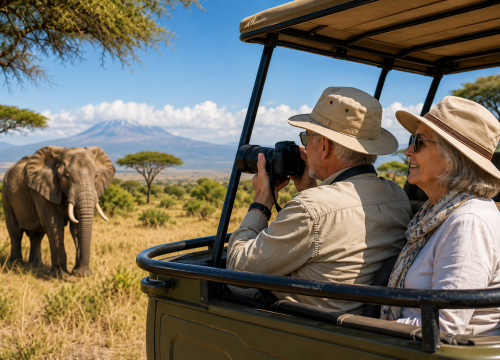
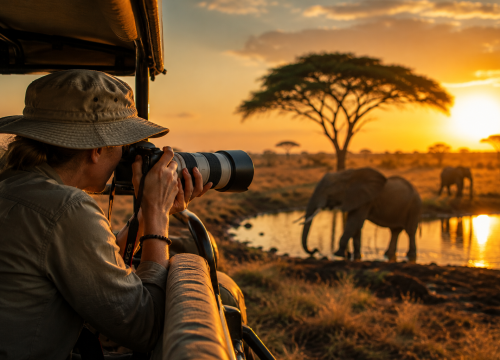
Boat safaris are among the most memorable highlights of a southern Tanzania safari. Visitors can observe hippos resting in the water, crocodiles sunbathing along riverbanks, and elephants approaching the river to drink.
Sunset boat safaris are especially popular for photography.
Walking Safaris with Professional Guides
Walking safaris provide a completely different perspective from vehicle-based wildlife viewing. Guests learn how to identify animal tracks, understand plant species, and explore smaller ecosystems.
This activity creates a deeper connection with nature.
Classic Game Drives
Morning and afternoon game drives allow visitors to explore the park’s vast plains and woodland areas while searching for predators and herbivores.
Because visitor numbers remain low, wildlife viewing feels natural and uninterrupted.
Best Time to Visit Nyerere National Park
Choosing the right season improves your safari experience significantly.
Dry Season (June to October)
This is the best time for wildlife viewing because animals gather near rivers and waterholes.
Vegetation is thinner, making animals easier to spot.
Green Season (November to March)
The landscape becomes lush and beautiful. Birdwatching is excellent, and photography conditions improve due to dramatic skies and fresh vegetation.
Rainy Season (April to May)
Heavy rainfall may affect road conditions in some areas, though travel remains possible in selected parts of the park.
How to Reach Nyerere National Park
Travelers can reach Nyerere National Park from Dar es Salaam either by road or air.
Driving takes approximately five to six hours and offers scenic views of rural Tanzania along the route.
Alternatively, scheduled light aircraft flights connect Dar es Salaam with airstrips inside the park, allowing visitors to arrive within one hour.
Travel Mode
Travel Time from Dar
Pros
Cons
Approx. Cost
Road (4×4)
~6–8 hours (230 km)
Flexible schedule; no baggage limits
Long drive; road rough; fatigue
Varies (fuel + 4×4 rental)
Flight (Charter)
~1 hour
Fast; scenic aerial views; comfortable
Expensive; limited luggage
Varies (high; based on charter)
Flying is the preferred option for travelers with limited time.
Accommodation Options in Nyerere National Park
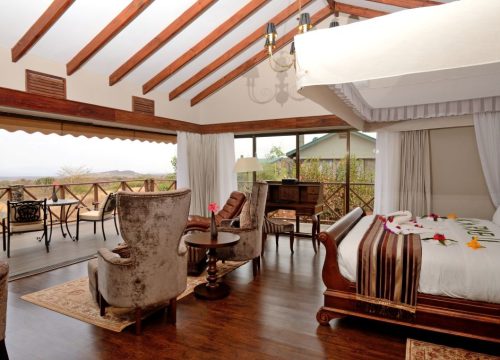
Accommodation inside the park ranges from luxury safari lodges to comfortable tented camps located near wildlife activity areas.
Riverfront camps are especially popular because animals frequently visit the water’s edge.
Many camps provide panoramic river views and excellent sunset scenery.
Sample 3-Day Nyerere National Park Safari Tanzania Itinerary
Below is a suggested short safari program starting from Dar es Salaam.
Day 1: Travel to Nyerere National Park and Boat Safari
Morning departure from Dar es Salaam by road or flight. Arrival at the safari camp for lunch Afternoon boat safari along the Rufiji River, dinner, and overnight at lodge or tented camp
Day 2: Full-Day Game Drive Experience
Early breakfast at camp, Morning wildlife viewing in open savannah areas, picnic lunch inside the park. Afternoon search for predators and elephants. Return to camp for dinner and an overnight stay
Day 3: Walking Safari and Return to Dar es Salaam
Optional guided walking safari with a ranger, breakfast at camp, and return transfer to Dar es Salaam
This itinerary can easily be extended to four or five days for a deeper wilderness experience.
Travel Tips for Visitors Planning a Nyerere National Park Safari in Tanzania
Travelers preparing for a southern Tanzania safari should consider the following recommendations:
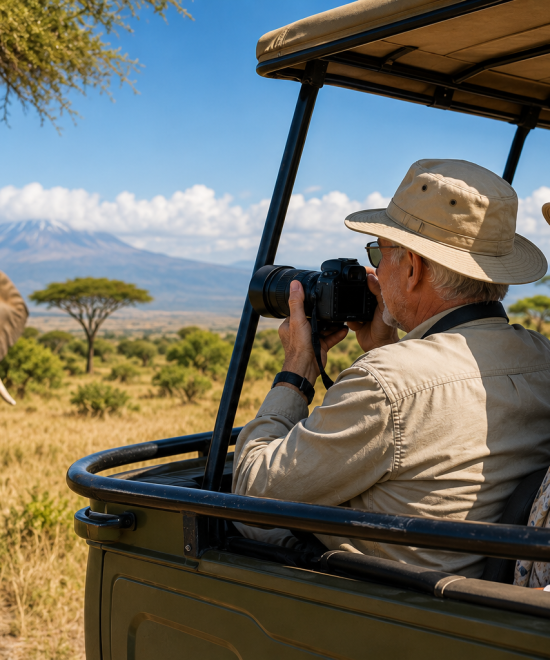
Pack lightweight clothing suitable for warm temperatures Carry binoculars for wildlife viewing Bring a camera with a zoom lens Wear neutral-colored safari clothing Travel with an experienced local operator
Visitor Notes:
Permits/Fees: TANAPA park permit required. Entrance fees are set by TANAPA (consult official resources); exact rate unspecified.
Best Season: June–Oct (dry season, best for game viewing); Nov–Apr (wet season) is great for birding and lush scenery, but roads may be difficult.
Access: Road access is easier in the dry season. Several remote airstrips serve the park (charter flights are common).
Entry Gates: Main gates are Mtemere (east border) and Matambwe (northwest).
Booking with a professional safari company improves logistics, safety, and wildlife viewing opportunities.
Why Book Your Nyerere National Park Safari with Ron Adventure
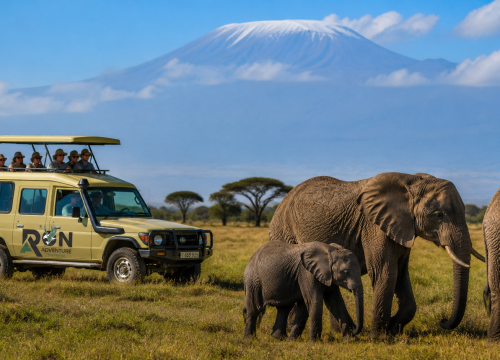
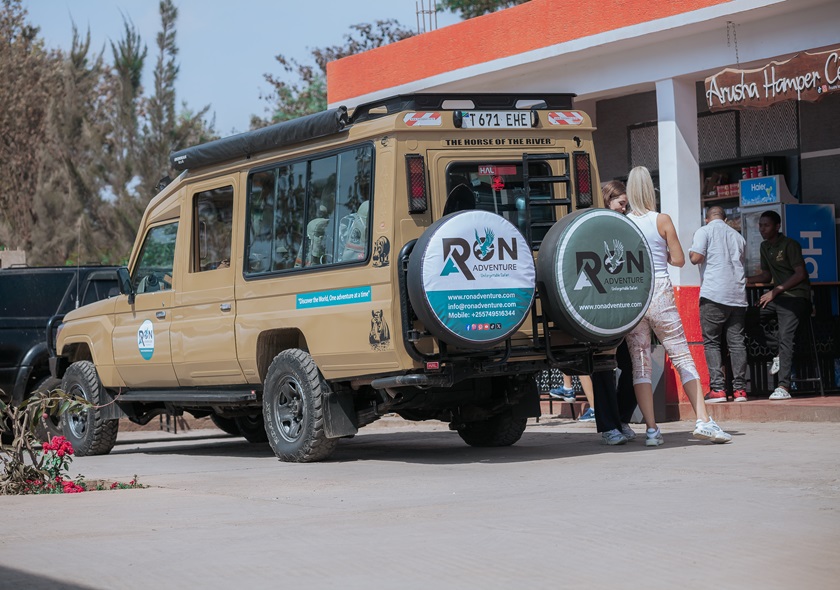
Choosing the right safari operator plays an important role in the success of your trip. Ron Adventure specializes in customized southern Tanzania safaris that combine comfort, expert guiding, and authentic wildlife experiences.
Advantages include:
experienced local safari guides well-maintained 4×4 safari vehicles carefully selected accommodation partners flexible itinerary planning personalized service from arrival to departure
Whether you are planning a short escape from Dar es Salaam or combining southern Tanzania with the northern safari circuit, a Nyerere National Park safari in Tanzania offers an unforgettable journey into one of Africa’s last great wilderness areas.
Where is Nyerere National Park located?
Nyerere National Park is located in southern Tanzania, approximately 230 km from Dar es Salaam. It forms part of the historic Selous Game Reserve ecosystem and is one of Africa’s largest protected wildlife areas.
Is Nyerere National Park worth visiting?
Yes. A Nyerere National Park safari in Tanzania is ideal for travelers seeking fewer crowds, diverse landscapes, and unique safari activities such as boat safaris and walking safaris. It offers a more private wilderness experience compared to northern parks like Serengeti National Park.
What animals can be seen in Nyerere National Park?
Visitors commonly see elephants, lions, giraffes, buffalo, zebras, hippos, crocodiles, and many antelope species. The park is also one of Tanzania’s best locations for spotting the rare African wild dog.
What is the best time to visit Nyerere National Park?
The best wildlife viewing season is from June to October when animals gather near water sources. However, November to March is excellent for birdwatching and photography due to green landscapes and fewer visitors.
How do I get to Nyerere National Park from Dar es Salaam?
Travelers can reach the park by road in about five to six hours from Dar es Salaam or by scheduled light aircraft flights that take approximately one hour.
What safari activities are available in Nyerere National Park?
Activities include: Game drives Boat safaris along the Rufiji River Guided walking safaris Boat safaris are especially unique because they allow close viewing of hippos, crocodiles, and riverbank wildlife.
How many days are recommended for a Nyerere National Park safari?
A minimum of 2–3 days is recommended for a short visit. However, 4–5 days provides a deeper wildlife experience and allows time for game drives, walking safaris, and boat excursions.
Is Nyerere National Park suitable for first-time safari travelers?
Yes. The park is suitable for both first-time visitors and experienced safari travelers. Its combination of wildlife diversity and multiple activity options makes it one of Tanzania’s most flexible safari destinations.
Can Nyerere National Park be combined with northern Tanzania safari parks?
Yes. Many travelers combine a southern circuit visit with northern destinations such as Ngorongoro Crater and Tarangire National Park for a complete Tanzania safari experience.
Do I need a safari guide to visit Nyerere National Park?
Yes. Visiting with a professional safari guide ensures safe travel, better wildlife sightings, and access to expert knowledge about the ecosystem. Most travelers book their trip through licensed safari operators such as Ron Adventure for the best experience
Ready to plan your Tanzania safari?
Our Arusha-based safari experts will create a free, personalized Tanzania safari itinerary within 3 hours, tailored to your budget, travel style, and interests..