Ngorongoro Crater Day Trip From Karatu: Complete Safari Guide
A Ngorongoro Crater day trip from Karatu is one of the most rewarding safari experiences in Tanzania. Located close to the Ngorongoro Conservation Area, Karatu has become a popular base for travelers who want to explore the crater while enjoying shorter travel times and peaceful surroundings. The journey offers breathtaking scenery, incredible wildlife encounters, and the chance to experience one of Africa’s most famous safari destinations in a single day.
Ngorongoro Crater is known worldwide for its unique landscape and extraordinary concentration of animals. Formed millions of years ago after a massive volcanic eruption, the crater is now home to thousands of animals living within its natural walls. The combination of forests, grasslands, swamps, and lakes creates an ideal habitat for wildlife throughout the year. Because many animals remain inside the crater permanently, visitors have excellent chances of seeing a wide variety of species during a day safari.
Table of contents
- Ngorongoro Crater Day Trip From Karatu: Complete Safari Guide
- Why Start Your Ngorongoro Crater Safari From Karatu?
- Ngorongoro Crater Day Trip Price From Karatu
- How Far Is Ngorongoro Crater From Karatu?
- What to Expect on a Ngorongoro Crater Day Trip
- Wildlife You Can See Inside Ngorongoro Crater
- Big Five Safari Experience in Ngorongoro Crater
- Best Time to Visit Ngorongoro Crater From Karatu
- Ngorongoro Crater Day Trip Itinerary From Karatu
- What to Pack for a Ngorongoro Day Safari
- Is One Day Enough for Ngorongoro Crater?
- Why Book Your Safari With a Local Operator?
- FAQs About Ngorongoro Crater Day Trips
- Book Your Ngorongoro Crater Day Trip From Karatu
Why Start Your Ngorongoro Crater Safari From Karatu?
Karatu is one of the best places to stay before visiting Ngorongoro Crater because of its convenient location. Unlike travelers departing from Arusha, visitors staying in Karatu can reach the crater much faster, allowing more time for game drives and wildlife viewing.
The town itself is surrounded by green hills, farms, and coffee plantations that create a calm and relaxing atmosphere. Many safari lodges and camps are located around Karatu, making it easy for travelers to find accommodation that matches their budget and travel style.
Another advantage of staying in Karatu is the cooler climate. The area sits at a higher elevation, making mornings and evenings comfortable for travelers preparing for safari adventures. Karatu also serves as a convenient stop for visitors traveling between Lake Manyara, Serengeti National Park, and Ngorongoro Crater.
Ngorongoro Crater Day Trip Price From Karatu
The cost of a Ngorongoro Crater day trip from Karatu depends on the number of people sharing the safari vehicle. Traveling in a group helps reduce the overall cost per person because park fees, vehicle expenses, and guide services are shared.
Safari Prices Per Person
| Number of Travelers | Price Per Person |
|---|---|
| 1 Per Person | $711 |
| 2 Per Person | $390 |
| 3 Per Person | $314 |
| 4 Per Person | $265 |
| 5 Per Person | $235 |
| 6 Per Person | $216 |
| 7 Per Person | $191 |
The safari price typically includes park fees, crater service fees, professional driver-guide services, a 4×4 safari vehicle, drinking water, and a picnic lunch inside the crater.
Private safaris provide flexibility and comfort, while larger groups benefit from lower costs per traveler. Travelers planning their Ngorongoro Crater safari from Karatu can check available options and trip planning details through Ron Adventure.
How Far Is Ngorongoro Crater From Karatu?
Ngorongoro Crater is approximately one hour from Karatu depending on traffic and road conditions. The short distance allows travelers to leave early in the morning and spend most of the day inside the crater instead of driving long distances.
The road toward Ngorongoro passes through beautiful highland scenery with forests, villages, and panoramic viewpoints. As the vehicle climbs toward the crater rim, the temperature becomes cooler and the landscapes more dramatic. Many visitors enjoy the drive almost as much as the safari itself because of the stunning views along the way.
What to Expect on a Ngorongoro Crater Day Trip
A typical day trip begins early in the morning before sunrise. Early departures are important because animals are usually more active during the cool morning hours. After pickup from your lodge in Karatu, the journey continues toward the Ngorongoro Conservation Area gate.
Once you arrive at the crater rim, the views are unforgettable. Looking down into the massive caldera reveals endless grasslands, forests, and lakes filled with wildlife. The crater is often described as one of the natural wonders of Africa because of its beauty and ecological importance.
The descent into the crater marks the beginning of the game drive. Safari vehicles follow winding roads down to the crater floor where wildlife viewing begins almost immediately. Visitors spend several hours exploring different parts of the crater while searching for animals across the plains and forests.
Wildlife You Can See Inside Ngorongoro Crater
Ngorongoro Crater is famous for its dense wildlife population. During a single day safari, visitors can see many species living within the crater ecosystem.
Zebras and wildebeests move across the grasslands in large groups while buffalo graze near open plains and swampy areas. Hippos spend much of the day resting in pools of water, and flamingos sometimes gather around the crater lake creating beautiful pink reflections.
Predators are among the main attractions inside the crater. Lions are frequently seen resting in the grass or hunting prey across the plains. Spotted hyenas are also common and can often be observed moving through the crater in search of food.
One of the rarest and most exciting sightings is the endangered black rhino. Ngorongoro Crater remains one of the few places in Tanzania where travelers still have a realistic chance of seeing rhinos in the wild.
Bird lovers can also enjoy a wide variety of species throughout the safari. Eagles, vultures, cranes, and water birds are commonly seen around different habitats inside the crater.

Big Five Safari Experience in Ngorongoro Crater
Ngorongoro Crater is considered one of the best safari destinations in Africa for seeing the Big Five. The Big Five include lions, elephants, buffalo, leopards, and rhinos.
Buffalo and lions are commonly spotted during game drives, while elephants are usually seen near forested areas and swamps. Rhinos are more difficult to find but still possible with patience and experienced guides.
Leopards are the most elusive members of the Big Five because they prefer hiding in trees and dense vegetation. Although sightings are less common, some lucky visitors manage to see them during early morning drives.
Because of the high concentration of animals inside the crater, many travelers successfully see several Big Five species during a single safari day.
Best Time to Visit Ngorongoro Crater From Karatu
Ngorongoro Crater can be visited throughout the year because wildlife remains inside the crater in every season. However, different times of the year provide slightly different safari experiences.
The dry season from June to October is popular for wildlife viewing because grass becomes shorter and animals gather around water sources. Road conditions are also easier during this period.
The green season from November to May brings lush landscapes, fewer crowds, and excellent birdwatching opportunities. Rainfall transforms the crater into a beautiful green paradise, making it especially attractive for photographers.
Regardless of the season, Ngorongoro remains one of Tanzania’s best safari destinations year-round.

Ngorongoro Crater Day Trip Itinerary From Karatu
Early Morning Departure From Karatu
Your Ngorongoro Crater day trip begins early in the morning while the skies are still dark and the air is cool. Most safaris start between 5:30 AM and 6:00 AM to ensure enough time for wildlife viewing inside the crater. After breakfast or a quick coffee at your lodge, your guide arrives with a 4×4 safari vehicle ready for the adventure ahead.
Leaving Karatu early allows travelers to enjoy the peaceful atmosphere of the highlands before sunrise. The roads are quiet, and the landscape slowly changes as the journey climbs toward the Ngorongoro Conservation Area. Along the way, visitors can see local villages, farms, coffee plantations, and forests that make this region of Tanzania so beautiful.
The early departure is also important because animals inside the crater are usually more active during the cool morning hours. Predators such as lions and hyenas are often easier to spot before the day becomes warmer.
Scenic Drive Through the Ngorongoro Highlands
The drive from Karatu to Ngorongoro Crater is one of the most scenic safari routes in northern Tanzania. As the vehicle climbs higher into the Ngorongoro Highlands, travelers are rewarded with breathtaking views of rolling green hills, dense forests, and mist-covered valleys.
During the journey, the guide often shares interesting information about the Ngorongoro Conservation Area, local communities, and the wildlife that lives within the region. Travelers may also spot baboons, birds, and other small animals along the roadside before even reaching the crater.
One of the most exciting moments of the safari happens when arriving at the crater rim viewpoint. Standing at the edge of the crater and looking down into the massive caldera creates an unforgettable first impression. The enormous landscape below appears filled with grasslands, lakes, forests, and tiny moving animals in the distance.
Many visitors stop here briefly to take photographs and enjoy the panoramic scenery before descending into the crater.
Game Drive on the Crater Floor
After reaching the rim, the safari vehicle slowly descends down the winding road leading to the crater floor. This is where the real safari experience begins. Almost immediately after entering the crater, wildlife sightings become common.
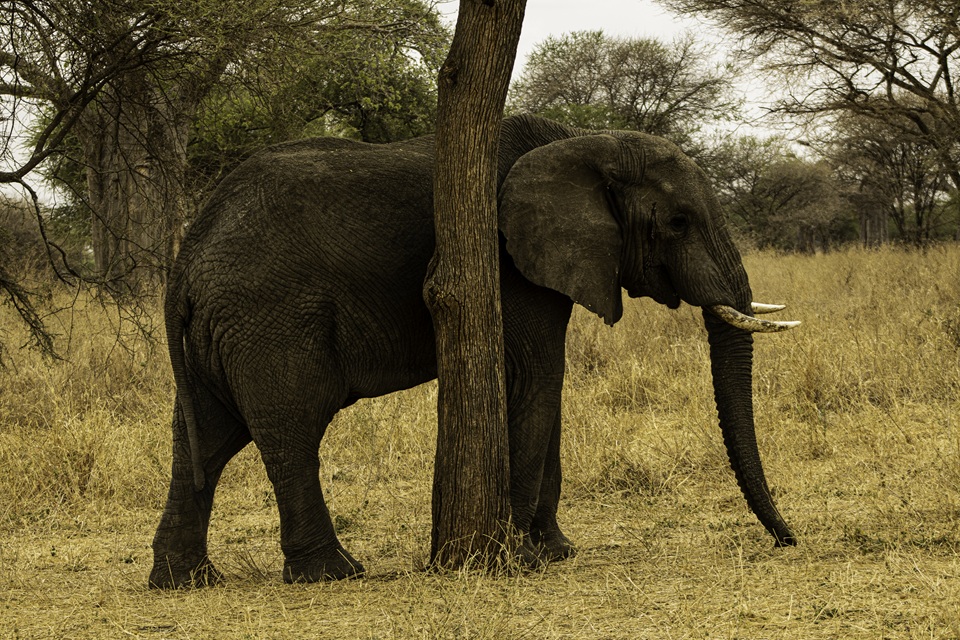
The crater floor is home to one of the highest concentrations of wildlife in Africa. Large herds of zebras, wildebeests, and buffalo roam across the open plains while elephants move through forested areas searching for food. Because the crater acts like a natural enclosure, animals remain within the area throughout most of the year, making sightings very reliable.
Predators are among the biggest highlights of the game drive. Lions are frequently seen resting in the grass or watching prey from a distance. Spotted hyenas move across the plains in search of food, while jackals and serval cats occasionally appear near the roadside.
One of the most exciting possibilities during the safari is spotting the endangered black rhino. Ngorongoro Crater is one of the few places in Tanzania where rhinos still survive in the wild. Although sightings are never guaranteed, experienced guides know the areas where rhinos are most commonly seen.
The crater also offers excellent birdwatching opportunities. Flamingos sometimes gather around the soda lake, creating beautiful pink reflections against the water. Eagles, cranes, ostriches, and vultures are commonly spotted throughout the safari.
As the game drive continues, visitors travel through different habitats including grasslands, swamps, forests, and lakes, each supporting different wildlife species. The changing scenery keeps the safari exciting throughout the day.
Picnic Lunch Near the Hippo Pool
Around midday, most safaris stop at a designated picnic site near a hippo pool. This break gives travelers time to relax, stretch, and enjoy lunch surrounded by nature.
Watching hippos resting in the water while eating lunch inside Ngorongoro Crater is a memorable safari experience. Birds fly overhead while safari vehicles from around the world gather nearby, creating a unique atmosphere in the middle of the wilderness.
The picnic area also provides good opportunities for photography and short walks around the designated safe zones. After lunch, guides usually share more information about the crater ecosystem and answer questions about the wildlife and conservation efforts within the area.
Afternoon Wildlife Viewing and Return to Karatu
After lunch, the safari continues with more wildlife viewing across different sections of the crater floor. Afternoon hours often provide opportunities to spot animals that may have been missed earlier in the day.
Elephants are commonly seen during the afternoon near swampy areas and forests where they seek shade from the sun. Buffalo herds continue grazing across the plains while zebras and wildebeests move in search of fresh grass. Lions may still be visible resting under trees or near water sources.
As the afternoon progresses, the safari vehicle begins the ascent back to the crater rim. The climb out of the crater offers one final chance to enjoy the spectacular scenery and capture panoramic photographs of this natural wonder.
The return drive to Karatu takes visitors back through the beautiful Ngorongoro Highlands before arriving at the lodge in the late afternoon or early evening. After a full day of wildlife viewing and adventure, many travelers return with unforgettable memories and hundreds of safari photographs from one of Tanzania’s most iconic destinations.
What to Pack for a Ngorongoro Day Safari
Packing properly can make your safari much more comfortable. Early mornings inside Ngorongoro are cold due to the high altitude, so a warm jacket is recommended. Comfortable clothing in neutral colors works best during game drives.
Travelers should also bring sunscreen, sunglasses, hats, cameras, binoculars, and reusable water bottles. Since wildlife photography opportunities are endless inside the crater, extra camera batteries and memory cards are often useful.
Is One Day Enough for Ngorongoro Crater?
Yes, one day is enough for most travelers to experience the beauty and wildlife of Ngorongoro Crater. Because animals are concentrated within a relatively small area, visitors can see a remarkable variety of wildlife during a single full-day safari.
For travelers with limited time in Tanzania, a day trip offers an excellent opportunity to experience a world-class safari without requiring multiple days on the road.
Why Book Your Safari With a Local Operator?
Choosing a local safari operator can make your Ngorongoro experience smoother and more personalized. Local guides understand the region well, including wildlife movements, road conditions, and the best viewing areas inside the crater.
Working with local companies also helps support communities connected to tourism and conservation in northern Tanzania. Travelers often benefit from more flexible itineraries, personalized service, and valuable local knowledge throughout the safari experience.
For visitors planning a Ngorongoro Crater day trip from Karatu, Ron Adventure offers guided safaris designed around comfort, local experience, and authentic wildlife encounters.
FAQs About Ngorongoro Crater Day Trips
Yes, Ngorongoro Crater offers one of the best chances in Africa to see the Big Five during a single safari day.
Karatu is often more convenient because it is much closer to the crater, reducing travel time and allowing earlier access to wildlife viewing areas.
Prices vary depending on park fees, transportation, safari type, and whether the safari is private or shared.
The dry season from June to October is excellent for wildlife viewing, but Ngorongoro remains a great safari destination throughout the year.
Book Your Ngorongoro Crater Day Trip From Karatu
A Ngorongoro Crater day trip from Karatu is one of the best ways to experience Tanzania’s wildlife and natural beauty in a short amount of time. The combination of scenic landscapes, incredible animal sightings, and easy access from Karatu makes this safari ideal for travelers seeking an unforgettable adventure.
Whether you are visiting Tanzania for your first safari or adding Ngorongoro to a longer northern circuit itinerary, careful planning and the right local guidance can help create a smooth and memorable experience. Travelers looking for organized day trips from Karatu can explore available safari options through Ron Adventure.
Read More of our Articles

Materuni Waterfalls and Coffee Tour: Best Day Trip from Moshi

Tanzania Travel Bucket List 2027: 20 Unforgettable Experiences
Tanzania Safari for Older Travelers: Complete Travel Guide
Marangu Route Kilimanjaro: Complete Guide, Itinerary, Cost & Tips
Kilimanjaro Lemosho Route: Complete Guide, Itinerary, Cost, Difficulty & Tips
Tanzania Safari Accommodations: Luxury, Mid-Range & Budget Guide
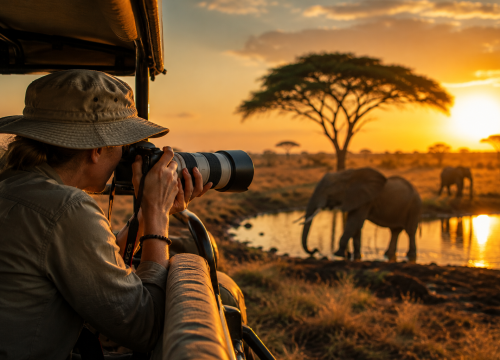
Safari Photography Tips for Beginners in Tanzania

Tanzania Safari FAQs: Answering 100 Common Questions Before You Visit Tanzania
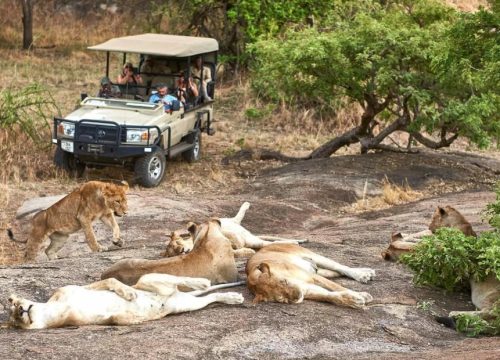
First-Time Tanzania Safari: 30 Things Nobody Tells You
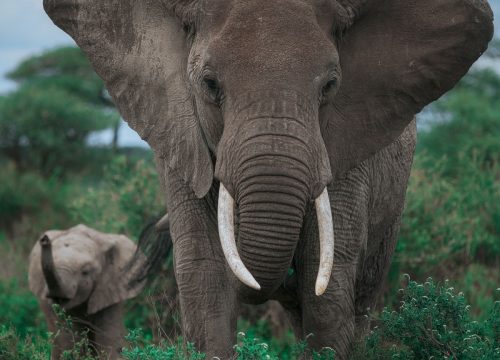
25 Animals You Can See on a Tanzania Safari: Complete Wildlife Guide
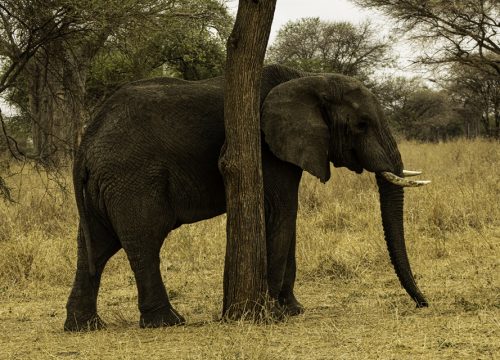
Ngorongoro Crater from Karatu: Price, Distance, Itinerary & Travel Guide
Serengeti Fly-In Safari from Zanzibar | Mara River Crossing 2026
8 Day Tanzania Family Migration Safari

7 Day Tanzania Family Safari Great Migration Serengeti
Tanzania Safari in December and January: Best Time for Great Migration and Holiday Travel

Zanzibar Travel Guide- Best Beaches, Things to Do & Perfect Safari Extension from Tanzania
6-Day Tanzania Family Migration Safari
Materuni Waterfalls and Coffee Tour: Best Day Trip from Moshi

Tanzania Travel Bucket List 2027: 20 Unforgettable Experiences
Tanzania Safari for Older Travelers: Complete Travel Guide
Marangu Route Kilimanjaro: Complete Guide, Itinerary, Cost & Tips