Introduction
A 3-day Tanzania safari is an ideal choice for travelers who wish to experience the highlights of northern Tanzania within a limited schedule. This short itinerary is particularly well-suited for families, couples, and visitors planning to combine a wildlife safari with a relaxing beach stay in Zanzibar. Even within three days, guests can explore varied landscapes, encounter abundant wildlife, and enjoy accommodation options that range from comfortable budget lodges to high-end safari camps.
The popular northern circuit route covering Tarangire National Park, Ngorongoro Crater, and Lake Manyara National Park provides an excellent combination of efficient travel and rewarding game-viewing opportunities. Since these destinations are located within convenient driving distance from Arusha, the itinerary reduces long road transfers and allows more time for wildlife exploration inside the parks.
This guide outlines how the safari is organized, typical accommodation locations, animals visitors are likely to see, the different lodging categories available, and the reasons why this itinerary remains one of the most recommended short safari experiences in Tanzania.
Table of contents
- Introduction
- Overview of the 3-Day Tanzania Safari Route
- Why Choose a 3-Day Safari in Northern Tanzania
- This itinerary is particularly suitable for:
- Day 1: Tarangire National Park Safari Experience
- Accommodation Options Near Tarangire and Karatu
- Accommodation options in Karatu cater to a wide range of travelers:
- Day 2: Ngorongoro Crater Wildlife Tour
- Where to Stay Near Ngorongoro Crater
- Day 3: Lake Manyara National Park Game Drive
- Best Time to Visit These Parks
- Green Season (November to May)
- Wildlife Highlights of the 3-Day Safari
- Travel Tips for Families and First-Time Visitors
- Combining a 3-Day Safari with Zanzibar
Overview of the 3-Day Tanzania Safari Route
This short northern Tanzania safari starts from Arusha and follows a well-planned route connecting three of the region’s most attractive wildlife parks. The typical schedule includes a first-day game drive in Tarangire National Park, a second-day exploration of the spectacular Ngorongoro Crater, and a final-day visit to Lake Manyara National Park before returning to Arusha or continuing onward with a flight to Zanzibar.
Overnight stays are commonly arranged in Karatu, a quiet highland town conveniently positioned between Ngorongoro and Lake Manyara. Choosing accommodation in Karatu helps shorten daily travel distances while allowing easy access to multiple parks within the itinerary.
Why Choose a 3-Day Safari in Northern Tanzania
Many travelers believe that seeing Tanzania’s wildlife requires a long expedition across multiple national parks. In reality, a carefully structured 3-day safari in northern Tanzania offers a highly rewarding experience within a short timeframe. This itinerary allows visitors to explore three exceptional wildlife destinations—Tarangire National Park, Ngorongoro Crater, and Lake Manyara National Park, each known for distinct landscapes and strong wildlife concentrations.
Within just a few days, travelers commonly encounter large elephant herds, lions, giraffes, zebras, buffaloes, hippos, baboons, and a wide variety of bird species. The diversity of ecosystems across these parks, including savannah plains, crater floor habitats, groundwater forests, and seasonal lakes, makes this itinerary one of the most efficient wildlife-viewing routes in East Africa.
Another major advantage of this safari is the short travel distance between destinations. Because the parks are located relatively close to one another and easily accessible from Arusha, visitors spend more time on game drives and less time on long road transfers. This improves comfort and maximizes wildlife viewing opportunities, especially for first-time safari guests.
This itinerary is particularly suitable for:
- families traveling with children who benefit from shorter driving hours
- travelers with limited vacation time
- visitors combining a wildlife safari with a beach holiday in Zanzibar
- First-time safari travelers exploring Tanzania for the first time
honeymooners seeking a short but memorable wildlife experience - Travelers adding a safari extension before or after a Kilimanjaro climb
- visitors arriving through Arusha as their safari gateway
Because of its flexibility, accessibility, and high wildlife density, the 3-day northern circuit safari remains one of the most recommended short safari options in Tanzania.
Day 1: Tarangire National Park Safari Experience
The first day of your northern Tanzania safari begins with a drive from Arusha to Tarangire National Park, a park renowned for its large elephant herds and iconic baobab trees that create a unique and picturesque African landscape. These ancient trees are a highlight for photographers and nature enthusiasts alike.
During the dry season, particularly from June to October, animals gather around the Tarangire River, making wildlife viewing especially rewarding. Visitors have excellent chances to spot large elephant family groups, zebras and wildebeest grazing in the savannah, Masai giraffes browsing acacia trees, various antelope species, lions resting or hunting, and occasionally elusive leopards. Birdwatchers will also enjoy over 500 species, including hornbills, kingfishers, and secretary birds.
Tarangire stands out among northern Tanzania parks for its quieter and less crowded safari experience, offering travelers a more peaceful environment compared to busier parks like the Serengeti National Park. This makes it ideal for families, photographers, and anyone looking for a relaxed wildlife adventure.
After a full day of game drives, guests travel to Karatu for dinner and an overnight stay. Karatu serves as a convenient base for exploring the Ngorongoro Crater the next day, helping to reduce long travel distances and ensuring a comfortable safari experience.
Accommodation Options Near Tarangire and Karatu
For most northern Tanzania safari itineraries, overnight stays are usually arranged in Karatu rather than inside Tarangire National Park. Karatu is a quiet highland town located between Tarangire, Ngorongoro Crater, and Lake Manyara National Park, making it an ideal base for short safari circuits.
Choosing Karatu for overnight accommodation offers several benefits:
- Reduced travel time to Ngorongoro Crater and Lake Manyara, making daily drives shorter and more comfortable.
- A variety of lodges to suit different budgets, from economical options to luxury properties.
- Pleasant weather and scenic surroundings provide a relaxing environment after a day of game drives.
- Convenient access to the northern safari parks for the next day’s activities.
Accommodation options in Karatu cater to a wide range of travelers:
- Budget lodges: Comfortable rooms with essential amenities, ideal for travelers seeking value for money.
- Mid-range lodges: Properties featuring gardens, swimming pools, and full-board meals, offering a balance of comfort and affordability.
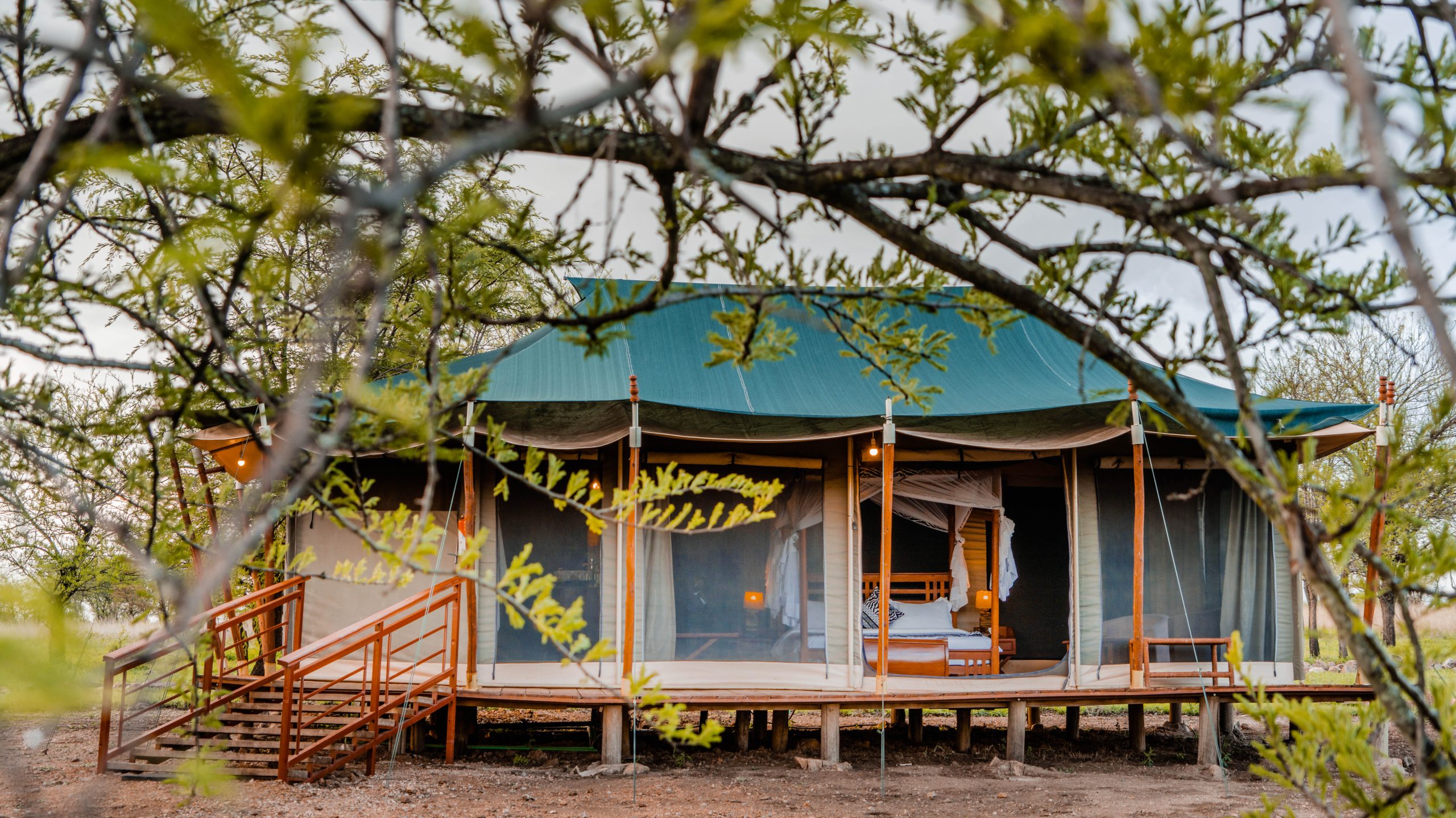
- Luxury lodges: High-end lodges and tented camps with panoramic views, premium services, and personalized experiences for those seeking extra comfort.
Karatu remains one of the most practical and accessible overnight locations for travelers on short northern circuit safaris. Its strategic location allows guests to maximize wildlife viewing while keeping travel times manageable, making it especially suitable for families, first-time safari goers, and travelers combining a safari with a beach holiday in Zanzibar.

Day 2: Ngorongoro Crater Wildlife Tour
On the second day of your northern Tanzania safari, you will explore the stunning Ngorongoro Crater, one of the continent’s most remarkable wildlife destinations. This enormous volcanic caldera, created millions of years ago when a massive volcano collapsed, is now a natural haven that supports one of Africa’s densest populations of animals.
During a half-day game drive in the crater, you may encounter a wide variety of wildlife, including:
- Lions lounging or hunting on the crater floor
- Herds of buffalo grazing across the grasslands
- Hippos inhabiting the streams and pools
- Zebras and wildebeest scattered through the plains
- Hyenas searching for food
- Flocks of flamingos near the crater’s lakes
- The rare and endangered black rhinoceros
Because the crater provides permanent water and rich grazing areas, wildlife can be observed throughout the year, making it a reliable destination for safari-goers in any season.
Visitors often enjoy a picnic lunch near the hippo pools, surrounded by the crater’s dramatic scenery, before returning to Karatu for the second overnight stay. Staying in Karatu allows for a comfortable and convenient base, keeping travel time manageable for the following day’s visit to Lake Manyara National Park.
Additional Notes:
- The Ngorongoro Crater measures about 20 km in diameter and 600 meters deep, creating a unique ecosystem within its walls.
- Knowledgeable guides provide insights into the crater’s geology, wildlife behavior, and conservation efforts.
- Morning game drives are ideal for spotting active animals and capturing the best photographs.
- Temperatures can be cooler due to the highland location, so light jackets are recommended.
Where to Stay Near Ngorongoro Crater
Accommodation around the Ngorongoro Crater ranges from modest lodges in Karatu to upscale lodges and tented camps perched along the crater rim.
For most travelers on a short northern circuit safari, Karatu is the preferred base. Its central location offers several benefits:
- Affordable options: Budget-conscious travelers can find comfortable lodges without sacrificing quality.
- Convenient access to multiple parks: Staying in Karatu reduces long travel times to Tarangire, Ngorongoro, and Lake Manyara.
- Peaceful surroundings: The town provides a quiet, scenic environment ideal for relaxation after a day of safari adventures.
- Reliable service: Lodges in Karatu typically provide professional hospitality, full-board meals, and family-friendly facilities.
For those seeking a more luxurious experience, crater rim lodges offer breathtaking sunrise and sunset views over the crater floor. These premium accommodations often include private decks, gourmet meals, and personalized safari services.
Other factors to consider when choosing where to stay near Ngorongoro include:
- Accessibility for families and travelers who prefer shorter drives.
- A variety of lodge styles, from traditional African-themed lodges to modern boutique options.
- Opportunities to arrange guided tours directly through the lodge, ensuring easy access to the parks with knowledgeable guides.

Day 3: Lake Manyara National Park Game Drive
The third day of your northern Tanzania safari features a visit to the beautiful and compact Lake Manyara National Park, renowned for its diverse ecosystems and scenic beauty. The park is home to groundwater forests, acacia woodlands, grassy plains, and a unique alkaline lake, creating a rich mosaic of habitats within a small area.
During a game drive in Lake Manyara, visitors often encounter a variety of wildlife, including:
- Tree-climbing lions, a rare sight unique to this park
- Elephants roam the open plains and forest edges
- Baboons and other primates inhabiting the woodland areas
- Hippos in shallow waters and river channels
- Giraffes browsing among acacia trees
- Colorful flocks of flamingos and other water birds along the lakeshore
The park’s compact size makes it ideal for a half-day safari, while the constantly changing landscapes—from dense forests to open plains—ensure a visually dynamic experience for photographers and wildlife enthusiasts alike. Birdwatchers, in particular, will find Lake Manyara rewarding, as the park hosts hundreds of species, including pelicans, storks, and herons.
After completing the game drive, travelers typically return to Arusha to conclude their safari or continue directly to Zanzibar by flight for a relaxing beach holiday.
Additional Notes:
- Morning game drives are recommended for the best wildlife activity and lighting for photography.
- The park is relatively small, so even a short drive offers excellent wildlife viewing.
- Drivers and guides are knowledgeable about the park’s ecosystems, providing insights into animal behavior and the park’s unique features.
- Lake Manyara is especially family-friendly due to its short driving distances and variety of wildlife easily visible from the vehicle.
- Pack light layers and sun protection, as the weather can vary between the forested areas and open plains.
Types of Safari Accommodation: Budget to Luxury
On a 3-day northern Tanzania safari, accommodation can be tailored to suit a wide range of preferences, comfort levels, and budgets. Selecting the right type of lodge or camp can significantly enhance your safari experience, whether traveling with family, friends, or as a couple.
Budget Accommodation:
Ideal for travelers seeking affordability without compromising comfort. These options typically include:
- Simple yet comfortable private rooms
- Shared facilities such as dining areas and lounges
- Excellent value for short safari itineraries
- Convenient locations near park entrances to minimize daily travel
Mid-Range Accommodation:
Mid-range lodges and camps provide additional comfort and amenities while remaining moderately priced. Features often include:
- Ensuite bathrooms with hot water
- Swimming pools for relaxation after game drives
- Full-board meals with a mix of local and international cuisine
- Garden settings or scenic surroundings
- Extra conveniences such as Wi-Fi, lounges, or small shops
Luxury Accommodation:
Luxury lodges and tented camps offer high-end safari experiences with personalized services and top-notch facilities. They typically provide:
- Spacious, elegantly furnished rooms or tents with private decks
- Panoramic views of parks, valleys, or crater landscapes
- Tailored services, including private guides and bespoke experiences
- Gourmet meals featuring local and international dishes
- Exclusive access to guided tours and safari activities
When choosing accommodation, it is important to consider:
- Travel style and desired comfort level
- Needs of family members or companions
- Overall budget and how it balances with convenience and luxury
- Proximity to parks and key wildlife areas
- Opportunities to combine cultural experiences, such as visiting Maasai villages, with wildlife viewing
Best Time to Visit These Parks
A safari to Tarangire National Park, Ngorongoro Crater, and Lake Manyara National Park can be planned at almost any time of the year. However, seasonal weather patterns influence vegetation, wildlife movement, road conditions, and photography opportunities. Understanding these differences helps travelers choose the period that best matches their expectations.
Dry Season (June to October)
The dry season is widely considered the most favorable time for classic wildlife viewing across northern Tanzania. During this period, grasses are shorter, and water becomes limited, encouraging animals to gather around rivers and permanent water sources such as the Tarangire River and crater wetlands. This concentration of wildlife improves the chances of spotting predators and large herbivores within a shorter time.
Advantages of traveling during the dry season include:
- Easier wildlife visibility due to reduced vegetation cover
- Large elephant gatherings in Tarangire
- Excellent conditions for photography with clearer skies
- Comfortable travel conditions with minimal rainfall
- Higher chances of spotting predators near water points
This season is especially recommended for first-time safari visitors who want reliable wildlife sightings.
Green Season (November to May)
The green season brings refreshing rainfall that transforms the landscape into lush scenery with vibrant vegetation and dramatic skies. Although wildlife may be more dispersed compared to the dry months, this period offers a quieter and more scenic safari experience.
Benefits of visiting during the green season include:
- Beautiful green landscapes ideal for photography
- Fewer safari vehicles in the parks
- Excellent birdwatching opportunities, including migratory species
- Calving season for many herbivores between January and March
- Attractive accommodation rates in many lodges
This season is particularly appealing for returning safari travelers, photographers, and visitors interested in birdlife and seasonal wildlife behavior.
Travel Notes for Seasonal Planning
The Ngorongoro Crater provides strong wildlife viewing throughout the year because animals remain within the crater ecosystem permanently. Meanwhile, Tarangire National Park becomes especially rewarding during the dry months when large herds gather along the river, while Lake Manyara National Park remains attractive year-round due to its groundwater forest, birdlife, and compact wildlife viewing areas.
Because each season offers distinct advantages, this three-park safari itinerary remains a reliable and enjoyable travel option in every month of the year.
Wildlife Highlights of the 3-Day Safari
Even within a short itinerary, a northern Tanzania safari covering Tarangire National Park, Ngorongoro Crater, and Lake Manyara National Park offers impressive wildlife variety. These three destinations represent different ecosystems, allowing travelers to experience diverse animal species and landscapes within only a few days.
In Tarangire National Park, visitors frequently encounter large elephant herds, especially near the Tarangire River during the dry season. The park is also known for its striking baobab trees and open savannah areas where giraffes, zebras, wildebeest, and several antelope species are commonly seen.
Inside the Ngorongoro Crater, wildlife viewing is particularly reliable because animals remain within the crater throughout the year. Visitors often have opportunities to observe lions, buffaloes, zebras, hippos, hyenas, and, with some luck, the rare black rhinoceros. The crater’s enclosed environment supports one of the highest wildlife densities in Africa.
At Lake Manyara National Park, the scenery changes dramatically to include groundwater forests and lakeshore habitats. This park is especially known for its tree-climbing lions, large troops of baboons, elephants moving through forested areas, and seasonal flocks of flamingos along the lake shoreline. Birdlife is abundant here, making the park attractive for birdwatchers as well as wildlife enthusiasts.
Additional species that travelers may encounter during this 3-day safari include warthogs, monkeys, jackals, ostriches, and a wide range of colorful bird species across all three parks. Because each destination offers a different habitat—from river valleys and crater grasslands to forest and alkaline lake ecosystems—the itinerary provides a well-balanced wildlife experience within a limited travel schedule.
This combination of varied landscapes and consistent animal sightings makes the 3-day northern circuit safari one of the most effective short wildlife adventures available in East Africa, especially for first-time visitors, families, and travelers combining safari with a beach extension in Zanzibar.
Travel Tips for Families and First-Time Visitors
A short safari through Tarangire National Park, Ngorongoro Crater, and Lake Manyara National Park is particularly suitable for families and travelers visiting Tanzania for the first time. Because these parks are located within a manageable distance from one another, the journey helps limit long driving hours while still providing excellent opportunities to experience a wide variety of wildlife and landscapes.
This itinerary is designed to maintain a comfortable travel pace, making it easier for children and first-time safari visitors to enjoy the experience without feeling tired from extended road travel. It also works very well for travelers planning to continue their holiday with relaxation on the beaches of Zanzibar after the safari.
Useful recommendations for families and first-time safari guests include:
- Carry a light jacket or sweater, especially for the early morning visit to the Ngorongoro highlands where temperatures are often cooler.
- Bring binoculars to improve wildlife viewing and make it easier to observe animals from a distance.
- Protect yourself from the sun by using sunscreen, hats, and sunglasses during daytime game drives.
- Travel with an experienced safari guide who can help locate wildlife and provide important information about the parks.
- Choose accommodations that provide family-friendly rooms and comfortable facilities suitable for travelers with children.
- Pack a small day bag with drinking water, personal items, and camera equipment for use during game drives.
- Allow enough rest time between activities to keep the safari enjoyable for younger travelers.
This safari route is often recommended as an excellent introduction to Tanzania because it combines several different natural environments within a short period. Visitors can experience open savannah, forests, lakeshores, and the unique crater ecosystem while enjoying reliable wildlife sightings and convenient travel distances throughout the journey.
Combining a 3-Day Safari with Zanzibar
Many visitors traveling to Tanzania choose to combine a short northern circuit safari with a relaxing stay on the beaches of Zanzibar. This safari-and-coast combination allows travelers to experience both wildlife viewing in national parks and time to unwind along the Indian Ocean, creating a well-balanced travel itinerary within a limited schedule.
A typical travel plan usually begins with arrival in Arusha, followed by a 3-day safari visiting destinations such as Tarangire National Park, Ngorongoro Crater, and Lake Manyara National Park. After completing the safari, travelers continue with a domestic flight from Arusha or the Serengeti region to Zanzibar, where they can enjoy several days of beach relaxation before returning home.
This combination is especially popular because it offers a variety of experiences within a single trip. Visitors can explore diverse wildlife habitats during the safari portion and then transition to the calm coastal environment of Zanzibar, known for its white sandy beaches, turquoise waters, and cultural heritage sites such as Stone Town.
Additional advantages of combining a short safari with Zanzibar include:
- Efficient use of travel time, making it ideal for holidays lasting about one to two weeks
- Suitable pacing for families, couples, and first-time visitors to Tanzania
- Opportunities to experience both adventure activities and relaxation in one journey
- Flexible accommodation options ranging from budget beach lodges to luxury resorts
- Convenient domestic flight connections between northern Tanzania and Zanzibar
Travelers often choose to spend three days on safari followed by five to ten nights on the island, depending on their overall travel plans. This arrangement allows enough time to enjoy wildlife viewing while still experiencing snorkeling, cultural tours, spice farm visits, and sunset dhow excursions along the Zanzibar coastline.
Because of its balance between exploration and relaxation, the northern Tanzania safari combined with a Zanzibar beach stay remains one of the most preferred travel itineraries for visitors planning their first trip to Tanzania.

Materuni Waterfalls and Coffee Tour: Best Day Trip from Moshi

Tanzania Travel Bucket List 2027: 20 Unforgettable Experiences
Tanzania Safari for Older Travelers: Complete Travel Guide
Marangu Route Kilimanjaro: Complete Guide, Itinerary, Cost & Tips
Kilimanjaro Lemosho Route: Complete Guide, Itinerary, Cost, Difficulty & Tips
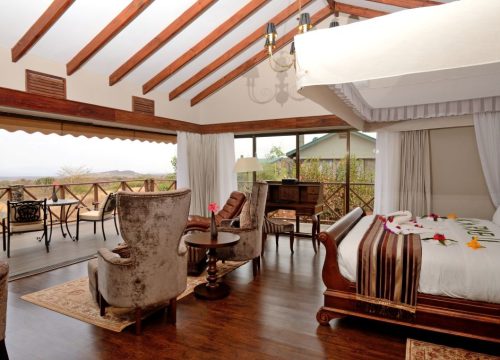
Tanzania Safari Accommodations: Luxury, Mid-Range & Budget Guide
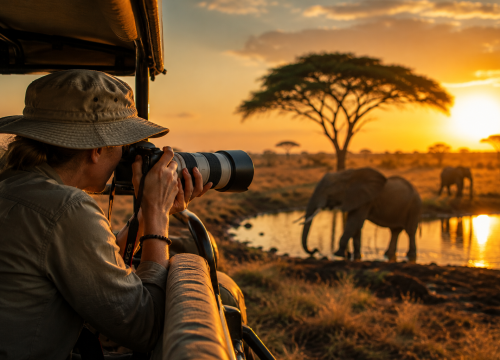
Safari Photography Tips for Beginners in Tanzania

Tanzania Safari FAQs: Answering 100 Common Questions Before You Visit Tanzania
First-Time Tanzania Safari: 30 Things Nobody Tells You
25 Animals You Can See on a Tanzania Safari: Complete Wildlife Guide
Ngorongoro Crater from Karatu: Price, Distance, Itinerary & Travel Guide
Serengeti Fly-In Safari from Zanzibar | Mara River Crossing 2026
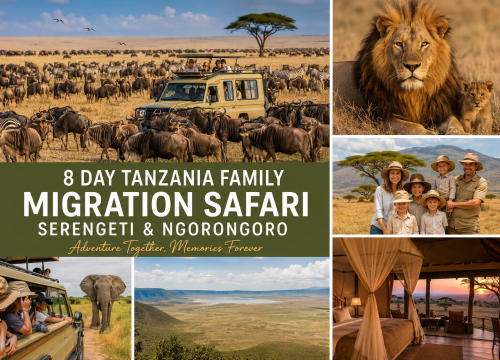
8 Day Tanzania Family Migration Safari

7 Day Tanzania Family Safari Great Migration Serengeti
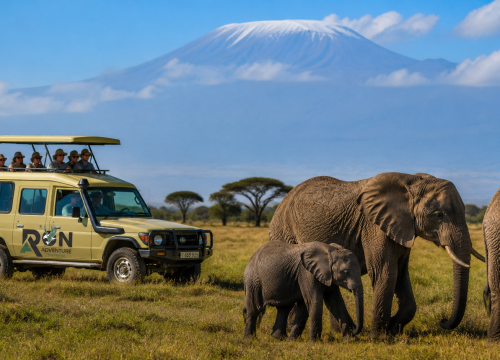
Tanzania Safari in December and January: Best Time for Great Migration and Holiday Travel
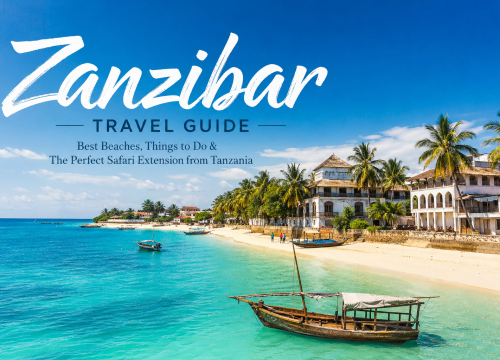
Zanzibar Travel Guide- Best Beaches, Things to Do & Perfect Safari Extension from Tanzania
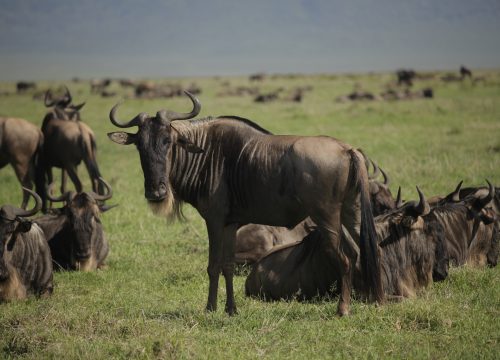
6-Day Tanzania Family Migration Safari
Materuni Waterfalls and Coffee Tour: Best Day Trip from Moshi
Tanzania Travel Bucket List 2027: 20 Unforgettable Experiences
Tanzania Safari for Older Travelers: Complete Travel Guide
Marangu Route Kilimanjaro: Complete Guide, Itinerary, Cost & Tips