Planning to climb Mount Kilimanjaro? Understanding Kilimanjaro weather by month helps you choose the right trekking dates, pack suitable clothing and prepare for changing mountain conditions.
The best months for many climbers are January, February, July, August and September. These periods generally offer favourable conditions for trekking. However, Kilimanjaro can experience rain, strong winds and freezing temperatures at any time of the year.
Mount Kilimanjaro reaches 5,895 metres above sea level. Temperatures change dramatically as you climb from the warm lower slopes to the cold summit.
In this guide, Ron Adventure explains the weather
What Is the Weather Like on Mount Kilimanjaro?
Kilimanjaro has several climate zones. You will experience different temperatures, rainfall and landscapes during your climb.
The lower slopes are generally warm. The rainforest is humid, while the higher camps become colder and drier. Near the summit, temperatures can fall well below freezing.
Here is what to expect in each zone:
- Lower slopes: Warm conditions, especially during the day.
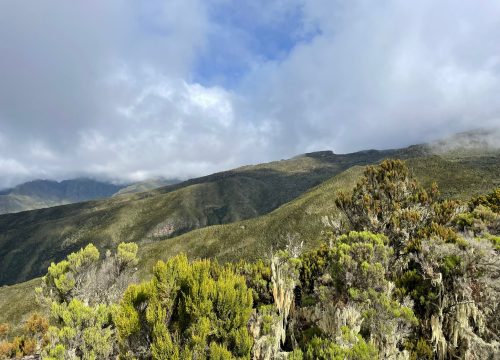
- Rainforest: Humid air, dense vegetation and possible rainfall.
- Moorland: Cooler temperatures, open landscapes and cold nights.
- Alpine desert: Dry air, strong sunshine and large temperature changes.
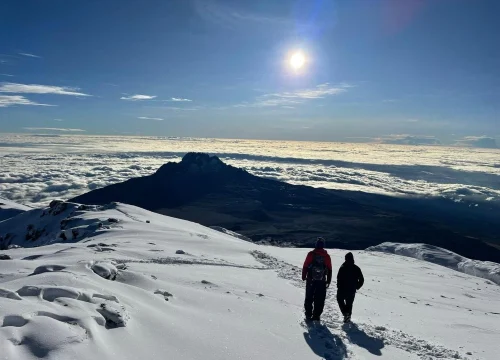
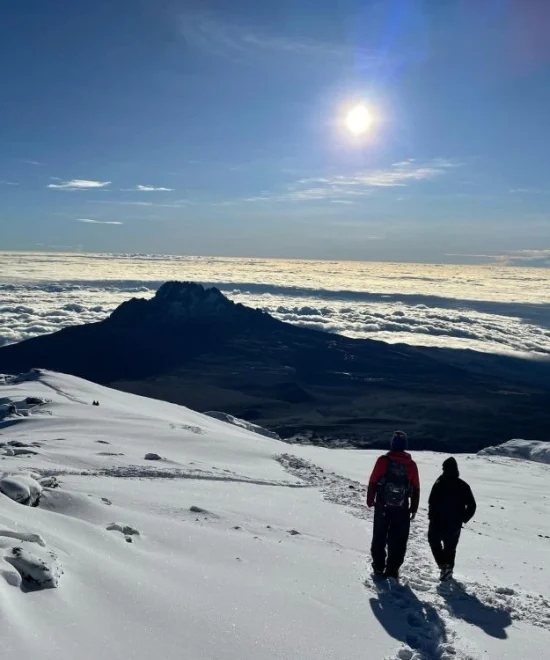
- Summit zone: Freezing temperatures, strong winds and possible snow or ice.
Weather also varies between routes and slopes. The southern routes often receive more rainfall than the northern side of the mountain.
For this reason, climbers should prepare for both warm days and very cold nights.
Kilimanjaro Weather by Month: January to December
Choosing your climbing month affects trail conditions, visibility and the amount of rainfall you may encounter. Use the following guide to compare the seasons before booking your trek.
January: A Good Month for Climbing
January is generally part of Kilimanjaro’s short dry season. Many climbers choose this month for its favourable trekking conditions and opportunities for clear mountain views.
Lower elevations can feel warm during the day. However, temperatures drop considerably at higher camps.
What to expect:
- Generally favourable trekking conditions.
- Warm conditions at lower elevations.
- Cold nights at high camps.
- Possible clouds or occasional rain.
Who should climb in January?
January is a good option if you want relatively dry conditions and an opportunity to enjoy views of Kilimanjaro’s snow-covered summit.
February: Warm Conditions and Good Visibility
February is another popular month for climbing Kilimanjaro. It is often relatively warm at lower elevations, while the summit remains extremely cold.
Clear periods can provide excellent views of the mountain and surrounding landscapes.
What to expect:
- Generally favourable weather.
- Warm daytime conditions at lower elevations.
- Cold summit-night temperatures.
- Occasional rainfall or cloud cover.
February is worth considering if you prefer a drier climbing period. However, weather conditions can still change during your trek.
March: The Start of the Rainier Season
March is a transition month. Early March may offer reasonable trekking conditions, but rainfall often becomes more frequent as the month progresses.
Wet trails and cloud cover can make some sections more challenging.
What to expect:
- Increasing chances of rain.
- Muddy or slippery trails in some areas.
- Variable visibility.
- Cold conditions at higher elevations.
If you plan to climb in March, bring reliable waterproof clothing and protect your sleeping equipment and spare clothes from moisture.
April: The Long Rainy Season
April is usually one of the wettest months on Kilimanjaro. Rainfall can be frequent, particularly on the southern slopes.
Trails through the rainforest may become muddy. Clouds can also reduce visibility and limit mountain views.
What to expect:
- Frequent or heavy rain.
- Wet and slippery trails.
- High humidity in the rainforest.
- Cold temperatures at higher camps.
April is generally less suitable for climbers who prioritise dry trails and clear views. If you choose this month, discuss route conditions and suitable equipment with your trekking operator.
May: Wet Conditions Continue
May usually remains within the long rainy season, although conditions vary from year to year.
Rain may continue at lower elevations, while higher sections can experience cold winds, mist and freezing temperatures.
What to expect:
- Continued rainfall, especially early in the month.
- Wet vegetation and muddy trails.
- Variable visibility.
- Cold nights at higher camps.
May can appeal to climbers who prefer quieter trails and accept less predictable weather. Good waterproof equipment is essential.
June: The Weather Often Begins to Improve
June marks the transition towards the main dry season. Conditions often become drier as the month progresses.
The mountain can still experience rain, particularly early in June. Higher camps remain cold, and clear skies are not guaranteed.
What to expect:
- Gradually improving trail conditions.
- Cooler temperatures.
- Increasing opportunities for clear views.
- Cold nights at higher elevations.
June is a useful option if you want to climb before the busiest part of the main dry season.
July: A Popular Dry-Season Month
July is generally one of the drier months on Kilimanjaro. Many climbers choose this period for its favourable trail conditions and opportunities for clear views.
However, the mountain can be busy. Temperatures at high camps and during summit night can be extremely low.
What to expect:
- Generally dry trails.
- Good opportunities for mountain views.
- Cold nights and possible strong winds.
- Higher numbers of climbers on popular routes.
July suits climbers who prioritise relatively dry conditions. Book ahead if you have specific trekking dates in mind.
August: Dry Weather and Busy Trails
August is another popular month for climbing Kilimanjaro. It often offers dry conditions, although clouds and occasional rain remain possible.
The popularity of this period can mean busier camps and trails.
What to expect:
- Generally favourable trekking conditions.
- Good visibility during clear periods.
- Very cold conditions at high elevations.
- Busy trails on popular routes.
August is a strong option for climbers who want to trek during the main dry season. Prepare for cold summit conditions, even when the weather at the base feels warm.
September: A Favourable Month for Trekking
September often provides a good balance of relatively dry weather and comfortable daytime trekking conditions at lower elevations.
Rainfall may remain limited, although conditions vary between years and routes.
What to expect:
- Generally dry conditions.
- Good opportunities for clear mountain views.
- Cold nights at high camps.
- Possible changes in cloud cover and wind.
September is worth considering if you want to climb during the main dry season.
October: A Transition Towards the Short Rains
October often begins with favourable trekking conditions. However, the chance of rainfall may increase towards the end of the month as the short rainy season approaches.
The timing and intensity of the rains vary each year.
What to expect:
- Often favourable conditions early in the month.
- Possible increases in rainfall later in October.
- Variable visibility.
- Cold temperatures near the summit.
October can be a good choice if you want to climb outside the busiest part of the main season. Pack waterproof layers regardless of your departure date.
November: The Short Rainy Season
November is associated with Kilimanjaro’s short rains. Showers can occur, but the amount of rainfall varies from year to year.
Some days may remain clear, while others bring clouds and wet trails.
What to expect:
- Unpredictable rainfall.
- Wet sections on some routes.
- Variable visibility.
- Cold conditions at higher elevations.
November may suit climbers with flexible travel dates who do not mind changing weather conditions. Speak with your operator about current trail conditions before departure.
December: Mixed Weather and Holiday Climbs
December can bring a mixture of dry spells and rain. Conditions often become more favourable as the month progresses towards January, but this is not guaranteed.
The holiday period is also popular with international visitors.
What to expect:
- A mixture of sunshine, clouds and possible rain.
- Changing trail conditions.
- Cold summit nights.
- Increased demand around the holidays.
December is worth considering if you want to combine a Kilimanjaro climb with a year-end holiday in Tanzania. Book early for popular dates.
Ready to plan your Tanzania safari?
Our Arusha-based safari experts will create a free, personalized Tanzania safari itinerary within 3 hours, tailored to your budget, travel style, and interests..
What Is the Best Month to Climb Kilimanjaro?
For many climbers, the most favourable periods are January to February and June to October. These months generally offer better opportunities for drier trails and clear views.
Your ideal month depends on your priorities.
For generally dry weather: Consider January, February, July, August or September.
For cooler daytime trekking: June and July may appeal to you, although nights can be extremely cold.
For quieter trails: Consider less busy periods, while accepting a greater chance of rain and changing conditions.
For clear mountain views: The drier months often offer good opportunities, but cloud cover can occur in any season.
For a rainy-season adventure: March to May and November can be options for flexible climbers who understand the challenges of wet trails.
No month guarantees a successful summit. Acclimatisation, route selection, fitness, health and decisions made by your guide are also important.
How Cold Does It Get on Mount Kilimanjaro?
Temperature depends on altitude, wind and the time of day. You may start your trek in warm conditions and finish the day at a cold mountain camp.
Near Uhuru Peak, temperatures can fall to around -10°C to -20°C or lower under some conditions. Wind can make it feel even colder.
Summit attempts usually begin around midnight or during the early morning hours. Climbers must therefore prepare for darkness, freezing temperatures and possible wind.
Pack a warm insulated jacket, thermal base layers, gloves, a warm hat and suitable trekking trousers. Your operator should provide a detailed equipment list before departure.
What Should You Pack for Kilimanjaro Weather?
The right equipment helps you stay warm, dry and comfortable throughout your climb.
Use this checklist when preparing for your trek:
- Waterproof jacket and trousers.
- Moisture-wicking base layers.
- Warm fleece or mid-layer.
- Insulated jacket for cold conditions.
- Comfortable trekking trousers.
- Warm hat and sun hat.
- Waterproof trekking boots.
- Warm gloves and spare gloves.
- Thick trekking socks.
- Sunglasses and high-SPF sunscreen.
- Headlamp with spare batteries.
- Water-resistant bags for spare clothing.
Layering is important because your temperature changes as you walk. You can remove layers when climbing uphill and add them during breaks or at cold camps.
Avoid relying on one heavy jacket alone. Several layers allow you to adjust to changing conditions more easily.
Does Weather Affect Kilimanjaro Climbing Routes?
Weather can influence your route choice, comfort and overall trekking experience. Each route has different scenery, camp arrangements and exposure to rainfall.
Machame Route: This popular route crosses several climate zones. Rain can make the forest sections muddy, while higher camps become cold and exposed.
Lemosho Route: Lemosho offers varied scenery and a longer approach on many itineraries. Allowing enough time for acclimatisation is important.
Marangu Route: This route uses mountain huts rather than tents for overnight accommodation. Rain can still affect the lower trails, and the upper mountain remains cold.
Rongai Route: Approaching from the northern side, Rongai generally experiences drier conditions than routes on the southern slopes. Weather remains unpredictable at higher elevations.
The best route is not determined by weather alone. Consider the number of days available, acclimatisation profile, accommodation preferences and your trekking experience.
Ron Adventure can help you compare routes and choose an itinerary that matches your travel dates and needs.
Frequently Asked Questions About Kilimanjaro Weather
Which month has the best weather on Kilimanjaro? January, February, July, August and September often offer favourable climbing conditions. However, weather varies each year, and no month guarantees sunshine or a successful summit.
What is the coldest month on Kilimanjaro? There is no single month that is always the coldest at the summit. July and August can bring particularly cold nights, but temperatures depend on wind, altitude and daily conditions.
Does it snow on Mount Kilimanjaro? Yes. Snow and ice can occur near the summit. Conditions vary with temperature and precipitation, so climbers should prepare for freezing weather throughout the year.
Can you climb Kilimanjaro during the rainy season? Yes, climbs can take place during wetter months, subject to current conditions and operational guidance. Expect a greater chance of rain, muddy trails and reduced visibility.
How cold is Uhuru Peak at night? Temperatures can fall to around -10°C to -20°C or lower. Wind can increase the risk of cold exposure, so proper insulated clothing is essential.
How many days should I allow for climbing Kilimanjaro? Many itineraries take six to nine days on the mountain, depending on the route. Longer itineraries often provide more time for acclimatisation. Choose a route and duration that support a safe, gradual ascent.
Is Kilimanjaro suitable for beginners? People without previous high-altitude trekking experience can climb Kilimanjaro with suitable preparation and guidance. However, the altitude presents real risks. Choose an appropriate itinerary, follow your guide’s advice and report symptoms of altitude sickness promptly.
Plan Your Kilimanjaro Climb with Ron Adventure
Choosing the right month is an important step towards preparing for Mount Kilimanjaro. Understanding the weather helps you select suitable clothing, compare routes and plan for the conditions you may encounter.
Ron Adventure is a Tanzania-based tour operator offering guided Kilimanjaro climbs. We can help you compare routes, review trekking dates and choose a suitable itinerary.
Whether you prefer the Machame, Lemosho, Marangu or Rongai Route, our team can help you plan your climb.
Ready to plan your Tanzania safari?
Our Arusha-based safari experts will create a free, personalized Tanzania safari itinerary within 3 hours, tailored to your budget, travel style, and interests..