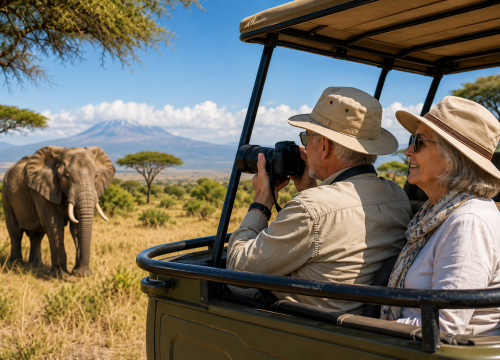
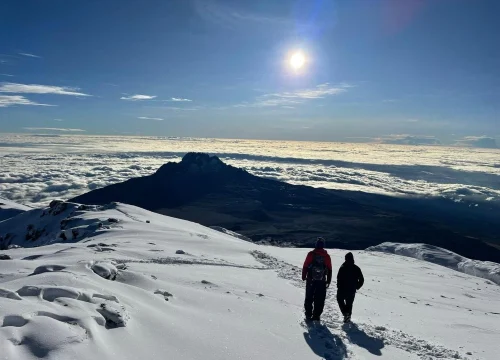
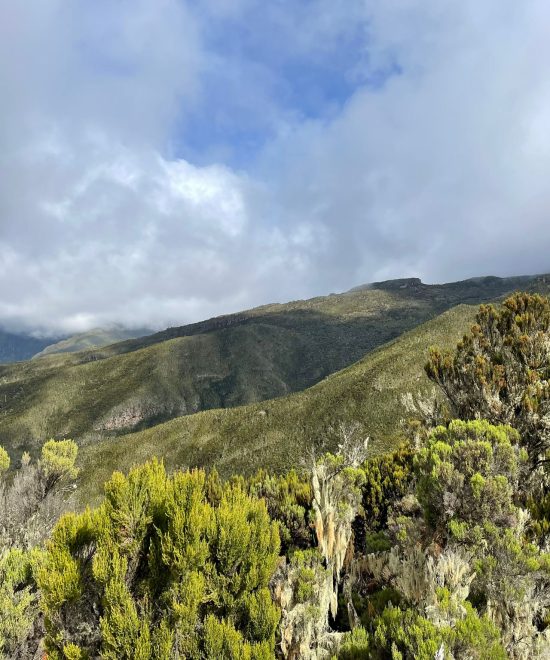
Mount Meru is widely regarded as one of Tanzania’s most remarkable yet lesser-known trekking mountains. Found within the scenic landscapes of Arusha National Park, this dormant volcanic peak features dramatic terrain, rich biodiversity, and breathtaking summit views that often reveal the distant silhouette of Mount Kilimanjaro.
For travelers looking for a rewarding mountain adventure in East Africa, Mount Meru is an excellent option. Many climbers also choose it as an acclimatization trek before attempting Africa’s highest mountain. With an elevation of 4,566 meters, Mount Meru ranks as Tanzania’s second-tallest peak and the fifth-highest mountain on the African continent.
This guide provides essential information to help you plan your Mount Meru expedition, including preparation tips, permit requirements, trekking routes, and practical advice to ensure a safe and memorable climbing experience.
Table of Contents
- Introduction to Mount Meru
- Overview of Mount Meru
- Getting There: How to Reach Mount Meru
- Best Time to Climb Mount Meru: Weather and Seasons
- Permits and Regulations: Planning Your Climb
- Preparing for the Climb: Fitness and Training Tips
- Accommodation Options: Where to Stay
- Cultural Interactions: Connecting with the Locals
- Mount Meru Climb Itinerary (3–4 Days)
- Wildlife and Natural Attractions on Mount Meru
- Beyond Mount Meru: Exploring Arusha and Surroundings
- Key Facts about Mount Meru
- Frequently Asked Questions (FAQs)
Introduction to Mount Meru
Climbing Mount Meru is considered one of the most fulfilling trekking adventures in East Africa. Although many travelers prioritize visiting Mount Kilimanjaro, Mount Meru offers equally impressive landscapes with far fewer crowds, making it an excellent choice for hikers, adventure enthusiasts, and nature lovers seeking a quieter mountain experience.
Located within the scenic boundaries of Arusha National Park, the mountain provides a distinctive trekking journey where hikers may spot wildlife such as giraffes, buffaloes, and black-and-white colobus monkeys during the early stages of the climb. As trekkers ascend toward Socialist Peak, the summit rewards them with unforgettable sunrise views stretching across the vast African plains and surrounding volcanic scenery.
Overview of Mount Meru
Mount Meru is a dormant stratovolcano formed over 250,000 years ago. Its dramatic crater, ash cone, and rugged ridges make it one of Africa’s most scenic mountains.
The mountain reaches an elevation of 4,566 meters (14,980 ft) and is Tanzania’s second-highest peak after Mount Kilimanjaro.
Highlights of Mount Meru include:
- A massive horseshoe-shaped crater
- Spectacular views of the surrounding savannah
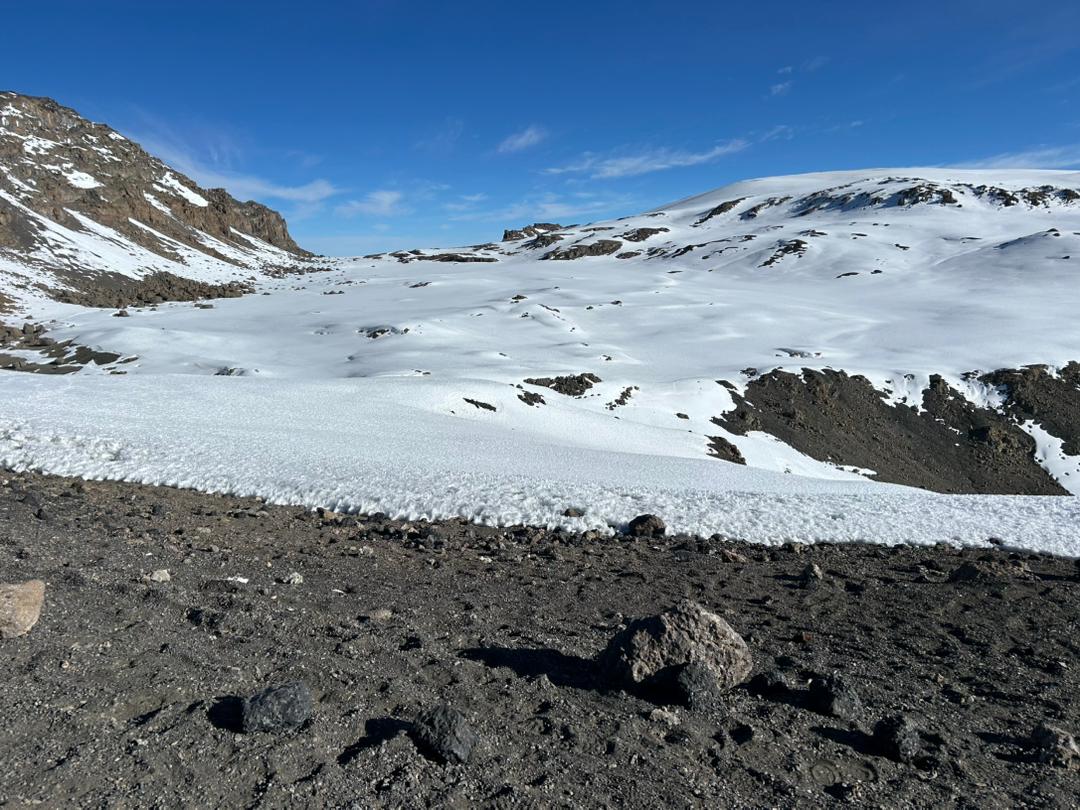
- Diverse ecosystems ranging from rainforest to alpine desert
- Wildlife sightings during the trek
- A thrilling ridge walk to the summit
Mount Meru is often considered an ideal acclimatization climb before attempting Kilimanjaro.
Getting There: How to Reach Mount Meru
Most trekking adventures to Mount Meru begin in the vibrant safari hub of Arusha. This city serves as the primary base for exploring many of northern Tanzania’s famous national parks and mountain expeditions.
By Air
The nearest international airport serving the region is Kilimanjaro International Airport, located roughly 60 kilometers from Arusha. Most international visitors fly into this airport and then continue their journey to Arusha by taxi, private transfer, or shuttle service.
By Road
Mount Meru is situated within Arusha National Park, which is about a 45-minute drive from Arusha town. Climbers usually begin their trek at Momella Gate, the primary entrance to the park and the official starting point for Mount Meru climbing routes.
Best Time to Climb Mount Meru: Weather, Climate, and Trekking Seasons
Choosing the right season for climbing Mount Meru is essential to a safer, more enjoyable trek and to maximizing the chances of clear summit views. Weather significantly affects trail conditions, visibility, and overall comfort during the hike. Most climbers prefer the dry months when trails are stable, landscapes are vibrant, and wildlife spotting is easier.
Optimal Seasons for Trekking Mount Meru
June – October (Main Dry Season)
This period is widely regarded as the best time to trek Mount Meru.
Key benefits include:
- Stable and dry weather ideal for hiking
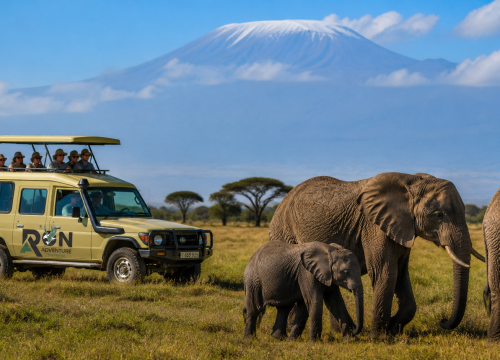
- Clear panoramic views of Mount Kilimanjaro
- Less muddy trails, making climbs safer
- Comfortable temperatures for high-altitude trekking
- Excellent opportunities for wildlife spotting and photography in Arusha National Park
This season is particularly popular for mountain climbing expeditions, adventure trekking tours, and Kilimanjaro acclimatization climbs.
December – February (Warm Dry Season)
Another favorable period for trekking is December through February, especially for those seeking sunny weather and clear skies.
Advantages include:
- Warm temperatures during the day
- Relatively dry conditions
- Stunning sunrise views from the summit
- Minimal cloud cover for scenic photography
This season is well-suited for Tanzania hiking tours, volcano trekking, and African adventure travel.
Rainy Seasons on Mount Meru
March – May (Long Rain Season)
The long rains make this the wettest period in northern Tanzania, which can make climbing more challenging.
Conditions often include:
- Heavy, frequent rainfall
- Muddy and slippery trails
- Reduced visibility at higher altitudes
- Higher humidity levels in forested areas
Due to these challenges, fewer trekkers attempt Mount Meru during this period.
November (Short Rain Season)
November brings shorter and less intense rain showers, making trekking possible with proper preparation and gear.
Benefits of trekking during this time:
- Fewer tourists on the mountain
- Lush and green landscapes
- A quieter, more peaceful trekking experience
Why the Dry Season Is Recommended
Climbing Mount Meru during the dry months is strongly recommended by guides because trails are safer, the weather is more predictable, and summit views are clearer. These conditions are ideal for high-altitude hiking, wildlife encounters, photography, and successful summit attempts, ensuring a more rewarding and memorable trekking experience.
Permits and Regulations: Planning Your Mount Meru Climb
Since Mount Meru is located within the protected boundaries of Arusha National Park, all climbers must adhere to the park’s rules and regulations.
Essential Requirements for Climbing Mount Meru:
- Official Park entry permits
- Escort by a park ranger is mandatory for safety
- Licensed guide and trained porters to support your trek
- Reservations in mountain huts for overnight stays
Unlike Mount Kilimanjaro, wild camping is not permitted on Mount Meru. All climbers sleep in designated huts along the route.
Preparing for the Climb: Fitness and Training Tips
Although Mount Meru is less famous than Kilimanjaro, the climb is still physically demanding.
Fitness Preparation
Recommended training includes:
- Long-distance hiking
- Stair climbing
- Cardio exercises
- Strength training
- Altitude conditioning if possible
Essential Gear
Climbers should pack:
- Waterproof hiking boots
- Warm layers and a down jacket
- Gloves and a hat
- Trekking poles
- Headlamp
- Sleeping bag
- Daypack and hydration system
Proper gear is essential since summit temperatures can drop below freezing.
Accommodation Options: Where to Stay
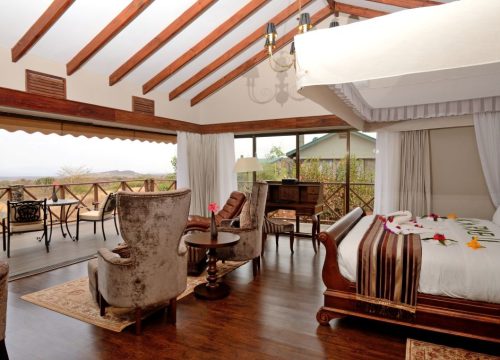
Before and after the climb, most travelers stay in lodges or hotels in Arusha.
Popular options include:
- Budget hostels
- Mid-range safari lodges
- Luxury eco-resorts
During the climb, hikers stay at two mountain huts:
- Miriakamba Hut (2,514 m)
- Saddle Hut (3,570 m)
These huts provide bunk beds, dining areas, and basic facilities.
Cultural Interactions: Connecting with the Locals
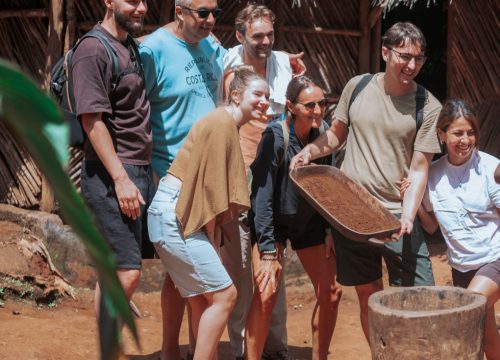
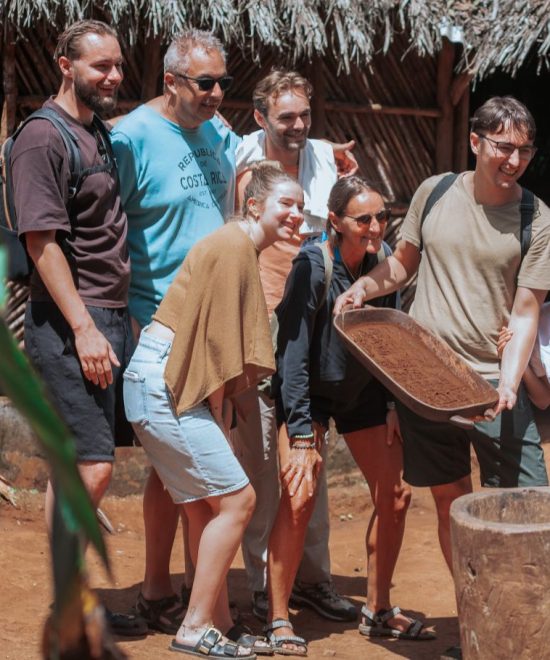
Climbing Mount Meru also offers opportunities to connect with local communities near Arusha.
Many guides and porters belong to local ethnic groups, such as:
- Meru people
- Chagga community
- Maasai pastoralists
Visitors often enjoy learning about traditional lifestyles, local farming practices, and Tanzanian hospitality.
Supporting local guides helps sustain tourism and community livelihoods.
Mount Meru Trekking Itinerary (3–4 Days)
A climb up Mount Meru offers an unforgettable adventure, combining high-altitude trekking, wildlife encounters, and stunning volcanic landscapes. Most climbers follow a 3–4-day itinerary that balances acclimatization, scenic views, and summit achievement.
Day 1: Momella Gate to Miriakamba Hut
- Elevation: 1,500 m → 2,514 m
- Hiking Time: 4–6 hours
The trek begins at Momella Gate, the main entrance of Arusha National Park. Hikers traverse open grasslands and dense forest zones, often spotting wildlife such as giraffes, buffalo, bushbucks, and colobus monkeys. This stage allows for gradual acclimatization while taking in the park’s vibrant scenery.
The first night is spent at Miriakamba Hut, a comfortable base for resting and preparing for the more challenging climbs ahead. This day is ideal for nature photography, wildlife observation, and scenic hiking.
Day 2: Miriakamba Hut to Saddle Hut
- Elevation: 2,514 m → 3,570 m
- Hiking Time: 3–5 hours
Day two becomes steeper, guiding climbers through bamboo forests, alpine meadows, and volcanic ridges. The trail offers excellent views of Mount Meru crater and the surrounding peaks.
For those seeking extra adventure, an optional afternoon hike to Little Meru (3,820 m) offers panoramic vistas of the mountain and its surroundings. The night is spent at Saddle Hut, the last stop before the summit attempt.
This day is perfect for adventure trekking, high-altitude training, and capturing breathtaking landscapes.
Day 3: Summit Day – Socialist Peak
- Start Time: Midnight
- Summit Elevation: 4,566 m
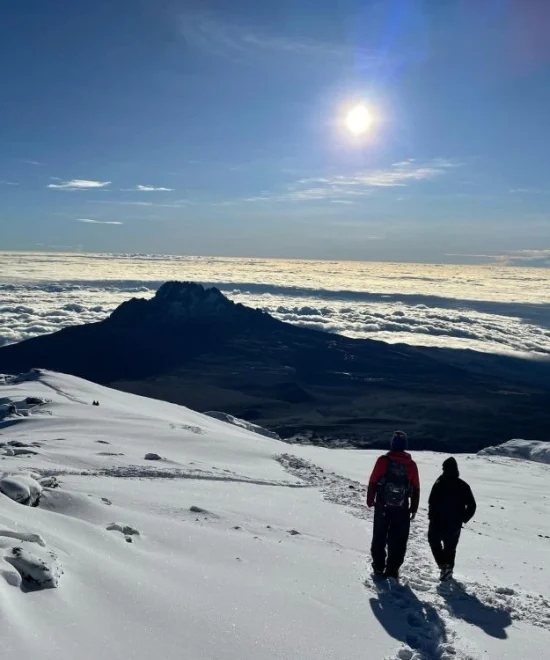
Summit day begins with a pre-dawn climb, aiming to reach Socialist Peak by sunrise. The final ascent includes dramatic ridges and steep slopes, culminating in sweeping views of the African plains and, on clear days, the majestic Mount Kilimanjaro in the distance.
After reaching the summit, climbers descend to Miriakamba Hut to rest. Summit day offers an unforgettable mix of high-altitude trekking, ridge walking, and sunrise photography opportunities.
Day 4: Descent to Momella Gate
The last day is a gentle descent through lush montane forests and streams, allowing hikers to enjoy the biodiversity of Arusha National Park one last time. The trek concludes at Momella Gate, with most travelers returning to Arusha town to celebrate completing the climb.
Tips for a Successful Mount Meru Trek
- Dress in layers and bring warm clothing for summit day, as temperatures can drop below freezing.
- Trekking poles improve stability on steep or slippery trails.
- Bring a camera for wildlife and panoramic shots.
- Booking through licensed Tanzanian tour operators ensures all logistics, permits, porters, and hut accommodations are handled professionally.
This 3–4-day Mount Meru trekking itinerary is ideal for travelers seeking a blend of adventure, wildlife, and volcanic scenery in northern Tanzania.
Wildlife and Natural Attractions
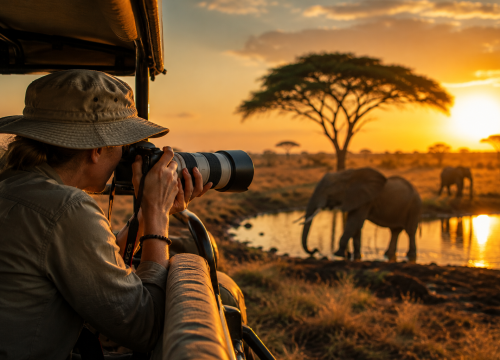
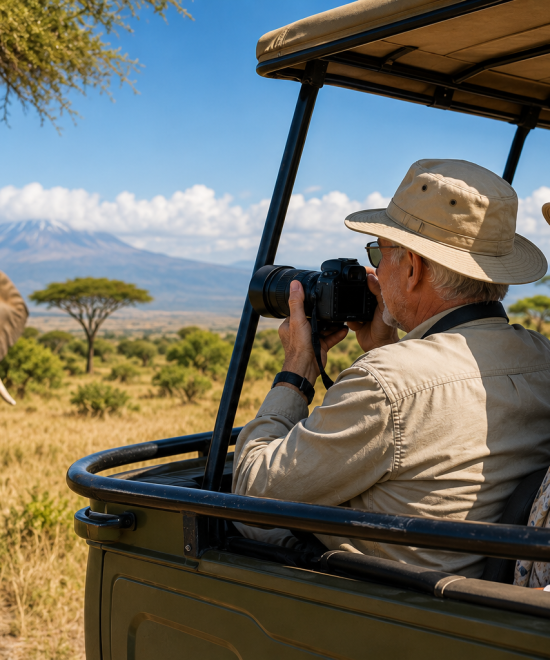
Climbing Mount Meru offers a rare experience where mountain hiking and wildlife viewing come together in a single adventure. Because the trek takes place within Arusha National Park, hikers often encounter animals commonly seen on traditional African safaris.
During the lower sections of the trail, trekkers may observe wildlife roaming freely across grasslands and forested areas. Some of the animals commonly seen include:
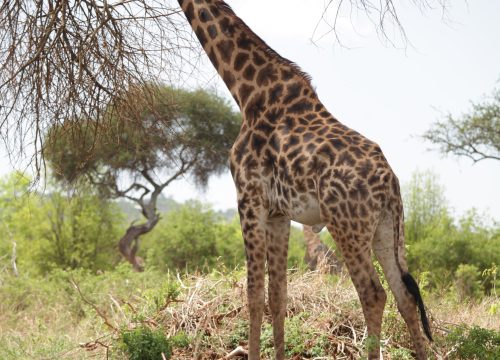
- Giraffes feeding in open savannah areas
- African buffalo moving in groups
- Bushbucks and other antelope species are hiding among the vegetation
- Black-and-white colobus monkeys swinging through the forest canopy
- A variety of bird species make the region excellent for birdwatching
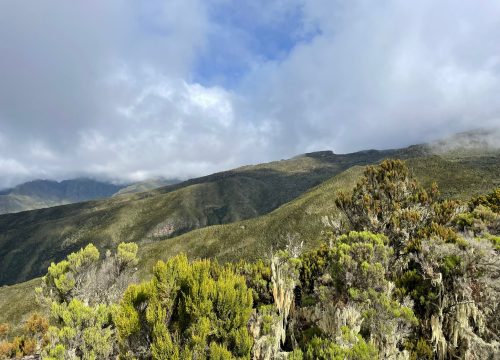
One of the most fascinating aspects of the Mount Meru climb is the diverse range of ecosystems encountered along the route. The trek usually begins in dense tropical rainforest, which is rich in plant life and wildlife. As climbers gain altitude, the environment gradually shifts from moorland and heath to rocky alpine terrain, and eventually to alpine desert conditions near the summit.
These changing landscapes make the trek particularly appealing for nature enthusiasts, photographers, and adventure travelers. Each stage of the climb introduces new scenery, vegetation, and wildlife, creating a dynamic and memorable trekking journey.
- Wildlife sightings are most frequent during the first section of the hike near Momella Gate.
- An armed park ranger escorts climbers due to the presence of wild animals in the park.
- Early mornings offer the best opportunities to observe wildlife.
- Carrying binoculars and a camera is recommended to appreciate the park’s biodiversity fully.
The blend of scenic mountain landscapes, diverse ecosystems, and safari-style wildlife encounters makes Mount Meru one of Tanzania’s most distinctive trekking destinations.
Beyond Mount Meru: Discovering Arusha and Nearby Attractions
After successfully climbing Mount Meru, many travelers extend their trip by exploring the incredible destinations surrounding Arusha. Known as the main hub for northern Tanzania tourism, Arusha provides convenient access to several of the country’s most famous wildlife parks and natural attractions.
Combining a Mount Meru trekking adventure with a Tanzania wildlife safari is a popular option, allowing visitors to experience both mountain landscapes and Africa’s remarkable wildlife in one unforgettable journey.
Top Safari Destinations Near Arusha
Serengeti National Park
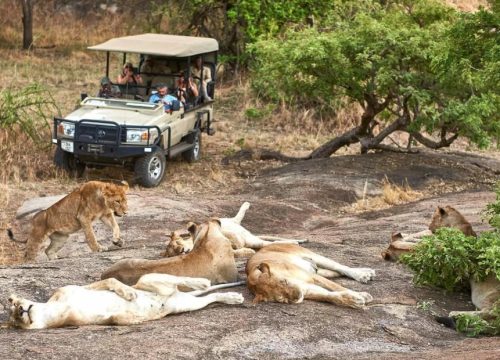
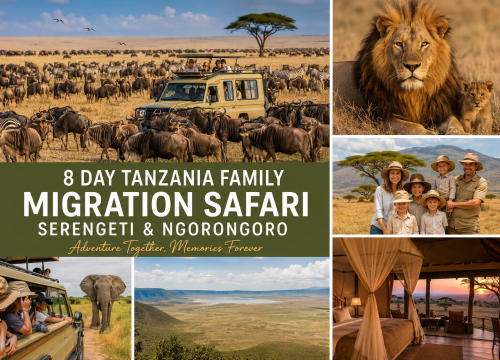
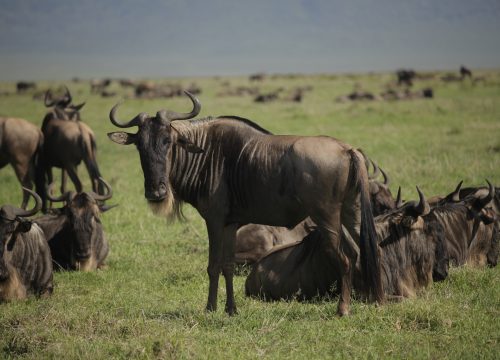
This globally recognized park is known for the spectacular Great Migration, where massive herds of wildebeest and zebras travel across the plains in search of fresh grazing. The park is also home to many iconic African animals such as lions, elephants, cheetahs, and leopards, making it a top destination for safari enthusiasts.
Ngorongoro Crater
The Ngorongoro Crater is a breathtaking natural wonder and a UNESCO World Heritage Site. This massive volcanic caldera supports a dense population of wildlife, including rare species like the endangered black rhino. Its unique ecosystem makes it one of the best locations in Tanzania for wildlife viewing.
Tarangire National Park
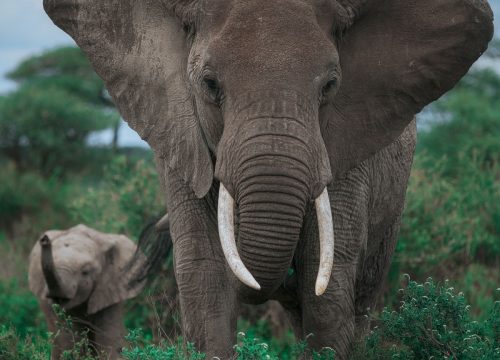
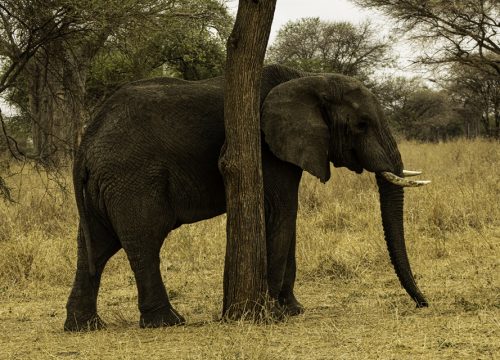
Known for its impressive elephant populations and distinctive baobab trees, Tarangire offers excellent wildlife viewing opportunities. During the dry season, animals gather near the Tarangire River, attracting a wide variety of species and making it a fantastic location for nature photography.
Lake Manyara National Park
Situated along the Great Rift Valley, this scenic park is well known for its tree-climbing lions, large flocks of flamingos, and rich birdlife. Its diverse landscapes include forests, grassy plains, and lakeshore habitats that support a wide range of wildlife.
Other Experiences Around Arusha
In addition to visiting national parks, travelers staying in Arusha can explore several cultural and outdoor activities, such as:
- Visiting nearby Maasai communities to learn about traditional customs and lifestyles
- Touring local coffee farms on the fertile slopes of Mount Meru
- Hiking to waterfalls and scenic viewpoints in the surrounding hills
- Exploring craft markets and shops offering handmade souvenirs
Travel Insight
Many adventure travelers combine a Mount Meru climb with a multi-day safari, creating a well-rounded Tanzanian experience that includes mountain trekking, wildlife encounters, cultural exploration, and stunning landscapes. This combination makes northern Tanzania one of Africa’s most exciting travel regions
Key Facts About Mount Meru
Mount Meru is one of the most impressive mountains in East Africa and a favorite destination for trekkers seeking both adventure and natural beauty. Located inside Arusha National Park, this volcanic peak offers dramatic landscapes, rich biodiversity, and incredible summit views. Below are key facts and details about the mountain for travelers planning a climb.
- Elevation: Mount Meru rises to 4,566 meters (14,980 feet) above sea level, making it one of the tallest mountains on the African continent.
- Location: The mountain is located in Arusha National Park in northern Tanzania, near the safari hub of Arusha.
- National Ranking: The second-highest mountain in Tanzania, after Mount Kilimanjaro.
- Mountain Type: Mount Meru is classified as a dormant stratovolcano, formed over thousands of years by layers of lava and volcanic ash.
- Highest Point: The mountain’s summit, Socialist Peak, offers spectacular sunrise views and panoramic vistas across northern Tanzania.
- Average Trek Duration: Most trekking itineraries take 3 to 4 days, allowing climbers enough time for acclimatization and a safe summit attempt.
Additional Notes About Mount Meru
- Mount Meru is often used as an acclimatization climb for Mount Kilimanjaro due to its altitude and trekking difficulty.
- The mountain features a large horseshoe-shaped crater formed by a volcanic eruption thousands of years ago.
- Climbers experience multiple ecological zones, including rainforest, moorland, alpine desert, and rocky summit terrain.
- Wildlife sightings are common during the lower sections of the trek because the mountain lies within a national park.
- Compared to Kilimanjaro, Mount Meru receives fewer visitors, making it ideal for travelers looking for a quieter trekking experience.
These characteristics make Mount Meru a unique destination for mountain climbing, nature exploration, and adventure tourism in Tanzania.
Frequently Asked Questions – Mount Meru (FAQs)
Is Mount Meru harder than Kilimanjaro? Mount Meru is technically steeper but shorter. Many climbers use it as preparation for Mount Kilimanjaro.
How long does it take to climb Mount Meru? Most itineraries take 3 to 4 days.
Do I need a guide to climb Mount Meru? Yes. Climbers must be accompanied by an armed park ranger and licensed guide because the mountain lies inside Arusha National Park.
Is Mount Meru safe? Yes. The trek is considered safe with professional guides and proper preparation.
What wildlife can be seen on Mount Meru? Visitors may encounter giraffes, buffalo, monkeys, antelopes, and numerous birds.
Final Thoughts
Climbing Mount Meru remains one of Tanzania’s lesser-known yet incredibly rewarding adventure experiences. The mountain offers dramatic volcanic scenery, diverse wildlife habitats, and a quieter atmosphere than the more crowded routes on Mount Kilimanjaro, making it an ideal destination for travelers seeking a unique, peaceful trekking experience.
Whether you are using Mount Meru as a preparation climb for Kilimanjaro or simply searching for an unforgettable East African hiking adventure, the mountain delivers remarkable landscapes, opportunities to interact with local communities, and the unforgettable moment of reaching one of Africa’s most scenic summits.
For anyone planning a trip to northern Tanzania, adding Mount Meru to your itinerary is highly recommended. Its combination of adventure trekking, wildlife encounters, and spectacular views makes it a must-visit destination for outdoor enthusiasts and nature lovers alike
Ready to plan your Tanzania safari?
Our Arusha-based safari experts will create a free, personalized Tanzania safari itinerary within 3 hours, tailored to your budget, travel style, and interests..