Scaling Mount Kilimanjaro offers one of the most remarkable trekking adventures globally. Situated in Tanzania, this legendary peak draws thousands of adventurers annually who seek to test their limits and reach Africa’s highest summit. Before embarking on your climb, it is crucial to be aware of the visa and passport regulations for entering Tanzania. Having the correct travel documents helps ensure a seamless arrival and avoids any unforeseen issues that might disrupt your Kilimanjaro expedition.
This guide provides climbers with all the essential information about Kilimanjaro visa requirements, passport rules, entry procedures, and the key travel documents needed to start the trek.
Passport Requirements for Climbing Kilimanjaro
A valid passport is essential for entering Tanzania, and anyone planning to climb Mount Kilimanjaro must ensure their travel document meets Tanzanian immigration standards.
The passport should be valid for at least six months beyond your departure date from the country. Immigration officers will check this upon arrival, and travelers with shorter validity may be refused entry.
It must also have at least one or two blank pages for visa stamps and immigration endorsements, as insufficient space could prevent entry.
Travelers are strongly advised to keep a copy of their passport, either printed or digital, in case the original is lost. Many climbers store a copy in their luggage or email it to themselves for easy access.
During a Kilimanjaro trek, a passport will be required at various stages, including:
- Airport immigration procedures
- Hotel or lodge check-ins
- Kilimanjaro National Park registration
- Domestic flights within Tanzania
For convenience and safety, climbers should keep their passports secure yet easily accessible throughout the journey.
Tanzania Visa Requirements for Kilimanjaro Climbers
If you plan to climb Mount Kilimanjaro, obtaining a tourist visa is a necessary step before entering Tanzania. This visa allows travelers to participate in tourism activities such as trekking, safaris, and visiting coastal destinations.
There are three main options for obtaining a Tanzanian visa:
1. eVisa (Online Application)
Many trekkers opt for the eVisa because it can be applied for online prior to traveling. The application is submitted through Tanzania’s official immigration portal.
Applicants generally need to provide:
- A scanned copy of their passport
- A recent passport-sized photo
- Flight details or travel itinerary
- Accommodation information or tour operator confirmation
The processing time usually ranges from 7 to 10 days, so it’s recommended to apply early to avoid any delays.
2. Visa on Arrival
Tanzania also allows travelers to obtain a visa upon arrival at major entry points, including Kilimanjaro International Airport (JRO), the main gateway for climbers heading to the mountain.
Visitors fill out a visa application form and pay the visa fee at immigration. Standard fees are:
- USD 50 for most nationalities (single-entry tourist visa)
- USD 100 for U.S. citizens (multiple-entry visa)
Payments can typically be made in US dollars or by credit card.
3. Embassy or Consulate Visa
Some travelers prefer to obtain a visa through a Tanzanian embassy in their home country before traveling. This option can provide peace of mind, especially for travelers who want all documentation prepared before departure.
Entry Points for Kilimanjaro Climbers
The majority of trekkers heading to Mount Kilimanjaro enter Tanzania via Kilimanjaro International Airport (JRO), which is conveniently located between the towns of Arusha and Moshi. This airport is the nearest international gateway to the mountain and serves as the main arrival hub for climbers.
Other entry options include:
- Julius Nyerere International Airport in Dar es Salaam
- Abeid Amani Karume International Airport in Zanzibar
- Land border crossings from Kenya, such as Namanga
No matter which entry point is used, all travelers are required to complete immigration formalities, present a valid passport, and secure the appropriate visa before entering Tanzania.
Essential Documents to Bring for a Kilimanjaro Trek
In addition to a valid passport and visa, climbers should carry several important documents when traveling to Tanzania for a Mount Kilimanjaro expedition.
Travel Insurance
Having travel insurance is strongly recommended for anyone planning to climb Kilimanjaro. The policy should cover high-altitude trekking, medical emergencies, and emergency evacuation. Since the mountain reaches 5,895 meters (19,341 feet), many standard insurance plans may not cover activities at this elevation. Make sure your policy explicitly includes coverage for trekking at altitudes up to at least 6,000 meters.
Flight Tickets and Travel Itinerary
Immigration officials may occasionally ask for proof of onward or return travel. Carrying a printed copy of your flight tickets or itinerary can make the entry process smoother.
Tour Operator Confirmation
Most climbers organize their trek through a licensed local tour operator. Keeping a booking confirmation or detailed itinerary is useful if immigration officers request information about your visit.
Vaccination Certificates
Travelers coming from countries with Yellow Fever risk may need to present a valid vaccination certificate. It’s important to check the vaccination requirements for your route before traveling.
Visa Duration and Validity
The standard tourist visa for Tanzania generally permits visitors to stay in the country for up to 90 days, which is more than enough for most climbers planning a Kilimanjaro trek alongside a safari or coastal holiday.
Most Kilimanjaro treks last between 6 and 9 days, depending on the chosen route, with additional time often allocated for rest or wildlife excursions in areas like the Serengeti or Ngorongoro Crater.
Travelers who wish to extend their stay beyond the visa period can apply for an extension at Tanzanian immigration offices while in the country.
Tips for a Hassle-Free Immigration Experience
Organizing your travel documents ahead of time can make your arrival in Tanzania quicker and less stressful. Here are some key recommendations to ensure a smooth entry process.
First, verify that your passport meets the minimum validity requirements before making travel arrangements. Next, if you plan to use the online eVisa system, apply well in advance to avoid any last-minute issues. It’s also wise to have printed copies of your documents, in case your phone runs out of battery or you cannot access the internet.
If you intend to pay the visa fee in cash, carry clean US dollar notes issued after 2009, as older bills are often not accepted.
Lastly, keep all your documents neatly organized in a small folder or travel wallet. This ensures they are secure but readily accessible when passing through airport immigration or other checkpoints.
Why Proper Documentation Matters for Kilimanjaro Climbers
Climbing Mount Kilimanjaro requires careful planning, from physical preparation to selecting the right equipment. However, travel documentation is just as important as trekking gear.
Without a valid passport or visa, travelers may be denied boarding by airlines or refused entry by immigration authorities. Ensuring all documents are prepared well in advance helps climbers focus on the adventure ahead rather than dealing with administrative complications.
With the correct documentation in place, visitors can fully enjoy the journey to Africa’s highest mountain and concentrate on reaching the summit of Kilimanjaro.


Materuni Waterfalls and Coffee Tour: Best Day Trip from Moshi

Tanzania Travel Bucket List 2027: 20 Unforgettable Experiences
Tanzania Safari for Older Travelers: Complete Travel Guide
Marangu Route Kilimanjaro: Complete Guide, Itinerary, Cost & Tips
Kilimanjaro Lemosho Route: Complete Guide, Itinerary, Cost, Difficulty & Tips

Tanzania Safari Accommodations: Luxury, Mid-Range & Budget Guide
Safari Photography Tips for Beginners in Tanzania

Tanzania Safari FAQs: Answering 100 Common Questions Before You Visit Tanzania
First-Time Tanzania Safari: 30 Things Nobody Tells You

25 Animals You Can See on a Tanzania Safari: Complete Wildlife Guide
Ngorongoro Crater from Karatu: Price, Distance, Itinerary & Travel Guide
Serengeti Fly-In Safari from Zanzibar | Mara River Crossing 2026
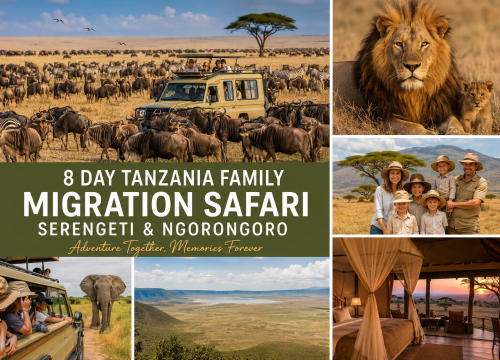
8 Day Tanzania Family Migration Safari

7 Day Tanzania Family Safari Great Migration Serengeti
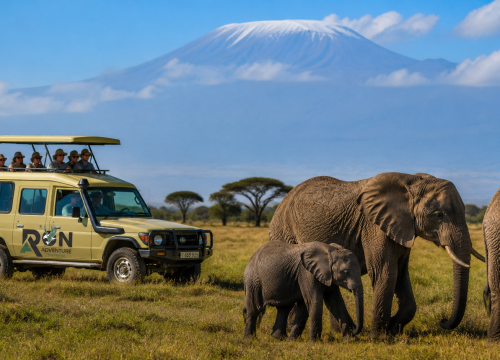
Tanzania Safari in December and January: Best Time for Great Migration and Holiday Travel
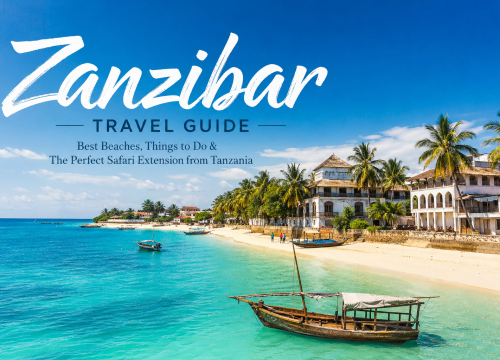
Zanzibar Travel Guide- Best Beaches, Things to Do & Perfect Safari Extension from Tanzania
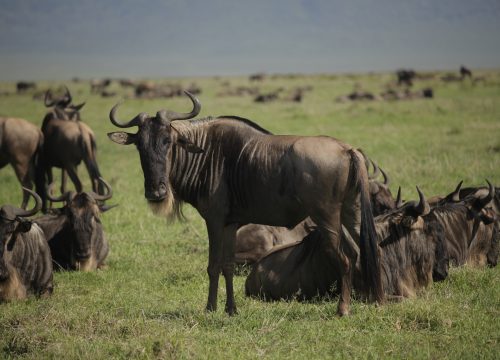
6-Day Tanzania Family Migration Safari
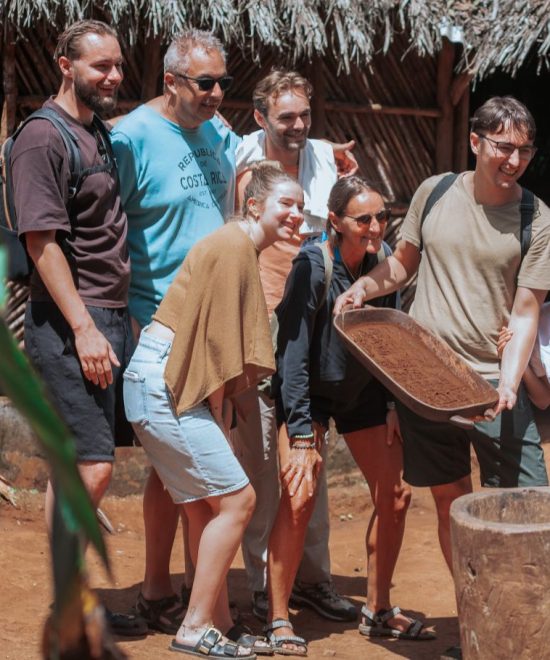
Materuni Waterfalls and Coffee Tour: Best Day Trip from Moshi
Tanzania Travel Bucket List 2027: 20 Unforgettable Experiences
Tanzania Safari for Older Travelers: Complete Travel Guide
Marangu Route Kilimanjaro: Complete Guide, Itinerary, Cost & Tips