Introduction: Discover the Marangu Route, the Classic Way to Climb Mount Kilimanjaro

Mount Kilimanjaro is one of the world’s most iconic adventure destinations and the highest free-standing mountain on Earth. Every year, thousands of travelers from around the globe dream of reaching Uhuru Peak, the highest point in Africa at 5,895 meters above sea level. Among all the routes available for climbing Mount Kilimanjaro, the Kilimanjaro Marangu Route remains one of the most popular and historic choices for trekkers seeking a comfortable, scenic, and well-established path to the summit.

Known as the “Coca-Cola Route,” the Marangu Route has welcomed climbers for decades because of its gradual slopes, permanent mountain huts, and straightforward trail design. It is often considered the best Kilimanjaro route for beginners and travelers who prefer a less technical trekking experience while still enjoying the incredible landscapes of Mount Kilimanjaro.

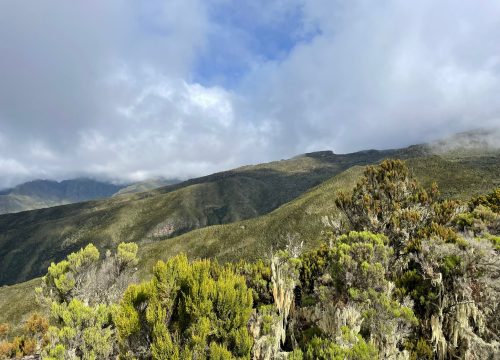
The Marangu Route offers a unique combination of natural beauty, cultural discovery, and adventure. The journey begins in the lush rainforest zone where hikers walk beneath ancient trees, surrounded by tropical vegetation and colorful birdlife. As the climb continues, the landscape transforms into moorland filled with giant heather plants, volcanic rocks, and breathtaking views of the mountain’s upper slopes. Higher elevations reveal the alpine desert environment before the final challenge of reaching Uhuru Peak through the famous Kibo summit area.

Unlike other Kilimanjaro routes that require camping throughout the trek, the Marangu Route provides accommodation inside mountain huts. This makes it an attractive option for travelers who prefer more comfort during their Mount Kilimanjaro trekking adventure. The huts provide beds, dining areas, and basic facilities, making the experience more accessible for many international climbers.

However, reaching the summit of Kilimanjaro is still a serious physical challenge. Although the Marangu Route is considered one of the easier routes, altitude remains the main factor affecting climbers. Proper preparation, professional guidance, and enough time for acclimatization are essential for increasing the chance of reaching the summit successfully.

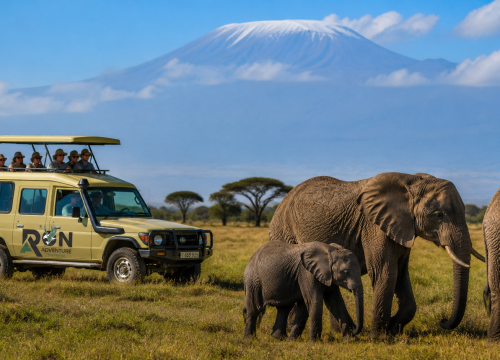
Choosing the right trekking company is one of the most important decisions when planning your Kilimanjaro adventure. A professional operator provides experienced mountain guides, safety equipment, quality meals, and proper support throughout the climb. For travelers looking for a reliable Kilimanjaro trekking company in Tanzania, Ron Adventure offers professionally organized Marangu Route climbing packages designed for different levels of experience, including private climbs, group departures, and customized Kilimanjaro and safari combinations.

Whether you are planning your first African mountain adventure, celebrating a personal achievement, or combining your climb with a Tanzania safari after reaching the summit, the Marangu Route provides an unforgettable journey to the roof of Africa.

The Kilimanjaro Marangu Route is the oldest and one of the most established trekking routes on Mount Kilimanjaro. Located on the southeastern side of the mountain, the route begins at Marangu Gate inside Kilimanjaro National Park and follows a gradual path through five different ecological zones before reaching the summit of Uhuru Peak.

The route covers approximately 82 kilometers from the entrance gate to the summit and back, depending on the chosen itinerary. Most climbers choose either the 5 days Marangu Route itinerary or the 6 days Marangu Route itinerary. The six-day option is highly recommended because it includes an additional acclimatization day at Horombo Hut, giving trekkers more time to adjust to the altitude and increasing their chances of successful summit completion.

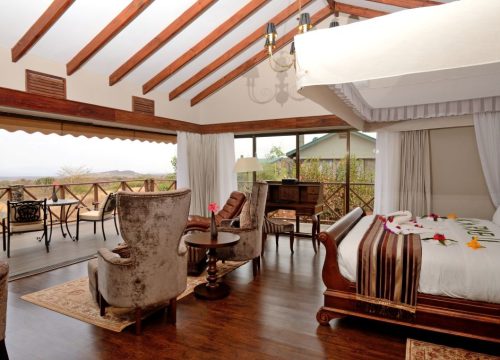
The popularity of the Marangu Route comes from several important advantages. First, it is the only Kilimanjaro route that offers mountain hut accommodation instead of sleeping in tents. This makes it appealing for travelers who prefer additional comfort while trekking at high altitude. The huts provide shared sleeping rooms with bunk beds, dining areas, and basic toilet facilities.

Another reason many climbers choose Marangu is the simplicity of the trail. Compared with routes such as Machame or Lemosho, which involve more challenging terrain and longer distances, Marangu follows a more direct path toward the summit. The gradual elevation gain makes it suitable for beginners who are physically prepared and properly guided.

The route also provides spectacular scenery throughout the journey. The lower rainforest section offers views of tropical forests and wildlife habitats, while the higher sections provide dramatic views of volcanic landscapes, glaciers, and the surrounding plains of Tanzania. On clear days, trekkers can enjoy incredible sunrise views from the summit overlooking the African continent.

Many travelers searching online for best route to climb Mount Kilimanjaro often compare Marangu with other options. While every route has its own advantages, Marangu remains an excellent choice for those who value comfort, simplicity, and a classic Kilimanjaro experience.

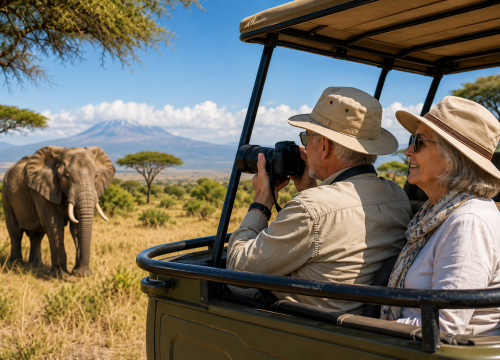
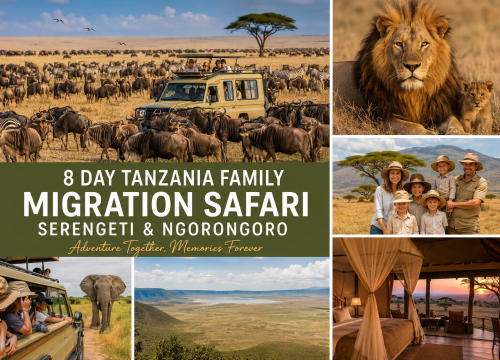
For travelers who want to combine mountain climbing with wildlife exploration, booking a Kilimanjaro trekking and Tanzania safari package is another popular option. After completing the climb, visitors can explore famous destinations such as Serengeti National Park, Ngorongoro Crater, and Tarangire National Park. Ron Adventure specializes in creating customized Tanzania experiences that combine Mount Kilimanjaro climbing tours with unforgettable wildlife safaris, allowing travelers to experience both the adventure and natural beauty of Tanzania in one complete journey.

History and Background of the Marangu Route on Mount Kilimanjaro

The history of the Marangu Route is deeply connected with the early exploration and development of Mount Kilimanjaro tourism. Long before international travelers began arriving in Tanzania for mountain adventures, local communities around Kilimanjaro had strong cultural and spiritual connections with the mountain.

The Chagga people, who live on the fertile slopes surrounding Mount Kilimanjaro, have considered the mountain an important part of their heritage for generations. Their traditional villages, farming systems, and cultural practices developed around the unique environment created by the mountain’s volcanic soils.

The Marangu area became one of the first access points used by explorers and researchers interested in discovering Kilimanjaro. As interest in climbing Africa’s highest mountain increased, the Marangu Route developed into the main trekking path because of its accessibility and natural advantages.

The first successful recorded ascent of Mount Kilimanjaro was achieved in 1889 by the German geographer Hans Meyer, Austrian climber Ludwig Purtscheller, and local guide Yohanas Kinyala Lauwo. Their historic achievement opened the door for future generations of climbers who dreamed of standing on the summit of Africa.

Over time, infrastructure along the Marangu Route improved. Mountain huts were constructed to provide shelter for climbers, making the route more comfortable and organized. Today, Mandara Hut, Horombo Hut, and Kibo Hut remain important resting points for thousands of trekkers each year.

Because of its long history and traditional reputation, many people refer to Marangu as the “classic Kilimanjaro route.” It represents the original trekking experience that introduced Mount Kilimanjaro to adventure travelers worldwide.

Although newer routes have gained popularity, the Marangu Route continues to attract thousands of visitors because of its unique character. It offers a connection to the history of Kilimanjaro climbing while providing a practical and enjoyable route toward the summit.

Modern climbers choosing a guided Kilimanjaro Marangu Route trekking package benefit from decades of experience accumulated by mountain guides, porters, and local communities. Professional trekking companies ensure that climbers receive proper safety procedures, environmental responsibility, and cultural respect throughout their journey.

Ron Adventure continues this tradition by offering carefully planned Marangu Route Kilimanjaro trekking tours in Tanzania, combining experienced mountain crews, personalized service, and a commitment to making every climber’s dream of reaching Uhuru Peak a memorable achievement.

Ready to plan your Tanzania safari?

Our Arusha-based safari experts will create a free, personalized Tanzania safari itinerary within 3 hours, tailored to your budget, travel style, and interests..

Why Choose the Marangu Route for Climbing Mount Kilimanjaro?

Choosing the right route is one of the most important decisions when planning a Mount Kilimanjaro climb. Each route offers a different experience, and the best choice depends on your fitness level, trekking experience, preferred accommodation style, and personal goals. The Marangu Route Kilimanjaro trekking experience remains one of the most popular options because it provides a balanced combination of accessibility, comfort, and adventure.

One of the biggest advantages of the Marangu Route is the hut accommodation system. Many first-time climbers appreciate having a permanent sleeping structure instead of camping. After a long day of hiking, resting inside a mountain hut can provide additional comfort and protection from changing mountain weather conditions.

The route is also considered one of the more affordable Kilimanjaro climbing options because the logistics are relatively straightforward compared with routes requiring more camping equipment and longer approaches. This makes it attractive for travelers searching for affordable Kilimanjaro trekking packages in Tanzania without sacrificing the excitement of reaching Africa’s highest peak.

Another advantage is the gradual landscape transformation. The journey takes climbers through five different climate zones, beginning with the rainforest, continuing through moorland, alpine desert, and finally the Arctic-like summit zone. This incredible environmental change allows trekkers to experience multiple ecosystems during one adventure.

The Marangu Route is also suitable for travelers who prefer a shorter trekking schedule. The traditional five-day itinerary is possible for experienced hikers who are comfortable with altitude, while the recommended six-day itinerary provides better acclimatization opportunities.

Despite being considered easier compared with some other routes, Marangu should never be underestimated. Altitude sickness can affect anyone regardless of fitness level. A professional guide plays a critical role in monitoring health, controlling hiking pace, and making decisions that prioritize safety.

For international travelers planning their first Mount Kilimanjaro climbing adventure, selecting an experienced local operator is essential. Ron Adventure provides professionally organized Marangu Route climbs with knowledgeable guides, mountain safety procedures, quality meals, and personal support from arrival in Tanzania until the completion of your summit attempt.

The Marangu Route is more than just a hiking trail. It is a journey through Tanzania’s natural beauty, history, and culture, creating memories that last a lifetime.

Marangu Route Kilimanjaro Itinerary: Day-by-Day Trek Overview

The Kilimanjaro Marangu Route itinerary is designed to take climbers gradually from the lower slopes of Mount Kilimanjaro through different ecological zones until they reach Uhuru Peak, the highest point in Africa. The journey normally begins with arrival in Tanzania, where most travelers spend time in the city of Arusha or Moshi for briefing, equipment checks, and final preparation before starting the climb.

A typical Marangu Route Kilimanjaro trekking package starts at Marangu Gate, located on the southeastern side of Kilimanjaro National Park. After completing park registration, meeting your mountain guide and porter team, the trek begins through the beautiful rainforest zone. The first day is usually considered a gentle introduction because the trail passes through lush vegetation with a moderate elevation gain.

The first overnight stop is usually at Mandara Hut, located at approximately 2,700 meters above sea level. This area provides a peaceful environment surrounded by forest, and many trekkers enjoy exploring the nearby Maundi Crater viewpoint, which offers beautiful views toward the Kenyan plains on clear days.

The second trekking day continues from Mandara Hut toward Horombo Hut, which sits at around 3,720 meters. This section introduces climbers to the dramatic transformation of the landscape as the dense forest disappears and is replaced by open moorland. Giant heather plants, volcanic rocks, and views of Mawenzi Peak create some of the most memorable scenery along the route.

Horombo Hut is an important location for acclimatization. Climbers following the recommended six-day Marangu Route itinerary usually spend an additional night here to allow their bodies to adjust to the altitude. Many guides recommend an acclimatization hike toward Mawenzi Ridge before returning to rest at Horombo Hut.

The next stage continues toward Kibo Hut, located at approximately 4,700 meters. This section crosses the alpine desert zone, where the landscape becomes more rocky and barren. The trail passes through the famous Saddle area between Kibo and Mawenzi peaks, creating an unforgettable high-altitude experience.

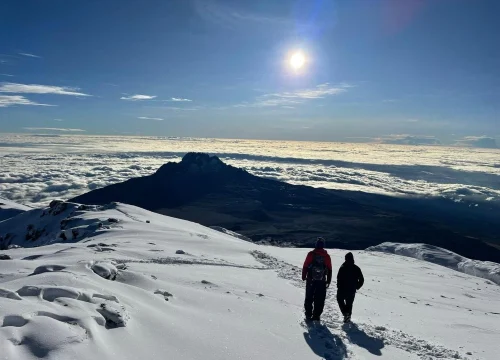
The final challenge begins around midnight when climbers start their summit attempt. The slow climb toward Gilman’s Point and then Uhuru Peak requires determination, patience, and strong mental preparation. Reaching the summit at sunrise is one of the most emotional moments of the entire journey, offering breathtaking views across Tanzania and the surrounding African landscape.

After celebrating the achievement at Uhuru Peak, trekkers descend back through the mountain zones, usually spending the night at Horombo Hut before completing the final descent to Marangu Gate.

Choosing the right itinerary is essential for summit success. Although the five-day Marangu Route is available, many experienced Kilimanjaro operators recommend the six-day option because additional acclimatization significantly improves comfort and safety. Ron Adventure provides customized Mount Kilimanjaro Marangu Route climbing packages based on individual needs, including private climbs, group departures, and combinations with Tanzania safari adventures. With professional mountain guides and carefully planned itineraries, travelers can focus on enjoying the experience while the logistics are handled by an experienced local team.

5 Days Marangu Route vs 6 Days Marangu Route: Which Kilimanjaro Package Is Better?

When planning a Marangu Route Kilimanjaro climb, one of the most common questions travelers ask is whether they should choose the five-day or six-day itinerary. Both options follow the same route, but the main difference is the amount of time available for acclimatization before attempting the summit.

The 5 Days Marangu Route itinerary is the traditional shorter option. It is designed for climbers who have previous high-altitude trekking experience, strong physical preparation, or limited travel time in Tanzania. The schedule moves faster because there is no additional acclimatization day at Horombo Hut.

Although many climbers successfully complete the five-day Marangu Route, the shorter schedule means the body has less time to adjust to increasing altitude. Since altitude-related challenges are the main reason some climbers fail to reach Uhuru Peak, rushing the climb can reduce the chances of summit success.

The 6 Days Marangu Route itinerary is generally considered the better choice for most international travelers, especially first-time Kilimanjaro climbers. The extra day at Horombo Hut allows the body to adapt gradually before moving higher toward Kibo Hut and the summit.

The additional acclimatization day is not simply a rest day. Experienced guides often organize a short hike toward Mawenzi Peak before returning to Horombo Hut. This “climb high, sleep low” approach helps the body adjust naturally to altitude.

For travelers investing in a once-in-a-lifetime experience such as climbing Africa’s highest mountain, the six-day itinerary offers better value because it increases comfort and improves the overall trekking experience. The extra day allows climbers to enjoy the scenery, take photographs, recover properly, and avoid unnecessary pressure.

The choice between five and six days also depends on your overall Tanzania travel plan. Some visitors combine Kilimanjaro with a safari, Zanzibar holiday, or cultural tour. In such cases, balancing available time with the recommended climbing schedule is important.

A professional Kilimanjaro trekking company in Tanzania can help you choose the most suitable option based on your fitness level, previous hiking experience, and travel expectations.

Ron Adventure recommends the six-day Marangu Route for most travelers because it provides a more comfortable pace and a higher possibility of reaching the summit successfully. The company also offers personalized advice before arrival, helping guests prepare with the correct equipment, training recommendations, and realistic expectations.

Whether choosing a private Kilimanjaro climb or joining an international group, the goal remains the same: safely reaching Uhuru Peak and creating an unforgettable African adventure.

Day-by-Day Experience on the Marangu Route Kilimanjaro Trek

A Marangu Route Kilimanjaro trekking adventure is a journey filled with changing landscapes, physical challenges, cultural experiences, and unforgettable moments. Understanding what happens each day helps travelers prepare mentally and physically before beginning their climb.

The first trekking day begins at Marangu Gate after registration and a meeting with your professional mountain crew. The trail enters the rainforest zone, where the atmosphere is completely different from the busy towns below. Tall trees, colorful birds, and fresh mountain air create a peaceful beginning to the adventure.

The walk to Mandara Hut is approximately three to five hours depending on pace and conditions. Most climbers find this day enjoyable because the elevation gain is moderate, allowing time to adjust to the rhythm of mountain hiking.

The second day introduces the dramatic beauty of Kilimanjaro’s higher landscapes. Leaving the rainforest behind, trekkers enter the moorland zone where vegetation becomes shorter and views become wider. On clear days, climbers can see Kibo and Mawenzi peaks rising above the landscape.

Arriving at Horombo Hut is an important milestone because this area becomes the main acclimatization point for many climbers. The surrounding scenery is spectacular, especially during sunrise and sunset when the mountain peaks glow with changing colors.

The following day on a six-day itinerary is dedicated to acclimatization. Climbers usually take a short hike while enjoying views of Mawenzi Peak. This slower day allows the body to prepare for the higher altitude ahead.

The journey continues toward Kibo Hut through the Saddle, a wide volcanic area between Kibo and Mawenzi. The environment becomes increasingly harsh, with limited vegetation and colder temperatures. The atmosphere becomes more serious as climbers prepare mentally for the summit attempt.

The summit night is the most challenging part of the climb. Most trekkers begin around midnight because reaching Uhuru Peak at sunrise provides one of the most beautiful experiences in Africa. The climb is slow and demanding, but the support of experienced guides helps climbers maintain a steady pace.

Standing at Uhuru Peak is an emotional achievement. Many travelers describe it as one of the greatest personal accomplishments of their lives. The feeling of reaching the summit after days of effort creates memories that remain forever.

The descent brings relief as climbers return through the mountain zones toward Marangu Gate. Although descending is physically demanding, many trekkers enjoy the final moments of their Kilimanjaro experience while reflecting on the achievement.

Ron Adventure organizes every stage of the Mount Kilimanjaro Marangu Route climb, from airport arrival assistance and hotel arrangements to mountain logistics and post-climb safari experiences. This allows travelers to enjoy their adventure with confidence knowing they are supported by a professional Tanzania-based team.

Accommodation on the Marangu Route: Kilimanjaro Mountain Huts Experience

One of the unique features that separates the Kilimanjaro Marangu Route from other trekking routes is the availability of mountain hut accommodation. While routes such as Machame, Lemosho, and Rongai mainly use camping systems, Marangu provides permanent shelters throughout the climb.

The mountain huts offer a different style of trekking experience. Instead of carrying tents and sleeping equipment, climbers stay inside shared wooden structures equipped with bunk beds. This makes the route especially attractive for travelers who prefer additional comfort during their high-altitude adventure.

The first accommodation point is Mandara Hut, located within the rainforest zone. Surrounded by trees and mountain vegetation, this hut provides a relaxing environment after the first day of hiking. Many trekkers enjoy the peaceful atmosphere and the opportunity to explore the nearby surroundings.

The next accommodation is Horombo Hut, which is one of the largest and most important camps on the mountain. Located at approximately 3,720 meters, Horombo Hut provides spectacular views of both Kibo and Mawenzi peaks. The area is often considered one of the most scenic sections of the entire Marangu Route.

Kibo Hut is the final overnight stop before the summit attempt. Located in the alpine desert zone, it provides basic shelter before climbers begin their midnight ascent toward Uhuru Peak. Temperatures at this altitude can become extremely cold, making proper preparation and equipment essential.

Although hut accommodation provides more comfort compared with camping, travelers should remember that Mount Kilimanjaro remains a wilderness environment. Facilities are basic, and climbers should have realistic expectations. Shared rooms, limited water supply, and simple mountain conditions are part of the authentic Kilimanjaro experience.

Choosing a professional operator ensures that accommodation arrangements, meals, safety procedures, and porter support are properly managed. A responsible company also ensures that mountain crews are treated fairly and that environmental conservation standards are respected.

Ron Adventure provides well-organized Marangu Route Kilimanjaro climbing tours with experienced guides, trained porters, quality meals, and detailed preparation support. The goal is to provide travelers with a safe, comfortable, and memorable journey to the summit of Africa.

For visitors looking for a complete Tanzania adventure, Ron Adventure can also combine the Marangu Route climb with luxury safari experiences, wildlife tours, and Zanzibar beach holidays, creating a complete East African travel experience.

Best Time to Climb Kilimanjaro Marangu Route: Understanding the Seasons

Choosing the best time to climb Kilimanjaro Marangu Route is one of the most important decisions when planning your Mount Kilimanjaro adventure. Although the mountain can technically be climbed throughout the year, weather conditions, trail conditions, visibility, and personal comfort can greatly influence your overall trekking experience and chances of reaching Uhuru Peak successfully.

Mount Kilimanjaro has two main climbing seasons that are generally considered the best periods for trekking. These are the dry seasons from January to March and June to October. During these months, the weather is usually more stable, rainfall is lower, and the trails are more comfortable compared with the wetter seasons.

The period from June to October is one of the most popular times for Marangu Route Kilimanjaro trekking. These months coincide with Tanzania’s dry season, offering excellent conditions for hiking. The skies are often clearer, providing impressive views of Kibo Peak, Mawenzi Peak, and the surrounding landscapes. July, August, and September are especially popular because many international travelers plan their holidays during this period.

The months of January and February are also excellent for climbing Mount Kilimanjaro through the Marangu Route. These months usually provide warm conditions on the lower slopes and good visibility at higher elevations. Many climbers choose this period because it combines well with Tanzania safari experiences, especially the Great Migration calving season in the southern Serengeti and Ndutu area.

March can also be a good month, although weather conditions may become less predictable toward the end of the month as the long rains approach. Experienced climbers who prefer fewer crowds often consider March a good option.

April and May are generally considered the wettest months on Kilimanjaro. Heavy rainfall can make the lower sections of the Marangu Route muddy and slippery, while cloud cover may reduce mountain views. However, some adventurous travelers still choose these months because there are fewer climbers on the trail and the mountain feels more peaceful.

November and early December represent the short rainy season. Although climbing is still possible, weather patterns can change quickly. Some days may offer excellent conditions, while others may bring rain and clouds.

The best climbing period depends on your personal priorities. Travelers who want the highest chance of good weather usually choose the dry seasons. Those who prefer quieter trails may consider shoulder seasons.

When planning a Kilimanjaro climbing package in Tanzania, working with a knowledgeable local company helps you select the most suitable departure period. Ron Adventure provides professional advice on the best months to climb Kilimanjaro based on weather conditions, your travel schedule, and your preferred experience level. Combining a Marangu Route climb with a Tanzania safari is another reason many travelers carefully choose their climbing dates. After reaching Uhuru Peak, visitors can continue exploring Tanzania’s wildlife, landscapes, and beaches for a complete African adventure.

Ready to plan your Tanzania safari?

Our Arusha-based safari experts will create a free, personalized Tanzania safari itinerary within 3 hours, tailored to your budget, travel style, and interests..

Kilimanjaro Marangu Route Weather Conditions Month by Month

The weather on Mount Kilimanjaro changes dramatically as climbers move from the rainforest zone to the summit area. Understanding the monthly weather patterns helps travelers choose the right time for their Marangu Route Kilimanjaro trekking adventure and prepare suitable clothing and equipment.

January and February are among the best months for climbing Mount Kilimanjaro. The lower slopes are generally warm, the trails are relatively dry, and visibility is often excellent. These months provide comfortable trekking conditions, making them ideal for first-time climbers. Many visitors also combine their climb with a Tanzania safari because wildlife viewing conditions are excellent during this period.

March usually begins with good climbing conditions, although rainfall becomes more likely toward the end of the month. Temperatures remain comfortable, and fewer climbers on the mountain can create a more peaceful trekking experience.

April and May bring the long rainy season. The rainforest section of the Marangu Route becomes greener and more beautiful, but rainfall can make hiking more challenging. Clouds may cover the mountain, and summit conditions can become colder and wetter. Climbers choosing these months should have proper waterproof equipment and be prepared for changing weather.

June marks the beginning of the main dry season. Conditions improve significantly, and many trekkers begin arriving on the mountain. The trails become drier, and visibility improves. June is an excellent month for travelers seeking good weather without the highest number of climbers.

July and August are peak climbing months. The weather is usually very stable, making this period extremely popular for Mount Kilimanjaro trekking tours. Because demand is high, travelers should book their preferred dates early, especially if they want specific accommodations or private guides.

September continues to offer excellent climbing conditions. The weather remains dry, temperatures are manageable, and the mountain provides outstanding views. Many experienced climbers consider September one of the best months for reaching Uhuru Peak.

October is another good month, although temperatures may begin changing as the year moves toward the short rainy season. The mountain is usually less crowded compared with July and August.

November brings the possibility of short rains. Conditions can vary significantly from year to year. Some climbers experience excellent weather, while others encounter more challenging conditions.

December is a mixed month. Early December may still provide good trekking opportunities, while late December becomes popular because many international travelers visit Tanzania during Christmas and New Year holidays.

Regardless of the month, preparation remains essential. Kilimanjaro weather can change quickly, and even during dry seasons, climbers must be prepared for cold temperatures, wind, and possible rainfall.

Ron Adventure helps guests prepare for every season by providing detailed pre-climb information, recommended equipment guidance, experienced mountain crews, and carefully planned Kilimanjaro Marangu Route climbing packages designed for safety and comfort.

Fitness Preparation and Training for the Marangu Route Kilimanjaro Climb

Many travelers searching for information about how to prepare for Kilimanjaro Marangu Route wonder whether they need professional climbing experience or advanced mountaineering skills. The answer is that technical climbing experience is not required, but proper physical preparation is extremely important.

The Marangu Route is considered one of the more accessible routes on Mount Kilimanjaro because the trail does not involve technical climbing. However, reaching the summit requires several days of continuous walking at high altitude, including a challenging summit night where climbers ascend thousands of meters before reaching Uhuru Peak.

A good training program should focus on endurance, strength, and stamina. Walking long distances regularly is one of the best ways to prepare. Long hikes with a backpack help your body adjust to spending many hours on your feet.

Cardiovascular training is also important. Activities such as walking uphill, running, cycling, swimming, and stair climbing help improve lung capacity and overall fitness. Since Kilimanjaro involves gradual but continuous elevation gain, good endurance is more important than short bursts of strength.

Strength training can also support your preparation. Exercises that strengthen the legs, core, and lower body help you manage long trekking days and steep sections of the trail. Squats, lunges, and step exercises are useful additions to a training routine.

Mental preparation is equally important. Many climbers who reach Uhuru Peak are not necessarily the strongest hikers but are those who maintain a positive mindset and continue moving despite fatigue. The summit night requires patience, determination, and confidence.

Altitude preparation is another important factor. Physical fitness does not completely prevent altitude-related problems because altitude affects everyone differently. The best strategy is gradual acclimatization, proper hydration, slow walking pace, and following the guidance of professional mountain guides.

Choosing the right itinerary also influences success. The six-day Marangu Route itinerary gives climbers more time to adapt compared with the shorter five-day option.

Ron Adventure provides experienced guides who monitor climbers throughout the journey, offering advice on pacing, hydration, rest, and altitude awareness. As a trusted Kilimanjaro trekking company in Tanzania, Ron Adventure focuses on creating safe and successful summit experiences for travelers from around the world.

Kilimanjaro Marangu Route Packing List and Essential Equipment

Preparing the correct equipment is an important part of any successful Marangu Route Kilimanjaro climb. Although the route is considered beginner-friendly, Mount Kilimanjaro presents extreme conditions, especially near the summit where temperatures can fall below freezing.

The key to packing for Kilimanjaro is preparing for different climate zones. Climbers begin in warm tropical rainforest conditions and eventually reach a cold alpine environment. Having the right clothing system allows you to remain comfortable throughout the journey.

A good layering system is essential. Instead of relying on one heavy jacket, climbers should use several layers that can be added or removed depending on temperature. A moisture-wicking base layer helps keep sweat away from the body, while insulating layers provide warmth at higher elevations.

A waterproof and windproof outer jacket is extremely important because mountain weather can change quickly. Even during dry seasons, rain, wind, and cold temperatures are possible.

Quality hiking boots are one of the most important pieces of equipment. Boots should be comfortable, waterproof, and already broken in before arriving in Tanzania. New boots used for the first time on Kilimanjaro can cause painful blisters.

Warm accessories are necessary for the summit attempt. Gloves, a warm hat, sunglasses, and thermal clothing help protect against cold temperatures and strong winds.

A comfortable daypack allows climbers to carry essential personal items such as water, snacks, a camera, sunscreen, and extra layers. Porters carry the larger luggage, but each climber should have a small backpack for daily needs.

Other important items include a reusable water bottle or hydration system, headlamp for the summit night, trekking poles, personal medication, sunscreen, and basic toiletries.

Many travelers worry about purchasing expensive equipment. Some items can be rented locally in Tanzania, making the climb more affordable and convenient.

Ron Adventure provides detailed packing guidance before your arrival and can assist with equipment rental arrangements when needed. By preparing properly and choosing a professional Kilimanjaro climbing company, travelers can focus on enjoying the incredible experience of reaching the summit.

The Marangu Route is not only about reaching the top of Africa. It is about experiencing the beauty of the mountain, the support of local guides and porters, and the personal achievement of completing one of the world’s greatest adventures.

Time to Climb Kilimanjaro Marangu Route: Understanding the Seasons

Choosing the best time to climb Kilimanjaro Marangu Route is one of the most important decisions when planning your Mount Kilimanjaro adventure. Although the mountain can technically be climbed throughout the year, weather conditions, trail conditions, visibility, and personal comfort can greatly influence your overall trekking experience and chances of reaching Uhuru Peak successfully.

Mount Kilimanjaro has two main climbing seasons that are generally considered the best periods for trekking. These are the dry seasons from January to March and June to October. During these months, the weather is usually more stable, rainfall is lower, and the trails are more comfortable compared with the wetter seasons.

The period from June to October is one of the most popular times for Marangu Route Kilimanjaro trekking. These months coincide with Tanzania’s dry season, offering excellent conditions for hiking. The skies are often clearer, providing impressive views of Kibo Peak, Mawenzi Peak, and the surrounding landscapes. July, August, and September are especially popular because many international travelers plan their holidays during this period.

The months of January and February are also excellent for climbing Mount Kilimanjaro through the Marangu Route. These months usually provide warm conditions on the lower slopes and good visibility at higher elevations. Many climbers choose this period because it combines well with Tanzania safari experiences, especially the Great Migration calving season in the southern Serengeti and Ndutu area.

March can also be a good month, although weather conditions may become less predictable toward the end of the month as the long rains approach. Experienced climbers who prefer fewer crowds often consider March a good option.

April and May are generally considered the wettest months on Kilimanjaro. Heavy rainfall can make the lower sections of the Marangu Route muddy and slippery, while cloud cover may reduce mountain views. However, some adventurous travelers still choose these months because there are fewer climbers on the trail and the mountain feels more peaceful.

November and early December represent the short rainy season. Although climbing is still possible, weather patterns can change quickly. Some days may offer excellent conditions, while others may bring rain and clouds.

The best climbing period depends on your personal priorities. Travelers who want the highest chance of good weather usually choose the dry seasons. Those who prefer quieter trails may consider shoulder seasons.

When planning a Kilimanjaro climbing package in Tanzania, working with a knowledgeable local company helps you select the most suitable departure period. Ron Adventure provides professional advice on the best months to climb Kilimanjaro based on weather conditions, your travel schedule, and your preferred experience level.

Combining a Marangu Route climb with a Tanzania safari is another reason many travelers carefully choose their climbing dates. After reaching Uhuru Peak, visitors can continue exploring Tanzania’s wildlife, landscapes, and beaches for a complete African adventure.

Kilimanjaro Marangu Route Weather Conditions Month by Month

The weather on Mount Kilimanjaro changes dramatically as climbers move from the rainforest zone to the summit area. Understanding the monthly weather patterns helps travelers choose the right time for their Marangu Route Kilimanjaro trekking adventure and prepare suitable clothing and equipment.

January and February are among the best months for climbing Mount Kilimanjaro. The lower slopes are generally warm, the trails are relatively dry, and visibility is often excellent. These months provide comfortable trekking conditions, making them ideal for first-time climbers. Many visitors also combine their climb with a Tanzania safari because wildlife viewing conditions are excellent during this period.

March usually begins with good climbing conditions, although rainfall becomes more likely toward the end of the month. Temperatures remain comfortable, and fewer climbers on the mountain can create a more peaceful trekking experience.

April and May bring the long rainy season. The rainforest section of the Marangu Route becomes greener and more beautiful, but rainfall can make hiking more challenging. Clouds may cover the mountain, and summit conditions can become colder and wetter. Climbers choosing these months should have proper waterproof equipment and be prepared for changing weather.

June marks the beginning of the main dry season. Conditions improve significantly, and many trekkers begin arriving on the mountain. The trails become drier, and visibility improves. June is an excellent month for travelers seeking good weather without the highest number of climbers.

July and August are peak climbing months. The weather is usually very stable, making this period extremely popular for Mount Kilimanjaro trekking tours. Because demand is high, travelers should book their preferred dates early, especially if they want specific accommodations or private guides.

September continues to offer excellent climbing conditions. The weather remains dry, temperatures are manageable, and the mountain provides outstanding views. Many experienced climbers consider September one of the best months for reaching Uhuru Peak.

October is another good month, although temperatures may begin changing as the year moves toward the short rainy season. The mountain is usually less crowded compared with July and August.

November brings the possibility of short rains. Conditions can vary significantly from year to year. Some climbers experience excellent weather, while others encounter more challenging conditions.

December is a mixed month. Early December may still provide good trekking opportunities, while late December becomes popular because many international travelers visit Tanzania during Christmas and New Year holidays.

Regardless of the month, preparation remains essential. Kilimanjaro weather can change quickly, and even during dry seasons, climbers must be prepared for cold temperatures, wind, and possible rainfall.

Ron Adventure helps guests prepare for every season by providing detailed pre-climb information, recommended equipment guidance, experienced mountain crews, and carefully planned Kilimanjaro Marangu Route climbing packages designed for safety and comfort.

Fitness Preparation and Training for the Marangu Route Kilimanjaro Climb

Many travelers searching for information about how to prepare for Kilimanjaro Marangu Route wonder whether they need professional climbing experience or advanced mountaineering skills. The answer is that technical climbing experience is not required, but proper physical preparation is extremely important.

The Marangu Route is considered one of the more accessible routes on Mount Kilimanjaro because the trail does not involve technical climbing. However, reaching the summit requires several days of continuous walking at high altitude, including a challenging summit night where climbers ascend thousands of meters before reaching Uhuru Peak.

A good training program should focus on endurance, strength, and stamina. Walking long distances regularly is one of the best ways to prepare. Long hikes with a backpack help your body adjust to spending many hours on your feet.

Cardiovascular training is also important. Activities such as walking uphill, running, cycling, swimming, and stair climbing help improve lung capacity and overall fitness. Since Kilimanjaro involves gradual but continuous elevation gain, good endurance is more important than short bursts of strength.

Strength training can also support your preparation. Exercises that strengthen the legs, core, and lower body help you manage long trekking days and steep sections of the trail. Squats, lunges, and step exercises are useful additions to a training routine.

Mental preparation is equally important. Many climbers who reach Uhuru Peak are not necessarily the strongest hikers but are those who maintain a positive mindset and continue moving despite fatigue. The summit night requires patience, determination, and confidence.

Altitude preparation is another important factor. Physical fitness does not completely prevent altitude-related problems because altitude affects everyone differently. The best strategy is gradual acclimatization, proper hydration, slow walking pace, and following the guidance of professional mountain guides.

Choosing the right itinerary also influences success. The six-day Marangu Route itinerary gives climbers more time to adapt compared with the shorter five-day option.

Ron Adventure provides experienced guides who monitor climbers throughout the journey, offering advice on pacing, hydration, rest, and altitude awareness. As a trusted Kilimanjaro trekking company in Tanzania, Ron Adventure focuses on creating safe and successful summit experiences for travelers from around the world.

Kilimanjaro Marangu Route Packing List and Essential Equipment

Preparing the correct equipment is an important part of any successful Marangu Route Kilimanjaro climb. Although the route is considered beginner-friendly, Mount Kilimanjaro presents extreme conditions, especially near the summit where temperatures can fall below freezing.

The key to packing for Kilimanjaro is preparing for different climate zones. Climbers begin in warm tropical rainforest conditions and eventually reach a cold alpine environment. Having the right clothing system allows you to remain comfortable throughout the journey.

A good layering system is essential. Instead of relying on one heavy jacket, climbers should use several layers that can be added or removed depending on temperature. A moisture-wicking base layer helps keep sweat away from the body, while insulating layers provide warmth at higher elevations.

A waterproof and windproof outer jacket is extremely important because mountain weather can change quickly. Even during dry seasons, rain, wind, and cold temperatures are possible.

Quality hiking boots are one of the most important pieces of equipment. Boots should be comfortable, waterproof, and already broken in before arriving in Tanzania. New boots used for the first time on Kilimanjaro can cause painful blisters.

Warm accessories are necessary for the summit attempt. Gloves, a warm hat, sunglasses, and thermal clothing help protect against cold temperatures and strong winds.

A comfortable daypack allows climbers to carry essential personal items such as water, snacks, a camera, sunscreen, and extra layers. Porters carry the larger luggage, but each climber should have a small backpack for daily needs.

Other important items include a reusable water bottle or hydration system, headlamp for the summit night, trekking poles, personal medication, sunscreen, and basic toiletries.

Many travelers worry about purchasing expensive equipment. Some items can be rented locally in Tanzania, making the climb more affordable and convenient.

Ron Adventure provides detailed packing guidance before your arrival and can assist with equipment rental arrangements when needed. By preparing properly and choosing a professional Kilimanjaro climbing company, travelers can focus on enjoying the incredible experience of reaching the summit.

The Marangu Route is not only about reaching the top of Africa. It is about experiencing the beauty of the mountain, the support of local guides and porters, and the personal achievement of completing one of the world’s greatest adventures.

Altitude Sickness on Kilimanjaro Marangu Route and How to Prevent It

Altitude is the biggest challenge that climbers face when attempting to reach the summit of Mount Kilimanjaro. Even though the Kilimanjaro Marangu Route does not require technical climbing skills, the mountain reaches an extreme elevation of 5,895 meters at Uhuru Peak, where the air contains significantly less oxygen compared with sea level.

Understanding altitude sickness and knowing how to reduce the risks is an important part of preparing for your Marangu Route Kilimanjaro trekking adventure. Altitude-related problems can affect anyone, regardless of age, fitness level, or previous hiking experience. A person who is physically strong can still experience altitude challenges if the body does not adapt properly.

The most common form of altitude sickness is Acute Mountain Sickness (AMS). Symptoms may include headaches, tiredness, dizziness, difficulty sleeping, loss of appetite, nausea, or shortness of breath. These symptoms usually appear when the body struggles to adjust to reduced oxygen levels.

The best way to prevent altitude problems is gradual acclimatization. This is why experienced climbers and professional guides recommend choosing longer itineraries whenever possible. The six-day Marangu Route itinerary is often preferred because it includes an additional acclimatization day at Horombo Hut before moving higher toward Kibo Hut.

A slow and steady walking pace is another important factor. On Kilimanjaro, guides often use the Swahili phrase “pole pole,” meaning “slowly slowly.” Walking at a comfortable pace allows your body to adjust gradually and reduces unnecessary exhaustion.

Hydration is also essential. Drinking enough water helps the body function better at high altitude. Climbers should regularly drink fluids throughout the day, even when they do not feel thirsty.

Proper nutrition supports energy levels during the climb. A professional trekking team provides balanced meals containing carbohydrates, proteins, and essential nutrients to help climbers maintain strength throughout the journey.

Rest and sleep are equally important. Although sleeping at altitude can sometimes be difficult, allowing your body to recover each night improves your ability to continue climbing.

The role of a professional mountain guide cannot be underestimated. Experienced guides monitor climbers daily, check for symptoms, and make decisions based on safety rather than simply reaching the summit. Responsible trekking companies prioritize the health of their guests above all else.

Ron Adventure works with experienced Kilimanjaro guides who understand altitude management, mountain safety, and emergency procedures. Before starting your Mount Kilimanjaro Marangu Route climbing tour, the team provides preparation advice and ensures that every climber understands the importance of acclimatization.

With proper preparation, a suitable itinerary, and professional support, thousands of travelers successfully reach Uhuru Peak every year and experience the incredible achievement of standing on the highest mountain in Africa.

Cost of Climbing Kilimanjaro Marangu Route in Tanzania

Understanding the Kilimanjaro Marangu Route cost is an important step when planning your mountain adventure. The total price of climbing Mount Kilimanjaro depends on several factors, including the number of trekking days, type of service, group size, accommodation before and after the climb, and the level of support provided by the trekking company.

A professional Kilimanjaro climbing package usually includes several essential services required for a safe and organized expedition. These normally include Kilimanjaro National Park fees, mountain rescue fees, conservation fees, guide services, porter support, cook services, meals during the trek, drinking water, and accommodation on the mountain huts.

The price also depends on whether you choose a private climb or join a group departure. A private Marangu Route Kilimanjaro trekking package gives travelers more flexibility because the itinerary, pace, and overall experience can be customized according to personal preferences. Private climbs are popular among couples, families, friends, and travelers celebrating special occasions.

Joining group climbs are often more affordable because costs are shared among several climbers. This option is attractive for solo travelers who want to meet other adventurers while reducing the overall cost of their Kilimanjaro experience.

The number of days also affects the price. A five-day Marangu Route climb is usually less expensive than a six-day itinerary because it requires fewer mountain days. However, many experienced operators recommend the six-day option because better acclimatization can increase comfort and summit success.

Travelers should be careful when comparing prices because extremely cheap Kilimanjaro packages may reduce important services such as guide quality, food standards, safety equipment, or fair treatment of porters. Choosing the cheapest option does not always provide the best value.

A reliable Kilimanjaro trekking company in Tanzania should provide transparency about what is included and excluded from the package. Professional operators explain all costs clearly and ensure that travelers understand the complete experience before booking.

Ron Adventure offers customized Mount Kilimanjaro Marangu Route climbing packages designed for different budgets, including private trekking experiences, joining groups, and combined Kilimanjaro and safari adventures. The company focuses on providing quality service, experienced mountain crews, and a safe journey while maintaining competitive pricing.

For many travelers, climbing Kilimanjaro is a once-in-a-lifetime experience. Investing in a professional and responsible operator ensures that your dream of reaching Uhuru Peak becomes a safe and memorable achievement.

Why Choose Ron Adventure for Your Kilimanjaro Marangu Route Climb?

Choosing the right company for your Kilimanjaro Marangu Route trekking experience is one of the most important decisions you will make before arriving in Tanzania. Mount Kilimanjaro is not just a normal hiking destination; it is a high-altitude adventure that requires professional planning, experienced guides, safety awareness, and reliable mountain support.

Ron Adventure is a Tanzania-based tour company specializing in Mount Kilimanjaro climbing tours, Tanzania safari adventures, and customized travel experiences. The company understands that every traveler has different goals, fitness levels, expectations, and travel styles, which is why each climb can be customized according to individual needs.

One of the biggest advantages of booking with a local Tanzania trekking company is the knowledge and experience of the mountain environment. Local guides understand Kilimanjaro’s weather patterns, trail conditions, altitude challenges, and the best ways to support climbers throughout the journey.

Ron Adventure focuses on providing professional mountain crews consisting of experienced guides, trained porters, and skilled cooks. The support team plays a vital role in creating a successful climb because they help with daily logistics, meal preparation, safety monitoring, and motivation during challenging moments.

Safety is always the highest priority during a Kilimanjaro expedition. Before the climb begins, travelers receive preparation guidance about equipment, fitness, and what to expect on the mountain. During the trek, guides monitor climbers carefully and provide support throughout each stage of the journey.

Another advantage of choosing Ron Adventure is the ability to combine your Kilimanjaro climb with other Tanzania experiences. Many travelers choose to complete their mountain adventure and then continue with a wildlife safari in famous destinations such as Serengeti, Ngorongoro, and Tarangire. Others extend their journey with a relaxing Zanzibar beach holiday.

Ron Adventure creates complete Tanzania travel experiences that connect adventure, nature, and culture. Whether you are looking for an affordable Kilimanjaro trekking package, a private luxury climbing experience, or a Kilimanjaro and safari combination, the team can design an itinerary that matches your expectations.

The company’s goal is not simply to take travelers to the summit but to create a meaningful journey from arrival in Tanzania until departure. Every detail, from airport transfers and hotel arrangements to mountain logistics and safari extensions, can be organized professionally.

For travelers searching online for a reliable Kilimanjaro trekking company Tanzania, Ron Adventure provides local expertise, personalized service, and a commitment to helping guests achieve their dream of standing at Uhuru Peak.

Combining Kilimanjaro Marangu Route with Tanzania Safari and Zanzibar Holiday

Many travelers who come to Tanzania for a Kilimanjaro Marangu Route climb choose to extend their journey by exploring the country’s famous wildlife destinations and tropical beaches. Tanzania offers one of the most complete travel experiences in Africa, combining mountain adventure, wildlife discovery, and coastal relaxation.

After completing the challenge of climbing Mount Kilimanjaro, many visitors enjoy celebrating their achievement with a Tanzania safari. The northern safari circuit is easily accessible from Moshi and Arusha, making it convenient to continue your adventure after reaching Uhuru Peak.

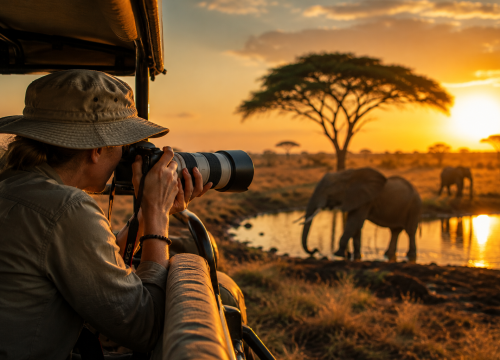
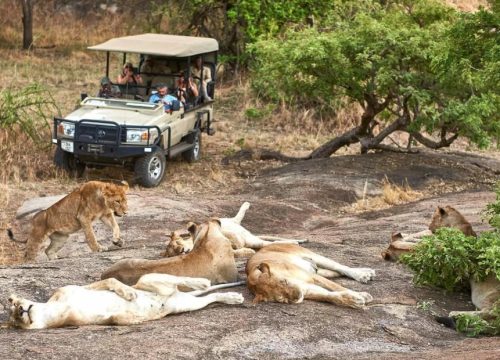
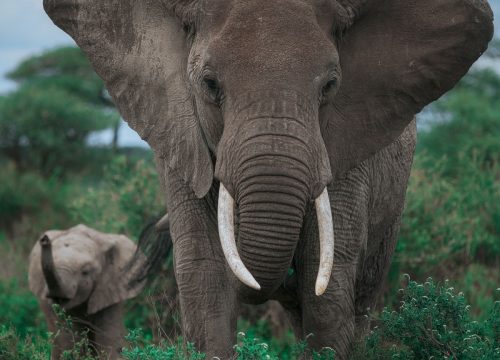
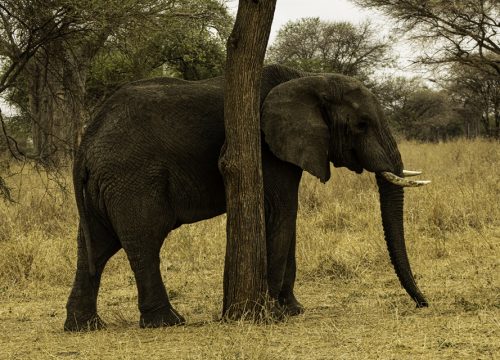
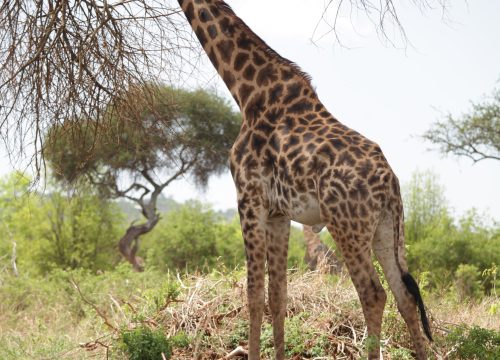
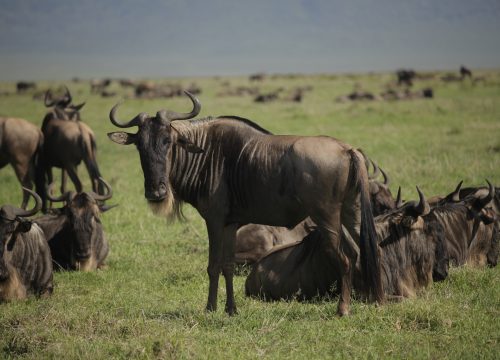
A popular combination is a Kilimanjaro trekking and Serengeti safari package. The Serengeti is world-famous for its incredible wildlife populations, including lions, elephants, giraffes, cheetahs, and the Great Migration. The experience of watching wildlife after completing Africa’s highest mountain creates a perfect balance between adventure and relaxation.

Another excellent addition is visiting the Ngorongoro Crater, one of Tanzania’s most remarkable natural wonders. The crater offers excellent opportunities to see a wide variety of wildlife in a stunning volcanic landscape.

Travelers with limited time can choose shorter safari programs visiting Tarangire National Park, Lake Manyara National Park, and Ngorongoro. These destinations provide unforgettable wildlife experiences while fitting easily into a post-Kilimanjaro travel schedule.

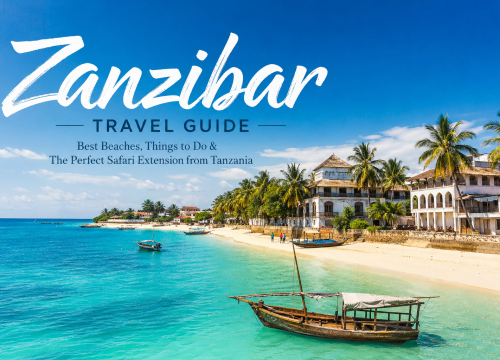
For visitors seeking relaxation after trekking, a Zanzibar beach holiday provides the perfect ending. The island offers beautiful beaches, historical attractions, cultural experiences, and opportunities for snorkeling and marine adventures.

Combining these experiences creates a complete Tanzania itinerary that includes physical achievement, wildlife exploration, and tropical relaxation.

Ron Adventure specializes in creating customized Kilimanjaro and Tanzania safari packages that allow travelers to experience the best of Tanzania in one journey. The company can arrange everything from mountain climbing logistics to safari vehicles, accommodation, domestic flights, and Zanzibar extensions.

A typical itinerary may begin with arrival at Kilimanjaro International Airport, continue with the Marangu Route climb, followed by a safari through Tanzania’s national parks, and finally end with relaxation on Zanzibar’s beaches.

For international travelers planning a dream African holiday, combining the Kilimanjaro Marangu Route with safari and Zanzibar provides an unforgettable experience that showcases the incredible diversity of Tanzania.

Final Thoughts: Is the Kilimanjaro Marangu Route the Right Choice for You?

The Kilimanjaro Marangu Route continues to be one of the most famous and rewarding ways to reach the summit of Mount Kilimanjaro. With its historic trail, comfortable mountain huts, gradual landscapes, and incredible scenery, it provides a unique experience for travelers dreaming of standing on the roof of Africa.

For beginners, the Marangu Route offers an excellent introduction to high-altitude trekking. For experienced hikers, it provides a classic and enjoyable path to Uhuru Peak. Although the route is considered less technical than some alternatives, it still requires preparation, determination, and respect for the mountain environment.

Choosing between the five-day and six-day Marangu Route itineraries depends on your experience, available time, and personal goals. For most travelers, the six-day option provides a more comfortable pace and better acclimatization opportunities.

The success of your climb depends not only on physical preparation but also on choosing the right trekking company. A professional operator provides experienced guides, quality support, proper safety procedures, and a well-organized journey.

Ron Adventure is committed to helping travelers achieve their Kilimanjaro dreams through professionally organized Marangu Route Kilimanjaro climbing packages in Tanzania. With local expertise, experienced mountain crews, and customized travel options, the company creates memorable adventures for climbers from around the world.

Whether your goal is to conquer Africa’s highest mountain, combine trekking with a Tanzania safari, or create a complete East African holiday, the Marangu Route offers an unforgettable journey.

Standing at Uhuru Peak is more than reaching a geographical point. It represents courage, determination, and the achievement of a personal dream. The mountain challenges you, changes you, and leaves you with memories that last a lifetime.

If you are planning your Mount Kilimanjaro Marangu Route adventure, Tanzania is waiting, and the journey to the summit begins with the right preparation and the right team beside you.