Introduction to the Kilimanjaro Lemosho Route
Climbing Mount Kilimanjaro is a dream for many travelers visiting Tanzania. At 5,895 meters above sea level, Kilimanjaro is the highest mountain in Africa and one of the world’s most famous trekking destinations.
Among the routes to Uhuru Peak, the Lemosho Route is known for its beautiful scenery, gradual approach, and varied landscapes. The trail begins on the western side of Kilimanjaro National Park. It then crosses the Shira Plateau before joining the southern circuit toward the summit.
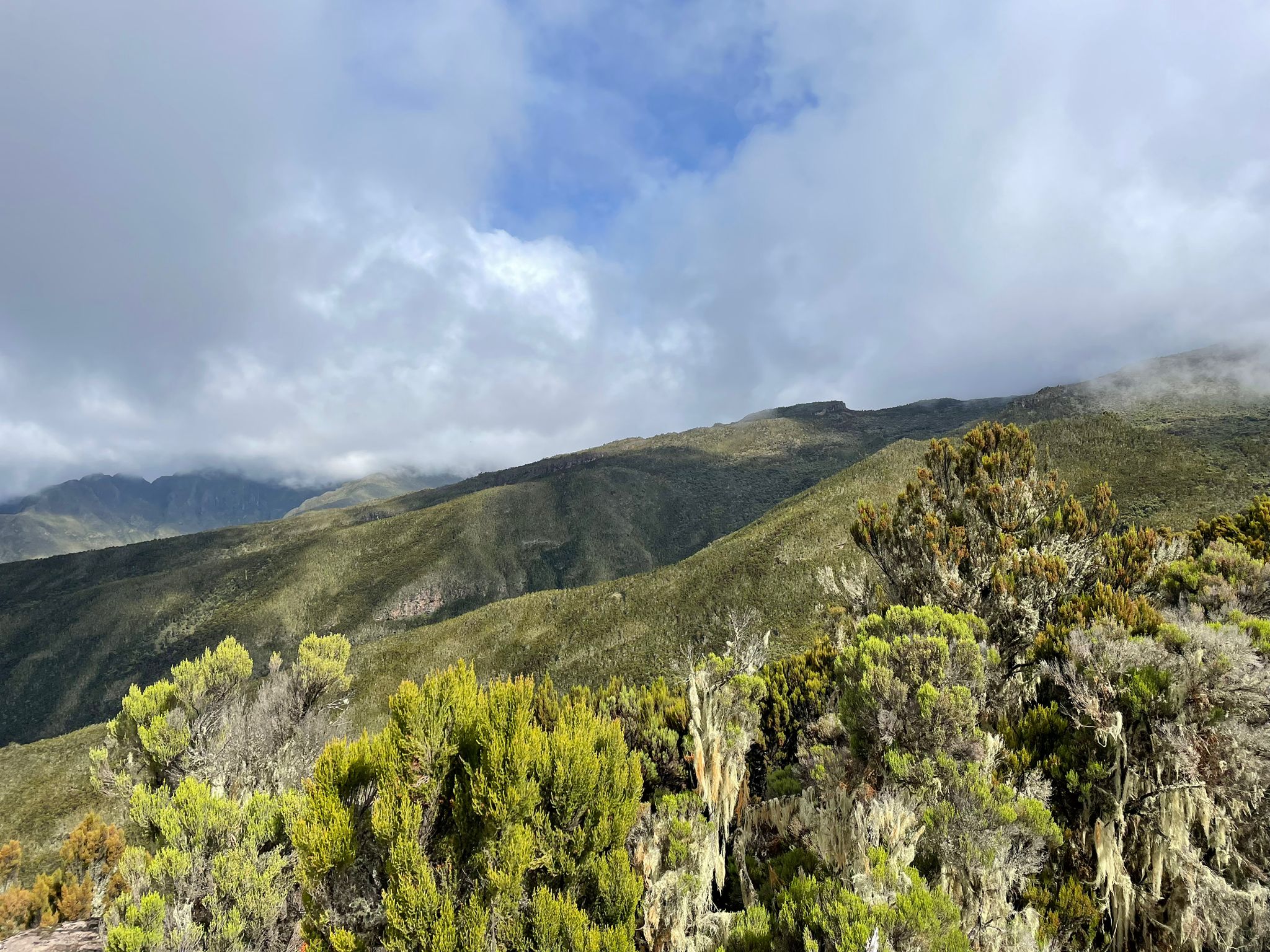
What makes the Lemosho Route special is the variety you experience along the way. The trek begins in a green montane forest. Higher up, the vegetation changes to heath and moorland. The trail then reaches the open Shira Plateau, volcanic landscapes, alpine desert, and finally the summit zone.
The route also gives climbers several days to adjust to increasing altitude. This is important because altitude, rather than technical climbing, is one of the main challenges on Kilimanjaro.
For travelers with enough time, the 8-day Lemosho Route provides a relaxed trekking schedule with an additional acclimatization day. A 7-day itinerary is also available for travelers who prefer a shorter climb.
This guide explains what to expect from the Lemosho Route, including the itinerary, difficulty, weather, preparation, packing list, costs, altitude, and practical tips.

Quick Facts About the Lemosho Route
The Lemosho Route starts at Londorossi Gate on the western side of Mount Kilimanjaro.
The highest point is Uhuru Peak at 5,895 meters. Most itineraries take 7 or 8 trekking days, depending on the route plan and acclimatization schedule.
Accommodation is normally provided in mountain tents. You will trek through several ecological zones, from rainforest to alpine desert.
The route is suitable for people who are prepared for long days of walking and high-altitude conditions. Previous technical climbing experience is not required.
The summit day is considerably longer than most other trekking days. Climbers normally begin the final ascent around midnight and continue toward Uhuru Peak before descending to a lower camp.
Where Does the Lemosho Route Start?
The Lemosho Route approaches Mount Kilimanjaro from the western side of the mountain.
Most climbs begin with a transfer from Arusha or Moshi to Londorossi Gate. After completing the necessary park registration, the journey continues toward the trailhead.
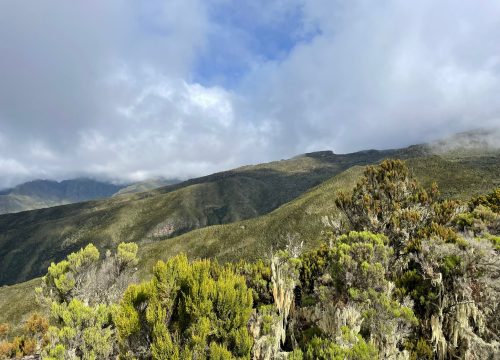
The first section passes through montane rainforest. The atmosphere is very different from the higher slopes of Kilimanjaro. Tall trees, moss, ferns, birds, and occasional monkey sightings make the opening section particularly enjoyable.
As the trail gains altitude, the forest becomes thinner. The landscape then changes into heath and moorland before opening onto the Shira Plateau.
This gradual transition is one of the memorable features of the Lemosho Route. You do not simply walk toward a summit. You move through several distinct environments during one expedition.
Why Choose the Lemosho Route?
The Lemosho Route appeals to travelers who want more than a short ascent to the summit.
One of its main attractions is scenery. The western approach provides a quieter beginning before the trail connects with sections shared by other routes.
Another benefit is the length of the itinerary. A longer climb gives your body more time to adjust to altitude. The 8-day option is particularly useful for travelers who prefer a slower pace.
The route also offers excellent landscape variety. You can expect rainforest, open moorland, volcanic terrain, giant plants, rocky valleys, and high-altitude desert.
There is also a strong sense of progression. Each day takes you farther from the lowlands and closer to the summit. By the time you reach Barafu Camp, the environment has changed dramatically from the forest where your journey began.
7-Day or 8-Day Lemosho Route?
Both itineraries follow the same general route toward Uhuru Peak. The main difference is the amount of time available for acclimatization and the pace of the trek.
The 7-day Lemosho Route is a good option for travelers with limited time. It provides a structured ascent while covering the major highlights of the route.
The 8-day Lemosho Route adds more time on the mountain. The slower schedule can make the trek feel less rushed and gives your body additional time to adjust to altitude.
For a first Kilimanjaro climb, many travelers choose the 8-day itinerary because it allows more time for acclimatization.
Your choice should also consider your hiking experience, fitness, travel schedule, and how you normally respond to altitude.
8-Day Lemosho Route Itinerary
Day 1: Arusha or Moshi to Londorossi Gate – Mti Mkubwa Camp
Your Kilimanjaro adventure begins with a transfer to Londorossi Gate.
After registration, you continue toward the Lemosho trailhead. The first trek takes you through the montane rainforest.
The pace is intentionally comfortable. This gives you time to settle into the mountain environment and enjoy the forest.
The trail eventually reaches Mti Mkubwa Camp, also known as Big Tree Camp, where you spend your first night on Kilimanjaro.
Distance and trekking time can vary depending on the exact trailhead and park conditions.
Day 2: Mti Mkubwa Camp to Shira 1 Camp
After breakfast, the trail gradually leaves the rainforest.
The vegetation becomes shorter as you enter the heath and moorland zone. Giant plants and open views begin to replace the dense forest.
You continue toward the Shira Plateau. As the landscape opens, you may get your first clear views of Kibo, the main volcanic cone of Kilimanjaro.
The night is spent at Shira 1 Camp.
Day 3: Shira 1 Camp to Shira 2 Camp
Today is focused on crossing the Shira Plateau.
The walking is generally more gradual than the summit approach. This provides valuable time to become comfortable at higher elevations.
The landscape is open and dramatic. On a clear day, the views across the plateau can be spectacular.
You continue to Shira 2 Camp for the night.
Take the opportunity to rest, hydrate, and enjoy a warm meal before the route becomes more demanding.
Day 4: Shira 2 Camp to Lava Tower to Barranco Camp
This is one of the most important days for acclimatization.
The trail climbs toward Lava Tower, reaching approximately 4,600 meters. After spending time at higher elevation, you descend toward Barranco Camp.
This follows the familiar trekking principle of “climb high and sleep low.”
Lava Tower is an impressive volcanic formation. The surrounding landscape is much more barren than the forest below.
After the descent, the Barranco Valley provides a dramatic contrast. The towering cliffs and unusual alpine vegetation create one of the most memorable sections of the trek.
You spend the night at Barranco Camp.
Day 5: Barranco Camp to Karanga Camp
The day begins with the famous Barranco Wall.
From a distance, the wall can look intimidating. In practice, the route involves careful scrambling rather than technical rock climbing.
Your mountain guide will help you choose the safest line through the rocky section.
After reaching the top, the trail continues through alpine terrain toward Karanga Camp.
This is a shorter trekking day compared with summit day. Use the afternoon to rest and prepare for the next stages.
Day 6: Karanga Camp to Barafu Camp
The route continues toward Barafu Camp.
The landscape becomes increasingly rocky and dry. Vegetation is now very limited.
Barafu is the final major camp before the summit attempt. After arriving, you will have an early meal and prepare your clothing, water, headlamp, and other equipment.
Try to rest as much as possible.
The summit ascent normally begins during the night, so conserving energy is important.
Day 7: Barafu Camp to Uhuru Peak – Mweka Camp
Summit day is the most demanding part of the Lemosho Route.
You normally start around midnight. The pace is slow and steady because the altitude is high and the air is cold.
The trail climbs through rocky terrain toward Stella Point on the crater rim.
From Stella Point, the route continues around the crater rim toward Uhuru Peak.
At 5,895 meters, Uhuru Peak is the highest point in Africa.
Reaching the summit can be an emotional moment. You may see the sun rising over the surrounding landscape while clouds sit far below.
After spending a short time at the summit, you begin the descent.
The route returns toward Barafu Camp before continuing to Mweka Camp. The long descent is physically demanding, so take it slowly.
Day 8: Mweka Camp to Mweka Gate
The final trekking day takes you through the rainforest.
The atmosphere feels completely different from the summit environment you experienced the previous day.
After reaching Mweka Gate, you complete the necessary procedures and receive your summit certificate if you reached the summit.
Your driver then transfers you back to Arusha or Moshi.
A hot shower, comfortable bed, and good meal are usually very welcome after several days on the mountain.
How Difficult Is the Lemosho Route?
The Lemosho Route is challenging, but it does not require technical mountaineering skills.
The main challenges are endurance, altitude, long trekking days, changing weather, and the summit night.
Most days involve several hours of walking. Summit day is much longer because it combines the ascent to Uhuru Peak with a significant descent.
The terrain also changes throughout the trek. You may walk on forest paths, volcanic rock, loose scree, and uneven mountain trails.
The Barranco Wall requires some scrambling. Your guide will assist you through this section.
The most important preparation is not simply building muscle. You also need to become comfortable with walking for several consecutive days.
Altitude and Acclimatization
Altitude is one of the most important factors to understand before climbing Kilimanjaro.
As you climb higher, atmospheric pressure decreases. This means less oxygen is available with each breath.
Some people adapt quickly. Others experience symptoms such as headache, nausea, dizziness, poor appetite, tiredness, or difficulty sleeping.
Good fitness does not guarantee that you will avoid altitude-related problems. Previous hiking experience does not guarantee it either.
That is why acclimatization should be taken seriously.
Walk slowly and follow the pace recommended by your guide. Drink regularly and eat even when your appetite is reduced.
Most importantly, tell your guide if you feel unwell.
Do not hide symptoms because you want to continue toward the summit. Your mountain crew needs accurate information to make appropriate safety decisions.
How to Prepare for the Lemosho Route
Start preparing several weeks or months before your climb.
Regular walking and hiking are excellent foundations. Long walks on weekends can help prepare your legs for consecutive trekking days.
Cardiovascular exercise can also help. Brisk walking, cycling, swimming, running, and stair training are useful options.
Strength training should include the legs and core. Squats, lunges, step-ups, and controlled hiking exercises can improve stability and endurance.
Try to include longer hikes before your trip. If possible, practice walking on uneven terrain while carrying a light backpack.
Your preparation should also include your equipment.
Wear your hiking boots before arriving in Tanzania. A pair of new boots on the mountain can quickly become uncomfortable.
Mental preparation matters too.
The summit climb is slow. The cold can be intense. The altitude can make ordinary movement feel difficult.
Knowing what to expect can help you remain patient when the final ascent becomes demanding.
What to Pack for the Lemosho Route
Packing for Kilimanjaro requires preparation because temperatures change dramatically with altitude.
Your clothing should be based on layers. This allows you to add or remove clothing as conditions change.
Essential items normally include:
- Moisture-wicking base layers
- Warm fleece or insulating layers
- Waterproof jacket and trousers
- Warm down or synthetic jacket
- Hiking trousers
- Comfortable hiking boots
- Warm trekking socks
- Gloves and a warm hat
- Sun hat
- Sunglasses with UV protection
- Headlamp and spare batteries
- Trekking poles
- Water bottles or hydration system
- Sunscreen and lip balm
- Personal toiletries
- Personal medication
- Small backpack
- Sleeping bag suitable for cold mountain conditions
- Camera or phone
- Power bank
Keep your personal luggage as practical as possible.
Your mountain crew will carry the main luggage according to the operator’s arrangements and park regulations. You should still carry the items you need during the day’s walk.
What Is the Weather Like on the Lemosho Route?
Kilimanjaro has different weather conditions at different elevations.
The lower forest can be warm and humid. Higher sections are cooler and much drier. Near the summit, temperatures can fall below freezing.
The main climbing seasons are generally associated with the drier periods of the year.
January and February often provide good trekking conditions. June through October is another popular period because rainfall is generally lower.
March to May includes the long rainy season. November can also bring shorter rains.
However, mountain weather is unpredictable. Conditions can change quickly, even during traditionally dry months.
Do not rely only on the expected weather for your travel month. Proper clothing and waterproof equipment remain important throughout the climb.
Lemosho Route Weather by Month
January and February are generally warm at lower elevations and can offer good visibility.
March brings an increasing chance of rain as the long rainy season develops.
April is commonly associated with heavier rainfall, particularly on the lower mountain.
May can still be wet, although conditions may begin to improve toward the end of the month.
June usually marks the beginning of a drier period.
July and August are popular climbing months, with cooler temperatures and generally dry conditions.
September often offers favorable trekking conditions, although mountain weather can still change quickly.
October can remain suitable for trekking while the transition toward the short rains approaches.
November may bring intermittent rainfall.
December can offer mixed conditions, with some rain and periods of clearer weather.
Remember that these are seasonal patterns, not guarantees. Kilimanjaro creates its own weather conditions, and the summit can be cold at any time of year.
How Much Does the Lemosho Route Cost?
The price of a Kilimanjaro Lemosho Route climb depends on several factors.
The number of trekking days is one consideration. Group size, accommodation before and after the climb, equipment, park charges, crew arrangements, and the level of service can also affect the final price.
A professional Kilimanjaro package commonly includes mountain park fees, camping fees, rescue fees, mountain guides, porters, a cook, meals, tents, and transfers related to the climb.
Some packages may also include airport transfers and hotel accommodation.
Before comparing prices, check exactly what each operator includes.
A lower advertised price may exclude services that you will need to pay for separately. Ask for a clear quotation with inclusions and exclusions.
Additional expenses can include:
- International flights
- Tanzania visa
- Travel insurance
- Personal trekking equipment
- Equipment rental
- Hotel nights before or after the climb
- Tips for the mountain crew
- Personal expenses
Travel insurance is particularly important. Check that your policy covers high-altitude trekking on Mount Kilimanjaro and emergency evacuation where applicable.

Lemosho Route vs Machame Route
The Lemosho and Machame routes both provide access to the southern side of Kilimanjaro after their initial approaches.
The main difference is where the journey begins.
Lemosho approaches the mountain from the west and provides a longer opening section through the forest before reaching the Shira Plateau.
Machame begins farther south and is known for its scenic trail and challenging terrain.
Both routes include spectacular sections such as the Barranco area and the southern circuit.
Your choice can depend on the number of days available, preferred scenery, acclimatization plan, and trekking style.
Is the Lemosho Route Suitable for First-Time Climbers?
Yes, first-time Kilimanjaro climbers can choose the Lemosho Route.
You do not need previous experience climbing technical mountains.
However, that does not mean the trek is easy.
You need reasonable physical preparation and a willingness to walk for several hours each day.
The most important thing is to respect the mountain. Follow your guide’s instructions, maintain a slow pace, stay hydrated, and communicate any symptoms you experience.
Choosing an itinerary with sufficient acclimatization time can also make the experience more manageable.
Tips for a Successful Lemosho Route Climb
ake your time. There is no benefit in rushing during the first days.
Follow the pace set by your guide. The phrase “pole pole,” meaning slowly in Swahili, is commonly heard on Kilimanjaro for a good reason.
Drink regularly throughout the day.
Eat your meals even when your appetite changes at altitude.
Keep your feet dry and look after any hot spots before they become blisters.
Layer your clothing so you can adjust to changing temperatures.
Keep your summit-night equipment ready before going to sleep at Barafu Camp.
Tell your guide about any unusual symptoms.
Finally, enjoy the journey rather than thinking only about the summit. The forest, Shira Plateau, Barranco Valley, volcanic formations, and high-altitude landscapes are all important parts of the experience.
Why Climb Kilimanjaro with Ron Adventure?
Ron Adventure is a Tanzania-based tour company offering Kilimanjaro trekking, wildlife safaris, Zanzibar holidays, and customized travel programs.
For a Lemosho climb, our team can arrange the mountain logistics, including transfers, guides, porters, camping equipment, meals, and the trekking itinerary.
We also help travelers combine their Kilimanjaro adventure with a Tanzania safari.
After the climb, you could continue to Tarangire National Park, Ngorongoro Crater, Serengeti National Park, or another destination in northern Tanzania.
If you prefer some time by the ocean, the journey can continue to Zanzibar for a relaxing beach holiday.
The advantage of combining these experiences is that one trip can include mountains, wildlife, culture, and the coast.
Combine the Lemosho Route with a Tanzania Safari
A Kilimanjaro climb can easily become part of a longer Tanzania holiday.
After descending from the mountain, many travelers choose to spend a few days on safari.
Tarangire is known for its elephants and large baobab trees. Ngorongoro offers a spectacular crater landscape with abundant wildlife. Serengeti provides vast grasslands and opportunities to see lions, cheetahs, elephants, giraffes, and other wildlife.
The timing of your safari can also be planned around seasonal wildlife movements.
Another option is to finish your Tanzania adventure in Zanzibar. After days of hiking, the island offers an opportunity to slow down, enjoy the beaches, explore Stone Town, or simply rest.
Ron Adventure can combine the Lemosho Route with a safari and Zanzibar stay into one customized itinerary.
Frequently Asked Questions About the Lemosho Route
Most travelers choose a 7-day or 8-day trekking itinerary. The exact schedule depends on the route plan and acclimatization strategy.
The route is physically demanding but does not require technical climbing skills. The main challenges are altitude, endurance, long trekking days, and the summit ascent.
The highest point is Uhuru Peak, which stands at 5,895 meters above sea level.
January to early March and June to October are commonly preferred because of generally drier conditions. Weather can change quickly on the mountain, so every season requires proper preparation.
No technical climbing experience is required. However, regular hiking and physical preparation are strongly recommended.
Lemosho is a camping route. Climbers normally sleep in mountain tents at designated campsites.
Yes. Depending on availability, trekking equipment can be rented in Tanzania. It is important to arrange this before starting the climb.
Yes. A Kilimanjaro climb can be combined with destinations such as Tarangire, Ngorongoro, Serengeti, or Lake Manyara. Zanzibar can also be added after the mountain and safari.
Booking several months ahead is useful, especially if you plan to travel during popular climbing periods. It allows more time to organize the mountain crew, accommodation, transfers, and equipment.
Final Thoughts
The Kilimanjaro Lemosho Route offers a complete mountain experience.
You begin in the green rainforest and gradually enter a very different world of open moorland, volcanic landscapes, alpine desert, and high mountain terrain.
The journey is not only about reaching Uhuru Peak. The changing scenery, quiet trails, mountain camps, early mornings, and conversations with your trekking crew all become part of the experience.
The route requires preparation and patience. Altitude can affect anyone, so a sensible pace and a well-planned itinerary are essential.
If you are considering the 7-day or 8-day Lemosho Route, Ron Adventure can help you choose an itinerary based on your travel dates, hiking experience, available time, and overall Tanzania travel plans.
You can also extend your trip with a Serengeti safari, Ngorongoro Crater, Tarangire National Park, or a Zanzibar beach holiday.
Ready to start planning your Kilimanjaro adventure?

7-Day Luxury Ndutu Calving Season Safari
Materuni Waterfalls and Coffee Tour: Best Day Trip from Moshi
Tanzania Travel Bucket List 2027: 20 Unforgettable Experiences
Tanzania Safari for Older Travelers: Complete Travel Guide
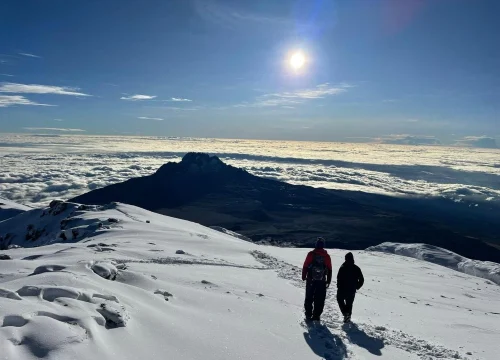
Marangu Route Kilimanjaro: Complete Guide, Itinerary, Cost & Tips
Kilimanjaro Lemosho Route: Complete Guide, Itinerary, Cost, Difficulty & Tips
Tanzania Safari Accommodations: Luxury, Mid-Range & Budget Guide
Safari Photography Tips for Beginners in Tanzania
Tanzania Safari FAQs: Answering 100 Common Questions Before You Visit Tanzania
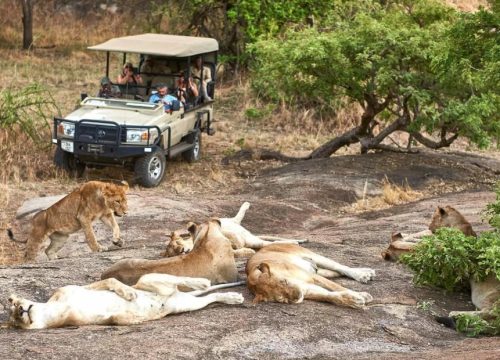
First-Time Tanzania Safari: 30 Things Nobody Tells You
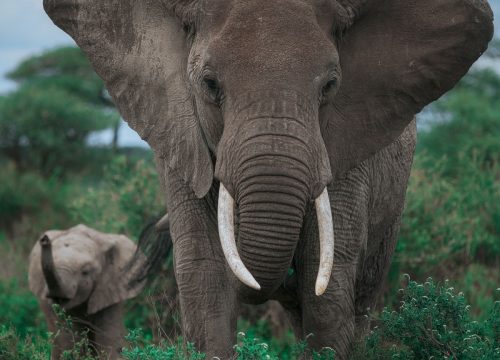
25 Animals You Can See on a Tanzania Safari: Complete Wildlife Guide
Ngorongoro Crater from Karatu: Price, Distance, Itinerary & Travel Guide
Serengeti Fly-In Safari from Zanzibar | Mara River Crossing 2026
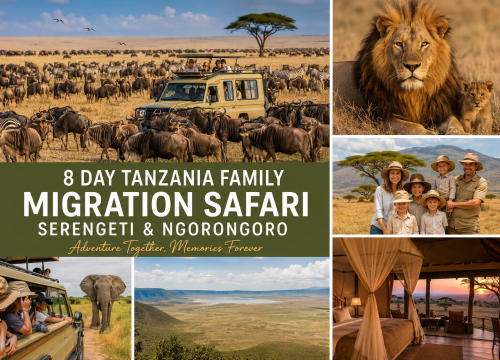
8 Day Tanzania Family Migration Safari

7 Day Tanzania Family Safari Great Migration Serengeti
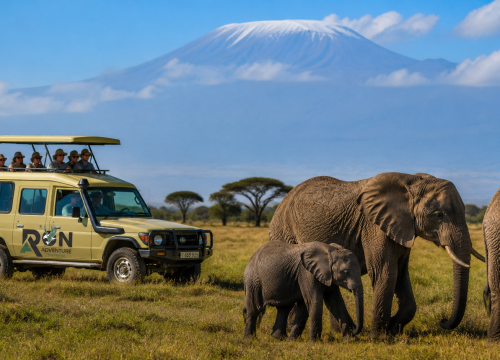
Tanzania Safari in December and January: Best Time for Great Migration and Holiday Travel
7-Day Luxury Ndutu Calving Season Safari
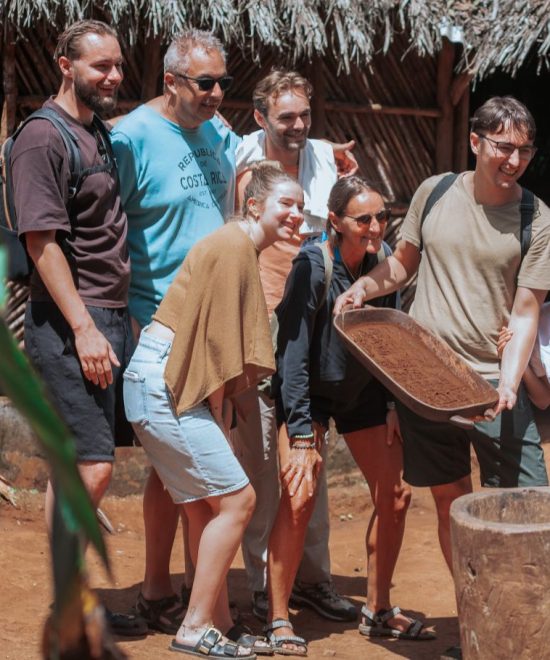
Materuni Waterfalls and Coffee Tour: Best Day Trip from Moshi
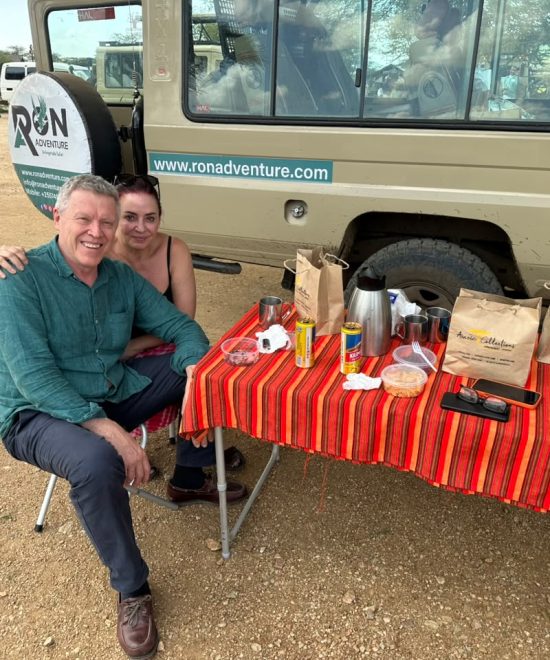
Tanzania Travel Bucket List 2027: 20 Unforgettable Experiences