Best Time to Climb Mount Kilimanjaro: Month-by-Month Guide
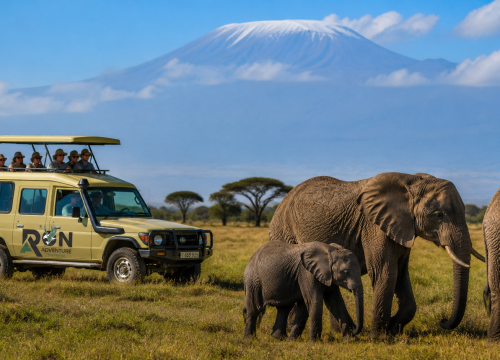
Standing proudly at 5,895 metres (19,341 feet) above sea level, Mount Kilimanjaro is Africa’s highest mountain and one of the world’s most iconic trekking destinations. Rising above the plains of northern Tanzania, this majestic free-standing volcano attracts more than 30,000 climbers every year, each hoping to experience the unforgettable moment of standing on the Roof of Africa. From lush rainforests and alpine deserts to sparkling glaciers and breathtaking sunrise views from Uhuru Peak, climbing Kilimanjaro is a once-in-a-lifetime adventure.
One of the first questions every traveller ask is, “What is the best time to climb Mount Kilimanjaro?” While the mountain can be climbed throughout the year, choosing the right season can dramatically improve your experience. Weather conditions affect everything from trail conditions and summit visibility to comfort, photography opportunities, and even your chances of reaching the summit successfully.
The best time to climb Mount Kilimanjaro depends on your travel goals. Are you looking for clear skies and dry trails? Do you want to avoid the crowds? Are you planning to combine your climb with a Tanzania safari or a relaxing Zanzibar beach holiday? Or perhaps you’re searching for the ideal season for photography, wildlife viewing, or a honeymoon adventure. Understanding how Kilimanjaro’s weather changes throughout the year will help you choose the perfect time for your trek.
Unlike many mountains, Kilimanjaro features several distinct climate zones, ranging from tropical rainforest at the base to arctic conditions near the summit. This unique environment means that the weather can vary significantly depending on the month and altitude. Knowing what to expect before you arrive will help you prepare properly, pack the right gear, and increase your chances of enjoying a safe and successful climb.
In this comprehensive month-by-month guide, you’ll learn the advantages and disadvantages of climbing during each month, discover the best seasons for beginners and experienced hikers, compare the dry and rainy seasons, explore recommended routes, and get expert advice from experienced local mountain guides. Whether you’re planning your first Kilimanjaro adventure or returning to explore a different route, this guide will help you make an informed decision and prepare for an unforgettable journey to Africa’s highest peak.
When is the best time to climb Mount Kilimanjaro?
The answer is not simply one particular month. The best time depends on your goals, experience, weather preferences, crowd tolerance, photography interests, and overall travel plans.
Some climbers dream of crystal-clear summit views, while others prefer fewer crowds or wish to combine their trek with the Great Wildebeest Migration or a relaxing Zanzibar beach holiday. Fortunately, Mount Kilimanjaro can be climbed throughout the year, but certain months provide significantly better conditions than others.
In this comprehensive guide, you’ll discover:
- The best months for climbing Kilimanjaro
- Weather conditions throughout the year
- Pros and cons of every month
- Best seasons for beginners
- Months to avoid
- Route recommendations
- Expert tips from local mountain guides
- Frequently asked questions
- Why thousands of climbers choose Ron Adventure
Whether you’re planning your first mountain expedition or returning to conquer another route, this guide will help you choose the perfect time for an unforgettable Kilimanjaro adventure.
Why the Best Time to Climb Mount Kilimanjaro Matters
Unlike many mountain climbs around the world, Mount Kilimanjaro does not require technical climbing skills. However, weather conditions play an enormous role in determining your overall experience and summit success.
The right season affects almost every part of your trek, including:
- Trail conditions
- Visibility
- Temperature
- Rainfall
- Safety
- Photography opportunities
- Number of climbers
- Camping comfort
- Summit success rate
Choosing the best month can make the difference between enjoying breathtaking sunrise views from Uhuru Peak or struggling through heavy rain and muddy trails.
Because Kilimanjaro rises nearly six vertical kilometres from tropical rainforest to Arctic summit conditions, climbers experience several different climate zones in just a few days.
Kilimanjaro Weather and Climate
Unlike mountains that experience four traditional seasons, Mount Kilimanjaro is influenced mainly by Tanzania’s tropical climate.
The mountain has two major dry seasons and two rainy seasons.
Dry Seasons
These are generally considered the best climbing periods.
January to Mid-March
The weather is usually warm with relatively clear skies.
Advantages include:
- Comfortable temperatures
- Beautiful scenery
- Excellent summit views
- Fewer visitors than peak season
- Good wildlife viewing if combining with safari
This period is especially popular among photographers because the landscapes remain lush after the short rains.
June to October
This is widely regarded as the best overall climbing season.
Expect:
- Dry trails
- Excellent visibility
- Cool temperatures
- Highest summit success rates
- Stable weather
The downside is larger crowds, especially during July and August.
Rainy Seasons
Long Rains (March to May)
Heavy rainfall affects many routes.
Conditions include:
- Muddy paths
- Reduced visibility
- Wet campsites
- Lower temperatures
Some experienced hikers still enjoy this period because trails are much quieter.
Short Rains (November)
Rain is generally lighter than during April and May.
Many climbs continue successfully, although showers can occur every afternoon.
The Five Climate Zones of Mount Kilimanjaro
One of the most remarkable aspects of climbing Mount Kilimanjaro is experiencing five distinct ecological and climate zones in a single trek. Unlike most mountains, Kilimanjaro rises from the tropical plains of Tanzania to an icy summit, taking climbers through dramatically different landscapes over just a few days. Each zone offers unique scenery, wildlife, vegetation, and weather conditions, making every step of your Kilimanjaro trekking adventure unforgettable.
Understanding these climate zones will help you prepare for changing temperatures, choose the best clothing, and appreciate why Mount Kilimanjaro is recognized as one of the world’s most extraordinary trekking destinations.
1. Cultivation Zone (800–1,800 Metres)
The journey to Africa’s highest mountain begins in the fertile foothills of Kilimanjaro, known as the Cultivation Zone. This area is home to the Chagga people, one of Tanzania’s largest and most welcoming ethnic communities, who have lived on the mountain’s slopes for generations.
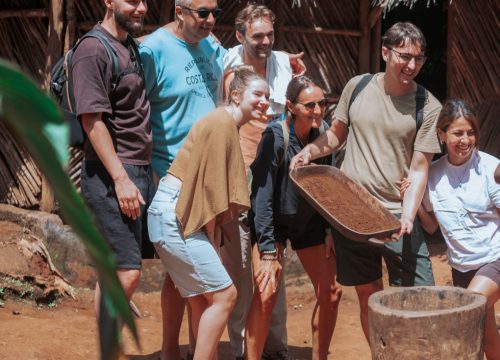
The rich volcanic soil and abundant rainfall create ideal conditions for agriculture. As you travel toward your trailhead, you’ll pass vibrant villages, banana plantations, coffee farms, and small family-owned gardens. Many Mount Kilimanjaro tours include an opportunity to visit local coffee plantations or cultural centres, allowing visitors to experience authentic Chagga traditions before beginning the climb.
What You’ll See
- Traditional Chagga villages
- Banana and coffee plantations
- Avocado, maize, and vegetable farms
- Scenic rural landscapes
- Friendly local communities
Weather
- Warm tropical temperatures (20–30°C)
- Humid conditions
- Occasional afternoon showers
Travel Tip: If your itinerary allows, consider adding a Chagga cultural tour or coffee experience before your Kilimanjaro trek for a deeper understanding of the region’s history and traditions.
2. Rainforest Zone (1,800–2,800 Metres)
The Rainforest Zone is one of the most vibrant and biologically diverse sections of Mount Kilimanjaro. Dense tropical forest covers the lower slopes, creating a cool, humid environment that receives the highest rainfall on the mountain.
Towering trees draped with moss, colourful wildflowers, hanging vines, and crystal-clear streams create an enchanting atmosphere. Morning mist often filters through the forest canopy, producing magical scenery that many hikers describe as stepping into another world.
This zone is also rich in wildlife. If you’re lucky, you may spot playful blue monkeys, black-and-white colobus monkeys, bush babies, and a variety of colourful bird species found only in East Africa.
Wildlife Highlights
- Blue monkeys
- Black-and-white colobus monkeys
- Bush babies
- Turacos
- Sunbirds
- Hornbills
Vegetation
- Giant camphor trees
- Ferns
- Orchids
- Moss-covered branches
- Bamboo patches
Weather
- High humidity
- Frequent rainfall
- Temperatures between 15–25°C
Photography Tip: The rainforest offers some of the best opportunities for nature photography during your Mount Kilimanjaro climbing adventure, especially in the early morning when mist and sunlight create dramatic scenes.
3. Heath and Moorland Zone (2,800–4,000 Metres)
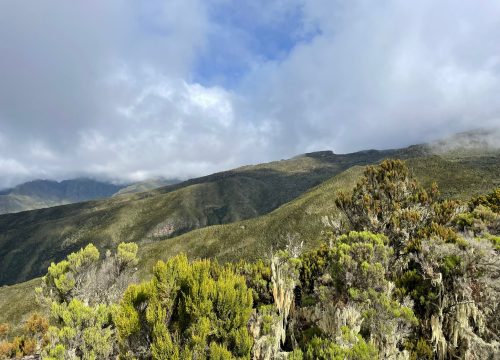
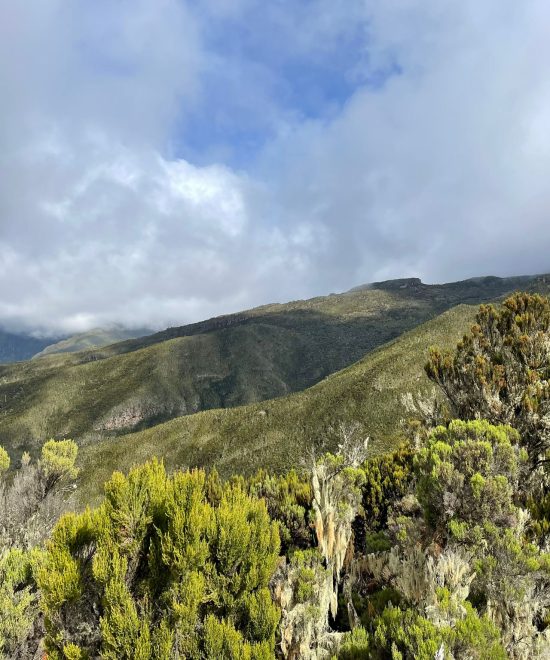
As you climb higher, the dense rainforest gradually gives way to the spectacular Heath and Moorland Zone. Many experienced guides consider this the most beautiful section of the mountain thanks to its open landscapes, unique plants, and panoramic views.
This transition zone introduces hikers to Kilimanjaro’s famous giant groundsels and towering lobelias—plants that have adapted to survive extreme temperature changes between warm days and freezing nights.
The landscape becomes increasingly volcanic, with rolling hills, lava formations, and sweeping vistas stretching across northern Tanzania. On clear days, climbers enjoy breathtaking views of Mount Meru and the surrounding plains.
Highlights
- Giant groundsels
- Giant lobelias
- Heather shrubs
- Ancient volcanic rocks
- Spectacular viewpoints
Weather
- Cooler temperatures (5–15°C)
- Lower humidity
- Increasing exposure to wind
This is also where many trekkers begin to notice the effects of altitude. Walking slowly, staying hydrated, and following your guide’s pace are essential for successful acclimatization.
4. Alpine Desert Zone (4,000–5,000 Metres)
The Alpine Desert Zone is unlike any other environment on Earth. Vegetation becomes scarce, the air grows noticeably thinner, and the landscape transforms into a dramatic expanse of volcanic rock, dust, and gravel.
Although daytime sunshine can be intense due to the thinner atmosphere, temperatures drop rapidly after sunset. This zone experiences some of the most extreme daily temperature fluctuations on Mount Kilimanjaro.
For many climbers, this is where the challenge becomes more mental than physical. The reduced oxygen levels make every step feel more demanding, making proper acclimatization and a steady pace critical.
What You’ll Experience
- Volcanic plateaus
- Lava formations
- Sparse vegetation
- Dry mountain air
- Expansive views above the clouds
Weather
- Strong UV radiation
- Cold nights below freezing
- Low humidity
- Minimal rainfall
Expert Tip: Most successful Kilimanjaro climbing tours include extra acclimatization days to help your body adjust before the final ascent.
5. Arctic Summit Zone (Above 5,000 Metres)
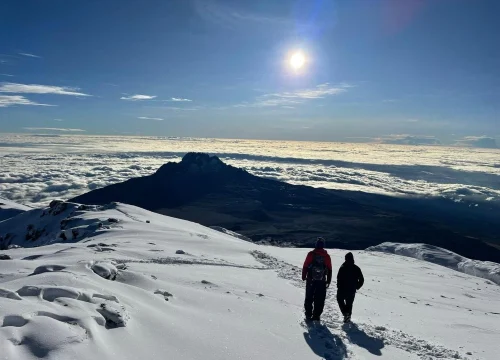
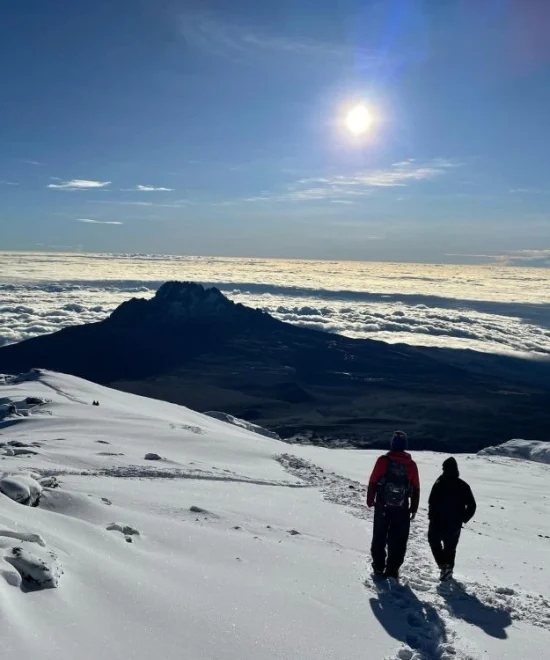
The final stage of your Mount Kilimanjaro trek takes you into the Arctic Summit Zone, one of the most extraordinary environments in Africa. Despite being only a few degrees south of the Equator, the summit is characterized by glaciers, ice fields, volcanic rock, and freezing temperatures.
Summit night usually begins around midnight, with climbers ascending slowly under a sky filled with countless stars. As dawn breaks, the first rays of sunlight illuminate the glaciers and reveal breathtaking views across Tanzania and Kenya. Reaching Uhuru Peak (5,895 metres) is an unforgettable achievement and the highlight of every Kilimanjaro climbing expedition.
Summit Highlights
- Uhuru Peak (Africa’s highest point)
- Rebmann Glacier
- Furtwängler Glacier
- Sunrise above the clouds
- Panoramic views across East Africa
Weather
- Temperatures as low as -20°C (-4°F) or lower
- Strong winds
- Thin air with approximately half the oxygen available at sea level
- Snow and ice throughout much of the year
Standing at Uhuru Peak is more than reaching the highest point in Africa—it is the reward for days of determination, teamwork, and perseverance. For many travellers, this life-changing achievement becomes one of their greatest personal accomplishments
Best Overall Time to Climb Mount Kilimanjaro
If you’re looking for the best combination of weather, scenery, and summit success, these months stand out:
|
Month |
Rating |
Recommendation |
|
January |
⭐⭐⭐⭐⭐ |
Excellent |
|
February |
⭐⭐⭐⭐⭐ |
One of the Best |
|
March |
⭐⭐⭐⭐ |
Good |
|
April |
⭐⭐ |
Not Recommended |
|
May |
⭐⭐ |
Not Recommended |
|
June |
⭐⭐⭐⭐⭐ |
Excellent |
|
July |
⭐⭐⭐⭐⭐ |
Peak Season |
|
August |
⭐⭐⭐⭐⭐ |
Peak Season |
|
September |
⭐⭐⭐⭐⭐ |
Outstanding |
|
October |
⭐⭐⭐⭐ |
Very Good |
|
November |
⭐⭐⭐ |
Fair |
|
December |
⭐⭐⭐⭐ |
Very Good |
Ready to plan your Tanzania safari?
Our Arusha-based safari experts will create a free, personalized Tanzania safari itinerary within 3 hours, tailored to your budget, travel style, and interests..
Climbing Mount Kilimanjaro is an extraordinary journey that takes trekkers through diverse landscapes and climatic zones before reaching the famous Uhuru Peak. Selecting the right season significantly improves the chances of enjoying clear views, comfortable trekking conditions, and a successful summit.
For most travelers, the best times to climb Kilimanjaro are January to early March and June to October, when weather conditions are generally stable, and rainfall is minimal. With proper planning, physical preparation, and the support of experienced guides, reaching the summit of Africa’s highest mountain becomes an achievable and unforgettable adventure.
Kilimanjaro Month-by-Month Guide
Choosing the best time to climb Mount Kilimanjaro depends on your travel goals, preferred weather conditions, and the type of trekking experience you want. While Mount Kilimanjaro can be climbed throughout the year, each month offers unique advantages, from crystal-clear summit views and dry trails to quieter routes and budget-friendly climbing opportunities.
This Kilimanjaro month-by-month guide explains what to expect during every season, including weather conditions, trail quality, crowd levels, temperatures, and the best climbing routes. Whether you’re planning your first Kilimanjaro trekking adventure, a luxury guided expedition, or combining your climb with a Tanzania wildlife safari or Zanzibar beach holiday, understanding the seasonal differences will help you choose the ideal time to reach Uhuru Peak.
January – One of the Best Times to Climb Kilimanjaro
January marks the beginning of one of Kilimanjaro’s finest trekking seasons. The mountain emerges from the short rainy season with fresh landscapes, greener vegetation, and relatively stable weather.
Daytime temperatures are pleasant, while nights remain cold at higher elevations. Rainfall is limited, making the trails comfortable and the summit experience rewarding.
January is particularly popular among photographers because the lower slopes are vibrant with lush greenery, creating a striking contrast against the snow-capped summit.
Wildlife enthusiasts often combine a January climb with a Northern Circuit safari, as Tarangire National Park and the Ngorongoro Crater offer excellent game viewing.
Pros
- Beautiful scenery
- Excellent visibility
- Moderate crowds
- Comfortable temperatures
- High summit success
Cons
- Some afternoon clouds
- Slightly busier around New Year
Best Routes
- Lemosho Route
- Machame Route
- Rongai Route
February – Arguably the Best Month of the Year
Many experienced guides consider February the single best month to climb Mount Kilimanjaro.
Weather conditions are exceptionally stable, skies are often clear, and rainfall is minimal. Climbers enjoy spectacular sunrise views from Uhuru Peak, while trail conditions remain dry.
Temperatures are warmer than during June and July, making camping considerably more comfortable.
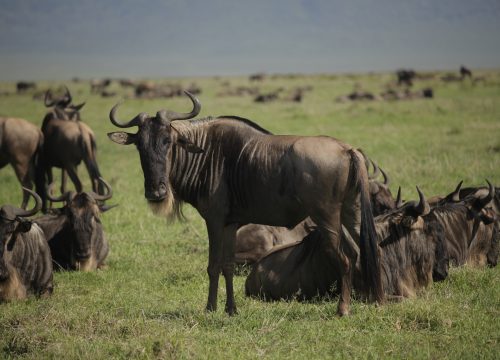
February is also the perfect month to combine your trek with Tanzania’s famous wildebeest calving season in the Ndutu region, where thousands of newborn calves attract predators such as lions, cheetahs, and hyenas.
This combination creates one of Africa’s most extraordinary adventure holidays.
Pros
- Excellent summit conditions
- Warm weather
- Dry trails
- Superb photography
- Outstanding safari opportunities
Cons
- Popular among international climbers
- Early booking recommended
Best Routes
- Lemosho
- Machame
- Northern Circuit
- Rongai
March – A Transition Month
March is often overlooked, yet it offers excellent value for travellers seeking quieter trails before the long rains begin.
Early March generally experiences stable weather, while rainfall gradually increases toward the end of the month. Conditions remain favourable for climbing, especially during the first half.
Because visitor numbers are lower, climbers enjoy a more peaceful mountain experience without sacrificing too much in terms of weather.
If you’re flexible with your dates, early March can be one of Kilimanjaro’s best-kept secrets.
Pros
- Fewer climbers
- Good visibility early in the month
- Competitive tour prices
- Peaceful trails
Cons
- Increasing rainfall later in the month
- Weather becomes less predictable
Best Routes
- Rongai Route
- Lemosho Route
- Machame Route
April – The Wettest Month
April falls within Tanzania’s long rainy season and is generally considered the most challenging time to climb Mount Kilimanjaro. Heavy rainfall transforms many trails into muddy, slippery paths, particularly on the southern routes such as Machame and Umbwe.
Cloud cover is common, reducing the panoramic views that many climbers hope to experience from the summit. Campsites can become damp, and persistent rain increases the difficulty of staying warm and comfortable during the trek.
Despite these challenges, April does have its advantages. The mountain is exceptionally quiet, offering a peaceful wilderness experience with very few climbers. Tour prices and accommodation rates are often lower, making it an attractive option for budget-conscious and experienced trekkers who don’t mind wet conditions.
For those who choose to climb in April, the Rongai Route, which approaches the mountain from the drier northern side, is generally the best option.
Pros
- Very few crowds
- Lower prices
- Lush green landscapes
- A more secluded trekking experience
Cons
- Heavy rainfall
- Slippery trails
- Reduced visibility
- Lower summit success rates compared to the dry season
Best Route
- Rongai Route
May – Quiet Trails and Budget-Friendly Climbs
May is the second month of Tanzania’s long rainy season. Although rainfall usually begins to ease toward the end of the month, conditions remain wet across much of Mount Kilimanjaro. The rainforest zone is particularly muddy, and afternoon showers are still common.
For many climbers, May is not the ideal month. However, if you are an experienced trekker seeking solitude and lower prices, it can still offer a rewarding adventure. The mountain is incredibly peaceful, with far fewer visitors than during the peak months.
Because the northern side of Kilimanjaro receives less rainfall, the Rongai Route remains the most reliable choice during May. This route typically experiences drier conditions than the southern approaches.
One of the hidden advantages of climbing in May is the vibrant scenery. The mountain is covered in lush vegetation, wildflowers bloom throughout the lower slopes, and waterfalls are flowing at their strongest.
Advantages
- Lowest visitor numbers
- More affordable accommodation and trekking packages
- Beautiful green landscapes
- Quiet campsites
- Greater wildlife activity in the rainforest
Disadvantages
- Frequent rain
- Wet equipment
- Muddy trails
- Limited summit views
- Increased physical difficulty
Best Routes
- Rongai Route
- Northern Circuit Route
June – The Beginning of the Prime Climbing Season
June marks the start of Kilimanjaro’s long dry season and is considered one of the best months to climb. Rainfall decreases significantly, skies become clearer, and trail conditions improve rapidly.
Many professional mountain guides consider June the beginning of the ideal climbing window. The mountain is not yet as crowded as July and August, allowing trekkers to enjoy peaceful trails while benefiting from excellent weather.
Morning skies are usually clear, offering spectacular panoramic views across northern Tanzania. Summit mornings often reward climbers with unforgettable sunrises above a sea of clouds.
June is also an excellent month for combining a Kilimanjaro trek with a safari. Wildlife viewing improves in Tarangire National Park as animals gather around permanent water sources during the dry season.
Advantages
- Dry trails
- Clear skies
- Comfortable hiking conditions
- Excellent summit success rates
- Moderate crowds
- Ideal photography
Disadvantages
- Cooler nights
- Increasing demand for permits and accommodation
Best Routes
- Machame Route
- Lemosho Route
- Northern Circuit
- Rongai Route
July – Peak Season Begins
July is one of the busiest months on Mount Kilimanjaro, attracting climbers from around the world during the Northern Hemisphere summer holidays.
The weather is exceptionally reliable, with dry trails, low humidity, and excellent visibility. These conditions contribute to high summit success rates and create ideal trekking conditions for both beginners and experienced hikers.
Although temperatures are colder, especially during summit night, the stable weather makes July one of the safest months for climbing.
Because demand is high, it is advisable to book your trek at least six to twelve months in advance.
Advantages
- Outstanding weather
- Excellent summit conditions
- Minimal rainfall
- Incredible panoramic views
- High success rates
Disadvantages
- Larger crowds
- Higher accommodation prices
- Popular campsites may feel busy
Best Routes
- Lemosho Route
- Machame Route
- Northern Circuit
- Rongai Route
August – One of the Most Popular Months
August continues the excellent weather experienced in July. It is one of the busiest months for Kilimanjaro expeditions, welcoming thousands of international climbers.
The dry weather creates comfortable trekking conditions throughout all ecological zones. Visibility is excellent, allowing hikers to enjoy expansive views of Mount Meru, Amboseli National Park in Kenya, and the surrounding plains.
Families, honeymoon couples, photographers, and charity groups frequently choose August because of the dependable weather.
If you prefer quieter trails while still enjoying good weather, consider choosing the Northern Circuit Route, which remains less crowded than Machame or Marangu.
Advantages
- Dry weather
- Crystal-clear summit views
- Excellent photography
- High summit success
- Suitable for first-time climbers
Disadvantages
- Peak tourist season
- Limited accommodation availability
- Advance booking is essential
Best Routes
- Northern Circuit
- Lemosho Route
- Machame Route
- Rongai Route
Kilimanjaro Weather by Month
|
Month |
Weather |
Crowds |
Photography |
Difficulty |
Recommendation |
|
January |
Dry |
Medium |
Excellent |
Moderate |
Excellent |
|
February |
Dry |
Medium |
Excellent |
Easy |
Excellent |
|
March |
Mixed |
Low |
Good |
Moderate |
Good |
|
April |
Wet |
Very Low |
Fair |
Difficult |
Not Ideal |
|
May |
Wet |
Very Low |
Fair |
Difficult |
Not Ideal |
|
June |
Dry |
Medium |
Excellent |
Moderate |
Excellent |
|
July |
Very Dry |
High |
Excellent |
Easy |
Excellent |
|
August |
Very Dry |
High |
Excellent |
Easy |
Excellent |
|
September |
Dry |
Medium |
Excellent |
Easy |
Outstanding |
|
October |
Mostly Dry |
Medium |
Very Good |
Moderate |
Very Good |
|
November |
Short Rains |
Low |
Good |
Moderate |
Fair |
|
December |
Mostly Dry |
Medium |
Excellent |
Moderate |
Very Good |
Best Kilimanjaro Routes by Season
Choosing the best Mount Kilimanjaro route depends on the season and weather conditions. From January to March, the Lemosho Route, Machame Route, and Rongai Route offer dry trails, clear views, and excellent climbing conditions. During the rainy months of April and May, the Rongai Route and Northern Circuit Route are the best choices because the northern side of Mount Kilimanjaro receives less rainfall. The dry season from June to October is the most popular time for Kilimanjaro climbing, with the Lemosho, Machame, Northern Circuit, and Marangu Route all providing outstanding trekking conditions and high summit success rates. In November and December, when short rains may occur, the Rongai Route, Northern Circuit, and Lemosho Route continue to offer the most reliable conditions. Choosing the right route for the right season will improve your Kilimanjaro trekking experience and increase your chances of reaching Uhuru Peak, the highest point in Africa.
Best Time to Climb Mount Kilimanjaro for Beginners
If you’re planning your first Mount Kilimanjaro climbing adventure, choosing the right season is one of the most important decisions you can make. The best months for beginners are January, February, June, July, August, and September, when the mountain enjoys stable weather, dry trails, clear skies, and excellent visibility. These ideal climbing conditions make your Kilimanjaro trek more comfortable and significantly improve your chances of reaching Uhuru Peak, Africa’s highest point.
For first-time climbers, we recommend choosing a longer itinerary such as the 8-Day Lemosho Route or the 9-Day Northern Circuit Route. These routes provide extra days for acclimatization, allowing your body to adjust to the altitude gradually. With better acclimatization, experienced local guides, and the right climbing season, you’ll enjoy a safer, more enjoyable, and more successful Mount Kilimanjaro trekking experience
Best Time to Climb Mount Kilimanjaro for Photography
If you’re a photographer or simply want breathtaking memories of your Mount Kilimanjaro climbing adventure, choosing the right season is essential. January and February are perfect for capturing lush green forests, snow-capped peaks, colourful sunrises, and combining your Kilimanjaro trek with a Tanzania wildlife safari.
From June to September, the dry season offers crystal-clear skies, spectacular long-distance mountain views, unforgettable sunrise at Uhuru Peak, and incredible opportunities for Milky Way photography, making it one of the best times to climb Mount Kilimanjaro. During October to December, you’ll enjoy dramatic sunsets, beautiful cloud formations, and fewer climbers on the trails, making it easier to capture stunning landscape and summit photos. No matter when you visit, Mount Kilimanjaro provides world class photography opportunities, but selecting the best season will help you create unforgettable images of Africa’s highest mountain and your once-in-a-lifetime Kilimanjaro trekking experience.
Best Time to Combine Kilimanjaro with a Tanzania Safari
Many visitors combine climbing Africa’s highest mountain with a wildlife safari. Timing your trip carefully allows you to experience two of Tanzania’s greatest attractions in one unforgettable holiday.
January–March
Perfect for witnessing the Great Wildebeest Calving Season in the Ndutu area of the southern Serengeti ecosystem. During this period, hundreds of thousands of wildebeest give birth, attracting predators such as lions, cheetahs, and hyenas.
June–October
This period offers outstanding game viewing in:
- Serengeti National Park
- Tarangire National Park
- Ngorongoro Crater
- Lake Manyara National Park
As water sources become scarce during the dry season, wildlife gathers around rivers and waterholes, making animals easier to spot.
Expert Tips for Choosing Your Climbing Date
Before booking your Kilimanjaro adventure, consider these practical tips from experienced local guides:
- If you want the best weather, choose February, June, July, August, or September.
- If you prefer fewer crowds, consider January, early March, October, or early December.
- If you are travelling on a tighter budget, April and May often offer lower prices, though weather conditions are more challenging.
- Book at least 6–12 months in advance if you plan to climb during July, August, or the Christmas holiday period.
- Select a longer itinerary (7–9 days) whenever possible to improve acclimatization and increase your chances of reaching the summit safely.
What to Pack for Your Mount Kilimanjaro Climb
Packing the right gear is just as important as choosing the best time to climb Mount Kilimanjaro. Weather conditions change dramatically as you ascend through the mountain’s five climate zones, from warm tropical forests to the freezing summit of Uhuru Peak. A successful Kilimanjaro trekking adventure requires high-quality clothing and equipment to keep you comfortable, warm, and safe throughout the journey.
Essential clothing includes a waterproof jacket and trousers, an insulated down jacket, thermal base layers, a fleece jacket, moisture-wicking shirts, hiking trousers, warm and sun hats, waterproof gloves, and thick hiking socks to protect against changing temperatures. Sturdy waterproof hiking boots are essential for navigating rocky and uneven trails, while camp shoes or sandals provide comfort at the campsites. During the rainy seasons, gaiters help keep your feet dry and free from mud.
Your Mount Kilimanjaro packing list should also include a sleeping bag rated to at least -15°C, trekking poles for added stability, a headlamp with spare batteries for the midnight summit ascent, UV-protection sunglasses, high-SPF sunscreen, reusable water bottles or a hydration system, a comfortable daypack, and a durable duffel bag for your main gear. Packing wisely with the right Kilimanjaro climbing gear not only improves your comfort but also increases your chances of enjoying a safe, successful, and unforgettable journey to the Roof of Africa.
Expert Tips to Increase Your Kilimanjaro Summit Success
Reaching Uhuru Peak (5,895 metres) is the dream of every climber, but success on Mount Kilimanjaro depends on much more than physical fitness. Choosing the best time to climb Mount Kilimanjaro, following a well-planned itinerary, and trekking with experienced local guides all play a crucial role in helping you safely reach the Roof of Africa. Whether you’re planning your first Kilimanjaro trekking adventure or returning to explore a different route, these expert tips will significantly improve your chances of a successful summit.
1. Choose a Longer Route
One of the biggest factors affecting summit success is acclimatization. Longer routes such as the 8-Day Lemosho Route and the 9-Day Northern Circuit Route give your body more time to adjust to the altitude, greatly reducing the risk of altitude sickness. These routes consistently achieve some of the highest summit success rates on Mount Kilimanjaro.
2. Climb During the Dry Season
The best time to climb Mount Kilimanjaro is during the dry months of January to March and June to October. These seasons offer stable weather, dry trails, clear summit views, and more comfortable trekking conditions, helping you enjoy a safer and more successful climb.
3. Walk Slowly – "Pole Pole"
On Kilimanjaro, slow and steady wins the race. Your guides will encourage you to walk “Pole Pole” (slowly in Swahili), allowing your body to adapt naturally to the increasing altitude. A slower pace conserves energy and greatly improves your chances of reaching Uhuru Peak.
4. Stay Hydrated
Drinking at least 3–4 litres of water each day is essential during your Kilimanjaro climb. Proper hydration helps your body adjust to the altitude, reduces fatigue, and lowers the risk of altitude-related symptoms. Your guides will remind you to drink regularly throughout the trek.
5. Eat Well Throughout the Trek
Even if your appetite decreases at higher elevations, it’s important to continue eating balanced meals. The carbohydrates, proteins, and fresh fruits prepared by your mountain crew provide the energy your body needs to perform well and recover each day.
6. Train Before Your Climb
Although Mount Kilimanjaro does not require technical climbing skills, good physical fitness makes the experience much more enjoyable. Prepare by hiking, walking long distances, climbing hills, and improving your cardiovascular endurance for several weeks before your trip.
7. Pack the Right Kilimanjaro Gear
Weather changes rapidly as you move through Kilimanjaro’s five climate zones. Wearing proper thermal clothing, waterproof outer layers, quality hiking boots, gloves, and a warm sleeping bag will keep you comfortable from the tropical rainforest to the icy summit.
8. Listen to Your Mountain Guides
Experienced local guides are trained to monitor your health throughout the trek. Daily health checks, including oxygen saturation and heart rate, help identify early signs of altitude sickness. Always communicate honestly if you experience headaches, dizziness, nausea, or unusual fatigue.
9. Get Enough Rest
A good night’s sleep is essential for recovery. Your body works harder at altitude, so resting well each evening helps you regain energy for the next day’s hike and the challenging summit night.
10. Book with a Professional Kilimanjaro Tour Operator
Perhaps the most important decision is choosing a reputable Mount Kilimanjaro tour operator. An experienced company provides certified mountain guides, high-quality camping equipment, nutritious meals, safety procedures, and carefully planned itineraries that maximize your summit success. At Ron Adventure, our experienced local team is dedicated to helping every climber enjoy a safe, comfortable, and unforgettable Kilimanjaro trekking experience with the highest possible chance of standing on Uhuru Peak.
Why These Tips Matter
Thousands of climbers attempt Mount Kilimanjaro every year, but not everyone reaches the summit. By choosing the best time to climb Mount Kilimanjaro, selecting a route with proper acclimatization, preparing physically, packing the right equipment, and trekking with experienced local guides, you can greatly improve your chances of a successful and rewarding climb. With careful planning and the support of Ron Adventure, you’ll be well prepared to achieve your dream of standing on the highest point in Africa.
Frequently Asked Questions
Yes. Mount Kilimanjaro is open year-round, but the dry seasons offer the best conditions.
February and September are widely regarded as the best months because they combine stable weather, clear views, and excellent trail conditions.
July and August are typically the driest months.
Not necessarily, but heavy rainfall makes the trek more challenging.
No. Snow can be present near the summit, but its extent varies throughout the year.
Summit night, when temperatures can fall below -20°C (-4°F).
The Northern Circuit and Lemosho Route have some of the highest summit success rates due to their longer acclimatization periods.
Most climbs take between 6 and 9 days.
No. Good fitness and proper preparation are more important than technical climbing experience.
Yes. Thousands of first-time trekkers successfully reach Uhuru Peak every year with the support of experienced guides.
Why Climb Kilimanjaro with Ron Adventure?
Choosing the right tour operator is just as important as choosing the right season.
At Ron Adventure, we are passionate about creating safe, memorable, and life-changing Kilimanjaro experiences.
When you trek with us, you’ll benefit from:
- Experienced, licensed mountain guides.
- Friendly and professional mountain crew.
- High-quality camping equipment.
- Fresh, nutritious meals prepared daily.
- Safety-first approach with regular health checks.
- Flexible itineraries tailored to your schedule.
- Airport transfers and hotel arrangements.
- The option to combine your climb with a Tanzania safari or a Zanzibar beach holiday.
Our local team is based in Arusha and has extensive knowledge of Mount Kilimanjaro, ensuring that every trek is carefully planned to maximize your comfort and summit success.
Final Thoughts
Mount Kilimanjaro is more than Africa’s highest mountain—it is a journey through five unique climate zones, breathtaking landscapes, and one of the world’s greatest personal challenges. Choosing the right time to climb can make the difference between a good trek and an unforgettable adventure.
For most travellers, February, June, July, August, and September provide the best combination of dry weather, clear views, and high summit success rates. If you prefer quieter trails, January, March, or October are excellent alternatives. Even during the rainy seasons, experienced hikers can enjoy a rewarding climb with proper preparation and the right route.
Whether you’re chasing a lifelong dream, celebrating a honeymoon, or combining your climb with a wildlife safari or Zanzibar escape, Mount Kilimanjaro promises memories that will last forever.
When you’re ready to take the first step toward the Roof of Africa, Ron Adventure is here to help you plan a safe, unforgettable, and professionally guided expedition.
Book Your Tanzania Safari Today
Let our local safari experts create your perfect itinerary. Enjoy unforgettable wildlife, luxury lodges, Kilimanjaro adventures, and Zanzibar beach holidays.
Recent Posts
Materuni Waterfalls and Coffee Tour: Best Day Trip from Moshi
Tanzania Travel Bucket List 2027: 20 Unforgettable Experiences
Tanzania Safari for Seniors
Kilimanjaro Marangu Route: The Complete Guide to Climbing Mount Kilimanjaro Through the Coca-Cola Route
Kilimanjaro Lemosho Route: The Complete Guide to Climbing Mount Kilimanjaro via the Most Scenic Route
Tanzania Safari Accommodations Guide: Luxury, Mid-Range & Budget Options (2026 -27Complete Guide)
Safari Photography Tips for Beginners in Tanzania
Tanzania Safari FAQs: Answering 100 Common Questions Before You Visit Tanzania
First-Time Tanzania Safari: 30 Things Nobody Tells You
25 Animals You Can See on a Tanzania Safari: Complete Wildlife Guide
Western Kilimanjaro Safari: Tanzania’s Hidden Gem (2026
Ngorongoro Crater from Karatu: Price, Distance, Itinerary & Travel Guide
Serengeti Fly-In Safari from Zanzibar | Mara River Crossing 2026
How to Plan a Tanzania Safari from Canada
8 Day Tanzania Family Migration Safari
7 Day Tanzania Family Safari Great Migration Serengeti
Tanzania Safari in December and January: Best Time for Great Migration and Holiday Travel
Zanzibar Travel Guide- Best Beaches, Things to Do & Perfect Safari Extension from Tanzania
6-Day Serengeti Wildebeest Migration Family Safari
5-Day Tanzania Family Safari | Great Migration Adventure
Tags