Climbing Mount Kilimanjaro is a dream for many travelers visiting Tanzania. Standing at 5,895 metres above sea level, Uhuru Peak is the highest point in Africa and one of the world’s most remarkable trekking destinations.
Among the different routes leading to the summit, the Rongai Route Kilimanjaro offers a different kind of mountain experience. Approaching the mountain from the northern side, close to the Kenya border, this route is known for its quieter trails, gradual ascent and remote wilderness atmosphere.
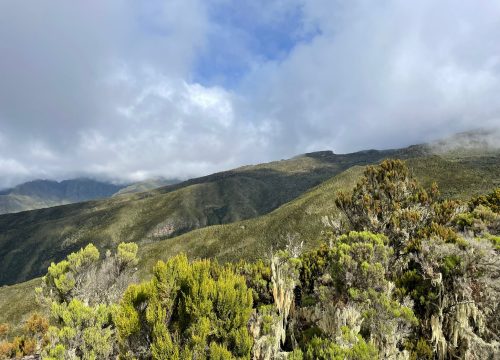
Unlike the busy southern routes, Rongai allows trekkers to enjoy a more peaceful journey during the early days of the climb. The landscape changes as you move from forest and heathland to the rocky alpine desert surrounding Kibo and Mawenzi peaks.
For travelers who prefer a less crowded trekking experience, the Rongai Route is an excellent option to consider.
At Ron Adventure, we help travelers plan their Mount Kilimanjaro trekking experience in Tanzania with suitable itineraries, professional mountain support and preparation advice.
Whether you are planning your first Kilimanjaro climb or looking for a quieter route to Uhuru Peak, this guide explains everything you need to know about the Rongai Route, including its itinerary, difficulty, camps, distance, acclimatization and the best time to climb.
Ready to Climb Mount Kilimanjaro?
Discover the quieter northern side of Kilimanjaro
with our Rongai Route trekking experience.
Choose your preferred dates and let Ron Adventure
help you plan your journey to Uhuru Peak.
Plan Your Rongai Trek
What Is the Rongai Route on Mount Kilimanjaro?
The Rongai Route is a trekking trail that approaches Mount Kilimanjaro from the northeastern side of Tanzania, near the border with Kenya.
It is the only major Kilimanjaro route that begins from the northern side of the mountain. The starting point is near the village of Nale Muru, and the trek generally finishes at Marangu Gate after reaching Uhuru Peak.
One of the most attractive features of this route is its peaceful atmosphere. During the first days, trekkers may encounter fewer climbers than on routes such as Machame or Marangu.
The Rongai Route is also known for its relatively gradual ascent. However, reaching the summit is still physically demanding because of the high altitude, cold temperatures and long summit-night hike.
The route is suitable for travelers who want to experience Kilimanjaro’s wilderness while following a carefully planned trekking schedule.
Rongai Route Quick Facts
- Mountain: Mount Kilimanjaro
- Summit: Uhuru Peak – 5,895 metres
- Route approach: Northern side of Kilimanjaro
- Starting point: Rongai Gate / Nale Muru area
- Ending point: Marangu Gate
- Recommended duration: 7 days on the mountain
- Trekking distance: Approximately 70–80 km, depending on itinerary
- Difficulty: Moderate to challenging
- Accommodation: Mountain camping tents
- Technical climbing: Not normally required
- Main highlights: Quiet trails, northern wilderness, Mawenzi views and gradual ascent
- Summit night: Usually begins around midnight
- Operator: Ron Adventure, Arusha, Tanzania
The exact route distance and daily hiking times can vary depending on the itinerary and campsite arrangements.
Why Choose the Rongai Route to Climb Kilimanjaro?
Choosing the right Kilimanjaro route can make a significant difference to your trekking experience. Rongai has several advantages for travelers who value quieter trails and a gradual approach.
1. A Less Crowded Kilimanjaro Route
One of the main reasons trekkers choose Rongai is the opportunity to enjoy a quieter mountain experience.
The northern approach receives fewer trekkers than some of the popular southern routes. This allows you to spend more time enjoying the surrounding landscape without feeling surrounded by large groups.
If you appreciate peaceful hiking and remote wilderness, Rongai may be the right route for your adventure.
2. A Gradual Ascent
The Rongai Route follows a relatively steady climbing profile during its early stages.
This can make the trekking pace feel more manageable, particularly for travelers who prefer a gradual introduction to high-altitude hiking.
However, a gradual ascent does not eliminate the risk of altitude sickness. The body still needs time to adjust to the decreasing oxygen levels as you climb higher.
For this reason, Ron Adventure recommends allowing sufficient time for acclimatization.
3. A Drier Northern Approach
The northern slopes of Kilimanjaro generally receive less rainfall than some of the southern slopes.
This can make Rongai an appealing route during periods when rain is more likely elsewhere on the mountain.
Weather conditions can still change quickly, and rain, wind and cold temperatures are possible at any time.
4. Beautiful Views of Mawenzi and Kibo
The Rongai Route provides impressive views of Kilimanjaro’s two main volcanic peaks.
Mawenzi, with its rugged and jagged appearance, creates a dramatic backdrop as trekkers approach Mawenzi Tarn.
Kibo, the highest volcanic cone, becomes increasingly prominent as you move towards the summit.
The landscape is different from the lush rainforest and dramatic valleys found on the Machame and Lemosho routes, but the northern side has its own distinctive beauty.
5. A Chance to Experience Mountain Wildlife
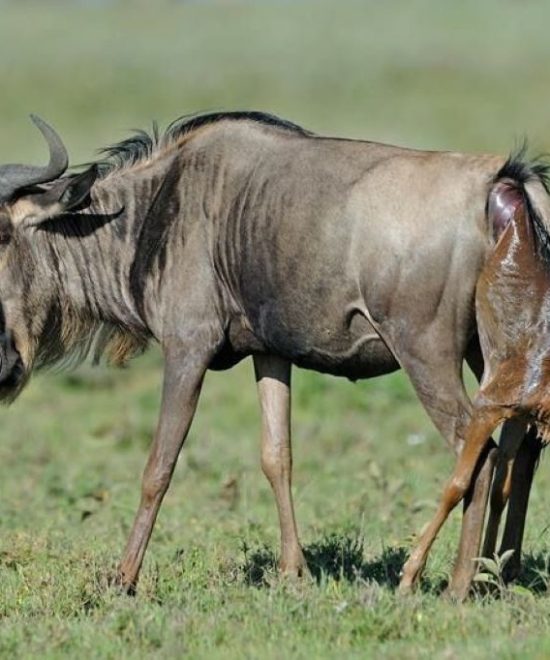
During the early stages of the Rongai Route, trekkers pass through forested areas where wildlife may occasionally be seen.
Colobus monkeys and other forest species may be encountered, although sightings are never guaranteed.
The mountain’s changing vegetation zones also make the trek interesting for nature lovers.
Rongai Route 7-Day Itinerary
The 7-day Rongai Route itinerary is a popular choice because it allows additional time for acclimatization compared with a shorter climb.
The itinerary below is a general overview. Actual campsite arrangements and hiking durations may vary according to mountain conditions and the operator’s plan.
Day 1: Rongai Gate to Simba Camp
Your Kilimanjaro adventure begins with a transfer from Arusha or Moshi to the Rongai Gate area.
After completing the park registration procedures, you meet your mountain crew and begin hiking through the forest.
The trail gradually climbs towards Simba Camp. As you move higher, the forest becomes less dense and the vegetation begins to change.
The northern landscape offers views across the surrounding plains, including the Kenyan side of the mountain.
- Hiking time: Approximately 4–5 hours
- Overnight: Simba Camp
- Approximate altitude: 2,625 metres
Day 2: Simba Camp to Second Cave Camp
fter breakfast, you continue the ascent towards Second Cave Camp.
The trail passes through open heathland with views of Kibo and the surrounding mountain landscape.
The walking pace remains steady, allowing you to enjoy the scenery and gradually gain altitude.
After arriving at camp, you have time to relax, enjoy lunch and prepare for the following day’s trek.
- Hiking time: Approximately 3–4 hours
- Overnight: Second Cave Camp
- Approximate altitude: 3,450 metres
Day 3: Second Cave Camp to Third Cave Camp
Today is a relatively shorter trekking day.
The trail continues across the heathland towards Third Cave Camp, with views of Mawenzi becoming increasingly impressive.
The additional time at camp provides an opportunity to rest and continue acclimatizing.
Your guide will advise you on the appropriate pace, hydration and activity level.
- Hiking time: Approximately 3–4 hours
- Overnight: Third Cave Camp
- Approximate altitude: 3,800 metres
Day 4: Third Cave Camp to Mawenzi Tarn Camp
The trek continues towards Mawenzi Tarn, one of the most scenic campsites along the Rongai Route.
The landscape becomes more rugged, with rocky slopes and high-altitude vegetation.
Mawenzi’s dramatic peaks dominate the surroundings, creating a memorable setting for an overnight stay.
This day also brings you to a higher altitude, so maintaining a slow walking pace is important.
- Hiking time: Approximately 4–5 hours
- Overnight: Mawenzi Tarn Camp
- Approximate altitude: 4,330 metres
Day 5: Mawenzi Tarn Camp to Kibo Hut
Today, you cross the Saddle, the broad high-altitude area between Mawenzi and Kibo.
The landscape becomes increasingly dry and rocky, resembling an alpine desert.
As you approach Kibo Hut, you will begin preparing for the summit attempt.
After dinner, your guide will brief you about the summit-night schedule, clothing, equipment and walking pace.
An early rest is essential because the summit attempt usually begins around midnight.
- Hiking time: Approximately 5–7 hours
- Overnight: Kibo Hut
- Approximate altitude: 4,700 metres
Day 6: Kibo Hut to Uhuru Peak and Horombo Hut
This is the most challenging day of the Rongai Route.
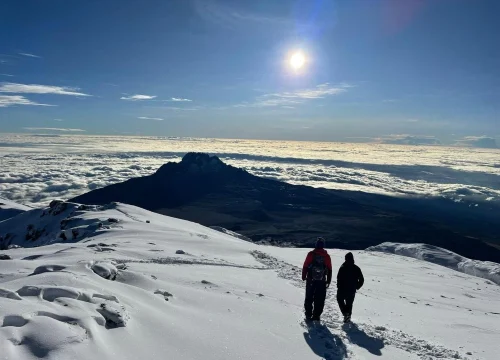
The summit attempt usually starts around midnight. You begin hiking through the darkness, following your mountain guide across the steep and rocky trail towards Gilman’s Point.
The climb is physically demanding because of the altitude, cold temperatures and reduced oxygen levels.
After reaching Gilman’s Point on the crater rim, successful trekkers continue towards Uhuru Peak.
At 5,895 metres, Uhuru Peak is the highest point in Africa.
Reaching the summit is a special moment. You can enjoy the views, take photographs and celebrate the achievement before beginning the descent.
After descending to Kibo Hut for a short rest, the trek continues towards Horombo Hut.
- Summit hiking time: Several hours, depending on conditions and pace
- Overnight: Horombo Hut
- Summit altitude: 5,895 metres
Day 7: Horombo Hut to Marangu Gate
After breakfast, you begin the final descent through the mountain’s moorland and rainforest zones.
The trail becomes greener as you lose altitude, and the air gradually becomes warmer.
Upon reaching Marangu Gate, you complete the park exit procedures and meet your transfer vehicle.
From here, you can return to Arusha or Moshi, continue to Kilimanjaro International Airport, or begin a Tanzania safari.
- Hiking time: Approximately 5–7 hours
- Finish point: Marangu Gate
- Transfer: Arusha or Moshi
The itinerary above describes a typical 7-day Rongai Route climb. Hiking times are estimates and can change with weather, altitude, group pace and trail conditions.
Explore the Rongai Route with Ron Adventure
Looking for a 7-day Kilimanjaro trekking package?
Get a personalized itinerary, trekking dates and
a quotation from our local Tanzania team.
Request a Kilimanjaro Quote
How Difficult Is the Rongai Route?
The Rongai Route is often considered one of the more gradual approaches to Mount Kilimanjaro. However, it should not be described as an easy climb.
The main challenge is the altitude.
At 5,895 metres, Uhuru Peak is high enough for climbers to experience symptoms of altitude sickness, regardless of their physical fitness.
The summit night is particularly demanding. Trekkers must walk for several hours in cold conditions, often starting around midnight.
The route is suitable for reasonably fit travelers who prepare well and understand the demands of high-altitude trekking.
Is Rongai Suitable for Beginners?
Yes, the Rongai Route can be suitable for first-time Kilimanjaro trekkers.
You do not need previous technical mountaineering experience. However, you should be comfortable walking for several hours on uneven terrain and preparing for a demanding summit day.
Before your climb, it is advisable to:
- Train with regular walking and hiking.
- Include uphill walking in your preparation.
- Practice carrying a daypack.
- Wear comfortable and well-tested hiking boots.
- Follow a gradual acclimatization schedule.
- Listen to your mountain guide’s safety instructions.
Fitness preparation improves your ability to handle the physical demands, but it cannot guarantee that you will reach the summit.
Rongai Route Acclimatization and Summit Success Rate
Acclimatization is one of the most important factors when climbing Mount Kilimanjaro.
As you ascend, the oxygen available to your body decreases. Your body needs time to adapt to the higher altitude.
The Rongai Route offers a relatively gradual approach, but the itinerary should still provide adequate acclimatization time.
A 7-day Rongai Route climb is generally preferable to a shorter 6-day itinerary because it allows more time on the mountain.
There is no single official summit success rate that applies to every operator. Summit outcomes depend on several factors, including:
- Number of days on the mountain
- Acclimatization schedule
- Weather conditions
- Individual health and fitness
- Guide decisions and safety management
- Group pace
At Ron Adventure, we prioritize a carefully planned itinerary and responsible mountain guiding rather than promising a guaranteed summit.
Your guide will monitor your condition during the climb. If you develop symptoms of altitude sickness, follow the guide’s instructions immediately. Descending may be necessary.
Rongai Route Camps and Accommodation
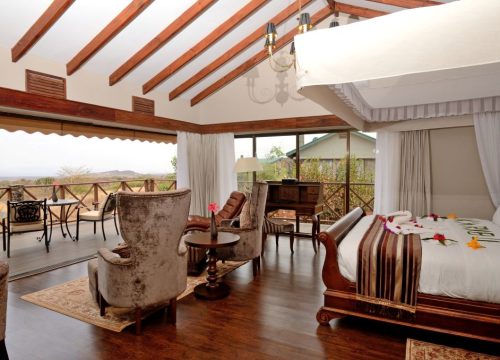
The Rongai Route uses designated mountain campsites, where trekkers sleep in camping tents.
Unlike the Marangu Route, which uses permanent mountain huts, Rongai offers a camping-based experience.
The main camps along a typical 7-day itinerary include:
- Simba Camp
- Second Cave Camp
- Third Cave Camp
- Mawenzi Tarn Camp
- Kibo Hut
- Horombo Hut
The exact overnight arrangement depends on the itinerary selected.
During the trek, your mountain crew helps organize the camp, meals and other support services.
Camping allows you to experience Kilimanjaro’s remote mountain environment while resting at designated locations along the trail.
Best Time to Climb the Rongai Route
Mount Kilimanjaro can be climbed throughout the year, but weather conditions vary considerably.
The generally preferred climbing periods are the drier months, when the weather is often more stable.
January to March
These months can offer good trekking conditions, particularly during periods of clear weather.
The mountain may experience cold temperatures and occasional rain, so proper equipment is essential.
June to October
This is one of the most popular periods for climbing Kilimanjaro.
The weather is generally drier, and many travelers choose these months for trekking.
July, August and September are especially popular, so advance booking is advisable.
November to December
November can experience short rains, while December may offer a mixture of wet and dry conditions.
Rongai’s northern approach may be worth considering during these periods because it is generally drier than some southern slopes.
However, mountain weather is unpredictable.
April and May
These months are associated with the long rainy season in northern Tanzania.
Rongai can be an alternative to some wetter routes because the northern side often receives less rainfall.
Nevertheless, rain, muddy trails, cold temperatures and cloud cover are still possible.
For the best trekking experience, discuss your travel dates with Ron Adventure before confirming your climb.
Rongai Route vs Machame Route
Travelers often compare the Rongai Route with the Machame Route when planning a Kilimanjaro climb.
Both routes can lead to Uhuru Peak, but they offer different experiences.
Rongai Route
- Approaches Kilimanjaro from the northern side.
- Generally quieter during the early trekking days.
- Offers a gradual ascent.
- Provides views of Mawenzi and Kibo.
- Uses camping accommodation.
- Descends through the Marangu side.
Machame Route
- Approaches Kilimanjaro from the southern side.
- Known for varied and dramatic scenery.
- Includes the popular Barranco Wall section.
- Uses camping accommodation.
- Often follows a climb-high, sleep-low acclimatization profile.
- Descends through the Mweka Route.
If you prefer a quieter mountain experience, Rongai may be a suitable choice.
If you prefer more varied scenery and a popular trekking route, Machame may be worth considering.
The best route depends on your travel schedule, acclimatization needs, preferences and physical preparation.
What Should You Pack for the Rongai Route?
Packing correctly is important because temperatures change significantly during the climb.
You may experience warm conditions in the lower forest, cool temperatures at the camps and freezing conditions during the summit attempt.
Essential equipment includes:
- Waterproof hiking jacket and trousers
- Warm insulated jacket
- Thermal base layers
- Fleece or mid-layer
- Comfortable hiking trousers
- Hiking boots
- Warm socks
- Gloves and a warm hat
- Sun hat and sunglasses
- Headlamp with spare batteries
- Sleeping bag suitable for cold mountain temperatures
- Daypack
- Water bottles or hydration system
- Sunscreen and lip balm
- Personal medication and basic first-aid supplies
A complete packing list should be reviewed before departure.
For more details, read our Kilimanjaro Packing List.
Can You Combine the Rongai Route with a Tanzania Safari?
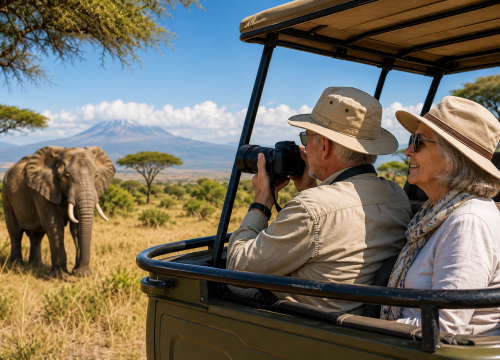
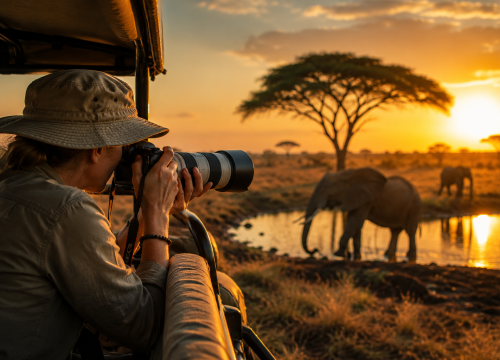
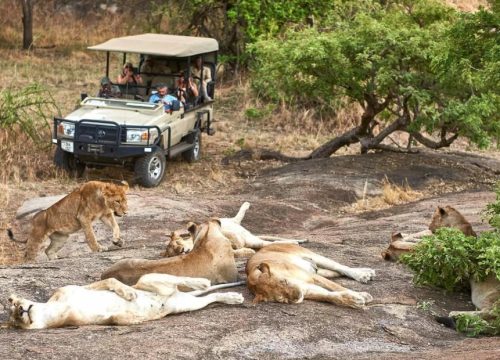
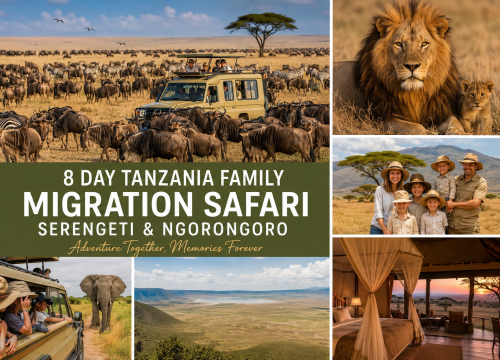
Yes. Many travelers combine a Kilimanjaro climb with a Tanzania wildlife safari.
After completing your trek, you can explore some of the country’s most famous national parks.
Popular safari destinations include:
Serengeti National Park
Serengeti is famous for its wildlife, open plains and the Great Wildebeest Migration.
Ngorongoro Crater
Ngorongoro offers excellent wildlife viewing within a spectacular volcanic caldera.
Tarangire National Park
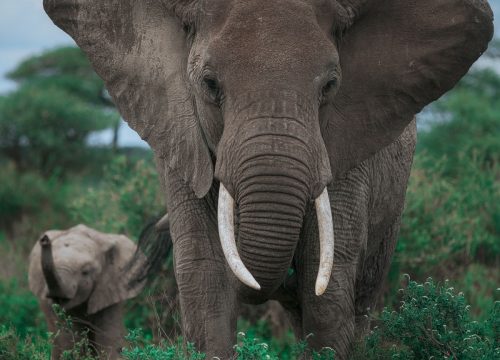
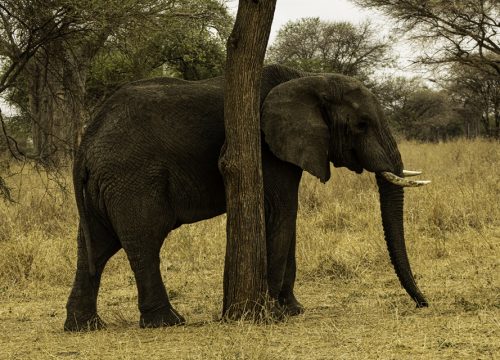
Tarangire is known for its elephant herds, baobab trees and diverse wildlife.
You may also choose to continue to Zanzibar for a relaxing beach holiday after your mountain adventure.
Ron Adventure can help arrange a personalized itinerary combining Kilimanjaro trekking, wildlife safaris and Zanzibar holidays.
Why Climb Kilimanjaro with Ron Adventure?
Planning a Kilimanjaro climb involves more than choosing a route.
You need to consider your trekking dates, accommodation, equipment, airport transfers, acclimatization and mountain support.
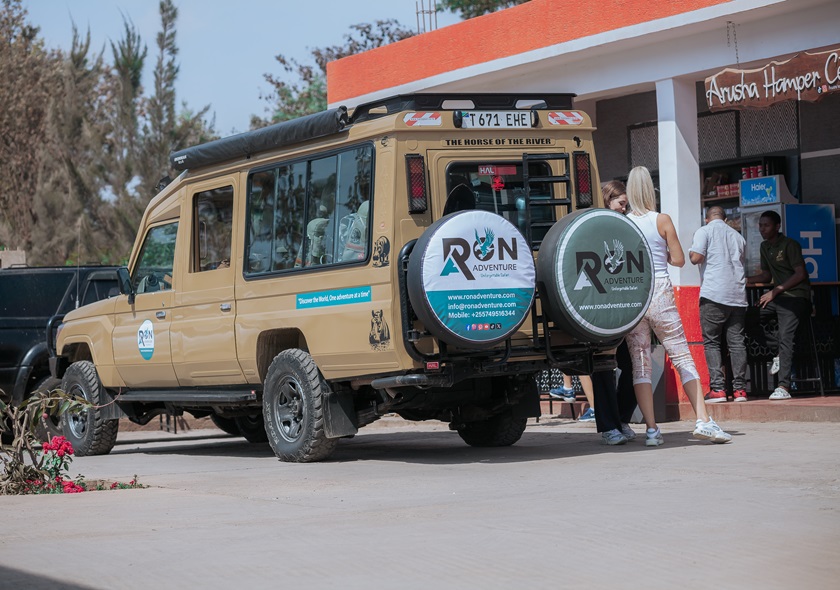
Ron Adventure is a Tanzania-based tour company in Arusha offering guided Mount Kilimanjaro trekking experiences.
Our team helps travelers compare different routes and select itineraries that suit their preferences and schedules.
We focus on:
- Personalized trekking itineraries
- Professional mountain guiding and support
- Route selection advice
- Pre-climb preparation guidance
- Airport transfers and accommodation arrangements
- Safari and Zanzibar holiday combinations
Our goal is to help you prepare for a rewarding and responsibly organized Kilimanjaro adventure.
Frequently Asked Questions About the Rongai Route
How many days does the Rongai Route take? The Rongai Route is commonly completed in 6 or 7 days on the mountain. A 7-day itinerary is generally recommended because it allows more time for acclimatization.
Is the Rongai Route the easiest Kilimanjaro route? Rongai is often considered one of the more gradual routes. However, reaching the summit is still challenging because of altitude, cold temperatures and the demanding summit night.
What is the distance of the Rongai Route? The trekking distance is approximately 70–80 kilometres, depending on the itinerary and campsite arrangements.
Does the Rongai Route have huts or tents? The Rongai Route uses camping accommodation along the trail. Some itineraries include an overnight stay at Kibo Hut, but most nights are spent in mountain tents.
Is the Rongai Route less crowded? Generally, yes. The northern approach is quieter during the early stages than several popular southern routes. The trail becomes busier near Kibo as it joins the Marangu approach for the summit.
Can beginners climb the Rongai Route? Yes. Beginners can consider Rongai if they prepare physically, allow sufficient acclimatization time and follow the guidance of their mountain team.
When is the best time to climb the Rongai Route? June to October is a popular period for climbing. January to March can also offer suitable conditions. Weather varies, so the best month depends on your preferences and travel dates.
Does Ron Adventure organize Rongai Route climbs? Yes. Ron Adventure organizes guided Kilimanjaro trekking experiences in Tanzania. Contact our team for available dates, itinerary options and a personalized quotation.
Conclusion: Is the Rongai Route Right for Your Kilimanjaro Adventure?
The Rongai Route is a wonderful option for travelers looking for a quieter and more gradual approach to Mount Kilimanjaro.
Its northern wilderness, peaceful early trekking days, impressive views of Mawenzi and Kibo, and camping experience make it a distinctive way to climb Africa’s highest mountain.
Although the route may feel gradual, the summit remains a serious high-altitude challenge. Choosing a suitable itinerary, preparing physically and allowing enough time for acclimatization are essential.
If you are planning to climb Mount Kilimanjaro, Ron Adventure can help you compare Rongai with other routes and create an itinerary that matches your travel dates and trekking goals.
Your journey to Uhuru Peak begins with the right preparation.
Plan Your Rongai Route Kilimanjaro Trek with Ron Adventure
Are you ready to experience Mount Kilimanjaro from its quieter northern side?
Contact Ron Adventure in Arusha, Tanzania, to discuss your preferred trekking dates, the number of days available and your budget.
Our team will help you plan your Rongai Route adventure and prepare for your journey to the Roof of Africa.
Start planning your Kilimanjaro adventure today.
Your Kilimanjaro Adventure Starts Here
Climb Mount Kilimanjaro with Ron Adventure.
Let us help you choose the right route and plan
your Tanzania trekking adventure.
Contact Ron Adventure