Introduction
Ruaha National Park is widely regarded as one of Tanzania’s most remarkable yet less-visited safari destinations. Situated within the country’s southern safari circuit, the park gives travelers the chance to explore a truly wild and unspoiled environment far from the crowds commonly found in the northern parks. Its striking scenery, varied habitats, and strong concentrations of wildlife make it an excellent choice for visitors looking for a quiet and genuine safari experience.
This guide presents essential information to help you plan your visit to Ruaha National Park, including the most suitable travel seasons, key wildlife species to expect, popular safari activities, accommodation choices, and practical tips to support a smooth and enjoyable journey
Overview of Ruaha National Park
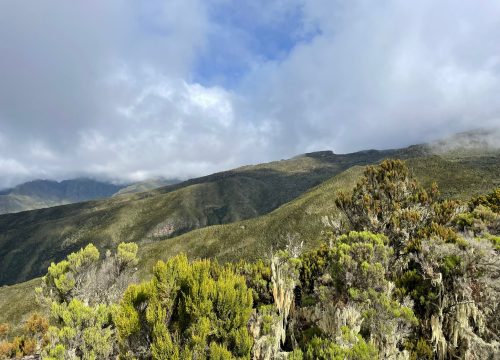
Ruaha National Park is the largest national park in Tanzania and covers a vast area characterized by open savannah, rocky hills, baobab forests, seasonal rivers, and wetlands. The Great Ruaha River flows through the park and acts as the main source of water for wildlife, especially during the dry season.
Because of its remote location, Ruaha receives fewer visitors compared to northern parks, making it perfect for travelers who prefer quiet game drives and exclusive wildlife viewing experiences.
Location of Ruaha National Park
Ruaha National Park is positioned in southern Tanzania, roughly 130 kilometers west of Iringa town. The park is part of a vast conservation landscape that connects with nearby protected areas, forming one of the most significant wildlife ecosystems in East Africa. This large natural region supports diverse habitats and provides an important refuge for many species of mammals, birds, and predators.
The park can be reached either by domestic flights or by road. Regular light-aircraft flights operate from key cities such as Arusha, Dar es Salaam, and Zanzibar to nearby airstrips serving the park. Visitors also have the option to travel by road through Iringa town, followed by a drive into the park. Although the road journey takes more time, it offers travelers the chance to experience the scenic countryside and rural atmosphere of southern Tanzania before arriving in this remote safari destination.
Why Visit Ruaha National Park
Ruaha National Park offers a distinctive safari atmosphere compared to the busier parks of northern Tanzania. Its remote setting, wide-open wilderness, and relatively low visitor numbers make it especially appealing to travelers seeking a quieter and more authentic wildlife experience. The park is ideal for those who prefer exploring untouched natural environments while still enjoying excellent opportunities to observe large mammals and predators in their natural habitats.
Several factors make Ruaha a rewarding destination for safari visitors:
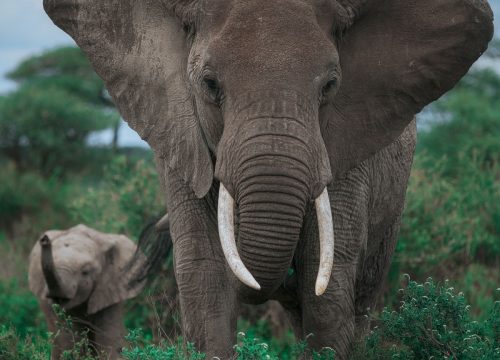
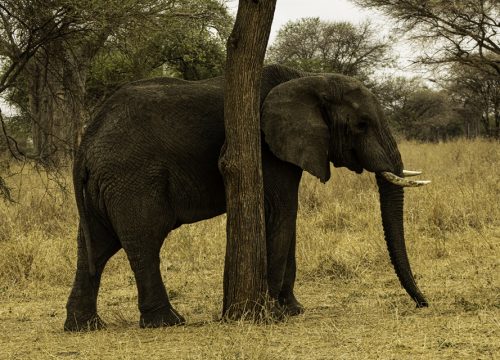
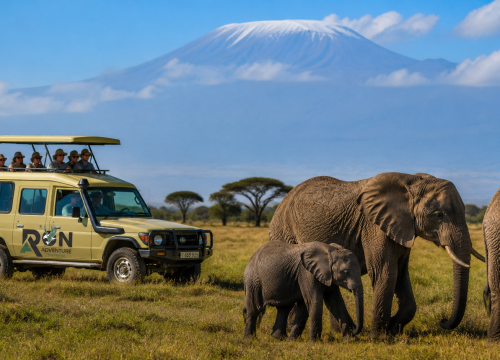
- The park supports one of the largest elephant populations in East Africa, and sightings of large herds are common throughout the year.
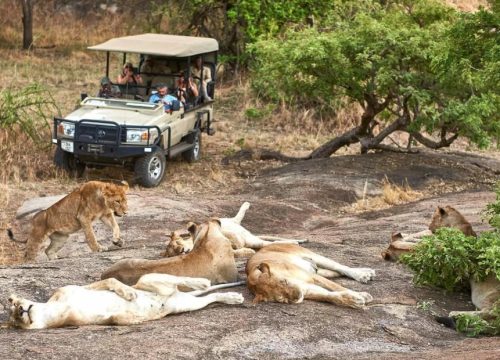
- Predator viewing is particularly strong, with frequent encounters involving lions, leopards, and sometimes endangered African wild dogs.
- Game drives are less crowded compared to parks in the northern safari circuit, allowing for more relaxed and uninterrupted wildlife viewing.
- The scenery is striking and varied, featuring rolling hills, seasonal rivers, open savannah, and dramatic landscapes dotted with ancient baobab trees.
- Birdwatchers benefit from exceptional diversity, with hundreds of recorded bird species found across different habitats within the park.
- Ruaha is especially well known for its thriving elephant population, which represents one of the most important concentrations in the region. Combined with its strong predator presence and peaceful wilderness setting, the park provides one of Tanzania’s most rewarding safari experiences for travelers looking beyond the traditional northern routes.
Wildlife in Ruaha National Park
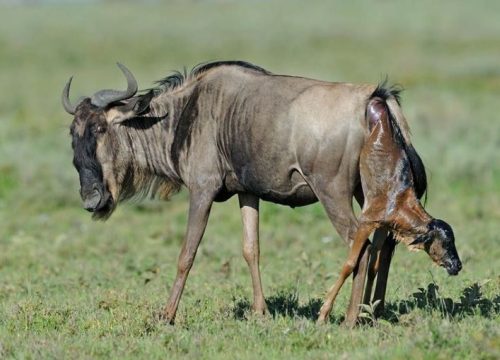
Ruaha National Park supports an impressive diversity of wildlife species. The combination of river systems, woodlands, and open plains creates ideal habitats for many animals.
Visitors commonly see:
- Elephants
- Lions
- Leopards
- Cheetahs
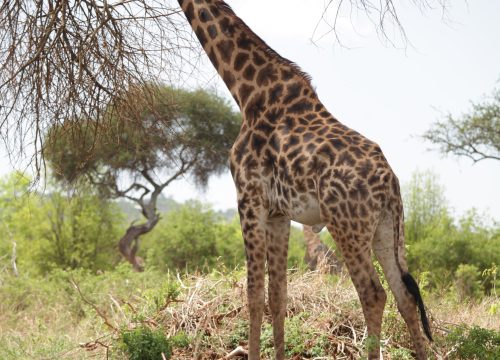
- Giraffes
- Zebras
- Greater kudu
- Buffaloes
- Wild dogs (occasionally)
Ruaha is also one of the best places in Tanzania to see both greater and lesser kudu, species that are rarely observed in northern parks.
Bird lovers can enjoy sightings of more than 570 recorded bird species, making the park an outstanding destination for birdwatching safaris.
Best Time to Visit Ruaha National Park
The ideal time to explore Ruaha National Park depends on the type of safari experience you are seeking.
Dry Season (June to October): This period is the most favored for wildlife safaris. As water sources shrink, animals concentrate around the Great Ruaha River, making wildlife spotting easier. The shorter grass and active wildlife around riverbanks create excellent game viewing opportunities.
Green Season (November to May): Following the seasonal rains, the park transforms into a lush, vibrant landscape. This is the best time for birdwatching, photography, and enjoying the park’s scenic beauty. Visitor numbers are lower during this season, allowing a more tranquil experience. However, some routes may become difficult to access after heavy rainfall, particularly in March and April.
Visiting Ruaha at different times of the year offers distinct experiences, whether you prefer abundant wildlife sightings in the dry months or the rich scenery and birdlife of the green season.
Top Things to Do in Ruaha National Park
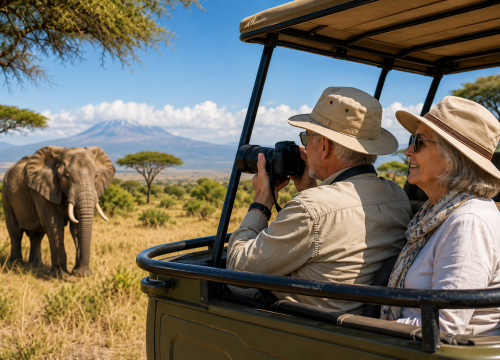
Game Drives Game drives are the main safari activity in Ruaha National Park. Visitors explore different habitats while searching for wildlife along riverbanks, plains, and woodland areas.
Walking Safaris Guided walking safaris allow visitors to explore the park on foot with experienced rangers. This activity provides a closer understanding of animal tracks, plants, and smaller species often missed during vehicle safaris.
Birdwatching. With hundreds of recorded bird species, Ruaha is one of Tanzania’s most rewarding destinations for bird enthusiasts.
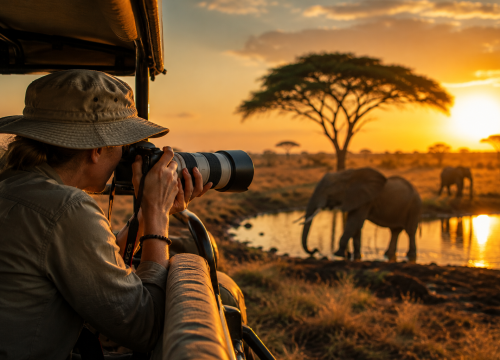
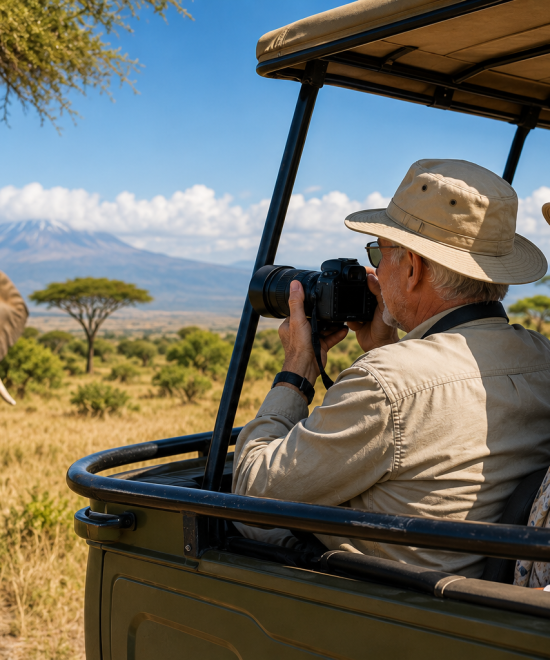
Photography Safaris Ruaha offers excellent photography opportunities thanks to its dramatic scenery, golden light, and uncrowded wildlife sightings.
How to Get to Ruaha National Park
Travelers can reach Ruaha National Park by air or road.
By air, scheduled domestic flights operate from Arusha, Dar es Salaam, and Zanzibar to airstrips near the park.
By Road, visitors can drive from Iringa town to the park entrance. The journey provides scenic views of rural Tanzania and the surrounding landscapes.
Accommodation Options in Ruaha National Park
Ruaha National Park offers accommodation choices suitable for different travel styles and budgets.
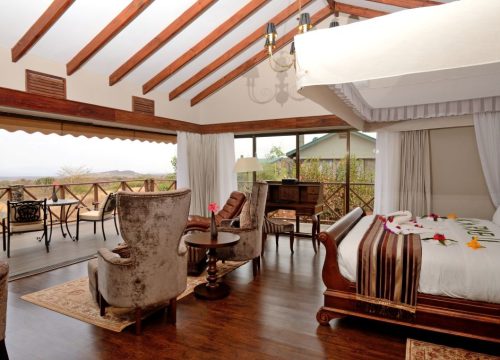
Luxury Lodges Luxury safari lodges provide high levels of comfort, private locations, and excellent service while maintaining close access to wildlife areas.
Midrange Camps Midrange camps offer comfortable safari experiences with good facilities at more affordable rates.
Budget Campsites Public and private campsites are available for travelers seeking adventure and closer contact with nature.
Safari Travel Tips for Visitors
Planning ahead helps ensure a smooth safari experience in Ruaha National Park.
Helpful travel tips include:
- Book flights and accommodation early during peak season
- Carry lightweight clothing suitable for warm daytime temperatures
- Bring binoculars for wildlife viewing
- Travel with an experienced guide for better sightings
- Pack insect repellent and sunscreen
Sample Safari Itinerary for Ruaha National Park
A safari to Ruaha National Park can be easily combined with other destinations in Tanzania’s southern circuit, such as Nyerere National Park or Mikumi National Park, offering a broader wildlife experience.
Here is an example of a short 3-day itinerary for Ruaha:
- Day 1: Arrival by flight to Ruaha, followed by an afternoon game drive to get your first glimpse of the park’s wildlife and landscapes.
- Day 2: Full-day game drive with a picnic lunch, exploring different habitats and increasing your chances of spotting elephants, lions, leopards, and other wildlife.
- Day 3: Morning walking safari led by an experienced guide to observe wildlife up close, followed by departure from the park.
This itinerary is flexible and can be extended to suit your preferences, allowing more time for additional game drives, photography, or visits to nearby parks. Travelers interested in a deeper wildlife experience may also include river safaris, cultural visits to local villages, or extended stays during the dry season to maximize wildlife sightings.
Why Choose Ruaha for Your Tanzania Safari
Ruaha National Park is perfect for travelers looking for a quieter alternative to the northern safari circuit. The park offers exceptional wildlife viewing, scenic landscapes, and authentic wilderness experiences.
Because visitor numbers remain relatively low, guests often enjoy private sightings and uninterrupted game drives, making the safari feel more personal and immersive.
Conclusion
Ruaha National Park is one of Tanzania’s most rewarding safari destinations for travelers seeking adventure, wildlife diversity, and natural beauty. Whether visiting during the dry season for predator sightings or the green season for birdwatching and photography, the park provides unforgettable safari experiences in a peaceful and remote setting. Careful planning and choosing the right season will help visitors make the most of their journey to this remarkable wilderness area in southern Tanzania.