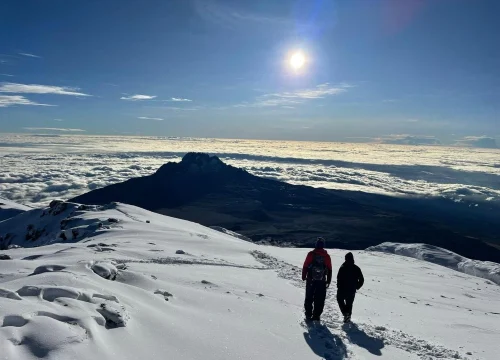
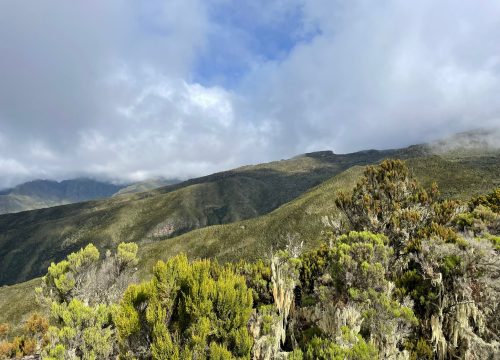
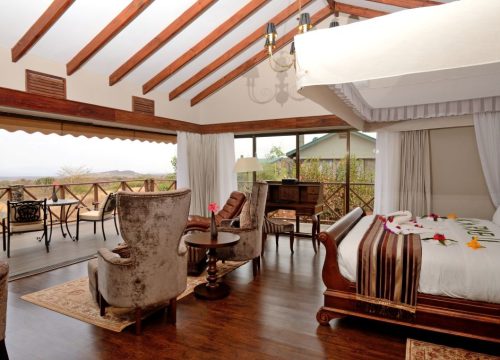
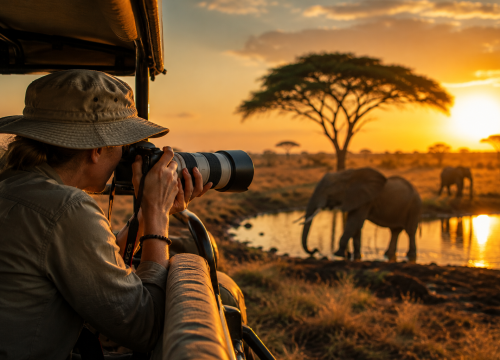
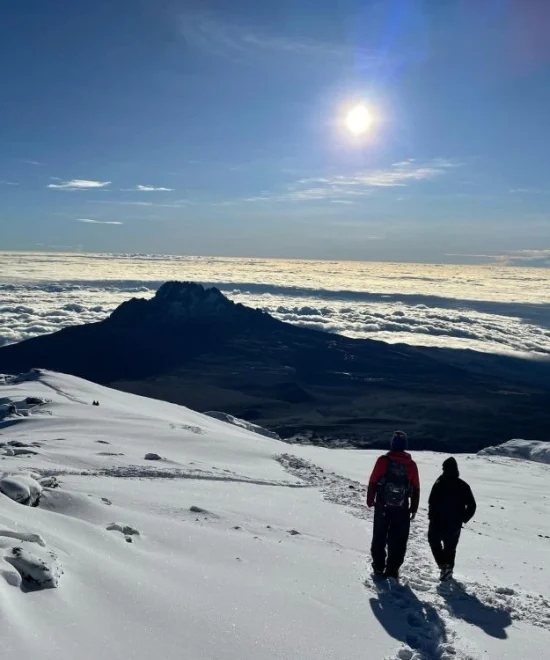
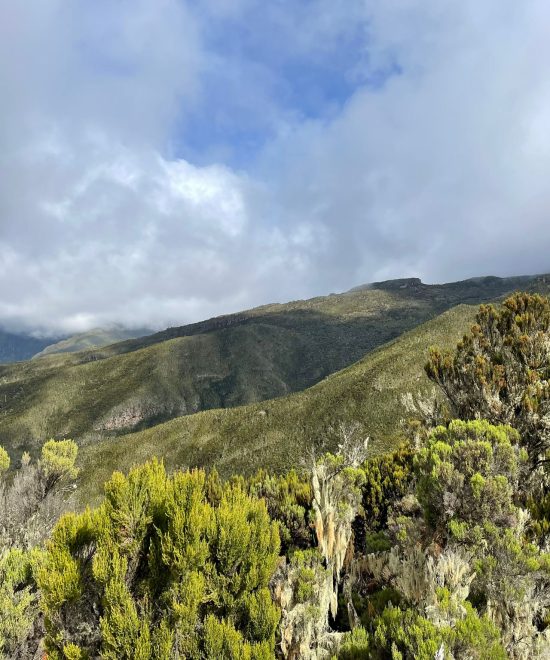
Ol Doinyo Lengai is one of Tanzania’s most remarkable adventure destinations. Located near Lake Natron in the Great Rift Valley, this active volcano offers a challenging climb, dramatic landscapes and unforgettable sunrise views.
Known as the “Mountain of God” in the Maasai language, Ol Doinyo Lengai is famous for its unusual volcanic activity and its cultural importance to the local Maasai community.
Unlike a traditional wildlife safari, climbing this mountain requires physical preparation, an early start and guidance from experienced local professionals.
In this guide, you will discover where Ol Doinyo Lengai is located, how difficult the climb can be, the best time to visit and how to combine your adventure with a Lake Natron safari in Tanzania.
Table of Contents
Table of Contents
- Where Is Ol Doinyo Lengai?
- What Makes Ol Doinyo Lengai Unique?
- How Difficult Is the Climb?
- What to Expect During the Climb
- Best Time to Climb Ol Doinyo Lengai
- What to Pack for the Trek
- Safety Tips for Climbers
- Things to Do Around Lake Natron
- Can You Combine the Climb with a Tanzania Safari?
- Frequently Asked Questions
Where Is Ol Doinyo Lengai?
Ol Doinyo Lengai is located in northern Tanzania, south of Lake Natron, within the East African Rift Valley. The mountain rises to approximately 2,962 metres above sea level.
The surrounding landscape features volcanic formations, open plains, steep escarpments and traditional Maasai settlements.
Reaching the area is an adventure in itself. The journey from Arusha takes several hours by road, depending on the route, weather and road conditions.
Along the way, visitors can enjoy views of the Great Rift Valley and explore remote landscapes that are different from Tanzania’s famous wildlife parks.
Lake Natron lies close to the volcano and is known for its mineral-rich waters and important breeding habitat for lesser flamingos.
For travellers looking for an experience beyond the usual safari circuit, this region offers an excellent combination of adventure, nature and culture.
What Makes Ol Doinyo Lengai Unique?
Ol Doinyo Lengai is widely recognised as the world’s only active volcano known to erupt natrocarbonatite lava.
This unusual lava has a different chemical composition from the lava produced by most other volcanoes. It can appear dark when molten and turn pale as it cools and reacts with moisture.
The volcano is part of the geologically active Great Rift Valley, where the Earth’s crust is gradually pulling apart.
However, its importance extends beyond geology.
The Maasai people regard Ol Doinyo Lengai as a sacred mountain. Its name, commonly translated as “Mountain of God,” reflects its place in local spiritual traditions.
From the surrounding region, visitors can admire the dramatic contrast between the volcanic slopes, the dry plains and the distant waters of Lake Natron.
Important: Ol Doinyo Lengai is an active volcano. Its conditions can change, and access to the summit may be restricted when climbing is considered unsafe.
How Difficult Is the Ol Doinyo Lengai Climb?
Climbing Ol Doinyo Lengai is physically demanding. Although it does not normally require technical mountaineering equipment on the standard route, the steep slopes make it more challenging than an ordinary hiking trail.
The route includes loose volcanic ash, unstable rocks and sections where climbers may need to use their hands for balance.
Most ascents begin at night to reduce exposure to the intense daytime heat around Lake Natron.
Depending on fitness, pace and conditions, reaching the summit area may take approximately five to eight hours. The descent can take another three to five hours, although times vary.
A successful climb requires more than enthusiasm. You should be comfortable walking uphill for several hours and descending steep, loose terrain.
Who Should Consider This Climb?
Ol Doinyo Lengai may suit travellers who:
- Enjoy challenging outdoor adventures.
- Have good physical fitness and hiking experience.
- Can manage steep and uneven terrain.
- Are comfortable walking for many hours with limited sleep.
- Are prepared to follow a guide’s safety instructions.
The climb may not be suitable for everyone. If you have limited hiking experience or concerns about your physical ability, discuss these with your tour operator before booking.
What to Expect During the Climb
The experience usually begins with an overnight stay near Lake Natron. Climbers rest before meeting their local mountain guide for the night ascent.
Before Midnight: Prepare for the Ascent
Your guide will explain the route, expected conditions and safety requirements.
Check your headlamp, footwear, water and warm clothing before setting off. The mountain has no reliable water supply along the route, so you must carry sufficient drinking water.
During the Night: Climb Towards the Summit
The trail rises steeply through volcanic terrain. Your headlamp illuminates the path as you follow your guide up the mountain.
Take a steady pace and rest when needed. Rushing early in the climb can leave you exhausted before reaching the higher slopes.
The ascent can be physically demanding because loose ash makes progress difficult.
At Sunrise: Enjoy the Views
If conditions allow and the summit is accessible, reaching the upper crater area around sunrise can be a highlight of the trip.
The morning light reveals the surrounding Rift Valley, Lake Natron and the expansive landscape below.
Your guide will determine which areas are safe to approach. Do not enter restricted volcanic areas or attempt to approach active vents.
Morning: Descend the Mountain
After spending time at the summit area, you will begin the descent.
Going downhill can be just as challenging as climbing because the loose ground makes it easy to slip. The temperature also rises as the morning progresses.
Follow your guide’s instructions and allow enough time for a controlled descent.
The exact schedule depends on weather, fitness, volcanic activity and the guide’s safety assessment.
Best Time to Climb Ol Doinyo Lengai
The best time to climb Ol Doinyo Lengai generally coincides with the drier periods in northern Tanzania.
June to October: These months are often favourable for trekking because the trails and access roads may be drier. Nights can be cold, particularly near the summit.
January to February: This period can also offer suitable climbing conditions, although temperatures around Lake Natron can be extremely hot.
March to May: The long rains can make access roads and steep volcanic slopes slippery. Conditions should be assessed carefully before travelling.
November to December: Short rains can affect road access and trekking conditions, although the weather varies from year to year.
These are general seasonal patterns, not guarantees. Rain, wind, volcanic activity and local access restrictions can affect any planned climb.
Contact Ron Adventure before your trip to confirm current conditions and the feasibility of your preferred dates.
What to Pack for the Ol Doinyo Lengai Trek
Packing properly helps make the climb safer and more comfortable.
Use this checklist when preparing for your adventure.
- Hiking boots: Wear sturdy boots with good grip that you have already broken in.
- Headlamp: Bring a reliable headlamp with spare batteries.
- Drinking water: Carry sufficient water for the entire ascent and descent, following your guide’s advice.
- Electrolytes and snacks: Bring suitable refreshments to support a long period of physical activity.
- Warm layers: Summit temperatures before sunrise can be cold, especially in windy conditions.
- Sun protection: Pack sunscreen, sunglasses and a hat for the descent.
- Small backpack: Use a comfortable pack to carry your essentials.
- Trekking clothing: Choose practical clothing that allows movement and protects you from dust.
- Personal medication: Carry any necessary medication and tell your guide about relevant concerns before starting.
Avoid carrying unnecessary weight. Your guide or tour operator can advise you on the equipment required for the conditions on your travel dates.
Safety Tips for Climbers
Safety should be your first priority when climbing an active volcano.
Climb with an experienced local guide. A knowledgeable guide can assess the terrain, explain the route and make decisions when conditions change.
Check volcanic conditions before departure. Do not assume the mountain is open simply because a tour has been advertised. The guide may postpone or cancel the ascent if conditions are unsafe.
Prepare physically. Practise walking uphill and downhill before your trip. Good cardiovascular fitness and leg strength can help you manage the steep terrain.
Stay hydrated. The route is exposed, and there is no dependable water source along the mountain. Carry enough water for the planned duration.
Follow instructions. Stay with your guide and do not approach unstable slopes, restricted areas or active volcanic vents.
Know when to turn back. Reaching the summit is never more important than your safety. If the guide advises stopping or descending, follow that advice.
Things to Do Around Lake Natron
You do not need to spend your entire visit climbing the volcano. The Lake Natron region has several attractions that can turn your trip into a memorable multi-day adventure.
Visit Lake Natron
Lake Natron is known for its shallow, alkaline waters and striking landscapes. Its environment provides important breeding habitat for lesser flamingos.
Bird sightings vary according to water levels and seasonal conditions, but the lake remains an important destination for birdwatchers and photographers.
Explore Ngare Sero Waterfalls
A guided walk to the Ngare Sero waterfalls offers a different experience from the exposed volcanic slopes.
The route passes through a gorge and rocky terrain. Conditions can vary, so use a local guide and follow advice about water levels and safe access.
Experience Maasai Culture
The region is home to Maasai communities with longstanding cultural connections to the surrounding landscape.
A respectful cultural visit can provide insight into local traditions and everyday life. Arrange visits through appropriate local guides and ask permission before photographing people.
Enjoy the Great Rift Valley Scenery
The drive around Lake Natron offers opportunities to appreciate volcanic features, escarpments and remote landscapes.
Allow enough time for the journey rather than treating the area simply as a quick stop between major safari destinations.
Can You Combine Ol Doinyo Lengai with a Tanzania Safari?
Yes. Ol Doinyo Lengai can be included in a tailor-made northern Tanzania itinerary, depending on your available time, travel dates and fitness level.
Ron Adventure can help arrange an itinerary combining the volcano and Lake Natron with other destinations.
Possible additions include:
- Ngorongoro Crater: Enjoy a wildlife game drive in one of Tanzania’s best-known safari destinations.
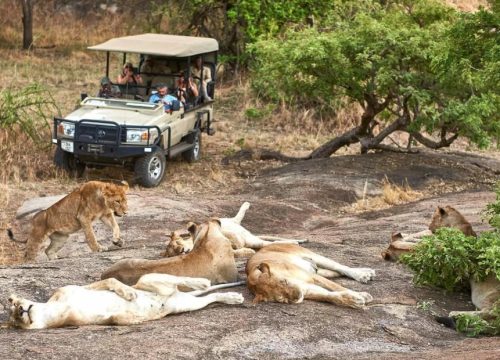
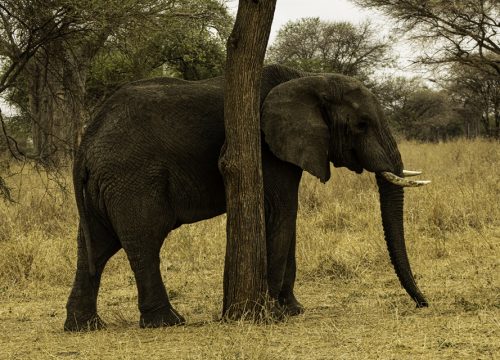
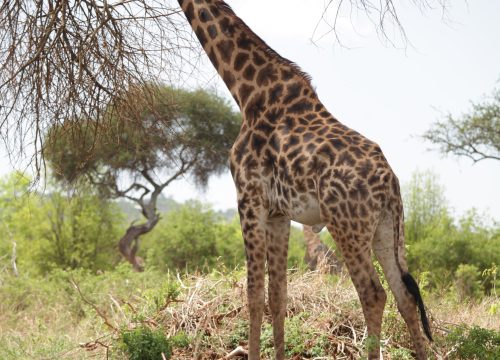
- Serengeti National Park: Explore the open plains and look for lions, elephants, giraffes, zebras and other wildlife.
- Lake Manyara: Discover varied habitats and enjoy birdwatching and wildlife viewing.
- Maasai cultural experiences: Learn about local traditions through respectful, locally arranged visits.
If you want to explore the remote landscapes around the volcano before continuing on safari, consider our 6-Day Lake Natron and Northern Tanzania Adventure.
You can also read our Lake Natron travel guide to learn more about the lake, its landscapes and the surrounding region.
When planning your itinerary, allow time for road transfers and recovery after the climb. A demanding overnight trek followed immediately by a long drive can make the journey tiring.
Contact Ron Adventure to discuss your preferred travel dates, accommodation style and the activities you would like to include.
Ready to plan your Tanzania safari?
Our Arusha-based safari experts will create a free, personalized Tanzania safari itinerary within 3 hours, tailored to your budget, travel style, and interests..
Frequently Asked Questions About Ol Doinyo Lengai
How high is Ol Doinyo Lengai? Ol Doinyo Lengai rises to approximately 2,962 metres above sea level. Its steep slopes make the climb physically demanding despite its lower elevation compared with Mount Kilimanjaro.
How difficult is climbing Ol Doinyo Lengai? The climb is very challenging because of the steep gradient, loose volcanic ash and long hours of walking. Good physical fitness, suitable footwear and guidance from an experienced local guide are important.
How long does the climb take? The ascent often takes around five to eight hours, followed by approximately three to five hours for the descent. Actual times depend on the route, weather, fitness and conditions on the mountain.
Is Ol Doinyo Lengai safe to climb? The climb carries risks because the mountain is active and the terrain is steep. Safety depends on current volcanic conditions, access restrictions, weather and the guide’s assessment. An ascent should not proceed when conditions are unsafe.
When is the best time to climb Ol Doinyo Lengai? June to October and January to February are often considered favourable periods. However, weather and access conditions can change, so confirm the situation before travelling.
Can beginners climb Ol Doinyo Lengai? People without technical climbing experience may be able to attempt the standard route, but it is not an easy beginner hike. You should have good fitness and be comfortable with steep, loose terrain. Discuss your experience with your guide before booking.
Can I visit Lake Natron without climbing the volcano? Yes. You can visit Lake Natron, enjoy the scenery, go birdwatching and arrange guided walks to nearby attractions without attempting the summit climb.
Can I combine Ol Doinyo Lengai with the Serengeti? Yes. A tailor-made itinerary can combine the Lake Natron region with Serengeti National Park and other northern Tanzania destinations. The best route depends on your available days, road conditions and accommodation choices.
How do I arrange an Ol Doinyo Lengai climbing tour? Contact Ron Adventure with your preferred dates, number of travellers and planned activities. We can help you discuss transport, accommodation, local guiding and possible combinations with a Tanzania safari.
Plan Your Ol Doinyo Lengai Adventure with Ron Adventure
Ol Doinyo Lengai offers a different side of Tanzania, combining volcanic landscapes, Maasai cultural heritage and the remarkable scenery of Lake Natron.
The climb is demanding, but careful preparation and responsible local guidance can help you make informed decisions about the experience.
Whether you want to climb the volcano, explore Lake Natron or combine both with a wildlife safari, Ron Adventure can help you plan an itinerary suited to your interests and travel schedule.