Lake Natron is one of the most unusual places to visit in northern Tanzania. The lake’s colourful mineral flats, large flamingo populations and the dramatic Ol Doinyo Lengai volcano create a landscape that feels very different from the Serengeti or Ngorongoro Crater.
For travellers who want to explore beyond the usual safari route, Lake Natron offers something special. You can walk along the lakeshore with a local guide, visit waterfalls, learn about Maasai culture and enjoy views of the Great Rift Valley.
In this guide, we explain what makes Lake Natron unique, the best things to do, when to visit and how to include it in your Tanzania safari.
Where Is Lake Natron in Tanzania?
Lake Natron is in northern Tanzania, close to the Kenya border, at the foot of Ol Doinyo Lengai, an active volcano. It lies within the Great Rift Valley, an area known for its volcanic landscapes, escarpments and remarkable natural features.
The lake is accessible from Arusha, although the journey takes several hours and road conditions can vary. Many travellers visit as part of a northern Tanzania itinerary or arrange a dedicated trip to explore the area.
Lake Natron is more remote than popular safari destinations such as Tarangire National Park and Ngorongoro Crater. That is part of its appeal. The scenery, local communities and quieter surroundings offer a different side of Tanzania.
Why Is Lake Natron Red?
One of the first things visitors notice is the lake’s unusual colour. Depending on the season, water levels and light, parts of Lake Natron can appear red, pink or orange.
The colours are linked to the lake’s high concentration of salts and minerals and the microorganisms that thrive in its alkaline water. As water evaporates, minerals become more concentrated, changing the appearance of the shoreline and shallow areas.
Lake Natron is also extremely alkaline. Its conditions are difficult for many animals to tolerate, but specialised microorganisms provide food for lesser flamingos.
The result is a remarkable landscape where mineral flats, shallow water and volcanic hills create excellent opportunities for photography.
Best Things to Do at Lake Natron
See the Lesser Flamingos
Lake Natron is internationally important for lesser flamingos and is one of their principal breeding sites. Large numbers depend on its specialised ecosystem for food and suitable breeding conditions.
Watching flamingos move across the shallow water is one of the main reasons travellers visit the lake. Their numbers and locations change with water levels, food availability and breeding conditions, so sightings cannot be guaranteed in a particular spot.
A local guide can help you find suitable viewing areas while respecting the birds and their habitat. Bring binoculars if you enjoy birdwatching, and carry a camera with a zoom lens if you want closer photographs without disturbing the wildlife.
Explore the Lakeshore
Walking along the shores of Lake Natron is a chance to appreciate the landscape at a slower pace. You may see mineral deposits, patterns in the dried lakebed, birds and changing colours across the water.
The experience depends on the season and the lake’s water level. Some areas may be wet, muddy or difficult to access, so follow local guidance about where to walk.
Avoid entering the lake or touching unfamiliar water and mineral deposits. The water can be highly alkaline and may irritate your skin or eyes.
Hike to Engare Sero Waterfalls
The Engare Sero waterfall area offers a striking contrast to the dry, open landscape around the lake. The walk follows a rocky gorge towards flowing water and natural pools surrounded by steep rock walls.
The route can involve crossing water, scrambling over rocks and walking on slippery surfaces. Conditions vary, so arrange the hike with a local guide and wear footwear suitable for wet terrain.
Carry drinking water, sun protection and a small waterproof bag for your phone or camera. If you plan to swim, follow your guide’s advice about water depth, currents and safe entry points.
Admire Ol Doinyo Lengai Volcano
Ol Doinyo Lengai rises above the Rift Valley near Lake Natron. Its name is commonly translated as “Mountain of God” in the Maasai language, and the mountain holds cultural significance for Maasai communities.
The volcano is known for its unusual natrocarbonatite lava, which differs from the lava produced by most other volcanoes. Its dark volcanic slopes create a dramatic backdrop for the lake and surrounding plains.
Experienced hikers sometimes climb Ol Doinyo Lengai as part of a Lake Natron trip. The ascent is steep and demanding, and climbs commonly begin at night to reduce exposure to daytime heat.
If you want to climb the volcano, arrange a suitable guide and confirm current access, volcanic conditions and weather before travelling. The climb is not suitable for everyone, and it should not be treated as an easy walk.
You can also appreciate the mountain from the surrounding area without attempting the summit.
Learn About Maasai Culture
The Lake Natron area is home to Maasai communities whose lives and livelihoods are closely connected to the surrounding landscape.
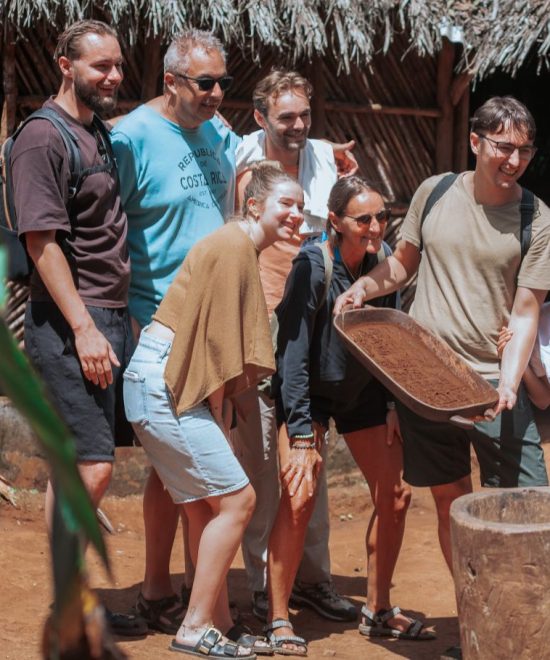
A cultural visit arranged respectfully with local hosts can help you learn about pastoral life, traditional homes, beadwork and local customs. Ask permission before taking photographs of people, and follow your host’s guidance during the visit.
Choosing locally organised activities can also help direct tourism income towards the people who live in the area.
Plan Your Lake Natron Safari
Discover flamingos, waterfalls and the dramatic landscapes
of northern Tanzania with a local tour operator.
Let Ron Adventure help you plan your trip.
Plan Your Trip
Best Time to Visit Lake Natron
Lake Natron can be visited at different times of the year, but the experience changes with rainfall, temperature and road conditions.
June to October: These months are generally drier and are often a practical choice for walking, exploring the lakeshore and enjoying the surrounding scenery. Daytime temperatures can still be very high.
November to February: Conditions vary, with possible short rains and changing landscapes. This period can also be rewarding for birdwatching, but the timing and concentration of flamingos depend on ecological conditions.
March to May: The long rains can make some roads and walking routes more difficult. If you plan to travel during this period, check road access and local conditions before confirming your trip.
Flamingos may be present throughout the year, but their numbers and breeding activity vary. If seeing large concentrations of flamingos is your main priority, ask a local operator about recent sightings before choosing your travel dates.
How to Get to Lake Natron from Arusha
Arusha is a common starting point for trips to Lake Natron. The journey is usually made by road and takes several hours, depending on the route, weather, road conditions and stops along the way.
Some sections of the journey can be rough, particularly after rain. A suitable four-wheel-drive vehicle is advisable, and it is worth allowing enough time rather than planning the drive too tightly.
You can visit Lake Natron on a dedicated trip or include it in a longer northern Tanzania itinerary. Depending on your route, other destinations may include Tarangire National Park, Lake Manyara, the Ngorongoro Conservation Area or the Serengeti.
The best combination depends on your available days, budget and interests. Discuss the route with your operator before booking, especially if you want to combine remote destinations without spending too much time driving.
How Many Days Do You Need at Lake Natron?
For many visitors, one or two nights provide a good introduction to the area. This allows time to explore the lakeshore, look for flamingos and visit the waterfalls without rushing every activity.
If you also want to climb Ol Doinyo Lengai, allow additional time for preparation, the overnight ascent and recovery. The climb requires more planning than a regular sightseeing day.
Travellers combining Lake Natron with other safari destinations should also consider the distances between stops. Adding too many locations to a short itinerary can leave little time to enjoy each place.
A well-planned route is often more rewarding than trying to cover everything in a few days.
Where to Stay at Lake Natron
Accommodation around Lake Natron includes campsites, tented camps and other locally available guest accommodation. Facilities and comfort levels vary, so choose a property that matches your budget and expectations.
When comparing options, check what is included in the rate, whether meals are provided, the bathroom arrangements and how close the property is to the activities you want to do.
If you plan to hike to the waterfalls or climb Ol Doinyo Lengai, staying nearby can make the schedule easier to manage. Confirm your accommodation in advance, particularly during busy travel periods.
Can You Combine Lake Natron with a Tanzania Safari?
Yes. Lake Natron can be included in a wider northern Tanzania itinerary, especially for travellers who want a mix of wildlife, scenery and cultural experiences.
A safari combining Tarangire, Ngorongoro and the Serengeti focuses mainly on wildlife viewing. Adding Lake Natron introduces volcanic scenery, flamingos, walking excursions and a different landscape.
However, the route needs careful planning because the distances and road conditions can affect travel time. The most suitable itinerary depends on the number of days available and the destinations you want to prioritise.
At Ron Adventure, we can help you plan a private Tanzania safari that includes Lake Natron or combine it with other destinations in the northern circuit.
Frequently Asked Questions About Lake Natron
Is Lake Natron worth visiting? Yes, especially if you enjoy unusual landscapes, birdwatching, walking and cultural experiences. It offers a different experience from Tanzania’s traditional wildlife safaris.
Can you see flamingos at Lake Natron? Lesser flamingos use Lake Natron for feeding and breeding. However, their numbers and locations change, so sightings and large gatherings cannot be guaranteed on a particular date.
Is Lake Natron safe to visit? Visits can be arranged safely with appropriate planning and local guidance. The lake’s alkaline water can be harmful, temperatures can be extreme, and some walking routes are uneven or slippery. Follow your guide’s advice and avoid entering the lake.
Can you swim at Lake Natron? Swimming in the lake itself is not recommended because of its high alkalinity and mineral content. Waterfall pools are a separate environment, and conditions should be assessed locally before entering the water.
Can beginners climb Ol Doinyo Lengai? The climb is steep and physically demanding. It is not an easy beginner’s hike, and suitability depends on fitness, conditions and preparation. Seek advice from an experienced local operator before deciding to climb.
How long does it take to reach Lake Natron from Arusha? The journey takes several hours by road, and the exact duration depends on the route and road conditions. Confirm the expected travel time with your driver or tour operator before departure.
What should I pack for Lake Natron? Bring lightweight clothing, sturdy walking shoes, sun protection, a hat, sunglasses, sufficient drinking water and a camera. For the waterfall hike, take footwear suitable for wet rocks and a waterproof bag for electronic equipment. If climbing Ol Doinyo Lengai, you will need additional hiking equipment appropriate for a strenuous overnight ascent.
Plan Your Lake Natron Trip with Ron Adventure
Lake Natron is a rewarding destination for travellers who want to experience another side of Tanzania. From flamingos and colourful mineral landscapes to waterfalls and views of Ol Doinyo Lengai, it offers plenty to explore beyond the usual safari route.
Ron Adventure is a locally based Tanzanian tour operator in Arusha. We can help you plan a Lake Natron visit or include the area in a wider northern Tanzania safari, with an itinerary tailored to your travel dates, interests and budget.
Plan Your Lake Natron Safari
Discover flamingos, waterfalls and the dramatic landscapes
of northern Tanzania with a local tour operator.
Let Ron Adventure help you plan your trip.
Plan Your Trip