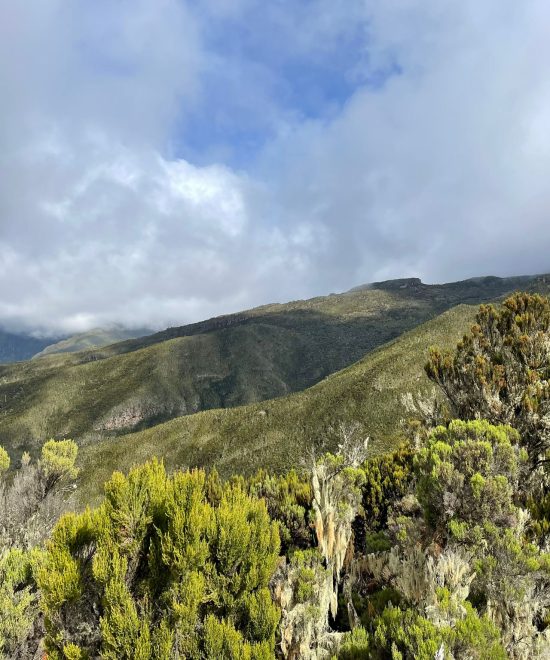
Mount Kilimanjaro, Africa’s highest peak at 5,895 meters (19,341 feet), is a unique mountain with distinct climatic zones. Understanding these zones is crucial for climbers, as each zone presents different terrain, weather, and wildlife, and requires specific preparation. This guide explains all five Kilimanjaro zones, what to expect in each, and how to plan your trek accordingly.
1. Cultivated Zone (800–1,800 meters)
The Cultivated Zone lies at the base of the mountain, where local communities cultivate crops such as bananas, coffee, and maize. Temperatures are warm, generally ranging from 18°C to 25°C (64°F–77°F), with moderate humidity.
Climbers start their journey here and will notice lush farmland, small villages, and the first signs of the mountain’s rich ecosystem. Though this zone is relatively easy to navigate, trekking shoes and light clothing are recommended.
2. Rainforest Zone (1,800–2,800 meters)
Above the farmland lies the Rainforest Zone, a dense tropical forest with large ferns, moss, and diverse wildlife. This zone is humid and wet, with frequent rain showers. Daytime temperatures are cooler, averaging 15°C–22°C (59°F–72°F).
Climbers should wear waterproof jackets and boots, as trails can become muddy and slippery. Wildlife spotting is common here, with monkeys and colourful birds frequently observed.
3. Heath and Moorland Zone (2,800–4,000 meters)
The Heath and Moorland Zone marks a dramatic change in scenery. The forest gives way to open landscapes of shrubs, heather, and volcanic rock. Nights can be chilly, with daytime temperatures ranging from 5°C to 15°C (41°F to 59°F).
This zone is less humid, but the weather can be unpredictable, with occasional frost at night. Climbers should start layering clothing and be prepared for stronger winds.
4. Alpine Desert Zone (4,000–5,000 meters)
Above 4,000 meters, the Alpine Desert Zone begins. Vegetation is sparse, and the terrain consists of volcanic rocks and dry soil. Temperatures often fall below 0°C (32°F) at night, with strong winds during the day.
Climbers must wear insulated layers, gloves, and hats. Sun exposure is intense due to thinner air, so sunscreen and sunglasses are essential. This zone challenges stamina and prepares trekkers for the summit.
5. Arctic Zone (5,000–5,895 meters)
The final zone is the Arctic Zone, which includes the summit. This area is covered in ice and snow, with extreme cold temperatures dropping to -20°C (-4°F). Oxygen levels are low, making the climb physically demanding.
Proper high-altitude gear such as thermal layers, insulated jackets, and crampons (for some routes) is essential. The Arctic Zone offers breathtaking views of glaciers, the summit crater, and the surrounding plains.
Additional Tips for Trekking Across Kilimanjaro Zones
- Layer Your Clothing: Conditions change rapidly as you ascend. Layering allows you to adjust to both warm and freezing temperatures.
- Acclimatise Slowly: Spending extra time in the heath or alpine zones helps your body adapt to high altitude.
- Stay Hydrated: Even in cold zones, dehydration is common and can affect performance and altitude adaptation.
- Sun Protection: UV radiation increases at higher altitudes, so sunscreen, sunglasses, and a hat are crucial.
- Respect the Environment: Kilimanjaro is a fragile ecosystem. Dispose of all waste and comply with park regulations.
Why Understanding Kilimanjaro Zones Matters
Knowing the different zones helps climbers:
- Pack appropriate clothing and gear for each stage
- Prepare for temperature changes and weather conditions
- Understand the terrain and wildlife they may encounter
- Increase their chances of reaching the summit safely
By preparing for each zone, trekkers can fully enjoy Kilimanjaro’s beauty and diversity while staying safe and comfortable throughout the climb.


Materuni Waterfalls and Coffee Tour: Best Day Trip from Moshi
Tanzania Travel Bucket List 2027: 20 Unforgettable Experiences
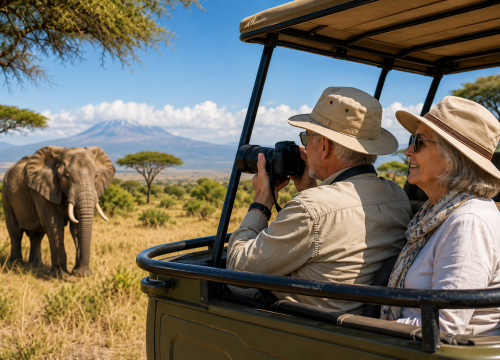
Tanzania Safari for Older Travelers: Complete Travel Guide
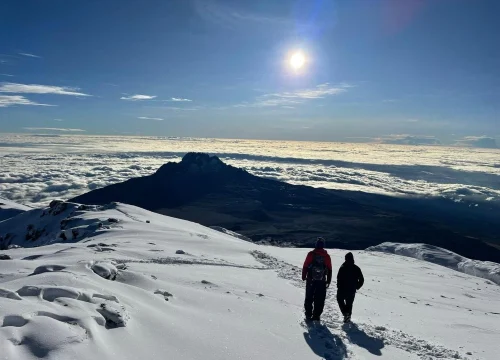
Marangu Route Kilimanjaro: Complete Guide, Itinerary, Cost & Tips
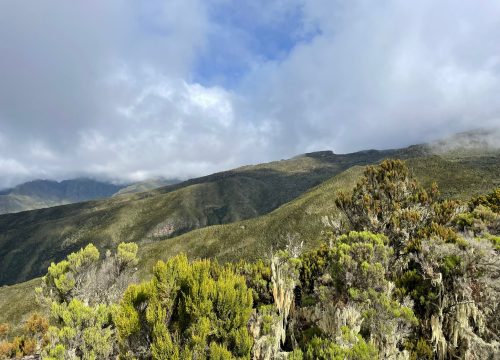
Kilimanjaro Lemosho Route: Complete Guide, Itinerary, Cost, Difficulty & Tips
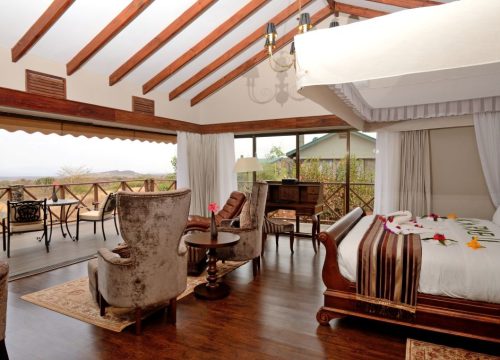
Tanzania Safari Accommodations: Luxury, Mid-Range & Budget Guide
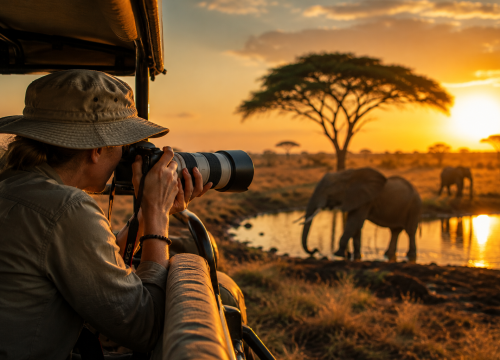
Safari Photography Tips for Beginners in Tanzania
Tanzania Safari FAQs: Answering 100 Common Questions Before You Visit Tanzania
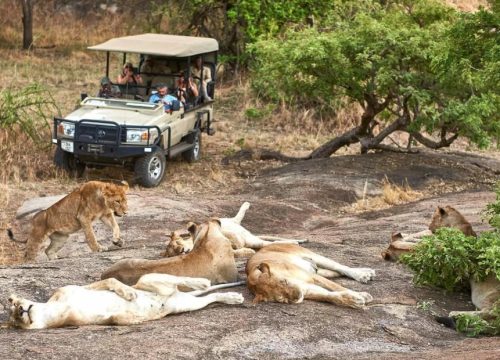
First-Time Tanzania Safari: 30 Things Nobody Tells You
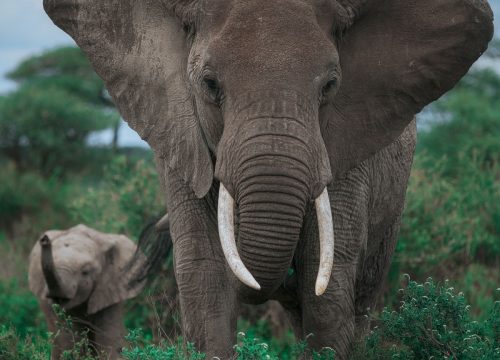
25 Animals You Can See on a Tanzania Safari: Complete Wildlife Guide
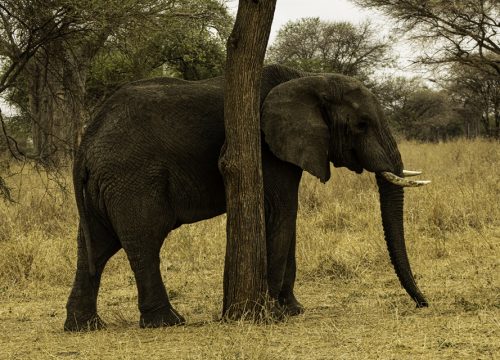
Ngorongoro Crater from Karatu: Price, Distance, Itinerary & Travel Guide
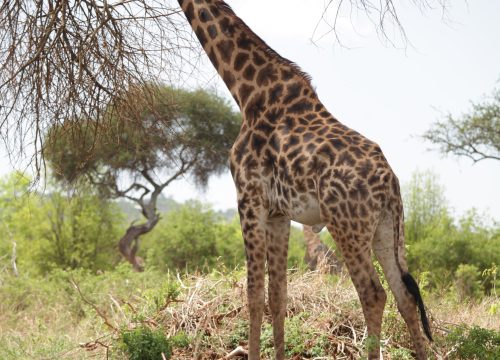
Serengeti Fly-In Safari from Zanzibar | Mara River Crossing 2026
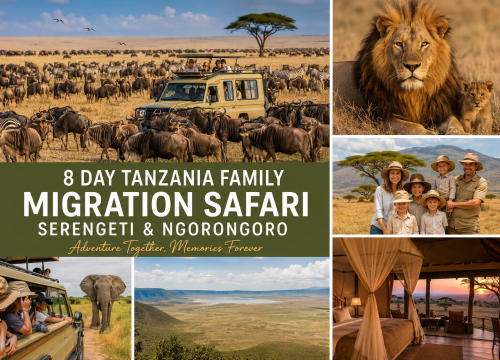
8 Day Tanzania Family Migration Safari

7 Day Tanzania Family Safari Great Migration Serengeti
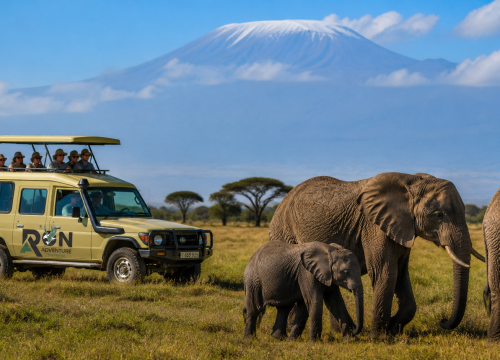
Tanzania Safari in December and January: Best Time for Great Migration and Holiday Travel
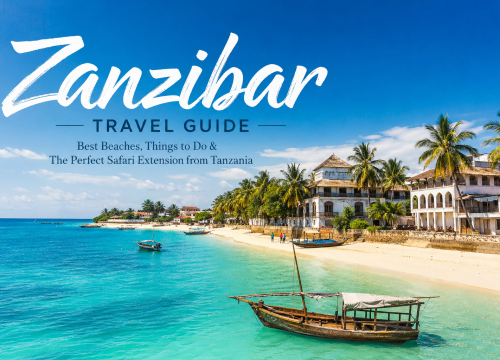
Zanzibar Travel Guide- Best Beaches, Things to Do & Perfect Safari Extension from Tanzania
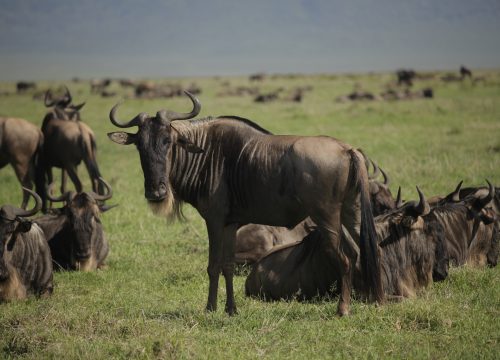
6-Day Tanzania Family Migration Safari
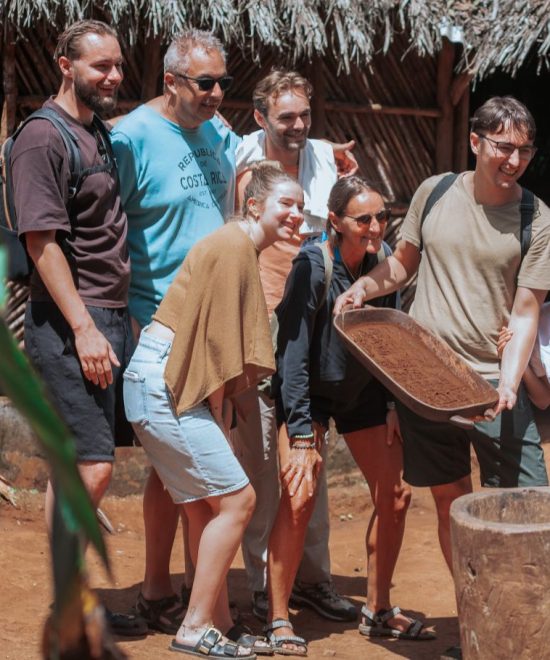
Materuni Waterfalls and Coffee Tour: Best Day Trip from Moshi
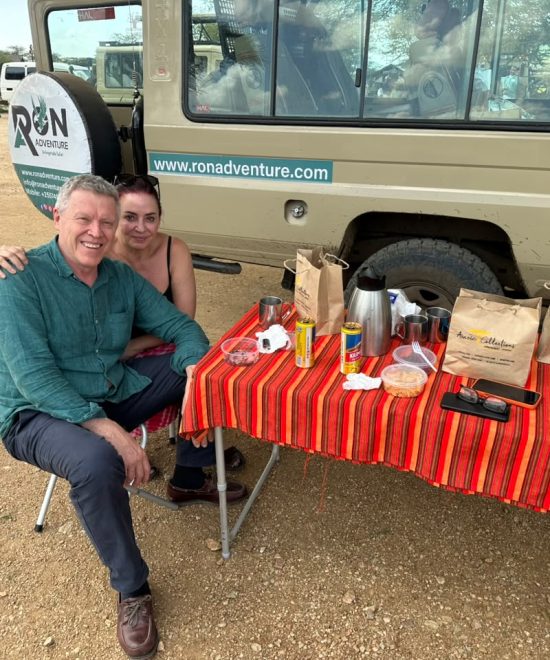
Tanzania Travel Bucket List 2027: 20 Unforgettable Experiences
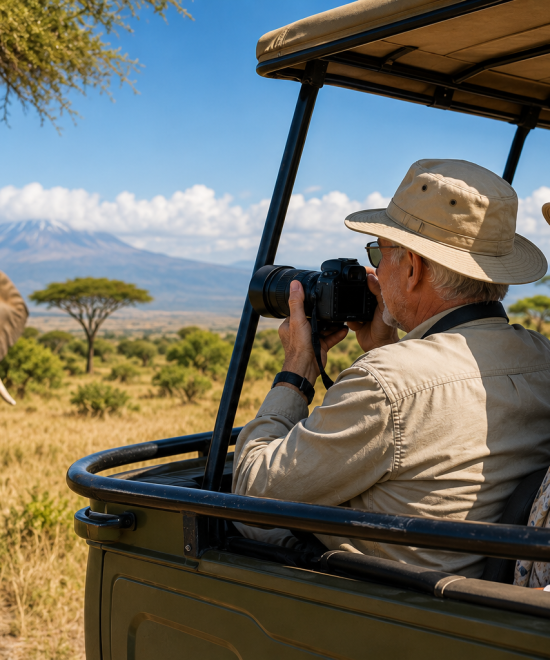
Tanzania Safari for Older Travelers: Complete Travel Guide
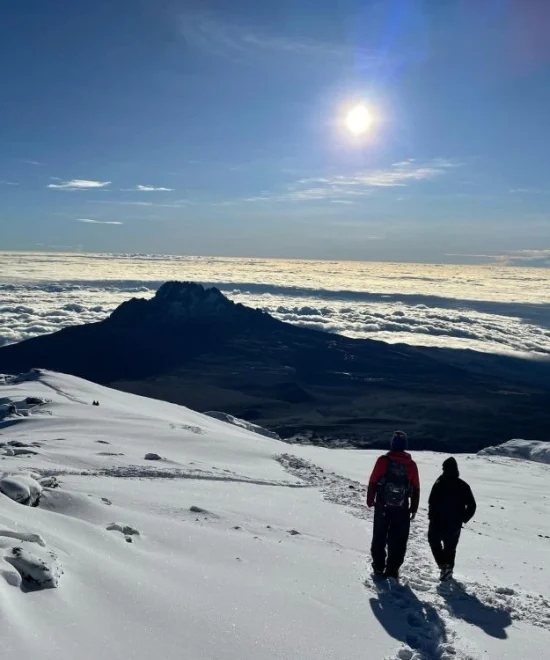
Marangu Route Kilimanjaro: Complete Guide, Itinerary, Cost & Tips