Climbing Mount Kilimanjaro is an unforgettable adventure. However, packing the right equipment is essential for a comfortable and successful trek.
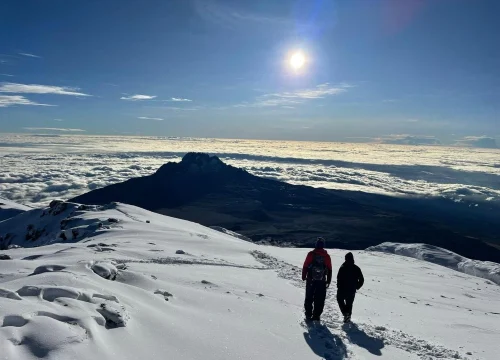
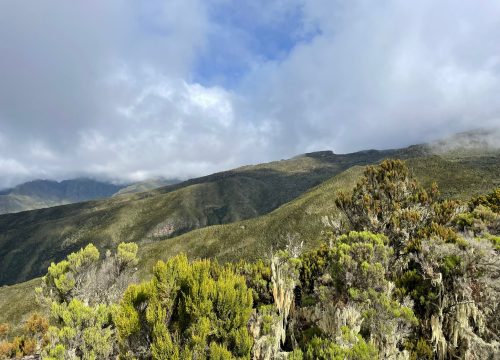
Mount Kilimanjaro reaches 5,895 metres (19,341 feet) above sea level. During the climb, you will experience warm forests, cold mountain camps, strong winds and freezing temperatures near the summit.
This Kilimanjaro packing list explains what to bring for your trek. It covers clothing, footwear, sleeping equipment, personal items and summit-night essentials.
Whether you choose the Machame, Lemosho, Marangu or Rongai Route, this checklist will help you prepare for your adventure in Tanzania.
Quick Kilimanjaro Packing Checklist
Clothing
- Moisture-wicking base layers
- Fleece jacket or warm mid-layer
- Insulated down or synthetic jacket
- Waterproof jacket and trousers
- Hiking trousers and thermal leggings
- Warm hat, sun hat and gloves
- Comfortable underwear and hiking socks
Trekking equipment
- Broken-in hiking boots
- Comfortable camp shoes
- Daypack and rain cover
- Sleeping bag suitable for cold conditions
- Trekking poles
- Headlamp with spare batteries
- Water bottles or hydration system
- Waterproof bags for your clothing
Personal essentials
- Passport and travel insurance documents
- Sunscreen and sunglasses
- Personal toiletries
- Basic first-aid supplies
- Personal prescription medication
- Power bank and charging cables
Keep this checklist handy while preparing your luggage. You can use the detailed sections below to check quantities and choose the right equipment.
Clothing for Climbing Kilimanjaro
Kilimanjaro passes through several climate zones. Temperatures can change significantly as you gain altitude.
The best approach is to dress in layers. This allows you to add or remove clothing as the weather changes.
Base Layers
Base layers sit next to your skin. They help move sweat away from your body and keep you comfortable during long hiking days.
Pack the following:
- 2–3 moisture-wicking trekking shirts
- 2 thermal base-layer tops
- 1–2 thermal base-layer bottoms
- 4–5 pairs of comfortable underwear
Choose merino wool or synthetic fabrics. Avoid cotton for your main trekking layers because it holds moisture and dries slowly.
Mid-Layers
Mid-layers provide insulation when temperatures drop. They are especially useful during cold mornings and evenings at camp.
Your packing list should include:
- 1–2 fleece jackets or warm mid-layers
- 1 insulated down or synthetic jacket
- 2 pairs of hiking trousers
- 1 pair of warm trekking trousers for colder conditions
Choose layers that fit comfortably together. You should be able to wear them without restricting movement.
Waterproof Outer Layers
Rain, wind and cold conditions can occur during your Kilimanjaro climb. A reliable outer layer helps protect you and your insulating clothing.
Pack:
- 1 waterproof and windproof jacket
- 1 pair of waterproof trousers
- 1 rain cover for your daypack
- Waterproof stuff sacks for important clothing
A lightweight, breathable waterproof jacket is particularly useful. It protects against rain while allowing you to move comfortably.
Your footwear can make a major difference during a multi-day mountain trek. Poorly fitting boots may cause blisters, discomfort and difficulty walking.
Choose comfortable hiking boots with good grip and adequate support for the terrain.
Your footwear checklist should include:
- 1 pair of sturdy hiking boots
- 4–5 pairs of hiking socks
- 1–2 pairs of liner socks, if you use them
- 1 pair of comfortable camp shoes or sandals
- Gaiters, if preferred
Break in your hiking boots before arriving in Tanzania. Wear them during training walks so you can identify pressure points early.
Bring socks that fit comfortably inside your boots. Avoid introducing brand-new footwear on the mountain.
Camp shoes are useful after a long day because they allow your feet to rest while you relax at camp.
Essential Kilimanjaro Trekking Gear
Besides clothing, you need equipment that supports your daily hiking routine. Some items are carried by you, while porters may transport other gear depending on your trekking arrangement.
Daypack
Choose a comfortable daypack with a capacity of approximately 25–35 litres.
Your daypack should hold:
- Drinking water
- Snacks and lunch, when provided for the day’s hike
- Waterproof jacket
- Warm clothing
- Sunscreen and sunglasses
- Personal medication
- Camera or smartphone
- Small personal essentials
Keep items you may need during the hike within easy reach. Your guide can help you organise your daypack before departure.
Duffel Bag
A durable duffel bag is useful for carrying clothing and equipment transported by porters.
A bag of approximately 70–90 litres may be sufficient, depending on your equipment and trekking arrangements.
Pack clothing in separate waterproof bags. This helps keep your gear organised and protects it from rain.
Confirm the permitted porter load with your operator before packing. Weight limits apply to the carried load, not simply the size of your bag.
Trekking Poles
Trekking poles can improve balance and reduce stress on your knees, especially during long descents.
They are particularly helpful on uneven paths and steep sections.
Choose adjustable poles that fit your height. Practise using them before the climb so you feel comfortable on the mountain.
Headlamp
A headlamp is essential for early starts and summit night. It keeps your hands free while walking in darkness.
Pack a reliable headlamp and spare batteries. If you use a rechargeable model, make sure it is fully charged before the trek.
Sleeping Bag and Sleeping Equipment
Nights on Kilimanjaro can become very cold, particularly at higher camps.
Choose a sleeping bag rated for the temperatures expected on your route. A suitable cold-weather sleeping bag with a comfort rating around -10°C to -15°C may be appropriate for many trekkers, but your operator should confirm the requirements for your itinerary and conditions.
Your sleeping equipment checklist includes:
- 1 suitable cold-weather sleeping bag
- 1 sleeping bag liner, if desired
- 1 inflatable or compact travel pillow, if preferred
- 1 small dry bag for sleepwear
Do not rely on the sleeping bag’s extreme temperature rating when choosing equipment. Check its comfort rating instead.
Accommodation also varies by route. The Marangu Route uses mountain huts, while many other routes use tents.
Ask your operator which sleeping equipment is provided. This will help you avoid bringing unnecessary items.
Summit Night Packing List
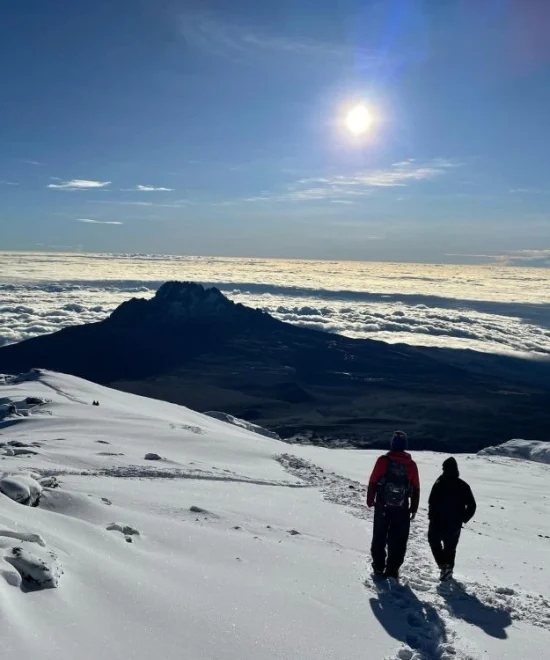
Summit night is one of the most demanding parts of climbing Kilimanjaro. Climbers often begin their final ascent around midnight, depending on the route and itinerary.
Temperatures can fall below freezing. Strong winds may also make conditions feel much colder.
Prepare your summit-night clothing in advance.
Essential summit-night gear
- Warm insulated jacket
- Thermal base-layer top and bottoms
- Fleece or additional insulating layer
- Waterproof and windproof outer layer
- Warm trekking trousers
- Insulated gloves or mittens
- Thin inner gloves
- Warm hat or balaclava
- Neck gaiter or buff
- Warm hiking socks
- Broken-in trekking boots
- Headlamp with spare batteries
Keep your warmest layers accessible in your daypack. You may need to add clothing during the ascent.
Avoid wearing damp clothing at the start of summit night. Dry base layers help you stay comfortable in cold conditions.
Your guide will advise you on clothing based on the forecast, route and expected conditions.
Water, Snacks and Hydration
Staying hydrated is important during a Kilimanjaro climb. Walking for several hours at altitude can increase your fluid needs.
Bring a hydration system or water bottles with enough capacity for your daily requirements. Many trekkers use a combination of bottles and a hydration bladder.
Your hydration checklist should include:
- Water bottles or a hydration bladder
- Insulated protection for your water supply in cold conditions
- Electrolyte products, if appropriate
- Energy bars or other suitable snacks
Ask your operator how drinking water is supplied and treated during the trek. Do not assume that untreated water from natural sources is safe to drink.
Keep your water accessible during the hike. Follow your guide’s advice about drinking regularly and managing your energy.
Personal Items and Toiletries
You do not need to bring a large collection of toiletries. Choose lightweight items that cover your daily needs.
Pack the following:
- Toothbrush and toothpaste
- Small quick-drying towel
- Biodegradable or suitable personal hygiene products
- Wet wipes, where appropriate
- Hand sanitiser
- Toilet paper and small disposal bags
- Sunscreen with SPF 30 or higher
- Lip balm with sun protection
- Sunglasses with UV protection
The sun can be intense at high altitude, even when the air feels cold. Protect your skin and eyes throughout the trek.
Choose travel-sized products to save space and weight. Carry waste back with you and follow your guide’s instructions for responsible waste disposal.
First-Aid Kit and Personal Medication
A small personal medical kit can help you manage minor problems during the trek.
Consider packing:
- Blister plasters and wound dressings
- Personal prescription medication
- Pain relief medication that you can safely use
- Any medication recommended by your clinician
- Oral rehydration products, if appropriate
- Personal medical information and emergency contacts
Speak with a healthcare professional before travelling if you have concerns about altitude or medication.
High-altitude trekking carries risks, including acute mountain sickness. Medication does not replace gradual acclimatisation, a suitable itinerary or following your guide’s safety instructions.
Tell your guide promptly if you develop symptoms such as a worsening headache, nausea, dizziness or unusual fatigue.
Electronics, Documents and Money
Keep important documents secure and protected from moisture.
Your checklist should include:
- Valid passport
- Travel insurance details
- Emergency contact information
- Trekking booking confirmation
- Required travel documents
- Some local currency and a suitable payment card
Check that your travel insurance covers high-altitude trekking on Mount Kilimanjaro. Confirm the altitude limit and whether emergency evacuation is included.
For electronics, consider bringing:
- Smartphone or camera
- Power bank
- Charging cables
- Suitable travel adapter
- Waterproof phone pouch
Charging opportunities may be limited during the trek. Keep electronic devices protected from cold and moisture.
What Can You Rent in Tanzania?
You may not need to buy every item on your Kilimanjaro packing list. Some equipment can be rented through your trekking operator or a local equipment provider in Arusha or Moshi.
Depending on availability, rental options may include:
- Sleeping bags
- Trekking poles
- Insulated jackets
- Waterproof clothing
- Duffel bags
- Other specialist trekking equipment
Ask for the rental price, equipment condition and available sizes before confirming your arrangements.
However, it is usually best to bring your own well-fitting hiking boots, comfortable base layers and personal essentials. Familiar equipment can help you avoid discomfort during the climb.
Confirm exactly what your trekking package includes. Equipment supplied by one operator may differ from another.
How to Pack Your Duffel Bag and Daypack
Good packing makes it easier to find equipment and protect your clothing during the trek.
Organise your luggage before leaving home.
Main duffel bag
Pack spare clothing, thermal layers, sleeping equipment, toiletries and other items that you will not need during every hiking hour.
Use separate waterproof bags for clean clothing, sleepwear and essential equipment.
Daypack
Keep water, snacks, rain protection, warm layers, sunscreen and personal medication in your daypack.
You should also carry any important personal items you may need during the day’s hike.
Before departure
- Weigh your packed luggage.
- Check your operator’s porter weight allowance.
- Test your headlamp and power bank.
- Try on all clothing layers together.
- Make sure your boots and daypack fit comfortably.
- Remove unnecessary items.
Pack for the actual route and duration of your climb. A longer itinerary may require additional clothing or personal supplies.
Common Kilimanjaro Packing Mistakes to Avoid
Avoid these common mistakes when preparing for your climb.
Buying new boots just before departure
New boots may cause blisters. Break them in during training walks before your trip.
Packing too many clothes
Too much luggage adds weight and makes organisation difficult. Choose versatile layers that work together.
Underestimating summit-night cold
A warm jacket alone may not be enough. You also need suitable base layers, insulation, gloves, head protection and appropriate footwear.
Forgetting rain protection
Wet clothing can become uncomfortable in cold conditions. Protect your main luggage and daypack contents with waterproof covers or dry bags.
Ignoring porter weight limits
Your operator may impose a specific limit on the luggage carried by porters. Confirm the rules before finalising your packing list.
Leaving preparation until the last minute
Prepare your equipment early. This gives you time to rent missing items, replace unsuitable gear and test everything before travelling.
Frequently Asked Questions About the Kilimanjaro Packing List
What should I pack for climbing Kilimanjaro? You should pack layered clothing, broken-in hiking boots, warm summit-night gear, a suitable sleeping bag, a daypack, trekking poles, a headlamp, water containers, personal medication and important travel documents.
The exact equipment depends on your route, itinerary and the items supplied by your trekking operator.
How cold does it get on Mount Kilimanjaro? Temperatures vary by altitude, season and weather. The summit area can experience temperatures well below freezing, especially at night and during the final ascent.
Prepare for cold, wind and possible rain by packing suitable insulating and waterproof layers.
Do I need a sleeping bag for Kilimanjaro? Many camping routes require a suitable sleeping bag. The Marangu Route uses mountain huts, but you should still confirm what bedding is available and whether you need to bring or rent your own sleeping bag.
Always check your operator’s equipment list before departure.
Can I rent Kilimanjaro climbing equipment in Arusha or Moshi? Yes, some trekking operators and local providers offer equipment rentals. Availability, sizes, quality and prices vary.
Arrange rentals in advance, particularly for specialist cold-weather equipment.
How big should my Kilimanjaro daypack be? A daypack of approximately 25–35 litres is suitable for many trekkers. It should comfortably hold water, snacks, rain protection, warm layers and personal essentials.
Choose a pack that fits your body and feels comfortable during long training walks.
What should I wear on summit night? Wear moisture-wicking base layers, insulating mid-layers, a warm insulated jacket, suitable trousers, waterproof outerwear, warm gloves, a hat and hiking boots.
Your guide can advise you on the final combination according to weather conditions.
Can I use regular sportswear for Kilimanjaro? Some sportswear may work as a base layer if it manages moisture effectively. However, ordinary sportswear alone is not sufficient for the colder sections.
You need appropriate insulation, waterproof protection and footwear designed for mountain trekking.
How early should I prepare my packing list? Start preparing several weeks before your climb. This allows time to test your boots, check your clothing, arrange equipment rentals and confirm what your operator provides.
Prepare for Your Kilimanjaro Adventure with Ron Adventure
Climbing Mount Kilimanjaro requires preparation, suitable equipment and a well-planned itinerary. The right packing list helps you focus on the experience instead of worrying about forgotten essentials.
Ron Adventure is based in Arusha, Tanzania, and organises Kilimanjaro trekking experiences for travellers who want to explore Africa’s highest mountain.
Our team can help you understand the equipment required for your chosen route and clarify which items you should bring or arrange locally.
Ready to plan your Tanzania safari?
Our Arusha-based safari experts will create a free, personalized Tanzania safari itinerary within 3 hours, tailored to your budget, travel style, and interests..