Western Kilimanjaro is one of Tanzania’s hidden safari destinations. Located near Mount Kilimanjaro, it offers open landscapes, beautiful mountain views, and uncrowded wildlife experiences.
The region combines wildlife, Maasai culture, and guided walking safaris. Visitors can explore traditional Maasai lands, spot elephants moving between the Amboseli and Kilimanjaro ecosystems, and discover the smaller details of the African bush.
With its peaceful atmosphere and authentic experiences, Western Kilimanjaro is an ideal addition to a Tanzania safari for travellers seeking something beyond the busy northern circuit.
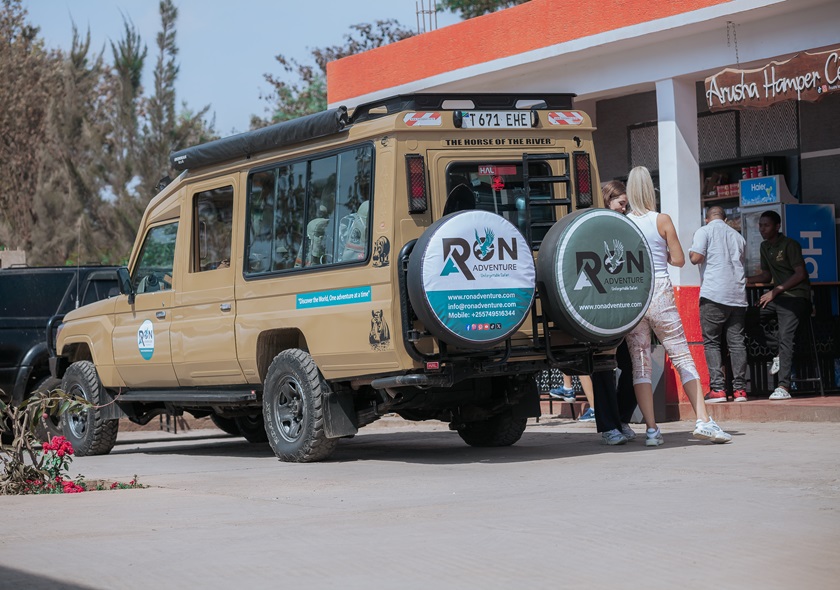
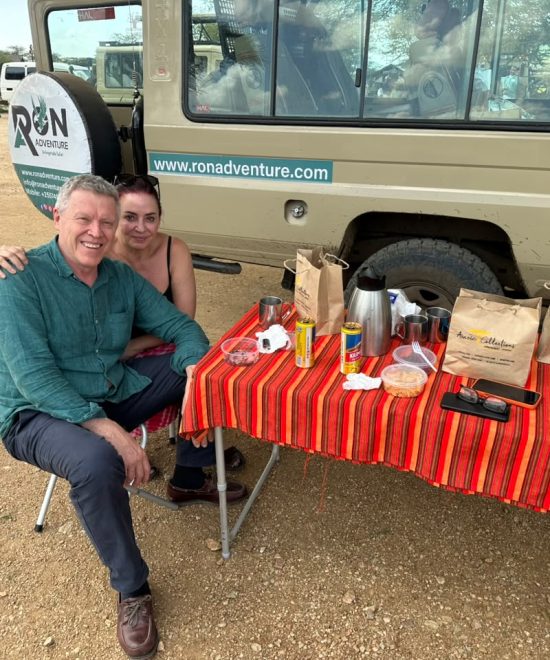
Ron Adventure offers tailor-made Western Kilimanjaro experiences, combining wildlife, culture, and nature.
The Hidden Geography That Shapes Western Kilimanjaro
Western Kilimanjaro forms part of the wider Kilimanjaro ecosystem, stretching towards the Tanzania–Kenya border. Its open landscapes create a natural wildlife corridor connecting Amboseli with northern Tanzania. Animals move freely across the plains in search of water, food, and seasonal grazing.
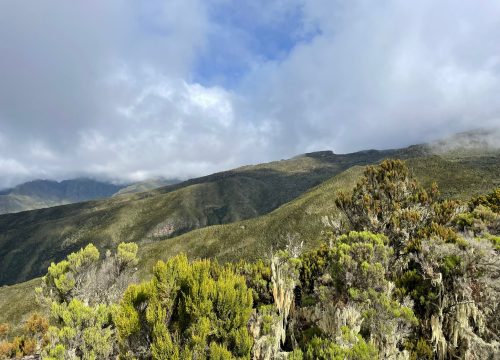
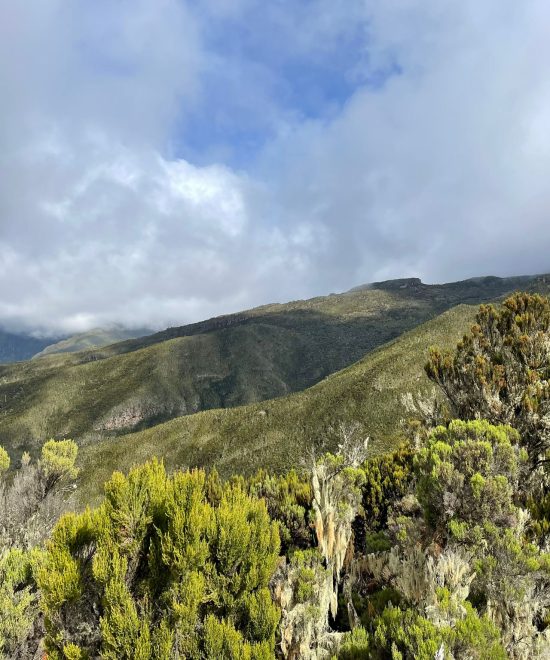
The region features open savannah, volcanic soils, seasonal wetlands, and acacia woodlands. These habitats attract elephants, giraffes, and other wildlife. The slopes of Mount Kilimanjaro also influence the local climate, supporting pockets of greenery even during the dry season.
Unlike fenced national parks, Western Kilimanjaro offers an open and natural safari experience. Its vast landscapes, fewer crowds, and free-roaming wildlife make every game drive unique and rewarding.
Why Western Kilimanjaro Feels Like an Untouched Safari Frontier
Western Kilimanjaro offers a peaceful safari experience away from busy tourist routes. Unlike the Serengeti, this remote region has fewer safari vehicles and a quieter atmosphere. Its untouched landscapes allow visitors to enjoy nature at their own pace.
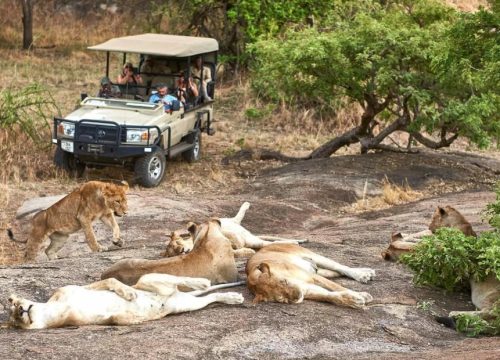
Game drives are full of surprises. Experienced guides follow animal tracks, explore elephant trails, and adjust routes based on wildlife movements. Every drive offers a different opportunity to discover the wilderness.
Accommodation is usually small, eco-friendly, and designed to blend into the surroundings. Evenings are peaceful, with the sounds of wildlife creating a special bush experience.
Ron Adventure recommends Western Kilimanjaro for travellers seeking a quieter, more authentic safari and a closer connection with Tanzania’s natural beauty.
Wildlife Encounters That Define the Western Kilimanjaro Experience
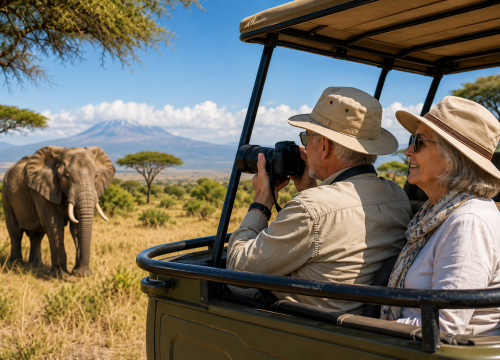
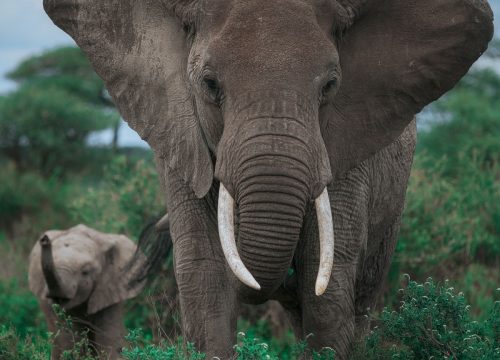
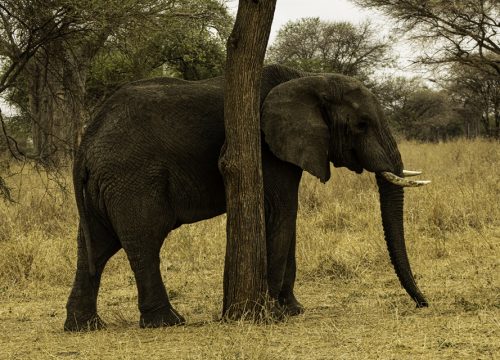
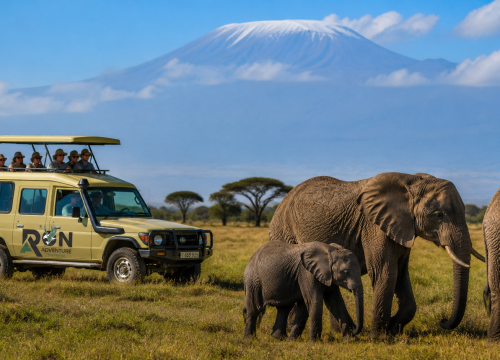
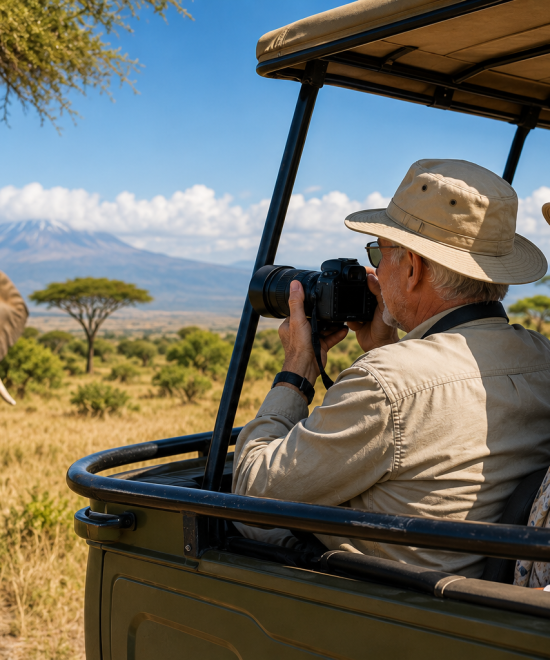
Western Kilimanjaro is known for its open plains and wildlife movements along the Amboseli ecosystem. Elephant herds are commonly seen crossing the plains, often with Mount Kilimanjaro creating a stunning backdrop for photography.
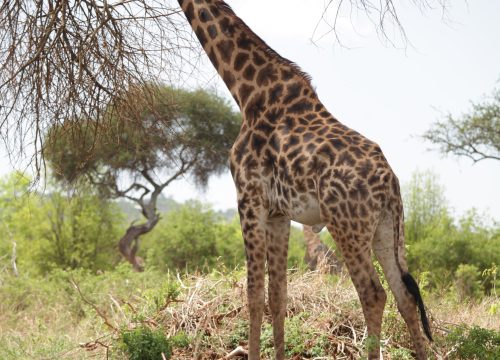
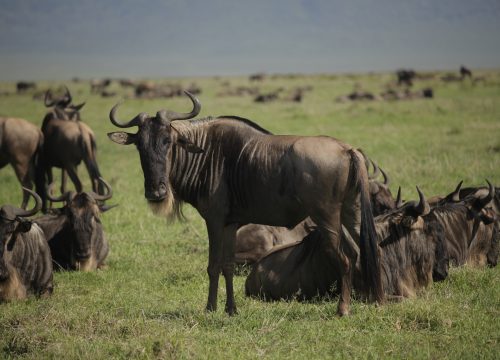
Other wildlife includes giraffes, zebras, wildebeest, buffalo, and various antelope species. Lions and hyenas also inhabit the area, although sightings may require patience. The region is also home to diverse birdlife, especially around seasonal wetlands.
With fewer safari vehicles, wildlife encounters are often peaceful and less crowded. Visitors can enjoy relaxed game viewing and observe animals in their natural environment.
With Ron Adventure’s experienced local guides, you can explore Western Kilimanjaro’s wildlife and discover memorable encounters along the way.
Walking Safaris and the Human Connection to the Land
Western Kilimanjaro offers one of Tanzania’s best walking safari experiences. Unlike vehicle-based game drives, walking safaris let you explore nature up close and discover animal tracks, plants, insects, and smaller wildlife.
Accompanied by trained rangers and local Maasai guides, you will learn about animal behaviour, medicinal plants, and the local ecosystem.
Walking safaris offer a slower, more personal way to experience nature. Routes are carefully selected based on wildlife activity and terrain to ensure safety.
At Ron Adventure, we include walking safaris in our Western Kilimanjaro itineraries for travellers seeking an authentic connection with nature.
The Cultural Landscape of Western Kilimanjaro
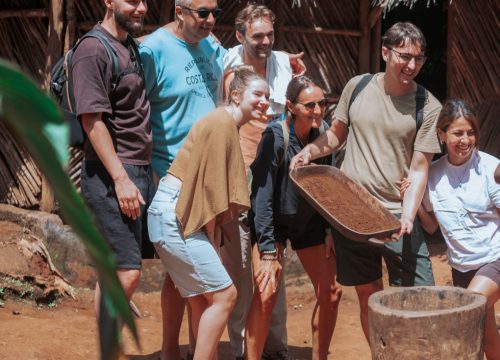
Western Kilimanjaro is rich in Maasai culture and heritage. For generations, local Maasai communities have lived alongside wildlife, maintaining their traditional pastoral lifestyle.
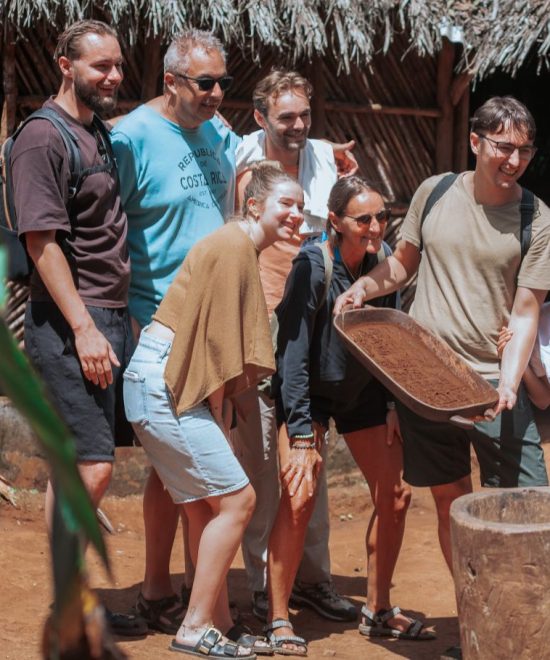
Visitors can experience traditional homesteads, grazing cattle, and everyday community life. Cultural visits offer insight into Maasai traditions, local knowledge, and how communities balance conservation with their livelihoods.
These experiences provide an authentic look at life in the region. With local guides, travellers learn about traditional practices, land conservation, and the relationship between people and nature.
Ron Adventure offers respectful cultural experiences that connect visitors with local communities while supporting meaningful cultural exchange.
Scenic Beauty and the Kilimanjaro Backdrop
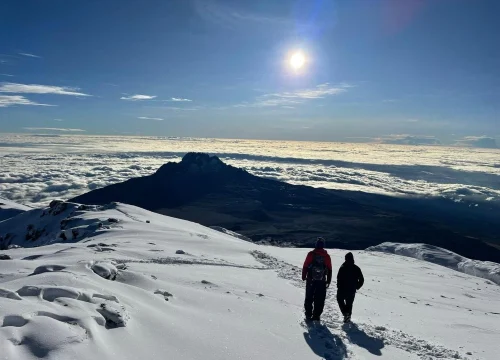
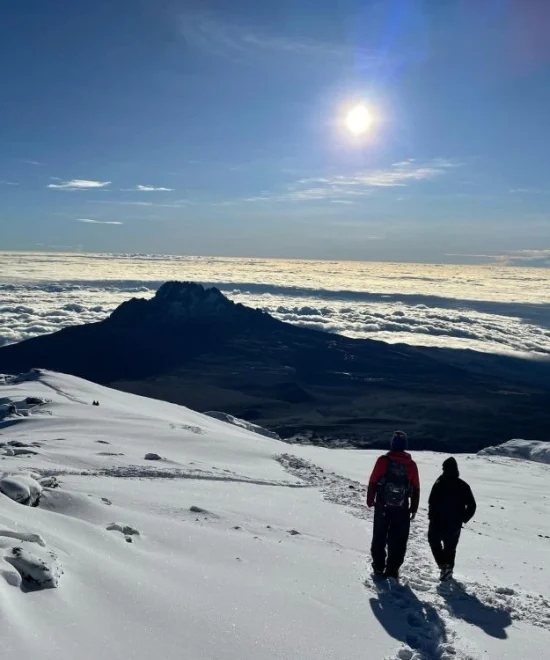
Western Kilimanjaro offers stunning views of Mount Kilimanjaro, with its snow-capped peak rising above the open savannah. This unique landscape creates beautiful contrasts between mountain scenery and wildlife.
Sunrise and sunset bring golden light across the plains, with mist rising in the early morning and herds grazing in the distance.
The region is perfect for photography, nature walks, game drives, and relaxing at camp. Its wide-open landscapes and natural beauty make every moment special.
Western Kilimanjaro offers a peaceful safari experience where nature takes centre stage.
Why Western Kilimanjaro Remains Less Crowded Than Serengeti
Despite being close to major safari destinations, Western Kilimanjaro remains less visited than Serengeti and Ngorongoro. Most travellers follow established safari routes, leaving this region largely undiscovered.
The area has fewer lodges and tourism facilities, helping preserve its natural environment and local culture. Unlike the Serengeti, it does not have large seasonal wildlife migrations, so exploring the region requires flexible itineraries and experienced guides.
For travellers seeking fewer crowds and a quieter safari, Western Kilimanjaro offers a different experience. Ron Adventure introduces this region to guests looking for authentic wildlife encounters, cultural experiences, and a more peaceful side of Tanzania.
Best Time to Visit Western Kilimanjaro
estern Kilimanjaro is a year-round destination. The dry season offers clear views of Mount Kilimanjaro, easier walking trails, and good wildlife viewing as animals gather around water sources.
The wet season brings lush green landscapes, migratory birds, and beautiful photography opportunities. However, some roads may become challenging.
For walking safaris, the dry months are ideal. Photographers may prefer the green season for its vibrant scenery and dramatic lighting.
Ron Adventure can tailor your safari to match the season, wildlife interests, and travel preferences.
Accommodation Style and Safari Comfort in Western Kilimanjaro
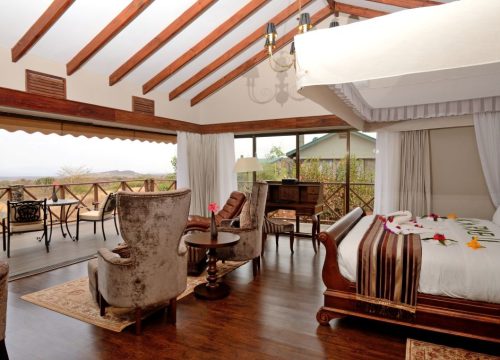
Western Kilimanjaro offers small, eco-friendly lodges and tented camps surrounded by nature. These properties provide privacy, peaceful surroundings, and beautiful views of the plains and Mount Kilimanjaro.
Enjoy clear night skies, excellent stargazing, and a relaxing atmosphere away from busy towns. The focus is on comfort, nature, and authentic safari experiences.
Guests can expect personalized service, local cuisine, and warm Tanzanian hospitality.
At Ron Adventure, we select accommodation based on sustainability, service quality, and guest experience.
Photography Opportunities in Western Kilimanjaro
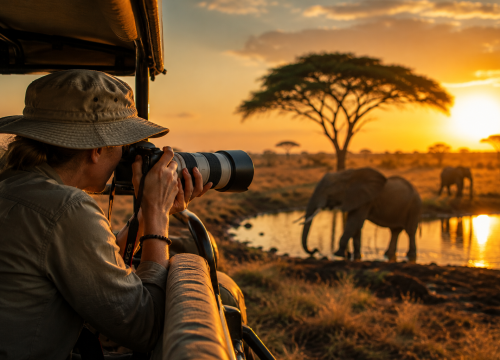
Western Kilimanjaro offers exceptional photography conditions due to its open landscapes and dramatic natural contrasts. The combination of wildlife, wide plains, and the towering presence of Mount Kilimanjaro creates compositions that are both powerful and visually balanced.
Early morning light provides soft illumination that enhances textures in the grasslands and highlights animal silhouettes. Afternoon light adds depth and contrast, particularly when dust rises from moving herds.
Photographers benefit from the lack of congestion, which allows for flexible positioning and uninterrupted shooting angles. Wildlife is often more relaxed, enabling longer observation periods.
The region also offers opportunities for storytelling photography, capturing not only animals but also cultural interactions and landscape evolution. Seasonal changes further enhance variety, making repeat visits equally rewarding.
For guests traveling with Ron Adventure, professional guides often assist in positioning vehicles and timing movements to maximize photographic outcomes without disturbing wildlife.
How Western Kilimanjaro Complements a Northern Tanzania Safari Circuit
Western Kilimanjaro works exceptionally well as an extension to traditional northern circuit safaris. While Serengeti and Ngorongoro deliver high-density wildlife experiences, Western Kilimanjaro provides contrast through solitude and landscape immersion.
Adding this region to an itinerary creates a more balanced safari journey. Travelers experience both iconic wildlife hotspots and quieter ecological zones that reveal different aspects of Tanzania’s natural heritage.
It is particularly effective for returning visitors who have already explored major parks and want something new without leaving northern Tanzania. The transition between these regions is logistically smooth when properly planned.
Operators like Ron Adventure often recommend combining Western Kilimanjaro with Tarangire or Arusha National Park for a diverse safari experience that includes both structured game drives and open exploration.
Conservation Importance of Western Kilimanjaro
Western Kilimanjaro plays a critical role in regional conservation due to its position within a larger wildlife corridor. This corridor connects Tanzania’s protected areas with Kenya’s Amboseli ecosystem, enabling seasonal migration and genetic diversity among wildlife populations.
Because the area is not fully enclosed, conservation efforts rely heavily on community engagement and sustainable land use practices. Local pastoral communities play a vital role in maintaining ecological balance through traditional grazing systems.
Tourism also contributes indirectly to conservation by providing economic incentives for protecting wildlife habitats. Responsible travel helps fund local initiatives and reinforces the value of preserving open landscapes.
Operators such as Ron Adventure emphasize low-impact tourism models that support conservation goals while offering meaningful visitor experiences.
Why Western Kilimanjaro Deserves More Attention
Western Kilimanjaro remains underrepresented in global safari marketing, yet it offers one of the most authentic wilderness experiences in Tanzania. Its combination of wildlife, culture, scenery, and solitude makes it a destination of exceptional value for discerning travelers.
Unlike heavily visited parks, it preserves a sense of discovery. Every journey feels personal, and every encounter carries a sense of unpredictability that defines true wilderness travel.
As Tanzania’s tourism industry continues to grow, regions like Western Kilimanjaro represent the future of sustainable and diversified safari experiences. They allow visitors to go beyond the familiar and engage with landscapes that are still largely intact.
For travelers seeking depth rather than crowds, and authenticity rather than routine, Western Kilimanjaro stands as one of Tanzania’s most rewarding hidden treasures, especially when curated thoughtfully by experienced operators such as Ron Adventure.
Ready to plan your Tanzania safari?
Our Arusha-based safari experts will create a free, personalized Tanzania safari itinerary within 3 hours, tailored to your budget, travel style, and interests..