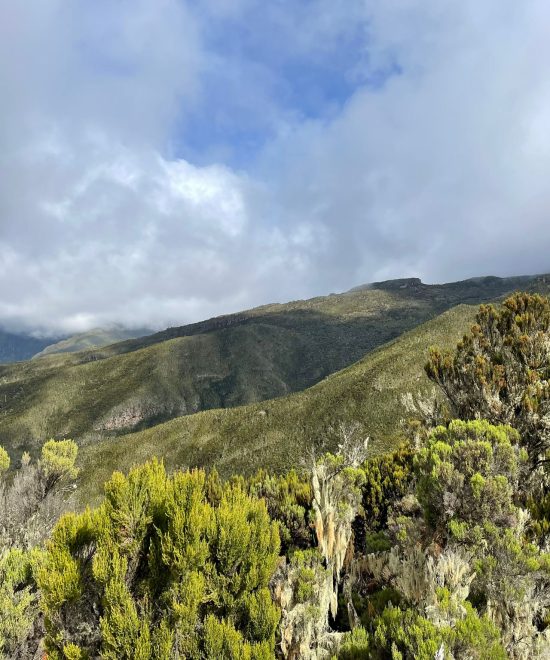
Climbing Mount Kilimanjaro is considered one of the most thrilling trekking experiences worldwide. Standing at 5,895 meters above sea level, this iconic mountain draws thousands of adventurers annually who aspire to reach Uhuru Peak, its highest point. While technical climbing abilities are not necessary, the journey remains a challenging high-altitude trek that requires significant physical effort. For this reason, appropriate medical preparation plays an essential role when planning the expedition.
Before starting the climb, trekkers should recognize the importance of medical evaluations, physical fitness, and understanding the effects of high altitude. Proper health preparation greatly improves the likelihood of reaching the summit safely and allows climbers to enjoy the adventure while minimizing potential risks.
Why Medical Checks Are Important Before Climbing Kilimanjaro
A medical examination before climbing Kilimanjaro helps determine whether your body is ready for the physical effort and altitude exposure involved in the trek. The climb involves several days of hiking at increasing elevations where oxygen levels become significantly lower.
Many trekkers underestimate the effects of altitude. As you climb higher, the body must adapt to thinner air. Without proper preparation or health screening, climbers may experience symptoms such as headaches, nausea, dizziness, or fatigue.
A pre-climb medical check helps to:
- Identify underlying health conditions that may worsen at high altitude
- Assess cardiovascular and respiratory health
- Ensure the body can handle long hiking days and reduced oxygen levels
- Provide medical advice specific to high-altitude trekking
Consulting a doctor at least 4–8 weeks before the climb is strongly recommended.
Key Medical Tests Recommended Before the Climb
During your consultation, a doctor may recommend several routine examinations to evaluate your overall health. These checks help confirm that your body can safely manage the physical demands of the trek.
1. General Physical Examination
A full physical assessment evaluates your overall fitness and medical history. The doctor will typically check blood pressure, heart rate, weight, and general physical condition. This examination helps determine whether you are fit for strenuous trekking.
2. Cardiovascular Check
Climbing Kilimanjaro involves many hours of hiking each day, sometimes for up to 7–9 hours. A cardiovascular evaluation ensures that your heart can handle sustained physical activity at altitude. For some climbers, doctors may recommend an ECG (electrocardiogram) or stress test.
3. Lung Function Assessment
Because oxygen levels decrease significantly at high elevations, healthy lungs are essential. Individuals with asthma or respiratory conditions should consult their doctor about inhalers or medications that may be needed during the trek.
4. Blood Tests
Routine blood tests may be recommended to check for anemia, infections, or nutritional deficiencies. Adequate iron levels and good overall health are important for maintaining energy during the climb.
5. Altitude Risk Assessment
Your doctor may evaluate whether you are at risk for altitude sickness. People with certain medical conditions or previous altitude complications should discuss preventive medications such as Acetazolamide, commonly known as Diamox.
Understanding Altitude Sickness
Altitude sickness is one of the primary health risks associated with climbing Mount Kilimanjaro. It develops when the body has difficulty adjusting to the lower oxygen levels found at higher elevations.
The most frequently experienced type is Acute Mountain Sickness (AMS). Common symptoms include headaches, reduced appetite, nausea, dizziness, and trouble sleeping. These signs generally begin to appear at altitudes above 2,500 meters.
In uncommon situations, more serious conditions may arise, such as High-Altitude Pulmonary Edema (HAPE) or High-Altitude Cerebral Edema (HACE). Both are severe medical emergencies that require immediate descent and urgent medical care.
However, the likelihood of these conditions can be greatly reduced through proper acclimatization, a gradual climbing pace, adequate hydration, and good overall physical preparation.
Vaccinations and Preventive Health Measures
People traveling to Tanzania to climb Kilimanjaro should also review recommended travel vaccinations. Although these vaccines are not directly connected to altitude-related issues, they help safeguard overall health during the journey.
Vaccinations commonly advised include:
- Hepatitis A
- Typhoid
- Yellow Fever (mandatory in certain travel situations)
- Tetanus
Travelers are encouraged to consult a travel health clinic prior to their trip in order to receive the latest vaccination guidance for visiting Tanzania.
Personal Medical Kit for Kilimanjaro Climbers
Even though professional guides provide medical support and conduct health monitoring, climbers should still carry a small personal medical kit to manage minor health concerns during the trek.
A basic medical kit for a Kilimanjaro expedition may contain:
- Pain relievers such as Ibuprofen
- Altitude medication like Acetazolamide
- Bandages and blister treatment supplies
- Antiseptic wipes or ointment
- Oral rehydration salts
- Any personal prescription medications
While Kilimanjaro guide teams typically carry more comprehensive emergency medical kits and oxygen equipment, climbers should always keep their own essential medical supplies readily available
Fitness Preparation and Health Conditioning
Medical readiness also includes physical preparation. Climbing Kilimanjaro requires endurance, strength, and mental resilience. Preparing the body several months before the climb greatly improves success rates.
Recommended training activities include:
- Long-distance hiking
- Stair climbing workouts
- Cardiovascular exercises such as running or cycling
- Strength training for legs and core muscles
Training should ideally begin 8–12 weeks before the climb to build stamina gradually.
Health Monitoring During the Climb
Professional Kilimanjaro expeditions carefully monitor climbers’ health throughout the trek. Guides regularly check oxygen levels using a pulse oximeter and ask about symptoms related to altitude sickness.
If a climber shows signs of severe altitude sickness, guides may recommend resting, medication, or descending to a lower altitude. Safety always takes priority over reaching the summit.
Final Health Advice for Kilimanjaro Climbers
Climbing Mount Kilimanjaro is a life-changing experience, but proper health preparation is essential for a safe and successful adventure. A medical check before your trip ensures that your body is ready for the challenge and helps prevent potential complications.
By combining professional medical advice, proper training, and gradual acclimatization, climbers can significantly increase their chances of standing on the roof of Africa.


Materuni Waterfalls and Coffee Tour: Best Day Trip from Moshi
Tanzania Travel Bucket List 2027: 20 Unforgettable Experiences
Tanzania Safari for Older Travelers: Complete Travel Guide
Marangu Route Kilimanjaro: Complete Guide, Itinerary, Cost & Tips
Kilimanjaro Lemosho Route: Complete Guide, Itinerary, Cost, Difficulty & Tips
Tanzania Safari Accommodations: Luxury, Mid-Range & Budget Guide
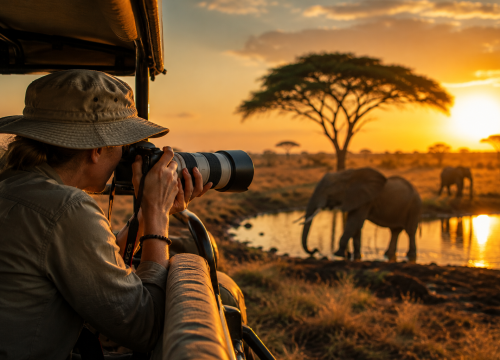
Safari Photography Tips for Beginners in Tanzania
Tanzania Safari FAQs: Answering 100 Common Questions Before You Visit Tanzania
First-Time Tanzania Safari: 30 Things Nobody Tells You
25 Animals You Can See on a Tanzania Safari: Complete Wildlife Guide
Ngorongoro Crater from Karatu: Price, Distance, Itinerary & Travel Guide
Serengeti Fly-In Safari from Zanzibar | Mara River Crossing 2026
8 Day Tanzania Family Migration Safari
7 Day Tanzania Family Safari Great Migration Serengeti
Tanzania Safari in December and January: Best Time for Great Migration and Holiday Travel
Zanzibar Travel Guide- Best Beaches, Things to Do & Perfect Safari Extension from Tanzania
6-Day Tanzania Family Migration Safari
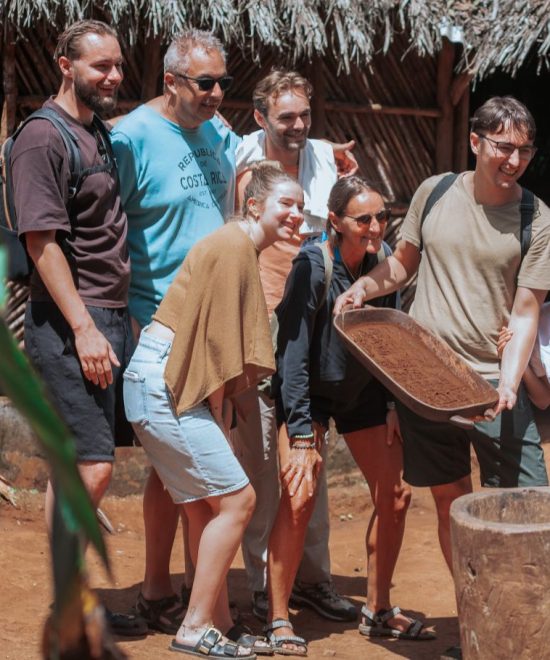
Materuni Waterfalls and Coffee Tour: Best Day Trip from Moshi
Tanzania Travel Bucket List 2027: 20 Unforgettable Experiences
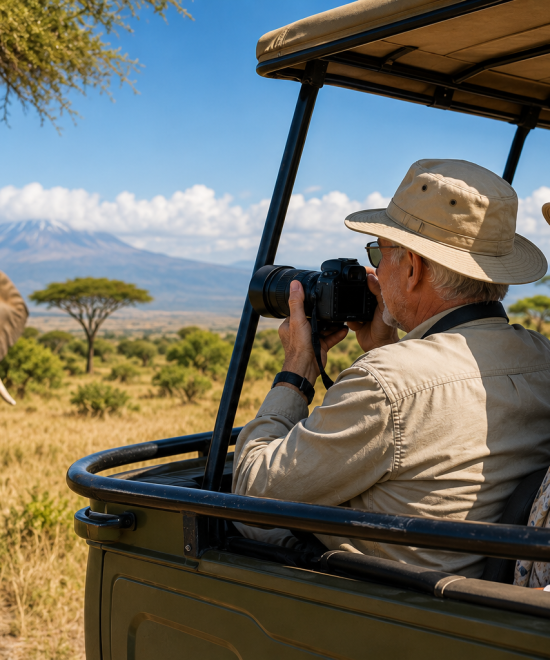
Tanzania Safari for Older Travelers: Complete Travel Guide
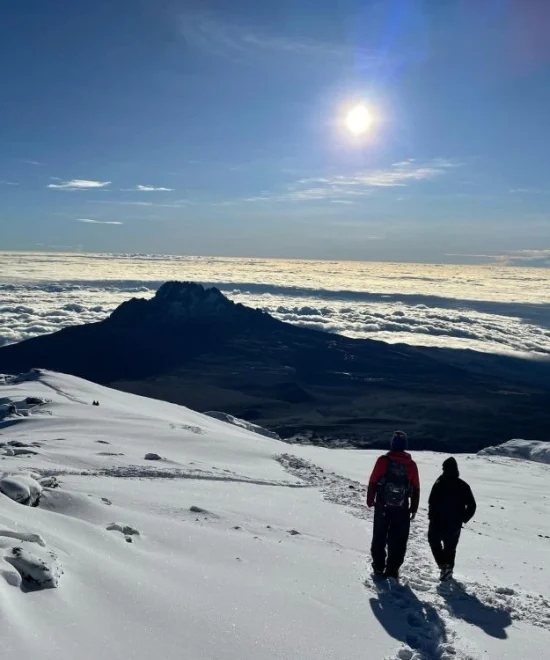
Marangu Route Kilimanjaro: Complete Guide, Itinerary, Cost & Tips