Planning a Serengeti safari in Tanzania? The Serengeti is one of Africa’s best places for wildlife viewing, the Great Wildebeest Migration and unforgettable game drives.
But choosing the right time and area can make a big difference.
This Serengeti safari guide explains when to visit, what wildlife to expect, how much time to spend, where to stay, how to reach the park and which part of the Serengeti is best for your trip.
Whether you are planning your first Tanzania safari or returning for the Great Migration, this guide will help you make better decisions before you book.
Why Visit the Serengeti?
The Serengeti is famous for its huge open plains, abundant wildlife and the Great Wildebeest Migration.
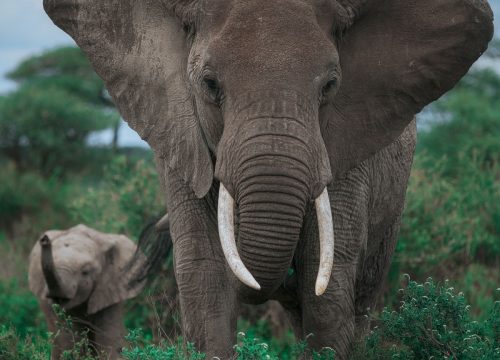
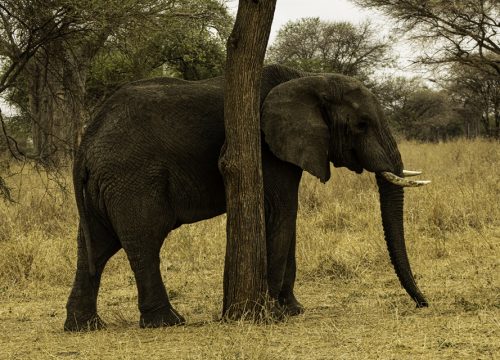
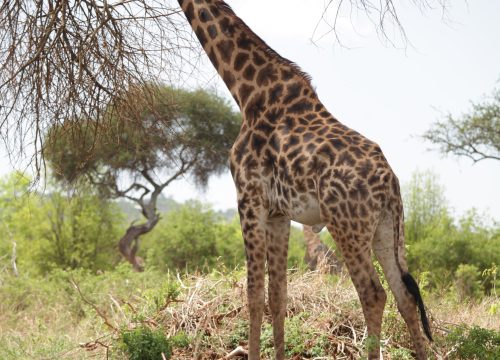
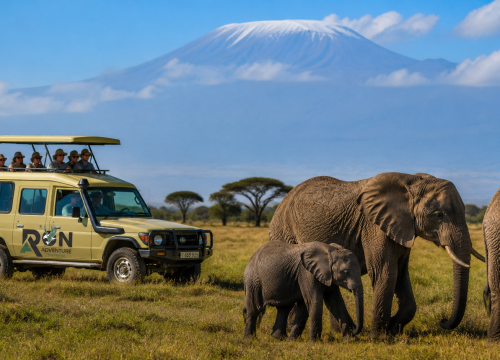
It is home to lions, elephants, leopards, cheetahs, buffalo, giraffes, zebras, wildebeest, hippos and many other species.
The park is also one of the best places in Tanzania to experience predators in their natural environment.
A Serengeti safari is not only about seeing animals. It is also about the landscape, sunrise game drives, quiet evenings in the bush and the feeling of being surrounded by wild Africa.
For many travelers, the highlight is seeing wildlife without knowing what the next bend in the road will bring.
Where Is the Serengeti?
Serengeti National Park is in northern Tanzania.
It forms part of the larger Serengeti ecosystem, which connects with the Ngorongoro Conservation Area and extends toward Kenya’s Maasai Mara.
Most road safaris begin from Arusha.
The journey to the Serengeti can take several hours, depending on the route and where you stay. A road safari is therefore best for travelers who want to combine several northern Tanzania destinations.
Flying is another option.
Small aircraft connect Arusha and other safari destinations with airstrips inside or near the Serengeti. This can save valuable travel time, especially on shorter safaris.
Best Time to Visit Serengeti
There is no single best month for every traveler.
Your ideal travel period depends on the wildlife experience you want.
For general wildlife viewing, June to October is a popular choice. During these dry months, vegetation is thinner and animals are often easier to spot around water sources.
January to March is ideal for wildebeest calving. Large herds gather in the southern Serengeti and Ndutu area, creating excellent opportunities to see newborn animals and predator activity.
July to October is a good period for the Great Migration in Northern Serengeti. This is when travelers may have opportunities to witness wildebeest crossing the Mara River.
However, river crossings are natural events and cannot be guaranteed on a particular day or at a specific crossing point.
Serengeti Safari by Season
anuary to March – Calving season
The southern Serengeti and Ndutu area become important during the calving season.
Large herds gather around the short-grass plains. Newborn wildebeest attract predators, making this an exciting period for wildlife photography.
April to May – Green season
The landscape becomes lush after the rains.
Visitor numbers are generally lower than during peak months. This can be a good option for travelers looking for greener scenery and potentially better value.
Some roads can become muddy after heavy rain, so experienced local planning is important.
June to October – Dry season
The weather is generally drier, vegetation is thinner and wildlife viewing can be excellent.
Migration movements vary from year to year. June and July can bring interesting activity in the Western Corridor, while Northern Serengeti becomes increasingly important later in the season.
July to October – Northern Serengeti and Mara River
This is the period many travelers associate with the dramatic Mara River crossings.
However, the migration follows rainfall and food availability. The herds do not follow an exact calendar.
For this reason, choosing the right area is just as important as choosing the right month.
November to December – Short rains
The rains bring fresh vegetation and change wildlife movements again.
The Serengeti remains rewarding for safari throughout this period, particularly for travelers who prefer fewer crowds.
Serengeti Great Migration
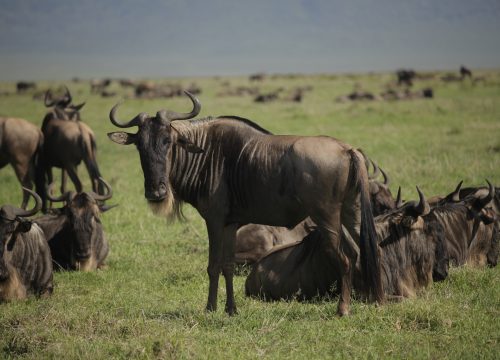
The Great Wildebeest Migration is one of the world’s most remarkable wildlife events.
More than a million wildebeest move through the Serengeti ecosystem, accompanied by large numbers of zebras and gazelles.
The migration is continuous.
The herds move according to rainfall, fresh grass and water rather than following a fixed annual schedule.
That is why a good migration safari requires more than simply choosing July or August.
Your guide and safari planner should consider the area you will visit, recent wildlife movements and the time available for your safari.
When Is the Mara River Crossing?
Mara River crossings are most commonly associated with July to October in Northern Serengeti and the wider Mara ecosystem.
They are spectacular, but they are never guaranteed.
The herds may remain on one side of the river for hours or days before crossing. They can also cross when visitors are not present.
If seeing a crossing is your main goal, staying several nights in Northern Serengeti gives you a better opportunity than visiting for only one night.
Serengeti Regions Explained
The Serengeti is a huge ecosystem.
Different areas offer different experiences.
Central Serengeti – Seronera
Central Serengeti is one of the best choices for a first-time safari.
The Seronera area has permanent water sources and supports resident wildlife throughout the year.
Lions, leopards, cheetahs, elephants and large herbivores can all be seen here.
It is also a practical base for travelers who want good wildlife viewing without constantly changing camps.
Northern Serengeti
Northern Serengeti is famous for the Great Migration and Mara River crossings.
It is generally quieter than Central Serengeti.
The area is particularly attractive from July to October, although wildlife is present throughout the year.
If the migration is your main reason for visiting Tanzania, Northern Serengeti may be the right choice for your itinerary.
Western Serengeti
The Western Corridor is known for the Grumeti River and its surrounding wildlife habitat.
Migration movements can bring large concentrations of animals into the region during certain months.
The area can also provide a quieter safari experience away from some of the busier central routes.
Southern Serengeti and Ndutu
The southern plains are especially important during calving season.
From around January to March, wildebeest gather in large numbers as females give birth.
This attracts predators such as lions, cheetahs and hyenas.
Travelers interested in photography and predator activity often choose this area during the calving season.
Ready to plan your Tanzania safari?
Our Arusha-based safari experts will create a free, personalized Tanzania safari itinerary within 3 hours, tailored to your budget, travel style, and interests..
What Animals Can You See in the Serengeti?
A Serengeti safari can produce an impressive variety of wildlife sightings.
Common animals include:
- Lions
- Leopards
- Cheetahs
- Elephants
- Buffalo
- Wildebeest
- Zebras
- Giraffes
- Hippos
- Hyenas
- Gazelles
- Antelopes
- Crocodiles
The Serengeti is particularly famous for its big cats.
Leopards are often found around riverine areas and trees, while cheetahs favor open plains where they can use their speed.
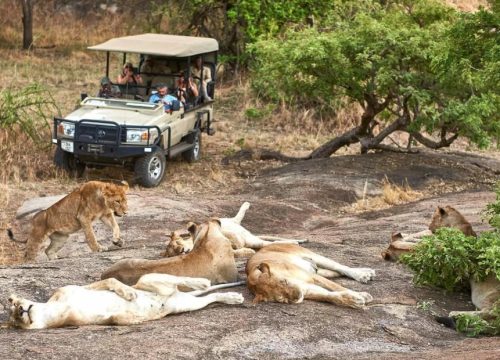
Lions can be encountered in many parts of the ecosystem.
Wildlife sightings are never guaranteed, but experienced guides know how to read tracks, animal behavior and recent movements to improve your chances.
How Many Days Do You Need in the Serengeti?
For a first Serengeti safari, I recommend at least 2 to 3 nights if your schedule allows.
One night can feel rushed because of the travel time involved.
With two nights, you have more time for game drives.
Three or more nights allow you to explore more widely and reduce the pressure to see everything in a single day.
For a longer Northern Circuit safari, the Serengeti can be combined with:
Tarangire National Park
Ngorongoro Crater
Lake Manyara National Park
A typical northern Tanzania safari can last between 5 and 10 days, depending on your interests and budget.
How Much Does a Serengeti Safari Cost?
The cost of a Serengeti safari depends on several factors.
These include:
- Number of safari days
- Private or joining safari
- Accommodation level
- Time of year
- Transport by road or air
- Number of travelers
- Activities included
- Location of your accommodation
A budget camping safari will usually cost less than a luxury lodge or private fly-in safari.
Mid-range safaris offer a balance between comfort and price.
Luxury safaris focus on premium accommodation, private experiences and greater flexibility.
Instead of choosing a safari only by price, compare what is included.
Check accommodation, park fees, meals, transport, guide services and airport transfers before making your decision.
Where Should You Stay in Serengeti?
Your accommodation should match your safari goals.
If you want convenient access to Central Serengeti wildlife, staying around Seronera is a practical choice.
If your priority is the Mara River migration, staying in Northern Serengeti during the appropriate season can reduce unnecessary driving.
Travelers visiting during calving season may prefer accommodation around the southern Serengeti and Ndutu area.
You can choose from:
- Public campsites
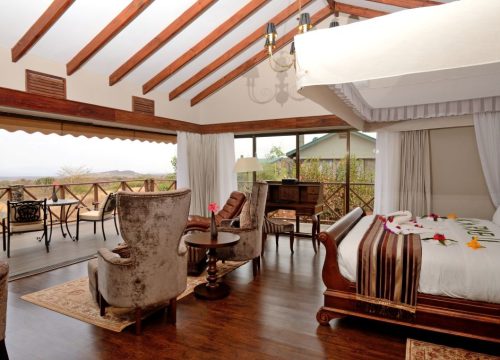
- Permanent tented camps
- Mid-range lodges
- Luxury tented camps
- Luxury lodges
- Seasonal mobile camps
The best accommodation is not always the most expensive one.
Location matters.
A well-positioned camp can save driving time and give you more time for wildlife viewing.
How Do You Get to the Serengeti?
There are two main options: road and air.
By Road
Road safaris are ideal for travelers who want to combine the Serengeti with other northern Tanzania parks.
You can travel through the Ngorongoro area and continue toward Serengeti.
The journey is long, but it becomes part of the safari experience.
Your guide can also stop for wildlife viewing and scenic breaks along the way.
By Air
Flying is a good option for travelers with limited time.
Flights can connect Arusha or other safari destinations with airstrips in the Serengeti.
A fly-in safari can save several hours of road travel.
It is especially useful for travelers who want to spend more time inside the park.
Best Things to Do in Serengeti
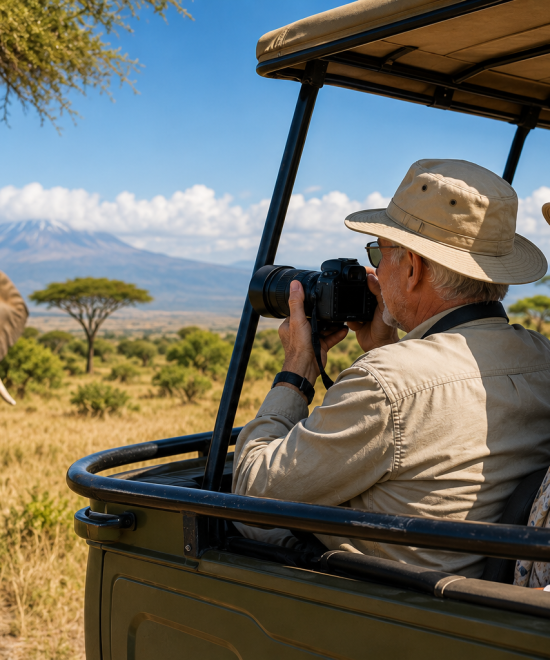
Game drives are the main activity.
Morning game drives are particularly rewarding because predators can still be active after the night.
Afternoon drives provide opportunities to explore different habitats and photograph wildlife in softer light.
Other experiences can include:
- Hot-air balloon safari
- Wildlife photography
- Birdwatching
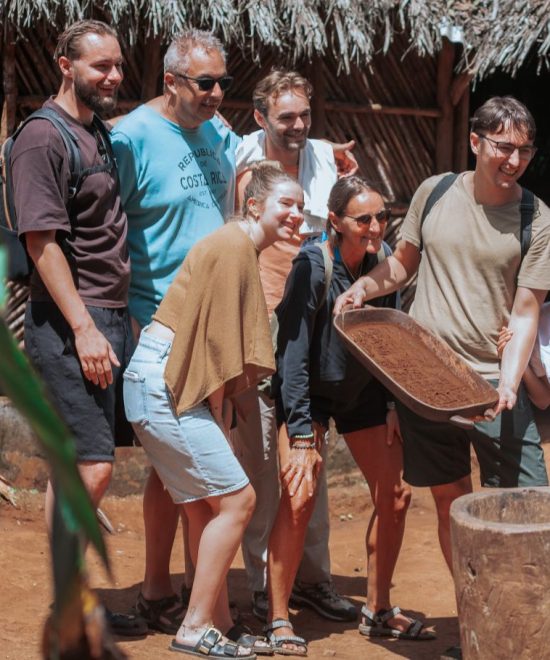
- Cultural experiences near the park
- Scenic sunset drives where permitted
- Walking experiences in designated areas outside the national park
Activities depend on park regulations, accommodation and your itinerary.
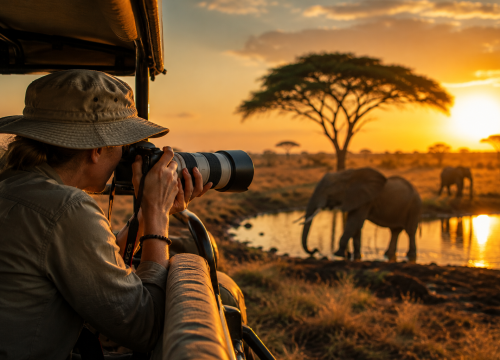
Serengeti Photography Tips
The Serengeti is ideal for wildlife photography.
Early morning and late afternoon usually provide beautiful natural light.
A telephoto lens is useful for distant wildlife.
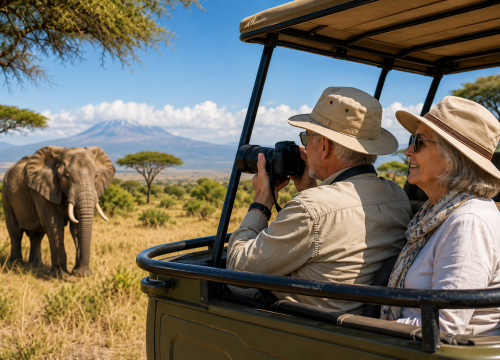
A wider lens can also be valuable when photographing elephants, landscapes or large herds.
Do not focus only on getting close to animals.
Some of the best Serengeti photographs show wildlife within the wider landscape.
Most importantly, follow your guide’s instructions and maintain a respectful distance from animals.
Can You Combine Serengeti With Ngorongoro?
Yes.
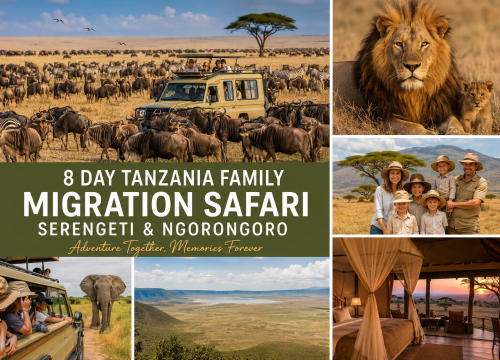
Combining Serengeti and Ngorongoro is one of the most popular northern Tanzania safari combinations.
The two destinations offer different experiences.
Serengeti is famous for its vast ecosystem, predators and migration.
Ngorongoro Crater offers an enclosed wildlife environment with a high concentration of animals.
You can also add Tarangire National Park for its elephants, baobabs and varied landscapes.
A well-planned itinerary can therefore combine several ecosystems without spending unnecessary time on the road.
Is Serengeti Suitable for a First Safari?
Absolutely.
The Serengeti is one of the best choices for a first Tanzania safari.
There is a strong combination of wildlife, scenery and accommodation options.
However, planning matters.
The Serengeti is huge, so choosing the right region can be more important than simply choosing the park.
For example, someone traveling in February for the calving season may need a different itinerary from someone traveling in August to look for the migration in Northern Serengeti.
Tips for Planning Your Serengeti Safari
Before booking, consider these questions:
What do you most want to see?
Big cats, the Great Migration, calving season, photography or general wildlife?
When are you traveling?
Your dates will influence which Serengeti region makes the most sense.
How many days do you have?
Do not spend most of your safari driving between destinations.
What is your budget?
Decide whether you prefer camping, mid-range accommodation or luxury camps and lodges.
Do you prefer private or joining safari?
A private safari gives you greater flexibility.
A joining safari can be more affordable.
Do you want to fly or drive?
Flying saves time.
Driving allows you to experience more of northern Tanzania by road.
Why Book a Serengeti Safari With a Local Tanzania Operator?
A local operator can provide practical knowledge that is difficult to get from a generic travel guide.
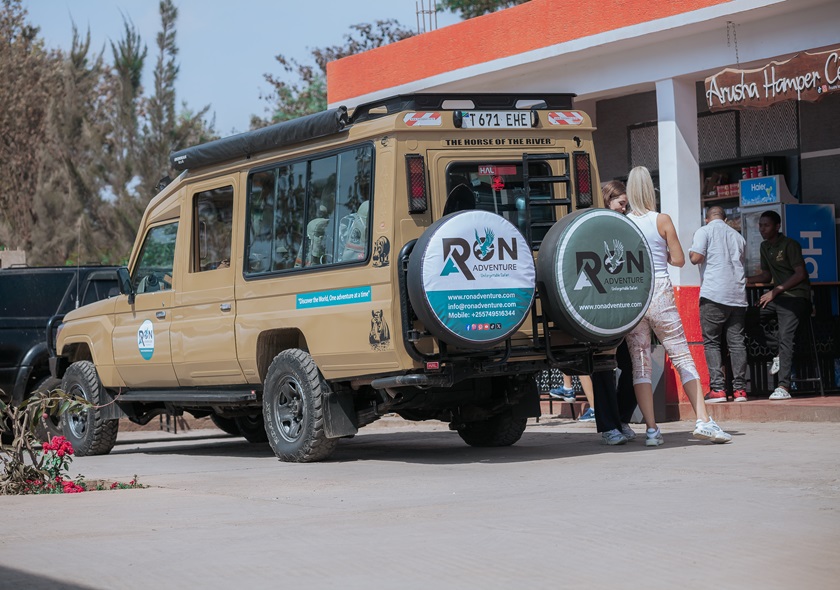
At Ron Adventure, we are based in Arusha and plan Tanzania safaris around each traveler’s dates, interests and budget.
We can help you choose between Central Serengeti, Northern Serengeti, Western Serengeti and the southern plains.
We also consider the season when selecting accommodation and routes.
This is particularly important during the Great Migration because wildlife movements change throughout the year.
Our goal is not simply to add more destinations to an itinerary.
We focus on creating a safari that gives you enough time for wildlife viewing while keeping the journey comfortable and realistic.
Recommended Serengeti Safari Itineraries
If you are planning your first trip, these are some popular options to consider:
3-Day Serengeti Safari
A short option for travelers with limited time.
4-Day Serengeti and Ngorongoro Safari
A good combination for travelers who want both the Serengeti and Ngorongoro Crater.
5-Day Tanzania Safari
Allows more time for Serengeti game drives and can include Tarangire or Ngorongoro.
6 to 8-Day Tanzania Safari
A better option for travelers who want to explore several northern Tanzania destinations at a relaxed pace.
Serengeti Fly-In Safari
Ideal for travelers coming from Zanzibar or those who want to reduce road travel.
Frequently Asked Questions About Serengeti Safari
What is the best month for a Serengeti safari? There is no single best month.
January to March is excellent for calving season, while June to October is popular for dry-season wildlife viewing. July to October can provide opportunities for Mara River crossings in Northern Serengeti.
How many days should I spend in Serengeti? Two to three nights is a good starting point.
Longer stays are recommended if the Great Migration is your main objective.
Is Serengeti worth visiting without seeing the migration? Yes.
The Serengeti has resident wildlife throughout the year.
You can enjoy excellent game drives even when the migrating herds are in another part of the ecosystem.
Can I visit Serengeti from Zanzibar? Yes.
A fly-in safari from Zanzibar is one of the easiest ways to combine a beach holiday with a Tanzania wildlife safari.
Is Serengeti expensive? It can be, but there are different safari styles.
Budget camping, joining safaris, mid-range camps and luxury lodges provide different price levels.
Can I see the Big Five in Serengeti? The Serengeti supports all five of the Big Five: lion, leopard, elephant, buffalo and rhino.
Rhino sightings are less common than some other wildlife, so they should never be guaranteed.
Final Thoughts
A Serengeti safari is one of the most rewarding wildlife experiences in Tanzania.
The key is to choose your travel dates, region and accommodation based on what you want to experience.
Migration safaris require careful planning. Your travel dates and chosen Serengeti region can make a big difference.
Central Serengeti is an excellent year-round choice for first-time visitors.
Travelers visiting during calving season can explore the southern plains and Ndutu area for excellent wildlife viewing.
For the Mara River crossings, Northern Serengeti is the area to consider during the migration season.
If you are not sure which route is right for you, speak with a local Tanzania safari specialist before booking.
Ron Adventure can help you design a private or joining Serengeti safari based on your travel dates, budget and wildlife interests.
Your Serengeti adventure starts with choosing the right plan.
Ready to plan your Tanzania safari?
Our Arusha-based safari experts will create a free, personalized Tanzania safari itinerary within 3 hours, tailored to your budget, travel style, and interests..