Mara River Crossing Safari, The Ultimate Guide to the Great Wildebeest Migration
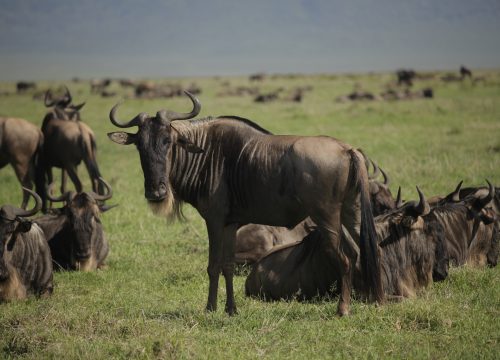
The Mara River crossing represents the most intense and breathtaking phase of the Great Wildebeest Migration in East Africa. Every year, over 1.5 million wildebeest, joined by thousands of zebras and gazelles, follow an ancient migratory route across the Serengeti National Park in Tanzania and into Kenya’s Maasai Mara National Reserve, driven by the search for nutrient-rich grazing lands and seasonal rainfall.
This dramatic river crossing does not occur on a fixed schedule and cannot be predicted with exact timing. Instead, it is a powerful wildlife event shaped by instincts, predator presence, water levels, and weather patterns. Crocodile-infested waters, steep riverbanks, and lurking predators make the crossing one of the most thrilling moments in any African safari tour.
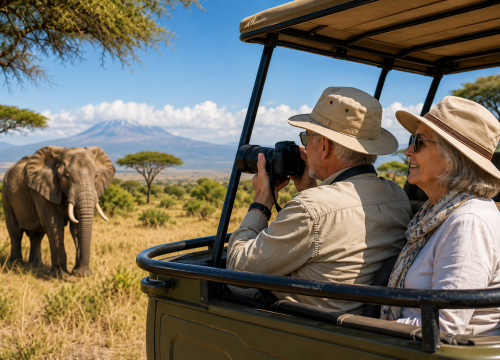
For travellers planning a Tanzania safari holiday or a Great Migration safari experience, witnessing a Mara River crossing is widely regarded as one of the most extraordinary wildlife spectacles in the world. It is a highlight of any Serengeti migration safari, offering exceptional photographic opportunities and unforgettable close-up encounters with nature.
This comprehensive safari travel guide outlines everything clients should understand before booking a Mara River Crossing safari, including the best time to visit, ideal safari lodges, migration season insights, and expert planning tips to maximise their wildlife safari in Tanzania or Kenya.
Where Is the Mara River Located?
The Mara River runs through the northern section of Serengeti National Park in Tanzania before crossing the border into the Maasai Mara National Reserve in Kenya. It is one of East Africa’s most iconic wildlife rivers and plays a crucial role in the Great Wildebeest Migration.
Within Tanzania, the most renowned river crossing points are found in the Kogatende and Lamai Wedge regions of the Northern Serengeti. These remote and wildlife-rich areas are situated approximately:
- 6–8 hours by road from the Central Serengeti (Seronera region)
- Easily accessible via Kogatende Airstrip, making them ideal for fly-in safaris and luxury safari camps
Although the Mara River is not exceptionally wide, it presents significant challenges to migrating animals. The river features steep riverbanks, fast-flowing currents during peak migration season (July–October), and a high concentration of large Nile crocodiles. These natural obstacles make it one of the most dramatic and dangerous wildlife crossing points in Africa.
Why Do Wildebeest Cross the Mara River?
The Mara River crossing is not a random or purely dramatic event. It is a survival-driven movement shaped by ecological pressures and seasonal environmental changes within the Serengeti–Mara ecosystem.
Wildebeest migrate primarily in response to:
- Fresh, nutrient-rich grass that grows after seasonal rainfall
- Improved grazing conditions across the savannah plains
- Reliable water sources during prolonged dry seasons
- Calving grounds earlier in the year, particularly in the Ndutu region of southern Serengeti
- Soil mineral content that enhances herd nutrition
- Natural herd instincts and cyclical migratory patterns
By July, the southern Serengeti plains begin to dry out due to reduced rainfall and rising temperatures. As pasture quality declines, the massive herds move northward in search of greener grasslands and sustainable forage. To access these nutrient-dense grazing areas in Kenya’s Maasai Mara, the wildebeest must navigate and cross the crocodile-infested Mara River — one of the most challenging and dangerous stages of their journey.
This river crossing is a critical phase of the Great Wildebeest Migration, the world’s largest terrestrial mammal migration. The migration follows a continuous clockwise route through the Serengeti–Mara ecosystem, driven by rainfall patterns, grass regeneration cycles, and survival instincts. It represents a complex ecological process involving predator-prey interactions, climate influence, and biodiversity dynamics across East Africa’s savannah landscape.
Best Time to See the Mara River Crossing
The optimal time to witness the spectacular Mara River crossing during the Great Migration is typically from late July through October, which is considered peak safari season in the Northern Serengeti ecosystem.
However, the exact timing of the migration is heavily influenced by rainfall patterns and grass availability in both Tanzania’s Serengeti National Park and Kenya’s Maasai Mara. In some years, the first dramatic river crossings begin as early as July, while in other years the most intense wildlife action occurs during August and September, when thousands of wildebeest and zebras attempt to cross crocodile-filled waters.
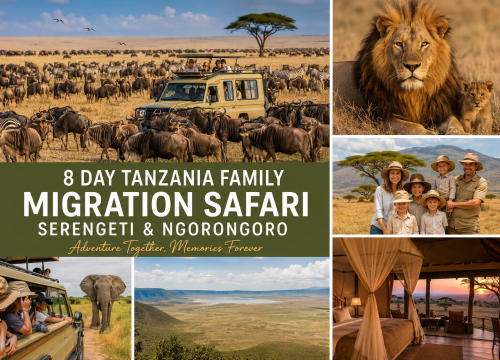
We have Prepared a sample itinerary for 5 day serengeti great migration safari for 2026 view and you can request for a free qoute
Month-by-Month Migration Guide:
- July: Early herds begin arriving in the Northern Serengeti. Initial Mara River crossings may start, offering exciting safari viewing opportunities.
- August: Peak migration activity. This is one of the best months for witnessing dramatic river crossings and predator-prey interactions.
- September: Continued high chances of seeing multiple crossings, making it an excellent time for a Serengeti safari experience.
- October: As short rains begin, many herds start moving southward, though crossings can still occur in early October.
Important Note: Mara River crossings are highly unpredictable. Wildebeest herds may gather along the riverbanks for hours, or even days, before suddenly making the dangerous plunge. Patience and expert safari guides significantly increase your chances of witnessing this unforgettable African wildlife spectacle.
What Makes the Mara River Crossing So Dangerous?
The Mara River crossing is extremely hazardous because of several natural dangers that threaten the migrating animals:
1. Nile Crocodiles
Large Nile crocodiles inhabit the river and often position themselves near popular crossing areas, waiting to ambush wildebeest and other animals as they enter the water.
2. Powerful Water Currents
During the migration season, rising water levels create strong currents that make crossing the river difficult and dangerous, increasing the risk of drowning.
3. Steep and Unstable Riverbanks
The riverbanks are often high, slippery, and muddy. As animals attempt to descend or climb these steep edges, many fall, collide, or become trapped in crowded conditions.
4. Fear and Stampedes
Thousands of animals frequently try to cross at the same time. Panic can spread quickly, leading to chaotic stampedes and trampling.
5. Land Predators
Predators such as lions, hyenas, and leopards wait near the riverbanks to attack vulnerable animals as they emerge from the water.
Despite these serious threats, the migration takes place every year because the animals must reach fresh grazing areas to survive.
How to Get to the Mara River for the Wildebeest Migration Crossing
There are two primary safari travel options for reaching the Mara River in the Northern Serengeti to witness the dramatic Great Wildebeest Migration crossing:
By Road (Traditional Game Drive Safari)
Travelling by road from Arusha is the classic and budget-friendly safari experience. The typical route includes:
- Arusha → Central Serengeti (overnight stay)
- Central Serengeti → Northern Serengeti / Kogatende area (2–3 nights)
This overland journey allows for extended game drives, scenic landscapes, and wildlife viewing opportunities across the Serengeti ecosystem. Visitors can spot the Big Five, predators, and migrating herds along the way, making the drive part of the adventure itself.
By Air (Fly-In Safari Option)
For travellers seeking comfort, speed, and convenience, a fly-in safari is an excellent alternative:
- Scheduled domestic flight from Arusha Airport to Kogatende Airstrip
- Short transfer from the airstrip to a safari lodge or luxury tented camp in Northern Serengeti
This option significantly reduces travel time and is especially popular among luxury safari travellers, honeymooners, and high-end tour packages.
Many Northern Tanzania safari itineraries combine the Mara River crossing with visits to Central Serengeti (Seronera region) and the Ngorongoro Crater, creating a comprehensive Northern Circuit safari experience that highlights Tanzania’s most iconic wildlife destinations.
How Many Days Are Needed to Witness a Mara River Crossing?
To increase your chances of seeing the famous Mara River crossing during the Great Wildebeest Migration, it’s important to plan your safari carefully.
Minimum Recommended Stay:
- 3 nights (4 days) in the Northern Serengeti.
A shorter visit, such as just one night, greatly lowers the likelihood of witnessing the crossing since the timing of the migration is unpredictable.
Ideal Safari Duration:
- 5 to 8 days total, ideally including visits to the Central Serengeti and the Ngorongoro Conservation Area.
Longer stays improve the chances of seeing not only the movement of herds but also the dramatic river crossings, with their crocodile encounters, strong currents, and stampedes.
Extended trips allow flexibility to follow the migration, increasing the likelihood of experiencing this iconic wildlife spectacle in its full intensity.
Estimated Cost of a Mara River Crossing Safari
The cost of a Mara River crossing safari depends on the type of accommodation, travel season, and level of luxury. The peak migration period from July to October is considered high season, so prices are generally higher during these months.
Approximate Per-Person Daily Costs (Based on Sharing):
- Budget Safari: USD 350–450 per person per day
- Mid-Range Safari: USD 500–750 per person per day
- Luxury Safari: USD 800–1,500+ per person per day
- Fly-In Luxury Safaris: Can exceed USD 2,000 per person per day
What’s Included in the Safari Price:
- Park entrance fees (Northern Serengeti premium fees)
- Private or shared 4×4 safari vehicle with a professional guide
- Accommodation (tented camps, lodges, or luxury camps)
- All meals during the safari
- Daily game drives and wildlife tracking
What’s Not Included:
- International flights to Tanzania or Kenya
- Visa fees
- Tips for guides and staff
- Travel or medical insurance
Tips for Budgeting: Planning a safari well in advance and considering off-peak seasons can help reduce costs. For those wanting a premium experience, fly-in luxury safaris offer the convenience of quick access to prime Mara River crossing locations with higher-end accommodations and exclusive wildlife encounters.
Accommodation Options in the Northern Serengeti
The Northern Serengeti provides a variety of safari lodging options to suit different preferences and budgets, allowing travellers to experience the Great Wildebeest Migration up close:
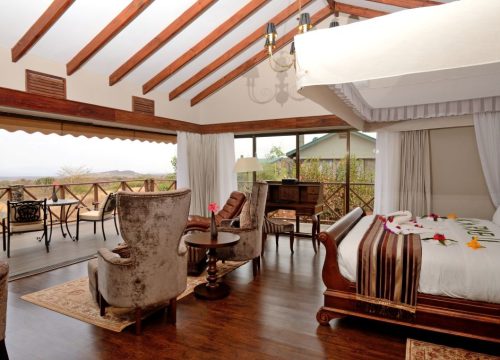
- Permanent Luxury Lodges: High-end lodges with full amenities, ideal for travellers seeking comfort and panoramic views of the Serengeti plains.
- Seasonal Tented Camps: Operate near key river crossing points, offering guests an immersive wildlife experience during peak migration months.
- Mobile Migration Camps: Move with the herds, placing visitors in prime locations to witness the dramatic wildebeest and zebra river crossings.
Seasonal and mobile camps often provide the closest access to active Mara River crossings, giving wildlife enthusiasts and photographers unique opportunities to observe predators, crocodiles, and the stampede firsthand.
Booking Tips:
Advance reservations are critical due to:
- Limited availability of rooms and tents
- High international demand for Serengeti safari experiences
- Peak migration season accommodations often sell out 6–12 months in advance
Planning ensures a better chance of staying at camps or lodges near the action, maximising your chances of witnessing one of nature’s most spectacular events.
River Crossings Are Unpredictable
The timing of Mara River crossings is entirely determined by nature. No safari operator or guide can guarantee an exact moment for witnessing the wildebeest and zebra crossing.
Early Morning Game Drives Are Key
The majority of crossings happen between early morning and mid-afternoon, so starting your game drives at sunrise significantly increases your chances of seeing this iconic wildlife event.
Patience Is Essential
Wildlife encounters, especially river crossings, require time. Vehicles may remain at riverbanks for several hours while waiting for herds to arrive.
Photography Tips and Preparation
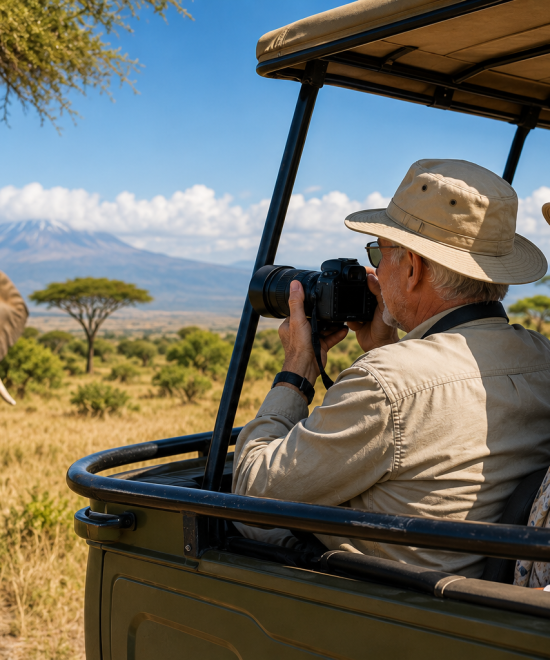
To capture the crossing and other migration moments:
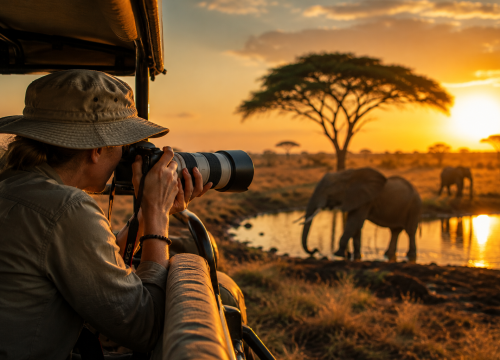
- Use a telephoto lens (200–400mm) for close-up shots.
- Bring extra camera batteries and memory cards.
- Protect your gear from dust and water.
Travel Insurance Is Strongly Recommended
Comprehensive travel insurance is essential to cover cancellations, medical emergencies, trip delays, and emergency evacuations during your safari.
Visa and Entry Requirements
Most international visitors to Tanzania need a tourist visa. Check entry requirements before travelling to avoid issues at the border.
Health and Safety Precautions
Travellers arriving from countries where yellow fever is present must carry a valid vaccination certificate. Staying up-to-date on routine vaccinations and taking malaria precautions is also advised.
Final Planning Tips for a Mara River Crossing Safari
Experiencing the Mara River crossing is more than just a typical safari, it is one of the most spectacular wildlife events on Earth. Careful preparation can dramatically enhance your chances of witnessing this breathtaking natural phenomenon.
Tips for an Unforgettable Experience:
- Best Time to Visit: Plan your safari between August and September, when the wildebeest migration peaks.
- Recommended Stay: Spend at least 3 nights in the Northern Serengeti to increase your chances of seeing the river crossing.
- Early Booking: Reserve accommodations and safari tours well in advance to secure prime locations and expert guides.
- Expert Safari Guides: Choose guides who are knowledgeable about migration routes and river crossing patterns.
- Combine Destinations: Include the Central Serengeti and Ngorongoro Conservation Area for a full, diverse safari experience.
A well-planned Mara River Crossing safari delivers unparalleled wildlife drama, incredible photography opportunities, and a deep appreciation for the raw power and unpredictability of nature. Witnessing the migration firsthand offers a once-in-a-lifetime adventure that highlights the extraordinary dynamics of Africa’s Serengeti ecosystem.
Read More Of our Articles and Blogs