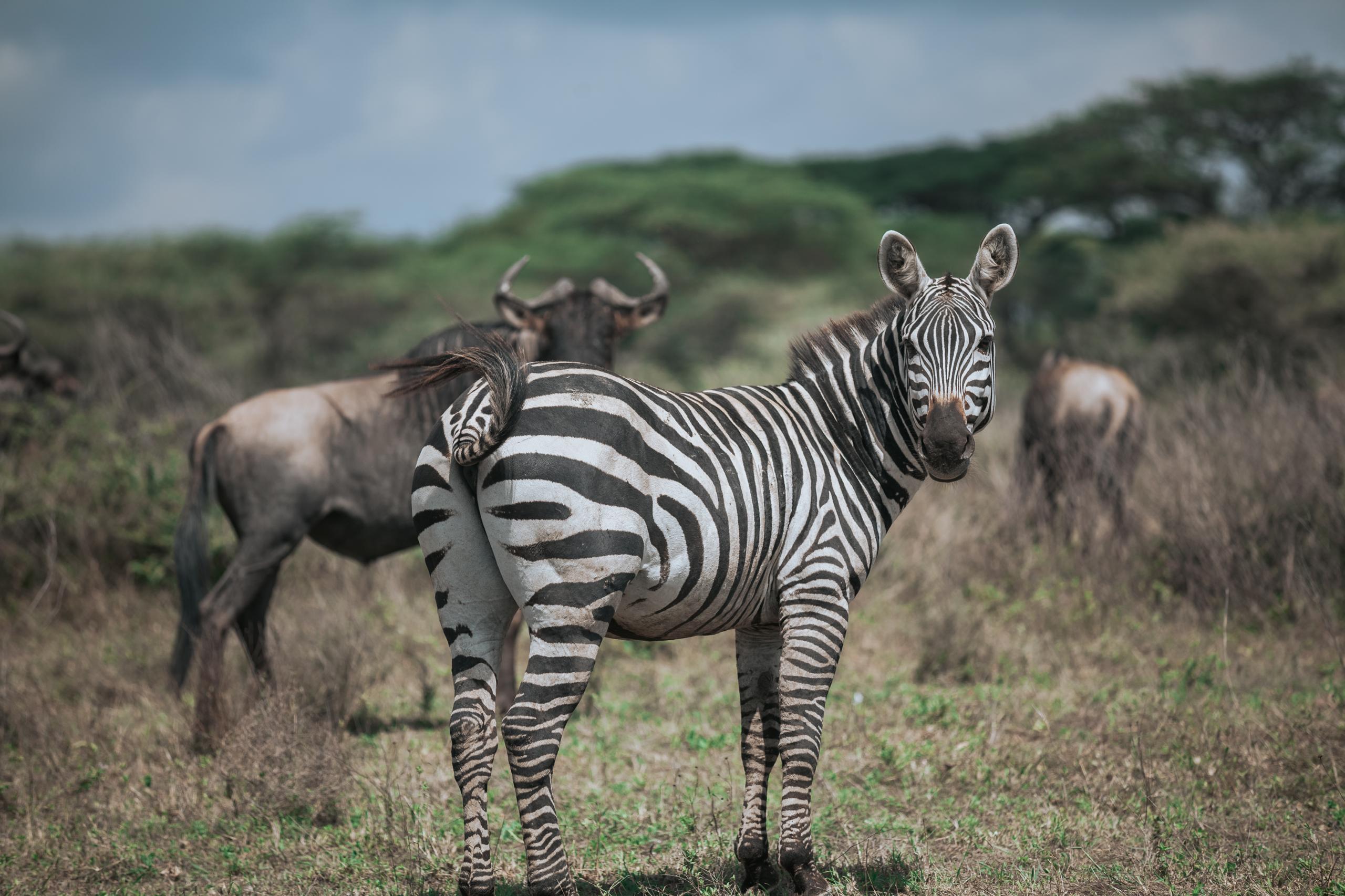
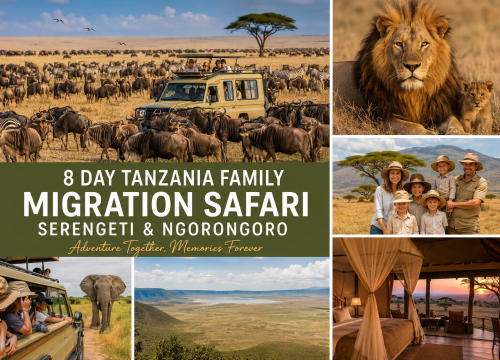
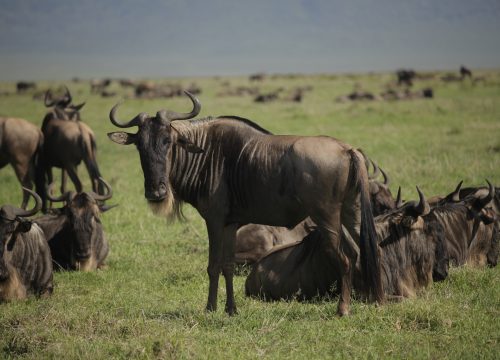
The Great Wildebeest Migration, centered in Serengeti National Park, is one of the most amazing wildlife events on the planet. Every year, more than 1.5 million wildebeest, along with zebras and gazelles, migrate continuously throughout the Serengeti ecosystem in search of fresh pasture.
Knowing the best time to visit the Serengeti for the Great Migration will help you choose the ideal season, location, and itinerary for an unforgettable safari in Tanzania.
What Is the Great Wildebeest Migration?
The Great Migration is a continuous, year-round movement of wildebeest, zebras, and antelopes between the Maasai Mara in Kenya and Tanzania’s Northern, Central, and Southern Serengeti. Unlike many wildlife events, it does not follow fixed dates; instead, it is driven by rainfall patterns and the growth of fresh grass.
This natural cycle includes dramatic river crossings, the calving season, intense predator activity, and long-distance wildlife movements.
Best Time to Visit Serengeti for the Migration (Month by Month)
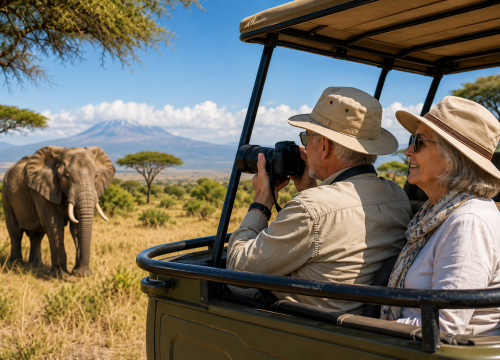
The Serengeti is one of the finest sites in the world, especially for photographers and nature lovers.
January to March – Calving Season (Southern Serengeti & Ndutu)
During these months, wildebeest gather for calving in the Ndutu area and the southern Serengeti. This is why you should travel at this time:
- Thousands of calves are born every day
- Rare and exciting encounters with predators such as lions, cheetahs, and hyenas
- Fewer visitors compared to the peak seasons of the year
This is the perfect time for travelers who want to experience nature without needing to cross the river
April to May – Green Season (Central Serengeti)
The long rains occur during these months, and the migration begins moving north as the landscape becomes green and verdant.
The main reasons to visit during this period are the stunning scenery and the low number of visitors.
- Reduced lodging costs
- Excellent bird viewing
This is a fantastic choice for budget-conscious travelers who prefer quieter safaris, even though some routes may be muddy.
June to July – Migration Movement & Predator Action
From June, the herds move through the Western and Central Serengeti, preparing for the dramatic river crossings.
Why visit during this time:
- Strong concentration of wildlife
- Increased predator activity
- Excellent overall game viewing
This is a popular season and ideal for travelers seeking a classic Serengeti safari experience.
August to October – Mara River Crossings (Northern Serengeti)
The Great Migration’s most well-known period occurred at this time. Wildebeest make dangerous attempts to cross the Mara River, facing crocodiles and strong currents.
Reasons to visit now:
-
Spectacular river crossings
-
High chances of witnessing migration behavior
-
One of the best times for safaris
Due to high demand, early booking is essential during this period.
November to December – Return to Southern Serengeti
When the light rains begin, the herds return to the southern Serengeti.
Reasons to go now:
- Fewer visitors
- Lush, green landscapes
- Still, plenty of wildlife to see
This is the perfect time for travelers who want to explore remarkable places more freely and enjoy a quieter safari experience.
Best Serengeti Region by Migration Season
|
Season
|
Best Area
|
Highlights
|
|
Jan–Mar
|
Ndutu / Southern Serengeti
|
Calving season
|
|
Apr–May
|
Central Serengeti
|
Lush scenery, fewer crowds
|
|
Jun–Jul
|
Central & Western Serengeti
|
Predator action
|
|
Aug–Oct
|
Northern Serengeti
|
Mara River crossings
|
|
Nov–Dec
|
Southern Serengeti
|
Migration return
|
Is the Serengeti Worth Visiting Outside Migration Season?
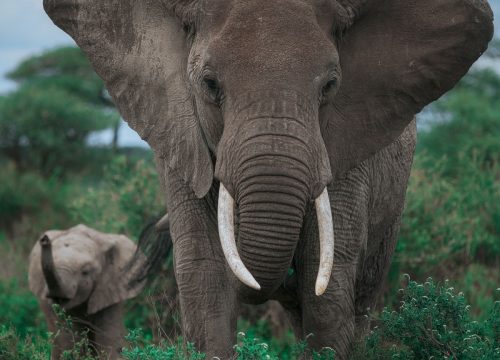
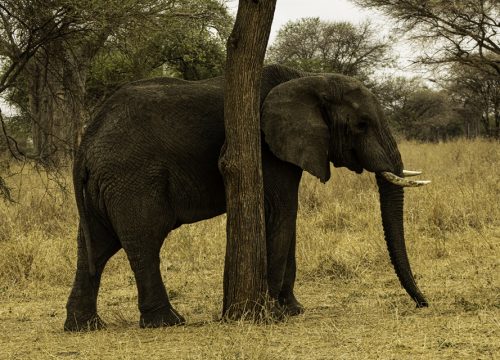
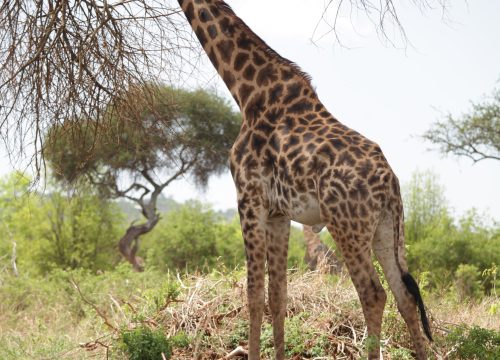
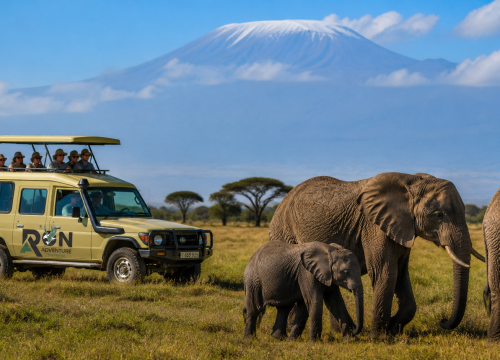
Yes. Even when the migration is not in a specific area, the Serengeti still offers excellent game viewing throughout the year. You can see resident predators, elephants, giraffes, and large plains game at any time.
Many travelers prefer the quieter months, when wildlife remains abundant, and there are fewer crowds.
Frequently Asked Questions
-
When is the best time to see the Great Migration in the Serengeti?
The Great Migration is a year-round movement of wildebeest, zebra, and gazelle across the Serengeti ecosystem. However, the best time depends on what you want to witness. For river crossings in the northern Serengeti, July to October is ideal. For the calving season in the southern plains (Ndutu area), January to March is the prime period.
-
Is the Great Migration visible all year in Serengeti National Park?
Yes. The migration never stops; it moves in a circular pattern between Tanzania and Kenya. At any time of year, large herds can be found somewhere within the Serengeti ecosystem, though their exact location varies by season.
-
When is the best time to see river crossings in the Serengeti?
The dramatic Mara River crossings usually occur between July and October in the northern part of Serengeti National Park. These crossings are unpredictable but offer one of the most intense wildlife spectacles in Africa.
-
When is the wildebeest calving season in Serengeti?
Calving season typically happens from late January through March in the southern Serengeti and Ndutu plains. During this period, thousands of wildebeest calves are born daily, attracting predators such as lions, cheetahs, and hyenas.
-
Which months are best for predator sightings during the migration?
Predator activity is particularly high during the calving season (January–March) and river crossing months (July–October). Big cats and crocodiles take advantage of vulnerable calves and river crossings.
-
Is Serengeti good to visit outside the migration season?
Absolutely. Even outside peak migration months, Serengeti offers excellent resident wildlife viewing, including lions, elephants, giraffes, leopards, and buffalo. Game viewing remains strong throughout the year.
-
What is the weather like during the Great Migration?
The dry season (June–October) offers cooler mornings, clear skies, and easier wildlife spotting due to thinner vegetation. The green season (November–May) features lush landscapes, fewer crowds, and excellent birdwatching.
-
Is the Great Migration better in the Serengeti or the Maasai Mara?
Both destinations offer outstanding experiences. Serengeti National Park provides a longer migration season and diverse landscapes, while Maasai Mara National Reserve is known for concentrated river crossings and shorter travel distances.
-
How far in advance should I book a Serengeti migration safari?
For peak months (July–October and January–March), it is recommended to book at least 6–12 months in advance to secure quality lodges and camps, especially those near migration routes.
-
What part of the Serengeti should I visit for the migration?
Southern Serengeti (Ndutu) – January to March (calving season)
Western Corridor – May to June (Grumeti River crossings)
Northern Serengeti – July to October (Mara River crossings)
-
Are migration safaris crowded?
The northern Serengeti and Maasai Mara can be busy during peak river crossing months. However, Serengeti’s vast size allows for more space and exclusive experiences compared to smaller reserves.
-
Can I combine the Great Migration with other parks?
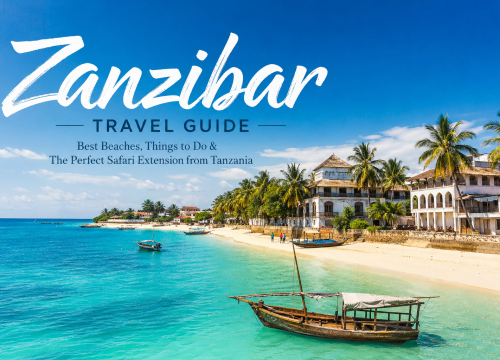
Yes. Many travelers combine a safari in the Serengeti with a visit to Ngorongoro Crater, Tarangire National Park, or even Zanzibar for a safari-and-beach experience.
Planning the Best Migration Safari
Time and location are crucial to truly experiencing the Great Migration. With a well-organized itinerary, you arrive in the right part of the Serengeti at exactly the right time.
At Ron Adventure, our Serengeti migration safaris are carefully planned around:
Best 7-Day Migration Safari Timing
A 7-day Great Migration safari in Serengeti offers excellent flexibility to follow the movement of wildebeest across different regions depending on the season. The best timing depends on whether travelers want to witness calving season in Ndutu, predator action in Central Serengeti, or dramatic Mara River crossings in Northern Serengeti.
From December to March, the migration gathers in the Ndutu plains and southern Serengeti, where thousands of wildebeest give birth. This is considered the best time for calving season safaris in Serengeti and offers exceptional predator sightings.
Between April and June, herds begin moving through the Central Serengeti (Seronera) corridor. A safari during this period provides strong opportunities to see lion, cheetah, leopard, and large migrating herds with fewer vehicles compared to peak season.
From July to October, the migration reaches Northern Serengeti (Kogatende and Mara River area). This is the best time for Mara River crossings, making it the most popular period for travelers seeking dramatic migration action.
Best Months for Photographers
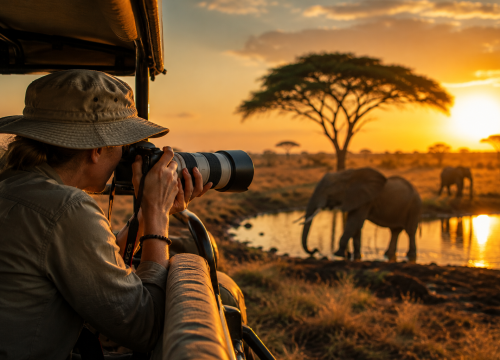
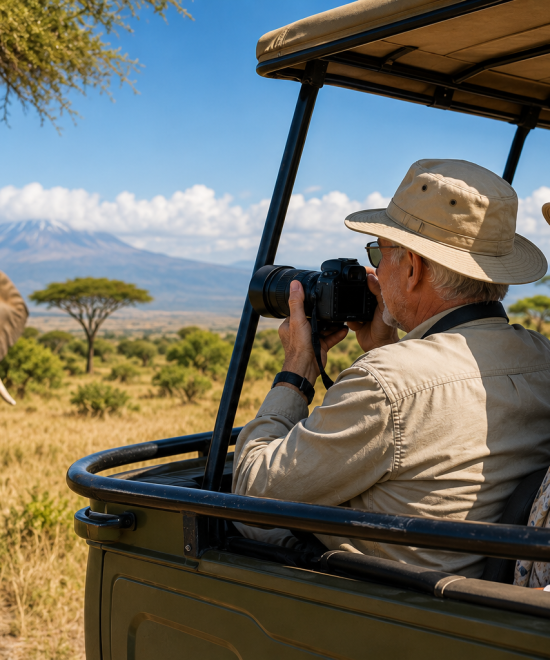
The best months for Serengeti wildlife photography depend on the type of images travelers want to capture during the migration.
From January to March, photographers enjoy excellent opportunities to capture newborn wildebeest calves, predator interactions, and dramatic wildlife behavior in the Ndutu calving season. The short grass plains also provide clear backgrounds ideal for photography.
Between June and October, Northern Serengeti becomes one of the best wildlife photography destinations in Africa thanks to river crossing scenes along the Mara River. Dust, movement, and dramatic crossings create powerful photographic moments.
The green season (November to May) also offers beautiful landscapes, fewer vehicles, and soft natural light that photographers often prefer.
Best Months for Budget Travelers
Travelers looking for an affordable Serengeti migration safari can reduce costs by visiting during the shoulder season months when accommodation prices are lower and parks are less crowded.
The period from April to early June offers excellent migration viewing in Central Serengeti with reduced lodge rates. Although occasional rains occur, wildlife viewing remains strong.
Another good time for budget Serengeti safaris is November, when the migration begins returning south toward Ndutu and visitor numbers are still low.
Traveling during these months allows visitors to experience the Great Migration in Tanzania at a lower safari cost compared to peak season river crossing months.
Best Time to Experience River Crossings Compared to Calving Season
Choosing between the river-crossing period and the calving season in the Serengeti depends on the type of wildlife experience a traveler is hoping to enjoy during the Great Migration.
River crossings are most commonly seen from July through October in the northern section of the Serengeti, especially around the Kogatende corridor near the Mara River. During this time, large herds gather along the riverbanks before making risky crossings where crocodiles and strong currents create dramatic scenes. Because of this intense natural action, the period is especially popular with photographers and travelers interested in witnessing one of the migration’s most thrilling moments.
In contrast, the calving season takes place between late January and March across the Ndutu plains and southern Serengeti ecosystem. Within only a few weeks, hundreds of thousands of wildebeest calves are born, attracting predators such as lions, cheetahs, and hyenas. This creates exceptional opportunities to observe predator–prey interactions and large concentrations of wildlife across open grassland landscapes.
Both seasons provide outstanding migration viewing opportunities, but they highlight different natural events. River-crossing safaris focus on dramatic herd movement and survival challenges, while calving-season safaris emphasize newborn wildlife and increased predator activity across the southern plains.
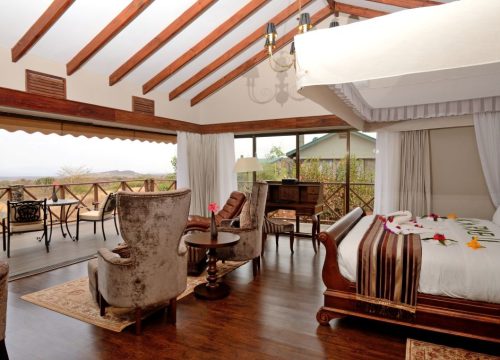
Where to Stay Each Season (Ndutu, Central Serengeti, Northern Serengeti)
Choosing the correct location to stay during a Serengeti migration safari greatly increases the chances of seeing large herds.
From December to March, the best accommodation locations are in Ndutu and southern Serengeti, where the migration gathers for calving season. Staying close to the short grass plains improves daily wildlife viewing opportunities.
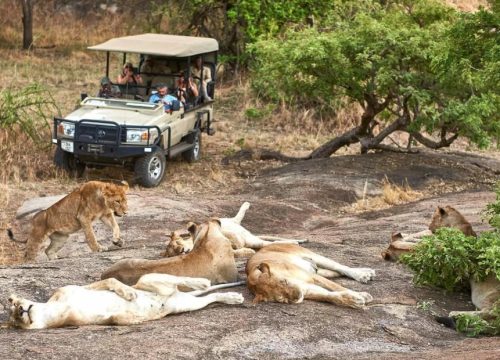
Between April and June, visitors should stay in Central Serengeti (Seronera Valley), which lies along the migration corridor and supports strong resident predator populations year-round.
From July to October, the best place to stay is Northern Serengeti (Kogatende region) near the Mara River crossing points, where travelers can witness dramatic migration movements.
Selecting accommodation based on migration location is one of the most important decisions when planning a Great Migration safari in Tanzania.
Final Thoughts
The Great Wildebeest Migration is a year-round phenomenon, and there is no “wrong” time to visit the Serengeti. Whether you are interested in the calving season, dramatic predator action, or thrilling river crossings, the Serengeti delivers unforgettable wildlife experiences in every season.
Contact Ron Adventure today to help you plan your Serengeti safari at the perfect time to match your travel goals.