Ngorongoro Crater Guide: Complete Travel Experience Inside Tanzania’s Natural Wildlife Sanctuary
Introduction to the Ngorongoro Crater
The Ngorongoro Crater is one of Tanzania’s most remarkable safari destinations. Located in northern Tanzania, this विशाल volcanic caldera is home to a rich variety of wildlife and breathtaking scenery.
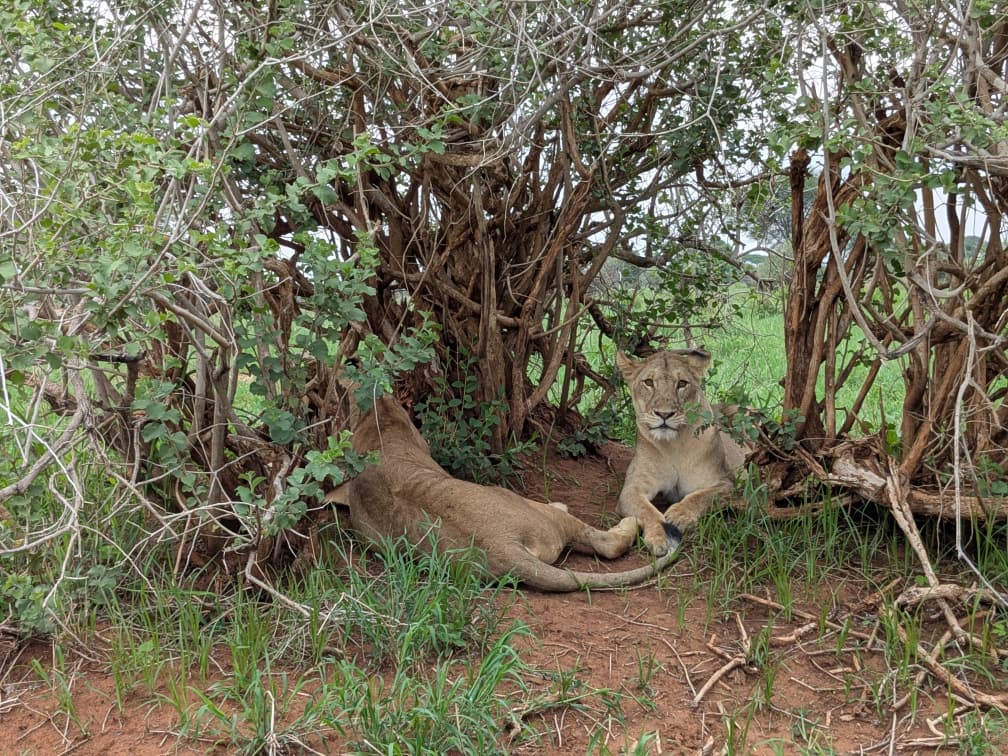
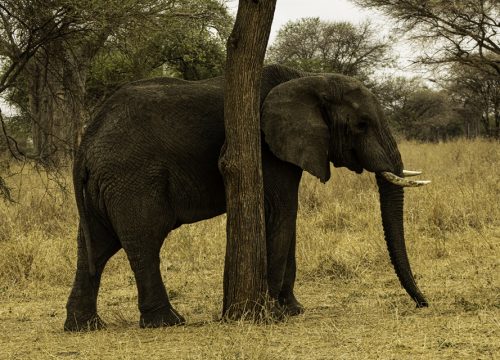
Its fertile crater floor supports a high concentration of animals, making wildlife viewing rewarding throughout the year. Visitors can spot lions, elephants, buffaloes, zebras, wildebeests and, with some luck, the endangered black rhino.
From the green crater rim to the open grasslands below, Ngorongoro offers spectacular views and excellent game drives. It is a highlight of any Northern Tanzania safari.
Millions of years ago, a giant volcano stood taller than Mount Kilimanjaro. After a massive eruption, it collapsed inward, forming what is now the Ngorongoro Crater.
Today, the crater measures approximately 19 km wide and over 600 metres deep. Its fertile volcanic soil supports green grasslands, freshwater springs, and seasonal wetlands.
The crater provides a natural habitat for wildlife throughout the year. Lions, elephants, buffaloes, zebras, and other animals thrive within this unique ecosystem.
Exploring Ngorongoro is more than a wildlife safari. It is an opportunity to discover one of Africa’s most remarkable natural wonders.
Location and Accessibility from Arusha
Ngorongoro Crater is about a 3–4-hour drive from Arusha, making it ideal for short safaris and Northern Circuit tours. Along the way, enjoy scenic highlands, coffee farms, and traditional Maasai villages.
Many travellers combine Ngorongoro with Tarangire National Park and Lake Manyara for a memorable wildlife safari. As you approach the crater rim, cooler temperatures and misty forests create a beautiful contrast with the open plains below.
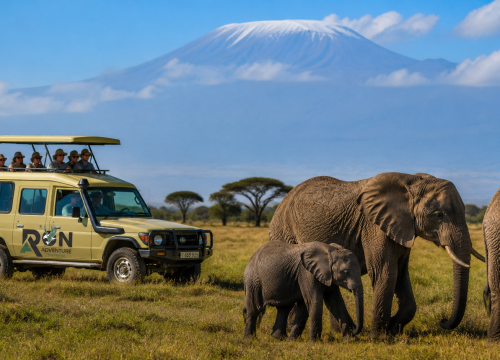
With Ron Adventure, you can enjoy a well-planned journey and exciting wildlife encounters in one of Tanzania’s most famous safari destinations.
Wildlife Diversity Inside the Crater Floor
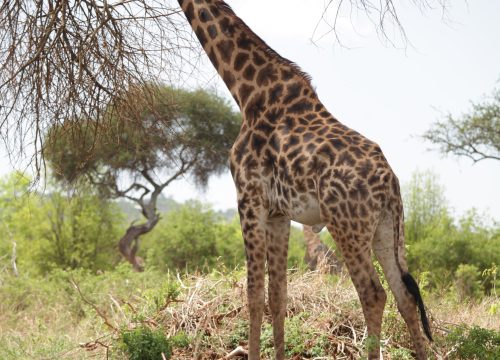
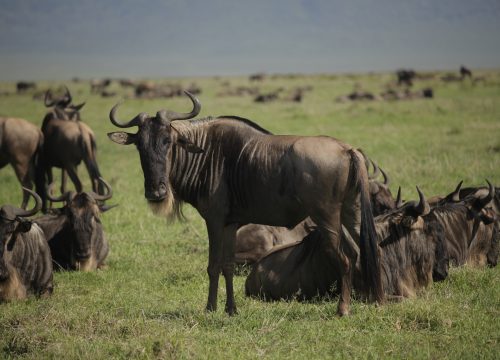
The Ngorongoro Crater offers an incredible variety of wildlife in one remarkable setting. Its open grasslands are home to wildebeest, zebras, buffalo, gazelles, and warthogs. Lions, hyenas, and leopards also roam the crater in search of prey.
Permanent water sources attract wildlife throughout the year, making game viewing rewarding in every season. You may also spot flamingos at Lake Magadi and hippos resting in nearby pools.
With its open landscapes and high concentration of animals, the crater offers excellent photography opportunities and unforgettable wildlife encounters.
The Big Five Experience in Ngorongoro Crater
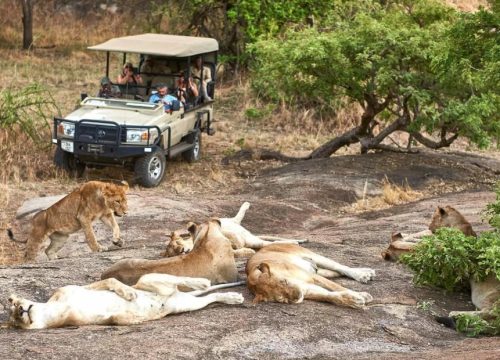
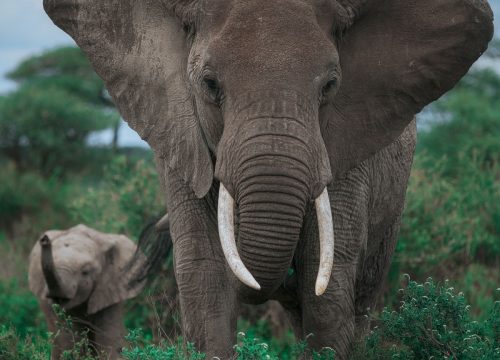
One of the main highlights of visiting Ngorongoro Crater is the chance to see the famous Big Five in one place. Lions are often spotted hunting or resting on the open plains, while large buffalo herds graze across the crater floor. Elephants are commonly seen near the forested slopes, and leopards occasionally appear in the trees around Lerai Forest. The rare black rhino is another special sighting, protected through ongoing conservation efforts.
With Ron Adventure, our guides help you explore the best wildlife viewing areas for a memorable Big Five safari experience.
Birdlife and Wetland Ecosystems
Ngorongoro Crater is home to a wide variety of bird species found in its wetlands, grasslands, and forests. Lake Magadi attracts seasonal flocks of flamingos, while crowned cranes and secretary birds can be spotted across the open plains. Eagles and other birds of prey circle above the crater, searching for food. The surrounding forests also provide shelter for many bird species. With diverse habitats and excellent viewing opportunities, Ngorongoro offers a rewarding birdwatching experience alongside its famous wildlife.
Maasai Communities and Cultural Heritage
The Ngorongoro Conservation Area is unique because wildlife and traditional Maasai communities share the same landscape. For generations, the Maasai have maintained their pastoral lifestyle and cultural traditions.
During your safari, you may see Maasai herders guiding cattle across the open plains near the crater rim. This offers a glimpse into their daily lives and connection to nature.
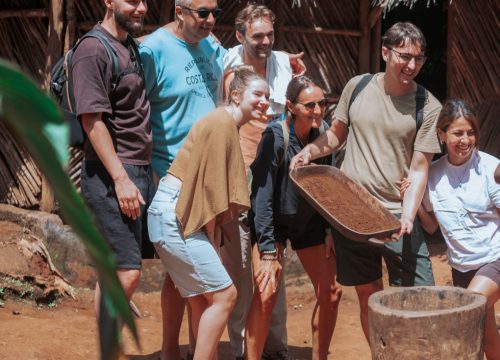
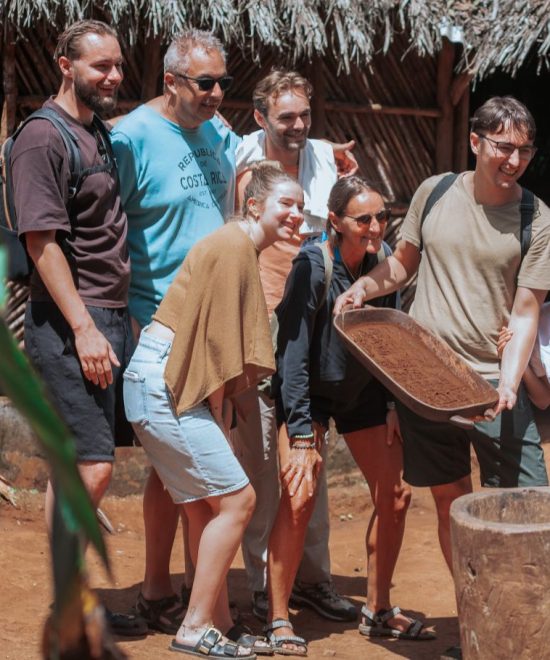
With Ron Adventure, you can enjoy responsible cultural visits, learn about Maasai traditions, explore traditional homes, and discover local community initiatives.
These experiences add a cultural touch to your safari, helping you understand the people and traditions of the Ngorongoro region.
Scenic Landscapes from the Crater Rim
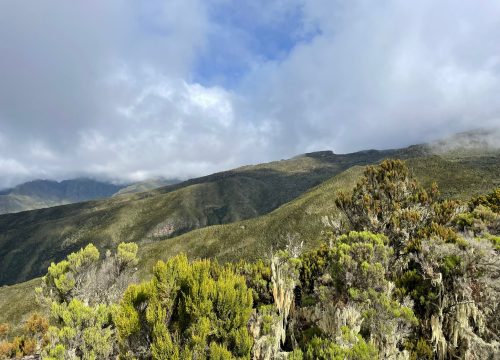
The Ngorongoro Crater rim offers spectacular views of Tanzania’s famous caldera. At sunrise, mist rises from the crater floor as golden light illuminates the forests and grasslands below.
The surrounding forests are home to elephants, bushbuck, and many bird species. Lodges along the rim offer panoramic views and easy access to crater descent routes.
Ron Adventure carefully selects comfortable accommodations where guests can enjoy breathtaking scenery and a peaceful stay before or after their crater safari.
Best Time to Visit Ngorongoro Crater
Ngorongoro Crater is a year-round safari destination with resident wildlife throughout the year. However, each season offers a different experience.
Dry Season (June–October): Shorter grasses and clearer roads make wildlife easier to spot. This is an excellent time for game viewing.
Green Season (November–May): The crater becomes lush and green, creating beautiful scenery for photography. Migratory birds also arrive, making it a great time for birdwatching.
At Ron Adventure, we help you choose the best time to visit based on your interests, whether wildlife viewing, photography, or fewer crowds.
Weather Conditions Throughout the Year in Ngorongoro
Ngorongoro Crater offers good safari conditions throughout the year. Wildlife stays within the conservation area, making it a rewarding destination in every season.
The crater rim is cool, especially in the mornings and evenings, while the crater floor is generally warmer.
Dry Season (June–October): Enjoy shorter grass, less rainfall and clear wildlife viewing conditions. This is also a great time for safari photography.
Green Season (November–May): The landscape becomes lush and green, with beautiful scenery, fresh vegetation and excellent birdwatching opportunities.
At Ron Adventure, we help you choose the best time to visit based on your wildlife interests, photography plans and travel preferences.
Game Drive Experience on the Crater Floor
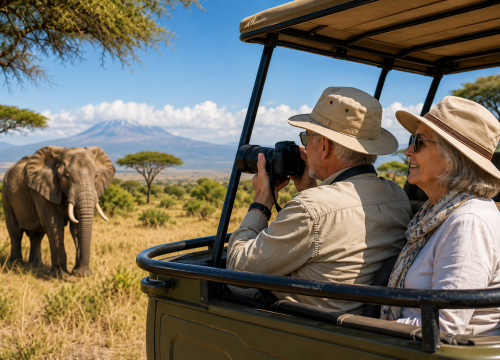
Enjoy an unforgettable game drive on the floor of the Ngorongoro Crater, one of Africa’s best wildlife viewing destinations. The crater is home to large populations of wildlife throughout the year.
Spot lions, elephants, buffaloes, zebras, wildebeest, hyenas, and gazelles across the open grasslands. You may also see hippos in freshwater pools and flamingos along Lake Magadi.
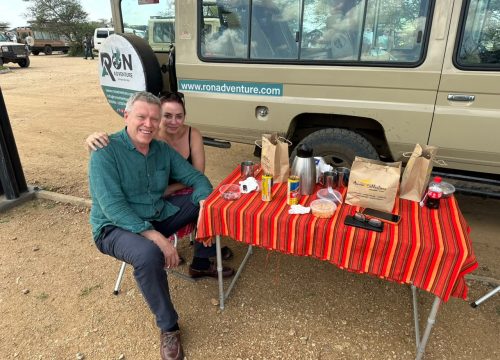
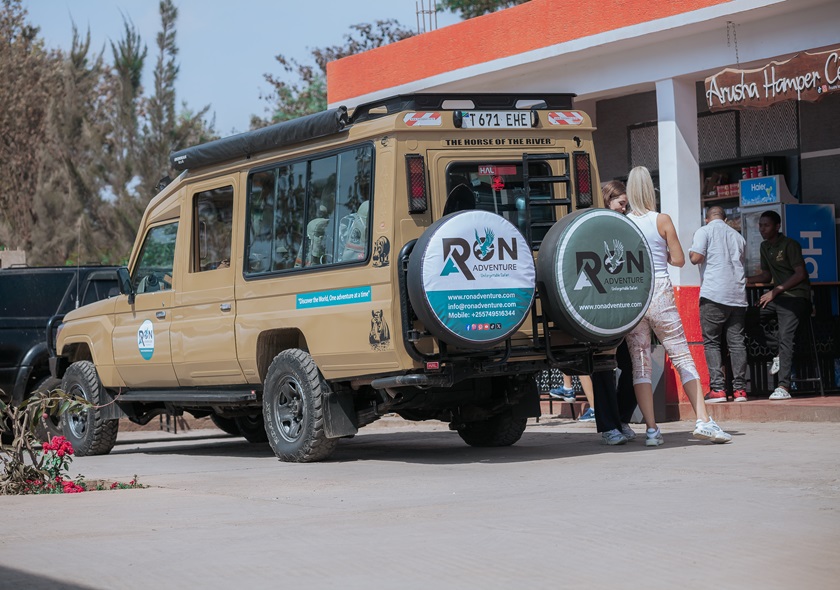
With its rich wildlife and short driving distances, the crater offers excellent game-viewing opportunities. Your experienced Ron Adventure driver-guide will help you spot animals and make the most of your safari experience.
Conservation Efforts Protecting the Ngorongoro Ecosystem
The Ngorongoro Conservation Area combines wildlife conservation with traditional Maasai culture. Strict vehicle regulations help protect the crater’s fragile environment and natural habitats. Conservation programs also protect endangered black rhinos and monitor wildlife populations.
Local communities and conservation organizations work together to promote responsible grazing and sustainable tourism. By choosing responsible safari operators like Ron Adventure, travellers support wildlife conservation, local communities, and the protection of this unique landscape.
Accommodation Options Near the Ngorongoro Crater Rim
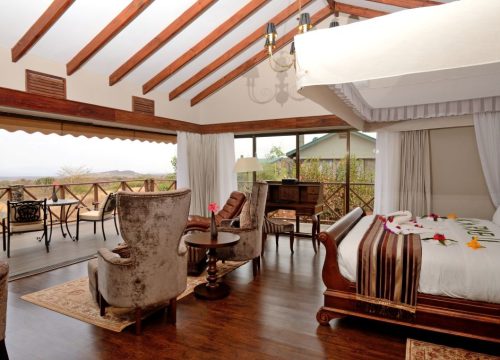
Accommodation near the Ngorongoro Crater rim offers stunning views of the caldera and easy access to early morning game drives. Enjoy beautiful sunrises, cool highland temperatures, and breathtaking scenery.
Nearby lodges and mid-range camps provide comfortable stays at different price levels. Ron Adventure helps you choose accommodation that suits your budget, travel style, and safari itinerary.
Staying close to the crater allows you to start your game drive early and make the most of your Ngorongoro safari.
Photography Opportunities in the Ngorongoro Crater
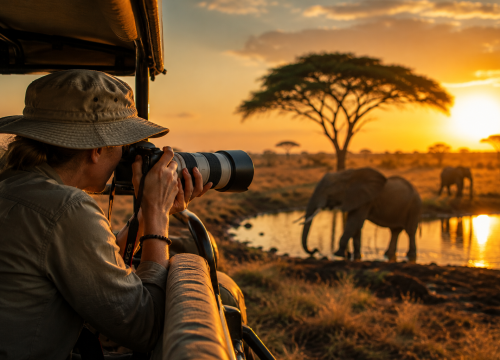
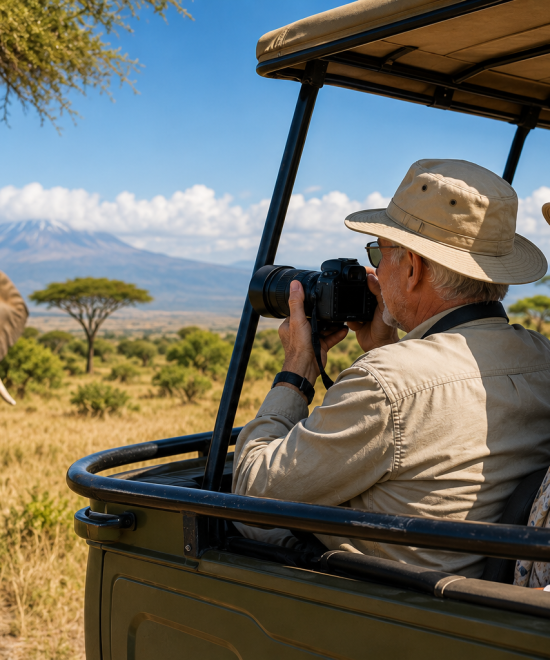
Photography in the Ngorongoro Crater offers stunning landscapes, rich wildlife, and excellent viewpoints. Early morning light creates beautiful wildlife portraits across the open grasslands. Lake Magadi attracts flamingos, adding vibrant colours to your photos, while Lerai Forest provides great opportunities to photograph elephants among acacia trees.
From the crater rim, you can capture breathtaking panoramic views of the caldera. Changing weather also creates dramatic skies and unique photographic moments. With Ron Adventure, photography safaris offer flexible game drives and vehicle positioning to help you capture the best wildlife and lighting conditions.
Combining Ngorongoro Crater with Serengeti Safari Itineraries
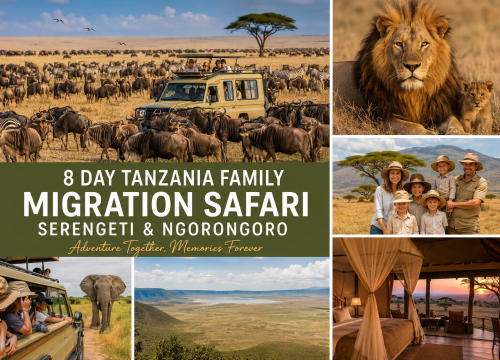
Combining Ngorongoro Crater and Serengeti National Park offers an unforgettable Tanzania safari experience. The Ngorongoro Crater is famous for its high concentration of wildlife, including lions, elephants and the endangered black rhino. The Serengeti is known for its endless plains, abundant wildlife and the Great Wildebeest Migration.
During the calving season, visitors can witness thousands of wildebeest in the southern Serengeti. The journey also offers beautiful views of Tanzania’s volcanic highlands and open savannah landscapes.
At Ron Adventure, we carefully plan each safari to balance travel time and wildlife viewing. This combination is ideal for first-time visitors who want to explore two of Tanzania’s most famous wildlife destinations.
Travel Tips for First-Time Visitors to Ngorongoro Crater
repare for changing temperatures when visiting the Ngorongoro Crater. Early mornings can be cold, especially along the crater rim, so bring warm clothing even during the dry season.
Start your game drive early to enjoy the best wildlife viewing opportunities. Predators such as lions and hyenas are often more active shortly after sunrise. Binoculars are also useful for spotting animals across the open plains.
When booking with Ron Adventure, you receive helpful travel advice, including packing tips and safari planning guidance. Good preparation ensures a comfortable and memorable Ngorongoro Crater safari.
Why Choose Ron Adventure for Ngorongoro Crater Safaris
Choosing the right safari operator makes your Ngorongoro Crater experience more enjoyable. Ron Adventure offers personalized Tanzania safaris led by experienced local driver-guides. Our team plans each trip carefully to maximize game-viewing time and ensure smooth travel.
Our knowledgeable guides help you spot wildlife across the crater floor, including the grasslands, wetlands, Lake Magadi, and Lerai Forest. With local expertise and professional service, we focus on comfort, quality, and unforgettable wildlife encounters.
Choose Ron Adventure for a memorable and well-organized Ngorongoro Crater safari.
Ready to plan your Tanzania safari?
Our Arusha-based safari experts will create a free, personalized Tanzania safari itinerary within 3 hours, tailored to your budget, travel style, and interests..