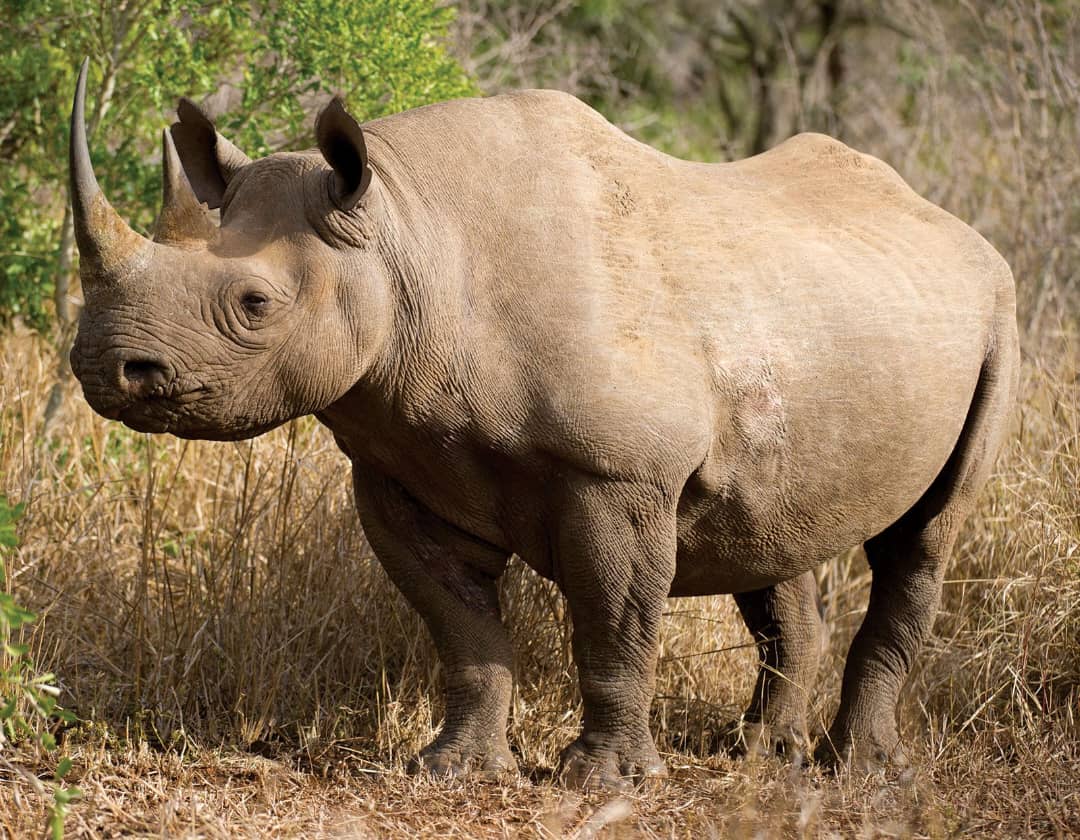
Seeing a black rhino in the wild is one of the most special experiences on a Tanzania safari. These endangered animals are difficult to spot, but Ngorongoro Crater offers one of the best opportunities to see them in their natural habitat.
Located in northern Tanzania, the crater is famous for its beautiful landscapes and remarkable wildlife. Lions, elephants, buffaloes and other animals live here throughout the year. Black rhinos are among its most important wildlife highlights.
In this guide, you will learn where to see black rhinos in Ngorongoro Crater, when to visit, what to expect during a game drive and how to prepare for your safari.
Can You See Black Rhinos in Ngorongoro Crater?
Yes. Ngorongoro Crater is one of Tanzania’s best places to look for wild black rhinos. However, sightings are never guaranteed.
The crater supports a resident black rhino population protected through conservation management and anti-poaching efforts. Its relatively compact landscape also makes wildlife viewing rewarding during a single-day safari.
Black rhinos are naturally cautious. They may appear in open grassland or move near thicker vegetation, where they can be difficult to see.
A knowledgeable safari guide can help you search for them while respecting wildlife and park regulations.
Where to See Black Rhinos in Ngorongoro Crater
The crater floor contains grasslands, woodland, wetlands and areas of thicker vegetation. These different habitats support a wide variety of wildlife, including black rhinos.
During a game drive, your guide will scan suitable habitats and use recent wildlife observations to help locate animals.
Rhinos may be seen moving across open areas or browsing near vegetation. Their movements change throughout the day, so it is important to remain patient.
Keep these tips in mind:
- Scan the grasslands carefully with binoculars.
- Look for animals near the edges of woodland and open habitats.
- Follow your guide’s advice on where to search.
- Allow enough time for wildlife viewing instead of rushing between locations.
There is no single location where a sighting is guaranteed. Wildlife moves freely, and every game drive is different.
Best Time to See Black Rhinos in Ngorongoro Crater
Black rhinos can be seen throughout the year because the crater supports a resident population. However, weather and vegetation can influence how easily you spot them.
Best time of day
Early morning is a good time to begin searching for black rhinos. Cooler conditions and favourable light can make wildlife viewing more comfortable.
An early crater descent also gives you more time to explore different habitats. Later sightings are possible, although rhinos may be harder to see when they move into cover.
For the best experience, plan your visit with an experienced local safari guide.
Best season to visit
June to October: Dry season
The grass is often shorter during the dry season, which can improve visibility across open areas. These months are popular for Tanzania safaris, so it is advisable to book accommodation in advance.
November to May: Green season
The landscape becomes greener, creating beautiful scenery for photography. However, taller vegetation and rain may make some wildlife harder to spot.
Both seasons offer opportunities to see black rhinos. Your choice should also consider your preferred scenery, travel dates and other wildlife experiences.
Ready to plan your Tanzania safari?
Our Arusha-based safari experts will create a free, personalized Tanzania safari itinerary within 3 hours, tailored to your budget, travel style, and interests..
Why Are Black Rhinos So Rare in Tanzania?
Black rhinos have suffered severe population declines because of poaching and habitat loss. Illegal demand for rhino horn has been a major threat to their survival.
Today, black rhinos are classified as Critically Endangered globally. Protecting the remaining populations is essential for the future of the species.
Their survival depends on several conservation measures, including:
- Anti-poaching patrols and wildlife monitoring.
- Protection of suitable natural habitats.
- Conservation research and population management.
- Cooperation between conservation authorities and local communities.
Ngorongoro Crater is an important stronghold for black rhinos in Tanzania. Visiting responsibly helps support a tourism industry that contributes to the management of protected wildlife areas.
What Other Animals Can You See in Ngorongoro Crater?
Black rhinos are a major highlight, but the crater offers much more than a single wildlife encounter.
During your game drive, you may also see:
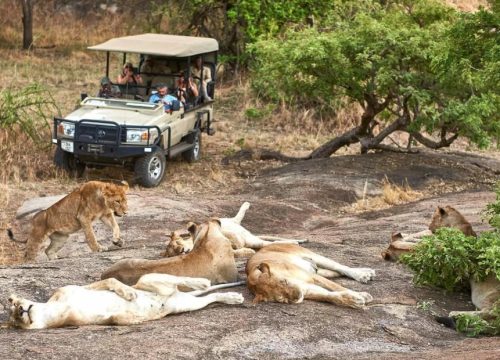
- Lions: Often resting in grasslands or moving across the crater floor.
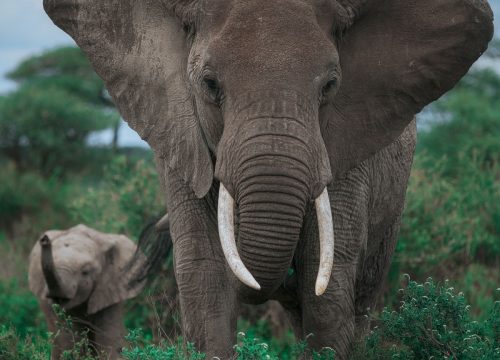
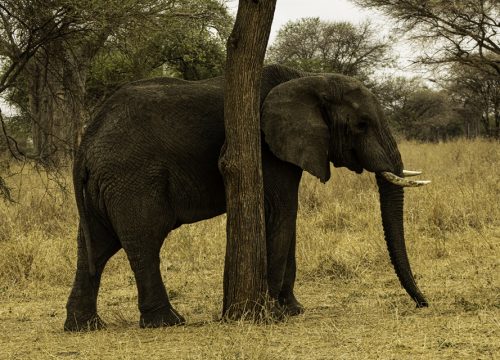
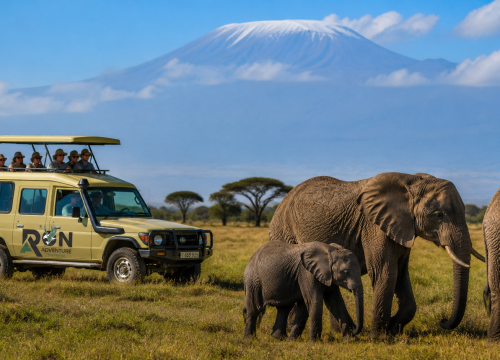
- African elephants: Frequently seen in woodland and other suitable habitats.
- Buffaloes: Commonly found in large herds.
- Leopards: More elusive and sometimes difficult to spot.
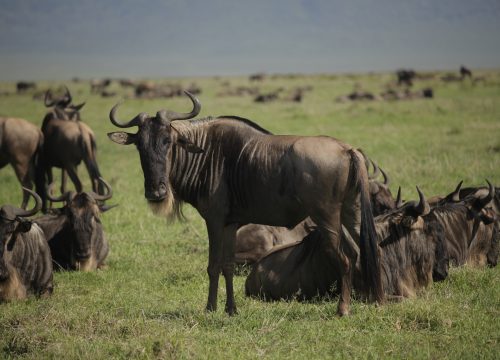
- Zebras and wildebeest: Grazing across open grasslands.
- Spotted hyenas: Active hunters and scavengers in the crater ecosystem.
- Hippos: Found in suitable wetland habitats.
The crater is one of the best places in Tanzania to look for the Big Five: lion, leopard, elephant, buffalo and rhino.
However, seeing all five during one visit is not guaranteed. Each animal has different habits, and sightings depend on wildlife movements and conditions on the day.
Photography Tips for Black Rhino Sightings
Photographing a black rhino can be challenging because the animal may be some distance from your vehicle.
A little preparation can help you capture better images without disturbing wildlife.
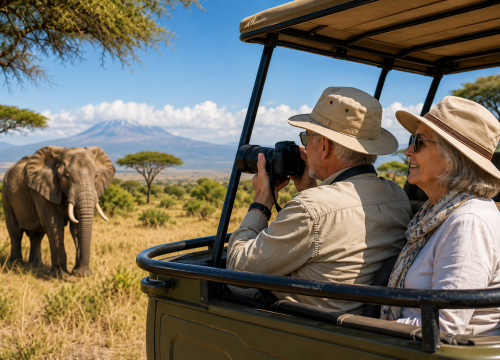
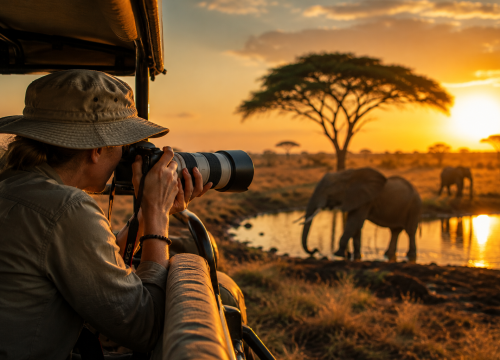
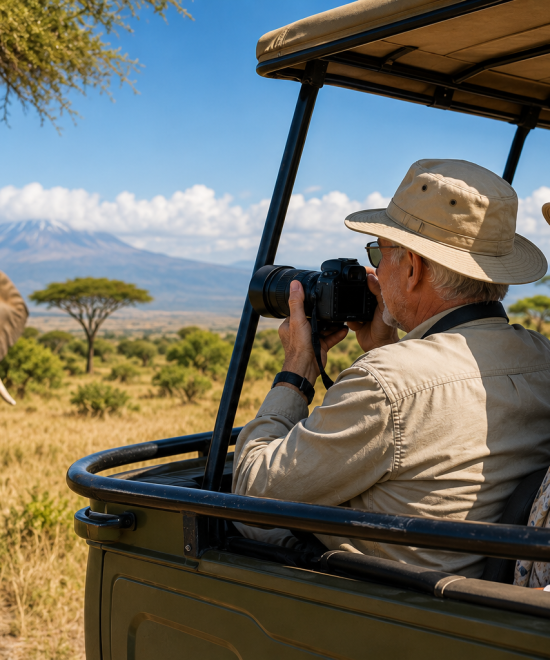
Bring a zoom lens. A telephoto lens helps photograph distant animals while keeping a respectful distance.
Carry binoculars. These make it easier to identify animals before taking photographs.
Use a fast shutter speed. This helps keep images sharp when the rhino is walking or moving its head.
Make the most of natural light. Morning light can produce attractive wildlife photographs without the harsh shadows of midday.
Be patient. Wait for a clear view instead of asking your guide to approach too closely.
Always follow park regulations and your guide’s instructions. Never ask a driver to leave authorised tracks or disturb an animal for a photograph.
How to Plan a Ngorongoro Crater Safar
Ngorongoro Crater is an excellent addition to a northern Tanzania safari. It can be combined with other destinations to create an itinerary that suits your travel dates, interests and budget.
For example, a northern circuit safari may include:
Tarangire National Park: Known for its elephants, baobab trees and diverse wildlife.
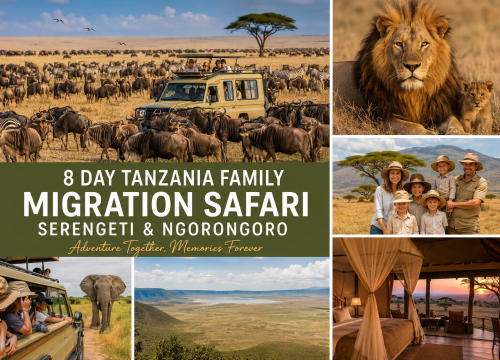
Serengeti National Park: Famous for its large wildlife populations and the Great Wildebeest Migration.
Ngorongoro Crater: Offers excellent opportunities to search for black rhinos and other members of the Big Five.
The number of days required depends on your preferred destinations and travel pace. A crater visit can be included in a shorter safari or form part of a longer wildlife adventure.
If you are planning your trip, explore our Ngorongoro Crater safari options for more information about organising your visit.
Frequently Asked Questions About Black Rhinos in Ngorongoro Crater
Are black rhinos guaranteed to be seen in Ngorongoro Crater? No. The crater offers a good opportunity to see black rhinos, but they are wild animals and may remain hidden during your visit.
What is the best time to see black rhinos? Early morning is a good time to begin searching. The dry season, generally from June to October, may also offer better visibility because vegetation is often shorter.
Are black rhinos part of the Big Five? Yes. The Big Five consists of lions, leopards, elephants, buffaloes and rhinos.
Can I photograph black rhinos during a safari? Yes. You can photograph them from your safari vehicle when conditions allow. Binoculars and a camera with a zoom lens are useful, especially when the animal is far away.
Is Ngorongoro Crater worth visiting for wildlife? Yes. The crater offers varied habitats and excellent opportunities to see many iconic African animals in a relatively compact area. It is a rewarding destination for both first-time and returning safari travelers.
Can I combine Ngorongoro Crater with the Serengeti? Yes. Many Tanzania safari itineraries combine the crater with Serengeti National Park. Tarangire National Park can also be included, depending on your available time.
Plan Your Tanzania Safari with Ron Adventure
Would you like to see the black rhino and explore the remarkable wildlife of Ngorongoro Crater?
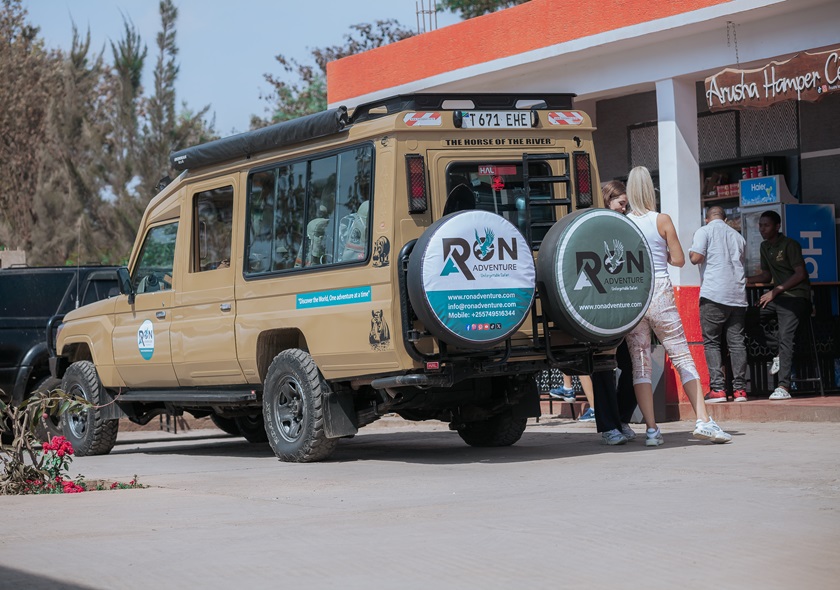
Ron Adventure is a Tanzania-based tour company offering tailor-made safari experiences from Arusha. We can help you plan a trip that combines Ngorongoro with destinations such as Serengeti and Tarangire.
Our team can recommend an itinerary based on your travel dates, accommodation preferences, budget and wildlife interests.
Ready to plan your Tanzania safari?
Our Arusha-based safari experts will create a free, personalized Tanzania safari itinerary within 3 hours, tailored to your budget, travel style, and interests..