Tanzania Safari Guide: Everything You Need to Plan Your Trip
Planning a Tanzania safari is not simply a matter of choosing famous national parks. The quality of the experience depends on how travel dates, wildlife seasons, distances between destinations, accommodation and budget fit together. A well-planned route gives you enough time in the places you most want to explore instead of spending too much of the holiday moving between them.
This guide brings those decisions together. It explains the main safari regions, seasonal wildlife patterns, the differences between private and group safaris, what affects the price, and when a road or fly-in itinerary makes sense. It also looks at practical ways to combine a mainland wildlife journey with time in Zanzibar.
Ron Adventure is a family-owned safari company based in Arusha, the natural starting point for many journeys through northern Tanzania. Our local team helps travelers plan private safaris, group-joining trips and tailor-made holidays around their dates, interests and preferred level of comfort. The advice below is designed to help you make informed choices before requesting an itinerary.
Why Choose Tanzania for a Safari?
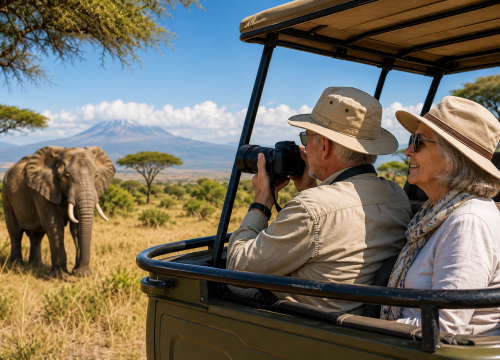
Tanzania stands out for the scale and variety of its wildlife landscapes. The Serengeti’s open grasslands, the Ngorongoro highlands, Tarangire’s baobab-dotted plains and the woodland and lakeshore habitats of Lake Manyara each support different ecological communities. Lions, elephants, leopards, giraffes, zebras and many other species live across these ecosystems, although sightings vary by location, season and the time spent in the field.
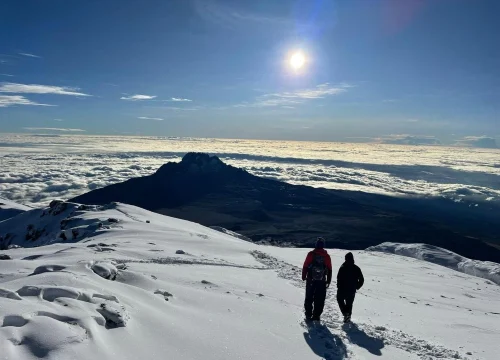
The country also brings together experiences that are quite different from one another: the seasonal movement of wildebeest across the Serengeti ecosystem, trekking routes on Mount Kilimanjaro, cultural visits with local communities and the Indian Ocean coast and islands, including Zanzibar.
That variety makes it possible to plan anything from a focused three-day wildlife trip to a longer holiday that combines several parks, cultural experiences and beach time. First-time visitors may also find our guide to what to expect on a first Tanzania safari useful when preparing for the journey. The right choice is the itinerary that matches your priorities and allows realistic time for travel between places.
What Is the Best Time for a Tanzania Safari?
Tanzania is a year-round safari destination, but conditions are not identical across the country. Rainfall affects vegetation, road conditions and the movement of grazing animals, while the season you choose can influence accommodation availability and price. For that reason, the best month depends on the parks you plan to visit and the wildlife experience that matters most to you.
June to October: Dry Season
June to October is the main dry-season period across much of northern Tanzania and is popular for general wildlife viewing. As vegetation becomes thinner and some water sources become less available, animals may concentrate around reliable water and grazing areas. Conditions differ between parks, and the exact timing of the dry season can vary from year to year.
Northern Serengeti is an important destination for travelers hoping to see wildebeest river crossings between July and October. Crossings are unpredictable and cannot be guaranteed.
January to March: Calving Season
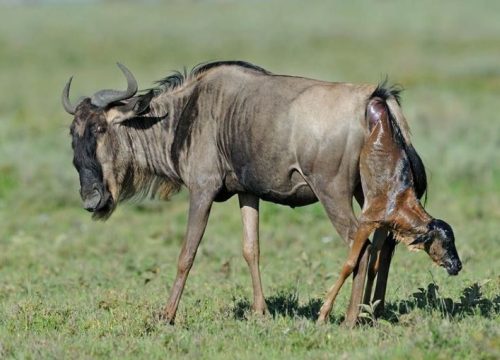
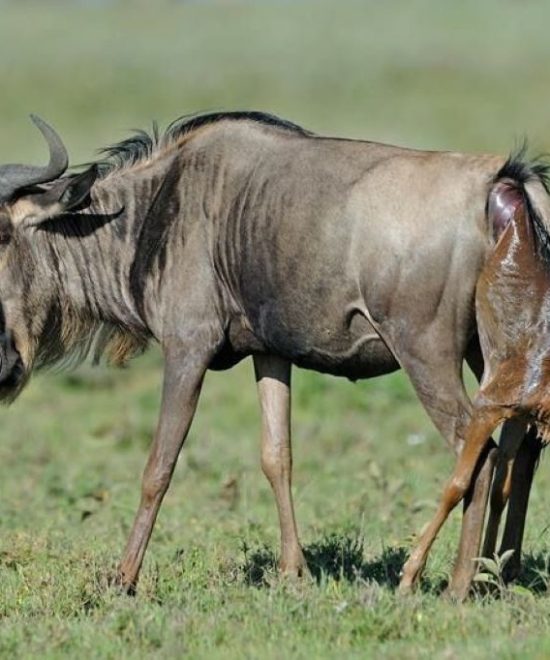
From about January to March, the short-grass plains of the southern Serengeti and the Ndutu area are often central to the wildebeest calving season. Herd locations respond to rainfall and fresh grazing, so travelers should plan around the likely seasonal pattern rather than treat any date as a guarantee.
Large numbers of newborn animals attract predators, creating excellent opportunities for wildlife photography. The timing and location of the herds depend on rainfall.
March to May: Long Rains
The long rains usually bring greener scenery and fewer visitors in some areas. Rain can affect unpaved roads and journey times, and some camps operate seasonally. This period can suit travelers who value quieter landscapes and are comfortable with a degree of weather flexibility.
Travelers with flexible dates may find attractive accommodation offers, depending on availability.
November to December: Short Rains
The short rains often arrive as afternoon showers rather than continuous rain, although local patterns vary. Many northern parks remain accessible and the refreshed landscapes can be rewarding for photography. It is still important to check the conditions for the specific route and camp you intend to use.
The practical approach is to choose your travel dates around your main priority: general wildlife viewing, the Ndutu calving season or the possibility of seeing migration herds in the north. July to September is particularly popular, so booking ahead gives you a wider choice of camps and locations.
Ready to plan your Tanzania safari?
Our Arusha-based team can help you plan a personalized Tanzania safari around your budget, travel style and interests.
Each Tanzanian national park offers a different experience. Your choice should depend on the wildlife you want to see and the time available.
Serengeti National Park
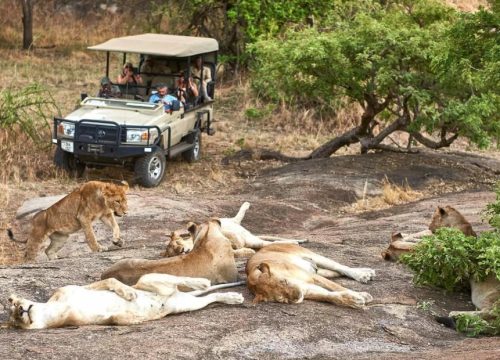
The Serengeti is famous for its open plains, predators and Great Wildebeest Migration. Visitors may encounter lions, cheetahs, leopards, elephants and large herds of wildebeest.
Central Serengeti offers excellent year-round wildlife viewing. Northern Serengeti is important during parts of the migration, while southern Serengeti and Ndutu attract large herds during calving season.
Ngorongoro Crater is one of Tanzania’s most remarkable wildlife destinations. Its crater floor supports lions, elephants, buffalo, zebras and other animals.
The crater is one of the places in northern Tanzania where visitors may have an opportunity to see the endangered black rhinoceros, although sightings are never guaranteed. Read our complete Ngorongoro Crater travel guide for more detail on the crater and how to include it in a northern circuit route.
A crater tour is often combined with Serengeti or Tarangire on a Northern Circuit safari.
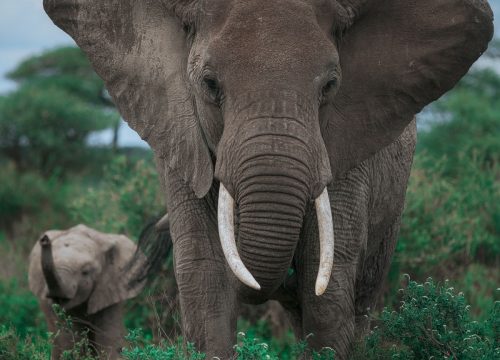
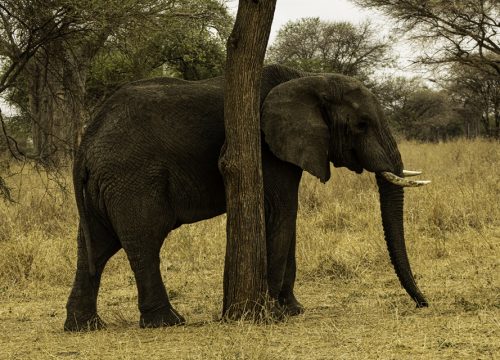
Tarangire is known for its large elephant herds, ancient baobab trees and seasonal wildlife concentrations around the Tarangire River.
Tarangire is particularly rewarding for elephant photography and is often included at the beginning or end of a northern Tanzania itinerary. Its seasonal wildlife concentrations make it worth considering as more than a quick stop. Our Tarangire National Park guide explains the park’s habitats and what to expect in different seasons.
Lake Manyara National Park
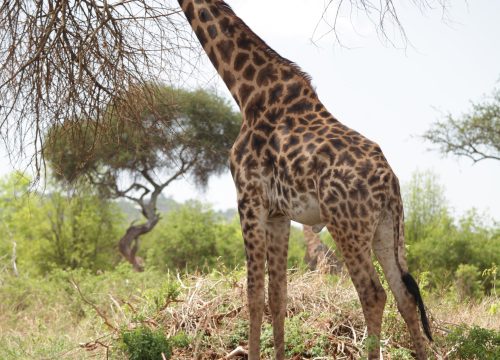
Lake Manyara features forest, woodland, grassland and lake habitats. Wildlife sightings may include elephants, baboons, giraffes, buffalo and numerous bird species.
Lake Manyara is also associated with tree-climbing lions, but visitors should treat this as a possible sighting rather than a guaranteed feature of every game drive. Explore our Lake Manyara National Park travel guide when comparing it with other northern circuit parks.
Nyerere National Park
Nyerere offers a different safari experience in southern Tanzania. Its habitats support elephants, lions, giraffes, buffalo, hippos and many other species.
Depending on your camp and itinerary, you may enjoy boat safaris or guided walking activities in addition to game drives.
Understanding the Great Wildebeest Migration
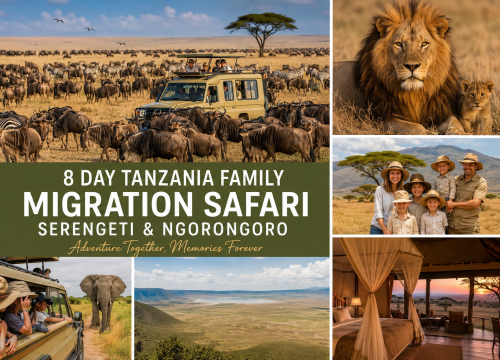
The Great Wildebeest Migration involves large herds of wildebeest and zebras moving through the Serengeti ecosystem in search of fresh grazing and water.
The migration follows seasonal conditions rather than a fixed calendar.
Period
General area
Main attraction
January–March
Southern Serengeti and Ndutu
Calving season
April–June
Central and western Serengeti
Herd movements
July–October
Northern Serengeti
Potential river crossings
October–December
Moving towards southern plains
Seasonal migration
These periods are approximate. Rainfall and grazing conditions influence the location of the herds each year.
If migration viewing is your priority, choose accommodation according to the region the herds are expected to occupy during your dates, not simply the name of the park. Our Great Wildebeest Migration guide and Mara River crossing guide explain why herd movements and river crossings cannot be scheduled precisely.
Which Safari Style Is Right for You?
Ron Adventure offers different safari styles to suit individual preferences and budgets.
Private safari: Ideal for couples, families and photographers who want flexibility over their itinerary and game drives.
Group joining safari: Suitable for solo travelers and visitors who want to share costs with other guests. Confirm departure dates and group size before booking. Read our guide to joining a safari in Tanzania to understand how shared departures work.
Budget camping safari: A practical option for travelers who prefer a more affordable wildlife adventure with camping accommodation.
Mid-range safari: Combines comfortable lodges or tented camps with guided game drives and organized transport.
Luxury safari: Offers higher-end accommodation, personalized service and, in some itineraries, flights between destinations.
Compare the accommodation, services and itinerary rather than choosing a safari based on its category alone.
How Much Does a Tanzania Safari Cost?
There is no single standard price for a Tanzania safari because each quotation combines several cost components. The number of days and parks, the size of the traveling party, the accommodation category, the season, park and concession fees, meals and transport all influence the final amount. A private vehicle also has a different per-person cost from a shared group departure.
Number of travel days and national parks visited.
Group size and whether the safari is private.
Accommodation standard and season.
Park fees, meals and included activities.
Road transfers or domestic flights.
Camping safaris are generally less expensive than itineraries using higher-category lodges and tented camps. A group-joining departure can spread shared vehicle and guide costs across several travelers, while a private safari offers more control over the route and pace. The lowest headline price is not always the best comparison: check the accommodation, park fees, meals, vehicle arrangements and services included. Our Tanzania safari cost guide explains the main factors in more detail.
When comparing quotations, check whether the price includes accommodation, meals, park fees, a safari vehicle, a professional guide and airport transfers.
Also confirm exclusions such as international flights, visas, travel insurance, tips and optional activities.
Ron Adventure prepares safari proposals around your travel dates, group size, preferred accommodation and priorities. Share these details when you enquire so the route and quotation can be matched to the trip you actually want to take.
How Many Days Do You Need?
The ideal safari duration depends on your interests and the destinations you want to explore.
Duration
Suggested experience
3 days
A short safari focusing on selected Northern Circuit parks
4–5 days
A combination of major parks, potentially including Serengeti
6–7 days
More time for Serengeti and additional wildlife viewing
8 days or more
A more relaxed safari with extra destinations or activities
Actual routes depend on your arrival point, accommodation and driving times.
Avoid including too many parks in a short trip. Spending more time in fewer destinations can provide a more rewarding experience.
Use our Tanzania safari itineraries to compare route ideas, then adjust the number of days to suit your arrival point, wildlife priorities and travel pace.
Where Should You Stay?
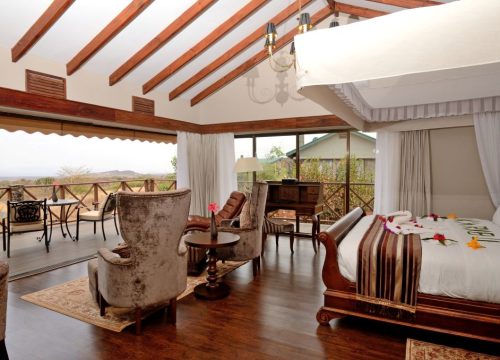
Tanzania offers accommodation ranging from basic campsites to luxury lodges and tented camps.
Lodges usually provide permanent rooms, private bathrooms and established facilities. Some also offer swimming pools and restaurants.
Tented camps provide a closer connection to nature. Facilities vary from simple camping arrangements to luxury tents with private bathrooms.
Location is important. Staying near your preferred wildlife area can reduce unnecessary driving and provide more time for game viewing.
For migration safaris, confirm that your chosen camp is in a suitable region for the expected movement of the herds.
Road Safari or Fly-In Safari?
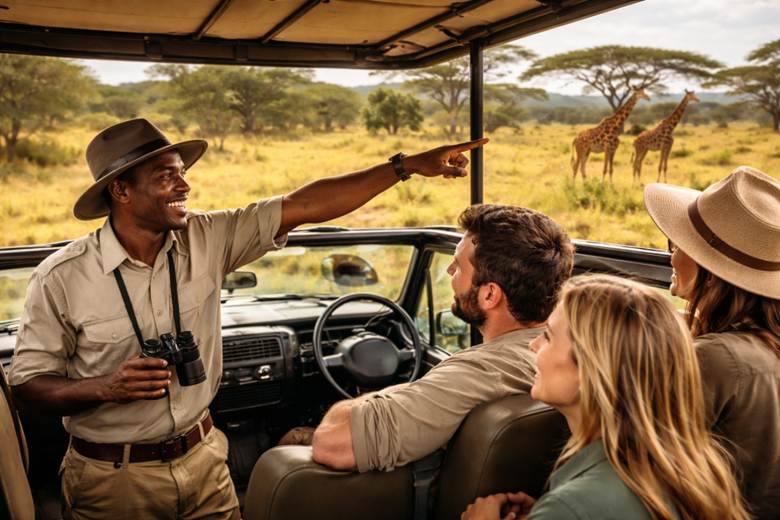
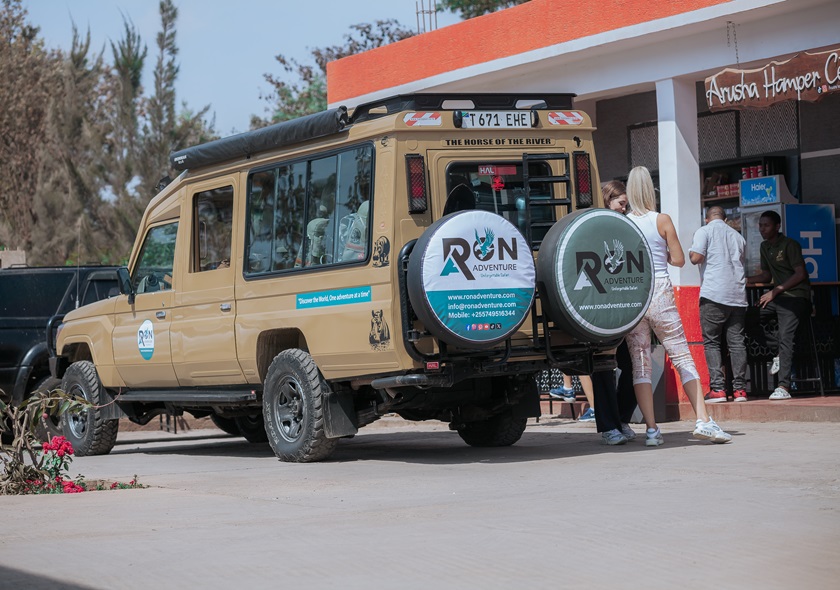
Most road safaris use four-wheel-drive vehicles adapted for wildlife viewing.
Road travel lets you experience changing landscapes and local communities. However, journeys between parks can be long, and travel times depend on road conditions and your destination.
Fly-in safaris use scheduled or charter flights to reach selected airstrips. They can save time, particularly for remote camps or travelers with limited days.
Flights usually increase the overall cost and may have baggage restrictions. Ground transfers are still needed between airstrips and accommodation.
Choose the option that best fits your budget, available time and preferred experience.
Can You Combine a Safari with Zanzibar?
Yes. Combining a wildlife safari with Zanzibar gives you an opportunity to enjoy Tanzania’s mainland parks and Indian Ocean beaches on the same holiday.
A short safari can work well with a Zanzibar stay when flights and transfers are planned carefully. Longer holidays allow more time for both wildlife viewing and relaxation.
Allow sufficient time for airport transfers and flight connections when arranging your itinerary.
Cultural Experiences to Add to Your Safari
Cultural activities offer another way to experience Tanzania beyond its national parks.
Depending on your route, you can consider:
Maasai cultural visits arranged with local communities.
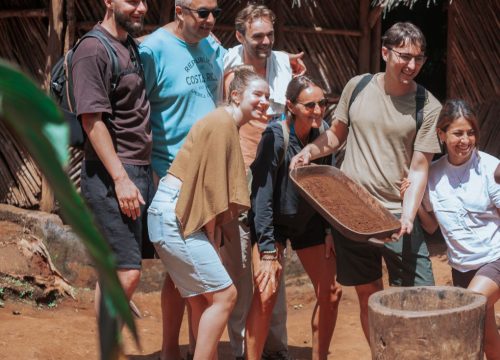
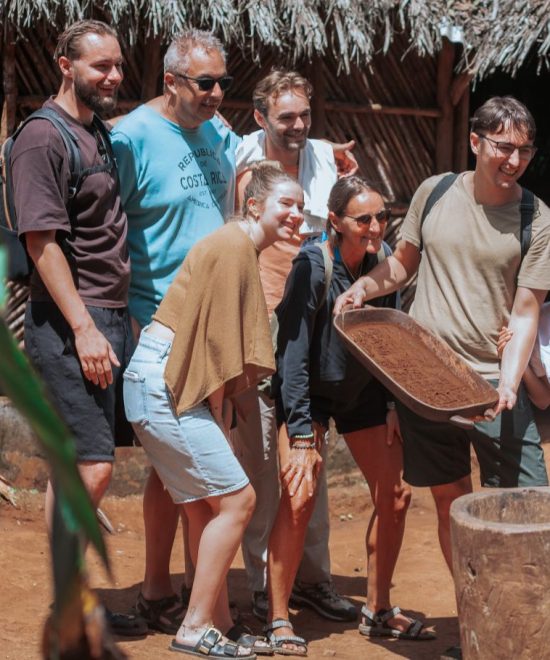
Materuni coffee tours near Mount Kilimanjaro.
Visits to Materuni Waterfalls.
Cultural experiences around Lake Eyasi.
Local food and cultural activities in selected destinations.
Choose activities that respect local traditions, consent and privacy. Ask your operator what each experience includes before booking.
What Should You Pack?
Pack for changing temperatures, early morning game drives and possible rain.
Useful items include:
Lightweight, comfortable clothing in neutral colors.
A warm jacket for cool mornings and evenings.
Comfortable walking shoes.
A hat, sunglasses and sunscreen.
Binoculars and a camera, if desired.
Personal medication and essential travel documents.
A waterproof jacket during rainy periods.
For camping safaris, confirm whether sleeping bags and other camping equipment are provided. Our detailed Tanzania safari packing guide can help you prepare for different accommodation styles and weather conditions.
If your itinerary includes domestic flights, check baggage restrictions before departure.
Tanzania Safari Safety
Following your guide’s instructions is essential during wildlife activities.
Remain inside the vehicle during game drives unless your guide confirms that leaving is permitted. Never approach, feed or attempt to touch wild animals.
At camps and lodges, follow staff instructions about moving around after dark.
Before traveling, check current visa requirements, travel advice, health guidance and insurance conditions for your nationality and itinerary.
Responsible visitors also respect park regulations, avoid disturbing wildlife and minimize waste.
Why Book with Ron Adventure?
Ron Adventure is a Tanzania-based tour operator in Arusha. We organize wildlife safaris, mountain trekking, cultural activities and Zanzibar holidays.
Our team helps travelers assess realistic routes from Arusha and other arrival points, taking account of driving distances, seasonal wildlife patterns, available time and budget. This local planning perspective is important because a route that looks short on a map can involve several hours on the road.
We can arrange:
Private and group joining safaris.
Budget camping, mid-range and luxury trips.
Serengeti migration and calving-season safaris.
Kilimanjaro trekking.
Cultural excursions and Zanzibar beach holidays.
Before confirming your booking, you receive a program and quotation outlining the itinerary, accommodation and included services.
Our aim is to make the planning process clear: what each itinerary includes, how the route works, where you will stay and which costs are covered. That gives you a sound basis for comparing options before you confirm a safari.
Frequently Asked Questions
What is the best month for a Tanzania safari?
June to October is popular for general wildlife viewing. January to March is important for wildebeest calving in southern Serengeti and Ndutu. The best period depends on your destination and interests.
How much does a Tanzania safari cost?
The price depends on the itinerary, group size, accommodation, season and transport. Request a personalized quotation based on your travel dates and preferred safari style.
Is five days enough for a Tanzania safari?
Yes. Five days can provide a rewarding wildlife experience when the route is planned carefully. Your itinerary may combine the Serengeti with other Northern Circuit parks, depending on driving times.
Can I see the Big Five in Tanzania?
Tanzania is home to lions, leopards, elephants, buffalo and rhinoceros. However, sightings depend on location and conditions, so seeing all five is never guaranteed.
Is Tanzania suitable for first-time safari travelers?
Yes. Tanzania offers a range of parks, accommodation categories and trip lengths. First-time visitors should choose an itinerary that balances wildlife viewing, travel time and budget.
Should I book a private or group joining safari?
Private safaris offer greater flexibility for your group. Group joining safaris allow travelers to share costs but generally follow fixed schedules and group arrangements.
Can I combine a Tanzania safari with Zanzibar?
Yes. You can combine mainland wildlife viewing with a Zanzibar beach holiday. Check flight schedules and allow enough time for transfers.
When should I book my safari?
Book early for popular travel periods, especially July to September and the calving season. Early reservations generally provide more accommodation choices.
Plan Your Tanzania Safari with Ron Adventure
Tanzania offers remarkable wildlife, diverse landscapes and unforgettable travel experiences. Choosing the right parks, travel dates and accommodation will help you make the most of your holiday.
Whether you want to witness the Great Wildebeest Migration, explore the Serengeti, visit Ngorongoro Crater or relax in Zanzibar, Ron Adventure can help you plan your trip.
Ready to plan your Tanzania safari?
Our Arusha-based team can help you plan a personalized Tanzania safari around your budget, travel style and interests.