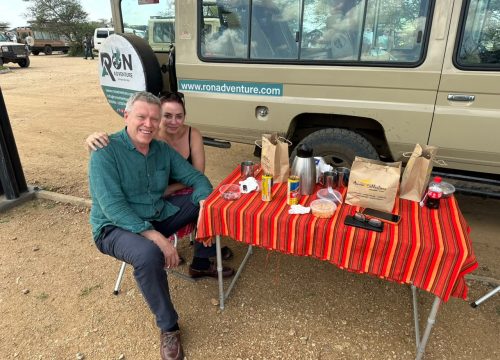
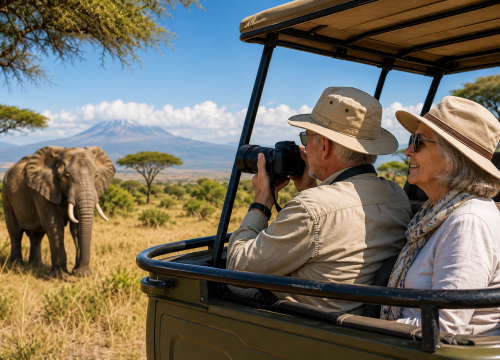
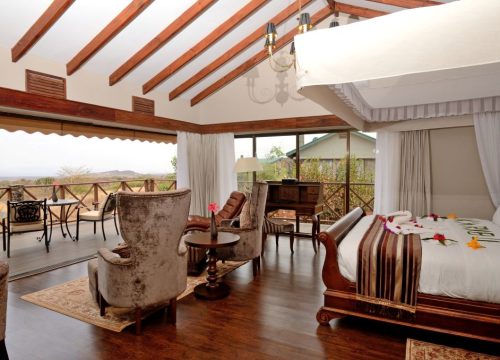
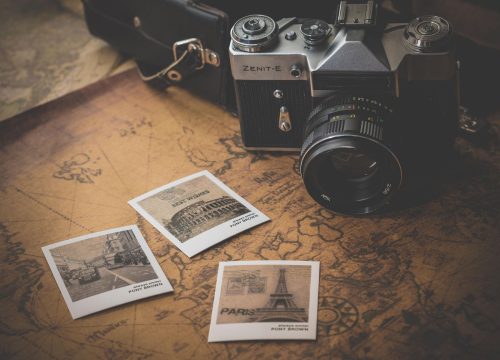
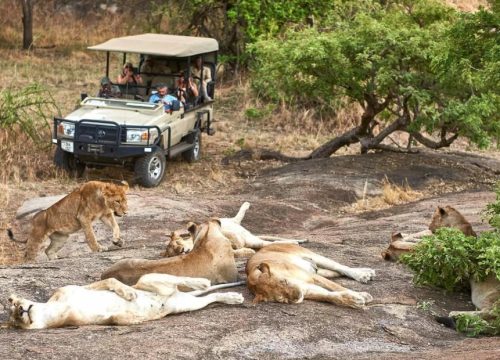
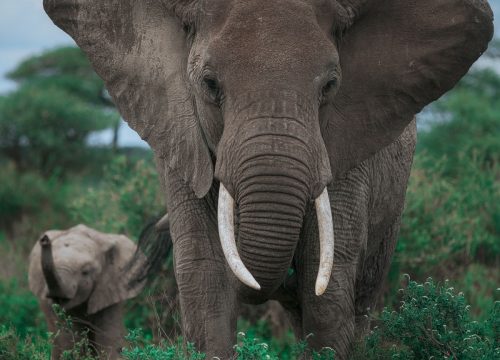
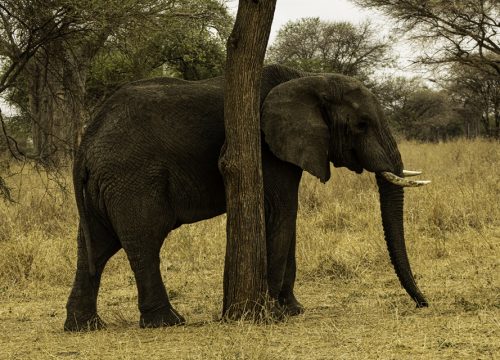
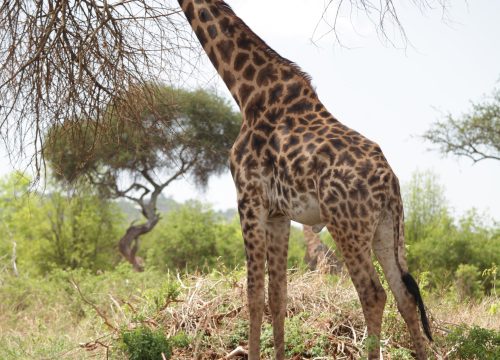
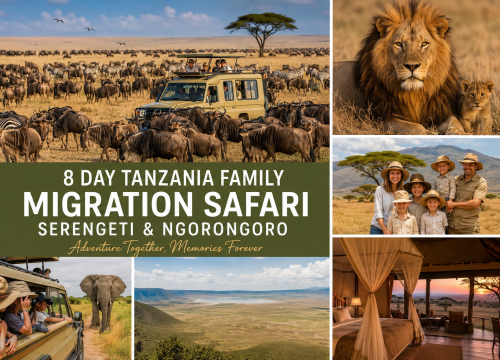
Planning a safari in Tanzania is exciting. You may already be imagining the elephants of Tarangire, the endless plains of the Serengeti, or the incredible views from the Ngorongoro Crater.
But before you leave home, there is one important question to answer: what should you pack for your Tanzania safari?
The good news is that you do not need to bring your entire wardrobe. With a few comfortable clothes, the right footwear and some essential travel items, you can enjoy your safari without carrying unnecessary luggage.
At Ron Adventure, we help travelers prepare for safaris across Tanzania. This guide explains what to pack, what to wear, and what to consider before your journey, whether you are visiting for a few days or combining your safari with a beach holiday in Zanzibar.
Planning Your Tanzania Safari?
Discover Tanzania’s incredible wildlife, beautiful landscapes and unforgettable safari experiences. Explore our safari packages and find the right trip for your travel dates.
Explore Tanzania Safaris
What Should You Pack for a Tanzania Safari?
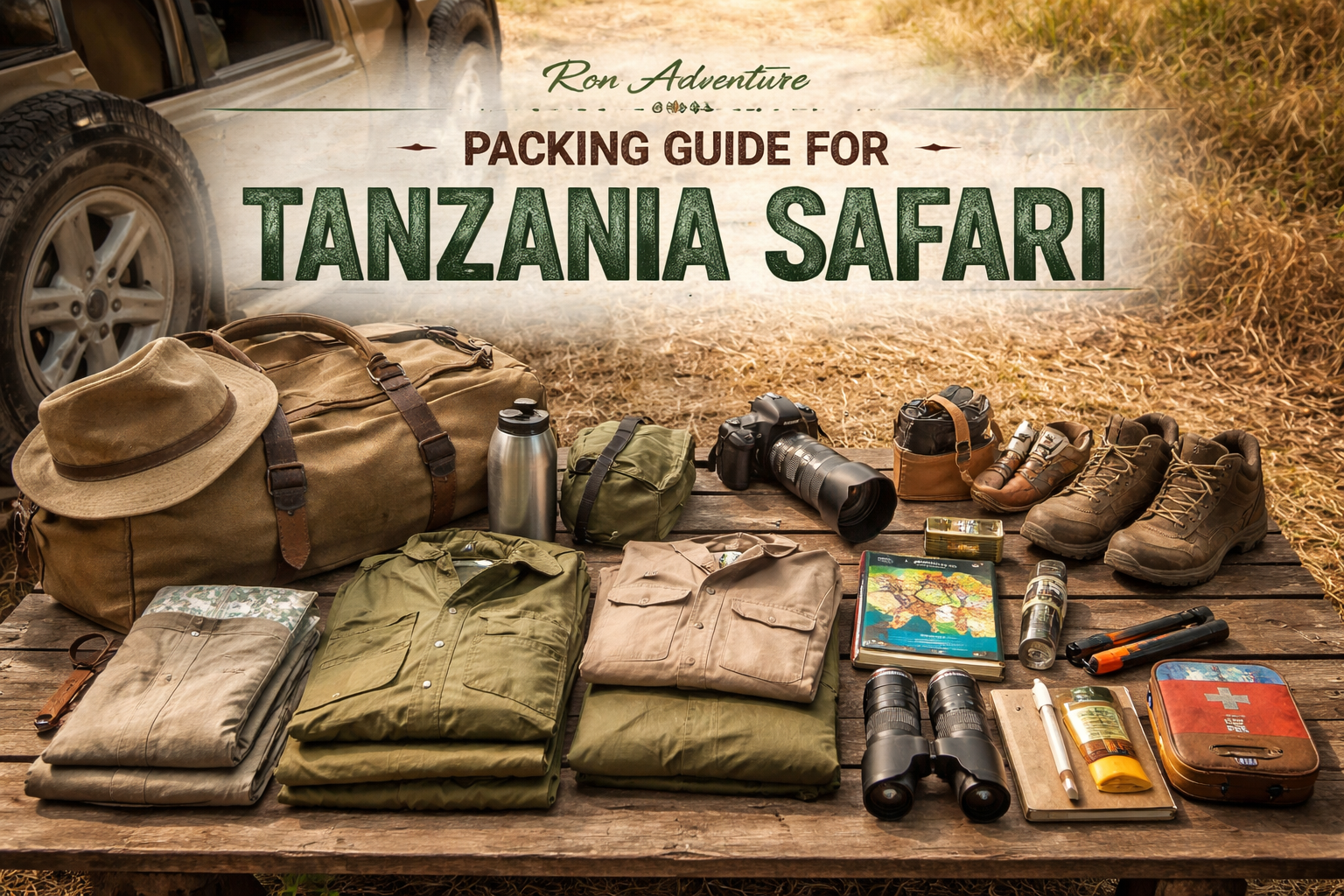
The easiest way to prepare is to think about your daily activities. You will spend time in a safari vehicle, enjoy early morning game drives, visit different national parks and relax at your lodge or tented camp.
Your packing list should cover these activities without making your luggage too heavy.
Here is a quick overview of the essentials:
- Lightweight clothing in neutral colors
- A warm jacket or fleece for chilly mornings
- Comfortable walking shoes
- A sun hat and sunglasses
- Sunscreen and insect repellent
- A camera or smartphone with charging accessories
- Personal medication and toiletries
- Travel documents and insurance details
- A soft-sided bag and a small daypack
You can use the detailed checklist below to prepare for your trip.
1. What Clothes Should You Wear on a Tanzania Safari?
Tanzania has different climates depending on the destination, altitude and time of year. You may experience warm afternoons in the Serengeti and much cooler conditions around the Ngorongoro highlands.
The best approach is to pack lightweight clothing that you can wear in layers.
Lightweight shirts and trousers
Pack a few breathable T-shirts, long-sleeved shirts and comfortable trousers. Cotton or other lightweight, breathable fabrics are suitable for warm days.
Long sleeves can also help protect your skin from the sun and insects. You do not need expensive safari clothing to enjoy your trip.
Neutral colors such as khaki, beige, olive and brown are practical choices for game drives because they are comfortable in dusty conditions and blend naturally with the landscape.
Avoid wearing camouflage clothing, which is restricted in Tanzania. Bright or very dark clothing may also be less practical in some wildlife areas.
A warm jacket for early morning game drives
Do not assume that Tanzania is always hot.
Early morning game drives can be surprisingly cold, particularly around the Ngorongoro Crater and other highland areas.
A fleece, sweater or light jacket is worth packing. You can remove it later when the temperature rises.
A light rain jacket
Weather conditions can change during your safari, especially during the rainy seasons.
A lightweight waterproof jacket is useful if you experience a shower while traveling between destinations or enjoying a game drive.
You do not need to pack a large winter coat for a normal safari, but a warm layer and a light rain jacket can make a big difference to your comfort.
For a regular safari, comfortable shoes are more important than heavy hiking boots.
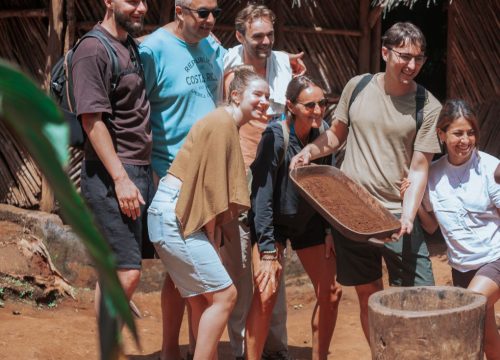
You will spend much of your time in a safari vehicle, but you may also walk around your accommodation, visit local communities or take part in activities that involve walking.
Pack:
- Comfortable closed shoes or lightweight walking shoes
- Sandals or slippers for your lodge or tented camp
- Comfortable socks
If your itinerary includes a walking safari, ask your safari operator whether you need particular footwear.
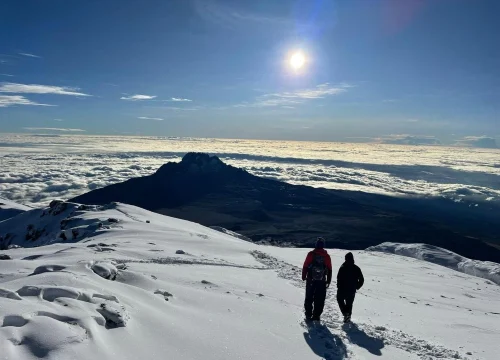
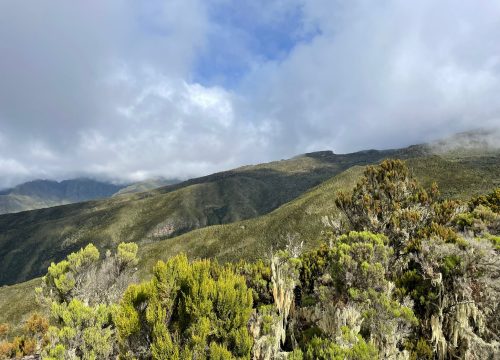
If you are climbing Mount Kilimanjaro or Mount Meru, you will need a separate packing list. A normal safari packing list is not enough for a mountain trek.
3. Essential Items for Game Drives
A few small items can make your safari more comfortable and enjoyable.
Sun protection
Pack a wide-brimmed hat, sunglasses and sunscreen. These are useful during long game drives when you spend several hours outdoors.
A lip balm with sun protection is also worth including.
Insect repellent
Insect repellent is useful, particularly in the evening and around accommodation areas.
Follow the instructions on the product you choose and ask your doctor for advice about any additional precautions you may need before traveling.
Binoculars
Binoculars are especially helpful when viewing wildlife at a distance.
You may see animals close to your safari vehicle, but other sightings can be much farther away. Binoculars allow you to observe animals and birds more clearly without disturbing them.
Camera or smartphone
If you enjoy photography, bring your camera, spare batteries, memory cards and charging accessories.
A small dust-resistant bag can help protect your equipment during game drives.
You do not need professional photography equipment to enjoy a safari. A smartphone can capture wonderful memories too.
4. What Luggage Should You Bring on a Tanzania Safari?
Your luggage depends on how you are traveling.
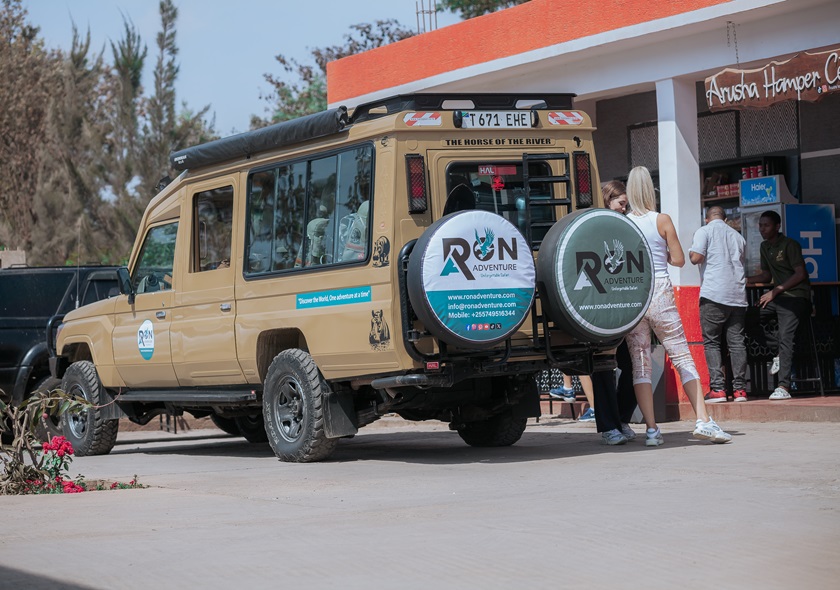
For a road safari, a soft-sided duffel bag or travel bag is usually more convenient than a large hard-shell suitcase. Soft bags are easier to fit into the luggage space of a safari vehicle.
A small daypack is also useful for carrying items you need during the day, such as your camera, sunscreen, sunglasses and personal medication.
Traveling by small safari aircraft?
If your itinerary includes a domestic flight between safari destinations, check the luggage allowance before you pack.
Small safari aircraft often have stricter baggage limits than international airlines. Weight restrictions can vary by airline, aircraft and route, and may include your hand luggage.
Do not assume that your international airline’s baggage allowance will apply to your safari flight.
Ask your safari operator to confirm the current weight limit, permitted bag dimensions and whether camera equipment counts toward your allowance.
If you are combining a safari with Zanzibar, it may be possible to arrange luggage storage for items you do not need during the safari. Confirm this with your accommodation or tour operator in advance.
Need Help Preparing for Your Safari?
Not sure what to pack for your Tanzania safari? Our team can help you understand your itinerary, luggage requirements and practical travel arrangements before your journey.
Ask Our Safari Team
5. What to Pack for a Tanzania Safari in Different Seasons
Tanzania can be visited throughout the year, but your packing list should reflect the season and destinations included in your itinerary.
Dry season: June to October
During the dry season, many travelers enjoy game drives in the northern safari circuit.
Pack lightweight clothing for warm afternoons, a warm layer for early mornings, comfortable shoes and protection from the sun.
If you are visiting the Ngorongoro Crater, bring an extra warm layer because temperatures can be much cooler at higher elevations.
Green season: November to May
The green season brings changing weather conditions, and rain is possible during your safari.
Pack a lightweight waterproof jacket, quick-drying clothing and shoes that are comfortable in wet or muddy conditions.
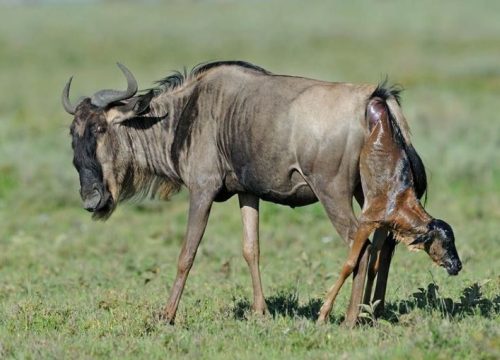
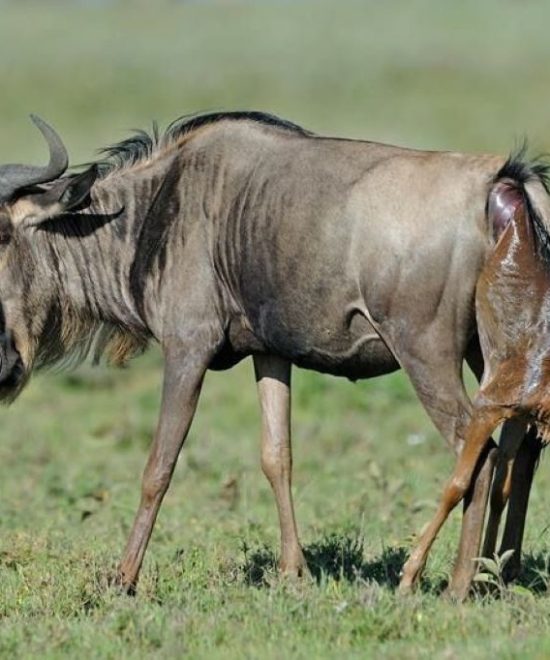
If you are visiting the Serengeti during the wildebeest calving season, a warm layer is still useful for early morning game drives.
The best packing list depends on your actual travel dates and the parks you plan to visit.
6. What to Pack for Zanzibar After Your Safari
If you are combining your wildlife safari with a beach holiday in Zanzibar, you can add a few items for your time by the coast.
Pack:
- Swimwear
- Sandals or comfortable beach footwear
- Lightweight beach clothing
- Sunglasses and sunscreen
- A light cover-up for visiting towns or villages
Zanzibar has a relaxed beach atmosphere, but it is important to dress respectfully when visiting local communities and religious sites.
You do not need to pack a completely separate wardrobe. A few additional items can help you enjoy both your safari and beach holiday.
7. Travel Documents and Personal Essentials
Before leaving home, check that you have the documents and personal items needed for your journey.
Keep important documents in your hand luggage rather than your checked suitcase.
Your checklist should include:
- Passport and applicable visa documents
- Flight tickets and safari booking confirmation
- Travel insurance details
- Emergency contact information
- Personal medication
- Any required vaccination documentation
- Bank cards and some cash
Check the current entry requirements for Tanzania before traveling, as these may depend on your nationality and travel history.
If you take prescription medication, bring enough for your trip and keep it in its original packaging where practical.
It is also sensible to carry a small personal first-aid kit with items you normally use.
8. What Should You Leave at Home?
Packing light makes your journey easier, especially when traveling between different safari destinations.
You can usually leave these items at home:
- Large, heavy suitcases when traveling on small safari aircraft
- Too many formal outfits
- Heavy hiking boots for a normal vehicle-based safari
- Unnecessary electronics and accessories
- Excessive toiletries that your accommodation may already provide
Avoid bringing single-use plastic bags. Tanzania has restrictions on plastic carrier bags, so reusable packing cubes or cloth bags are a better option.
You should also check the rules before packing drones or other restricted equipment. Do not assume that you can use them inside national parks.
9. Your Tanzania Safari Packing Checklist
Use this checklist before you leave home.
Clothing
- Lightweight shirts and trousers
- Long-sleeved clothing
- Warm fleece or jacket
- Light rain jacket
- Comfortable shoes and sandals
- Socks and underwear
Safari essentials
- Sun hat and sunglasses
- Sunscreen and insect repellent
- Binoculars
- Camera or smartphone
- Spare batteries and charging accessories
- Small daypack
Travel essentials
- Passport and visa documents
- Safari booking confirmation
- Travel insurance details
- Personal medication
- Bank cards and cash
- Soft-sided luggage
If visiting Zanzibar
- Swimwear
- Beach footwear
- Lightweight beach clothing
- A suitable cover-up for town visits
Check your itinerary one final time before packing. A short safari in the northern circuit may require less luggage than a longer trip that includes several destinations or domestic flights.
Frequently Asked Questions About Packing for a Tanzania Safari
Do I need special safari clothing? No. You do not need to buy a complete safari wardrobe. Comfortable, lightweight clothing in neutral colors is suitable for most game drives.
Is Tanzania cold during a safari? Tanzania can be warm during the day, but early mornings and evenings can be cool. The Ngorongoro highlands are particularly known for cooler conditions. Pack a warm layer even if you are traveling during a warmer season.
Can I bring a hard-shell suitcase? For a road safari, a hard-shell suitcase may be possible depending on the vehicle and luggage space. However, a soft-sided bag is generally easier to pack. If you are flying between destinations, confirm the airline’s luggage requirements before traveling.
What should I pack for a Serengeti safari? Pack lightweight clothing, a warm layer, comfortable shoes, sun protection, insect repellent, binoculars and your personal travel essentials. If your safari includes a domestic flight, pay particular attention to the luggage allowance.
Can I combine a Tanzania safari with Zanzibar? Yes. Many travelers combine wildlife viewing in Tanzania with a relaxing beach holiday in Zanzibar. Add swimwear, beach footwear and a few lightweight clothing items to your safari packing list.
Prepare for Your Tanzania Safari with Ron Adventure
A well-planned packing list helps you enjoy your safari with less stress and more time to focus on the experience.
Whether you are planning a short safari in Tarangire and Ngorongoro, a longer journey through the Serengeti, or a wildlife safari combined with Zanzibar, the right preparation can make your trip more comfortable.
At Ron Adventure, we help travelers plan safari itineraries across Tanzania, with options ranging from private safaris to small-group joining safaris.
Your Tanzania Safari Adventure Starts Here
From the Serengeti plains to the Ngorongoro Crater, Tanzania offers unforgettable wildlife experiences. Let Ron Adventure help you plan a safari that suits your travel dates, interests and budget.
Plan Your Tanzania Safari
Prefer to speak with us directly?
Contact Ron Adventure on WhatsApp