Introduction to Tanzania Safari Cost Guide
A safari in Tanzania is one of the most iconic travel experiences in the world, offering unmatched wildlife encounters, breathtaking landscapes, and access to legendary destinations such as Serengeti National Park, Ngorongoro Crater, Tarangire National Park, and Lake Manyara. However, understanding the real cost of a Tanzania safari is essential before planning your journey, as prices vary widely depending on travel style, season, accommodation level, and itinerary design.
This Tanzania Safari Cost Guide is designed to help travellers understand every financial aspect involved in planning a safari, from budget camping safaris to high-end luxury lodge experiences. Many travellers assume safaris are extremely expensive, but in reality, Tanzania offers a flexible pricing structure that can suit different budgets if planned correctly.
Tour operators like Ron Adventure play a key role in helping travellers design cost-effective and well-organised safari packages. By understanding how pricing works, travellers can avoid hidden costs and choose the right experience that matches both expectations and budget.
This guide breaks down all major cost factors in detail so you can confidently plan your safari without uncertainty or confusion.
Table of contents
- Introduction to Tanzania Safari Cost Guide
- Understanding How Tanzania Safari Pricing Works
- Average Tanzania Safari Cost Overview
- Key Factors That Influence Safari Costs in Tanzania
- Budget Safari Cost in Tanzania
- Mid-Range Safari Cost in Tanzania
- Luxury Safari Cost in Tanzania
- National Park Fees and Government Charges
- Transportation Costs in a Tanzania Safari
- Hidden Costs You Should Know Before Booking
- Seasonal Price Changes for Tanzania Safaris
- Ways to Reduce Costs on a Tanzania Safari
- Selecting the Most Suitable Safari Package for Your Budget
- Sample Tanzania Safari Itinerary Cost Breakdown
- Why Booking with a Local Tour Operator Matters
- Final Thoughts on Tanzania Safari Cost Planning
Understanding How Tanzania Safari Pricing Works
Tanzania safari costs are influenced by multiple interconnected factors rather than a single fixed price. The main components include park fees, accommodation, transportation, guide services, meals, and seasonal demand. Each of these elements contributes significantly to the final safari package price.
National Park fees are one of the most important cost drivers, especially for destinations like Serengeti and Ngorongoro Crater, where conservation fees are relatively high. These fees are charged per person per day and are non-negotiable as they support wildlife conservation and park maintenance.
Accommodation also plays a major role in determining safari cost. Travellers can choose between budget camping, mid-range lodges, and luxury tented camps. Each level provides a completely different experience, with luxury lodges offering premium services, private locations, and high-end amenities.
Transport costs depend on whether the safari uses shared vehicles or private 4×4 safari Land Cruisers. Private safaris offer more flexibility but are more expensive, while group safaris help reduce costs.
Understanding these components allows travellers to better evaluate safari quotes from companies like Ron Adventure and make informed decisions based on value rather than price alone.

Average Tanzania Safari Cost Overview
The average cost of a Tanzania safari can vary widely depending on the travel style chosen. On a general scale, budget safaris may start from around 200 to 350 USD per person per day, while mid-range safaris typically range from 350 to 600 USD per person per day. Luxury safaris can exceed 800 to 1500 USD per person per day, depending on exclusivity and location.
Budget safaris are designed for travellers who prioritise wildlife experience over luxury accommodation. These safaris often include camping or basic lodges, shared transport, and group travel arrangements. They offer excellent value for money while still delivering full game drive experiences in major national parks.
Mid-range safaris provide a balance between comfort and affordability. Travellers stay in comfortable lodges or tented camps with private bathrooms and enjoy better service standards. This category is the most popular among international visitors.
Luxury safaris focus on premium comfort, exclusive locations, personalised service, and sometimes fly-in options to remote parks. These safaris are ideal for honeymooners or travellers seeking a high-end experience.
Companies like Ron Adventure customise these price ranges depending on itinerary length, park selection, and seasonal demand, ensuring flexibility for different types of travellers.

Key Factors That Influence Safari Costs in Tanzania
Several important factors directly influence how much a Tanzania safari will cost. One of the most significant is the time of year. Peak seasons, especially during the Great Wildebeest Migration in Serengeti, attract higher prices due to increased demand. Low seasons, on the other hand, often offer discounted rates.
The number of days spent on safari also affects the total cost. Longer safaris naturally cost more because they include additional park fees, accommodation nights, and guide services. However, longer trips often provide better value per day.
Another major factor is the type of accommodation selected. Luxury tented camps located inside or near national parks tend to be more expensive than lodges situated further away.
Transportation choices also affect pricing. Private safari vehicles with experienced driver-guides offer convenience and flexibility but come at a higher cost compared to shared group tours.
Finally, the inclusion of domestic flights between parks or from Zanzibar to Serengeti significantly increases the overall budget. However, it saves time and enhances comfort for travellers.
Professional operators like Ron Adventure help travellers balance these factors to create optimised itineraries that match both budget and experience expectations.

Budget Safari Cost in Tanzania
Budget safaris in Tanzania are ideal for travellers who want to experience wildlife adventures at an affordable price without compromising the core safari experience. These safaris usually range between 200 and 350 USD per person per day, depending on the itinerary and number of participants.
In a budget safari, accommodation is typically in public campsites or basic lodges located outside major parks. Meals are usually simple but fresh, and transportation is done in shared 4×4 safari vehicles. Game drives are conducted by professional driver-guides who ensure travellers still enjoy excellent wildlife viewing opportunities.
National parks such as Tarangire, Serengeti, and Ngorongoro Crater are still accessible within budget safari packages, making it possible to see the Big Five even at lower costs. The main difference lies in comfort levels and exclusivity rather than wildlife experience.
Budget safaris are especially popular among students, backpackers, and group travellers who want to share costs. Tour companies like Ron Adventure often organise group joining safaris to help reduce individual expenses while maintaining safety and quality standards.
Although simple in structure, budget safaris still offer unforgettable experiences and are an excellent way to explore Tanzania’s rich wildlife without spending excessively.
Mid-Range Safari Cost in Tanzania
Mid-range safaris represent the most popular category for travellers visiting Tanzania because they offer a balanced combination of comfort, quality service, and reasonable pricing. The average cost for mid-range safaris typically ranges from 350 to 600 USD per person per day.
In this category, accommodation is usually in comfortable lodges or well-designed tented camps with private bathrooms, proper bedding, and sometimes swimming pools or scenic views. Meals are well-prepared and often include both local and international cuisine options.
Transport is usually conducted in private safari vehicles, allowing travellers to enjoy flexible game drives and personalised schedules. This enhances the overall safari experience, especially when tracking wildlife or spending extended time in specific locations.
Mid-range safaris also provide better access to prime wildlife areas, ensuring travellers do not miss key attractions such as lion prides in Serengeti or elephants in Tarangire.
Ron Adventure frequently designs mid-range safari packages for couples, families, and small groups who want a comfortable yet affordable African safari experience. This category is ideal for first-time visitors to Tanzania who want a high-quality safari without entering luxury pricing levels.
Luxury Safari Cost in Tanzania
Luxury safaris in Tanzania are designed for travellers seeking exclusive experiences, premium comfort, and personalised services. The cost for luxury safaris generally starts from 800 USD per person per day and can go beyond 1500 USD depending on location, accommodation, and level of exclusivity.
Luxury accommodations include high-end tented camps and lodges located in prime wildlife areas such as the central Serengeti or private concessions. These properties often offer spacious suites, private decks, gourmet dining, and personalised butler services.
Transportation in luxury safaris may include private 4×4 vehicles or even domestic flights between parks to maximise comfort and reduce travel time. Game drives are highly personalised, often with expert guides who specialise in wildlife behaviour and photography.
Luxury safaris are particularly popular among honeymooners, photographers, and high-end travellers who prioritise privacy and exceptional service.
Ron Adventure also designs luxury safari itineraries tailored to client preferences, ensuring seamless logistics, premium accommodations, and unforgettable wildlife encounters.

National Park Fees and Government Charges
A significant portion of Tanzania safari costs comes from mandatory national park fees set by the Tanzania National Parks Authority. These fees vary depending on the park and are charged per person per day.
Serengeti National Park and Ngorongoro Crater are among the most expensive due to their global significance and high conservation value. Tarangire and Lake Manyara have relatively lower entry fees but still contribute to the overall cost structure.
These fees support wildlife conservation, anti-poaching efforts, infrastructure development, and park management. They are included in most safari packages offered by operators like Ron Adventure, ensuring transparency in pricing.
Understanding these fees helps travellers realise that safari costs are not arbitrary but directly linked to conservation and sustainability efforts that protect Tanzania’s natural heritage.
Transportation Costs in a Tanzania Safari
Transportation is one of the most important components of Tanzania safari pricing because most national parks are far apart and require long-distance travel on rough terrain. The most common safari transport is a 4×4 Land Cruiser designed specifically for game drives. The cost of using this vehicle is influenced by fuel consumption, maintenance, driver-guide expertise, and park accessibility.
In budget safaris, transportation costs are shared among group members, which reduces the overall price per person. In mid-range and luxury safaris, private vehicles are commonly used, giving travellers full control over their itinerary and timing. This flexibility increases cost but significantly improves the quality of experience.
Some long-distance routes, especially from Arusha to Serengeti or from Zanzibar to northern parks, may also include domestic flights. These flights are more expensive but save valuable travel time and reduce fatigue, especially for luxury travellers.
Tour companies such as Ron Adventure carefully structure transport options based on client preferences, ensuring that travellers receive the most efficient and cost-effective logistics without compromising comfort or wildlife viewing opportunities.
Hidden Costs You Should Know Before Booking
Many travellers mainly consider the listed safari price and forget that there are additional expenses that can affect the overall trip budget. One of these is tipping. While it is not a compulsory charge, it is a common practice in Tanzania to show appreciation to safari guides, chefs, and lodge staff, so it is wise to include it in your financial planning.
Another cost that is often missed involves drinks and personal purchases. Although most safari packages cover meals, items such as bottled water, soft drinks, and alcoholic beverages are frequently excluded, especially in mid-range and luxury safari options.
Travel insurance is also an important but sometimes overlooked expense. It protects in case of emergencies such as illness, trip cancellations, or lost baggage, and it is an essential safeguard when planning a safari.
Other possible costs include visa fees for entering Tanzania, international flight tickets, and optional experiences like hot air balloon rides in the Serengeti, which can significantly increase the total safari cost.
Trusted safari companies such as Ron Adventure usually provide clear pricing details that separate included services from exclusions, helping travellers understand the full cost in advance and avoid unexpected charges during their trip.
Seasonal Price Changes for Tanzania Safaris
Safari costs in Tanzania vary throughout the year depending on tourist demand and wildlife movements across different national parks. The busiest and most expensive period is usually from June to October, which coincides with the dry season. This is considered the best time for game viewing because animals gather around water sources, making wildlife easier to spot. Due to high demand and limited lodge availability, prices tend to increase during these months.
Another popular and costly period is from December to February. This season attracts many visitors due to holiday travel and the well-known wildebeest calving season in the southern Serengeti and Ndutu area. The presence of newborn wildlife and dramatic predator activity draws photographers and safari enthusiasts, which also leads to higher accommodation rates.
The low season runs from March to May during the long rains. During this time, safari prices drop considerably, and many lodges offer special discounts. Although wildlife viewing is still possible, some roads and remote areas may become harder to access due to rainfall.
Tour operators such as Ron Adventure assist travellers in selecting the most suitable travel period based on their budget and safari expectations, helping them either benefit from lower off-season prices or experience the peak wildlife events during high season.

Ways to Reduce Costs on a Tanzania Safari
It is possible to lower the overall cost of a Tanzania safari when proper planning and informed choices are made. One of the most effective approaches is to join a group safari rather than booking a private tour. In group travel, participants share the cost of transport, guiding services, and, in some cases, accommodation, which makes the trip more affordable.
Another practical method of saving money is to travel during the low or shoulder seasons. During these periods, park entry fees remain unchanged, but accommodation prices are often reduced, allowing travellers to enjoy a safari experience at a lower total cost without compromising wildlife viewing quality.
Selecting mid-range lodges instead of luxury camps is also a smart way to manage expenses while still enjoying comfort and reliable service. In addition, designing a shorter itinerary that includes fewer national parks can help reduce both transport expenses and park entry charges.
Working with trusted local operators such as Ron Adventure can further help reduce costs by eliminating unnecessary intermediary fees. Local companies often have direct agreements with lodges and service providers, allowing them to offer more competitive and value-driven safari packages.
Selecting the Most Suitable Safari Package for Your Budget
Choosing an appropriate safari package is important for achieving the right balance between cost and overall travel experience. Before making a decision, travellers should clearly understand their budget and travel expectations, then decide whether a budget, mid-range, or luxury safari best fits their needs. Each category differs in comfort level, travel style, and the degree of exclusivity offered.
Budget safaris are designed for travellers who prioritise wildlife viewing while keeping costs as low as possible. Mid-range safaris offer a balance between comfort and affordability, providing good accommodation and reliable services without high expenses. Luxury safaris, on the other hand, cater to travellers who value premium comfort, privacy, and high-end services throughout their journey.
The duration of the safari also plays a key role in decision-making. Short itineraries may appear more affordable but can feel rushed and limit the overall experience, while longer safaris allow for a more relaxed pace and a deeper exploration of Tanzania’s national parks.
Seeking guidance from experienced operators such as Ron Adventure helps travellers make well-informed choices. Professional advice ensures that clients select packages that match their budget and expectations while avoiding unnecessary costs or underwhelming experiences.
Sample Tanzania Safari Itinerary Cost Breakdown
A typical 5-day Tanzania safari provides a good example of how costs are structured. The itinerary may include Tarangire National Park, Serengeti National Park, and Ngorongoro Crater. Each destination has its own park fees, accommodation rates, and transport requirements.
In a mid-range package, the total cost usually includes accommodation for four nights, full-board meals, park fees, a professional driver-guide, and a 4×4 safari vehicle. Optional extras such as balloon safaris or cultural visits may increase the total price.
Budget versions of the same itinerary reduce costs by using camping accommodation and shared vehicles, while luxury versions include high-end lodges and possibly internal flights between destinations.
Ron Adventure specialises in customising these itineraries to match different budgets while maintaining a high-quality safari experience.
Why Booking with a Local Tour Operator Matters
Booking a safari through a local operator in Tanzania provides significant advantages in both cost and experience. Local companies have direct relationships with lodges, parks, and service providers, allowing them to offer more competitive pricing compared to international agencies.
Local operators also have deeper knowledge of wildlife movements, road conditions, and seasonal changes, ensuring better-planned and executed safaris.
Additionally, travellers benefit from real-time support and flexible adjustments during their trip. In case of unexpected changes, such as weather or wildlife migration shifts, local companies can quickly adapt the itinerary.
Ron Adventure is a trusted local safari operator that offers well-structured itineraries, transparent pricing, and personalised service across different budget levels.
Final Thoughts on Tanzania Safari Cost Planning
Planning a safari in Tanzania requires careful budgeting and understanding of how different cost elements interact. From park fees and accommodation to transport and seasonal pricing, every detail influences the final safari price.
Travellers who take time to understand these factors can better choose the right safari style that matches their expectations and financial plan. Whether you choose a budget camping safari, a mid-range lodge experience, or a luxury fly-in safari, Tanzania offers unforgettable wildlife encounters at every level.
Working with experienced operators like Ron Adventure ensures that travellers receive accurate pricing, well-planned itineraries, and professional guidance throughout their journey.
A well-planned safari is not just about cost but about value, experience, and memories that last a lifetime.
Ready to plan your Tanzania safari?
Our Arusha-based safari experts will create a free, personalized Tanzania safari itinerary within 3 hours, tailored to your budget, travel style, and interests..

Materuni Waterfalls and Coffee Tour: Best Day Trip from Moshi
Tanzania Travel Bucket List 2027: 20 Unforgettable Experiences
Tanzania Safari for Older Travelers: Complete Travel Guide
Marangu Route Kilimanjaro: Complete Guide, Itinerary, Cost & Tips
Kilimanjaro Lemosho Route: Complete Guide, Itinerary, Cost, Difficulty & Tips
Tanzania Safari Accommodations: Luxury, Mid-Range & Budget Guide
Safari Photography Tips for Beginners in Tanzania
Tanzania Safari FAQs: Answering 100 Common Questions Before You Visit Tanzania
First-Time Tanzania Safari: 30 Things Nobody Tells You
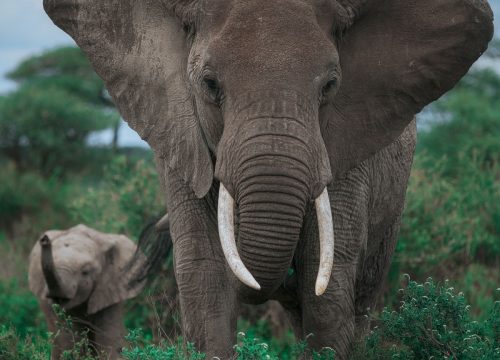
25 Animals You Can See on a Tanzania Safari: Complete Wildlife Guide
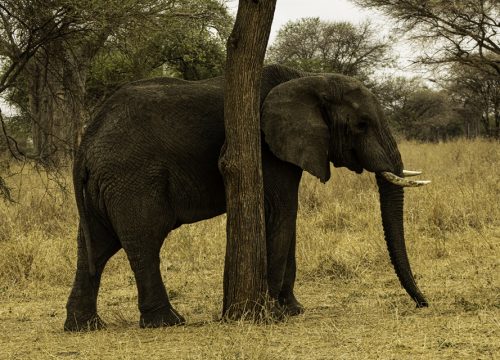
Ngorongoro Crater from Karatu: Price, Distance, Itinerary & Travel Guide
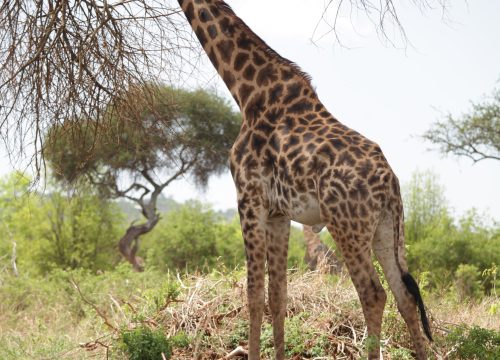
Serengeti Fly-In Safari from Zanzibar | Mara River Crossing 2026
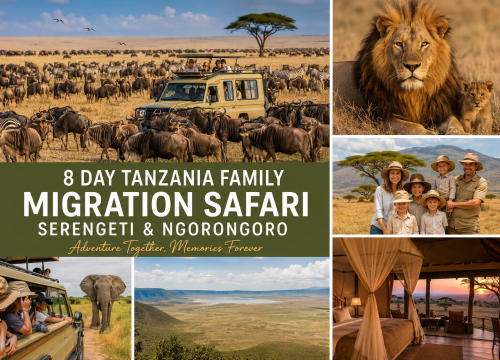
8 Day Tanzania Family Migration Safari

7 Day Tanzania Family Safari Great Migration Serengeti
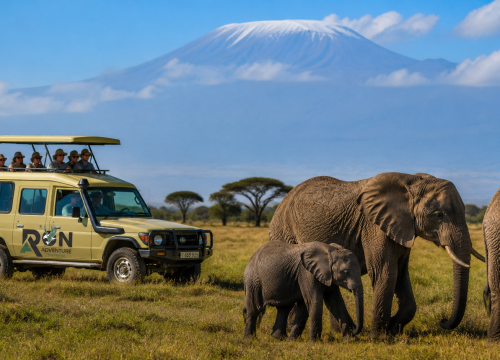
Tanzania Safari in December and January: Best Time for Great Migration and Holiday Travel
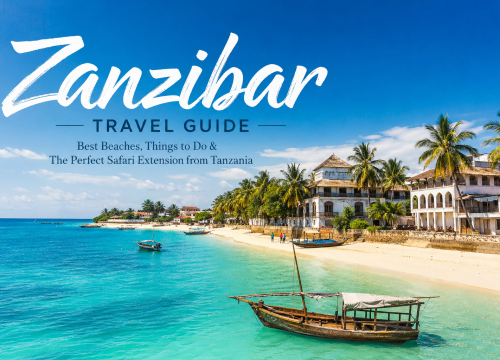
Zanzibar Travel Guide- Best Beaches, Things to Do & Perfect Safari Extension from Tanzania
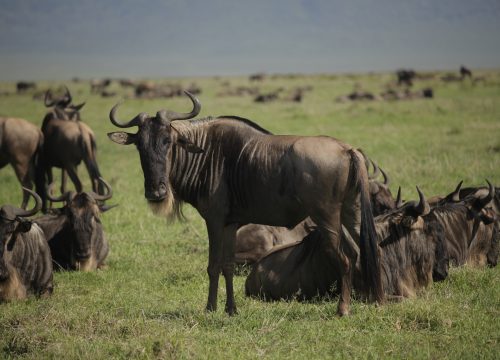
6-Day Tanzania Family Migration Safari
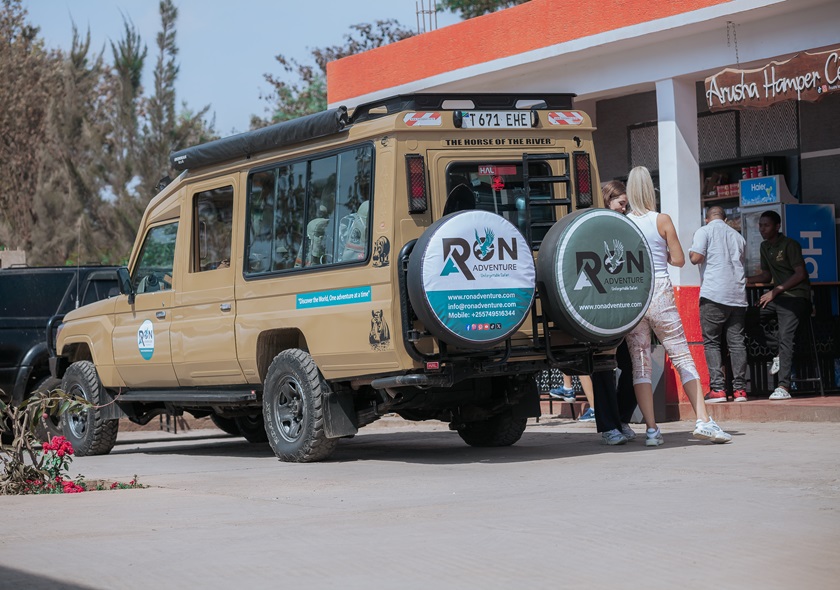
Materuni Waterfalls and Coffee Tour: Best Day Trip from Moshi
Tanzania Travel Bucket List 2027: 20 Unforgettable Experiences
Tanzania Safari for Older Travelers: Complete Travel Guide
Marangu Route Kilimanjaro: Complete Guide, Itinerary, Cost & Tips