Tanzania Travel Requirements Guide
Traveling to Tanzania for a safari experience is an exciting journey that combines wildlife discovery, cultural encounters, and unforgettable landscapes across the Northern Safari Circuit and beyond. However, before stepping into the vast plains of Serengeti or descending into the Ngorongoro Crater, travelers must understand the essential travel requirements that ensure a smooth and stress‑free entry into the country. Preparation is one of the most important steps toward enjoying a successful safari holiday.
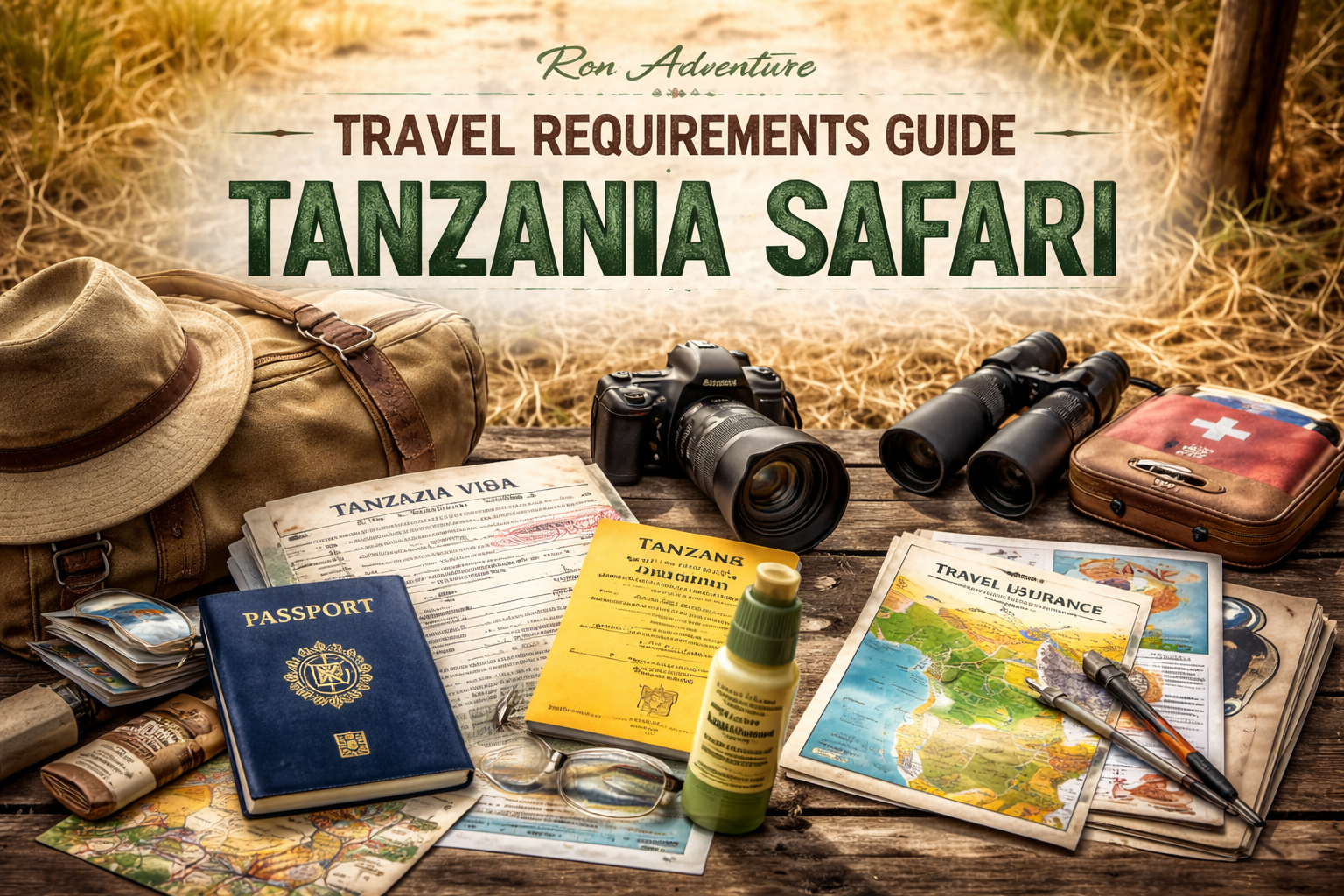
International visitors are encouraged to prepare their documents early and confirm travel conditions well before departure. Requirements may include passports, visas, vaccination records, travel insurance confirmation, and domestic flight considerations depending on the itinerary. Each traveler should also check the latest regulations from official government sources and their airline providers before travel.
Working with an experienced safari company such as Ron Adventure helps simplify the preparation process because travelers receive accurate guidance tailored to their itinerary, accommodation category, and arrival plans. With proper preparation and trusted support, visitors can focus confidently on the wildlife experiences that make Tanzania one of the world’s most admired safari destinations.
Valid Passport Requirements for Tanzania Entry
A passport is the primary document required for anyone traveling to Tanzania, and visitors should confirm that it satisfies international travel regulations before beginning their journey. In most cases, the passport must remain valid for at least six months after the planned departure date from Tanzania and should contain enough blank pages to allow immigration officers to place entry and exit stamps upon arrival.
Many travelers preparing for a safari holiday focus on flights and accommodation arrangements but sometimes forget to review passport validity well in advance. Confirming passport status early helps prevent unexpected delays that could affect confirmed safari bookings or travel schedules. Keeping a printed photocopy or digital copy of the passport stored separately from the original document is also a practical safety measure when moving between destinations during a safari itinerary.
Travelers organizing their trip with Ron Adventure receive advance guidance about document preparation and entry procedures before arriving through major gateways such as Kilimanjaro International Airport or Julius Nyerere International Airport. Proper passport preparation helps ensure a smooth arrival experience and allows visitors to begin their Tanzania safari adventure with confidence and peace of mind.
Tanzania Visa Application Process for Travelers
Obtaining a tourist visa is an essential requirement for most international travelers visiting Tanzania for safari adventures and cultural exploration experiences. Visitors can apply for a visa online before travel through the official immigration platform or obtain a visa upon arrival at designated international airports depending on their nationality.
Applying online is often recommended because it reduces waiting time at the airport and allows travelers to begin their safari program immediately after arrival. Travelers should confirm visa eligibility categories and application procedures based on their citizenship before submitting their travel documents.
Ron Adventure assists guests by providing clear guidance about visa preparation timelines and arrival procedures so travelers avoid confusion during airport processing. Preparing a visa in advance allows visitors to focus fully on the excitement of exploring national parks such as Tarangire, Lake Manyara, and Serengeti rather than navigating administrative procedures after landing in Tanzania.
Vaccination Requirements and Health Preparation for Safari Travel
Health preparation plays an essential role in ensuring travelers enjoy a safe and comfortable safari experience in Tanzania’s wildlife regions and conservation areas. Visitors are encouraged to consult travel health professionals before departure to confirm recommended vaccinations depending on their country of origin and transit routes.
Yellow fever vaccination certificates may be required when travelers arrive from countries where yellow fever transmission risk exists. Carrying an official vaccination certificate helps avoid delays during airport screening procedures and ensures smooth entry into Tanzania.
Ron Adventure supports guests by advising them about health preparation expectations before arrival so travelers feel confident exploring remote wilderness areas safely. Preparing essential medications, insect repellent products, and sun protection items allows visitors to enjoy extended game drives comfortably across Tanzania’s diverse ecosystems without interruption from preventable health concerns.
Travel Insurance Requirements for Tanzania Safari Visitors
Travel insurance is strongly recommended for all visitors planning a safari in Tanzania because it provides protection against unexpected travel interruptions and emergency situations during the journey. A comprehensive travel insurance policy typically includes coverage for medical assistance, trip cancellations, baggage delays, and evacuation support if necessary.
Safari travel involves visiting remote conservation areas where access to major medical facilities may require transportation support arranged by professionals. Insurance coverage ensures travelers receive appropriate assistance quickly if required during their adventure.
Ron Adventure encourages all guests to confirm travel insurance coverage before arrival because it adds an additional level of reassurance while exploring Tanzania’s wildlife landscapes. With proper insurance preparation in place, travelers can enjoy game drives and nature experiences with confidence knowing they are protected throughout their safari journey.
Entry Requirements at International Airports in Tanzania
Arrival procedures at Tanzania’s international airports are designed to ensure secure and efficient entry for visitors arriving for safari holidays and cultural travel experiences. Travelers typically complete immigration processing followed by visa verification where applicable before collecting luggage and proceeding to customs inspection areas.
Major entry airports such as Kilimanjaro International Airport serve as important gateways to northern safari destinations including Serengeti and Ngorongoro Conservation Area. Understanding arrival procedures helps travelers move smoothly through the airport environment after long international flights.
Ron Adventure arranges airport pickup services that simplify arrival logistics and ensure travelers transition comfortably from airport terminals to their safari accommodations. Organized transfers allow guests to begin their safari experience immediately without confusion while navigating transportation arrangements independently after arrival in Tanzania.
Currency Regulations and Payment Preparation for Travelers
Preparing appropriate payment methods before traveling to Tanzania helps visitors manage expenses smoothly during their safari journey across national parks and conservation areas. The Tanzanian Shilling is widely used for local purchases, while United States Dollars are commonly accepted for tourism services and park‑related payments.
Travelers are encouraged to carry recently printed United States Dollar notes when possible because older banknotes may not be accepted in some tourism facilities. Credit cards are accepted at many lodges and hotels, although remote safari areas sometimes operate primarily using cash transactions.
Ron Adventure provides guidance about payment preparation before arrival so travelers understand how to manage safari‑related expenses confidently throughout their journey. Careful financial planning allows visitors to focus fully on wildlife exploration experiences rather than worrying about currency exchange challenges during travel.
Domestic Flights and Luggage Requirements for Safari Travel
Domestic flights play an important role in connecting major safari destinations across Tanzania’s vast wilderness landscapes. Travelers planning fly‑in safaris should understand luggage weight limitations because small aircraft used between national parks follow strict baggage regulations designed to maintain safe flight operations.
Soft‑sided luggage bags are usually recommended because they fit easily inside small aircraft storage compartments. Travelers should confirm baggage allowances with their safari operator before departure to avoid complications during internal flight connections between parks.
Ron Adventure assists guests by providing detailed luggage preparation instructions tailored to their safari itinerary, so travelers arrive prepared for domestic flight requirements. Understanding luggage expectations helps visitors move efficiently between destinations while enjoying scenic aerial views of Tanzania’s remarkable wildlife regions.
Park Entry Requirements for Tanzania National Parks
Access to Tanzania’s national parks requires official entry permits arranged through authorized tourism operators before visitors begin their wildlife exploration experiences. Park entry fees support conservation initiatives that protect wildlife habitats and maintain sustainable tourism infrastructure across protected areas.
Visitors should carry identification documents while traveling between parks because gate entry procedures may include verification steps before vehicles proceed into conservation zones. Entry regulations help maintain environmental protection standards across Tanzania’s globally recognized safari destinations.
Ron Adventure manages park entry logistics on behalf of guests so travelers experience smooth transitions between wildlife areas without administrative complications. Professional coordination ensures visitors spend more time enjoying wildlife sightings rather than navigating permit procedures independently during their safari journey.
Accommodation Check-In Requirements During Safari
Accommodation check-in procedures during a safari in Tanzania are designed to ensure both guest comfort and safety inside protected wildlife environments. Most safari lodges and tented camps request travelers to present identification documents upon arrival so reception teams can verify reservation details before assigning rooms. This process is standard across properties located in major safari destinations such as Serengeti National Park and Ngorongoro Crater, where accommodation management follows structured conservation-area visitor regulations.
Travelers arriving after domestic flights or long road transfers are usually welcomed with a briefing about camp facilities, dining schedules, and wildlife safety expectations around the lodge environment. Because many safari accommodations operate inside remote ecosystems, check-in timing may depend on park gate hours and sunset movement restrictions.
Preparing travel vouchers, passports, and booking confirmations before arrival helps simplify lodge entry procedures and supports a smooth transition between safari destinations. Organized accommodation coordination through a trusted operator ensures that travelers experience efficient check-in services while focusing fully on relaxation and wildlife viewing rather than administrative formalities during their Tanzania safari journey.
Best Time to Travel and Climate Preparation Tips
Understanding the best time to visit Tanzania for safari travel helps visitors prepare properly for seasonal weather conditions and wildlife viewing opportunities across the northern safari circuit. Tanzania offers excellent safari experiences throughout the year, although the dry season from June to October is widely considered ideal for game viewing because animals gather around reliable water sources. The green season from November to May provides beautiful scenery, fewer crowds, and exceptional birdwatching conditions.
Climate preparation is essential because temperatures vary between destinations such as highland areas near Ngorongoro Conservation Area and the warmer plains of Tarangire National Park. Early morning game drives can be cool, while afternoon wildlife exploration often takes place under strong sunshine.
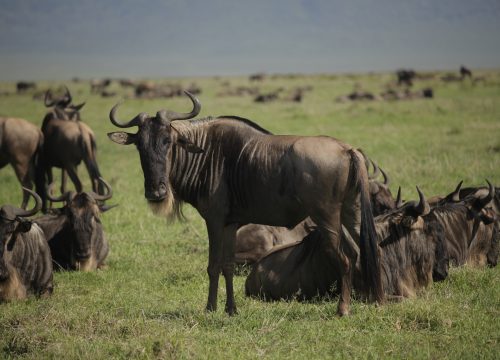
Packing layered clothing, sun protection items, and comfortable safari footwear allows travelers to remain prepared for daily temperature changes. Travelers visiting during the migration season in the southern Serengeti between January and March should also prepare for occasional rainfall while enjoying spectacular calving activity. Careful climate planning improves comfort during long game drives and ensures visitors enjoy the best possible safari conditions throughout their Tanzania adventure.
Communication and Internet Access During Safari Travel
Communication and internet access during a Tanzania safari vary depending on whether travelers are staying in cities, lodge properties, or remote national parks. Major towns such as Arusha provide reliable mobile networks and internet connectivity, while coverage inside protected wilderness areas like Lake Manyara National Park and Serengeti National Park can be limited or unavailable in certain locations.
Many safari lodges now offer Wi-Fi services in reception areas or guest lounges, although connection speeds are typically slower than those found in urban environments. Visitors are encouraged to inform family members before departure that communication availability may be intermittent during game drives and inter-park transfers.
Travelers who require regular connectivity for work or personal reasons may consider purchasing a local SIM card after arrival at Kilimanjaro International Airport or Arusha town. Preparing realistic expectations about communication access helps visitors enjoy a more relaxed safari experience while focusing on wildlife observation rather than digital interruptions. Proper connectivity planning is therefore an important part of overall Tanzania safari travel preparation.
Cultural Guidelines Visitors Should Know Before Traveling
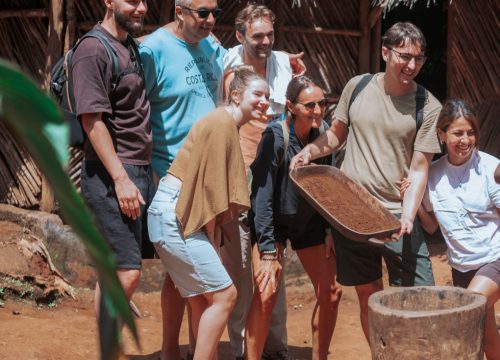
Learning about Tanzania’s cultural expectations before travel helps visitors interact respectfully with local communities and enhances the overall safari experience. Tanzania is known for its welcoming people and diverse traditions, and travelers who understand basic social customs often enjoy more meaningful connections throughout their journey.
Simple greetings in Kiswahili, such as polite introductions, create positive impressions when visiting towns near safari regions like Karatu or cultural villages surrounding conservation areas. Dressing modestly when outside national parks is also recommended, especially in community settings where respectful clothing reflects appreciation for local values.
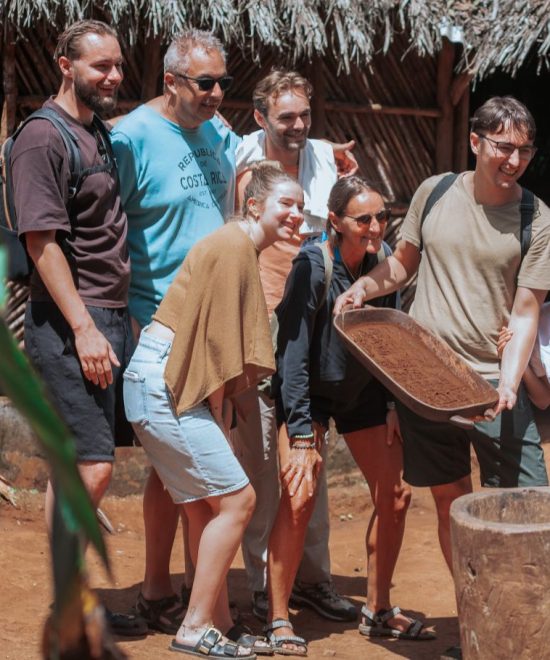
Photography etiquette is another important consideration. Visitors should always request permission before taking photos of people in villages or markets. Supporting locally produced crafts and community tourism initiatives contributes positively to regional economies and strengthens responsible travel relationships.
Understanding cultural expectations helps travelers move confidently between wildlife destinations and community areas while maintaining respectful interactions. Cultural awareness preparation, therefore, forms an essential component of a well-planned Tanzania safari itinerary.
Safety Requirements for Wildlife Safari Experiences
Safety requirements during wildlife safaris in Tanzania are carefully designed to protect both visitors and animals across national parks and conservation areas. Professional safari guides provide instructions that travelers should follow throughout game drives to ensure responsible wildlife viewing and secure travel conditions.
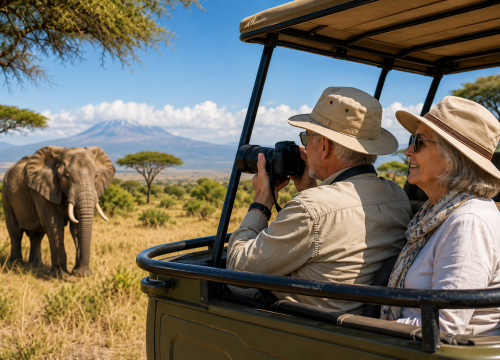
Remaining inside the safari vehicle unless instructed otherwise is one of the most important safety guidelines when exploring ecosystems such as Serengeti National Park and Ngorongoro Crater. Wild animals move freely within these protected environments, and maintaining an appropriate distance ensures safe observation without disturbing natural behavior patterns.
Travelers staying in tented camps may also receive evening safety briefings explaining movement rules between dining areas and accommodation tents after dark. Listening carefully to guide instructions during walking safaris or cultural excursions further improves visitor safety.
Following official park regulations and professional guide advice allows travelers to enjoy close wildlife encounters confidently while supporting conservation-focused tourism practices. Safety awareness preparation, therefore, plays a central role in creating a successful and memorable Tanzania safari experience.
Sustainable Travel Practices in Tanzania National Parks
Sustainable travel practices play an essential role in protecting Tanzania’s natural ecosystems and preserving wildlife habitats for future generations. Visitors traveling through protected areas such as Tarangire National Park and Lake Manyara National Park are encouraged to follow environmentally responsible guidelines that reduce their impact on fragile landscapes.
Responsible safari behavior includes respecting park speed limits, avoiding littering, and following designated wildlife viewing routes established by conservation authorities. Supporting eco-friendly lodges that implement renewable energy systems and water conservation programs also contributes to long-term sustainability goals.
Travelers who choose conservation-focused safari operators indirectly support anti-poaching initiatives and community education programs that strengthen wildlife protection efforts across Tanzania. Sustainable tourism participation helps maintain the ecological balance that makes Tanzania one of Africa’s most celebrated safari destinations.
Practicing responsible travel habits ensures that future visitors will continue to experience the extraordinary biodiversity found across Tanzania’s national parks and conservation areas.
Why Choosing a Local Safari Operator Like Ron Adventure Helps Travelers
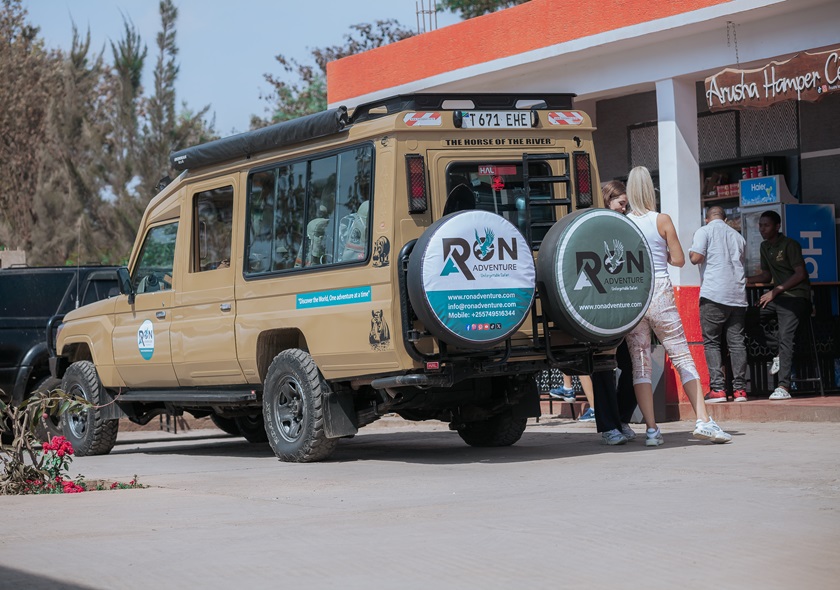
Working with an experienced local safari operator significantly improves travel preparation and overall comfort during a Tanzania safari journey. A knowledgeable company such as Ron Adventure provides accurate guidance on entry requirements, park regulations, accommodation coordination, and transportation logistics tailored to each traveler’s itinerary.
Local operators understand seasonal wildlife movement patterns, road conditions between parks, and the most efficient travel routes connecting destinations such as Serengeti National Park and Ngorongoro Conservation Area. This expertise allows visitors to maximize game viewing opportunities while avoiding unnecessary travel delays.
Choosing a Tanzania-based safari specialist also ensures faster communication support before arrival and during the safari itself. Travelers benefit from personalized itinerary planning, airport transfer coordination, and real-time assistance throughout their adventure.
Selecting a trusted local safari company enhances safety, improves travel efficiency, and creates a more authentic wildlife experience. Professional planning support, therefore, plays a major role in ensuring visitors enjoy a smooth and memorable Tanzania safari from arrival to departure.
Ready to plan your Tanzania safari?
Our Arusha-based safari experts will create a free, personalized Tanzania safari itinerary within 3 hours, tailored to your budget, travel style, and interests..