Introduction to Tanzania vs Kenya Safari Travel
Choosing between Tanzania and Kenya for an African safari can be difficult, especially for first-time visitors to East Africa. Both countries offer incredible wildlife, beautiful landscapes, and the famous Serengeti–Maasai Mara migration.
Tanzania is known for vast wilderness, diverse national parks, and quieter safari experiences. Top destinations include Serengeti, Ngorongoro, Tarangire, and Ruaha.
Kenya offers excellent safari infrastructure, easy access, and iconic parks such as Maasai Mara, Amboseli, and Lake Nakuru.
Both countries offer unforgettable wildlife experiences. The best choice depends on your budget, travel style, and safari expectations.
Geographic Differences Between Tanzania and Kenya Safari Regions
Geography shapes the Tanzania vs Kenya safari experience. Tanzania offers vast wilderness areas, open plains, and remote wildlife habitats. Its larger landscapes are ideal for multi-day safaris and exploring several national parks, especially along the Northern Safari Circuit.
Kenya offers more compact safari destinations with shorter travel distances from Nairobi. This makes it a good choice for travelers with limited time who want to combine wildlife viewing, cultural visits, and scenic landscapes.
Wildlife Density Comparison Between Tanzania and Kenya
Wildlife is a major reason travelers compare Tanzania vs Kenya safaris. Tanzania offers vast wildlife areas, with the Serengeti hosting millions of migrating wildebeest and zebras, alongside lions, cheetahs, and leopards.
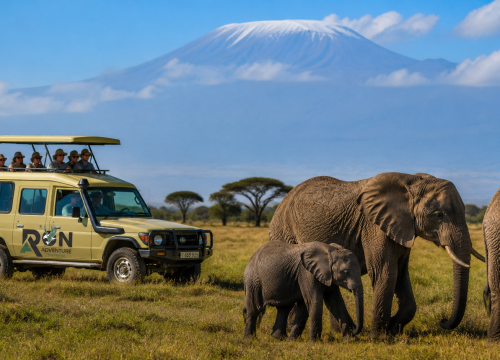
Kenya’s Maasai Mara is famous for excellent predator sightings, while Amboseli offers stunning elephant views with Mount Kilimanjaro in the background.
Tanzania offers diverse ecosystems across several national parks, while Kenya provides excellent wildlife experiences in its famous reserves.
The Great Wildebeest Migration Experience in Tanzania vs Kenya
The Great Wildebeest Migration is one of the world’s most spectacular wildlife events and a key factor when choosing between Tanzania and Kenya for a safari.
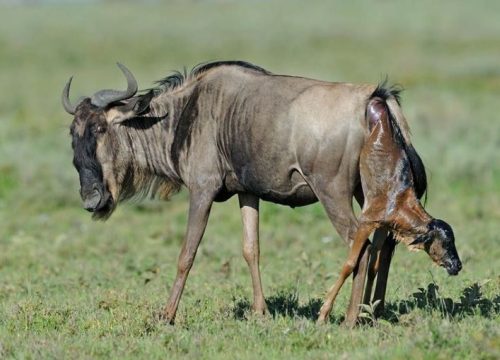
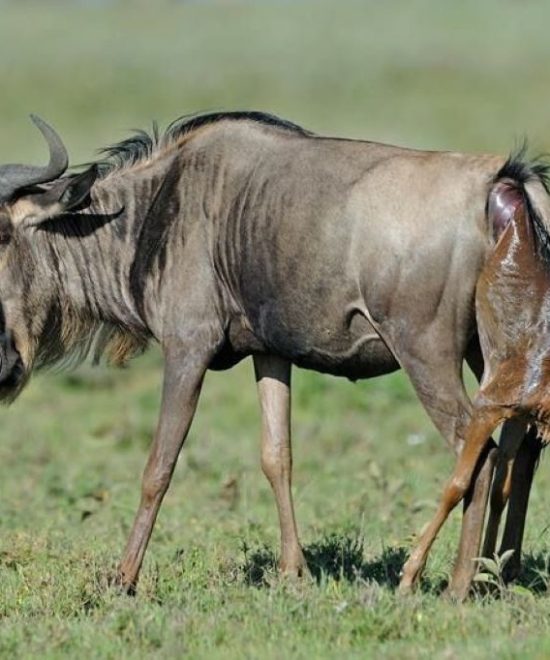
From January to March, thousands of wildebeest calves are born in Tanzania’s southern Serengeti and Ndutu plains. This calving season attracts predators and offers excellent wildlife photography opportunities.
Between July and October, the herds move north toward the Mara River, creating dramatic crossings between Tanzania’s Serengeti and Kenya’s Maasai Mara.
Migration timing depends on rainfall, not fixed dates. Ron Adventure helps travelers choose the right destination and season for the best wildlife experience.
Landscape Diversity in Tanzania Compared to Kenya
Tanzania offers diverse safari landscapes, from open savannah plains and acacia woodlands to volcanic craters, soda lakes, and baobab-filled valleys. The Ngorongoro Crater stands out for its dramatic scenery and rich wildlife.
Kenya also offers stunning landscapes. Amboseli is famous for its elephants and views of Mount Kilimanjaro. Lake Nakuru attracts seasonal flamingos, while the Maasai Mara features rolling grasslands ideal for spotting predators and other wildlife.
Safari Vehicle Experience and Crowd Levels
Safari vehicle density affects comfort and wildlife viewing. Tanzania’s large parks, such as Serengeti and Tarangire, generally offer quieter game drives, especially outside peak migration areas.
Kenya’s Maasai Mara can experience more vehicle traffic during migration crossings. However, private conservancies offer fewer vehicles, off-road driving, and more exclusive wildlife encounters.
When comparing Tanzania vs Kenya safaris, vehicle numbers and privacy are important factors to consider.
Cultural Experiences in Tanzania and Kenya Safari Travel
Cultural experiences add depth to East African safaris. Tanzania and Kenya offer opportunities to visit Maasai communities, learn about traditional lifestyles, explore beadwork, and discover local conservation efforts.
In Tanzania, visitors can also meet the Hadzabe community near Lake Eyasi and learn about their traditional hunter-gatherer lifestyle. In Kenya, cultural visits around Amboseli and the Maasai Mara include village tours, guided walks, and traditional dances.
These experiences offer a deeper understanding of local cultures beyond wildlife viewing.
Accommodation Options Across Tanzania and Kenya Safaris
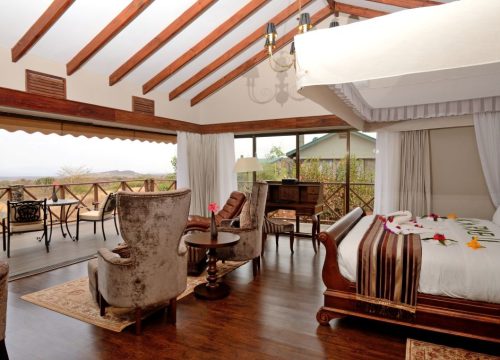
Accommodation plays an important role in your safari experience and budget. Tanzania offers luxury tented camps in the Serengeti, midrange lodges, and mobile camps that follow the Great Migration.
Kenya also offers excellent lodges and boutique camps in private conservancies near the Maasai Mara. Fly-in safaris help reduce driving time and allow more time for wildlife viewing.
Ron Adventure helps you choose the right accommodation based on your budget, comfort, location, and seasonal wildlife movements.
Accessibility and Travel Logistics Between Tanzania and Kenya
Travel logistics are important when choosing between Kenya and Tanzania safaris. Nairobi offers excellent international connections and quick domestic flights to major wildlife reserves.
Tanzania provides easy access through Kilimanjaro International Airport and Arusha, the gateway to the Northern Safari Circuit. Road safaris connect Tarangire, Ngorongoro, and Serengeti, making multi-day trips convenient.
Safari Cost Comparison Between Tanzania and Kenya
higher conservation fees, especially in the Serengeti and Ngorongoro, which support wildlife protection and park maintenance.
Kenya offers flexible safari packages, including shorter trips and fly-in options. Private conservancies may cost more but offer exclusive wildlife experiences with fewer vehicles.
Both destinations offer excellent value when you choose the right itinerary, season, and budget.
Best Time to Visit Tanzania vs Kenya for Safari Travel
The best time to visit Tanzania or Kenya depends on wildlife movements and seasonal conditions.
In Tanzania, January to March is ideal for the Great Wildebeest Migration calving season in southern Serengeti. Thousands of wildebeest give birth, attracting predators such as lions and cheetahs. From June to October, the dry season offers excellent wildlife viewing in Serengeti and Tarangire.
In Kenya, July to October is the best time to witness the Great Migration river crossings in the Maasai Mara. Amboseli National Park also offers excellent elephant sightings throughout the year.
With expert seasonal planning from Ron Adventure, you can visit the right destinations at the right time for an unforgettable East African safari.
Photography Opportunities in Tanzania Compared to Kenya
East Africa is one of the world’s best wildlife photography destinations. Both Tanzania and Kenya offer incredible opportunities to capture wildlife, landscapes, and the Great Migration.
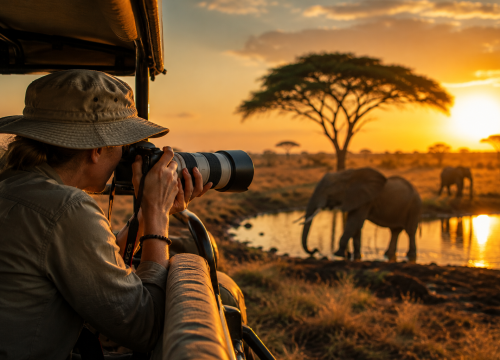
Tanzania’s Serengeti National Park is famous for its endless plains and large wildlife herds. Its open landscapes are perfect for capturing migration scenes, predators, and dramatic wildlife moments. Ngorongoro Crater offers excellent photography opportunities, with many wildlife species living within a stunning volcanic landscape.
Kenya also has iconic photography locations. Amboseli National Park is famous for elephants photographed against Mount Kilimanjaro. The Maasai Mara offers excellent opportunities to capture lions, cheetahs, and the Great Migration.
Family Safari Travel in Tanzania vs Kenya
Planning a family safari means choosing destinations that offer comfort, safety, and exciting wildlife experiences for all ages.
Kenya is a good choice for families with young children. Its road network and domestic flights make travel between wildlife areas easier. Many Maasai Mara lodges also offer child-friendly activities that teach children about wildlife and conservation.
Tanzania is equally rewarding. The Northern Safari Circuit combines Tarangire, Ngorongoro Crater, and Serengeti in one safari. Ngorongoro is especially ideal for families, offering excellent wildlife viewing within a compact area.
Ron Adventure creates family safari itineraries with comfortable accommodation, manageable travel times, and exciting game drives. We ensure parents and children enjoy a relaxing and memorable Tanzania safari.
Combining Safari and Beach Holidays in Tanzania and Kenya
Many travelers combine an East African safari with a relaxing beach holiday. Both Tanzania and Kenya offer excellent wildlife experiences and beautiful Indian Ocean beaches.
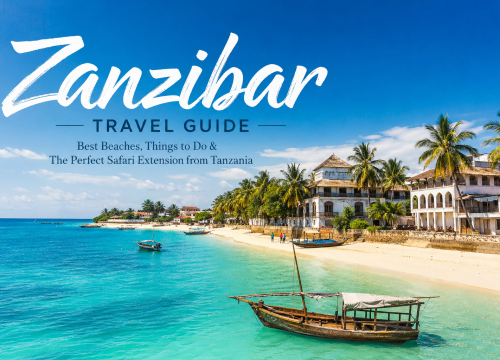
Tanzania is ideal for combining a safari with a Zanzibar beach holiday. After exploring the Serengeti, travelers can fly to Zanzibar to enjoy white-sand beaches, coral reefs, and the historic streets of Stone Town.
Kenya offers a similar experience, combining the Maasai Mara safari with coastal destinations such as Mombasa and Diani Beach. Visitors can enjoy warm ocean waters, palm-lined beaches, and relaxing coastal stays.
Conservation Efforts in Tanzania vs Kenya Wildlife Areas
Wildlife conservation is essential to protecting East Africa’s natural heritage. Both Tanzania and Kenya have strong conservation programs that support wildlife and sustainable tourism.
Tanzania protects vast wildlife areas through national parks, game reserves, and conservation areas. The Serengeti and Ngorongoro support rich biodiversity and important wildlife migration routes.
Kenya focuses on community-based conservation. Private conservancies around the Maasai Mara involve local communities in wildlife protection while creating income through tourism.
How to Choose Between Tanzania and Kenya for Your Safari Adventure
Choosing between Tanzania and Kenya for a safari depends on your travel time, wildlife interests, and preferred experiences. Both countries offer excellent wildlife viewing, but each has unique highlights.
Tanzania is ideal for travelers seeking vast wilderness and longer safari experiences. The Northern Circuit includes Tarangire, Serengeti, and Ngorongoro Crater. It is also a top destination for witnessing the Great Wildebeest Migration calving season.
Kenya is perfect for shorter safaris and excellent predator sightings. The Maasai Mara offers outstanding wildlife viewing, while Nairobi provides easy access for international travelers.


7-Day Luxury Ndutu Calving Season Safari
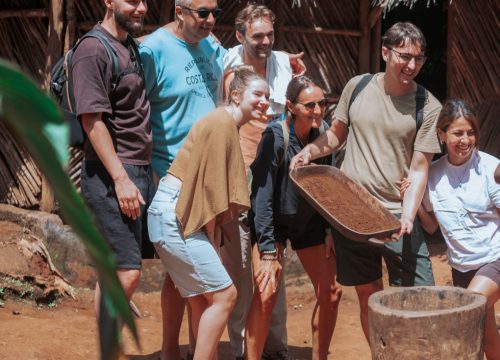
Materuni Waterfalls and Coffee Tour: Best Day Trip from Moshi
Tanzania Travel Bucket List 2027: 20 Unforgettable Experiences
Tanzania Safari for Older Travelers: Complete Travel Guide
Marangu Route Kilimanjaro: Complete Guide, Itinerary, Cost & Tips
Kilimanjaro Lemosho Route: Complete Guide, Itinerary, Cost, Difficulty & Tips
Tanzania Safari Accommodations: Luxury, Mid-Range & Budget Guide
Safari Photography Tips for Beginners in Tanzania
Tanzania Safari FAQs: Answering 100 Common Questions Before You Visit Tanzania
First-Time Tanzania Safari: 30 Things Nobody Tells You
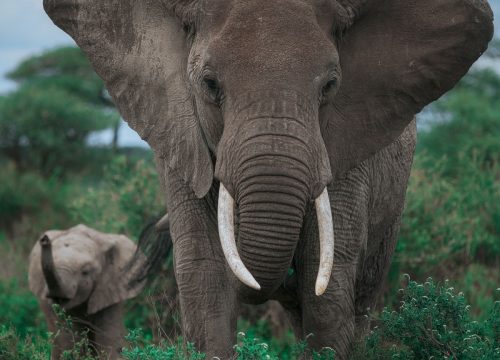
25 Animals You Can See on a Tanzania Safari: Complete Wildlife Guide
Ngorongoro Crater from Karatu: Price, Distance, Itinerary & Travel Guide
Serengeti Fly-In Safari from Zanzibar | Mara River Crossing 2026
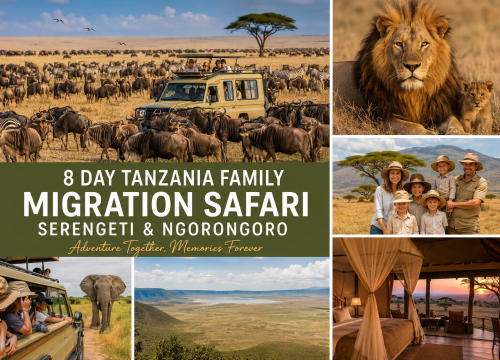
8 Day Tanzania Family Migration Safari

7 Day Tanzania Family Safari Great Migration Serengeti
Tanzania Safari in December and January: Best Time for Great Migration and Holiday Travel
Zanzibar Travel Guide- Best Beaches, Things to Do & Perfect Safari Extension from Tanzania
7-Day Luxury Ndutu Calving Season Safari
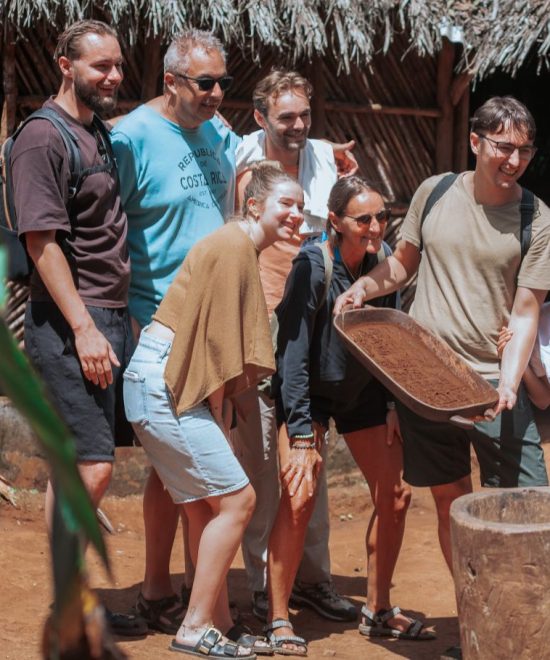
Materuni Waterfalls and Coffee Tour: Best Day Trip from Moshi
Tanzania Travel Bucket List 2027: 20 Unforgettable Experiences
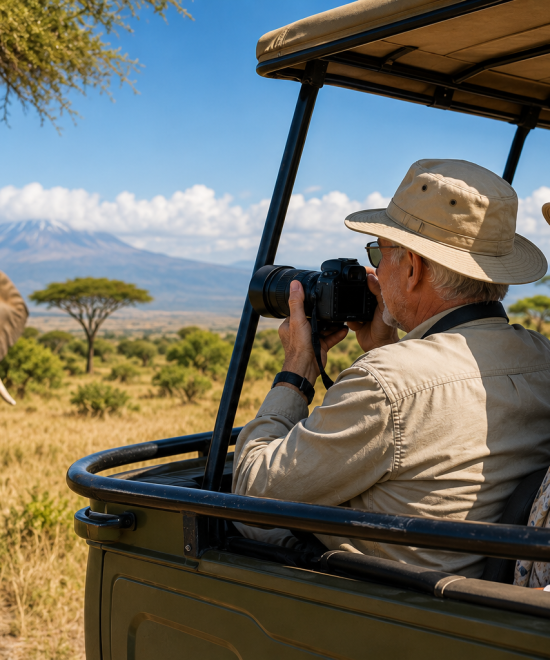
Tanzania Safari for Older Travelers: Complete Travel Guide