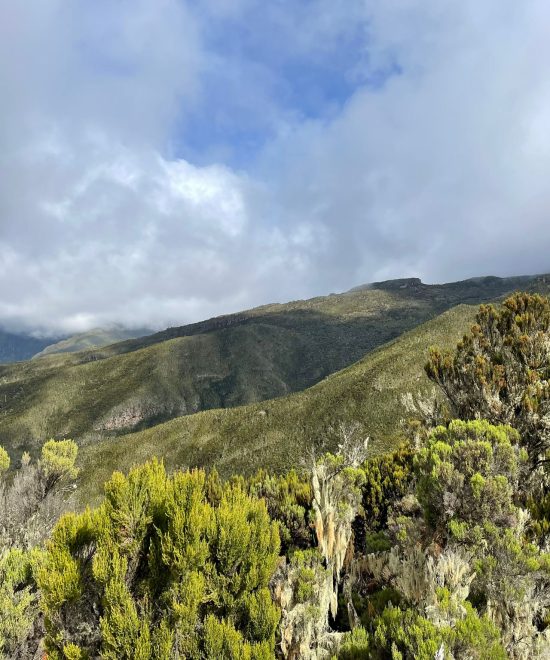
Climbing Mount Kilimanjaro is a dream for many adventurers, but understanding the mountain’s weather is crucial for a successful trek. Kilimanjaro’s climate varies dramatically with altitude, and being prepared for changing conditions can make a significant difference in safety, comfort, and overall experience. This guide provides detailed information about Kilimanjaro weather, seasonal variations, daily temperature ranges, and practical tips for trekking.
Understanding Kilimanjaro’s Climate Zones
Mount Kilimanjaro rises to 5,895 meters (19,341 feet), and its weather changes significantly at different elevations. The mountain is divided into five climatic zones, each with its own conditions:
- Cultivated Zone (800–1,800 meters) – The base of the mountain features lush farmland and villages. Temperatures are relatively warm, ranging between 18°C and 25°C (64°F–77°F). Rainfall is moderate, and this zone is generally humid.
- Rainforest Zone (1,800–2,800 meters) – Dense forests with tall trees dominate this zone. Expect frequent rain showers and higher humidity. Temperatures drop slightly, averaging 15°C to 22°C (59°F–72°F). Waterproof gear is essential here.
- Heath and Moorland Zone (2,800–4,000 meters) – The landscape becomes more open with shrubs, heathers, and volcanic rocks. Nights can be chilly, and daytime temperatures range from 5°C to 15°C (41°F–59°F). The weather can be unpredictable, with occasional frost at night.
- Alpine Desert Zone (4,000–5,000 meters) – This zone is dry, with sparse vegetation. Temperatures are colder, often falling below 0°C (32°F) at night. Strong winds and direct sunlight make layering crucial.
- Arctic Zone (5,000–5,895 meters) – The summit zone is covered with ice and snow. Temperatures can drop as low as -20°C (-4°F), and climbers face extreme wind chill and low oxygen levels. Proper cold-weather gear is mandatory.
Seasonal Variations on Kilimanjaro
Kilimanjaro experiences two main climbing seasons:
- Dry Seasons:
- January to mid-March and June to October are the best periods for trekking. Trails are generally dry and stable, skies are clearer, and summit attempts are safer. Temperatures are more predictable, though nights can still be very cold at higher altitudes.
- Rainy Seasons:
- March to May (long rains) and November (short rains) bring wet and slippery conditions. Trails may be muddy, and visibility can be reduced by fog or clouds. Trekking during these months is possible but requires extra preparation and waterproof gear.
Daily Weather Patterns
The weather on Kilimanjaro can change rapidly, even within the same day. Climbers should expect:
- Morning: Clear skies and cold temperatures at high altitudes.
- Afternoon: Clouds and occasional rain showers, particularly in rainforest and moorland zones.
- Evening/Night: Sharp temperature drops, often below freezing, above 4,000 meters.
Layered clothing and proper trekking gear are essential for adjusting to these variations.
How Weather Affects Trekking on Kilimanjaro
Weather influences multiple aspects of the trek:
- Trail Conditions – Rain and snow can make paths slippery and slow progress. Proper footwear with good grip is vital.
- Summit Success – Cold, wind, and low oxygen levels can impact stamina. Climbers should monitor weather forecasts and acclimatise properly.
- Health and Safety – Exposure to cold and wet conditions increases the risk of hypothermia. Sun exposure at higher altitudes can also cause sunburn, so sun protection is necessary even in cold zones.
Essential Gear for Kilimanjaro Weather
To tackle the varying weather conditions, climbers should pack:
- Waterproof jackets and pants
- Warm insulating layers (fleece or down jackets)
- Thermal base layers
- Gloves, hats, and scarves
- Sturdy, waterproof trekking boots
- Sunglasses and sunscreen for high-altitude sun exposure
Additional Tips for Dealing with Kilimanjaro Weather
- Check forecasts before your trek: Weather apps and local guides can provide daily updates.
- Stay hydrated: Cold weather can mask dehydration, so drink plenty of water.
- Acclimatise properly: Moving slowly and taking rest days helps your body adjust to altitude and reduces the risk of altitude sickness.
- Be flexible with your schedule: Bad weather may require adjusting summit attempts or choosing alternate routes.
Key Takeaways
Understanding Kilimanjaro’s weather is critical for planning a safe and successful trek. From warm rainforest zones to icy summit conditions, the mountain demands careful preparation and proper gear. Trekking during dry seasons offers the best conditions, but climbers should always be ready for sudden weather changes. By staying informed and prepared, you can enjoy one of the world’s most breathtaking climbing experiences.


Materuni Waterfalls and Coffee Tour: Best Day Trip from Moshi
Tanzania Travel Bucket List 2027: 20 Unforgettable Experiences
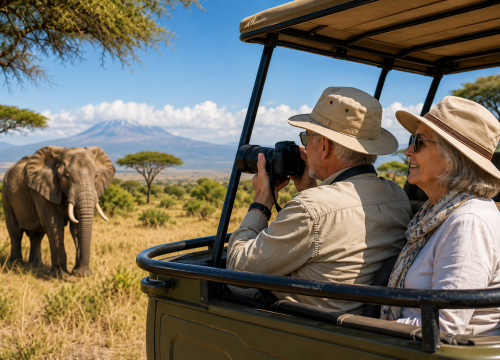
Tanzania Safari for Older Travelers: Complete Travel Guide
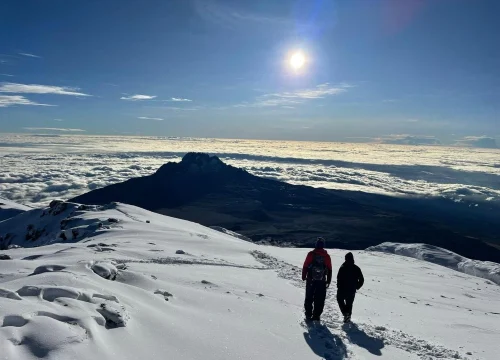
Marangu Route Kilimanjaro: Complete Guide, Itinerary, Cost & Tips
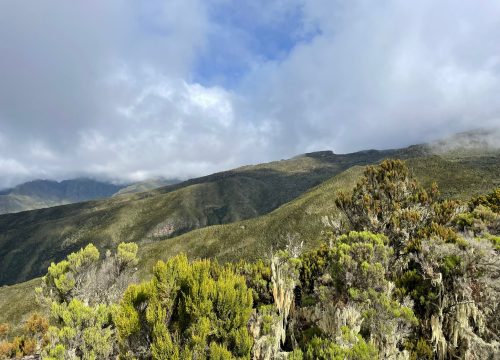
Kilimanjaro Lemosho Route: Complete Guide, Itinerary, Cost, Difficulty & Tips
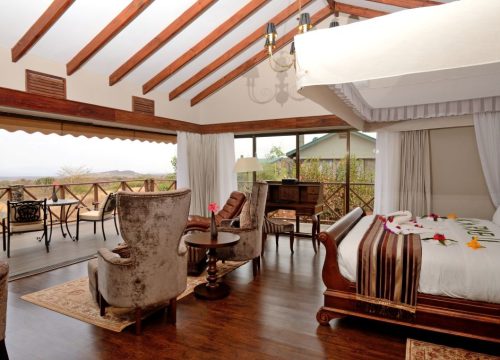
Tanzania Safari Accommodations: Luxury, Mid-Range & Budget Guide
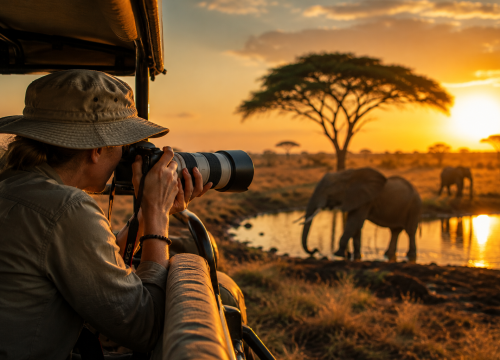
Safari Photography Tips for Beginners in Tanzania
Tanzania Safari FAQs: Answering 100 Common Questions Before You Visit Tanzania
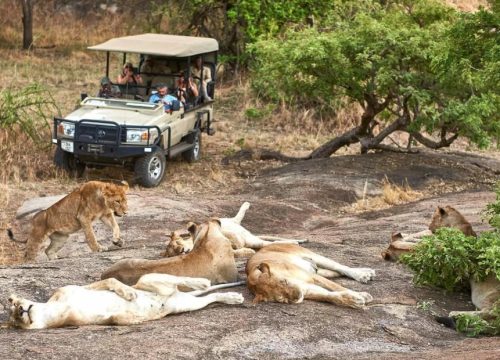
First-Time Tanzania Safari: 30 Things Nobody Tells You
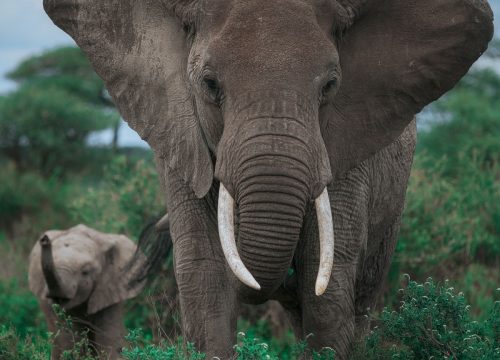
25 Animals You Can See on a Tanzania Safari: Complete Wildlife Guide
Ngorongoro Crater from Karatu: Price, Distance, Itinerary & Travel Guide
Serengeti Fly-In Safari from Zanzibar | Mara River Crossing 2026
8 Day Tanzania Family Migration Safari
7 Day Tanzania Family Safari Great Migration Serengeti
Tanzania Safari in December and January: Best Time for Great Migration and Holiday Travel
Zanzibar Travel Guide- Best Beaches, Things to Do & Perfect Safari Extension from Tanzania
6-Day Tanzania Family Migration Safari
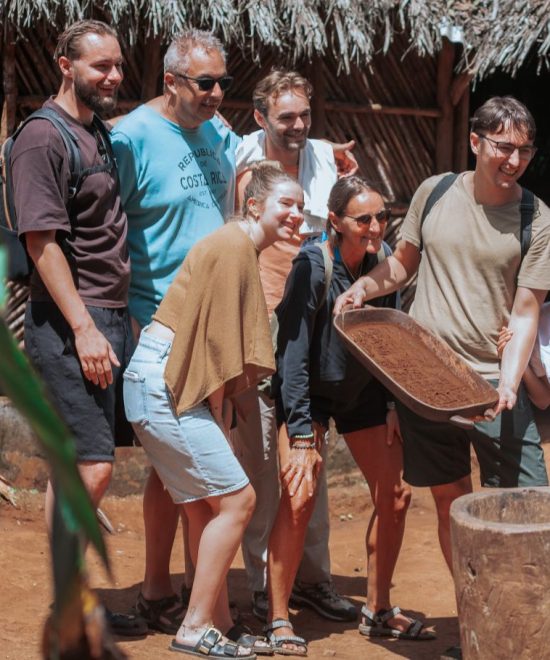
Materuni Waterfalls and Coffee Tour: Best Day Trip from Moshi
Tanzania Travel Bucket List 2027: 20 Unforgettable Experiences
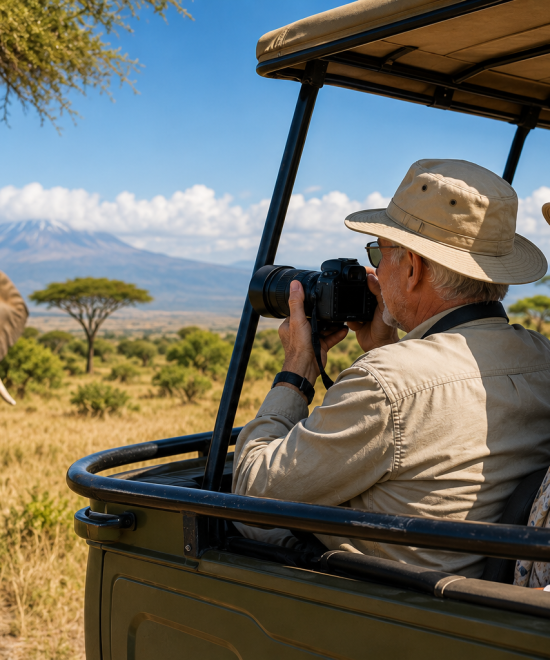
Tanzania Safari for Older Travelers: Complete Travel Guide
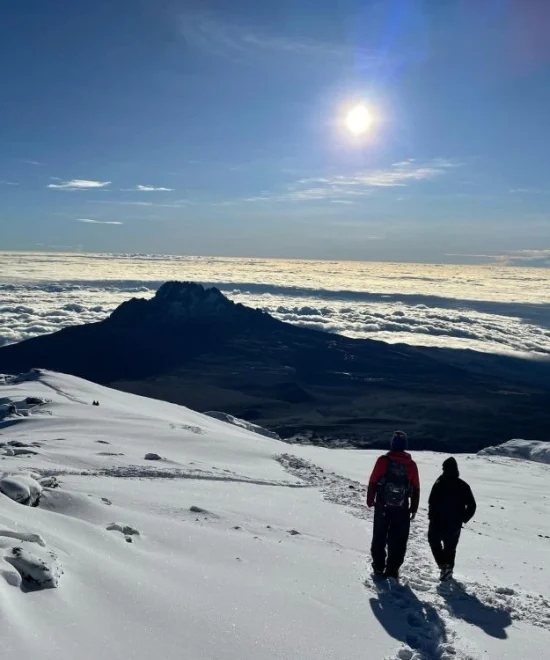
Marangu Route Kilimanjaro: Complete Guide, Itinerary, Cost & Tips