If you are planning a Tanzania safari, you may come across Ndutu when researching the Great Wildebeest Migration. This can create some confusion because Ndutu is often described as part of the Southern Serengeti.
So, where is Ndutu actually located?
The simple answer is that Ndutu is officially within the Ngorongoro Conservation Area (NCA). It is not part of Serengeti National Park. However, Ndutu sits on the southern Serengeti plains and forms an important part of the wider Serengeti ecosystem.
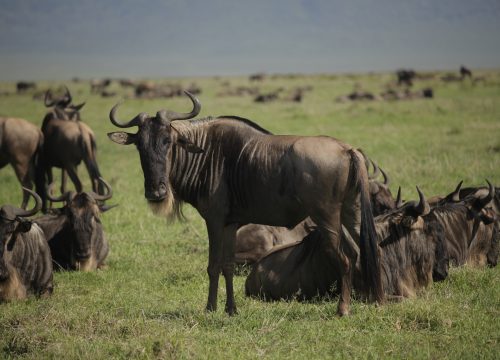
This location gives Ndutu a special role in Tanzania’s wildlife cycle. Each year, large herds of wildebeest, along with zebra and gazelles, move into the area in search of fresh grass. The region becomes particularly famous during the calving season, when thousands of newborn animals attract predators.
If you are considering a Ndutu safari, understanding its location can help you choose the right itinerary, accommodation, and travel season.
Is Ndutu Part of the Ngorongoro Conservation Area?
Yes.
Ndutu is officially part of the Ngorongoro Conservation Area, which is managed by the Ngorongoro Conservation Area Authority.
The NCA is much larger than the famous Ngorongoro Crater. It includes extensive plains and other landscapes that support wildlife and human communities. The official NCAA website specifically identifies the Ndutu Plains among the attractions within the conservation area.
This is an important distinction for travelers.
When you book a safari to Ndutu, you are not simply visiting the Ngorongoro Crater. You are visiting a much broader conservation landscape.
Why Is Ndutu Often Called the Southern Serengeti?
The name “Southern Serengeti” is commonly used because of Ndutu’s location and its strong ecological connection to the Serengeti.
The plains around Ndutu form part of the same greater ecosystem used by migrating wildlife. During different times of the year, animals move between the southern plains, Serengeti National Park and other areas.
Ndutu Safari Lodge, for example, describes its location as being within the Ngorongoro Conservation Area on the edge of the Southern Serengeti plains.
Therefore, both descriptions can appear in safari information:
Administrative location: Ngorongoro Conservation Area
Ecological region: Greater Serengeti ecosystem
Common safari description: Southern Serengeti
These descriptions are not necessarily contradictory. They refer to different aspects of the same landscape.
Why Is Ndutu Important During the Great Wildebeest Migration?
Ndutu is one of the most important areas of the Great Wildebeest Migration during the calving period.
When the herds reach the southern plains, the availability of nutritious short grass provides favorable conditions for mothers and newborn calves. This creates a temporary concentration of wildlife.
The sight can be spectacular.
Large herds spread across the plains while young wildebeest begin taking their first steps. Zebra and gazelles are also present, adding to the diversity of wildlife.
The concentration of prey also attracts predators.
Lions, cheetahs and hyenas follow the herds, creating opportunities to observe hunting, territorial behavior and interactions between predators and their prey.
For photographers, this combination of open landscapes, young animals and predator activity can make Ndutu particularly rewarding.
When Is the Best Time to Visit Ndutu?
The most popular period for a Ndutu safari is January to March, when the area is associated with the wildebeest calving season.
February is often a particularly attractive month for travelers interested in witnessing newborn wildlife and predator activity.
However, wildlife movements are influenced by rainfall and environmental conditions. The exact timing can therefore vary from year to year.
If your main goal is to experience the calving season, it is better to plan around the broader January-to-March period rather than rely on one exact date.

What Wildlife Can You See in Ndutu?
Ndutu offers a wide range of wildlife throughout the year, with particularly strong concentrations during the migration season.
Depending on the season and local conditions, you may encounter:
- Wildebeest
- Zebra
- Thomson’s gazelles
- Grant’s gazelles
- Lions
- Cheetahs
- Hyenas
- Leopards
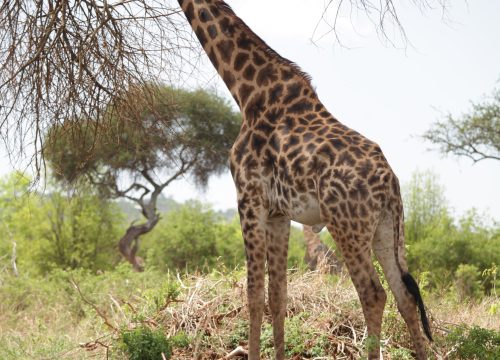
- Giraffes
- Elephants
- Buffalo
- Jackals
- Numerous bird species
The combination of resident wildlife and migrating herds makes the area interesting for both first-time safari travelers and experienced wildlife photographers.
Where Is Ndutu Located?
Ndutu is located in northern Tanzania, on the southern plains of the Serengeti ecosystem.
Administratively, the area falls within the Ngorongoro Conservation Area. The Ndutu region lies close to the boundary between the NCA and Serengeti National Park. Its position makes it an important transition zone for wildlife moving through the wider ecosystem.
The area is known for its open grasslands, seasonal lakes, acacia trees, and abundant wildlife. Lake Ndutu and Lake Masek are among the features associated with the region.
This geographical position explains why you may see Ndutu described in different ways.
Some safari operators call it the Southern Serengeti because of its landscape and ecological connection. From an administrative perspective, however, it belongs to the Ngorongoro Conservation Area.
Is Ndutu Part of Serengeti National Park?
No.
Ndutu is not inside Serengeti National Park. It is located within the Ngorongoro Conservation Area.
However, this does not mean Ndutu is separate from the Serengeti ecosystem.
Wildlife does not follow the same boundaries shown on a map. Wildebeest, zebra, gazelles and predators move across the wider landscape according to food, water and seasonal conditions.
The Ngorongoro Conservation Area itself extends across large areas of highland plains, savanna, woodland and forest. It connects with the broader Serengeti landscape and supports the annual movement of wildlife.
This is why a safari in Ndutu can feel very much like a Serengeti experience.
Ndutu for Wildlife Photography
Ndutu is especially appealing to photographers because of its open scenery and concentration of wildlife during the calving season.
The short-grass plains can provide clear views of animals without dense vegetation blocking the scene. Early mornings and late afternoons can also offer beautiful light for photography.
Predator sightings are another attraction.
A cheetah moving across the open plain, a lion watching a herd, or a hyena moving among wildebeest can create memorable photographic opportunities.
For travelers carrying professional camera equipment, a private safari can also provide more flexibility. Your guide can spend additional time at interesting sightings when conditions and park regulations allow.
Can You Combine Ndutu With Serengeti?
Yes.
Many Tanzania safari itineraries combine Ndutu and Serengeti National Park.
This is particularly useful for travelers who want to experience different parts of the Serengeti ecosystem.
For example, you could spend several nights around Ndutu during the calving season and then continue toward Central Serengeti.
Central Serengeti is well known for year-round wildlife viewing, while other parts of the park become more important as the migration changes location.
Combining destinations can therefore give you a broader safari experience instead of focusing on one area.
How Far Is Ndutu From Ngorongoro Crater?
Ndutu and Ngorongoro Crater are relatively close compared with many other safari destinations in northern Tanzania.
The exact travel time depends on your accommodation, road conditions and route. Ndutu Safari Lodge, for example, gives an approximate driving time of around two hours between its location and the Ngorongoro Crater.
This makes it possible to combine Ndutu with a Ngorongoro Crater safari in the same itinerary.
However, the two destinations provide very different experiences.
The crater is a volcanic caldera with a high concentration of wildlife on its floor. Ndutu is an open plains environment closely connected with the seasonal movements of the Great Migration.
Ndutu vs Ngorongoro Crater
It is useful to understand that Ndutu and Ngorongoro Crater are not the same destination.
Ndutu is a plains environment located within the wider Ngorongoro Conservation Area. It is strongly associated with the Great Migration and calving season.
Ngorongoro Crater is a large volcanic caldera famous for its dense concentration of wildlife.
Both are managed within the Ngorongoro Conservation Area, but they offer different safari experiences.
If your main interest is the Great Migration and calving season, Ndutu can be an important part of your itinerary.
If you want to explore the crater floor and look for a wide variety of wildlife in a compact area, a Ngorongoro Crater game drive offers a different experience.
Where Can You Stay in Ndutu?
Accommodation around Ndutu includes seasonal tented camps and safari lodges.
Some camps operate according to the migration cycle and may be positioned strategically for the calving season. This can reduce unnecessary driving and allow travelers to spend more time exploring the wildlife-rich plains.
Ndutu Safari Lodge is one established accommodation option in the area. It is located within the Ngorongoro Conservation Area near Lake Ndutu.
When choosing accommodation, consider the time of year, location, comfort level and the type of safari experience you want.
For the busiest migration periods, booking accommodation early is advisable.
Why Choose Ndutu for a Tanzania Safari?
Ndutu offers a combination that is difficult to replicate elsewhere.
You have wide open plains, seasonal lakes, migrating herds, resident predators and a landscape closely connected to one of Africa’s most famous wildlife events.
The area can be especially appealing if you want to:
- Experience the wildebeest calving season
- Photograph newborn wildlife
- Search for predators
- Explore the Southern Serengeti plains
- Combine migration viewing with a Ngorongoro safari
- Enjoy a more focused wildlife itinerary
- Explore an important part of the Serengeti ecosystem
Its location also makes Ndutu a practical addition to many Northern Tanzania safari routes.
Is Ndutu Worth Visiting?
For travelers interested in the Great Wildebeest Migration, Ndutu offers an important seasonal wildlife experience.
Its greatest attraction is not simply the number of animals. It is the interaction between the landscape, migrating herds, newborn calves and predators.
The experience can also change from one day to another. Wildlife sightings are never guaranteed, and natural conditions influence where animals gather.
That unpredictability is part of what makes a safari exciting.
So, Is Ndutu in Serengeti or Ngorongoro?
The clearest answer is:
Ndutu is officially located in the Ngorongoro Conservation Area, not Serengeti National Park.
At the same time, Ndutu lies on the Southern Serengeti plains and forms part of the wider Serengeti ecosystem. This is why safari companies and travelers often refer to it as the Southern Serengeti.
The distinction becomes easier to understand when you separate administration from ecology.
The Ngorongoro Conservation Area is the official administrative location.
The Serengeti ecosystem describes the much larger ecological landscape across which wildlife moves.
Ndutu sits where these two descriptions meet.
For travelers planning a Tanzania safari, this means you do not have to choose between the idea of “Ndutu” and the “Serengeti.” Ndutu is one of the most important areas within the wider ecosystem and can be combined with Serengeti National Park and Ngorongoro Crater to create a varied Northern Tanzania safari.

Frequently Asked Questions About Ndutu
No. Ndutu is officially within the Ngorongoro Conservation Area. However, it is part of the wider Serengeti ecosystem and lies on the Southern Serengeti plains.
Yes. Ndutu is located within the Ngorongoro Conservation Area, which extends well beyond the famous Ngorongoro Crater.
The name refers mainly to its geographical and ecological connection with the Serengeti plains. It does not mean that Ndutu is administratively part of Serengeti National Park.
Ndutu is particularly famous for the Great Wildebeest Migration’s calving season, predator activity and excellent wildlife photography opportunities.
January to March is the key period for travelers interested in the calving season, with February often being a popular month. Seasonal conditions can influence the exact timing of wildlife movements.
Yes. Many Northern Tanzania safari itineraries combine Ndutu with the Ngorongoro Crater and Serengeti National Park.
Yes. The open plains, wildlife concentrations and predator activity can provide excellent photographic opportunities, particularly during the calving season.

Materuni Waterfalls and Coffee Tour: Best Day Trip from Moshi

Tanzania Travel Bucket List 2027: 20 Unforgettable Experiences
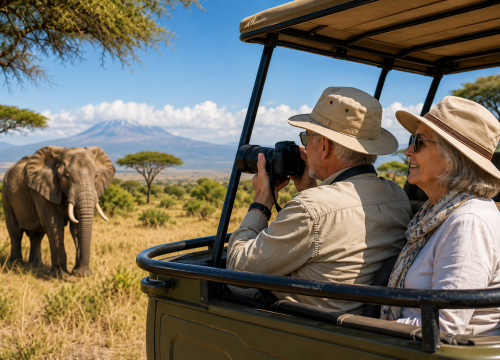
Tanzania Safari for Older Travelers: Complete Travel Guide
Marangu Route Kilimanjaro: Complete Guide, Itinerary, Cost & Tips
Kilimanjaro Lemosho Route: Complete Guide, Itinerary, Cost, Difficulty & Tips
Tanzania Safari Accommodations: Luxury, Mid-Range & Budget Guide
Safari Photography Tips for Beginners in Tanzania

Tanzania Safari FAQs: Answering 100 Common Questions Before You Visit Tanzania
First-Time Tanzania Safari: 30 Things Nobody Tells You
25 Animals You Can See on a Tanzania Safari: Complete Wildlife Guide
Ngorongoro Crater from Karatu: Price, Distance, Itinerary & Travel Guide
Serengeti Fly-In Safari from Zanzibar | Mara River Crossing 2026
8 Day Tanzania Family Migration Safari

7 Day Tanzania Family Safari Great Migration Serengeti
Tanzania Safari in December and January: Best Time for Great Migration and Holiday Travel
Zanzibar Travel Guide- Best Beaches, Things to Do & Perfect Safari Extension from Tanzania
6-Day Tanzania Family Migration Safari
Materuni Waterfalls and Coffee Tour: Best Day Trip from Moshi

Tanzania Travel Bucket List 2027: 20 Unforgettable Experiences
Tanzania Safari for Older Travelers: Complete Travel Guide
Marangu Route Kilimanjaro: Complete Guide, Itinerary, Cost & Tips