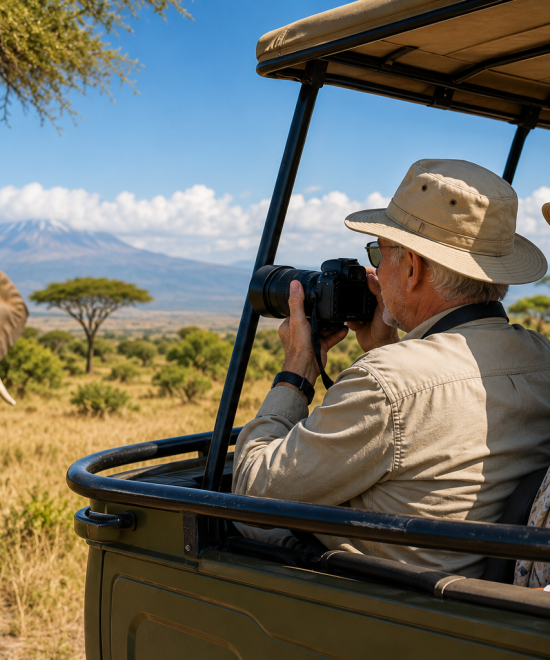
Planning a Serengeti safari in Tanzania? Whether you want to watch lions on the open plains, follow the Great Wildebeest Migration or spend a few nights in a tented camp surrounded by nature, the Serengeti offers an unforgettable wildlife experience.
At Ron Adventure, we help travellers plan Serengeti safari packages around their travel dates, budget, preferred accommodation and wildlife interests. You can choose a private safari, a joining safari, a comfortable mid-range trip or a luxury experience.
The right itinerary depends on when you visit, how many days you have and which part of the Serengeti you want to explore. This guide explains your options, what affects the cost and how to plan a safari that suits your trip.
Plan Your Serengeti Safari
Tell us your travel dates, group size and preferred accommodation. Ron Adventure will help you plan a Serengeti safari around your interests and budget.
Request a Safari Quote
Why Choose a Serengeti Safari in Tanzania?
The Serengeti is one of Tanzania’s most celebrated wildlife destinations. Its wide grasslands, rocky kopjes, river valleys and woodland habitats support an extraordinary variety of animals.
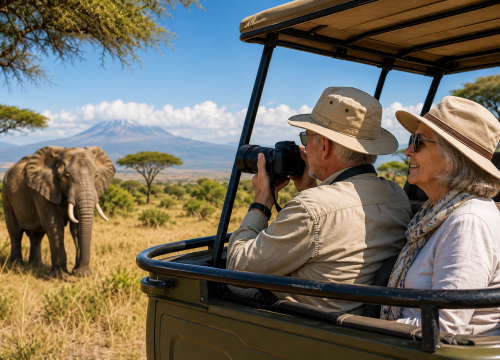
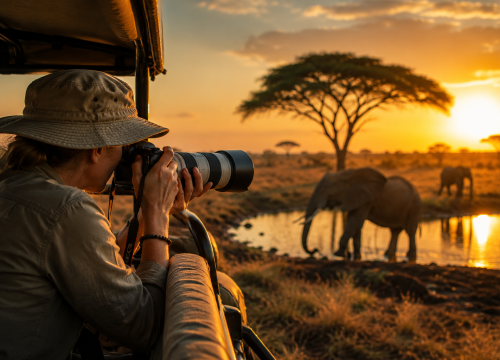
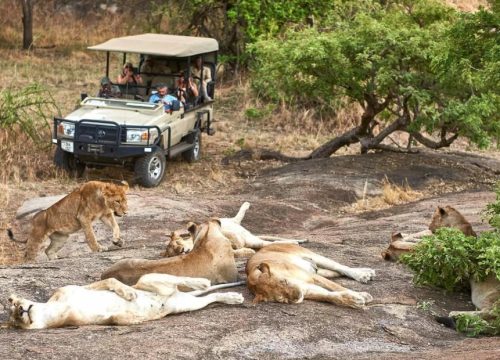
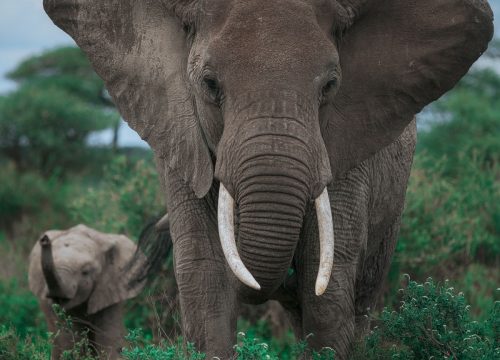
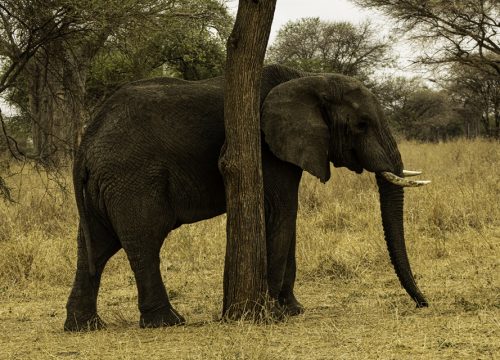
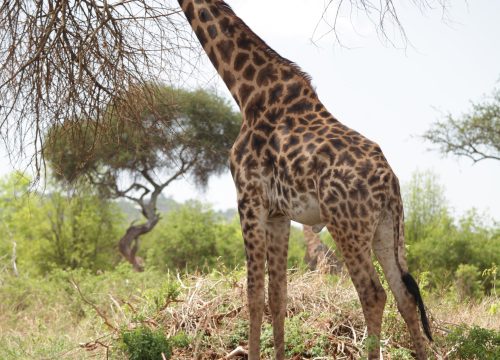
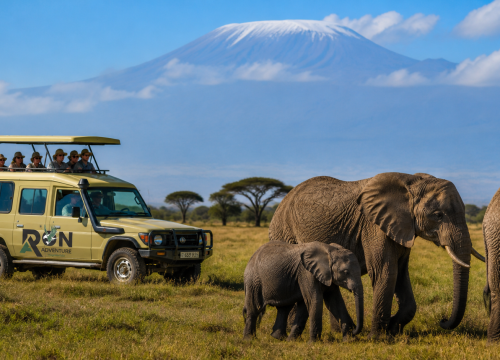
During a game drive, you may see lions resting near rocky outcrops, elephants crossing the plains, giraffes feeding on acacia trees and cheetahs scanning the grasslands for prey. Large herds of wildebeest and zebras are another highlight.
The Serengeti is also famous for the Great Wildebeest Migration, a year-round movement of animals across the wider Serengeti–Mara ecosystem.
What makes the experience special is that no two game drives are exactly alike. Your guide may spend time following a pride of lions, watching a herd move across the plains or searching for a leopard along a riverbank.
A Serengeti safari can be part of a longer Northern Tanzania safari or a shorter trip designed around the park itself.
Serengeti Safari Packages: Choose Your Experience
The best Serengeti safari package is the one that fits your schedule, interests and budget. Here are the main options to consider.
Private Serengeti Safari
A private Serengeti safari is ideal for couples, families, photographers and travellers who want greater flexibility.
You travel with your own guide and safari vehicle, allowing the itinerary to be arranged around your interests. You can spend more time at wildlife sightings, adjust the pace of your days and choose accommodation that suits your travel style.
Private safaris can include the Serengeti alone or combine it with destinations such as Tarangire National Park and Ngorongoro Crater.
A joining safari allows individual travellers or smaller parties to share a safari vehicle and selected trip costs with other guests.
It can be a practical choice for solo travellers and visitors looking for a more affordable way to experience Tanzania’s wildlife.
Availability, group size, departure dates and accommodation depend on the specific trip. Confirm these details before booking.
Mid-Range Serengeti Safari
Mid-range safaris balance comfort and cost. Depending on the itinerary, accommodation may include lodges or tented camps with private bathrooms, meals and convenient access to wildlife areas.
This option suits travellers who want a comfortable stay without choosing the most expensive properties.
Luxury Serengeti Safari
A luxury Serengeti safari focuses on premium accommodation, personalised service and a carefully planned itinerary.
Options may include luxury tented camps, high-end lodges, private game drives and fly-in transfers where available. Some travellers also add a hot-air balloon safari for a different view of the plains.
Serengeti Fly-In Safari
Flying into the Serengeti can save considerable road travel time. It is particularly useful for travellers with limited holidays or those combining a wildlife safari with a Zanzibar beach stay.
Flights depend on the route, airstrip, season and availability. A fly-in safari usually costs more than a comparable road safari, but it gives you more time at your destination.
How Much Does a Serengeti Safari Cost?
The cost of a Serengeti safari in Tanzania depends on more than the number of days you spend in the park. Accommodation, park fees, transport, travel season and group size all affect the final price.
The main factors include:
- Safari duration: A longer itinerary usually means more accommodation, meals, transport and park-related costs.
- Accommodation: Camping, mid-range lodges and luxury tented camps have different rates.
- Group size: Private safari costs are shared differently depending on how many people travel together.
- Travel season: Popular migration periods can mean higher accommodation prices and limited availability.
- Transport: Road safaris and fly-in safaris have different costs.
- Activities: A hot-air balloon safari and other optional experiences add to the overall budget.
When comparing Serengeti safari packages, check what the quotation includes. Ask about accommodation, meals, park and conservation fees, vehicle and guide services, transfers and any optional activities.
A lower advertised price may not cover the same services as a more comprehensive quotation.
At Ron Adventure, we recommend choosing a package based on the experience you want rather than comparing prices alone. Tell us your travel dates, number of travellers and preferred comfort level so we can help you explore suitable options.
Get a Serengeti Safari Price
Looking for a private, joining, mid-range or luxury safari? Share your travel dates and group size to receive a quotation suited to your plans.
Compare Safari Options
Best Time to Visit Serengeti National Park
The Serengeti is a year-round safari destination, but the best time to visit depends on your wildlife interests.
January to March: Wildebeest Calving Season
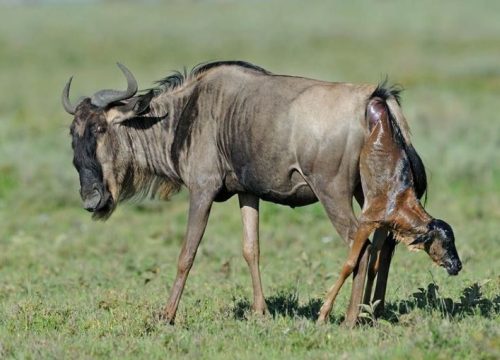
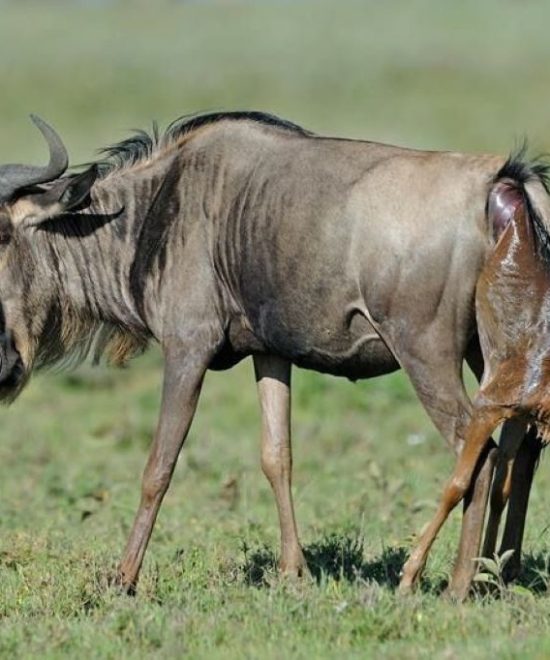
During the calving season, large numbers of wildebeest gather on the southern Serengeti plains and around Ndutu.
Newborn calves attract predators, creating opportunities to observe natural wildlife behaviour. This period is particularly appealing to photographers and travellers interested in predator activity.
If calving season is your main priority, plan your itinerary around the southern plains rather than assuming every part of the Serengeti offers the same experience.
April to May: Green Season
The landscape becomes greener during the long rains, with fresh vegetation and dramatic skies.
Some roads can become muddy, and heavy rain may affect travel conditions. However, the greener scenery and seasonal changes can appeal to travellers who prefer a different view of the Serengeti.
Check accommodation availability and local road conditions before travelling.
June to July: Migration and the Western Corridor
As the herds move in response to rainfall and grazing, parts of the Western Corridor can become important for migration viewing.
Wildlife movements vary each year, so your itinerary should be planned around the expected seasonal pattern and updated local information.
July to October: Northern Serengeti and Mara River
Northern Serengeti is a popular choice for travellers hoping to witness the Great Migration and possible Mara River crossings.
River crossings are natural events and cannot be guaranteed. The herds may wait before crossing, move to another location or cross when visitors are not present.
If this is your main goal, consider spending several nights in Northern Serengeti to give yourself more time for wildlife viewing.
November to December: Changing Wildlife Movements
The short rains bring seasonal changes to the plains and vegetation. Wildlife continues to move throughout the ecosystem, and game drives can remain rewarding.
The best region to visit depends on current conditions and the experience you want.
The Great Wildebeest Migration Safari
The Great Wildebeest Migration is one of the main reasons travellers choose a Serengeti safari.
Wildebeest, zebras and other grazing animals move across the ecosystem in search of fresh grass and water. Their movements follow seasonal rainfall rather than a fixed timetable.
Different areas become important at different times of year. The southern plains are well known for calving season, while the Western Corridor and Northern Serengeti can be important during other stages of the migration.
For the best chance of seeing the herds, choose your travel dates and accommodation location together. Staying in the wrong region for your dates can mean spending more time travelling between wildlife areas.
Even with careful planning, specific animal sightings and river crossings cannot be guaranteed.
Which Part of the Serengeti Should You Visit?
The Serengeti covers a vast area, so choosing the right region matters.
Central Serengeti: Seronera
Central Serengeti is a strong choice for first-time visitors and travellers seeking wildlife viewing throughout the year.
The Seronera area has varied habitats and supports resident wildlife, including lions, leopards, elephants and other plains animals. It can also be a convenient base for exploring the central part of the park.
Northern Serengeti
Northern Serengeti is especially popular during the migration season, when herds may move through the area and approach the Mara River.
The drive between regions can be lengthy, so consider accommodation location carefully if your main objective is migration viewing.
Western Serengeti
he Western Corridor includes the Grumeti River area and offers a different landscape from the central plains.
Seasonal migration movements can make this region particularly interesting at certain times of year.
Southern Serengeti and Ndutu
The southern plains and Ndutu area are important during the calving season, especially around January to March.
Travellers interested in newborn wildebeest, open landscapes and predator activity often prioritise this region during the relevant months.
How Many Days Do You Need for a Serengeti Safari?
The number of days you need depends on your starting point and how much of the park you want to explore.
2–3 days: A shorter safari may suit travellers with limited time, although road travel can take up a significant part of the itinerary.
4–5 days: This gives you more flexibility for game drives and may allow you to combine the Serengeti with another Northern Circuit destination.
6–8 days: A longer safari can include more time in the Serengeti, with opportunities to explore additional parks and reduce the pressure of travelling between destinations.
Fly-in safari: Travellers arriving from Zanzibar or another destination may save time by flying to a Serengeti airstrip, depending on available routes.
These are planning guidelines rather than fixed packages. Your final itinerary should reflect your arrival and departure times, travel budget and preferred destinations.
Serengeti Safari Itinerary Ideas
Here are some ways to structure a Tanzania safari.
Serengeti and Ngorongoro Safari
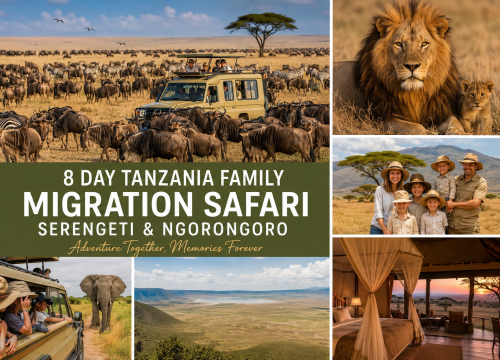
Combine Serengeti game drives with a visit to Ngorongoro Crater. This option is suitable for travellers who want to experience two of Northern Tanzania’s best-known wildlife destinations.
Tarangire, Serengeti and Ngorongoro Safari
Start with Tarangire National Park, continue to the Serengeti and finish with a Ngorongoro Crater game drive.
This route offers a varied experience, from Tarangire’s baobab landscapes and elephant herds to the Serengeti plains and Ngorongoro’s crater wildlife.
Serengeti Safari from Zanzibar
A fly-in safari can combine a beach holiday with wildlife viewing in Tanzania’s northern parks.
The best itinerary depends on your available days, flight schedules and whether you want to visit Central Serengeti, Northern Serengeti or another region.
Ndutu Calving Season Safari
For travel around the calving season, plan a route that prioritises the southern Serengeti and Ndutu area. The number of nights should allow time for game drives rather than rushing between destinations.
Contact Ron Adventure to discuss which itinerary suits your dates and interests.
Serengeti Accommodation: Lodges, Tented Camps and Camping
Your choice of accommodation affects both your budget and your daily safari experience.
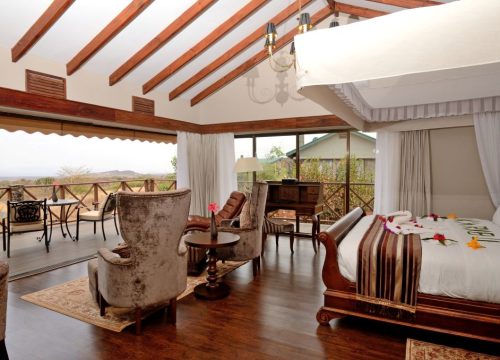
Luxury lodges and tented camps offer a higher level of comfort, service and facilities. They are suitable for travellers who want a premium experience.
Mid-range lodges and camps offer a balance between comfort and cost, with facilities varying by property.
Camping safaris can be a more affordable way to experience the wilderness. The facilities and level of comfort depend on the campsite and safari arrangement.
Location is just as important as accommodation style. If you want to focus on the Mara River, for example, a camp in Northern Serengeti may be more suitable during the migration season than one in Central Serengeti.
Ask about room or tent facilities, bathroom arrangements, meals, location and transfers before confirming your booking.
Activities on a Serengeti Safari
Game drives are the main activity in Serengeti National Park, but there are other ways to enjoy the landscape.
- Morning and afternoon game drives: Explore different habitats and look for wildlife with your guide.
- Hot-air balloon safari: View the plains from the air at sunrise, subject to availability and weather conditions.
- Wildlife photography: Photograph animals, landscapes and changing light throughout the day.
- Birdwatching: Look for the many resident and migratory bird species found in the ecosystem.
Some activities require advance arrangements and additional payment. Confirm what is included in your selected package.
What to Pack for a Serengeti Safari
Pack for early mornings, warm afternoons and changing weather conditions.
Useful items include:
- Lightweight, neutral-coloured clothing.
- A warm layer for early-morning game drives.
- Comfortable closed shoes.
- Sun protection, including a hat, sunglasses and sunscreen.
- Binoculars and a camera, if you use them.
- Personal medication and any recommended travel-health supplies.
- A small day bag and reusable water bottle.
If you are travelling during the rainy season, ask your safari operator whether you need additional rain protection.
Why Plan Your Serengeti Safari With Ron Adventure?
Choosing the right route and travel dates can make a real difference to your safari.
Ron Adventure is based in Arusha, Tanzania, and arranges safari experiences for travellers who want to explore the country’s wildlife and landscapes. We can help you compare private and joining safaris, select suitable accommodation and plan a route around your interests.
Whether you want to see the Great Migration, visit during calving season, combine the Serengeti with Ngorongoro or arrange a fly-in trip from Zanzibar, the itinerary should be built around your travel plans.
We also recommend being realistic about driving distances, park time and wildlife expectations. No operator can guarantee a particular animal sighting, but careful planning helps you make better use of your time.
Frequently Asked Questions About Serengeti Safari Packages
How much does a Serengeti safari cost? The price depends on the number of days, accommodation, group size, season, transport and included activities. Request an itemised quotation so you can compare packages accurately.
What is the best month for a Serengeti safari? January to March is popular for calving season in the southern Serengeti and Ndutu. June to October is popular for dry-season wildlife viewing, while Northern Serengeti is a key region to consider for possible Mara River crossings later in the migration season.
Can I book a private Serengeti safari? Yes. A private safari can be planned around your dates, preferred accommodation, group size and wildlife interests. Confirm vehicle arrangements and inclusions when requesting your quotation.
Is a Serengeti safari suitable for families? Yes. Families can choose private itineraries with suitable accommodation and a pace that considers the ages and interests of the travellers. Discuss children’s ages and any special requirements before booking.
Can I combine Serengeti with Ngorongoro Crater? Yes. Serengeti and Ngorongoro are commonly combined on Northern Tanzania safaris. Tarangire can also be included if you have enough time.
Can I visit the Serengeti from Zanzibar? Yes. A fly-in safari may be possible, depending on flight schedules and availability. The length and cost of the trip depend on the parks you want to visit and how much time you have.
Is the Great Migration guaranteed? No. The migration follows rainfall and grazing conditions, and the location of the herds changes throughout the year. Planning around seasonal patterns improves your chances but cannot guarantee a river crossing.
When should I book my Serengeti safari? Book as early as practical if you plan to travel during popular migration periods or want a specific camp or lodge. Early planning gives you more accommodation and itinerary options.
Plan Your Serengeti Safari With Ron Adventure
Your Serengeti safari should match the experience you want, whether that means tracking wildlife across the central plains, following the Great Migration, visiting during calving season or combining the Serengeti with Ngorongoro Crater.
Tell us when you plan to travel, how many people are in your group and whether you prefer budget, mid-range or luxury accommodation.
Ready for Your Serengeti Adventure?
Let Ron Adventure help you choose the right safari dates, accommodation and itinerary for your Tanzania holiday.
Plan My Serengeti Safari