Kilimanjaro Trekking Accommodation: Where Do Climbers Stay on Mount Kilimanjaro?
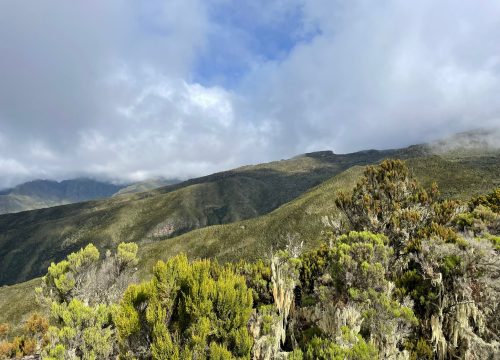
Kilimanjaro Mountain Accommodation Trekking to the summit of Mount Kilimanjaro is considered one of the most unique hiking adventures in the world. At 5,895 meters above sea level, Africa’s tallest mountain attracts thousands of travelers every year who hope to reach its famous summit, often known as the Roof of Africa. While climbers usually concentrate on physical training, selecting the right equipment, and choosing an appropriate route, understanding the accommodation arrangements on the mountain is also essential for a safe and enjoyable trek.
Unlike many mountain trekking destinations where hikers stay in permanent lodges, most Kilimanjaro routes require overnight stays in camping tents set up at designated campsites along the trail. However, some routes offer mountain hut accommodation, providing an alternative experience for climbers who prefer indoor sleeping facilities. This guide explains where trekkers typically sleep during the journey, what types of facilities are available at camps or huts, and what travelers can expect during their Kilimanjaro trekking experience.
Overview of Accommodation on Mount Kilimanjaro
Accommodation during a climb on Mount Kilimanjaro mainly depends on the trekking route selected. The mountain has several established routes to the summit, and each route offers different overnight sleeping arrangements for climbers.
In general, there are two primary types of accommodation available during a Kilimanjaro trek:
- Camping tents
- Mountain huts
Most Kilimanjaro routes require trekkers to stay in high-altitude camping tents set up at designated campsites along the trail. Only one route provides permanent hut accommodation for climbers.
Camping is the standard sleeping arrangement on routes such as:
- Machame Route
- Lemosho Route
- Rongai Route
- Northern Circuit Route
- Shira Route
- Umbwe Route
Permanent mountain huts are available only along the Marangu Route, which is often referred to as the Coca-Cola Route.
Having a clear understanding of these accommodation options helps trekkers prepare properly for the climb and know what to expect during their Kilimanjaro trekking experience.
Camping Accommodation on Kilimanjaro
Camping is the most common accommodation style on Mount Kilimanjaro. During the trek, climbers sleep in specially designed high-altitude mountain tents that are set up by porters before climbers arrive at camp.
Professional operators provide durable expedition tents that can withstand strong winds, cold temperatures, and changing weather conditions.
Typical camping accommodation includes:
• Two-person sleeping tents for climbers
• Foam sleeping mats provided by the trekking company
• Private dining tents where meals are served
• Portable camping tables and chairs
• Portable toilet tents on some premium treks
Each afternoon, when trekkers reach the campsite after hiking for several hours, they will find their tents already assembled. Porters also prepare a dining tent where the group gathers for meals and briefings from the guide.
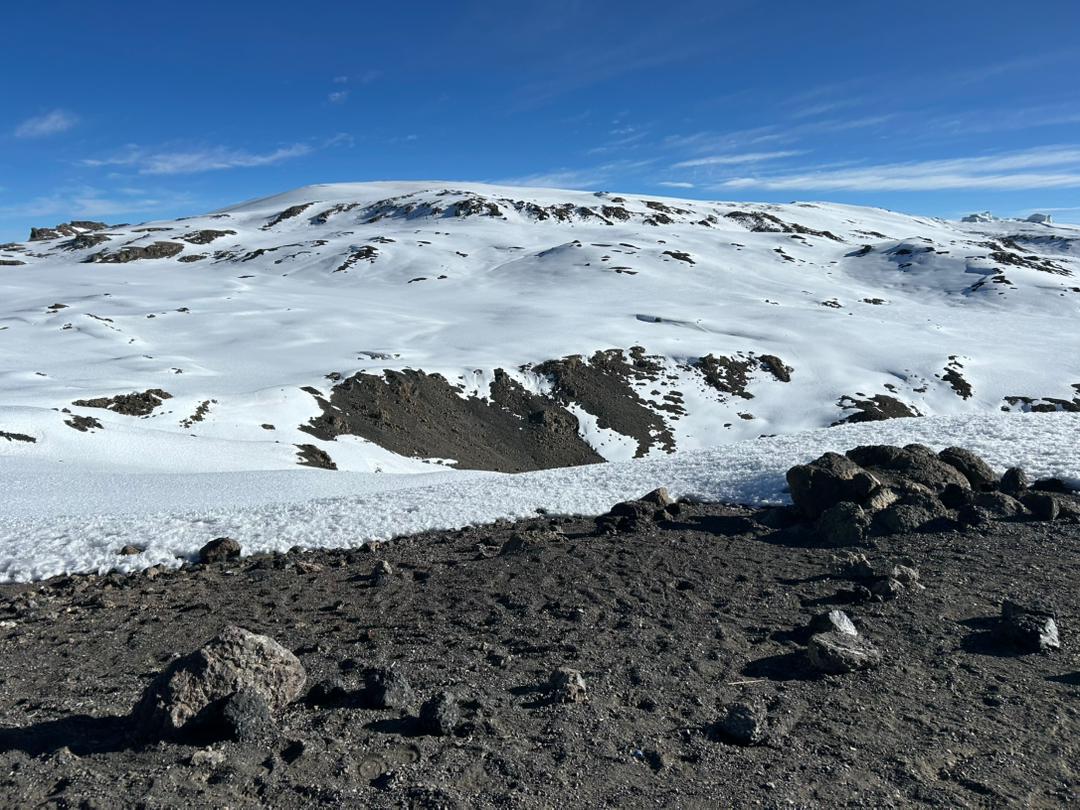
Camping on Kilimanjaro allows climbers to experience the wild alpine environment, sleep under the stars, and enjoy spectacular views of the mountain landscape.
Hut Accommodation on the Marangu Route
The Marangu Route is the only path on Mount Kilimanjaro where trekkers spend the night in permanent shelters instead of camping tents. These buildings are designed to provide protection and resting space for climbers as they progress up the mountain.
Along this route, climbers normally stay at three main huts during the ascent:
• Mandara Hut (2,700 m) – the first overnight stop after the trek begins
• Horombo Hut (3,720 m) – where climbers usually stay on the second night and sometimes spend an additional day to help the body adjust to the altitude
• Kibo Hut (4,700 m) – the final overnight point before the summit climb
The sleeping arrangements in these huts are generally shared rooms with bunk beds. Mattresses are available, but climbers must bring their own sleeping bags to stay warm in the cold high-altitude environment.
There are several advantages to staying in huts during the climb. Trekkers are protected from difficult weather conditions such as wind, rain, and freezing temperatures. Climbers also do not need to set up or dismantle tents each day. In addition, there are common dining areas where meals are served and basic restroom facilities located near the huts.
However, since this route is widely used, the huts can become crowded during busy climbing seasons. Some trekkers also feel that hut accommodation offers less of a wilderness experience compared with camping routes found on other Kilimanjaro trails.
Facilities at Kilimanjaro Campsites
Kilimanjaro campsites are simple but functional. They are located at strategic points along the mountain routes and provide the basic infrastructure needed for trekking groups.
Common campsite facilities include:
Designated camping areas
Each campsite has specific spaces where trekking companies set up tents.
Basic toilets
Most campsites have public long-drop toilets maintained by the park authorities.
Water sources
Water is collected by porters from nearby streams and purified before drinking.
Cooking areas
The mountain crew prepares meals in a separate cooking tent.
Although facilities are basic, experienced guides and porters ensure that climbers remain comfortable throughout the trek.
Dining Tents and Meals on Kilimanjaro
On camping routes of Mount Kilimanjaro, meals are usually served in a separate dining tent set up by the mountain crew. This space offers trekkers a comfortable place to relax, eat, and socialize after a day of hiking.
Inside the dining tent, climbers typically find basic furniture and warm refreshments. The setup often includes:
• A table with chairs for the group
• Hot beverages such as tea, coffee, or hot chocolate
• Freshly prepared meals cooked by the mountain chef
The food served during the trek is designed to provide the energy needed for long hiking days. A typical menu may include:
• Fresh vegetables
• Warm soups that help maintain hydration
• Staple foods like rice, pasta, or potatoes
• Protein options such as chicken, beef, or vegetarian meals
• Fresh fruit served as dessert
Eating balanced and nutritious meals is very important during a Kilimanjaro climb because the body requires extra energy to cope with physical activity and high-altitude conditions.
Temperature and Sleeping Conditions
Sleeping on Kilimanjaro can be cold due to the mountain’s high elevation. Temperatures decrease significantly as climbers move toward the summit.
Typical nighttime temperatures include:
- Lower camps: 5°C to 10°C
- Mid-altitude camps: 0°C to 5°C
- High camps (summit base): -10°C to -20°C
Because of these conditions, climbers should bring a four-season sleeping bag rated for -10°C to -20°C.
Layered clothing, thermal liners, and insulated sleeping gear help ensure a warm and restful night.
Accommodation Before and After the Trek
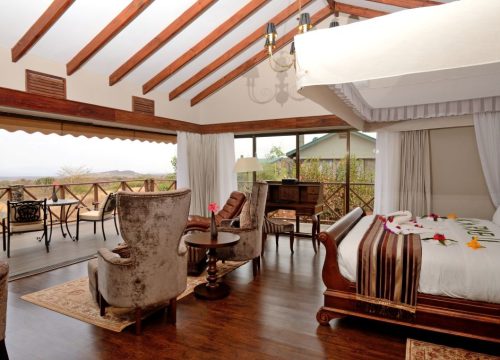
Before starting the Kilimanjaro climb, most trekkers spend at least one night in a hotel in nearby towns such as:
These accommodations allow climbers to:
- Attend a pre-climb briefing
- Check equipment and gear
- Meet their mountain guides
- Rest after international travel
After the climb, climbers usually return to the same hotels for a hot shower, comfortable bed, and celebration dinner.
Luxury and Private Kilimanjaro Camping Options
Some trekking companies offer luxury camping upgrades for clients who want extra comfort during the climb.
Luxury camping may include:
- Larger sleeping tents
- Comfortable mattresses
- Private toilet tents
- Extra dining space
- Personalized meal service
These upgrades are especially popular for private groups, honeymoon travelers, and VIP trekking experiences.
Tips for a More Comfortable Stay During a Kilimanjaro Trek
To improve your comfort while staying on the slopes of Mount Kilimanjaro, it is helpful to prepare properly for the sleeping conditions you will encounter during the trek. A few simple steps can make a big difference in how well you rest each night.
Consider the following practical tips:
• Bring a high-quality sleeping bag designed for cold, high-altitude temperatures.
• Use a sleeping bag liner to add extra warmth and maintain cleanliness.
• Keep important items such as a headlamp, water bottle, and warm clothing inside your tent so they are easy to access during the night.
• Wear thermal clothing layers while sleeping to help maintain body heat.
• If you are easily disturbed by noise, earplugs can be useful at busy campsites.
Taking these small precautions can greatly improve the quality of your rest and help you recover better after each day of trekking on the mountain.
Final Thoughts
Kilimanjaro trekking accommodation is designed to support climbers throughout their journey to the summit. Whether staying in mountain huts on the Marangu Route or camping in expedition tents on other routes, trekkers can expect a well-organized and supportive environment.
Professional guides, porters, and mountain crews work hard to ensure that climbers remain comfortable, safe, and well-fed during the adventure. While accommodation on Kilimanjaro is simple compared to hotels, it is perfectly suited for the unique conditions of Africa’s highest mountain.
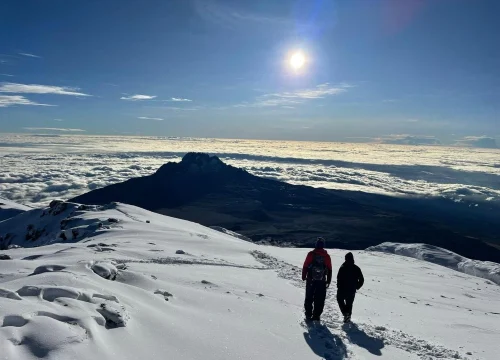
For many climbers, sleeping under the stars, waking up above the clouds, and sharing camps with fellow adventurers becomes one of the most memorable parts of the Kilimanjaro experience.
Read more of our articles