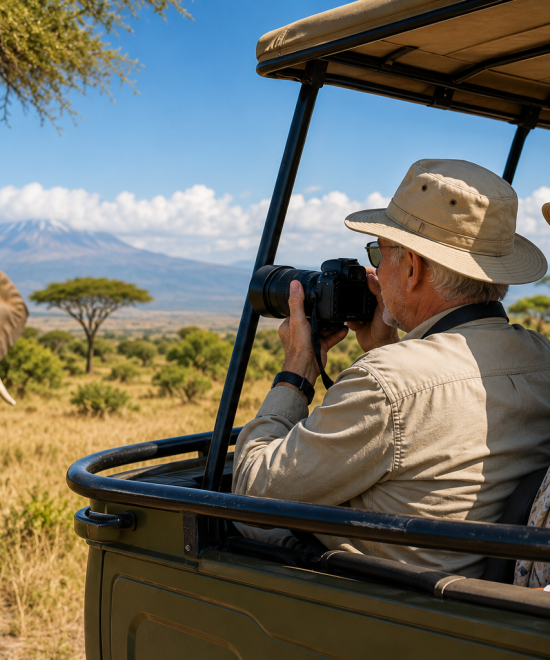
Climbing Mount Kilimanjaro is an unforgettable experience, but reaching Africa’s highest peak takes more than physical fitness. Your body must also adjust to the lower air pressure and reduced oxygen availability as you climb higher.
One of the biggest health concerns is Kilimanjaro altitude sickness, also known as Acute Mountain Sickness (AMS). It can affect anyone, including experienced hikers and physically fit climbers. Understanding the early warning signs and knowing when to stop or descend can make an important difference to your safety.
Whether you are preparing for the Machame, Lemosho, Marangu or Rongai Route, this guide explains the symptoms of mountain sickness, how to reduce your risk and what to do if you become unwell during your climb.
Planning to Climb Mount Kilimanjaro?
Choose a trekking itinerary that gives you time to adjust to the altitude. Explore our Kilimanjaro routes and prepare for your adventure with Ron Adventure.
Explore Kilimanjaro Trekking
What Is Altitude Sickness on Mount Kilimanjaro?
Altitude sickness occurs when your body struggles to adjust to high altitude. As you climb, atmospheric pressure decreases, meaning less oxygen enters your bloodstream with each breath.
The risk becomes more significant as you ascend above approximately 2,500 metres (8,200 feet), although symptoms can develop at lower elevations in some circumstances.
On Mount Kilimanjaro, which rises to 5,895 metres (19,341 feet), your body needs time to adapt to the changing conditions. Ascending too quickly can increase the risk of altitude illness.
There are three important forms of altitude-related illness to understand:
- Acute Mountain Sickness (AMS): The milder, more common form, often associated with headache, nausea, tiredness and dizziness.
- High Altitude Cerebral Edema (HACE): A life-threatening condition involving swelling of the brain.
- High Altitude Pulmonary Edema (HAPE): A life-threatening condition involving fluid accumulation in the lungs.
AMS can sometimes progress to a more serious condition. Early recognition and appropriate action are essential.
What Are the Symptoms of Mountain Sickness?
Recognising the early symptoms of altitude sickness on Kilimanjaro is essential. Symptoms commonly develop within hours after reaching a higher altitude, often during the first night at a new elevation.
Early symptoms may include:
- Headache.
- Nausea or vomiting.
- Dizziness or lightheadedness.
- Unusual tiredness or weakness.
- Reduced appetite.
- Difficulty sleeping.
A headache accompanied by nausea, dizziness or unusual fatigue after ascending should never be ignored. Tell your guide about your symptoms, even if they seem mild.
Warning Signs of Severe Altitude Sickness
evere altitude illness can become dangerous very quickly.
Possible signs of HACE include:
- Confusion or unusual behaviour.
- Loss of coordination or difficulty walking straight.
- Severe drowsiness or reduced consciousness.
Possible signs of HAPE include:
- Shortness of breath while resting.
- A worsening cough.
- Chest tightness or congestion.
- Marked weakness or a sudden decline in physical ability.
- Blue or grey lips or skin in severe cases.
These symptoms require emergency action. Do not continue climbing, wait until morning or attempt to treat the problem with water and rest alone. Seek urgent medical assistance and descend with appropriate support.
Who Can Get Altitude Sickness on Kilimanjaro?
Altitude sickness can affect climbers of different ages, fitness levels and experience. Being physically strong does not guarantee protection against altitude-related illness.
Your risk may be higher if you:
- Ascend too quickly.
- Have previously experienced altitude sickness.
- Spend insufficient time acclimatizing.
- Continue ascending despite developing symptoms.
- Have certain medical conditions that affect your ability to tolerate high altitude.
Your previous experience on other mountains does not guarantee that you will respond the same way on Kilimanjaro. Every climb is different.
Before booking your trek, speak to a healthcare professional about any existing medical conditions, previous altitude problems or medicines you take. This is especially important if you have heart or lung disease.
How Can You Prevent Altitude Sickness on Kilimanjaro?
Although altitude sickness cannot always be prevented, careful preparation and a suitable trekking itinerary can reduce the risk.
1. Choose a Route With Enough Acclimatization Time
One of the most important decisions is choosing a route and duration that allow your body to adjust gradually.
Longer itineraries generally provide more opportunity for acclimatization than shorter climbs, although no route can eliminate the risk completely.
The Machame and Lemosho routes, for example, offer itineraries that can include additional acclimatization opportunities. The best option depends on the specific itinerary, your health and your previous experience at altitude.
When comparing Kilimanjaro packages, look beyond the price. Consider the number of days, the elevation gained each day and the overnight sleeping altitudes.
2. Walk Slowly — Pole Pole
On Kilimanjaro, guides often use the Swahili expression pole pole, meaning “slowly, slowly.”
This advice is practical, not just cultural. A steady pace helps you manage your effort while your body adjusts to the altitude.
Avoid racing ahead, even if you feel strong during the first few days. Take breaks when needed and follow your guide’s instructions.
3. Drink Fluids Regularly
Dehydration can make a high-altitude trek more difficult, but drinking excessive amounts of water does not prevent altitude sickness.
Drink regularly throughout the day, follow your guide’s hydration advice and pay attention to your body’s needs. Your fluid requirements may vary with temperature, activity and individual health.
4. Eat Enough During the Climb
Your body needs energy for several hours of walking each day. Eat regular meals and carry suitable snacks, such as nuts, dried fruit or energy bars, if recommended for your trek.
A reduced appetite can occur at altitude, but try to eat what you can tolerate and tell your guide if nausea or vomiting prevents you from eating or drinking.
5. Avoid Alcohol and Take Rest Seriously
Alcohol can impair judgement, disrupt sleep and contribute to dehydration. Avoid it during your ascent.
Rest at camp, keep warm and allow yourself time to recover after each trekking day. However, do not mistake ordinary tiredness for altitude sickness or assume that sleeping will resolve worsening symptoms.
6. Ask Your Doctor About Altitude Medication
A healthcare professional may recommend medication such as acetazolamide (Diamox) for some climbers, depending on their medical history and itinerary.
Discuss the potential benefits, side effects, contraindications and correct timing before your trip. Do not start or change medication solely on a guide’s or another traveller’s recommendation.
Medication does not make rapid ascent safe and should never be used to justify climbing higher while unwell.
Need Help Choosing Your Kilimanjaro Route?
Every climber responds differently to altitude. Talk to Ron Adventure about your preferred route, the number of trekking days and the acclimatization opportunities available.
Ask Our Trekking Team
What Should You Do If You Develop Altitude Sickness?
If you develop symptoms while climbing Kilimanjaro, tell your guide immediately. Do not hide a headache, nausea or dizziness because you are worried about missing the summit.
The next step depends on the severity of your symptoms.
For suspected mild AMS: Stop ascending and inform your guide. A qualified guide or medical professional should assess you and determine whether remaining at the same altitude is appropriate. Do not climb higher until symptoms have fully resolved and you have received appropriate advice.
If symptoms worsen or do not improve: You may need to descend. Your guide should help arrange a safe response based on your condition and the available evacuation options.
For suspected HACE or HAPE: Treat the situation as a medical emergency. Immediate descent, urgent medical assessment and emergency treatment are required. Supplemental oxygen or other treatment may be needed, but these measures must not delay descent when it is indicated.
Never continue towards the summit to see whether you feel better later. Your health is more important than reaching Uhuru Peak.
How Do Ron Adventure Guides Help Keep Climbers Safe?
A well-planned Kilimanjaro climb requires more than reaching each campsite on schedule. It also requires clear communication, appropriate pacing and a willingness to change the plan when conditions demand it.
At Ron Adventure, we encourage climbers to discuss their health concerns before departure and report any symptoms during the trek. Our team can help you choose an itinerary suited to your preferences and explain the importance of acclimatization.
Before booking, ask your operator how guides monitor symptoms, what emergency procedures are in place and how evacuation or descent would be arranged if a climber became seriously unwell.
We believe a responsible climb means respecting the mountain and making safety-led decisions, even when those decisions mean turning back.
Prepare for Your Kilimanjaro Climb With Confidence
Reaching the summit of Mount Kilimanjaro is an incredible achievement, but a successful trek begins with informed decisions. Choose a suitable itinerary, prepare physically, seek medical advice when needed and take early symptoms seriously.
Remember that altitude sickness can affect even experienced climbers. No operator or route can guarantee that you will avoid it or reach the summit.
If you are planning to climb Kilimanjaro, Ron Adventure can help you explore the available routes and choose an itinerary with appropriate opportunities for acclimatization.
Frequently Asked Questions About Kilimanjaro Altitude Sickness
At what altitude does mountain sickness begin? Altitude sickness commonly becomes a concern above approximately 2,500 metres (8,200 feet), but the altitude at which symptoms develop varies from person to person.
Can fit people get altitude sickness on Kilimanjaro? Yes. Fitness improves your ability to handle physical exertion, but it does not prevent altitude sickness. The speed of ascent and your individual response to altitude are important factors.
How can I reduce my risk of altitude sickness? Choose an itinerary with adequate acclimatization time, ascend gradually, walk at a steady pace, eat and drink appropriately, and report symptoms early. These steps reduce risk but cannot eliminate it.
Is altitude sickness on Kilimanjaro dangerous? It can be. Mild AMS may improve with appropriate management, but HACE and HAPE are potentially life-threatening emergencies. Severe symptoms require urgent medical assistance and descent.
Should I continue climbing if I have a headache? Do not ignore a headache after ascending. Inform your guide, stop ascending and seek an assessment, especially if the headache is accompanied by nausea, dizziness or unusual fatigue. Never continue higher with worsening symptoms.
Which Kilimanjaro route is best for acclimatization? There is no single best route for everyone. Compare the full itinerary, daily altitude changes, sleeping elevations and available acclimatization opportunities rather than choosing by route name or price alone.
Does taking altitude medication guarantee a successful summit? No. Medication may help some climbers when medically appropriate, but it cannot guarantee protection or replace gradual ascent, monitoring and safe decisions.
Medical disclaimer: This article is for general educational purposes only and does not replace professional medical advice, diagnosis or treatment. Consult a qualified healthcare professional before your climb, and seek urgent medical care for signs of severe altitude illness.
Ready for Your Kilimanjaro Adventure?
Plan your climb with Ron Adventure. Explore our trekking options and speak with our team about preparing for a safe, well-organised mountain experience.