Tanzania vs Kenya Safari: Which Destination Is Best for Your African Adventure?
Introduction
East Africa defines the classic African safari. Vast savannahs, dramatic predator-prey encounters, acacia-dotted horizons, and the Great Migration all unfold across two neighboring countries: Tanzania and Kenya.
Both destinations offer exceptional wildlife viewing, professional guiding standards, and well-developed safari infrastructure. However, they differ in scale, crowd levels, pricing structures, conservation models, and overall travel style.
This guide provides a structured, unbiased comparison to help you determine which country aligns best with your travel goals, budget, and expectations.
Overview of Tanzania and Kenya Safaris
Kenya is widely regarded as the birthplace of the classic East African safari. It’s an organized safari tourism industry developed in the early 1900s and continues to be one of the most accessible in Africa, with strong infrastructure centered around Nairobi. The country’s premier wildlife destination, the Maasai Mara National Reserve, is internationally recognized for its exceptional big cat sightings, open savannah landscapes, and seasonal Great Migration River crossings. Kenya is particularly popular for short safaris, fly-in packages, and first-time African safari travelers seeking reliable wildlife encounters.
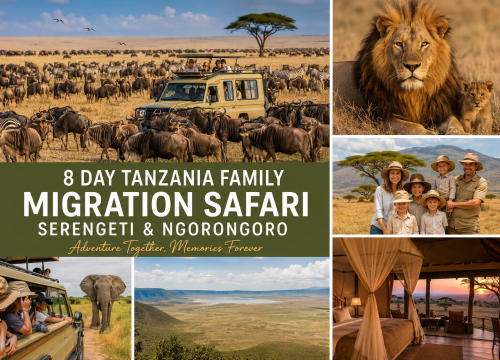
Tanzania, on the other hand, is defined by scale, ecological diversity, and vast protected wilderness areas. Home to the legendary Serengeti National Park and the breathtaking Ngorongoro Crater, Tanzania offers one of the most comprehensive safari circuits in Africa. Its Northern Safari Circuit, including Tarangire, Serengeti, and Ngorongoro, delivers diverse habitats ranging from baobab-studded landscapes and volcanic calderas to endless plains supporting the largest wildlife migration on Earth. Tanzania is often preferred by travelers seeking longer safari itineraries, remote game viewing, photographic safaris, and luxury tented camp experiences.
In summary:
• Kenya – compact safari routes, easy logistics, high wildlife density, ideal for shorter African safari holidays.
• Tanzania – expansive national parks, dramatic scenery, diverse ecosystems, and a broader Great Migration experience across multiple regions.
Both countries deliver exceptional Big Five safaris, but they differ in scale, travel style, and overall wilderness immersion.
Which Safari Is Better: Tanzania or Kenya?
There is no single “best” choice when comparing a Tanzania safari and a Kenya safari. The right destination depends on your travel goals, available time, budget range, and the type of African wildlife experience you are seeking.
You may find Kenya more suitable if you:
• Have limited vacation time and need a compact safari itinerary
• Prefer shorter driving distances between parks and lodges
• Want a high probability of spotting big cats such as lions, cheetahs, and leopards within a short stay
• Appreciate well-developed safari infrastructure and easy access through Nairobi
• Are planning a first-time African safari and want a straightforward travel plan
Kenya’s safari circuit, especially around the Maasai Mara National Reserve, is known for concentrated wildlife viewing, strong predator density, and efficient logistics, making it ideal for shorter 3–5-day safari packages.
On the other hand, Tanzania may be the better option if you:
• Prefer vast national parks with fewer vehicles at sightings
• Want to experience multiple ecosystems within one safari circuit
• Seek a more immersive wilderness atmosphere
• Intend to witness different phases of the Great Migration
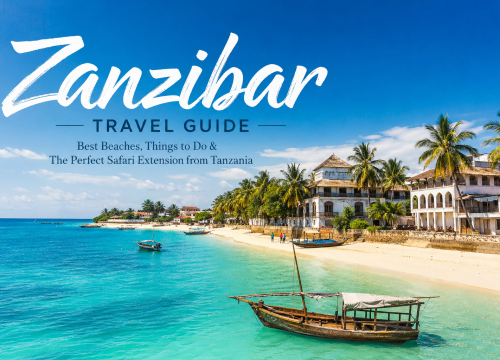
• Plan to combine your wildlife safari with a beach holiday in Zanzibar
A Tanzania safari typically includes iconic destinations such as Serengeti National Park and Ngorongoro Crater, offering extensive savannah plains, volcanic landscapes, river systems, and seasonal migration corridors. The country’s larger protected areas provide a sense of scale and ecological diversity that appeals to travelers seeking a more expansive African adventure.
In summary, from a landscape size, biodiversity, and migration coverage perspective, Tanzania offers broader safari ecosystems and longer wildlife circuits. From a convenience, accessibility, and shorter-trip standpoint, Kenya may feel more efficient and easier to navigate.
Both destinations deliver exceptional African safari experiences; the decision ultimately depends on your expectations, preferred travel pace, and desired level of exclusivity.
Which African Country Is Best for Safaris?
When discussing the best African safari destination, both Tanzania and Kenya consistently dominate global travel rankings. However, many safari specialists consider Tanzania one of the most complete wildlife destinations in Africa.
Tanzania’s reputation is built on several key strengths:
• The world-famous Great Migration across Serengeti National Park
• Extensive protected areas and national parks covering vast wilderness landscapes
• Exceptional Big Five safari opportunities
• A diverse range of ecosystems, including savannah, crater highlands, wetlands, and river systems
• Seamless safari and beach holidays in Zanzibar
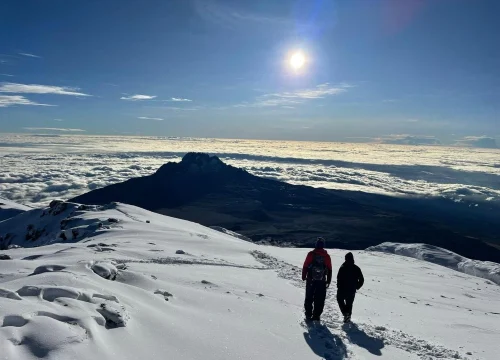
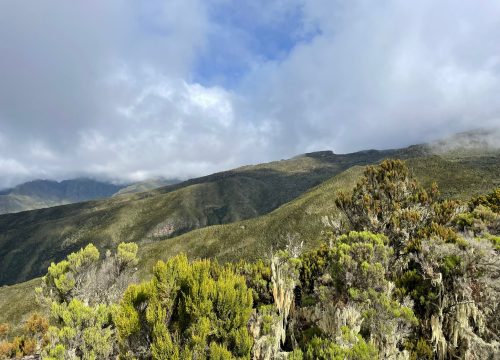
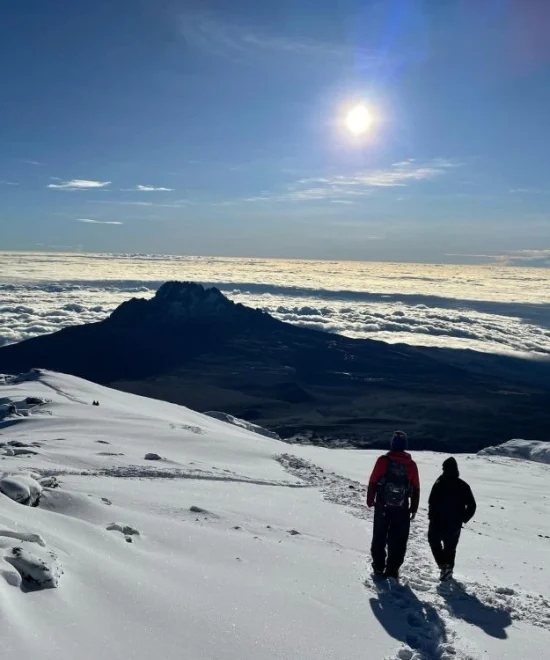
• Africa’s highest peak, Mount Kilimanjaro, adds adventure tourism appeal
Kenya remains a premier safari destination as well, especially for travelers planning their first African wildlife holiday. Its well-developed safari infrastructure, accessible reserves such as the Maasai Mara, and strong big cat visibility make it highly attractive for shorter itineraries.
That said, for travelers seeking large-scale wilderness, year-round migration movement, varied safari circuits, and broader ecological diversity, Tanzania often stands out as the more comprehensive African safari experience.
We have Prepared a sample itinerary for 5 day serengeti great migration safari for 2026 view and you can request for a free qoute
What Is the Best African Safari Trip?
The ideal African safari is not defined by one park alone, but by structure, timing, and overall experience design. A well-planned wildlife safari in East Africa should typically include:
• A minimum of 6–10 days for proper game viewing
• Visits to multiple national parks and ecosystems
• Travel dates aligned with the Great Migration calendar
• Professional, experienced safari guides
• Well-paced game drives with quality accommodation
A short safari may offer quick wildlife sightings, but a longer itinerary allows travelers to explore different habitats such as savannah plains, river systems, volcanic craters, and woodland environments — increasing biodiversity encounters and photographic opportunities.
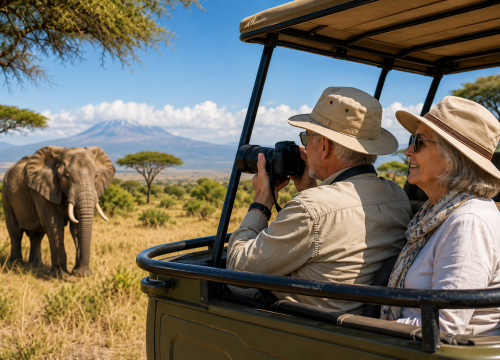
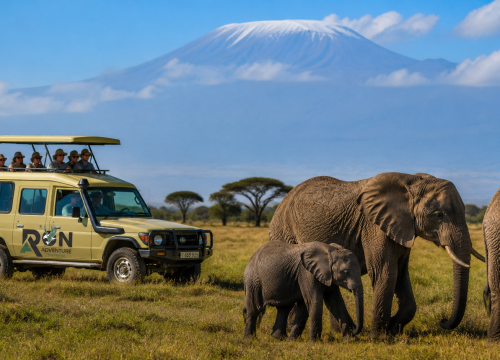
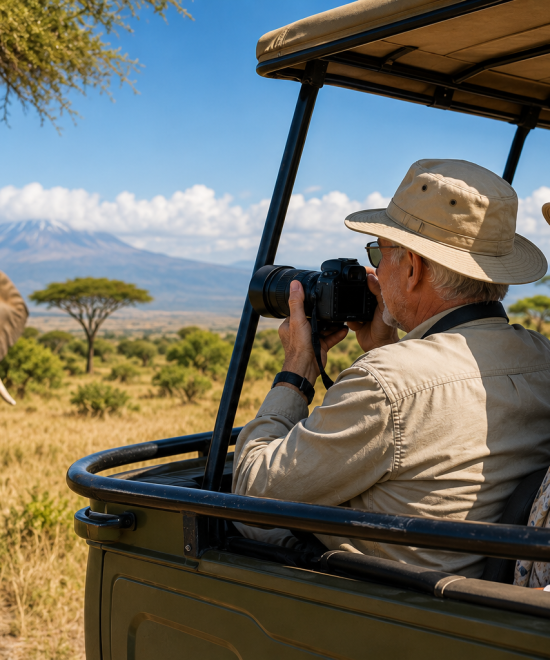
In Kenya, the most popular safari itinerary focuses on the iconic Maasai Mara National Reserve, often combined with extensions to Amboseli National Park for elephant and Mount Kilimanjaro views, or Lake Nakuru National Park for rhino tracking and birdlife safaris. This circuit is compact and efficient, making it ideal for first-time safari travelers.
In Tanzania, the renowned Northern Circuit safari, including Tarangire National Park, Ngorongoro Crater, and Serengeti National Park, is widely regarded as one of the most comprehensive wildlife safari routes in Africa. This itinerary offers exceptional big game viewing, diverse landscapes, and access to multiple phases of the Great Migration.
For travelers specifically seeking the dramatic wildebeest river crossing safari experience, Northern Serengeti in Tanzania provides a broader migration corridor and larger protected area compared to the Maasai Mara sector in Kenya. This often results in wider viewing zones and, in some cases, fewer vehicle concentrations around key crossing points.
Ultimately, the best African safari trip depends on seasonality, budget, travel style, and wildlife priorities — whether it is big cat sightings, migration photography, luxury tented camps, or a classic savannah safari adventure.
Why Tanzania Appeals to Many Safari Travelers
Both Tanzania and Kenya offer outstanding wildlife safaris, yet Tanzania is often favored by travelers seeking a broader and more immersive African safari journey. Its expansive national parks, ecological diversity, and opportunities for varied travel experiences give it a distinctive advantage for many visitors.
Extensive Wilderness and Fewer Crowds
The vast plains of Serengeti National Park form one of Africa’s largest protected ecosystems. Because of its size, wildlife sightings are often spread out across wide landscapes, which can mean fewer vehicles gathered around animal encounters in certain areas. For those looking for an authentic safari in East Africa with open horizons and a true sense of remoteness, Tanzania frequently delivers a more spacious experience.
Wide Range of Landscapes in One Itinerary
A Tanzania safari can combine dramatically different environments within a single trip. Travelers may descend into the remarkable Ngorongoro Crater, explore savannah dotted with ancient baobab trees, traverse rolling grasslands during the Great Migration, and drive through riverine forests rich in birdlife. This variety supports diverse wildlife habitats and enhances opportunities for Big Five sightings, predator encounters, and scenic photography.
Opportunities for Quieter Safari Regions
Beyond the popular Northern Circuit, Tanzania also offers southern and western parks that attract fewer visitors. These regions provide a more secluded safari setting, ideal for travelers seeking exclusivity, private game drives, or a deeper connection with nature away from busier reserves.
Safari and Indian Ocean Beach Combination
Another advantage is Tanzania’s ability to pair wildlife exploration with a coastal retreat. After days spent on game drives, travelers can unwind on the beaches of Zanzibar. This combination of safari adventure and tropical relaxation makes Tanzania especially attractive for honeymoon safaris and extended African holidays.
Extended Great Migration Experience
Tanzania hosts the Great Migration across multiple regions of the Serengeti for much of the year. From the calving season in the southern plains to the dramatic river crossings in the north, travelers have a broader window to align their safari plans with migration movements.
For those comparing Tanzania vs Kenya safari options, Tanzania often stands out for its scale, landscape diversity, and the seamless integration of wildlife adventure with beach relaxation.
Tanzania vs Kenya: Safety for Safari Travelers
When comparing Tanzania vs Kenya safari safety, both countries are widely regarded as secure destinations for organized wildlife travel, particularly when trips are arranged through licensed and reputable tour operators. National parks and game reserves in both nations operate under structured conservation management systems with regulated entry points, trained ranger units, and experienced professional safari guides.
Major safari areas such as Serengeti National Park and Maasai Mara National Reserve are controlled wildlife zones where tourism activities are supervised and standardized. Within these protected areas, visitors typically experience very low safety risks. Game drives are conducted in designated vehicles, guides are trained in wildlife behavior and emergency procedures, and lodges maintain established safety protocols.
As with travel anywhere in Africa or internationally, practical precautions are recommended:
• Book through registered, licensed safari companies
• Follow your guide’s safety briefings during game drives and walking safaris
• Avoid independent movement in unfamiliar urban neighborhoods, especially at night
• Keep personal belongings secure and maintain standard travel awareness
• Carry comprehensive travel insurance
It is important to distinguish between urban safety considerations and safari safety. While major cities such as Nairobi or Dar es Salaam require normal city-level caution, wildlife conservation areas are purpose-built tourism zones with controlled environments.
From a safari-only perspective, both Tanzania and Kenya are considered safe African safari destinations for families, honeymooners, solo travelers, and luxury safari guests. The key determinant of safety is the quality of your safari operator and adherence to professional guiding standards.
Is Kenya or Tanzania More Affordable for a Safari?
When planning an African safari, understanding the cost differences between Kenya and Tanzania is crucial, as expenses vary depending on the season, type of accommodation, park entry fees, and safari style.
Kenya Safari Costs
- Many reserves, including the iconic Maasai Mara National Reserve-conscious travelers.
- Short safaris, such as 3–5 day Maasai Mara trips, are generally competitive in pricing.
Tanzania Safari Costs
- Tanzania’s major parks, including Serengeti National Park and Ngorongoro Crater, have higher conservation and entry fees, reflecting their expansive ecosystems and global significance.
- The larger park sizes and remote locations justify multi-day itineraries for a complete wildlife experience.
- Luxury migration camps, especially during peak wildebeest migration months, often command premium rates.
Budget vs Luxury Safari Considerations
For travelers looking for shorter, cost-effective safaris, Kenya can be slightly more affordable while still offering exceptional wildlife viewing. Conversely, for those seeking premium, exclusive experiences with fewer crowds, Tanzania provides access to remote wilderness areas, extended migration tracking, and luxury accommodations that justify the higher investment.
Keywords for SEO Optimization: African safari costs, Kenya safari prices, Tanzania safari budget, Serengeti safari cost, Maasai Mara safari cost, East Africa safari comparison, Great Migration safari pricing.
This analysis helps travelers decide which destination fits their budget while maximizing safari experiences
Wildlife and the Great Migration
Both Tanzania and Kenya are part of the iconic Great Migration ecosystem, one of the world’s most spectacular wildlife events. However, there are notable differences in timing, scale, and viewing opportunities between the two countries.
Tanzania’s Migration
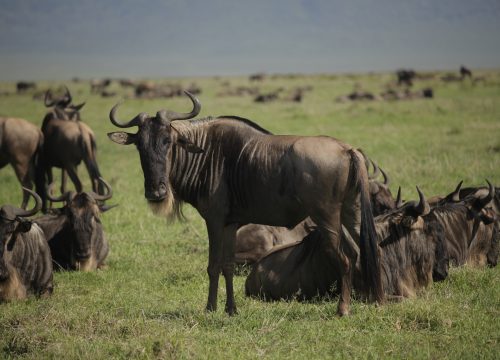
Tanzania hosts the Great Migration for most of the year, roughly 8–10 months, as wildebeest and zebras traverse the vast Serengeti National Park plains. The Southern Serengeti calving season, occurring from January to March, is particularly exciting for wildlife enthusiasts and photographers because predator activity — including lions, cheetahs, and hyenas — is exceptionally high. This makes Tanzania ideal for safaris focused on dramatic predator-prey interactions and photographic opportunities.
Kenya’s Migration
In Kenya, the Great Migration is concentrated in the Maasai Mara National Reserve, with the famous Mara River crossings occurring primarily between July and October. This period provides a shorter but highly dramatic viewing window when thousands of wildebeest and zebras navigate crocodile-infested rivers, creating iconic safari moments.
Key Takeaways for Safari Planning
- Travelers seeking longer migration experiences and multiple wildlife interactions benefit from a Tanzanian safari.
- Those aiming for intense, short-term wildlife spectacles, such as river crossings and concentrated predator sightings, may prioritize Kenya.
Tanzania’s extended migration coverage, combined with its vast plains and predator density, gives it an edge for travelers looking to maximize wildlife sightings throughout the year, while Kenya offers focused, high-intensity safari experiences during peak crossing months.
Landscapes and Safari Photography
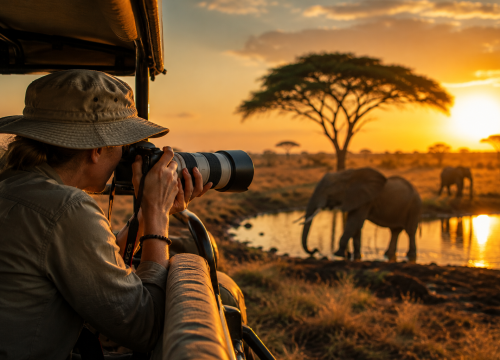
Tanzania offers a richer diversity of landscapes, making it a top choice for wildlife photographers and safari enthusiasts. From the dramatic highlands of Ngorongoro Crater to the rolling kopjes and vast plains of central Serengeti National Park, the country provides a wide range of natural backdrops for capturing wildlife in stunning settings. In addition to savannahs, travelers can explore volcanic formations, river valleys, and woodland areas, which add texture and variety to safari photography.
Kenya’s Maasai Mara National Reserve, while iconic and visually dramatic, offers more uniform grassy plains. Its open landscapes make spotting big cats like lions, cheetahs, and leopards easier and provide excellent opportunities for action-focused photography, especially during the Great Migration.
For safari-goers seeking a combination of diverse scenery, breathtaking panoramas, and memorable photographic opportunities, Tanzania often takes the lead. Those prioritizing high wildlife density and concentrated predator sightings may find Kenya ideal for capturing classic African wildlife shots.
This combination makes Tanzania a preferred destination for travelers who want a variety of terrains, wildlife habitats, and iconic African vistas all in one safari.
Tanzania or Kenya, Final Verdict
When deciding between a safari in Tanzania and Kenya, your choice should reflect your priorities, travel style, and desired wildlife experiences. Each country offers world-class safari opportunities, but the focus and scale differ.
Safari Priorities Comparison:
- Quick Big Cat Sightings → Kenya’s Maasai Mara and Amboseli offer high predator density in compact areas, ideal for short safaris.
- Diverse Ecosystems and Landscapes → Tanzania delivers a wide variety of habitats, from the Serengeti plains to Ngorongoro Crater, Tarangire’s baobab savannah, and riverine forests.
- Great Migration Experience → Northern and central Serengeti in Tanzania provides a longer migration window, including dramatic Mara River crossings and calving season in Southern Serengeti.
- Compact First-Time Safari → Kenya’s smaller parks make it easier for first-time visitors to see multiple species in a short timeframe.
- Safari and Beach Holiday Combination → Tanzania allows seamless extensions to Zanzibar
Read More Of our Articles and Blogs