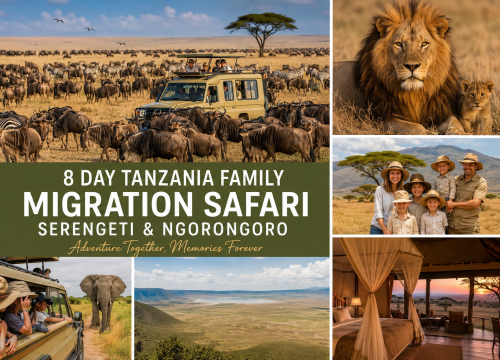
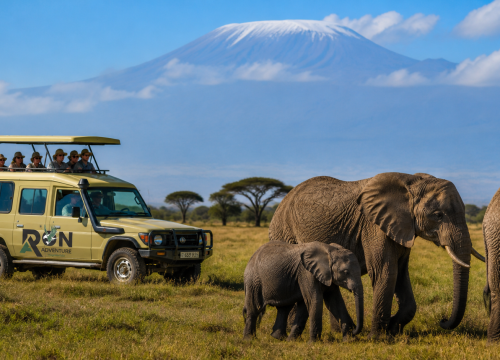
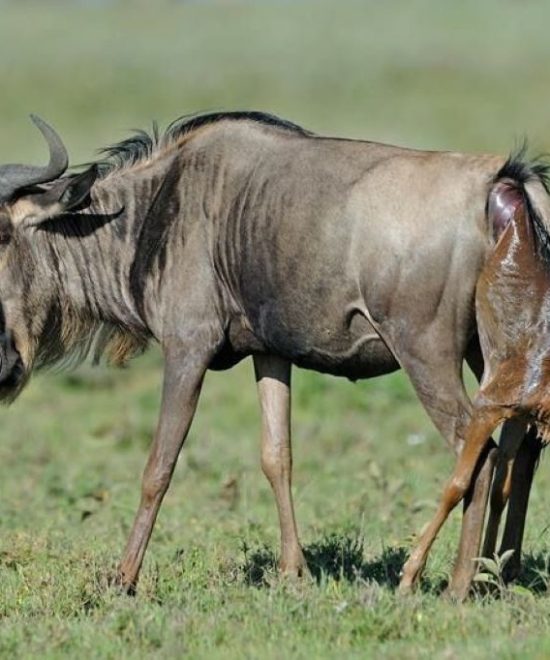
The Great Wildebeest Migration in Tanzania is one of the most remarkable wildlife experiences in Africa. Each year, huge herds of wildebeest move across the Serengeti ecosystem with zebras and gazelles, searching for fresh grass and water. Their journey brings new life to the plains and creates exciting opportunities to see lions, cheetahs, hyenas and other predators in the wild.
But when is the best time to see the Great Migration? And where should you stay to have the best chance of seeing the herds?
The answer depends on what you want to experience. You might prefer watching newborn wildebeest take their first steps in Ndutu, following the herds across the central Serengeti, or waiting near the Mara River in the northern Serengeti for a dramatic crossing.
In this guide, Ron Adventure explains the Great Wildebeest Migration month by month, the best places to visit, accommodation options and how to plan a Tanzania migration safari that suits your travel dates and budget.
Experience the Great Wildebeest Migration
Discover Tanzania’s incredible wildlife, vast Serengeti plains
and seasonal wildebeest movements with a safari planned around
your travel dates.
Explore Serengeti Safaris →
What Is the Great Wildebeest Migration?
The Great Wildebeest Migration is the annual movement of more than a million wildebeest, accompanied by large numbers of zebras and gazelles, across the Serengeti–Mara ecosystem in Tanzania and Kenya.
The animals move in response to rainfall, water availability and the growth of fresh grazing. Their journey is not a single event with a fixed starting date. It is a continuous cycle that changes throughout the year.
During the journey, the herds cross open grasslands, pass through woodland and sometimes face dangerous river crossings. Predators follow the movement of the animals, creating opportunities to observe the natural relationships between wildlife and its environment.
For visitors, every stage offers something different. The calving season brings newborn animals and active predators, while the northern Serengeti is known for the possibility of seeing wildebeest gather near the Mara River.
The most important thing to remember is that the migration follows nature, not a timetable. Choosing the right area for your travel dates can improve your chances of seeing the herds.
Why Does the Great Wildebeest Migration Happen?
Rainfall plays a major role in the migration. When rain falls, fresh grass grows and attracts grazing animals. As conditions change, the herds move to other areas in search of food and water.
Wildebeest, zebras and gazelles often travel together, although they do not always feed in exactly the same way. Their movement supports the wider Serengeti ecosystem, providing food for predators and helping shape the grasslands.
The journey is challenging. Young calves must keep up with the herd, while adult animals face predators, exhaustion and difficult terrain. These natural challenges are part of the migration’s annual cycle.
For safari travellers, this means there is no guaranteed day for a particular wildlife sighting. An experienced guide can use seasonal patterns and recent local observations to decide where to search.
When Is the Best Time to See the Great Wildebeest Migration in Tanzania?
The best time depends on the experience you want. January to March is generally associated with calving in the southern Serengeti and Ndutu area. Around July to September, the northern Serengeti offers opportunities to look for herds near the Mara River.
The dates can change with the rains, so use the following calendar as a guide rather than a guarantee.
January to March: Ndutu Calving Season
During the calving season, large numbers of wildebeest gather on the short-grass plains of the southern Serengeti and the Ndutu area near the Ngorongoro Conservation Area.
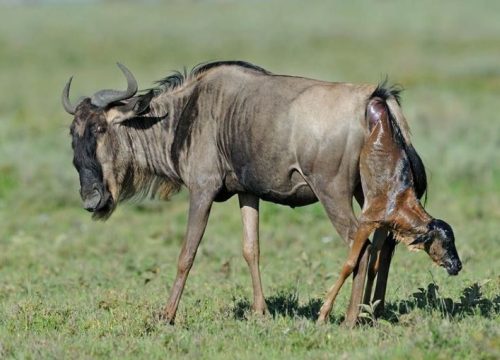
February is often a particularly rewarding month for seeing newborn calves. The open plains make it easier to observe herds, and predators such as lions, cheetahs and hyenas are active in the area.
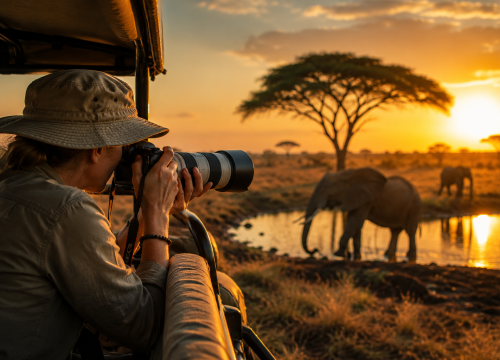
This period is especially appealing to wildlife photographers and travellers who want to see the migration beyond the famous river crossings.
Best for: Newborn wildebeest, predator activity, photography and open grassland scenery.
Where to stay: Choose a camp or lodge in the Ndutu or southern Serengeti area, depending on current herd movements and your itinerary.
April to May: Green Season in the Serengeti
The long rains often bring greener landscapes and a quieter atmosphere in some safari areas. As conditions change, many herds begin moving away from the southern plains towards the central and western Serengeti.
Rainfall can affect road conditions and travel times. Some camps may also close seasonally, so confirm accommodation availability before booking.
This period can suit travellers who enjoy green landscapes and are flexible about wildlife sightings. It is less suitable for anyone expecting a guaranteed river crossing.
Best for: Green scenery, photography, fewer visitors in some areas and flexible safari planning.
Where to stay: Consider the central Serengeti or western corridor, depending on the seasonal conditions and available camps.
June to July: The Journey North and Grumeti River
As the dry season develops, herds often move through the western corridor and towards the northern Serengeti. The Grumeti River can provide opportunities to witness river-crossing behaviour, although sightings vary from year to year.
The central and western Serengeti also offer excellent opportunities for game drives. Even when a river crossing does not happen during your stay, you may encounter large herds, giraffes, elephants and predators.
Best for: Following the migrating herds, exploring different Serengeti landscapes and looking for early river-crossing activity.
Where to stay: Choose accommodation in the central Serengeti or western corridor early in the season, and the northern Serengeti as the herds move north.
August to September: Northern Serengeti and Mara River
For many travellers, this is the most exciting period to plan a Great Migration safari focused on the Mara River crossings.
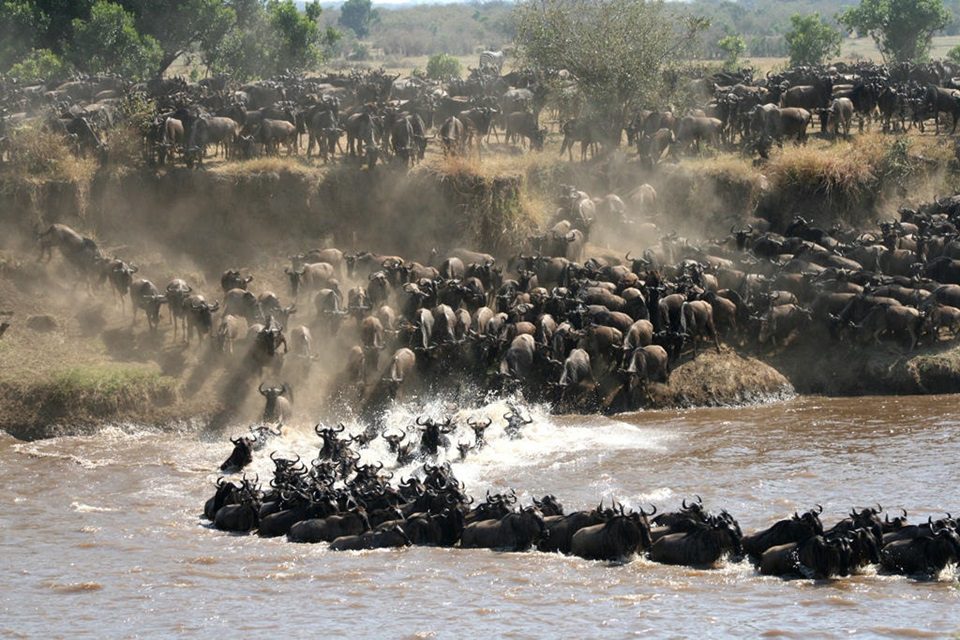
Large herds may gather along the riverbanks before attempting to cross. The scenes can be dramatic, but the animals decide when to move. They may wait for hours or days, and a crossing is never guaranteed on a particular date.
Staying several nights in the northern Serengeti gives you more opportunities to search different areas with your guide. It also reduces the pressure to cover long distances every day.
Best for: Travellers hoping to see Mara River crossings, large herds and wildlife photography opportunities.
Where to stay: Consider the Kogatende area or other suitable northern Serengeti locations, selected according to the expected movement of the herds.
October to December: The Migration Moves South
As rainfall patterns change, herds often begin moving away from the northern Serengeti and returning through central areas towards the southern plains.
October can still offer opportunities to see herds near the Mara River, while November and December are often associated with movement through the central Serengeti. By December, some herds begin gathering in the southern Serengeti and Ndutu region ahead of the next calving season.
These are general patterns, not fixed dates. Recent rainfall can change where the animals are found.
Best for: Following the return journey, exploring the central Serengeti and planning ahead for the calving season.
Where to stay: Consider central Serengeti camps, adjusting your location to match current wildlife movements.
Which Month Will You Visit the Serengeti?
From the Ndutu calving season to the possibility of Mara River
crossings, we can help you choose the right region and itinerary.
Find a Safari for Your Dates →
Best Places to See the Great Wildebeest Migration
Choosing the right location is just as important as choosing the month. The Serengeti is vast, and the migration does not stay in one area throughout the year.
1. Ndutu and the Southern Serengeti
Ndutu is one of the best-known areas for the wildebeest calving season. Its open plains provide opportunities to observe large herds, young calves and predators during the early months of the year.
It is an excellent option for travellers who want to focus on wildlife photography and the relationship between newborn animals and predators.
2. Central Serengeti
The central Serengeti is an important safari destination throughout the year. Its varied habitats support lions, leopards, cheetahs, elephants and other wildlife, while migrating herds pass through at different times.
The Seronera area is a practical choice for itineraries that combine migration viewing with broader game drives.
3. Western Serengeti and the Grumeti River
The western corridor can be rewarding when the herds move north and approach the Grumeti River. Depending on conditions, travellers may find large concentrations of wildebeest and opportunities to observe river-crossing behaviour.
This region is worth considering when the seasonal movement and your travel dates align.
4. Northern Serengeti and the Mara River
The northern Serengeti is a popular choice for travellers hoping to witness the famous Mara River crossings. The Kogatende area is one of the locations used for northern Serengeti safaris.
The river crossings can be unpredictable. Choose a camp based on current seasonal information and allow enough time to explore the area rather than relying on a single scheduled sighting.
What Can You See on a Great Migration Safari?
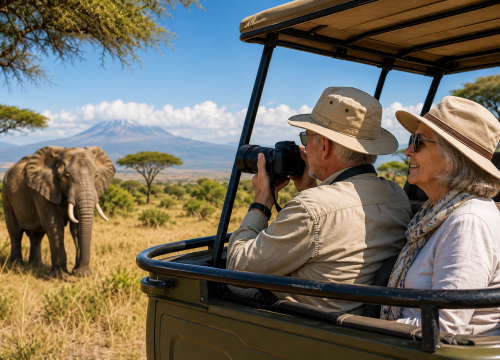
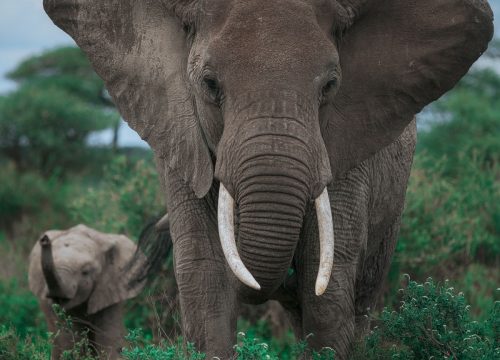
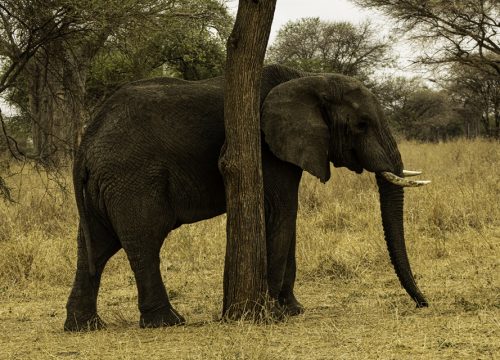
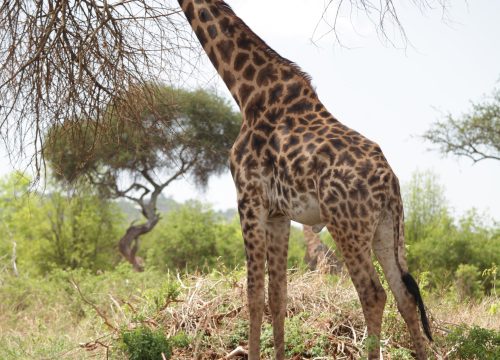
The migration is about more than wildebeest. Depending on the region and season, you may also encounter zebras, gazelles, elephants, giraffes and a wide variety of birdlife.
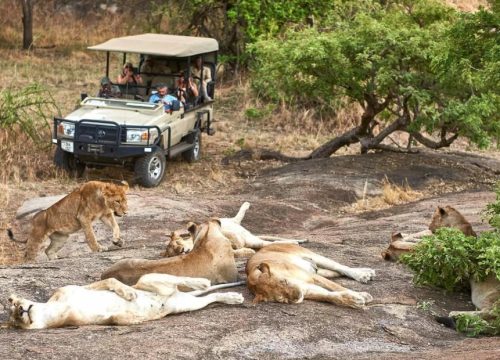
Predators are an important part of the experience. Lions may rest near the herds, cheetahs may scan the open plains and hyenas may search for opportunities around vulnerable animals.
You may spend part of a game drive watching a large herd move across the horizon, then stop to observe a single animal or an interesting interaction. These quieter moments are often just as rewarding as dramatic wildlife encounters.
If photography is a priority, tell your safari operator in advance. Your guide can help plan suitable game-drive times and allow enough time for wildlife observation without rushing between locations.
How to Choose Accommodation for a Migration Safari
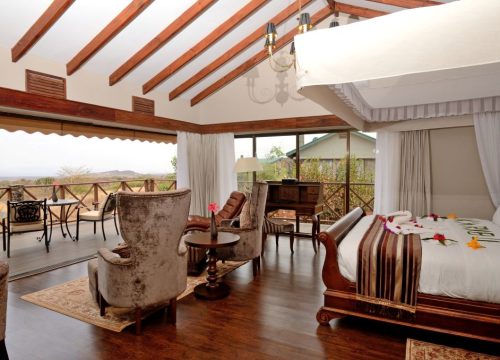
Your accommodation can make a significant difference to your overall experience. The best choice depends on your budget, preferred comfort level and the region you want to explore.
Mobile tented camps: These camps move seasonally to stay near important wildlife areas. They can be a good choice for travellers who want an immersive safari experience close to nature.
Permanent tented camps: These combine a traditional safari atmosphere with established facilities. Their location is important, so check where the camp is situated during your travel dates.
Safari lodges: Lodges may suit travellers who prefer more permanent facilities and additional comforts. Availability and driving times should be considered when selecting a lodge for migration viewing.
When comparing options, ask about the location, room facilities, meal arrangements, park access and expected driving times. A beautiful camp may not be the most practical choice if it is far from the area you want to explore.
How Many Days Do You Need for a Great Migration Safari?
The ideal duration depends on your budget, arrival point and the stage of the migration you want to see.
A shorter safari can work if you focus on one region, but travelling between distant parts of the Serengeti takes time. A longer itinerary gives you more flexibility to explore different wildlife areas and respond to changing conditions.
For a migration-focused trip, consider spending several nights in the key region rather than moving to a different camp every day. This gives your guide more time to search for wildlife and reduces unnecessary packing and long transfers.
If you are also interested in the Ngorongoro Crater or Tarangire National Park, you can add these destinations to a Northern Tanzania itinerary. The final route should reflect your available days and the location of the herds during your visit.
Can You Combine the Great Migration with Other Tanzania Destinations?
Yes. A Great Migration safari can be combined with other destinations in Northern Tanzania or followed by a beach holiday in Zanzibar.
Ngorongoro Crater: A rewarding addition for travellers who want to explore a different wildlife habitat and look for a variety of animals during a crater game drive.
Tarangire National Park: Known for its elephant herds, baobab trees and seasonal wildlife concentrations.
Lake Manyara National Park: Offers forest, lakeshore scenery and opportunities to see a range of wildlife and bird species.
Zanzibar: A good option for travellers who want to relax on the beach after several days of early mornings and game drives.
The best combination depends on the length of your holiday. If witnessing the migration is your main priority, allow enough time in the relevant Serengeti region before adding other destinations.
How to Plan Your Great Wildebeest Migration Safari
A little planning can make your safari more comfortable and help you use your time well.
- Choose your travel dates. Decide whether you are more interested in calving season, the movement of the herds or the possibility of Mara River crossings.
- Select the right region. Match your accommodation and game drives to the expected migration location rather than choosing a camp based on its name alone.
- Book early for popular periods. Accommodation in sought-after areas can be limited during peak travel months. Booking ahead gives you more options.
- Allow enough time. Long transfers can reduce the time available for game drives. Consider staying several nights in your main wildlife area.
- Pack for changing conditions. Bring neutral-coloured clothing, comfortable layers for cool mornings, sun protection, binoculars and a camera if you enjoy photography.
- Keep your plans flexible. Rainfall and wildlife movements can change. Your guide should use recent local information to help decide where to search.
- Set a realistic budget. The cost of your safari depends on travel dates, accommodation, transport, park fees, trip duration and whether you choose a private or group safari.
Frequently Asked Questions About the Great Wildebeest Migration
What is the best month to see the Great Wildebeest Migration? There is no single best month for every traveller. January to March is generally associated with the calving season in the south, while July to September is a popular period for looking for herds around the northern Serengeti and Mara River.
Can I see the migration in Tanzania throughout the year? Yes. The migration is a continuous cycle, and different parts of the Serengeti ecosystem offer opportunities at different times. The experience depends on the season and current wildlife movements.
Are Mara River crossings guaranteed? No. River crossings depend on the movement and behaviour of the herds, water conditions and rainfall. Even during the main season, animals may wait before crossing, so sightings cannot be guaranteed.
How long should I spend in the Serengeti? Several nights in the region that matches your travel dates is a sensible starting point. Longer stays can offer more flexibility, especially if your main goal is to look for a river crossing.
Is a private Great Migration safari worth it? A private safari allows you to travel at your own pace, choose accommodation that suits your needs and adjust game drives with your guide. A group safari may cost less per person, depending on the itinerary and group size.
Can I combine a migration safari with Zanzibar? Yes. You can arrange a Serengeti safari followed by a Zanzibar beach holiday. Your operator can help coordinate flights, accommodation and transfers based on your available time.
How far in advance should I book? For popular travel periods, especially the northern Serengeti river-crossing season, booking several months ahead is advisable. Earlier planning generally provides more accommodation choices, although availability varies.
Plan Your Great Wildebeest Migration Safari with Ron Adventure
The Great Wildebeest Migration is a natural event that changes with the seasons. Whether you want to photograph newborn wildebeest in Ndutu, follow the herds through the Serengeti or spend several days exploring the northern plains, choosing the right location and timing is an important part of your trip.
At Ron Adventure, we help travellers plan Tanzania safaris around their travel dates, interests, accommodation preferences and budget. We can help you compare safari options, select suitable camps and combine the Serengeti with other Northern Tanzania destinations or Zanzibar.
Plan Your Tanzania Migration Safari
Tell us your travel dates, preferred accommodation and budget.
Ron Adventure can help you plan a safari suited to your interests.
Plan My Safari
Contact Ron Adventure