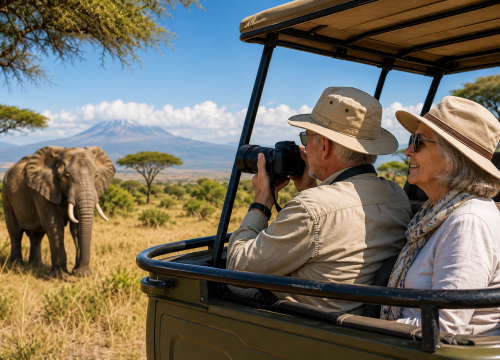
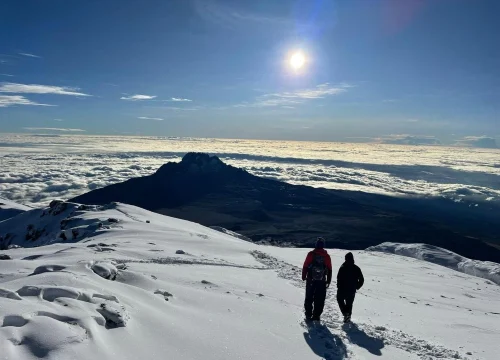
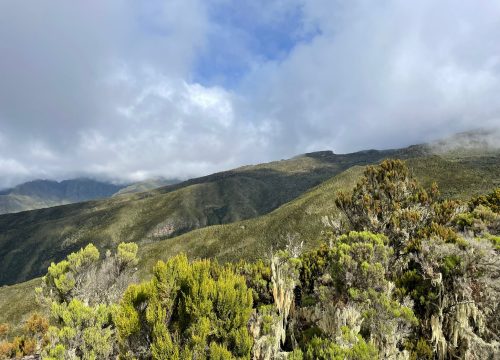
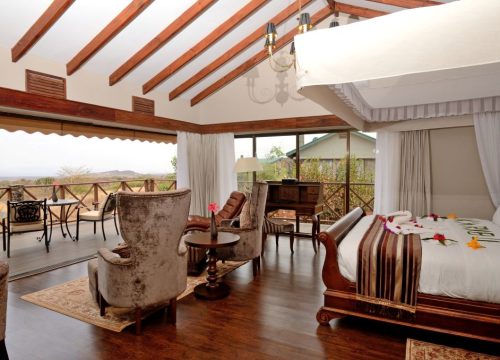
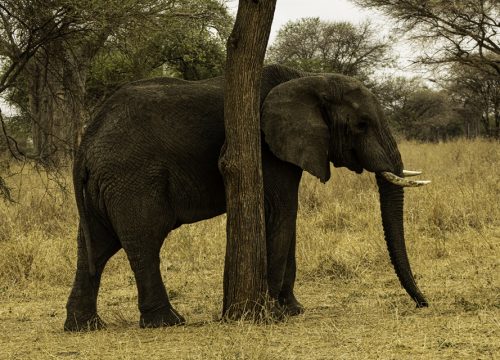
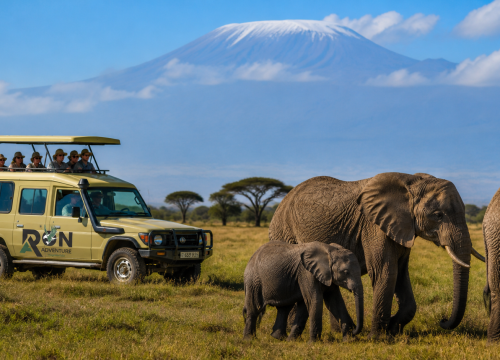
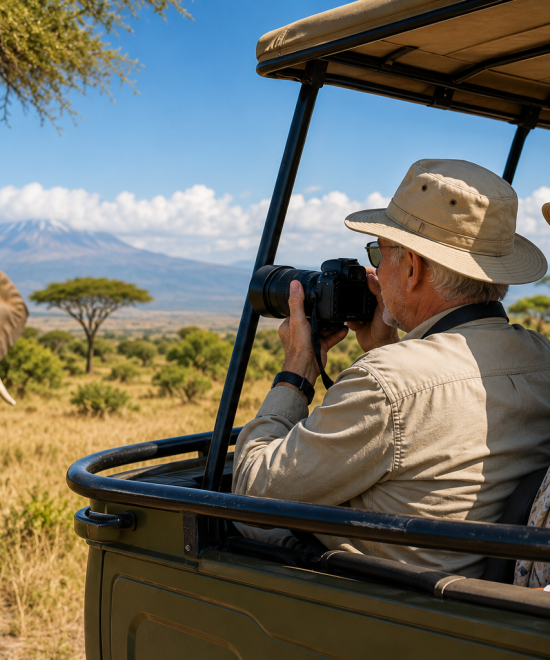
A Tanzania safari is an opportunity to see wild animals in their natural habitat, explore beautiful landscapes and experience African culture. From watching elephants in Tarangire National Park to searching for lions in the Serengeti and spotting wildlife in the Ngorongoro Crater, every day can bring something different.
However, a few common mistakes can make your safari more expensive, uncomfortable or less enjoyable than expected.
The good news? Most of these mistakes are easy to avoid with the right preparation.
At Ron Adventure, we help travellers plan safaris around their interests, travel dates and budgets. In this guide, you will learn the most important Tanzania safari tips, including safari do’s and don’ts, wildlife safety, packing advice and responsible travel practices.
Whether this is your first African safari or you are returning for another adventure, these tips will help you prepare with confidence.
Planning a Tanzania Safari?
Avoid common planning mistakes with a safari tailored to your travel dates, budget and wildlife interests. Let our local team help you choose the right destinations.
Plan Your Safari
1. Choosing the Wrong Time for Your Tanzania Safari
One of the biggest mistakes travellers make is choosing their travel dates without considering the wildlife or experiences they want to see.
Tanzania offers excellent safari opportunities throughout the year, but wildlife movements, weather conditions and visitor numbers vary by season.
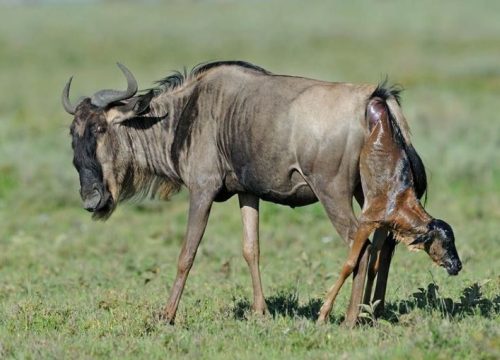
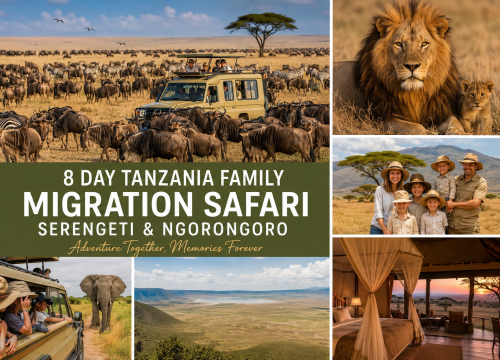
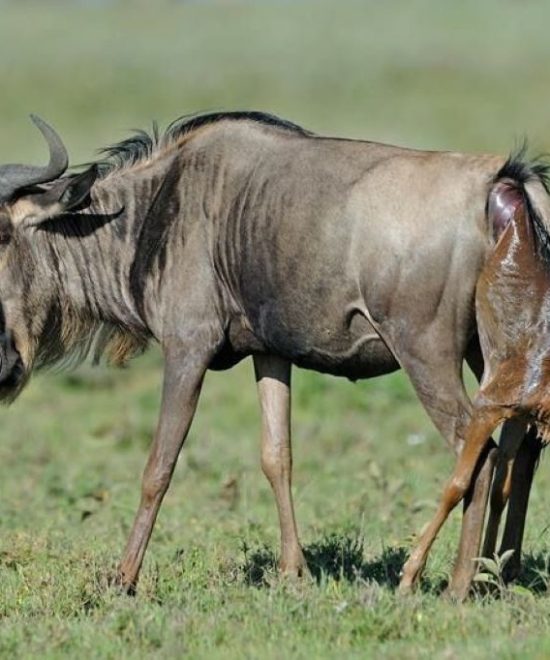
For example, the southern Serengeti and Ndutu plains are well known for wildebeest calving, usually around January to March. From approximately July to October, parts of the northern Serengeti can offer opportunities to witness wildebeest river crossings, although the timing and location vary from year to year.
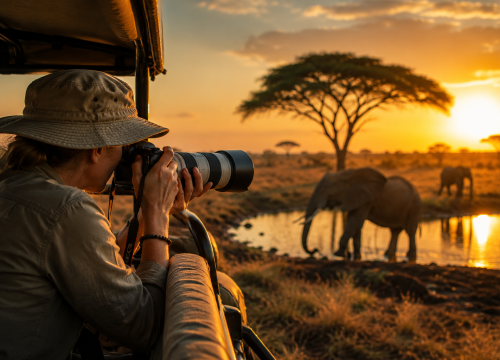
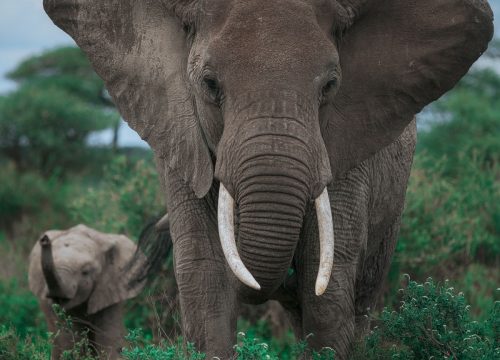
Tarangire is also famous for its elephants and can offer rewarding wildlife viewing during the dry season.
How to avoid this mistake: Decide what matters most to you before booking. You might want to see the Great Migration, photograph big cats, enjoy birdwatching or travel during a quieter period. Choose your itinerary and accommodation according to your priorities.
Remember that wildlife sightings can never be guaranteed. A knowledgeable local guide can help you choose suitable destinations for your travel dates.
2. Booking a Safari Without Checking the Operator
Not all safari experiences offer the same level of service. Choosing a company based on price alone, without checking its reputation or what is included, can lead to disappointment.
A reliable safari operator should explain your itinerary clearly, recommend suitable accommodation, provide information about the vehicle and guide, and answer questions about park fees and other costs.
How to avoid this mistake: Before paying a deposit, check recent independent reviews, ask for a detailed itinerary and confirm the services included in your quotation. Make sure you understand the cancellation policy, payment schedule and any additional charges.
Booking with a Tanzania-based safari company can also help you receive local advice about road conditions, park logistics, seasonal wildlife movements and accommodation options.
3. Trying to Visit Too Many National Parks in a Short Time
Tanzania is a large country, and travelling between national parks can take longer than many visitors expect.
For example, combining Tarangire, the Serengeti and Ngorongoro in a short itinerary may involve several hours of driving on some days. Road conditions, weather and stops along the way can affect travel times.
Trying to visit too many destinations can leave you spending more time on the road and less time enjoying game drives.
How to avoid this mistake: Choose an itinerary that balances travel time with wildlife viewing. If you have only three or four days, focus on a realistic combination of parks. With more time, you can explore additional destinations or spend longer in the Serengeti.
Ask your safari operator to explain the driving times and overnight locations before confirming your booking.
4. Packing the Wrong Clothes and Equipment
Packing too much luggage or bringing unsuitable clothing can make your Tanzania safari less comfortable.
Early morning game drives can be chilly, particularly in the Serengeti and Ngorongoro highlands. Afternoons may be warm, while dust and occasional rain can affect conditions on the road.
How to avoid this mistake: Pack light, comfortable clothing in neutral colours such as khaki, olive, beige and brown. Bring layers so you can adjust to changing temperatures.
Useful safari essentials include:
- Lightweight, breathable clothing
- A warm jacket or fleece for early mornings
- Comfortable walking shoes
- A sun hat and sunglasses
- Sunscreen and insect repellent
- Binoculars and a camera, if you use them
- A reusable water bottle, where suitable
- Personal medication and essential travel documents
Avoid packing unnecessary bulky items, especially if your itinerary includes a small aircraft transfer with strict luggage limits.
For more advice, read our Tanzania safari packing guide and link this text to your dedicated packing-list article.
5. Ignoring Safari Do’s and Don’ts
Safari etiquette is essential for your safety, the comfort of other guests and the protection of wildlife.
Animals in national parks are wild. They need space, and their behaviour can be unpredictable, even when they appear calm.
Some visitors unintentionally disturb wildlife by shouting, asking the driver to approach too closely or ignoring their guide’s instructions.
How to avoid this mistake: Follow these important safari do’s and don’ts:
Do:
- Listen to your driver-guide and follow park regulations.
- Keep your voice low when observing wildlife.
- Be patient when waiting for animals to appear.
- Respect other guests’ opportunities to view and photograph wildlife.
- Ask your guide questions at appropriate times.
- Follow instructions when stopping for photographs.
Don’t:
- Stand up or leave the vehicle unless your guide confirms it is safe and permitted.
- Feed wild animals or try to attract them with food.
- Shout at animals or make noises to provoke a reaction.
- Throw rubbish into the bush.
- Pressure your driver to approach wildlife too closely.
- Ask your guide to break park rules for a photograph.
Following these simple safari rules helps protect both visitors and animals while supporting responsible wildlife tourism.
6. Expecting to See Every Animal on Your List
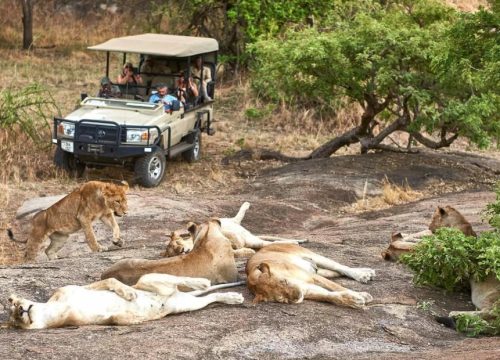
Many travellers arrive hoping to see the Big Five: lions, leopards, elephants, rhinos and buffaloes. Others want to photograph cheetahs, witness a river crossing or see a specific animal in a particular location.
These are understandable goals, but wild animals move freely across large areas. No guide can guarantee every sighting.
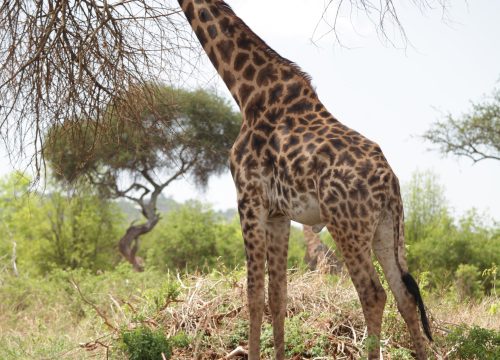
How to avoid this mistake: Set realistic expectations and allow enough time for game drives. A patient approach often leads to rewarding encounters, from watching elephants interact to observing giraffes feeding or seeing birds you have never encountered before.
If seeing a particular species is important to you, tell your safari operator before booking. Your itinerary can then be designed around the most suitable locations and season, without promising a guaranteed sighting.
7. Underestimating the Total Cost of a Safari
A Tanzania safari involves more than the price of accommodation. Your final cost may include national park fees, a safari vehicle, a driver-guide, meals, transfers, flights and other services.
A very cheap quotation may exclude important items or use accommodation that does not match your expectations.
How to avoid this mistake: Compare safari quotations carefully. Check whether park fees, meals, accommodation, airport transfers and other agreed services are included. Ask about optional activities, such as a hot-air balloon safari, and confirm their additional costs.
You do not necessarily need a luxury safari to enjoy Tanzania. Budget camping, mid-range lodges and luxury tented camps can all offer rewarding experiences when matched to your needs.
The best choice is one that balances your budget, comfort preferences and the wildlife experience you want.
Looking for a Safari That Fits Your Budget?
Compare camping, mid-range and luxury safari options with Ron Adventure. We can help you balance accommodation, travel time and wildlife experiences.
Explore Safari Options
8. Travelling Without Suitable Insurance or Checking Entry Requirements
Another common mistake is leaving travel arrangements until the last minute.
Unexpected illness, travel delays, lost luggage or a cancelled flight can disrupt your plans. Travellers may also overlook passport validity, visa requirements or applicable travel insurance requirements.
How to avoid this mistake: Arrange suitable travel insurance before departure. Check whether your policy covers medical treatment, emergency evacuation, trip cancellation and the activities planned for your trip.
Confirm the current entry requirements with official sources before travelling, including passport validity, visa arrangements and any applicable health or insurance requirements.
Keep digital and printed copies of important documents, and make sure your safari operator has the arrival details needed to coordinate your pickup.
9. Rushing the Safari and Forgetting to Enjoy the Experience
A safari is not simply a checklist of parks and animals. It is also about the changing landscapes, quiet moments in the bush, local culture and time spent observing wildlife.
An overloaded itinerary can leave you tired and make it difficult to appreciate each destination.
How to avoid this mistake: Allow time to enjoy your surroundings. Consider spending two or more nights in a destination such as the Serengeti instead of moving accommodation every day, depending on your overall schedule and budget.
You can also discuss adding cultural experiences, a guided nature walk where available, or a relaxing evening at your lodge.
A well-paced safari often feels more rewarding than trying to cover the greatest possible distance.
10. Overlooking Local Culture and Responsible Tourism
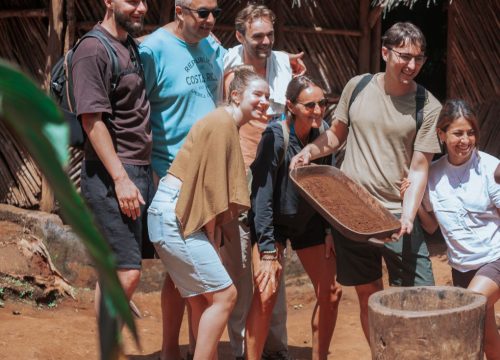
A Tanzania safari can also be an opportunity to learn about local communities, traditions and everyday life.
However, visitors sometimes forget that cultural experiences should be approached with respect. Taking photographs without permission, ignoring local customs or treating community visits as staged attractions can create uncomfortable situations.
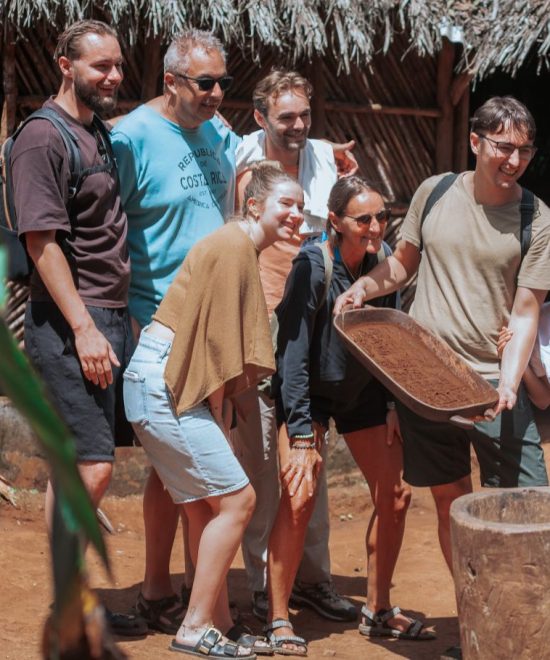
How to avoid this mistake: Ask before photographing people, listen to your local guide and follow the expectations of the community you visit. Choose cultural activities organised with the involvement and consent of local people.
You can also support responsible tourism by reducing waste, respecting protected areas and choosing locally operated businesses where appropriate.
If your itinerary includes a Maasai community visit or a cultural experience near Lake Eyasi, ask your operator how the visit is arranged and how local participants benefit.
Bonus: Forgetting to Communicate Your Preferences Before Booking
Even a well-organised safari may not meet your expectations if your operator does not know what matters most to you.
Some travellers prefer comfortable lodges and swimming pools. Others want more time for photography, flexible game drives, family-friendly accommodation or a private vehicle.
How to avoid this mistake: Share your priorities before confirming the itinerary. Tell your operator your budget, travel dates, preferred accommodation standard, interests and any practical requirements.
These details help your safari planner recommend a trip that suits you instead of simply offering a standard package.
Frequently Asked Questions About Tanzania Safari Tips
What should you not do on a Tanzania safari? Do not feed wild animals, leave your vehicle without permission, litter, shout at wildlife or ignore your guide’s instructions. Follow park regulations and respect the space animals need.
What should I wear on safari in Tanzania? Choose comfortable, breathable clothing in neutral colours and bring layers for cool mornings. A sun hat, sunglasses, sunscreen and comfortable shoes are useful. Your exact packing needs depend on the season and activities planned.
How many days are enough for a Tanzania safari? Three to four days can work for a shorter safari focusing on selected destinations. Five to seven days generally allows more time for a combination of parks, while longer trips provide greater flexibility. The best duration depends on your arrival point, budget and interests.
Is a Tanzania safari safe for first-time visitors? A safari can be a rewarding experience for first-time visitors when it is properly organised and guests follow their guide’s instructions and park rules. Wildlife is unpredictable, so safety guidance must always be taken seriously.
What is the best time to visit Tanzania for a safari? Tanzania offers wildlife viewing throughout the year. The best time depends on your priorities, including the Great Migration, wildebeest calving, birdwatching, weather and budget. Ask a local safari operator to recommend destinations for your specific travel dates.
Plan Your Tanzania Safari with Ron Adventure
Avoiding common safari mistakes starts with good planning. Choose the right season, allow enough time between destinations, pack sensibly and respect the wildlife and communities you encounter.
At Ron Adventure, we organise tailor-made Tanzania safaris to destinations including Serengeti National Park, Ngorongoro Crater and Tarangire National Park. Whether you are looking for a budget camping safari, a comfortable lodge experience, a private wildlife adventure or a family holiday, we can help you plan an itinerary around your travel dates and budget.
Your Tanzania Safari Starts Here
Tell us when you plan to travel, which parks you want to visit and your preferred budget. Ron Adventure will help you explore a safari itinerary designed around your interests.
Start Planning Your Safari