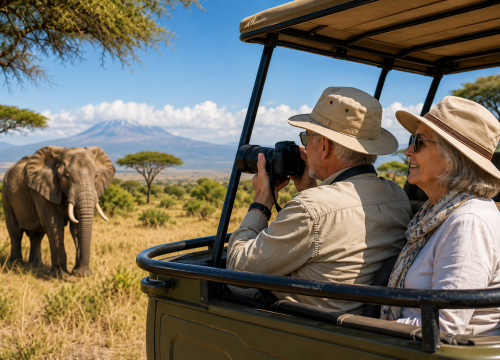
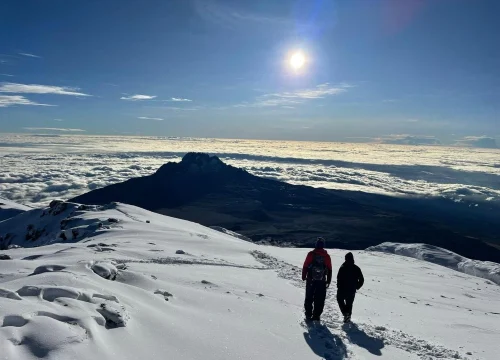
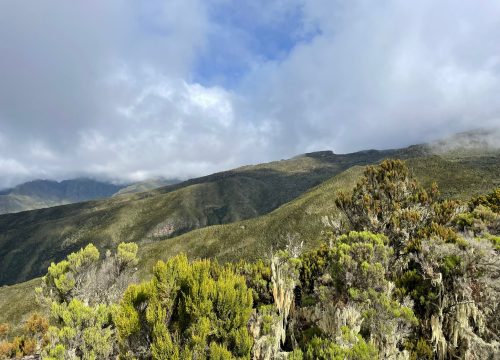
Planning a 7-day Tanzania safari itinerary is an excellent way to discover some of Africa’s most famous wildlife destinations. In one week, you can explore Tarangire National Park, enjoy game drives across the Serengeti and discover the remarkable wildlife of Ngorongoro Crater.
This itinerary is ideal for couples, families, photographers and first-time safari travellers. It combines wildlife viewing, beautiful landscapes and comfortable accommodation.
With Ron Adventure, you can choose budget camping, mid-range lodges or luxury tented camps. You can also adjust the route to match your travel dates, interests and budget.
Quick Overview: 7-Day Tanzania Safari
- Duration: 7 days and 6 nights
- Starting point: Arusha, Tanzania
- Destinations: Tarangire, Serengeti, Ngorongoro Crater and Lake Manyara
- Main activities: Game drives, wildlife photography and scenic drives
- Accommodation: Budget, mid-range or luxury options
- Best for: Couples, families, private travellers and wildlife enthusiasts
This route includes four remarkable wildlife areas. However, the final schedule depends on your arrival and departure times, accommodation locations and the amount of time you want to spend on game drives.
Day 1: Arrival in Arusha
our Tanzania safari begins when you arrive at Kilimanjaro International Airport (JRO). Your driver will welcome you and transfer you to your hotel in Arusha.
After your journey, take time to relax and prepare for the adventure ahead. Depending on your arrival time, you can explore the town or enjoy the facilities at your hotel.
In the evening, your safari team can brief you about the route, daily activities and what to expect during your trip.
Overnight: Hotel in Arusha.
Day 2: Arusha to Tarangire National Park
After breakfast, depart for Tarangire National Park. The journey takes you through the beautiful landscapes of northern Tanzania.
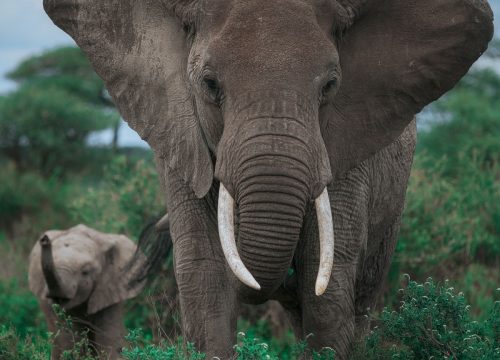
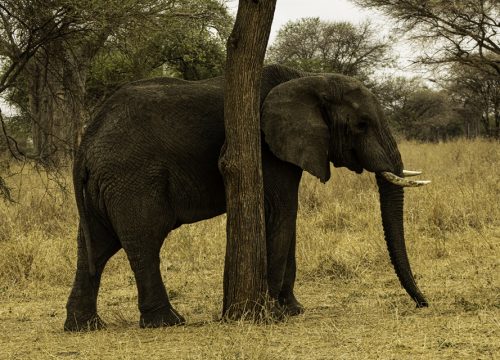
Tarangire is famous for its ancient baobab trees and large elephant herds. The Tarangire River also attracts wildlife, particularly during the drier months.
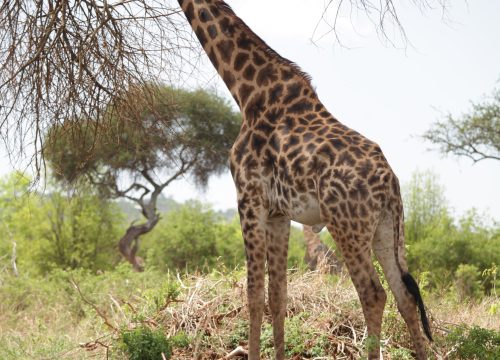
Enjoy a game drive in search of elephants, giraffes, zebras, buffaloes and antelopes. With luck, you may also spot lions or leopards resting among the trees.
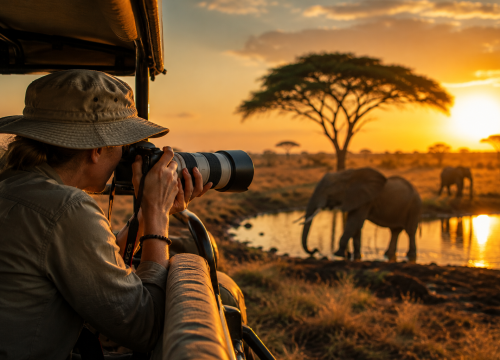
Your guide will help you explore the park and identify animals along the way. There will also be opportunities to photograph the scenery and wildlife.
Highlights: Elephant herds, baobab trees and diverse wildlife.
Overnight: Lodge or tented camp near Tarangire or in the Karatu area, depending on your chosen itinerary.
Day 3: Tarangire to Serengeti National Park
After breakfast, travel towards Serengeti National Park through the scenic Ngorongoro Conservation Area.
The journey offers changing landscapes, from highland scenery to the vast plains of the Serengeti. You may see wildlife along the route, depending on the conditions and your exact itinerary.
After entering the park, enjoy a game drive as you travel towards your accommodation. The Serengeti is renowned for its lions, cheetahs, leopards, elephants, giraffes, wildebeest and zebras.
Your guide will select suitable game-viewing areas based on recent sightings and the time available.
Highlights: Scenic landscapes, open plains and your first Serengeti game drive.
Overnight: Lodge or tented camp in the Serengeti.
Day 4: Full-Day Game Drive in the Serengeti
Today is dedicated to exploring the Serengeti. After breakfast, head out with your guide for a full day of wildlife viewing.
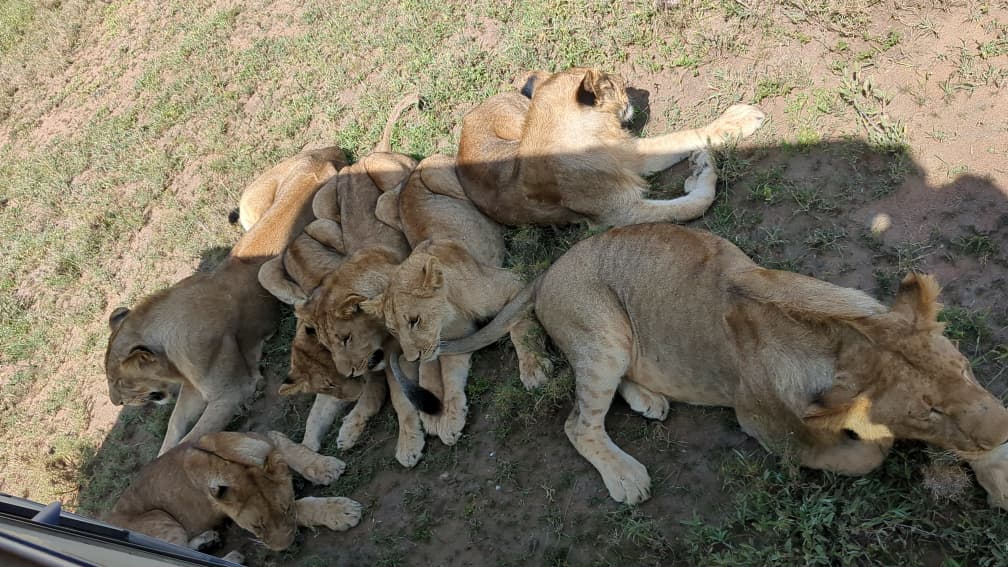
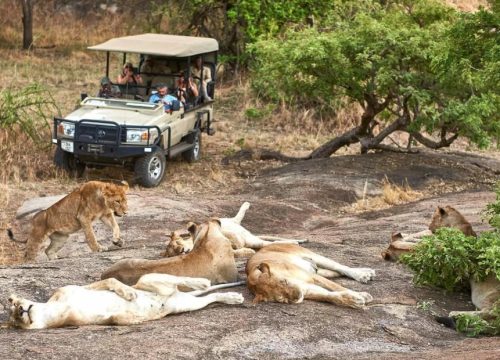
The Serengeti supports an extraordinary range of wildlife. You may encounter lions resting in the grass, cheetahs scanning the plains or elephants moving between feeding areas.
You will also have opportunities to observe wildebeest, zebras, giraffes, hyenas and many bird species.
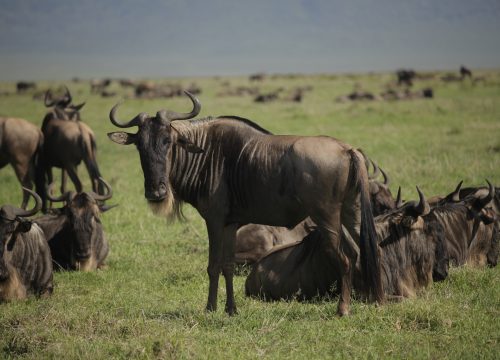
If you visit during the Great Wildebeest Migration, your guide can help you explore the areas where the herds are moving. Their location changes throughout the year, so sightings depend on the season and current conditions.
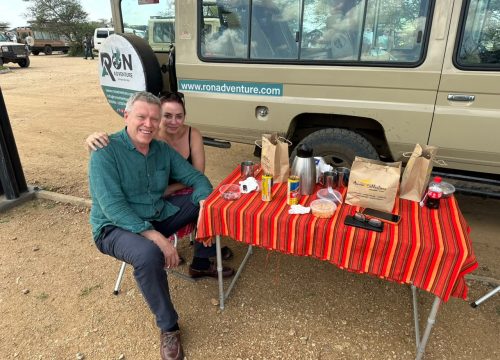
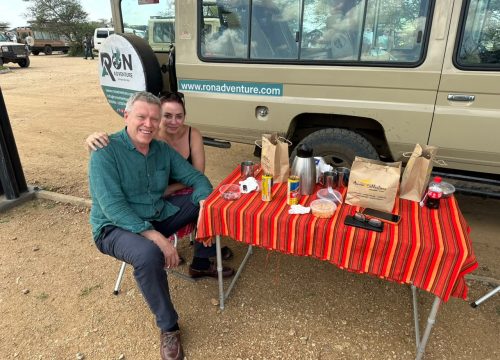
A picnic lunch can be enjoyed during the game drive, allowing you to spend more time exploring the park.
Highlights: Big cats, wildlife photography and the possibility of seeing the Great Migration.
Overnight: Lodge or tented camp in the Serengeti.
Day 5: Serengeti to Ngorongoro Conservation Area
Enjoy a morning game drive before leaving the Serengeti for the Ngorongoro Conservation Area.
The journey offers another opportunity to spot wildlife and appreciate Tanzania’s changing landscapes. Your route and travel time will depend on your accommodation location and the stops included.
Later, arrive near the Ngorongoro highlands. If conditions are clear, the views around the crater rim can be spectacular.
The area is known for its dramatic volcanic scenery, rich wildlife and Maasai pastoral traditions.
Spend the evening relaxing at your lodge and preparing for the following day’s crater tour.
Highlights: Morning wildlife viewing and scenic Ngorongoro highlands.
Overnight: Lodge in Karatu or near the Ngorongoro Crater.
Day 6: Ngorongoro Crater Game Drive
After an early breakfast, travel to the Ngorongoro Crater for one of the most memorable experiences of your Tanzania safari.
Descend into the crater for a game drive across its grasslands, woodland and wetland habitats. The crater supports a remarkable concentration of wildlife within a relatively compact area.
During your visit, you may see lions, elephants, buffaloes, zebras, wildebeest and hippos. Ngorongoro is also one of the important places in northern Tanzania to look for the endangered black rhinoceros.
Wildlife sightings are never guaranteed, but the crater offers excellent opportunities to observe a variety of species during one visit.
Enjoy a picnic lunch at an approved site before continuing your game drive. Later, ascend from the crater and return to your accommodation.
Highlights: Crater scenery, diverse wildlife and the chance to spot a black rhinoceros.
Overnight: Lodge in Karatu.
Day 7: Lake Manyara National Park and Return to Arusha
After breakfast, travel to Lake Manyara National Park for a morning game drive, if your departure schedule allows enough time.
The park features groundwater forests, open grasslands and a shallow alkaline lake. Its varied habitats support elephants, giraffes, buffaloes, baboons and numerous bird species.
Lake Manyara is also known for its tree-climbing lions, although sightings are not guaranteed.
After your visit, continue to Arusha or Kilimanjaro International Airport, depending on your travel arrangements.
Important: A Lake Manyara game drive may not be practical before an early international flight. If your flight departs early, consider returning to Arusha the previous evening or arranging a shorter final day.
This brings your seven-day Tanzania safari to an end, with unforgettable memories of the country’s wildlife and landscapes.
Ready to plan your Tanzania safari?
Our Arusha-based safari experts will create a free, personalized Tanzania safari itinerary within 3 hours, tailored to your budget, travel style, and interests..
Best Time for a 7-Day Tanzania Safari
Tanzania offers rewarding safari experiences throughout the year. However, the best time depends on the wildlife you hope to see and the destinations you want to visit.
June to October: The Dry Season
These months are popular for wildlife viewing. As water becomes less available in some areas, animals may gather around rivers and remaining water sources.
Tarangire can offer excellent elephant viewing, while the Serengeti and Ngorongoro provide opportunities to see a wide variety of wildlife.
January to March: The Wildebeest Calving Season
During the calving season, large numbers of wildebeest gather in the southern Serengeti and Ndutu area. Newborn calves attract predators, creating excellent opportunities for wildlife photography.
February is often an important month for calving, although exact timing varies with rainfall and grazing conditions.
July to September: Great Migration in Northern Serengeti
The northern Serengeti can offer opportunities to witness wildebeest moving towards the Mara River. River crossings are unpredictable, so their timing and location cannot be guaranteed.
If seeing the migration is your main priority, the itinerary may need to be adjusted to spend more nights in the appropriate region.
April and May: The Green Season
The long rains bring greener landscapes and fewer visitors at some lodges and camps. This period can appeal to travellers who prefer quieter parks and lush scenery.
Rain can affect road conditions and travel times, so flexible planning is important.
Where to Stay During Your Tanzania Safari
Your accommodation plays an important role in the overall safari experience. Ron Adventure can tailor the itinerary to different comfort levels and budgets.
Budget safari: Choose basic lodges or camping options for a more affordable adventure.
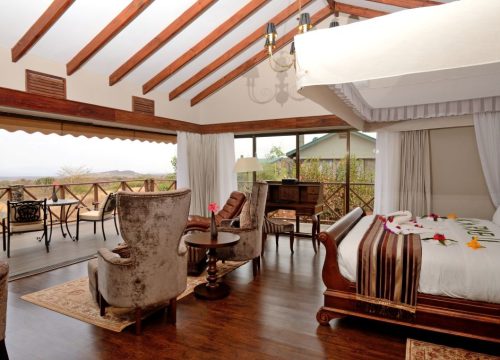
Mid-range safari: Stay in comfortable lodges and tented camps with private rooms, ensuite bathrooms and dining facilities, depending on the property.
Luxury safari: Enjoy premium lodges or tented camps, which may offer spacious suites, private decks, swimming pools and additional services.
The location of your accommodation matters as much as its category. Staying near your main game-viewing area can reduce unnecessary driving and provide more time in the parks.
Explore our Tanzania safari accommodation guide or contact us for accommodation recommendations that match your travel dates and budget.
How Much Does a 7-Day Tanzania Safari Cost?
The cost of a seven-day safari varies according to the number of travellers, travel season, accommodation category and activities included.
Your quotation may include:
- A private 4×4 safari vehicle with a professional guide.
- National park and conservation fees.
- Accommodation and meals during the safari.
- Game drives and scheduled transfers.
- Airport transfers, where included in your package.
International flights, visas, travel insurance, tips and optional activities may be excluded. Always check the inclusions and exclusions in your quotation before booking.
For an accurate price, share your travel dates, group size and preferred accommodation level with Ron Adventure.
What Should You Pack for a Seven-Day Safari?
Pack light and choose practical clothing for changing temperatures and outdoor activities.
Essential items include:
- Lightweight, comfortable clothing in neutral colours.
- A warm jacket for cool mornings and evenings.
- A hat, sunglasses and sunscreen.
- Comfortable shoes.
- Binoculars and a camera, if available.
- Insect repellent and personal toiletries.
- Any personal medication you need.
- A small day bag for game drives.
A soft-sided bag may be more practical than a large hard-shell suitcase, especially when travelling in safari vehicles with limited luggage space. Confirm luggage restrictions with your operator before departure.
Why Book Your Tanzania Safari with Ron Adventure?
Ron Adventure is a locally based tour company in Arusha, Tanzania. We help travellers plan safari experiences around their interests, travel dates and budgets.
When you book with us, you can discuss:
- Private safari arrangements for couples, families and small groups.
- Budget, mid-range and luxury accommodation.
- Routes designed around wildlife and seasonal migration patterns.
- Additional nights in the Serengeti or other destinations.
- Airport transfers and other travel arrangements.
Our aim is to create a practical itinerary that balances wildlife viewing, accommodation and travel time.
Frequently Asked Questions
Is seven days enough for a Tanzania safari? Yes. Seven days allows you to explore several major northern Tanzania wildlife destinations. A well-planned route can include Tarangire, Serengeti and Ngorongoro Crater, with Lake Manyara added when travel times and departure arrangements permit.
Can I see the Big Five in seven days? You have opportunities to look for lions, leopards, elephants, buffaloes and rhinoceroses. However, wildlife moves freely, and no operator can guarantee that you will see every member of the Big Five.
Is a private safari better for seven days? A private safari gives you more flexibility over game-drive stops, departure times and the pace of the trip. It is particularly useful for families, couples and photographers who want a more personal experience.
Can I customize this itinerary? Yes. You can change accommodation levels, add nights in the Serengeti or adjust the route around the Great Migration. The best option depends on your travel dates and priorities.
Should I book my safari in advance? Booking early is advisable, especially for July to October and the calving season. Popular lodges and camps can fill up quickly during these periods.
Plan Your 7-Day Tanzania Safari with Ron Adventure
Ready to explore Tarangire, the Serengeti and Ngorongoro Crater?
Let Ron Adventure help you plan a safari that matches your budget, travel dates and wildlife interests. We can recommend suitable accommodation, organize your route and provide a personalized quotation.
Ready to plan your Tanzania safari?
Our Arusha-based safari experts will create a free, personalized Tanzania safari itinerary within 3 hours, tailored to your budget, travel style, and interests..