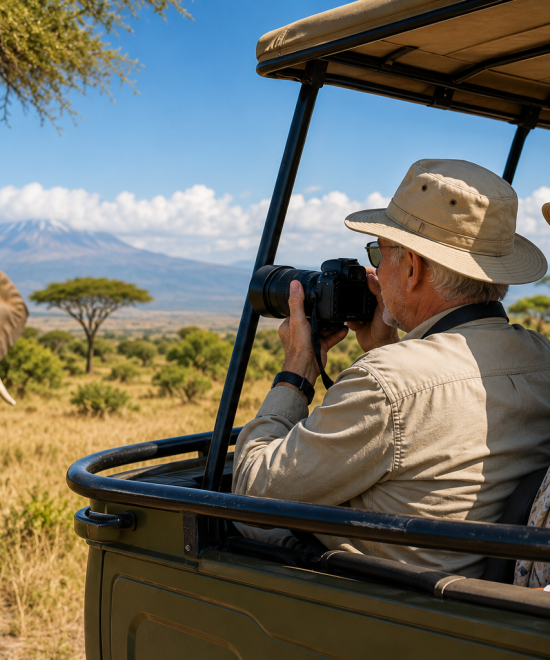
Africa is a continent of extraordinary landscapes, and its mountains offer some of the most rewarding hiking experiences in the world. From snow-covered summits and volcanic peaks to green valleys, dramatic cliffs, and remote mountain villages, there is something special about exploring Africa on foot.
Whether you are an experienced trekker looking for a challenging summit or a traveler hoping to enjoy beautiful mountain scenery, Africa has a wide range of hiking destinations to discover.
Mount Kilimanjaro in Tanzania is perhaps the most famous mountain trekking destination on the continent. However, other mountains, including Mount Kenya, Mount Meru, the Rwenzori Mountains, and the Atlas Mountains, also offer unforgettable adventures.
In this guide, we explore seven of the best mountain hiking destinations in Africa, including their highlights, trekking difficulty, recommended duration, and the best time to visit.
1. Mount Kilimanjaro, Tanzania
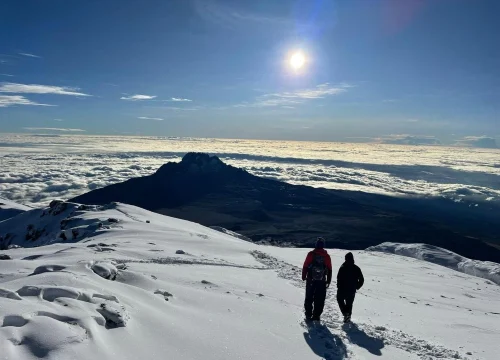
Mount Kilimanjaro is one of the most famous mountain hiking destinations in Africa. Located in northern Tanzania, near Moshi, it stands at 5,895 metres (19,341 feet) above sea level and is the highest mountain on the African continent.
Kilimanjaro attracts travelers from around the world who dream of reaching Uhuru Peak, the highest point on the mountain. Unlike many other high mountains, its standard trekking routes do not require technical rock climbing skills. However, the climb is physically demanding because of the altitude, cold temperatures, and long walking days.
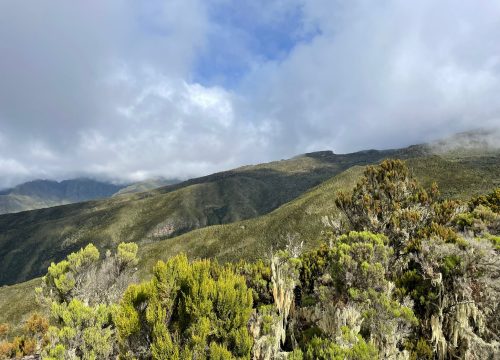
One of the most remarkable features of Mount Kilimanjaro is its changing vegetation. During the trek, hikers pass through cultivated farmland, tropical rainforest, heathland, alpine desert, and the summit zone. Each landscape offers a different experience.
Popular Mount Kilimanjaro Routes
There are several established routes for climbing Mount Kilimanjaro.
Machame Route: Known for its beautiful scenery and varied landscapes, the Machame Route is one of the most popular options. It is commonly completed in six or seven days, although longer itineraries may provide additional acclimatization time.
Lemosho Route: This route approaches Kilimanjaro from the western side. It is particularly attractive for its scenic landscapes and longer itineraries, which can allow more time for altitude acclimatization.
Marangu Route: Often called the Coca-Cola Route, Marangu is the only standard Kilimanjaro route with mountain hut accommodation instead of camping tents.
Rongai Route: Approaching from the northern side of the mountain near the Kenyan border, Rongai offers a different perspective of Kilimanjaro and is often less crowded during parts of the climb.
Umbwe Route: This is a steep and challenging route generally suited to experienced and physically fit trekkers.
Best Time to Climb Mount Kilimanjaro
The drier periods, particularly January to February and June to October, are generally popular for climbing Kilimanjaro. Weather conditions can still change quickly, especially near the summit.
For a successful climb, travelers should choose a suitable itinerary, train beforehand, and allow enough time for acclimatization.
Mount Kilimanjaro is an excellent choice for travelers seeking a memorable African mountain adventure.
2. Mount Kenya, Kenya
Mount Kenya is the second-highest mountain in Africa, reaching 5,199 metres (17,057 feet) at Batian Peak. It is located in central Kenya and is famous for its rugged peaks, alpine scenery, glaciers, and beautiful mountain valleys.
The mountain is part of Mount Kenya National Park, a UNESCO World Heritage Site. Its landscapes include dense forests, bamboo zones, alpine meadows, rocky ridges, and high-altitude lakes.
Mount Kenya has several summits. Batian and Nelion require technical climbing skills, while Point Lenana, at 4,985 metres, is the most popular trekking summit for hikers.
What Makes Mount Kenya Special?
Mount Kenya offers a different experience from Kilimanjaro. The scenery is more rugged, with dramatic rocky peaks and alpine landscapes.
Popular trekking routes include Sirimon, Chogoria, and Naro Moru. Many trekking itineraries combine two routes to experience different sections of the mountain.
Hikers may enjoy spectacular views of mountain lakes, valleys, and unusual high-altitude plants.
Best Time to Hike Mount Kenya
January to February and July to October are generally preferred for trekking because they tend to offer drier conditions.
Mount Kenya is suitable for adventurous hikers who enjoy challenging mountain terrain. Proper preparation and acclimatization are essential, especially for higher elevations.
3. Mount Meru, Tanzania
Mount Meru is one of Tanzania’s most beautiful mountain trekking destinations. Located within Arusha National Park, approximately 70 kilometres from Mount Kilimanjaro, it rises to 4,566 metres (14,980 feet).
Although Mount Meru is less famous than Kilimanjaro, it offers a remarkable trekking experience. The mountain is a dormant volcanic peak with a dramatic crater, steep ridges, forested slopes, and panoramic views.
Wildlife and Scenery on Mount Meru
One of the unique features of Mount Meru is the opportunity to encounter wildlife during the lower sections of the trek.
Hikers may see giraffes, buffaloes, bushbucks, and black-and-white colobus monkeys. Because the mountain lies within a national park, trekkers are accompanied by an armed park ranger.
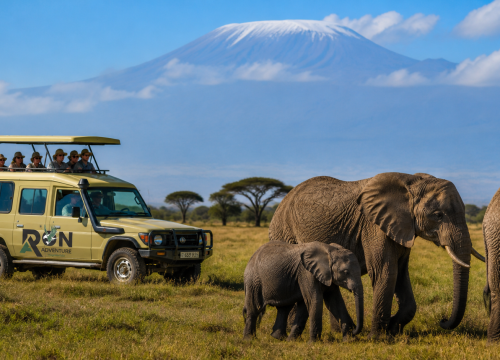
The summit, known as Socialist Peak, offers impressive views of the surrounding landscape. On clear days, Mount Kilimanjaro can be seen in the distance.
How Many Days Does Mount Meru Take?
Most Mount Meru trekking itineraries take three to four days.
The mountain is also a popular acclimatization trek before climbing Kilimanjaro. However, Mount Meru is a demanding mountain in its own right, and hikers should not underestimate its altitude or physical challenges.
For travelers interested in mountain trekking in Tanzania, Mount Meru is an excellent option.
Ready to Climb Mount Kilimanjaro or Mount Meru?
Discover Tanzania’s incredible mountain landscapes with Ron Adventure.
Our experienced local team can help you choose the right trekking route
and plan your mountain adventure.
The Simien Mountains are among the most spectacular mountain landscapes in Africa. Located in northern Ethiopia, this mountain range is famous for its dramatic escarpments, deep valleys, towering cliffs, and breathtaking highland scenery.
The Simien Mountains National Park is a UNESCO World Heritage Site and provides habitat for unique wildlife, including gelada monkeys, Walia ibex, and Ethiopian wolves.
Trekking in the Simien Mountains
Hiking in the Simien Mountains is an opportunity to explore remote landscapes and experience the natural beauty of Ethiopia.
Many trekking routes pass through high plateaus, mountain villages, and dramatic viewpoints. Multi-day treks often include camping in the mountains, allowing travelers to enjoy the scenery at a slower pace.
The Simien Mountains are particularly attractive to hikers who enjoy wilderness adventures, photography, and wildlife observation.
The trekking experience can be physically demanding because of the elevation and long walking days. Travelers should prepare for changing weather and arrange appropriate local guiding support.
5. Rwenzori Mountains, Uganda
The Rwenzori Mountains, also known as the Mountains of the Moon, are located along the border between Uganda and the Democratic Republic of Congo.
The mountain range is famous for its mist-covered peaks, glaciers, dense forests, giant lobelias, and unusual alpine vegetation.
Margherita Peak, at approximately 5,109 metres (16,763 feet), is the highest point of the Rwenzori Mountains.
Why Hike the Rwenzori Mountains?
The Rwenzori Mountains provide one of Africa’s most challenging and distinctive trekking experiences.
Unlike the relatively dry landscapes found on some other African mountains, the Rwenzoris are often wet and muddy. Hikers may encounter rain, slippery trails, and rapidly changing weather.
The vegetation is particularly remarkable. Giant groundsel plants, lobelias, and moss-covered forests create a landscape that feels very different from other mountain environments.
Reaching Margherita Peak requires a demanding expedition, appropriate equipment, and professional guiding.
The Rwenzori Mountains are best suited to experienced trekkers seeking a remote and challenging mountain adventure.
6. Drakensberg Mountains, South Africa
The Drakensberg Mountains are among the most beautiful hiking destinations in southern Africa. Located mainly in South Africa, the range is known for its dramatic cliffs, green valleys, waterfalls, and impressive rock formations.
The Drakensberg offers a wide range of hiking opportunities, from short scenic walks to demanding multi-day expeditions.
Popular Hiking Experiences
One of the most famous landmarks is the Amphitheatre, a massive wall of cliffs in the northern Drakensberg.
The region also features beautiful valleys, high mountain trails, and ancient San rock art sites. These cultural sites provide insight into the history of the region.
The Drakensberg is suitable for travelers with different hiking abilities. Some trails are relatively accessible, while others require excellent fitness, careful planning, and experience.
Spring and autumn can provide pleasant hiking conditions, although the weather varies according to altitude and location.
7. Atlas Mountains, Morocco
The Atlas Mountains stretch across Morocco, Algeria, and Tunisia. The Moroccan section is especially popular with travelers interested in mountain trekking, cultural experiences, and traditional villages.
Mount Toubkal, at approximately 4,167 metres (13,671 feet), is the highest peak in North Africa.
Trekking Mount Toubkal
Many trekking adventures begin near Imlil, a mountain village located south of Marrakech.
The routes pass through traditional Amazigh villages, valleys, mountain passes, and rocky landscapes. Travelers can experience both the natural scenery and the local culture.
Mount Toubkal is often climbed over two or more days, depending on the itinerary and acclimatization plan.
Although it is not generally a technical climb in normal summer conditions, the mountain can be challenging because of altitude, weather, and steep terrain.
The Atlas Mountains are an excellent choice for travelers who want to combine hiking with cultural exploration in North Africa.
Comparison of the Best Mountain Hiking Destinations in Africa
Mountain
Country
Elevation
Typical Trek Duration
Mount Kilimanjaro
Tanzania
5,895 m
6–9 days
Mount Kenya
Kenya
5,199 m
4–6 days
Mount Meru
Tanzania
4,566 m
3–4 days
Simien Mountains
Ethiopia
Varies by route
3–10 days
Rwenzori Mountains
Uganda
5,109 m
7–10 days or longer
Drakensberg Mountains
South Africa
Varies by route
1–5 days or longer
Atlas Mountains
Morocco
4,167 m at Mount Toubkal
2–4 days
Trekking durations are general estimates and depend on the route, fitness level, weather, and acclimatization schedule. Some summit climbs require technical skills.
Which Mountain Hiking Destination in Africa Is Best for Beginners?
The best mountain for beginners depends on fitness, hiking experience, altitude tolerance, and the type of adventure you want.
Mount Kilimanjaro can be suitable for beginners who are physically prepared and choose an itinerary that allows enough time for acclimatization. Although technical climbing skills are not required on its standard routes, the summit climb is physically demanding.
Mount Meru is another good option for travelers preparing for a more challenging expedition. Its shorter itinerary and beautiful scenery make it attractive, but it should not be considered an easy hike.
For travelers who prefer lower-altitude walks, some trails in the Drakensberg and Atlas Mountains may be more suitable.
The most important factor is choosing a route that matches your fitness level and experience rather than selecting a mountain based only on its height.
Best Time to Go Mountain Hiking in Africa
frica’s mountains have different weather patterns, so the best trekking season depends on the destination.
The ideal hiking season varies across Africa’s mountain ranges, depending on local weather conditions.
For Mount Kilimanjaro and Mount Meru in Tanzania, the months of January to February and June to October are generally favorable for trekking. Mount Kenya in neighboring Kenya is also popular during January to February, as well as July to October.
Travelers planning to explore Ethiopia’s Simien Mountains will often find October to March suitable for hiking. Meanwhile, the Rwenzori Mountains in Uganda are best explored during drier periods, although rainfall can occur throughout the year.
Spring and autumn provide pleasant hiking conditions in South Africa’s Drakensberg Mountains. In Morocco, these seasons are also popular for trekking in the Atlas Mountains, offering comfortable temperatures for outdoor adventures.
Before booking your trip, check the latest weather forecasts, trail conditions, and local trekking requirements. Winter can bring snow at higher elevations.
Before planning a trip, travelers should check current weather conditions, trail accessibility, permits, and local guiding requirements.
How to Prepare for Mountain Hiking in Africa
Proper preparation is important for a comfortable and successful mountain trekking experience.
Improve Your Physical Fitness
Begin training several weeks or months before your trip. Walking, hiking, stair climbing, and cardiovascular exercises can help improve endurance.
Your training should reflect the difficulty and duration of the mountain you plan to climb.
Choose the Right Trekking Route
Research your chosen route before booking. Consider the distance, elevation gain, number of days, terrain, accommodation, and acclimatization schedule.
For high-altitude mountains, longer itineraries may provide more time for acclimatization.
Pack the Appropriate Equipment
Essential trekking equipment may include:
Comfortable and well-tested hiking boots.
Waterproof jacket and trousers.
Warm layers and insulated clothing.
Hiking socks and gloves.
Trekking poles.
Headlamp with spare batteries.
Daypack and reusable water bottles.
Sunglasses and sunscreen.
Personal medication and a suitable first-aid kit.
The exact equipment depends on the mountain, season, and trekking itinerary.
Understand Altitude Acclimatization
High-altitude trekking can cause altitude-related illness. Symptoms may include headache, nausea, dizziness, and unusual fatigue.
Ascending gradually and following your guide’s instructions are important. If symptoms worsen, do not continue ascending. Seek assistance and descend when advised. Severe symptoms require urgent medical attention.
Book with a Qualified Trekking Operator
For multi-day mountain expeditions, a reliable trekking operator can assist with permits, guides, porters, accommodation, meals, route planning, and logistical support.
Before confirming your booking, ask about safety procedures, emergency communication, crew welfare, and the services included in the trekking package.
Frequently Asked Questions About Mountain Hiking in Africa
What is the best mountain hiking destination in Africa?
Mount Kilimanjaro in Tanzania is one of the most famous mountain hiking destinations in Africa. Other excellent destinations include Mount Kenya, Mount Meru, the Simien Mountains, the Rwenzori Mountains, the Drakensberg Mountains, and the Atlas Mountains.
What is the highest mountain in Africa?
Mount Kilimanjaro in Tanzania is the highest mountain in Africa, reaching 5,895 metres (19,341 feet) above sea level.
How many days does it take to climb Mount Kilimanjaro?
Most Kilimanjaro trekking itineraries take between six and nine days, depending on the route. Longer itineraries generally provide more time for acclimatization.
Is mountain hiking in Africa suitable for beginners?
Some African hiking routes are suitable for beginners, particularly shorter and lower-altitude trails. High-altitude climbs such as Kilimanjaro require good preparation, physical fitness, and an appropriate itinerary.
Can I combine mountain trekking with a Tanzania safari?
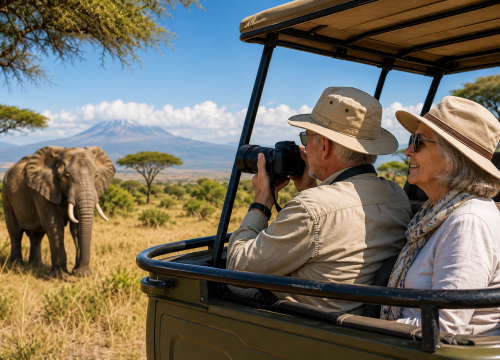
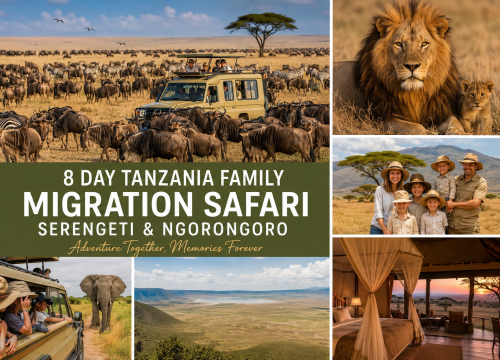
Yes. Many travelers combine a Kilimanjaro or Mount Meru trek with a wildlife safari to destinations such as Serengeti National Park, Ngorongoro Crater, and Tarangire National Park. This combination allows visitors to experience Tanzania’s mountains and wildlife in one trip.
Do I need a guide for mountain hiking in Africa?
Guiding requirements vary by destination and route. Kilimanjaro and Mount Meru climbs require organized guiding, and Mount Meru also requires a park ranger. Travelers should always check the regulations of the mountain they intend to hike.
Discover the Best Mountain Hiking Destinations in Africa
Africa offers a remarkable variety of mountain hiking experiences, from the iconic summit of Mount Kilimanjaro to the rugged peaks of Mount Kenya and the dramatic landscapes of the Atlas Mountains.
Each destination has its own scenery, challenges, and cultural experiences. Whether you prefer a multi-day summit expedition, a scenic mountain walk, or a challenging wilderness trek, Africa has an adventure worth discovering.
For travelers interested in mountain trekking in Tanzania, Mount Kilimanjaro and Mount Meru are outstanding choices. They offer beautiful landscapes, memorable hiking experiences, and the opportunity to explore northern Tanzania.
Ron Adventure, based in Arusha, Tanzania, specializes in guided mountain trekking and wildlife safaris. Our team can help you plan your trekking itinerary and combine your mountain adventure with a memorable Tanzania safari.
Your African mountain adventure begins with choosing the right destination, preparing properly, and traveling with the right support.
Start Your African Mountain Trekking Adventure
Are you dreaming of reaching the summit of Mount Kilimanjaro
or exploring the beautiful slopes of Mount Meru?
Ron Adventure is ready to help you plan an unforgettable
trekking experience in Tanzania.
Get in touch with our local team for trekking itineraries,
travel dates, and personalized quotations.