Introduction
Lake Manyara National Park is one of Tanzania’s most scenic and diverse wildlife destinations and an excellent introduction to the Northern Safari Circuit. Located at the base of the Great Rift Valley escarpment, the park is famous for its tree-climbing lions, large elephant herds, lush groundwater forests, and seasonal flocks of flamingos along the lake shore.
Although smaller than Serengeti National Park and Ngorongoro Crater, Lake Manyara offers exceptional biodiversity within a compact area, making it ideal for day trips, short safaris, and first-time visitors to Tanzania. The park provides a unique combination of forest, lake, grassland, and escarpment habitats that support a wide variety of wildlife and bird species.
This travel guide explains everything you need to know before visiting Lake Manyara National Park, including wildlife highlights, activities, the best time to visit, safari tips, and why it should be part of your Tanzania safari itinerary.
Overview of Lake Manyara National Park
Lake Manyara National Park extends over roughly 330 square kilometers, and about two-thirds of this area is covered by the shallow alkaline waters of Lake Manyara. Although the park is relatively compact compared to other protected areas in northern Tanzania, it supports a remarkably high concentration of wildlife within its boundaries.
Because of its convenient proximity to Arusha, the park is a preferred destination for travelers seeking rewarding game viewing within a short travel time. It is commonly scheduled as either the starting or concluding stop on northern circuit safari itineraries that also include Tarangire National Park, Ngorongoro Crater, and Serengeti National Park.
Lake Manyara National Park is known for its calm and scenic safari setting, making it particularly attractive for photography. Visitors can experience a variety of vegetation zones, from groundwater forest to open plains, together with consistent wildlife sightings across all seasons of the year.
Location and Accessibility
Lake Manyara National Park is located approximately 2 hours’ drive from Arusha town and about 1.5 hours from Mto wa Mbu village, the main gateway to the park.
The park is easily accessible by road and is commonly included in northern Tanzania safari itineraries. Travelers arriving at Kilimanjaro International Airport can reach the park on the same day they begin their safari.
Because of its convenient location, Lake Manyara is one of the best national parks in Tanzania for short safaris and day trips.
Wildlife in Lake Manyara National Park
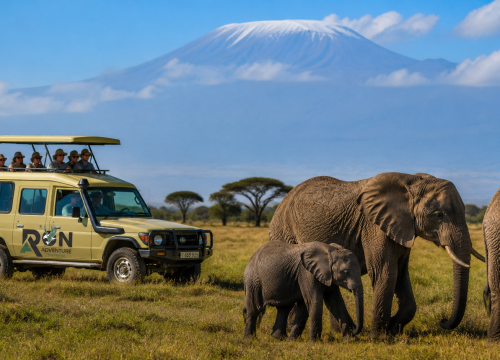
Lake Manyara National Park is home to a wide range of wildlife species that live across its forest, woodland, grassland, and lakeshore ecosystems.
Visitors commonly see:
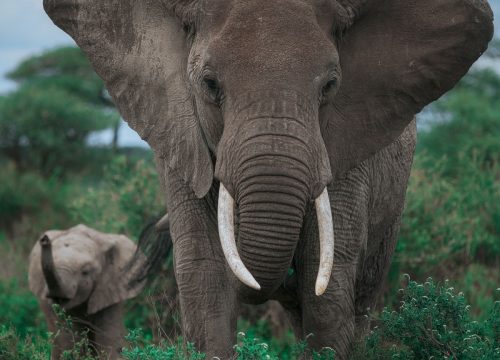
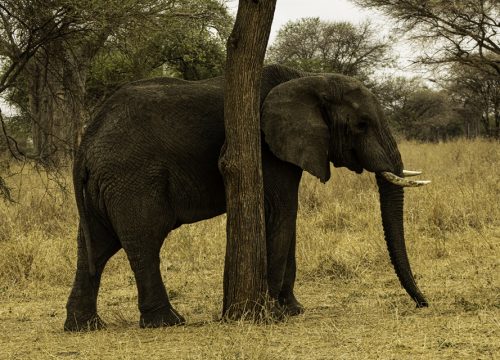
- African elephants
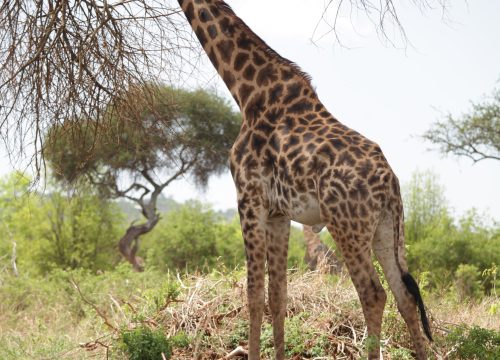
- Giraffes
- Zebras
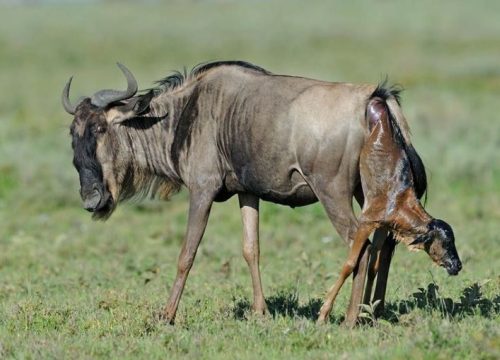
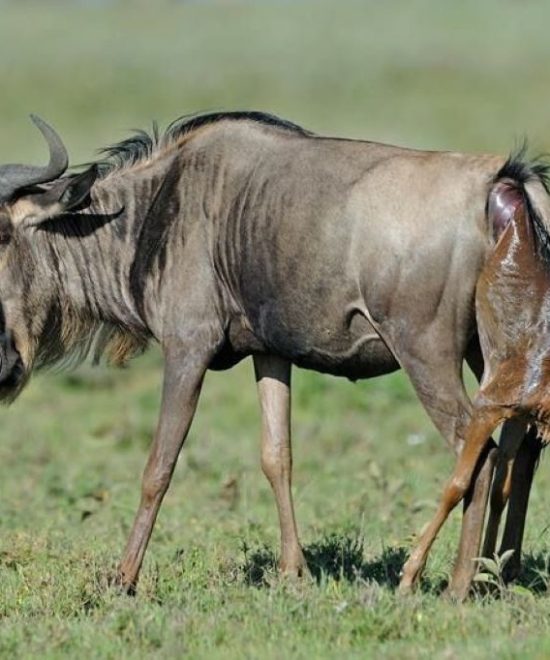
- Wildebeests
- Buffaloes
- Hippos
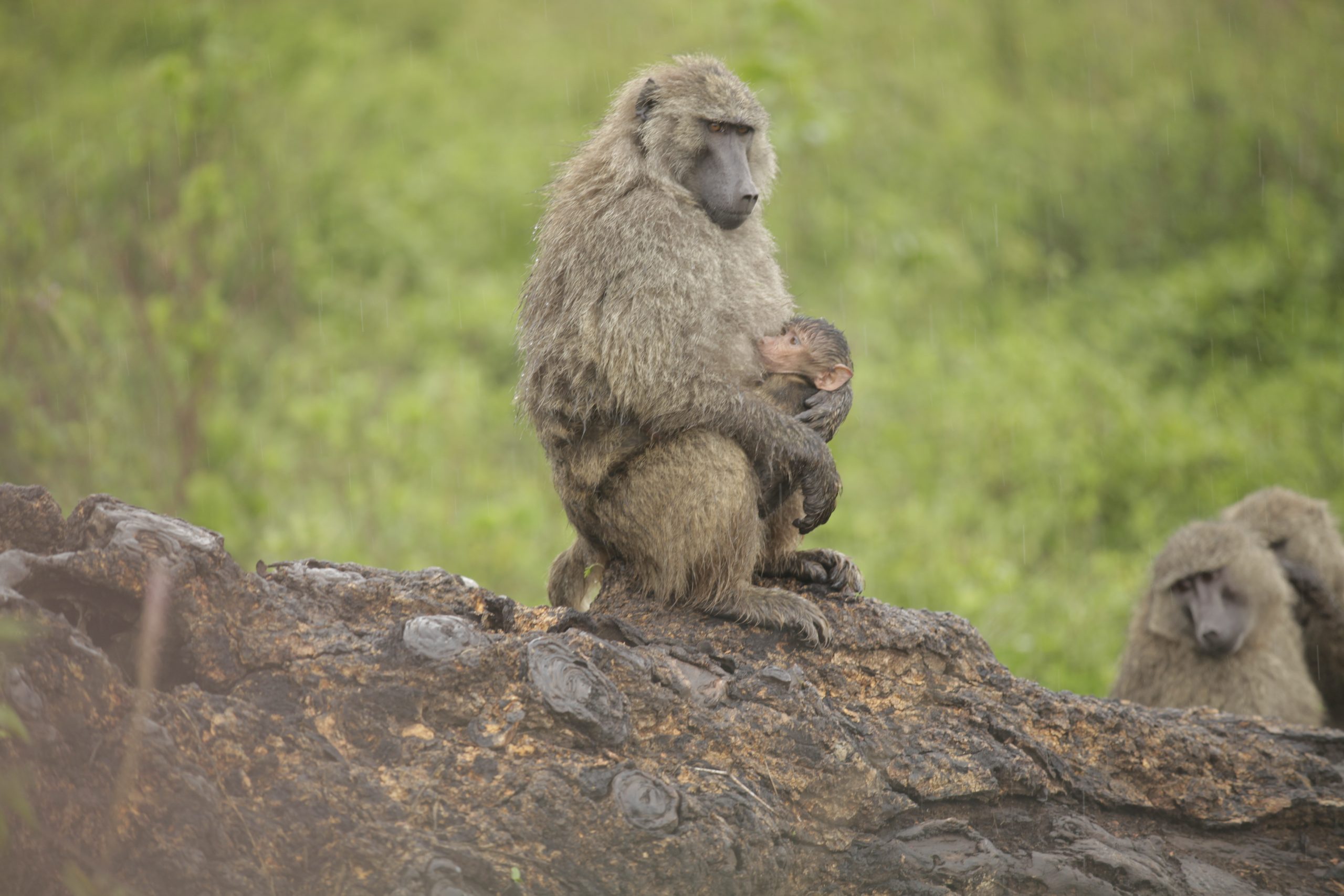
- Baboons
- Blue monkeys
- Warthogs
The park is also known for its large troops of baboons, which are among the most frequently seen primates during game drives.
Predators such as lions and leopards are present, although sightings depend on timing and seasonal conditions.
The Famous Tree-Climbing Lions
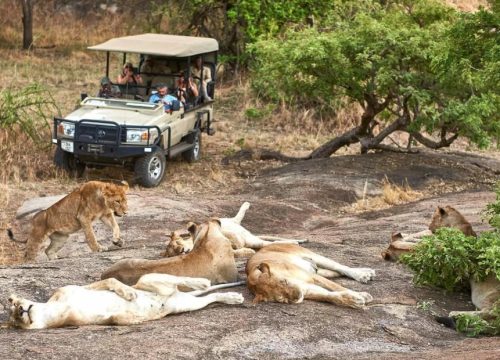
One of the most remarkable wildlife highlights of Lake Manyara National Park is its famous population of tree-climbing lions. Unlike most lion prides across Africa that prefer resting on the ground, lions in this park are frequently seen lounging along the branches of acacia trees.
Wildlife specialists suggest that this unusual behavior helps the lions escape biting insects on the forest floor and take advantage of cooler air above the savannah, especially during the warm midday hours. Although tree-climbing lions are occasionally reported in a few other regions, sightings here are among the most reliable.
For visitors on safari, spotting lions stretched across tree branches is a rare and memorable experience. It is considered one of the park’s signature attractions and offers exceptional opportunities for wildlife photography and close observation.
Birdlife and Flamingos in Lake Manyara National Park
Lake Manyara National Park is widely recognized as one of Tanzania’s richest birdwatching locations, hosting more than 400 recorded bird species across its diverse habitats, including groundwater forest, acacia woodland, open grassland, and the alkaline lake shoreline. This ecological variety supports both resident and migratory birds throughout the year, making the park especially attractive to nature enthusiasts and photographers.
The shallow alkaline waters of Lake Manyara regularly draw large flocks of flamingos, particularly during favorable water and algae conditions. At times, thousands gather along the lakeshore, forming impressive pink bands that create one of the park’s most memorable scenic highlights.
In addition to flamingos, visitors commonly observe a wide range of notable waterbirds and raptors such as pelicans, storks, hornbills, kingfishers, herons, and several eagle species. Seasonal variations also bring migratory birds from other regions of Africa and beyond, further increasing the park’s ornithological diversity.
Because of this exceptional concentration of species within a relatively compact area, Lake Manyara National Park is considered one of the most rewarding birdwatching destinations in northern Tanzania for both beginner and experienced birders.
Top Activities in Lake Manyara National Park
Game Drives
Game drives are the primary safari experience in Lake Manyara National Park and allow visitors to explore a remarkable range of ecosystems within a relatively small area. During a single drive, travelers may pass through groundwater forests inhabited by playful monkeys, open grasslands where zebras and antelopes graze, and lakeshore environments rich with flamingos and other waterbirds. This diversity makes the park ideal for short yet rewarding wildlife viewing excursions.
Canoeing (Seasonal Activity)
Canoeing on Lake Manyara is offered when the lake’s water levels are suitable. This guided activity provides a calm and scenic way to observe wildlife from the water itself. Visitors often encounter hippos resting nearby and a variety of bird species along the shoreline, creating excellent opportunities for photography and close observation in a peaceful setting.
Treetop Walkway
The treetop walkway in Lake Manyara offers a rare canopy-level adventure and is considered one of the most distinctive forest activities available in Tanzania’s national parks. Elevated suspension bridges lead visitors through the upper layers of the forest, where they can observe birds, butterflies, and primates from a unique vantage point above the ground.
Cultural Visits in Mto wa Mbu
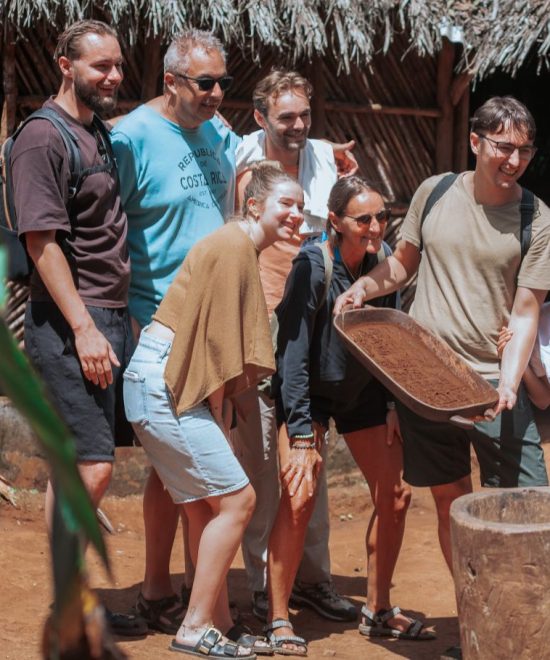
A cultural excursion to the nearby village of Mto wa Mbu provides an opportunity to experience everyday local life in northern Tanzania. Visitors can explore small farms, interact with community members, learn about traditional agricultural practices, and enjoy locally prepared dishes. This cultural experience is easily combined with a safari in Lake Manyara and adds meaningful context to the overall travel experience.
Best Time to Visit Lake Manyara National Park
Lake Manyara National Park is a year-round safari destination, and the experience visitors have can vary depending on the season they choose to travel.
Dry Season (June to October)
The dry months are generally the most suitable for wildlife viewing. During this time, animals often concentrate near permanent water sources, and the thinner vegetation improves visibility across the park. The climate is also cooler and more comfortable, making it an ideal period for extended game drives.
Green Season (November to May)
The green season offers excellent opportunities for birdwatching and nature photography. Rainfall refreshes the landscape, turning the park into a lush and colorful environment. Flamingos may be seen along the lake when water conditions are favorable. This period is also attractive for visitors who prefer fewer tourists and more affordable accommodation options.
Landscape and Ecosystems of Lake Manyara National Park
Lake Manyara National Park is celebrated for its remarkable ecological variety, which makes it a compact yet incredibly diverse safari destination. Despite its relatively small size, the park encompasses a wide range of habitats that sustain an abundance of wildlife and create striking scenery.
The main ecosystems within the park include:
- Groundwater Forests: Dense, shaded areas fed by natural springs, providing shelter for monkeys, baboons, and various bird species.
- Acacia Woodlands: Open woodlands where giraffes, elephants, and antelopes graze among iconic flat-topped acacia trees.
- Open Grasslands: Expansive plains that attract grazing herbivores and offer predators excellent hunting grounds.
- Swamps and Wetlands: Seasonal and permanent wetlands that support hippos, crocodiles, and a rich diversity of waterfowl.
- Alkaline Lake Shoreline: The edge of Lake Manyara, home to flocks of flamingos and other wading birds drawn by the nutrient-rich waters.
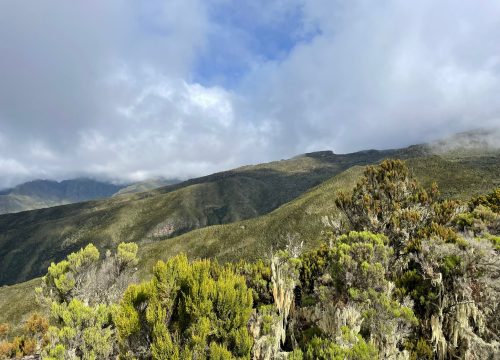
- Rift Valley Escarpments: Dramatic cliffs and rocky outcrops that provide panoramic views over the park and surrounding plains.
This mosaic of habitats not only supports a wide variety of animal and plant life but also creates a visually dynamic landscape. Visitors can experience dense forests, open savannahs, sparkling lakes, and steep escarpments all within a single game drive, giving Lake Manyara a unique character compared to other northern Tanzanian safari parks.
Lake Manyara Day Trip vs Overnight Safari
Day Trip Safari
A day trip to Lake Manyara National Park is perfect for travelers with tight schedules or those starting their safari from Arusha. Even in just one day, visitors can enjoy a rich variety of wildlife, including elephants, baboons, hippos, and numerous bird species. The park’s scenic landscapes, from dense forests to open plains and the shimmering lake, can also be explored during a single-day excursion. Day trips are a convenient option for those seeking a short but memorable safari experience without the need for overnight accommodation.
Overnight Safari
Choosing an overnight safari offers a deeper and more immersive experience. Staying within or near the park gives travelers extended time for game drives, increasing the likelihood of spotting elusive predators like lions, leopards, and cheetahs. Overnight safaris also allow you to enjoy early morning and late afternoon drives, which are peak activity periods for most wildlife. Additionally, guests can savor the tranquil beauty of the park after the day-trippers have left, witness stunning sunsets, and enjoy starry skies—an experience that adds a unique dimension to any safari. This option is ideal for those who want a more relaxed, in-depth exploration of Lake Manyara’s wildlife and landscapes.
Accommodation Options Near Lake Manyara National Park
Lake Manyara National Park offers a diverse range of accommodations to suit different preferences and budgets, from basic campsites to upscale lodges and luxury tented camps.
Affordable Stays
Travelers on a budget can choose from several campsites and simple lodges near the park. These options provide essential amenities and easy access to safari activities, making them ideal for backpackers, small groups, or those seeking a more authentic, nature-focused experience.
Mid-Range Lodges
Mid-level safari lodges offer a comfortable yet reasonably priced stay. They often include private rooms or tents, meals, and sometimes guided safari tours. These lodges are a popular choice for families and travelers looking for a combination of convenience and comfort.
Luxury Lodges and Tented Camps
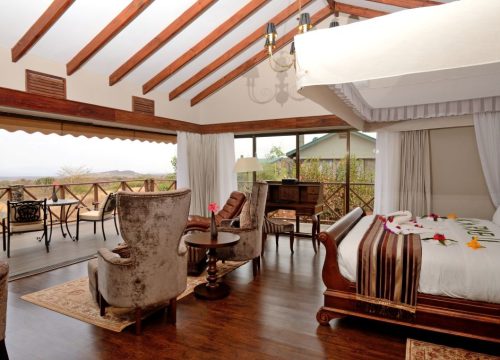
For visitors looking for a premium experience, luxury lodges and tented camps provide spacious accommodations, high-end dining, and personalized service. Many of these properties are situated along the Rift Valley escarpment, offering spectacular views of Lake Manyara and the surrounding wildlife. Guests can enjoy private decks, swimming pools, and safari excursions organized directly from the lodge.
Prime Locations
Most accommodations are conveniently located near the park entrance for quick access to game drives or along the escarpment to provide panoramic views of the lake and floodplains. This ensures that visitors can enjoy both convenience and stunning scenery throughout their stay
Safari Tips for Visiting Lake Manyara National Park
Proper preparation can significantly enhance your safari experience at Lake Manyara National Park. The following tips can help make your visit more enjoyable and productive:
Use Binoculars for Wildlife and Birdwatching
Bringing binoculars is highly recommended for spotting birds and wildlife from a distance. Lake Manyara hosts a diverse range of bird species, including flamingos, kingfishers, and hornbills. Clear viewing helps you appreciate the rich avian life and overall wildlife in the park.
Protect Yourself from the Sun
The sun can be intense, particularly during midday game drives. Sunscreen, a wide-brimmed hat, and sunglasses are essential. Wearing lightweight, breathable clothing in neutral tones keeps you comfortable while preventing animals from being disturbed by bright colors.
Always Be Ready to Capture Moments
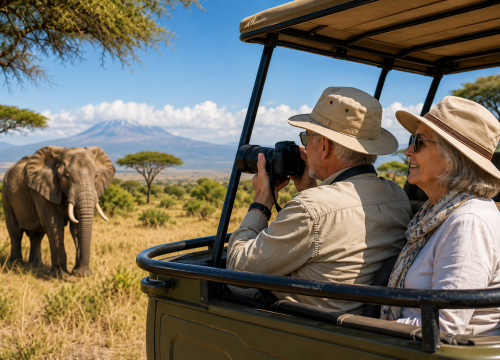
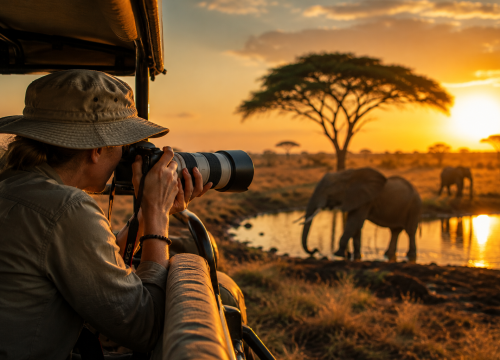
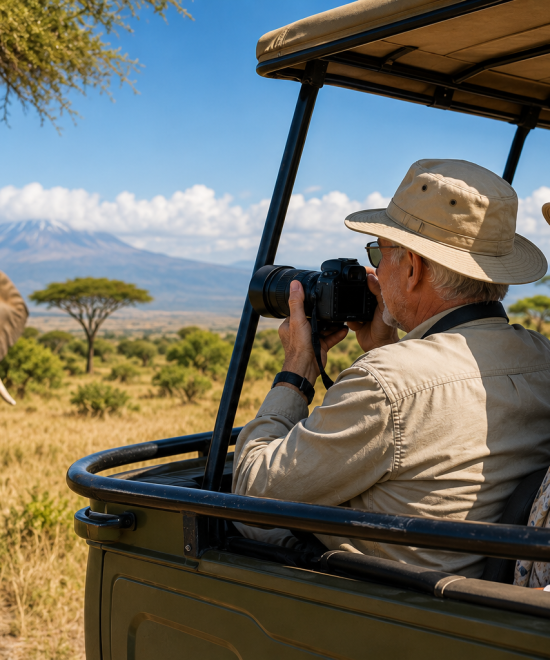
Wildlife in Lake Manyara can appear unexpectedly. Keep your camera or smartphone accessible to capture sightings like elephants, giraffes, or the famous tree-climbing lions. A telephoto or zoom lens is helpful for photographing animals at a distance.
Travel with an Experienced Safari Guide
Guides with local knowledge can provide insights on animal behavior, plant life, and park geography. They also improve your chances of spotting elusive animals and ensure safety during your game drives.
Stay Hydrated and Carry Essentials
Bring plenty of water, light snacks, and a small first-aid kit to stay comfortable during long drives. A compact backpack allows you to carry your items conveniently while keeping your hands free for photography and binocular use.
Plan Based on the Season
Visiting during different seasons offers unique experiences. The dry season (June–October) is ideal for wildlife viewing as animals gather near water sources. The green season (November–May) is perfect for birdwatching and enjoying lush landscapes. Packing appropriate gear for the season ensures a more fulfilling safari.
Follow Wildlife and Park Guidelines
Always maintain a safe distance from animals, avoid loud noises, and respect all park rules. Practicing responsible safari behavior helps protect the wildlife and environment while ensuring a safe and enjoyable visit for all.
Why Include Lake Manyara in Your Tanzania Safari
Lake Manyara National Park is one of the best parks for introducing visitors to Tanzania’s wildlife diversity within a short travel distance from Arusha.
It offers:
- Unique tree-climbing lions
- Large elephant populations
- Excellent birdwatching opportunities
- Scenic Rift Valley landscapes
- Easy accessibility from major safari routes
Because of these advantages, Lake Manyara fits perfectly into both short safaris and extended northern circuit itineraries.
Sample Lake Manyara Safari Itinerary
Here’s a suggested itinerary for a memorable Lake Manyara safari, with added details to help travelers plan their visit:
Day 1: Arrival and Full-Day Safari in Lake Manyara
Start your journey from Arusha in the morning and drive toward Lake Manyara National Park. Begin a full-day game drive, exploring the park’s diverse habitats—from dense forests to open plains and the lakeshore. Enjoy a picnic lunch inside the park while surrounded by wildlife. In the afternoon, continue your safari, keeping an eye out for elephants, hippos, giraffes, zebras, and the famous tree-climbing lions. Conclude the day with an overnight stay at a lodge or tented camp near the park, allowing for easy access to early morning safaris.
Day 2: Morning Safari or Cultural Experience
For early risers, an optional morning game drive offers the chance to see wildlife during cooler hours when animals are more active. Alternatively, travelers can explore the nearby Mto wa Mbu village to experience local culture, taste traditional foods, and interact with the Maasai community. Afterward, continue your journey to either Ngorongoro Crater or Tarangire National Park, depending on your safari plan.
Additional Notes for the Itinerary:
- Wildlife Highlights: Lake Manyara is known for its tree-climbing lions, large elephant herds, and diverse birdlife, including flamingos and pelicans.
- Accommodation Tips: Choose lodges or tented camps near the park entrance for convenience or along the escarpment for scenic views of the lake.
- Best Time to Visit: Dry season (June–October) is ideal for spotting wildlife, while the green season (November–May) is perfect for birdwatching and lush scenery.
- Packing Essentials: Binoculars, a camera with a zoom lens, sunscreen, a hat, and neutral-colored clothing are recommended.
- Travel Tips: Always travel with an experienced guide to enhance wildlife spotting and ensure safety during game drives.
Conclusion
Lake Manyara National Park is a captivating destination and one of Tanzania’s top choices for a short but unforgettable safari. The park’s unique mix of dense acacia forests, open plains, and the picturesque lakeshore provides a variety of habitats that support diverse wildlife. Visitors can witness elephants, giraffes, hippos, and the park’s famous tree-climbing lions, while birdwatchers can enjoy hundreds of species, including flamingos and pelicans.
Whether you are on a day trip from Arusha or including it as part of a longer northern Tanzania safari circuit, Lake Manyara offers an enriching wildlife experience combined with stunning landscapes. Its accessibility, rich biodiversity, and opportunities for both game drives and cultural encounters make it a must-visit destination for anyone seeking to explore Tanzania’s natural beauty.
Additional Notes:
- Ideal for Photography: The mix of landscapes, wildlife, and birds makes the park perfect for photographers.
- Family-Friendly Safari: Its compact size and varied wildlife make it suitable for travelers of all ages.
- Combination with Other Parks: Often paired with Tarangire or Ngorongoro Crater for a comprehensive northern Tanzania safari.
- Seasonal Highlights: The dry season offers easier wildlife spotting, while the green season brings vibrant scenery and abundant birdlife