Introduction
Tanzania is widely recognized as one of the most culturally rich and diverse nations in Africa. In addition to its world-famous wildlife safaris, the towering Mount Kilimanjaro, and the stunning beaches of Zanzibar, the country is also home to a large number of indigenous communities. These communities, often described as groups or ethnic groups, each possess distinct languages, traditions, and cultural practices that form an important part of Tanzania’s heritage.
Exploring the different groups of Tanzania allows visitors to gain a deeper understanding of the nation’s cultural identity. Every Community maintains its own way of life, social organization, rituals, and historical background. While some communities focus primarily on agriculture, others are known for cattle herding, craftsmanship, or traditional hunting practices that have been preserved for generations.
Modern Tanzania is known for its stability and unity, where many ethnic groups coexist peacefully while continuing to maintain their unique cultural traditions. For travelers visiting the country for safaris or cultural experiences, learning about these local communities can add meaningful insight to their journey.
This guide highlights several of the most prominent communities in Tanzania, introducing their traditions, historical background, and the important role they play in shaping the country’s cultural diversity.
Table of contents
How Many Communities Are in Tanzania?
Tanzania is home to more than 120 ethnic Groups, making it one of the most culturally diverse countries in Africa. Each Community has its own language or dialect, although Swahili serves as the national language that unites all communities across the country.
The communities vary in population size, cultural practices, and traditional economic activities. Some groups are large agricultural communities, while others maintain pastoral or hunter-gatherer lifestyles.
Major tribal groups include:
- Sukuma
- Nyamwezi
- Chagga
- Maasai
- Haya
- Hehe
- Makonde
- Iraqw
- Hadzabe
- Gogo
- Zaramo
- Nyakyusa
Despite these differences, Tanzanians share a strong sense of national unity and peaceful coexistence.
Sukuma
The Sukuma are the largest ethnic group in Tanzania, representing approximately 16% of the country’s population. They mainly live in the northwestern region near Lake Victoria, particularly in Mwanza, Shinyanga, and Simiyu regions.
The Sukuma people are traditionally farmers and cattle keepers, growing crops such as maize, rice, cotton, and cassava.
Important cultural features of the Sukuma include:
• Traditional dance performances such as the Bugobogobo dance
• Spiritual beliefs connected to ancestral spirits
• Traditional healing practices
• Community-based village organization
Sukuma cultural festivals are colorful events featuring music, dancing, and storytelling that preserve the community’s long-standing traditions.
Nyamwezi
The Nyamwezi are the second-largest ethnic community in Tanzania and share close cultural and historical ties with the Sukuma people. The word Nyamwezi is commonly interpreted as “people of the moon.”
Most members of the Nyamwezi live in the central and western parts of Tanzania, with a large population found in the Tabora region.
In the nineteenth century, the Nyamwezi became widely recognized for their role as skilled traders and caravan organizers. They were heavily involved in the long-distance trade networks that linked inland regions of East Africa with the coastal trading centers along the Indian Ocean. Through these routes, they transported goods such as ivory, salt, and other valuable commodities.
Traditional Nyamwezi culture emphasizes several key values, including:
- organized leadership and strong local governance
- rich traditions of music, dance, and cultural ceremonies
- agricultural activities and livestock keeping
- cooperation and unity within the community
Because of their historical involvement in trade and their strong cultural traditions, the Nyamwezi have made significant contributions to the cultural and economic development of central Tanzania.
Chagga
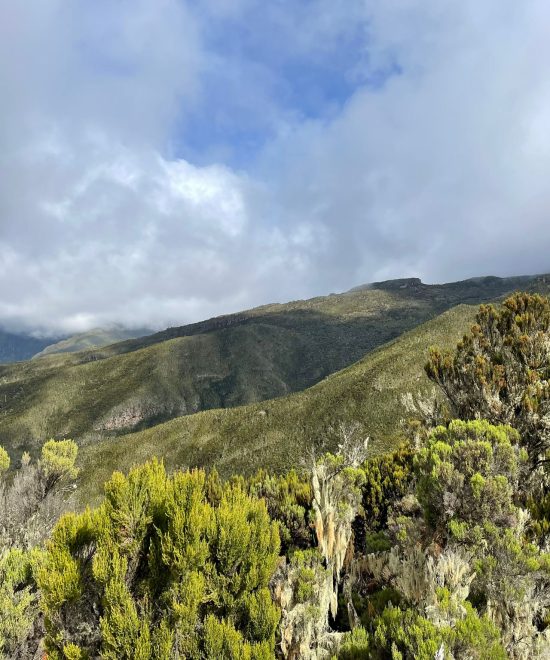
The Chagga live on the fertile slopes of Mount Kilimanjaro, Africa’s highest mountain. The Chagga are well known for their advanced farming techniques and strong entrepreneurial culture.
Their main economic activities include:
- coffee farming
- banana cultivation
- small-scale trade and business
The Chagga developed an impressive traditional irrigation system that allowed them to farm efficiently on mountain slopes. Many Chagga families have historically emphasized education and economic development, making them one of the most economically active communities in Tanzania.
Visitors climbing Mount Kilimanjaro often pass through traditional Chagga villages where cultural tours showcase:
• local coffee processing
• traditional banana beer
• underground caves used during tribal conflicts in the past
Maasai
The Maasai are one of the most famous communities in East Africa. They live in northern Tanzania and southern Kenya, particularly near Serengeti, Ngorongoro Conservation Area, and the Maasai Steppe.
The Maasai are traditionally semi-nomadic pastoralists who depend on cattle for their livelihood.
Distinctive characteristics of the Maasai include:
• red traditional clothing known as Shuka
• elaborate beadwork jewelry
• warrior traditions
• cattle-based culture and economy
Maasai villages, called bomas, consist of circular homes built with mud, sticks, and cow dung.
Many cultural tours in Tanzania include visits to Maasai villages where visitors can learn about traditional dances, lifestyle, and social organization.
Which Community Is Famous in Tanzania?
Among the many Communities in Tanzania, the Maasai are the most internationally famous.
Several factors contribute to their global recognition:
- distinctive clothing and jewelry
- strong warrior traditions
- cultural preservation
- location near major safari parks like Serengeti and Ngorongoro
The Maasai have become a symbol of East African culture and are often featured in documentaries, tourism campaigns, and cultural experiences.
However, many other Groups, such as the Chagga, Hadzabe, and Makonde, also have unique cultures that attract visitors interested in authentic cultural tourism.

Hadza (Hadzabe)
The Hadza, sometimes referred to as the Hadzabe, are considered one of the few remaining hunter-gatherer communities in Africa that still practice a largely traditional way of life. They inhabit the region around Lake Eyasi in northern Tanzania, located southwest of the Ngorongoro highlands.
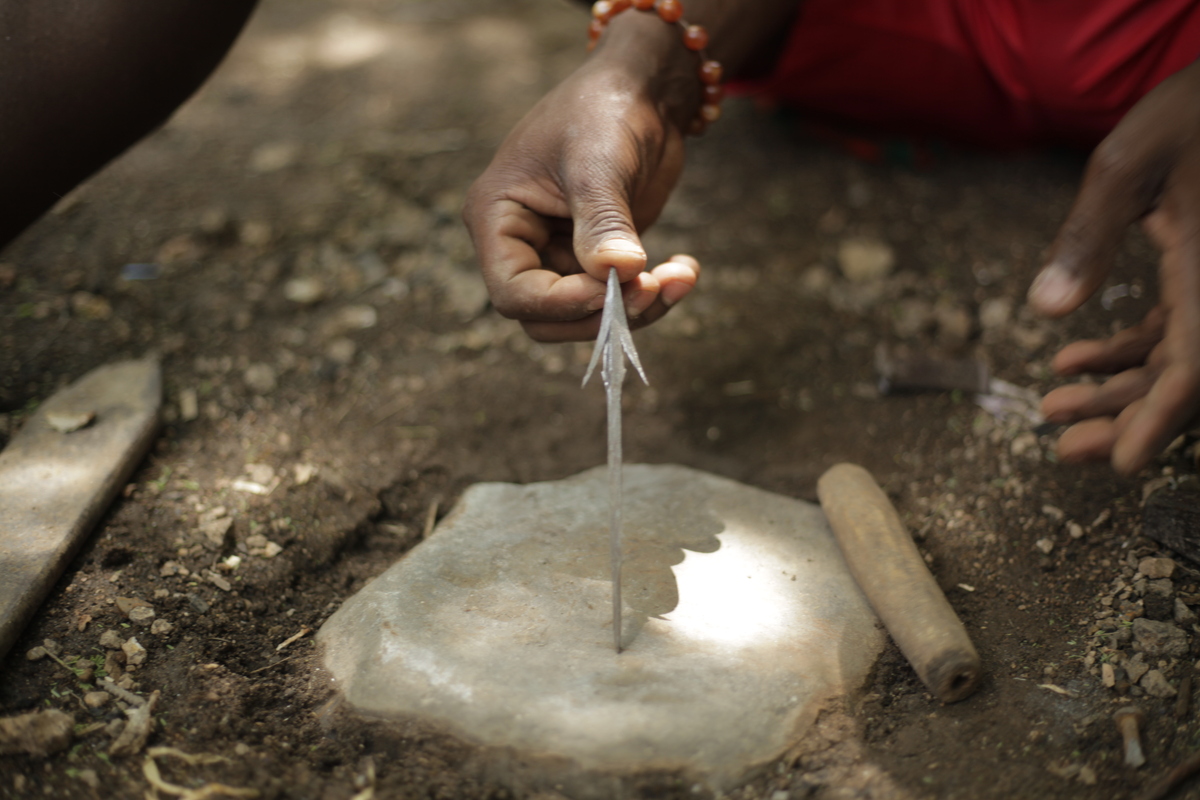
Unlike many other ethnic groups in Tanzania that rely mainly on farming or livestock keeping, the Hadza continue to depend on natural resources for their survival. Their daily life revolves around hunting and gathering activities that have been practiced for thousands of years. Men usually hunt small animals and birds using handmade bows and arrows, while women gather wild fruits, roots, berries, and honey from the surrounding bushland.
The Hadza live in small, temporary camps that can easily be moved as they follow seasonal food sources. Their language is also distinctive and includes clicking sounds, which makes it quite different from most other languages spoken in Tanzania.
For travelers interested in cultural experiences, visiting a Hadza community near Lake Eyasi provides a unique chance to learn about one of the world’s oldest surviving human lifestyles and gain insight into a traditional hunter-gatherer culture that has remained largely unchanged for generations.

Makonde
The Makonde live mainly in southern Tanzania and northern Mozambique. They are internationally known for their exceptional wood carving skills.
Makonde art is famous worldwide and often features:
- detailed sculptures
- spiritual figures
- symbolic carvings
- the famous Tree of Life sculpture
These carvings represent stories of ancestors, spirits, and community relationships.
Makonde art has become an important cultural export and is displayed in museums and galleries around the world.
Hehe
The Hehe people are an ethnic community found mainly in the Iringa region of southern Tanzania. They are well known in Tanzanian history for their strong resistance to German colonial rule in the late nineteenth century.
A prominent historical figure among the Hehe was Chief Mkwawa, a respected leader who organized and led his people in several confrontations against German colonial forces. His leadership and bravery made him an important symbol of resistance and courage in Tanzanian history.
In modern times, the Hehe community mainly depends on farming, livestock keeping, and small-scale trade as their primary sources of livelihood. Their agricultural activities include cultivating crops such as maize, beans, and other staple foods that support local communities.
The story of the Hehe and their resistance under Chief Mkwawa continues to be an important chapter in Tanzania’s historical heritage, representing the spirit of determination and the early struggle against colonial domination.
Haya
The Haya live near Lake Victoria in northwestern Tanzania, particularly in the Kagera region.
The Haya have a long history of advanced agriculture and ironworking technology. Historical research suggests that the Haya developed early forms of steel production centuries ago, making them one of the most technologically innovative groups in East Africa.
The Haya people are also known for:
- banana cultivation
- fishing activities
- traditional music and dance
Bananas play an important role in their diet and cultural ceremonies.
Iraqw T
The Iraqw live in northern Tanzania, especially in the regions around Karatu and Mbulu, near the Ngorongoro Highlands.
The Iraqw people traditionally practice mixed farming, raising livestock while cultivating crops such as maize and beans.
Their culture includes unique architectural traditions, with houses built in semi-underground structures that protect families from harsh weather conditions.
The Iraqw are also known for their strong community traditions and complex social organization.
Other Communities in Tanzania
Besides the larger and more widely recognized ethnic groups, Tanzania is also home to numerous smaller groups that contribute significantly to the country’s cultural richness. Some of these communities include:
• Gogo – an ethnic group mainly found in central Tanzania, traditionally known for farming and livestock keeping.
• Zaramo – a coastal community living mainly around the Dar es Salaam region.
• Nyakyusa – located in southern Tanzania near Lake Nyasa, recognized for their strong agricultural traditions.
• Pare – people living in northeastern Tanzania around the Pare Mountains, with a long history of farming on mountainous terrain.
• Sambaa – a community found in the Usambara Mountains, known for cultivating crops in fertile highland areas.
• Makua – an ethnic group living in southern Tanzania and across the border in northern Mozambique.
Together, these and many other groups form an important part of Tanzania’s cultural heritage, reflecting the country’s remarkable ethnic diversity and long-standing traditions.
Cultural Tourism and Tribal Experiences
Cultural tourism has become an important part of the travel experience in Tanzania. Many travelers visiting for wildlife safaris also choose to explore local cultures through organized cultural tours.
Popular cultural experiences include:
• visiting Maasai villages near Serengeti or Ngorongoro
• exploring Chagga villages on the slopes of Mount Kilimanjaro
• meeting the Hadzabe hunter-gatherers near Lake Eyasi
• learning traditional crafts and farming practices
These cultural interactions allow visitors to understand Tanzania beyond wildlife and landscapes.
Conclusion
Tanzania’s Communities represent a fascinating mosaic of cultures, languages, and traditions that have developed over thousands of years. From the pastoral Maasai community and the agricultural Chagga people to the Hadzabe hunter-gatherer community, each group contributes to Tanzania’s unique cultural identity.
With more than 120 ethnic groups living peacefully together, Tanzania stands as an example of cultural diversity and national unity in Africa.
For travelers exploring the country, learning about Tanzania’s Communities adds depth and meaning to the safari experience. Cultural visits provide opportunities to connect with local communities, understand traditional ways of life, and appreciate the rich human heritage that makes Tanzania truly special.


Materuni Waterfalls and Coffee Tour: Best Day Trip from Moshi

Tanzania Travel Bucket List 2027: 20 Unforgettable Experiences
Tanzania Safari for Older Travelers: Complete Travel Guide
Marangu Route Kilimanjaro: Complete Guide, Itinerary, Cost & Tips
Kilimanjaro Lemosho Route: Complete Guide, Itinerary, Cost, Difficulty & Tips

Tanzania Safari Accommodations: Luxury, Mid-Range & Budget Guide
Safari Photography Tips for Beginners in Tanzania

Tanzania Safari FAQs: Answering 100 Common Questions Before You Visit Tanzania
First-Time Tanzania Safari: 30 Things Nobody Tells You

25 Animals You Can See on a Tanzania Safari: Complete Wildlife Guide
Ngorongoro Crater from Karatu: Price, Distance, Itinerary & Travel Guide
Serengeti Fly-In Safari from Zanzibar | Mara River Crossing 2026
8 Day Tanzania Family Migration Safari

7 Day Tanzania Family Safari Great Migration Serengeti
Tanzania Safari in December and January: Best Time for Great Migration and Holiday Travel
Zanzibar Travel Guide- Best Beaches, Things to Do & Perfect Safari Extension from Tanzania
6-Day Tanzania Family Migration Safari
Materuni Waterfalls and Coffee Tour: Best Day Trip from Moshi

Tanzania Travel Bucket List 2027: 20 Unforgettable Experiences
Tanzania Safari for Older Travelers: Complete Travel Guide
Marangu Route Kilimanjaro: Complete Guide, Itinerary, Cost & Tips