Mto wa Mbu stands out as one of northern Tanzania’s most engaging cultural towns. Found near Lake Manyara National Park and beneath the dramatic Great Rift Valley escarpment, the town is a lively blend of culture, farming, nature, and tourism. For travelers on their way to famous destinations such as the Serengeti, Ngorongoro Crater, or Tarangire National Park, Mto wa Mbu offers much more than a brief pause; it provides a genuine look into everyday Tanzanian life.
This guide takes you through what makes Mto wa Mbu distinctive, including key attractions, activities to enjoy, local food options, and helpful tips for planning your visit.

Table of Contents
- Introduction to Mto wa Mbu
- Where is Mto wa Mbu Located?
- History and Cultural Diversity
- Daily Life in Mto wa Mbu
- Top Things to Do in Mto wa Mbu
- Mto wa Mbu Village Tour Experience
- Food and Local Cuisine
- Markets, Art, and Handicrafts
- Best Time to Visit Mto wa Mbu
- Where to Stay
- How to Get to Mto wa Mbu
- Why Mto wa Mbu Is Important to Safari Travelers
- Travel Tips for Visitors
1. Introduction to Mto wa Mbu
Mto wa Mbu gets its name from a Swahili phrase describing a nearby stream, yet the town itself is anything but harsh. It is a lush and productive settlement where agriculture thrives alongside tourism and small businesses. Known for its hands-on cultural experiences, extensive banana cultivation, colorful local art, and genuinely welcoming residents, Mto wa Mbu offers visitors a rich and authentic experience.
2. Where is Mto wa Mbu Located?
Mto wa Mbu is found in northern Tanzania, in an area that plays a key role in the country’s most popular travel and safari routes. The town lies roughly 120 kilometers from Arusha, the main starting point for many safari adventures, and is just a short drive from Lake Manyara National Park, making it an ideal base for exploring the region.
Positioned along the primary road linking northern Tanzania’s famous wildlife destinations, Mto wa Mbu is frequently passed by travelers heading toward the Serengeti plains or the Ngorongoro highlands. Its convenient location allows visitors to experience local life without straying far from their safari journey.
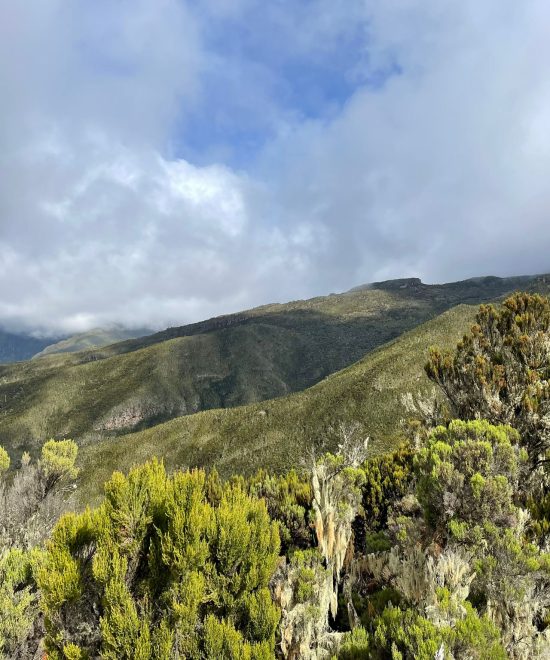
Set against the lower slopes of the Great Rift Valley, the town benefits from striking natural surroundings and nutrient-rich volcanic ground. These conditions support successful agriculture and give Mto wa Mbu its lush appearance, which contrasts strongly with the drier landscapes nearby.
3. Cultural Diversity in Mto wa Mbu
Mto wa Mbu is considered one of Tanzania’s most culturally rich towns, home to a remarkable mix of ethnic groups. Over 120 ethnic groups live in and around the town, creating a colorful and dynamic community. Some of the largest groups include:
- Iraqw
- Chagga
- Maasai
- Pare
- Nyakyusa
- Sukuma
This wide ethnic diversity shapes daily life in Mto wa Mbu. Visitors can experience a unique blend of languages, cuisines, architectural styles, and local customs, all coexisting in a vibrant, interactive environment. Traditional practices are visible in everyday activities, from market life to local festivals, giving travelers an authentic taste of Tanzanian culture beyond the usual safari experiences.
4. Daily Life in Mto wa Mbu
Life in Mto wa Mbu revolves around a mix of agriculture, commerce, and tourism, creating a lively yet grounded atmosphere. Farming is central to the town’s economy, with locals cultivating bananas, rice, maize, beans, and a variety of vegetables. Many of these crops are grown using traditional irrigation methods, which have been passed down through generations.
Daily life is colorful and active. It’s common to see people riding bicycles, selling fresh fruit at local markets, preparing and serving street food, or greeting visitors with warmth and friendliness. While the town hums with activity, it maintains a relaxed and welcoming vibe, reflecting a strong connection to the land and the community’s traditions.
Mto wa Mbu offers travelers a chance to witness authentic Tanzanian life firsthand, providing cultural immersion that goes beyond typical tourist experiences.

5. Top Things to Do in Mto wa Mbu
Mto wa Mbu offers a unique combination of cultural experiences and nature-based activities, making it a rewarding stop for travelers who want more than just a safari. Some of the top activities include:
- Guided village walks to experience everyday life and interact with residents
- Tours of banana plantations to see one of the town’s main crops and farming practices
- Learning the traditional brewing process of banana beer, a local specialty
- Exploring rice fields and other agricultural areas to understand rural Tanzanian farming
- Bicycle tours through the countryside, passing lush farmland and scenic landscapes
- Visits to local schools and artisan workshops to see education and craftsmanship in action
- Tasting traditional Tanzanian dishes, often made with fresh local ingredients
- Watching local artists at work, including painters, carvers, and craft makers
These activities give visitors a hands-on experience of Tanzanian culture, agriculture, and creative arts, all within a short distance from the town center. Whether you enjoy outdoor adventures, cultural immersion, or culinary experiences, Mto wa Mbu has something for every traveler

6. Experiencing a Village Tour in Mto wa Mbu
One of the most enriching experiences in Mto wa Mbu is taking a guided tour through the local villages, which provides an authentic look at everyday life. With a knowledgeable local guide, visitors can explore:
- Farming areas and irrigation channels, where residents grow bananas, rice, maize, and vegetables using traditional methods
- Homes of various ethnic communities, offering a window into their unique customs and ways of living
- Artisan workshops, where local crafts such as wood carvings, textiles, and handmade souvenirs are created
- Neighborhood markets and small businesses, highlighting daily trade and entrepreneurial activity
Throughout the tour, travelers witness how locals cook, farm, raise children, and maintain their households, gaining a deeper understanding of the town’s culture. The experience is both educational and respectful, allowing visitors to connect with the community while supporting local livelihoods.
7. Food and Local Cuisine in Mto wa Mbu
Mto wa Mbu is well known for its unique local cuisine, particularly dishes made from bananas, which are a staple in the region. Visitors can enjoy a variety of traditional foods, such as:
- Bananas served with meat stews, combining sweet and savory flavors
- Ugali, the classic maize-based dish found across Tanzania
- Rice and beans are a nutritious and widely eaten staple
- Freshly made chapati, a soft flatbread often served with sauces or stews
- Locally grown vegetables, prepared in simple, flavorful ways
- Banana-based beverages, including homemade banana beer and wine
Many village tours or cultural experiences include a home-cooked lunch prepared by local women’s groups, giving travelers a chance to taste authentic flavors while supporting community initiatives. These meals not only highlight local ingredients but also provide insight into traditional cooking techniques and daily life in Mto wa Mbu.

8. Exploring Markets, Art, and Handicrafts in Mto wa Mbu
Mto wa Mbu is renowned for its dynamic art culture and bustling local markets. Visitors can discover a wide range of handmade crafts and artworks, such as:
- Tingatinga-style paintings, known for their bold colors and unique Tanzanian motifs
- Wooden carvings, often depicting animals, everyday scenes, or cultural symbols
- Beaded jewelry, created using traditional methods passed down through generations
- Handwoven baskets, made from natural fibers for practical use or decoration
- Locally crafted textiles, featuring distinctive patterns that reflect the region’s heritage
Purchasing these items not only gives travelers a memorable keepsake but also supports local artisans and their families, helping preserve traditional skills and cultural practices. Visitors can enjoy interacting with craft makers, watching the creative process, and learning about the town’s artistic traditions.
9. Best Time to Visit Mto wa Mbu
Mto wa Mbu is a destination that can be explored throughout the year, but the experience varies depending on the season. Choosing the right time to visit can enhance activities like village walks, farm tours, and market visits. The seasons are generally as follows:
- June to October – This is the dry and cooler period, ideal for walking tours, cycling trips, and outdoor adventures. The pleasant weather makes it easier to explore farms, villages, and natural surroundings.
- January to March – During these months, the weather is warm and sunny, and the landscape is lush and vibrant following the short rains. It’s a great time for photography, cultural experiences, and seeing the countryside at its greenest.
- April to May – This is the rainy season, when the town becomes tranquil, and the scenery is exceptionally green and fertile. Although some roads may be slippery, it’s perfect for travelers looking for a peaceful, less crowded experience.
By planning visits according to the seasons, travelers can tailor their Mto wa Mbu experience to their interests, whether it’s sightseeing, cultural immersion, or enjoying the natural beauty.
10. Accommodation Options in Mto wa Mbu
Mto wa Mbu offers a variety of places to stay, catering to travelers with different needs and budgets. Visitors can choose from:
- Budget guesthouses, which provide simple, clean, and affordable lodging for those traveling on a tight budget
- Mid-range lodges, offering more comfort, extra amenities, and often picturesque views of the surrounding farmland
- Safari-style camps near Lake Manyara, perfect for travelers who want to combine a stay with wildlife viewing and easy access to the park
Most travelers spend one night in Mto wa Mbu, either before setting out on a safari to Serengeti or Ngorongoro, or after returning. Staying in town gives visitors a chance to experience local life, markets, and traditional cuisine, while also resting comfortably before continuing their journey.
11. How to Get to Mto wa Mbu
Mto wa Mbu is easily reachable from Arusha, the main hub for northern Tanzania safaris. By car, the journey typically takes around 2 to 2.5 hours, depending on traffic and road conditions. Its location along the main safari route makes it a convenient stop for travelers heading to the Serengeti, Ngorongoro, or Tarangire.
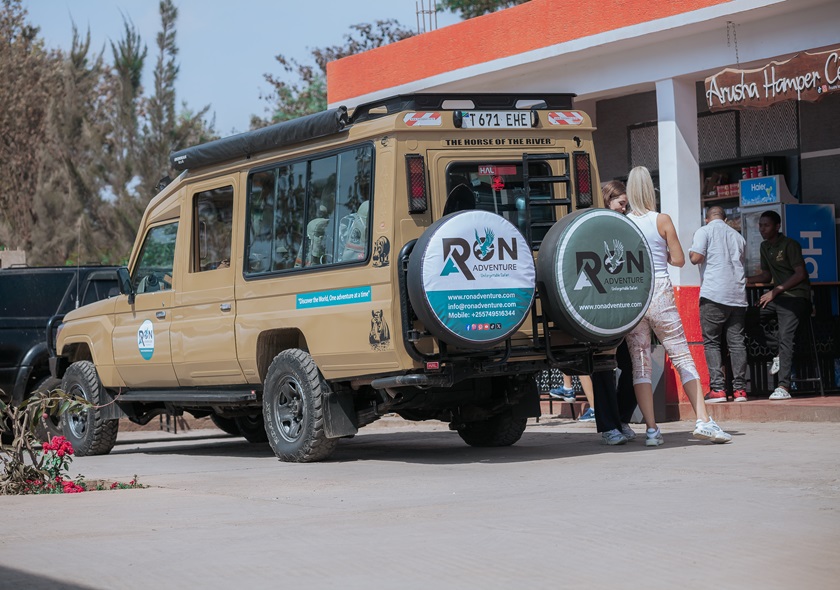
Many visitors choose to arrive as part of a safari tour, often arranged through local operators such as Ron Adventure or similar companies. Independent travelers can also hire private cars, taxis, or take organized tour buses, all of which make visiting Mto wa Mbu straightforward. Its position on a popular safari corridor means that transport options are reliable, and travel is relatively easy.
12. The Significance of Mto wa Mbu for Safari Travelers
Mto wa Mbu provides a cultural perspective that complements the classic safari adventure. While Tanzania’s national parks offer spectacular wildlife sightings, this town gives visitors a chance to see the daily lives, traditions, and communities of local people. Travelers can experience how residents farm, cook, sell goods, and maintain their homes, creating a personal connection that adds meaning to the journey.
Visiting Mto wa Mbu allows for a well-rounded experience, blending natural beauty with cultural immersion. Tourists can explore markets, taste traditional dishes, observe local art, and participate in village activities, offering insights into Tanzanian life that go beyond observing animals in the wild. This makes the safari experience more engaging, educational, and memorable.
13. Practical Travel Tips for Mto wa Mbu Visitors
To make the most of your visit to Mto wa Mbu, it’s important to be considerate and prepared. Here are some helpful guidelines:
- Dress respectfully, particularly in villages and cultural sites, to honor local customs
- Always ask before taking photos of people, homes, or ceremonies, as privacy is valued
- Support local shops and artisans by buying crafts, produce, or services directly from residents
- Carry small bills or coins for easier payment when purchasing souvenirs or handmade goods
- Observe local traditions and social practices, showing respect for the community’s way of life
Following these tips helps travelers connect genuinely with the local culture, ensures a positive impact on the community, and makes the visit safer and more rewarding.

Conclusion: Discovering Mto wa Mbu
Mto wa Mbu is much more than a simple stopover—it is a living showcase of Tanzanian culture, nestled at the foot of the Great Rift Valley. The town offers travelers a chance to immerse themselves in local life, from traditional farming and village routines to markets, crafts, and home-cooked cuisine.
For anyone traveling to Lake Manyara, Ngorongoro, or the Serengeti, including Mto wa Mbu in the itinerary adds a rich cultural dimension to a wildlife-focused adventure. Visitors leave with lasting memories, meaningful interactions, and a deeper appreciation for Tanzania’s people, traditions, and flavors.
A visit to Mto wa Mbu ensures that a safari is not just about seeing animals but also about experiencing the heart of northern Tanzania’s communities.


Materuni Waterfalls and Coffee Tour: Best Day Trip from Moshi

Tanzania Travel Bucket List 2027: 20 Unforgettable Experiences

Tanzania Safari for Older Travelers: Complete Travel Guide
Marangu Route Kilimanjaro: Complete Guide, Itinerary, Cost & Tips
Kilimanjaro Lemosho Route: Complete Guide, Itinerary, Cost, Difficulty & Tips
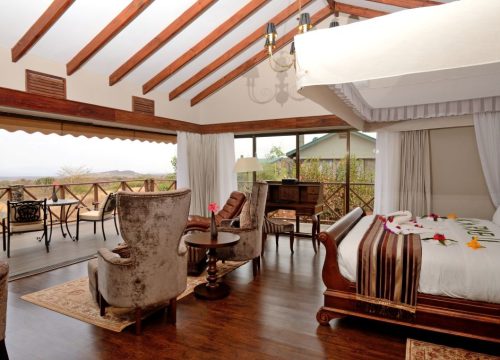
Tanzania Safari Accommodations: Luxury, Mid-Range & Budget Guide

Safari Photography Tips for Beginners in Tanzania

Tanzania Safari FAQs: Answering 100 Common Questions Before You Visit Tanzania

First-Time Tanzania Safari: 30 Things Nobody Tells You

25 Animals You Can See on a Tanzania Safari: Complete Wildlife Guide
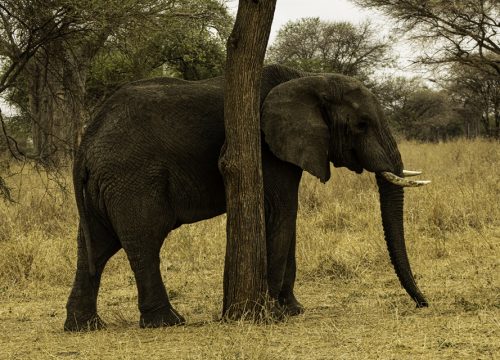
Ngorongoro Crater from Karatu: Price, Distance, Itinerary & Travel Guide

Serengeti Fly-In Safari from Zanzibar | Mara River Crossing 2026
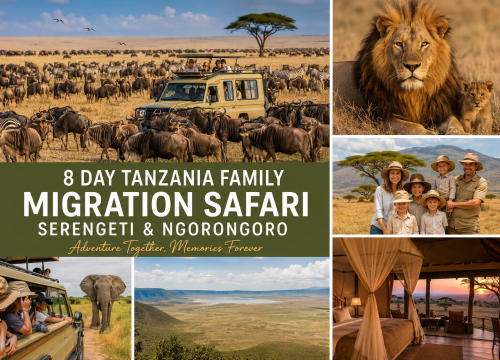
8 Day Tanzania Family Migration Safari

7 Day Tanzania Family Safari Great Migration Serengeti
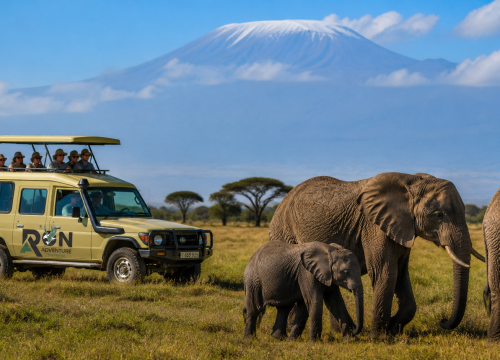
Tanzania Safari in December and January: Best Time for Great Migration and Holiday Travel
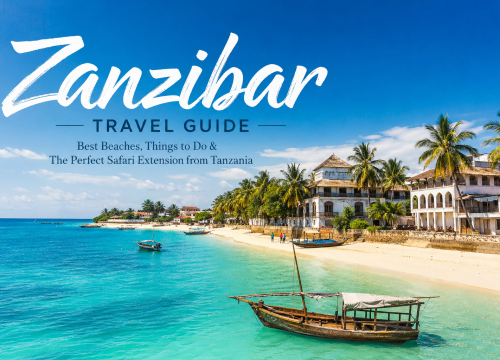
Zanzibar Travel Guide- Best Beaches, Things to Do & Perfect Safari Extension from Tanzania
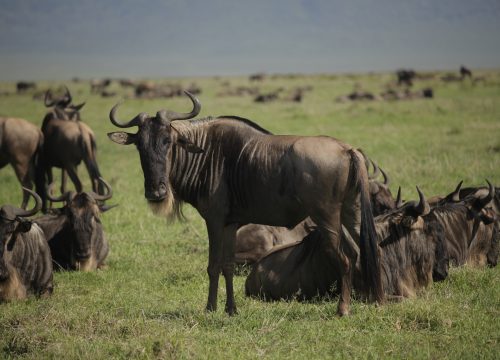
6-Day Tanzania Family Migration Safari
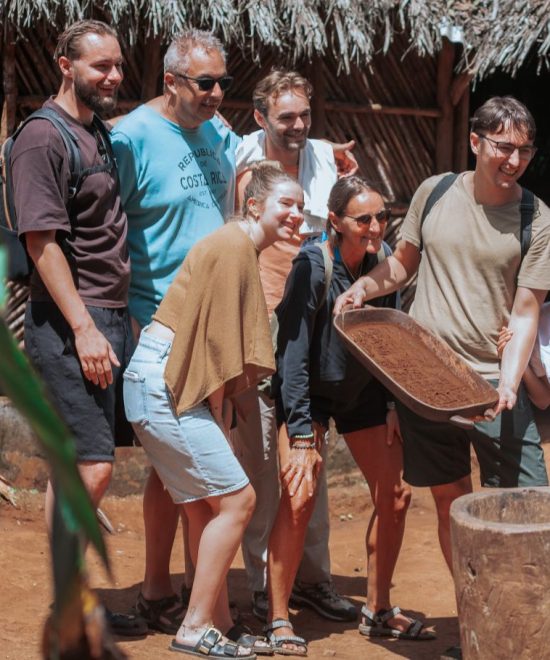
Materuni Waterfalls and Coffee Tour: Best Day Trip from Moshi

Tanzania Travel Bucket List 2027: 20 Unforgettable Experiences

Tanzania Safari for Older Travelers: Complete Travel Guide
Marangu Route Kilimanjaro: Complete Guide, Itinerary, Cost & Tips