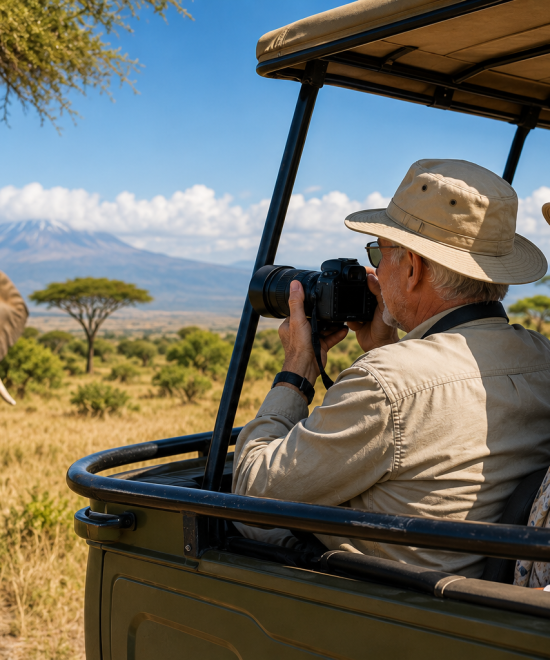
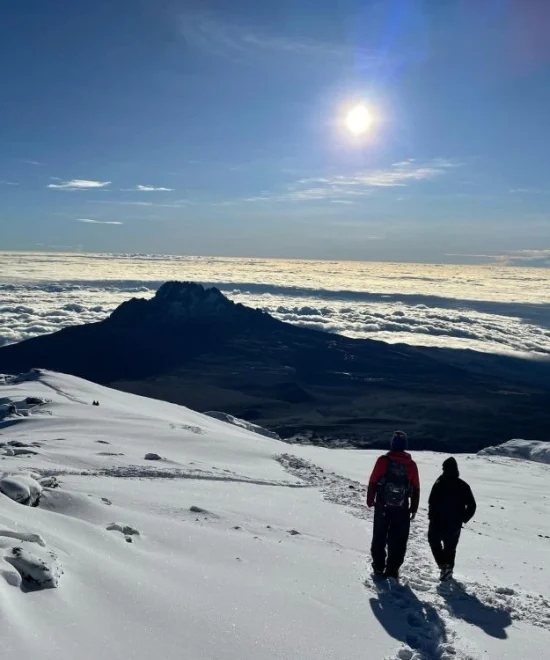
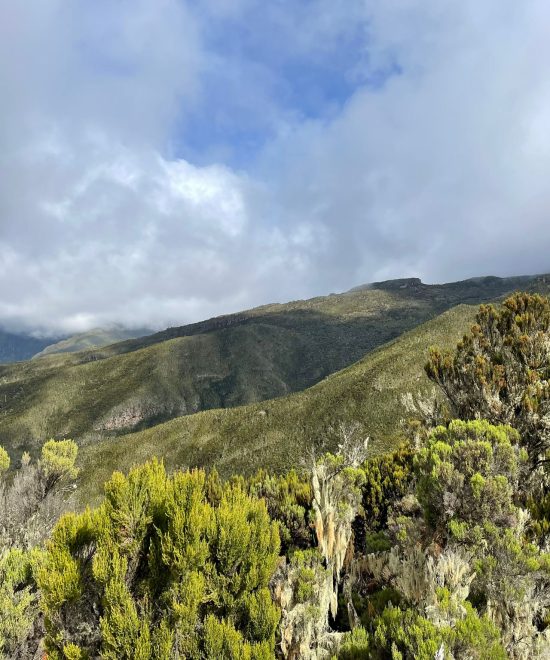
A low season safari in Tanzania is an excellent choice for travellers who want to explore Africa’s wildlife, enjoy green landscapes, and avoid the busiest travel periods. The rainy season transforms the national parks into beautiful green wilderness areas. It also brings excellent birdwatching and opportunities for wildlife photography.
But is the low season the right time for your safari?
The answer depends on your travel dates, budget, and wildlife interests. Some months offer lush scenery and fewer visitors, while others bring remarkable wildlife events, including the Great Wildebeest Migration calving season.
In this guide, Ron Adventure explains the best months to visit, what to expect from the weather, which national parks to explore, and how to plan a rewarding Tanzania safari during the green season.
When Is the Low Season in Tanzania?
Tanzania’s safari low season generally includes parts of the rainy seasons, although the exact dates vary by destination and accommodation.
The main rainy periods are:
- November to December: The short rains usually bring fresh grass and greener landscapes.
- March to May: The long rains bring more sustained rainfall, particularly in April and May.
January and February are also important months for green-season travel, especially in the southern Serengeti and Ndutu area. These locations are famous for the wildebeest calving season.
However, January and February can be busy around the calving areas. They should not automatically be considered the cheapest months for every safari.
The best travel period depends on the parks you want to visit and the experience you hope to enjoy.
Why Choose a Low Season Safari in Tanzania?
Travelling during the green season offers several advantages. It can be particularly rewarding for nature lovers, photographers, couples, and travellers seeking a quieter safari experience.
Enjoy Beautiful Green Landscapes
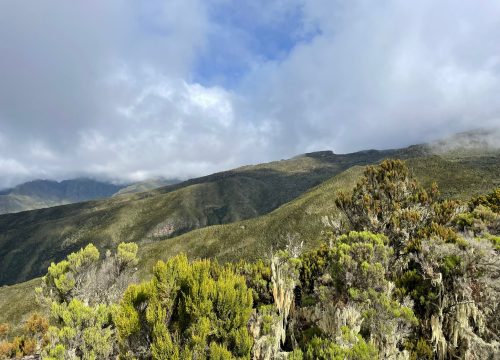
easonal rains transform Tanzania’s dry plains into green grasslands. Trees and vegetation become lush, while dramatic clouds create beautiful scenery.
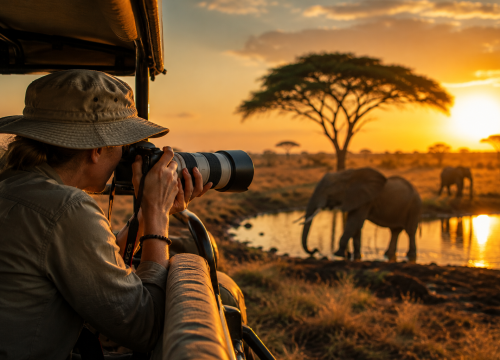
The Serengeti is especially attractive during this period. Its open plains and changing skies provide wonderful opportunities for landscape and wildlife photography.
If you enjoy photographing nature, the green season can offer a different perspective from the dry months.
Experience Quieter National Parks
Many travellers prefer Tanzania’s dry season, especially July to October. As a result, some destinations are quieter during parts of the rainy season.
Fewer visitors can mean a more relaxed experience at selected lodges and wildlife viewing areas.
However, visitor numbers vary by park and month. Popular locations during the wildebeest calving season can still attract considerable demand.
Find Potential Savings on Safari Accommodation
The low season can provide opportunities to save money on accommodation and safari packages.
Some lodges and tented camps offer seasonal discounts. These savings can make a private safari or a higher accommodation category more accessible.
However, not every lodge offers the same discount. Prices also depend on your travel dates, accommodation choice, park fees, and the number of people travelling.
For the best value, compare the complete safari cost rather than looking only at the accommodation rate.
Enjoy Excellent Birdwatching
The green season is an exciting time for bird enthusiasts.
Migratory birds arrive in Tanzania, while resident species display colourful breeding plumage and increased activity. Wetlands, lakes, forests, and grasslands provide different birdwatching opportunities.
Lake Manyara and the Serengeti are particularly interesting destinations for travellers who want to combine wildlife viewing with birdwatching.
A knowledgeable local guide can help identify species and find suitable viewing locations.
Discover Young Wildlife
The green season overlaps with important breeding periods for several wildlife species.
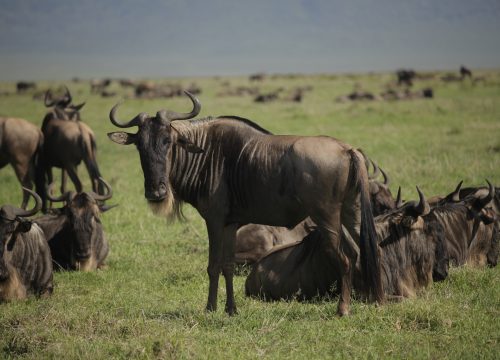
The southern Serengeti and Ndutu plains are especially famous for wildebeest calving, usually from January to March, with the timing varying according to rainfall and grass conditions.
Thousands of calves may be born during a concentrated period. This attracts predators and creates opportunities to observe natural behaviour.
If seeing the Great Migration calving season is your priority, plan your safari around the wildlife rather than simply choosing the cheapest month.
Tanzania Weather During the Green Season
Tanzania’s weather varies by region, altitude, and month. Rainfall can also differ from one year to another.
During the green season, you can expect warm daytime conditions, cooler mornings in some areas, and occasional or sustained rain depending on your destination and travel dates.
November to December
The short rains often arrive as showers, although heavier or more prolonged rainfall is possible.
The landscape becomes greener, and birdwatching can be rewarding. Many safari activities continue as normal, depending on local weather and road conditions.
This period can suit travellers looking for green scenery and a quieter safari outside the busiest travel dates.
March to May
The long rains usually bring more challenging travel conditions, particularly in April and May.
Some roads become muddy, and driving times may increase. Certain camps may close seasonally, so it is important to confirm accommodation availability before booking.
The rewards include fresh scenery, excellent photographic conditions, and potentially attractive accommodation rates.
A flexible itinerary is especially useful during these months.
What Should You Pack?
For a comfortable green-season safari, bring:
- A lightweight waterproof jacket.
- Comfortable walking shoes or hiking boots.
- Neutral-coloured clothing for game drives.
- Sunscreen, sunglasses, and a hat.
- A waterproof bag or cover for your camera.
- Insect repellent and personal essentials.
Your guide can also advise you about conditions expected in each destination.
Best National Parks for a Low Season Safari in Tanzania
Choosing the right parks is one of the most important parts of planning your trip. Each destination offers a different experience during the green season.
Serengeti National Park
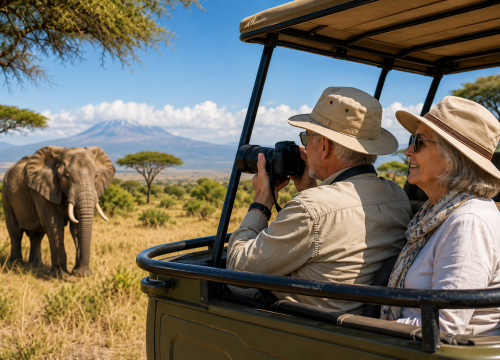
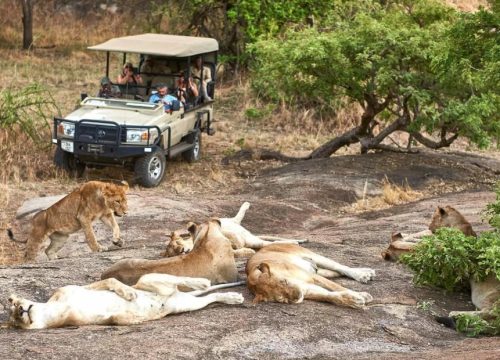
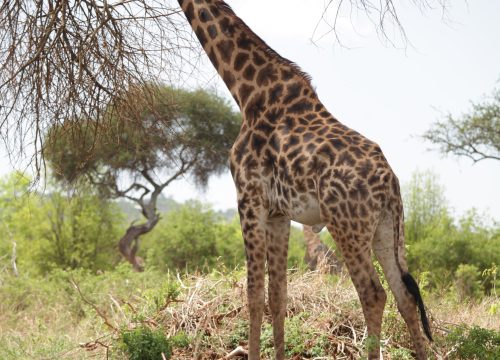
The Serengeti is one of Tanzania’s most famous safari destinations. Its wildlife includes lions, elephants, leopards, cheetahs, giraffes, zebras, and large herds of wildebeest.
During January to March, the southern Serengeti and Ndutu region can be excellent places to experience the wildebeest calving season.
Other parts of the park offer different wildlife experiences throughout the year. Your route should therefore reflect the expected location of the herds during your travel dates.
The green season is also attractive for photographers who want to capture wildlife against lush grasslands and dramatic skies.
Explore our Tanzania safari tours to begin planning your Serengeti adventure.
Ngorongoro Crater
Ngorongoro Crater is a rewarding destination throughout the year.
Its enclosed volcanic landscape supports a wide range of wildlife, including lions, elephants, buffaloes, zebras, and, with luck, the endangered black rhino.
The crater’s varied habitats make it a strong option for travellers who want to see several wildlife species in one game drive.
Rain can affect road conditions and visibility, but the crater remains an important destination for a green-season safari.
Tarangire National Park
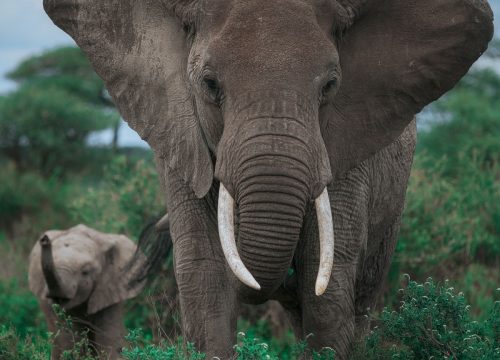
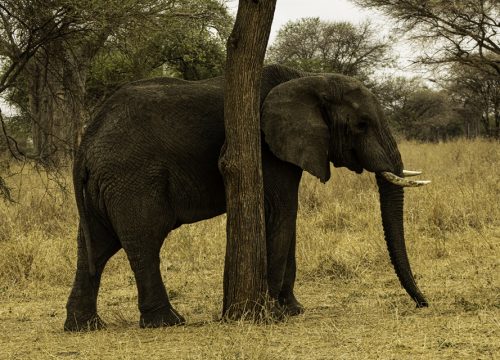
arangire is famous for its elephants, baobab trees, and varied landscapes.
During the rainy season, the park becomes greener and attracts a variety of bird species. Wildlife distribution can change as seasonal water and vegetation become more widely available.
This means sightings may differ from the dry season, when animals often concentrate around permanent water sources.
Tarangire is a good choice for travellers who want to explore a quieter side of Tanzania’s northern safari circuit.
Lake Manyara National Park
Lake Manyara offers a combination of groundwater forest, open woodland, grassland, and lakeshore habitats.
The park is known for its birdlife and is home to elephants, giraffes, baboons, and other wildlife. Visitors may also encounter its famous tree-climbing lions.
Seasonal water levels influence the lakeshore and the birds that can be observed. This makes the park an interesting addition to a safari during the green season.
Lake Manyara can be combined with Tarangire and Ngorongoro in a northern Tanzania itinerary.
How Much Does a Low Season Safari in Tanzania Cost?
The cost of a low season safari depends on the length of your trip, accommodation category, group size, and parks visited.
Budget camping safaris generally cost less than mid-range lodge safaris, while luxury tented camps and lodges offer additional comfort at a higher price.
Your total quotation may include:
- A private 4×4 safari vehicle and professional guide.
- National park and conservation fees.
- Accommodation and meals.
- Drinking water during game drives.
- Airport transfers, where specified in the programme.
Flights, travel insurance, tips, and optional activities may be charged separately.
Some properties offer reduced rates during quieter months. However, the savings are not guaranteed, and popular dates around the calving season can remain expensive.
The best way to compare safari prices is to request an itinerary with clear inclusions and exclusions. This helps you understand exactly what you are paying for and avoid unexpected costs.
Ron Adventure can prepare a tailor-made safari quotation based on your preferred dates, accommodation level, and budget.
Low Season Safari vs High Season Safari
Which season should you choose? Both have advantages, and the right option depends on your priorities.
Choose the low season if you want:
- Greener landscapes and dramatic skies.
- Potential savings on selected lodges and camps.
- Birdwatching and wildlife photography.
- A quieter experience in suitable destinations.
- Flexibility when planning around seasonal weather.
Choose the high season if you prefer:
- Drier conditions across much of the northern safari circuit.
- Generally easier road conditions in many areas.
- Travelling during the popular July to October safari period.
- Planning around particular wildlife events, including river crossings, when herds are in the relevant region.
The Great Wildebeest Migration moves throughout the Serengeti ecosystem. River crossings are seasonal and unpredictable, so no operator can guarantee a crossing on a specific day.
For a more detailed itinerary, explore our Tanzania safari options and choose the travel period that best matches your interests.
Practical Tips for Planning Your Green Season Safari
A little preparation can make your journey more comfortable and enjoyable.
Book suitable accommodation. Confirm that your chosen lodge or tented camp will be open during your travel dates.
Choose an experienced local operator. A knowledgeable guide can adapt game drives to seasonal conditions and help you make the most of your time in each park.
Keep your itinerary flexible. Rain can affect driving times and access to some areas. Avoid scheduling transfers too tightly.
Allow enough time for the parks. A longer safari gives you more opportunities to explore different habitats instead of rushing between destinations.
Choose parks according to your interests. If calving season is your priority, focus on the southern Serengeti and Ndutu during the appropriate months. For a varied wildlife experience, consider combining Serengeti with Ngorongoro or Tarangire.
Confirm the details before paying. Ask about accommodation, park fees, transport, meals, cancellation conditions, and any additional charges.
Why Travel with Ron Adventure?
Ron Adventure is a locally based Tanzania safari company offering private and tailor-made wildlife experiences.
We help travellers choose destinations, accommodation, and travel dates that suit their interests and budget.
Our safari planning services include:
- Personalised itineraries: Choose the parks and travel pace that work for you.
- Local safari expertise: Receive practical advice about seasonal conditions and wildlife destinations.
- Flexible accommodation options: Compare budget, mid-range, and luxury stays.
- Private safari experiences: Enjoy a dedicated vehicle and guide for your journey.
- Clear quotations: Understand the programme and included services before confirming your trip.
Whether you want to explore the Serengeti, discover Ngorongoro Crater, photograph elephants in Tarangire, or experience the wildebeest calving season, we can help you plan a safari around your travel dates.
Frequently Asked Questions
Is the low season a good time for a Tanzania safari? Yes. The low season can be rewarding for travellers who enjoy green landscapes, birdwatching, photography, and potentially lower accommodation rates. However, rain and road conditions can affect some itineraries.
Which month is best for a low season safari in Tanzania? November and December can offer greener scenery and opportunities for a quieter safari. January and February are particularly attractive for the wildebeest calving season in the southern Serengeti and Ndutu. March to May can offer green landscapes, but the long rains require more careful planning.
Can I see the Big Five during the green season? Yes, it is possible to see lions, leopards, elephants, buffaloes, and black rhinos during the green season. Sightings are never guaranteed, and your chances depend on the parks visited, wildlife movements, and time spent on game drives.
Does it rain every day during the low season? No. Rainfall varies by month and location. Some days may have brief showers, while other periods, especially during the long rains, can bring prolonged rainfall. Check local conditions when planning your itinerary.
Are Tanzania safari packages cheaper during the low season? Some lodges and operators offer seasonal discounts, but prices vary. Accommodation level, park fees, group size, and travel dates all affect the final cost.
Is the Serengeti worth visiting during the green season? Absolutely. The Serengeti offers wildlife viewing throughout the year. The southern plains can be particularly rewarding during the calving season, while other areas offer different experiences depending on the month.
How many days do I need for a low season safari? A three- to four-day safari can cover selected parks in northern Tanzania. Five to seven days provides more time to explore the Serengeti and combine destinations such as Ngorongoro and Tarangire. The best duration depends on your budget and travel goals.
Plan Your Low Season Safari in Tanzania
A low season safari in Tanzania offers a different way to experience the country’s remarkable wildlife and landscapes. The green scenery, seasonal birdlife, and quieter atmosphere can make this an excellent time to explore selected national parks.
The key is to choose the right destinations for your travel dates and prepare for changing weather conditions.
Ready to plan your Tanzania safari?
Our Arusha-based safari experts will create a free, personalized Tanzania safari itinerary within 3 hours, tailored to your budget, travel style, and interests..