Kilimanjaro Daily Schedule: What to Expect Each Day on the Trek
Climbing Mount Kilimanjaro is an unforgettable adventure. However, many trekkers want to know what happens each day on the mountain before starting their journey.
A typical Kilimanjaro daily schedule includes an early wake-up, breakfast, several hours of hiking, rest breaks, dinner and time to prepare for the next day. The routine helps climbers maintain a steady pace while their bodies adjust to the increasing altitude.
With Ron Adventure, you can choose from several Kilimanjaro routes, including Machame, Lemosho, Marangu, Rongai and the Northern Circuit. Each route has a different itinerary, but most trekking days follow a similar routine.
This guide explains what to expect from morning to evening, how summit night works and how to prepare for your climb.
Table of Contents
What Is a Typical Kilimanjaro Daily Schedule?
Morning Routine on Mount Kilimanjaro
Hiking Hours and Rest Breaks
Lunch and Afternoon Trekking
Arriving at Camp
Dinner and Evening Routine
Kilimanjaro Summit Night Schedule
How the Daily Schedule Changes by Route
Tips for Following Your Kilimanjaro Schedule
Frequently Asked Questions
Plan Your Kilimanjaro Climb with Ron Adventure
What Is a Typical Kilimanjaro Daily Schedule?
Most trekking days begin early and finish in the afternoon. The exact timing depends on the route, weather, altitude and distance to the next camp.
Here is an example of a typical day on a camping route.
Approximate time
Daily activity
6:00–6:30 AM
Wake up and freshen up
6:30–7:30 AM
Breakfast and packing
7:30–8:00 AM
Begin trekking
Morning
Hiking with regular rest breaks
12:00–1:00 PM
Lunch, depending on the route
Afternoon
Continue hiking towards camp
2:00–4:00 PM
Arrive at camp, when conditions allow
4:00–6:00 PM
Rest, hydrate and complete health checks
6:00–7:00 PM
Dinner and guide briefing
8:00–9:00 PM
Prepare for sleep
These times are a general guide, not a fixed timetable. Some days are shorter, while others involve longer hikes or additional acclimatization walks.
On the Marangu Route, accommodation is in mountain huts rather than camping tents. Other routes generally use designated campsites.
Morning Routine on Mount Kilimanjaro
Your morning routine prepares you for the day’s climb. An early start also gives your guide enough time to manage the trek at a suitable pace.
Wake Up and Get Ready
On many camping routes, the crew wakes climbers at around 6:00–6:30 AM. You may receive warm washing water before breakfast.
Use this time to get dressed, organize your daypack and prepare for changing weather conditions.
Keep your waterproof jacket, warm layer, drinking water, snacks and sun protection accessible.
Eat a Good Breakfast
Breakfast is an important part of your Kilimanjaro daily schedule. A balanced meal helps provide energy for several hours of walking.
Depending on the camp and operator, breakfast may include porridge, eggs, bread, fruit, tea or coffee.
Eat what you can comfortably manage. Appetite can decrease at altitude, so bring this to your guide’s attention if you struggle to eat or drink.
Listen to the Guide’s Briefing
Before leaving camp, your guide explains the day’s route, expected hiking time, terrain and weather conditions.
This is also a good time to ask questions or report any symptoms you experienced overnight.
Hiking Hours and Rest Breaks
Most ordinary trekking days involve approximately four to seven hours of walking. Some days take longer, particularly when the trail is steep or the group reaches higher elevations.
The pace is deliberately slow. Your guide will encourage you to walk pole pole, a Swahili expression meaning “slowly, slowly.”
Why Is a Slow Pace Important?
Your body needs time to adjust to the lower oxygen availability at altitude. Walking too quickly can increase fatigue and make the climb more difficult.
Your guide will schedule rest stops for drinking water, eating snacks and enjoying the scenery.
Do not compare your speed with other climbers. A steady, comfortable pace is more useful than rushing ahead.
What Will You See Along the Trail?
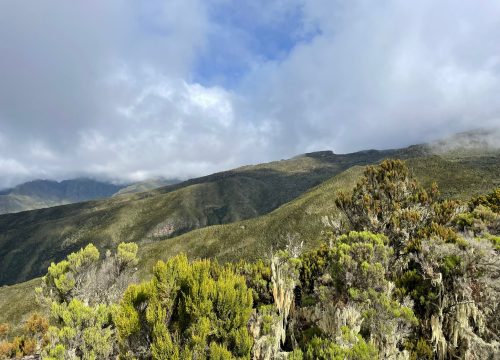
Kilimanjaro has several distinct vegetation and climate zones.
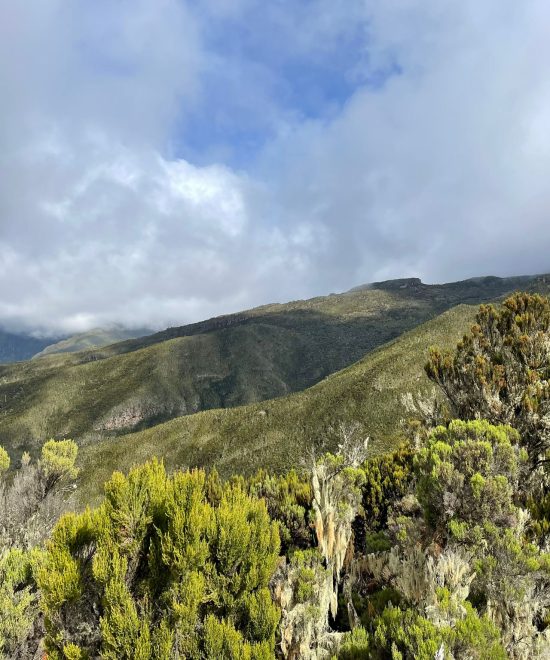
Lower sections often pass through lush rainforest. Higher up, the landscape changes to moorland, rocky terrain and alpine desert.
As you gain altitude, temperatures generally become colder and the vegetation becomes more sparse. Each day’s scenery offers a different perspective of the mountain.
Lunch and Afternoon Trekking
Lunch usually takes place at a suitable spot along the trail or at camp, depending on the day’s itinerary.
Your meal may include sandwiches, cooked food, fruit or other provisions prepared by the mountain crew. The exact menu varies.
After lunch, you continue towards your next overnight stop if more walking remains.
Some days include a short afternoon hike after arriving at camp. These walks can form part of the acclimatization plan.
Your guide determines the pace and schedule based on the route, group condition and mountain conditions.
Arriving at Camp
On many trekking days, climbers reach camp during the afternoon. The arrival time varies according to distance, altitude and weather.
On camping routes, the crew usually prepares the campsite and tents. On the Marangu Route, you stay in designated mountain huts.
Once you arrive, remove your hiking boots, change into dry clothing and take time to rest.
Drink fluids regularly and eat enough to support recovery. Avoid unnecessary strenuous activity after a demanding day.
Daily Health Checks
Your guide may monitor your condition and check for symptoms of altitude illness throughout the climb.
Tell your guide immediately if you develop a headache, nausea, dizziness, unusual tiredness or other concerning symptoms.
Severe symptoms, confusion, difficulty walking or breathlessness at rest require urgent medical attention. Continuing higher despite serious symptoms can be dangerous.
Acclimatization is an important part of a well-planned Kilimanjaro itinerary. No schedule can completely eliminate the risk of altitude sickness.
Dinner and Evening Routine
Dinner is usually served in the early evening, often around 6:00–7:00 PM on camping routes.
Meals commonly include soup, rice, potatoes, pasta, vegetables or other suitable dishes. Menu choices depend on the operator and dietary requirements arranged before departure.
After dinner, your guide explains the next day’s plan. You will learn about the expected walking time, altitude changes, terrain and departure arrangements.
Use this opportunity to prepare your clothes, refill water containers and organize your daypack.s are also reminded to drink enough water and monitor their health.
Getting Enough Rest
An early bedtime helps you prepare for the next day’s hike. Many climbers aim to sleep around 8:00–9:00 PM when the schedule permits.
Sleep may become more difficult as you gain altitude. Cold temperatures, physical exertion and changes in breathing can affect your rest.
Keep essential warm clothing and sleeping equipment ready. Your operator can advise you on the appropriate sleeping bag and other equipment for your chosen route.
Kilimanjaro Summit Night Schedule
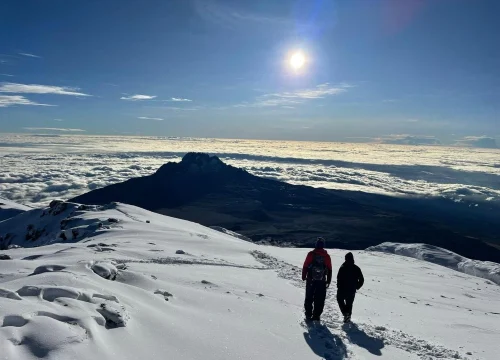
Summit night is the most demanding part of many Kilimanjaro itineraries. Unlike an ordinary trekking day, it often begins close to midnight.
Climbers usually eat an early dinner, rest and prepare their warmest clothing before the final ascent.ides may recommend descending to a lower altitude.
Before Midnight
Your guide will explain the summit plan and check that you have the necessary clothing, headlamp, water and snacks.
You may wake around 11:00 PM or midnight, depending on the itinerary and conditions.
The temperature can be extremely cold, especially with wind. Wear suitable layers, gloves, a warm hat and appropriate trekking boots.
Midnight to Sunrise
The ascent towards the crater rim takes place slowly in darkness. Your guide sets the pace and schedules breaks as needed.
The climb is physically demanding because of the steep terrain, cold and high altitude.
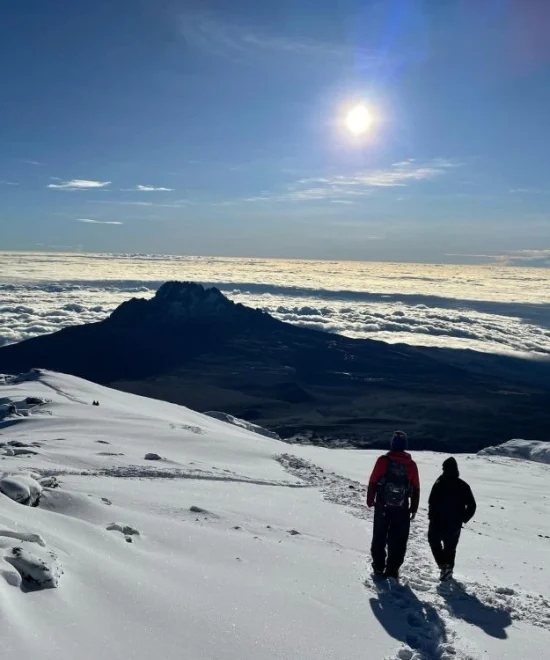
Depending on your route, pace and conditions, reaching the crater rim may take several hours. Climbers who continue to Uhuru Peak, at 5,895 metres, must walk farther along the summit area.
Reaching the summit is a major achievement, but safety always comes first. Your guide may decide to turn back if your condition or the weather makes continuing unsafe.
After Reaching Uhuru Peak
After taking photographs and enjoying the summit when conditions permit, you begin the descent.
Summit day often includes a long descent to a lower camp. You may then continue to another camp or complete the remaining descent on the following day, depending on your itinerary.
Follow your guide’s instructions carefully. The descent can be tiring even after the summit has been reached.
How the Daily Schedule Changes by Kilimanjaro Route
The daily routine is similar across many routes, but the number of days, camps and hiking hours can differ.
Machame Route
The Machame Route is a popular camping route. It passes through several vegetation zones and includes an acclimatization profile with varied elevation changes.
A seven-day itinerary typically provides more time on the mountain than a shorter six-day itinerary. The exact daily schedule depends on the chosen program.
Lemosho Route
The Lemosho Route approaches Kilimanjaro from the west. It is known for its scenic landscapes and offers itineraries of different lengths.
Longer itineraries allow additional time for acclimatization. Daily walking hours and overnight camps depend on the specific program.
Marangu Route
The Marangu Route uses mountain huts instead of camping tents. Climbers sleep in shared hut accommodation at designated stops.
The route has different overnight arrangements from camping routes, so the daily routine may vary. The number of trekking days depends on the itinerary selected.
Rongai Route
The Rongai Route approaches Kilimanjaro from the north, near the Kenyan border. It offers a different perspective of the mountain and uses designated camping areas.
The daily hiking schedule depends on the itinerary and the location of each overnight camp.
Northern Circuit
The Northern Circuit is a longer route that explores the northern slopes of Kilimanjaro.
Its extended itinerary offers more time on the mountain and opportunities for acclimatization. Daily walking distances and hours vary throughout the climb.
For exact camp elevations, distances and hiking times, always refer to the detailed itinerary for your selected route.
Tips for Following Your Kilimanjaro Daily Schedule
Good preparation makes each trekking day easier to manage. Keep these practical tips in mind.
1. Walk slowly. Follow your guide’s pace and avoid unnecessary rushing.
2. Drink regularly. Carry enough water for the day’s hike and follow your guide’s advice on hydration.
3. Eat throughout the day. Have breakfast, take snacks during breaks and eat lunch when scheduled.
4. Dress in layers. Mountain temperatures can change quickly. Keep rain protection and warm clothing accessible.
5. Pack your daypack carefully. Keep water, snacks, sun protection, a headlamp and extra clothing within easy reach.
6. Report symptoms early. Tell your guide about headaches, nausea, dizziness or unusual breathlessness.
7. Follow the planned acclimatization schedule. Do not skip recommended hikes or attempt to climb faster than advised.
8. Rest when possible. Use time at camp to recover, prepare for the next day and get enough sleep.ort and safety during the daily schedule.
Frequently Asked Questions
How many hours do you hike each day on Kilimanjaro?
Many ordinary trekking days involve approximately four to seven hours of walking. Some days are shorter, while longer stages and summit day can require substantially more time.
What time does a Kilimanjaro trek start each morning?
On many routes, climbers wake around 6:00–6:30 AM and begin hiking around 7:30–8:00 AM. The exact schedule depends on the route, camp and day’s objectives.
What time do you go to bed on Kilimanjaro?
Many climbers aim to rest around 8:00–9:00 PM. On the evening before summit night, the schedule is different because climbers usually wake close to midnight for the ascent.
Is summit day the hardest day on Kilimanjaro?
Summit day is often the most physically demanding part of the climb. The ascent begins in darkness and is followed by a long descent. Cold weather, fatigue and altitude make preparation and guide supervision essential.
Does every Kilimanjaro route follow the same daily schedule?
No. Routes differ in duration, overnight camps, terrain and acclimatization plans. The daily routine is similar, but the exact itinerary depends on the route you choose.
Which Kilimanjaro route should I choose?
The best route depends on your available time, trekking experience, preferred accommodation and acclimatization needs. Longer itineraries can provide more time on the mountain, although no route guarantees summit success. A professional operator can help you compare the available options and select a suitable itinerary.
Plan Your Kilimanjaro Climb with Ron Adventure
Climbing Mount Kilimanjaro requires preparation, patience and a carefully planned itinerary. Understanding the daily schedule helps you know what to expect, from the first morning on the trail to the final descent.
Ron Adventure offers Kilimanjaro trekking programs on routes including Machame, Lemosho, Marangu, Rongai and the Northern Circuit.
Our team can help you compare route options, understand the daily itinerary and prepare for your climb.
Ready to plan your Tanzania safari?
Our Arusha-based safari experts will create a free, personalized Tanzania safari itinerary within 3 hours, tailored to your budget, travel style, and interests..