INTRODUCTION
Mount Kilimanjaro is one of the most famous trekking destinations in Africa and one of the most rewarding high-altitude adventures in the world. Standing at 5,895 metres above sea level, Mount Kilimanjaro attracts thousands of international travellers every year who dream of reaching Uhuru Peak, the highest point in Africa. However, before planning a Kilimanjaro climb, one of the most important questions travellers ask is, “How much are the Kilimanjaro park fees?”
Understanding Kilimanjaro Park fees is essential because government charges make up a significant part of the total cost of a Mount Kilimanjaro trekking package. These fees are not simply an additional charge invented by tour operators. They are government-regulated charges associated with entering and staying within Kilimanjaro National Park, camping or using mountain huts, rescue services and other applicable services.
For international travellers, the commonly published 2026 rates include a conservation fee of approximately US$70 per person per day, a camping fee of approximately US$50 per person per night on camping routes, a hut fee of approximately US$60 per person per night on the Marangu Route, and a mandatory rescue fee of approximately US$20 per person per climb. Applicable taxes and other charges can affect the final amount included in a tour quotation. Current tariffs should always be confirmed with Tanzania National Parks because government fees can be revised. TANAPA identifies Kilimanjaro National Park among the national parks under its management and publishes its tariff information through its official visitor-information system.
This complete guide explains Kilimanjaro Park fees in simple language. It examines how the fees are calculated, why different routes have different total costs, how the Marangu, Machame, Lemosho, Rongai, Umbwe and Northern Circuit routes compare, what camping and hut fees mean, how rescue fees work, why VAT matters and how park fees affect the final Kilimanjaro climbing price.
The guide is also designed to help travellers compare Kilimanjaro trekking packages more confidently. When you understand what is included in a quotation, it becomes much easier to distinguish a genuine all-inclusive Kilimanjaro climbing package from a price that looks cheap only because important costs have been excluded.
For travellers looking for a reliable local operator, Ron Adventure offers Mount Kilimanjaro climbing tours from Arusha, Tanzania, with park fees included in its Kilimanjaro trekking packages. The company can also combine a Kilimanjaro climb with a Tanzania safari, allowing travellers to experience Africa’s highest mountain and famous wildlife destinations in one carefully planned holiday.
What Are Kilimanjaro Park Fees?
Kilimanjaro Park fees are government-regulated charges associated with entering and using Kilimanjaro National Park during a mountain trek. They are an essential part of the cost of climbing Mount Kilimanjaro and are generally incorporated into the price quoted by a licensed tour operator.
The term “Kilimanjaro Park fees” can sometimes be confusing because travelers may hear several different expressions, including conservation fee, park entrance fee, camping fee, hut fee, rescue fee and crater fee. These charges do not all apply in exactly the same way. Some are calculated per person per day, some per person per night and others are charged once for a particular service.
The conservation or park access charge is one of the largest components. For non-resident adult visitors, the currently published rate is approximately US$70 per person per day. This means that the number of days spent on the mountain has a direct effect on the total cost of a Kilimanjaro trekking package. A longer route generally means more days inside the national park and therefore higher conservation charges.
Camping routes also have a camping fee. The commonly published non-resident rate is approximately US$50 per person per night. Routes such as Machame, Lemosho, Rongai and many Northern Circuit itineraries use designated campsites. Marangu is different because trekkers sleep in mountain huts rather than tents, so a hut fee applies instead. Published sources currently place the non-resident Marangu hut fee at approximately US$60 per person per night.
There is also a mandatory rescue fee, commonly published at approximately US$20 per person per trek. This supports the mountain’s emergency and rescue infrastructure.
The important point is that Kilimanjaro Park fees are not optional. They form part of the legitimate cost of climbing Kilimanjaro. A professional Kilimanjaro trekking company should clearly explain that these government charges are incorporated into the overall tour price.
Who Sets the Kilimanjaro Park Fees?
Kilimanjaro National Park is managed under Tanzania’s national park system, and official tariff information is published by Tanzania National Parks. TANAPA is responsible for managing a network of national parks in Tanzania, including Kilimanjaro National Park.
This is important when comparing Kilimanjaro climbing prices because legitimate operators do not simply invent the core government park charges. The operator collects and processes the required payments as part of arranging the trek, while the underlying tariffs are determined by the relevant authorities.
TANAPA’s official tariff information explains that its park fee system covers different categories of charges and provides tariff information for the national parks under its management. The authority also states that its services are rendered after reservations are confirmed through payment and fulfillment of applicable conditions.
Because government tariffs can change, travellers should be careful when reading old Kilimanjaro travel blogs. A website published several years ago may display figures that are no longer current. For example, older official tariff documents show previous Kilimanjaro rates, while more recent sources continue to publish approximately US$70 per day for the non-resident conservation fee and approximately US$50 per night for camping.
This is one reason why a Kilimanjaro tour quotation should be prepared according to the tariff applicable to the travel period.
At Ron Adventure, transparency is important when preparing a Mount Kilimanjaro climbing package. The quotation should show what the traveller is paying for rather than simply presenting one unexplained total. This helps climbers understand why a seven-day Kilimanjaro climb costs more than a five-day trek and why an eight-day Lemosho Route costs more than a shorter itinerary.
A good Kilimanjaro tour operator does more than obtain a permit. The operator coordinates park registration, mountain logistics, guides, porters, accommodation, meals, transfers and safety arrangements. The park fees are therefore one component of a much larger professional trekking operation.
How Much Is the Kilimanjaro Conservation Fee?
The Kilimanjaro conservation fee is one of the most important charges to understand when calculating the cost of climbing Mount Kilimanjaro. For non-resident adults, the currently published rate is approximately US$70 per person per day. The fee is charged according to the time spent in the national park, meaning that longer Kilimanjaro routes generally produce higher conservation costs.
For example, a five-day itinerary has fewer park days than a seven-day itinerary. Therefore, even before considering accommodation, staffing and other costs, the seven-day trek will normally have a higher government conservation component.
The conservation fee helps support the management and protection of Kilimanjaro National Park. Mount Kilimanjaro is a sensitive natural environment with forests, alpine vegetation, wildlife habitats, water resources and high-altitude ecosystems. Managing such a large and internationally important protected area requires substantial resources.
For travellers, the conservation fee should be viewed as part of the responsibility of visiting a protected natural environment. Climbing Kilimanjaro is not simply a commercial adventure. It takes place inside a national park that requires conservation, environmental management, visitor control and infrastructure maintenance.
The fee also explains why extremely cheap Kilimanjaro trekking prices should be examined carefully. If a company advertises a very low price, travellers should ask whether park fees, accommodation, transfers, food, guide services, porter support and taxes are actually included.
When searching for affordable Kilimanjaro climbing tours, affordability should not mean removing essential services. The better approach is to select an efficient itinerary, avoid unnecessary extras and work with a reputable local operator.
Ron Adventure provides Kilimanjaro trekking packages that incorporate the required Tanzania National Parks fees into the overall climb price. This makes budgeting easier because the traveller can focus on preparing for the mountain rather than trying to pay separate government charges during the trek.
Ready to plan your Tanzania safari?
Our Arusha-based safari experts will create a free, personalized Tanzania safari itinerary within 3 hours, tailored to your budget, travel style, and interests..
How Much Is the Kilimanjaro Camping Fee?
Camping fees are another important part of the cost of climbing Kilimanjaro. They apply to routes where trekkers sleep at designated mountain camps rather than in permanent huts.
The commonly published non-resident adult camping rate for Kilimanjaro National Park is approximately US$50 per person per night.
This fee is particularly relevant for popular routes such as Machame, Lemosho, Rongai and the Northern Circuit. The total camping cost depends on the number of nights spent in the park.
For example, a six-day trekking itinerary might involve five nights of camping. At an indicative rate of US$50 per person per night, five nights would represent approximately US$250 before considering applicable taxes or other charges. A seven-day route with six camping nights would represent approximately US$300 at the same basic rate.
This is why the duration of a Kilimanjaro trek has such a strong effect on the final price.
Camping on Mount Kilimanjaro is also very different from ordinary recreational camping. Climbers are trekking through a high-altitude environment where food, tents, sleeping equipment, cooking equipment and waste-management procedures must be organized by a professional support team.
The camping fee itself does not mean that your tour operator simply gives you a tent and leaves you to manage everything. A professional Kilimanjaro trekking package normally includes the operational support required to make the mountain experience possible.
When you book with Ron Adventure, the camping logistics are organized as part of the trekking package. The aim is to allow travellers to concentrate on acclimatization, hiking and reaching Uhuru Peak while the mountain team manages camp operations. For anyone searching for a Kilimanjaro camping safari, Kilimanjaro camping tour or affordable Mount Kilimanjaro climbing package, understanding the camping fee is an important step in comparing prices accurately
How Much Is the Marangu Route Hut Fee?
The Marangu Route is unique among the main Kilimanjaro routes because trekkers sleep in mountain huts rather than camping in tents. This means that the camping fee does not apply in the same way. Instead, a hut accommodation fee is charged.
Current published information places the non-resident hut fee at approximately US$60 per person per night.
The Marangu Route is often called the “Coca-Cola Route” and is one of the most established routes on Mount Kilimanjaro. It approaches the mountain from the southeast and uses Mandara Hut, Horombo Hut and Kibo Hut during the ascent.
Because the accommodation is inside huts, Marangu can appear more comfortable to travellers who prefer not to sleep in tents. However, hut accommodation does not automatically make the route easier. The altitude profile, trekking duration and acclimatization requirements still matter greatly.
The shorter five-day Marangu itinerary is popular because it can be less expensive than longer routes. However, climbers should understand that a shorter itinerary provides less time for acclimatization. Adding an extra acclimatization day can increase the cost but may provide a more comfortable and strategically sensible climb.
When calculating the cost of a Marangu Route Kilimanjaro climb, you should consider the number of park days, number of hut nights, rescue fee, taxes and the wider cost of guides, porters, meals, transfers and equipment.
Ron Adventure can organize Marangu Route trekking packages for travellers who prefer mountain hut accommodation and a classic Kilimanjaro ascent. The company can also advise whether Marangu is suitable for your experience, fitness level and available travel time.
How Much Is the Kilimanjaro Rescue Fee?
The Kilimanjaro rescue fee is generally charged once per trekker rather than once per day. Current published sources commonly show approximately US$20 per person per climb.
This fee is associated with emergency and rescue services on the mountain. Mount Kilimanjaro is a high-altitude environment, and although thousands of people successfully reach the summit every year, altitude, weather, exhaustion, injuries and other emergencies can create serious risks.
The rescue fee should therefore not be interpreted as an optional insurance product. It is a park-related charge supporting the emergency infrastructure associated with the mountain.
Travellers should still have appropriate travel insurance that covers trekking at the altitude of Mount Kilimanjaro. The rescue fee does not replace comprehensive travel insurance, medical coverage or evacuation insurance.
One of the reasons professional Kilimanjaro climbing tours cost more than an independent hiking trip is that climbing Kilimanjaro involves regulated access and organized support. A reputable operator needs to manage permits, park requirements, crew logistics, emergency procedures and communication.
At Ron Adventure, safety planning forms an important part of the Kilimanjaro trekking experience. The mountain team is responsible for monitoring climbers, supporting gradual ascent and responding appropriately when a traveller shows signs of difficulty.
Travellers researching the cost of climbing Kilimanjaro should therefore avoid comparing only the headline price. A safer and more useful comparison asks what the package includes and whether mandatory park and rescue costs have been properly accounted for.
The rescue fee is small compared with the overall cost of a Kilimanjaro adventure, but it represents an important component of responsible mountain tourism.
Are Kilimanjaro Park Fees Charged Per Person or Per Group?
Most major Kilimanjaro park charges are calculated on a per-person basis, while other operational charges may depend on the size and composition of the trekking team. This distinction is important because travellers sometimes assume that joining a larger group dramatically reduces the government park charges.
The conservation fee is charged according to the individual visitor and the number of days spent in the park. Camping or hut charges are also generally calculated according to the individual climber and the number of nights. The rescue charge is generally assessed per person per trek.
However, other costs associated with running a climb can be influenced by group size. A larger group may distribute some operational expenses across more travellers. Guide requirements, porter numbers, transport arrangements, equipment logistics and administrative costs can therefore influence the final price per person.
This is why joining a group Kilimanjaro trek can sometimes be more affordable than booking a completely private trek for one person.
A private Kilimanjaro climb offers other advantages. Travellers can have more flexibility with dates, pace and route planning, subject to park regulations and safety considerations. Families, couples and friends often prefer private trekking because they can experience the mountain together without being placed in an unrelated group.
Ron Adventure offers both private Kilimanjaro trekking and joining safari-style travel arrangements depending on the programme. For travellers whose priority is a personalized Mount Kilimanjaro experience, a private climb can be an excellent choice.
The key point is that joining a group does not eliminate government fees. Instead, the potential savings generally come from sharing some of the operational costs associated with the trek.
When comparing a group Kilimanjaro climbing tour with a private Kilimanjaro trekking package, always ask for a clear explanation of what is included in the quoted price.
How Much Does a 5-Day Kilimanjaro Climb Cost in Park Fees?
A five-day Kilimanjaro climb is one of the shortest common itineraries. The Marangu Route is particularly associated with a five-day ascent, although travellers should consider the acclimatization implications before choosing the shortest programme.
Using the commonly published 2026 non-resident adult rates as an illustration, five park days at approximately US$70 per day would produce about US$350 in conservation fees. Four hut nights at approximately US$60 per night would produce approximately US$240 in hut fees. Adding the approximately US$20 rescue fee gives a basic indicative subtotal of approximately US$610 before applicable taxes and other charges.
These figures are intended to explain the structure rather than serve as a final quotation. Government tariffs and the treatment of taxes or additional fees can change, and the exact amount should be confirmed for the travel date.
The important lesson is that even a short Kilimanjaro climb carries significant mandatory costs before paying for guides, porters, cooks, food, transfers, accommodation before and after the climb, equipment and company operations.
A five-day climb can therefore appear cheaper than a six-, seven- or eight-day route, but travellers should not choose it solely because it has a lower price.
Altitude acclimatization is one of the most important factors in Kilimanjaro success. A route that allows the body more time to adjust can be worth the additional cost.
Ron Adventure can help travellers choose between the different Kilimanjaro routes according to available time, budget and trekking objectives. The company can provide a quotation that includes the relevant park charges and mountain logistics so the traveller can see the complete cost of the adventure.
For travellers searching for a cheap Kilimanjaro climb, the goal should be a fair-value package rather than simply the lowest possible price.
How Much Does a 6-Day Machame Route Cost in Park Fees?
The six-day Machame Route is one of the most popular Kilimanjaro trekking itineraries. Machame is a camping route, so the total park-related cost is influenced by the number of park days and camping nights.
Using the commonly published rates of approximately US$70 per person per day for conservation and approximately US$50 per person per camping night, a six-day itinerary with five camping nights would produce approximately US$420 in conservation fees and US$250 in camping fees. Adding the approximately US$20 rescue charge produces an indicative subtotal of approximately US$690 before applicable taxes and any other charges.
This calculation explains why a six-day Machame Route cannot realistically be offered as an extremely cheap professional expedition once all legitimate expenses are considered.
The total tour price must also cover mountain guides, porters, cooks, meals, tents, sleeping equipment, transportation, park administration and other operational expenses.
Machame is sometimes called the “Whiskey Route” and is known for its scenic landscapes and varied terrain. It normally begins in the rainforest and passes through moorland, alpine desert and the high-altitude summit zone.
For travellers interested in a balance between cost, scenery and trekking experience, Machame remains one of the strongest options.
Ron Adventure offers Mount Kilimanjaro climbing packages on the Machame Route and can arrange the trek as a private experience or according to the available group departure options. Travellers can also combine the trek with a Tanzania safari after reaching Uhuru Peak.
A Kilimanjaro and Tanzania safari combination is particularly attractive for international visitors because it allows them to experience both the mountain and Tanzania’s wildlife destinations during the same holiday.
How Much Does a 7-Day Kilimanjaro Climb Cost in Park Fees?
Seven-day Kilimanjaro routes are popular because they provide more time for acclimatization than the shortest programmes. Seven-day Machame and Lemosho itineraries are frequently requested by international climbers.
Using the indicative 2026 rates, a seven-day camping trek involves approximately US$490 in conservation fees at US$70 per day. Six camping nights at approximately US$50 per night add another US$300. The approximately US$20 rescue fee brings the basic subtotal to around US$810 before applicable VAT and other charges.
A number of published 2026 trekking sources use similar calculations, although the final amount can vary depending on the specific tariff, tax treatment, route and additional mandatory charges.
The seven-day itinerary is particularly attractive because it gives the climber more time to adapt to increasing altitude. Acclimatization is one of the central considerations when planning a Kilimanjaro trek.
Lemosho is especially popular with travellers looking for a scenic and gradual Kilimanjaro trekking experience. The route begins on the western side of the mountain and eventually joins the southern circuit. Machame is also highly scenic and offers a classic trekking experience.
When choosing between routes, travellers should not focus only on park fees. The best route is the one that matches the climber’s available time, experience, fitness, preferred scenery and acclimatization strategy.
Ron Adventure can prepare a detailed seven-day Kilimanjaro trekking package that includes the necessary park fees, mountain crew, meals, camping equipment and transfers.
The company can also create a Tanzania safari extension after the climb, making it possible to visit destinations such as Tarangire, Serengeti and Ngorongoro after reaching Africa’s highest summit.
Ready to plan your Tanzania safari?
Our Arusha-based safari experts will create a free, personalized Tanzania safari itinerary within 3 hours, tailored to your budget, travel style, and interests..
How Much Does an 8-Day Lemosho Route Cost in Park Fees?
An eight-day Lemosho Route is generally more expensive than a shorter Kilimanjaro climb because the traveller spends more time inside the national park and uses more camping nights.
At approximately US$70 per day, eight conservation-fee days represent approximately US$560. Seven camping nights at approximately US$50 per night represent approximately US$350. Adding the approximately US$20 rescue charge produces an indicative subtotal of approximately US$930 before applicable taxes and additional route-specific charges.
Published 2026 estimates can differ because some calculations include crew-related park charges, VAT and other fees while others present only the primary climber charges.
This difference is important when comparing online Kilimanjaro prices. Two companies can advertise apparently different “park fee” totals while both may be using different definitions of what is included.
For this reason, travellers should request a full quotation rather than comparing one isolated number.
Lemosho is often recommended for travellers who have enough time to enjoy a gradual approach to the summit. The route provides excellent scenery and allows the trekker to experience several ecological zones before reaching the summit.
The eight-day Lemosho Route is particularly suitable for travellers who prioritize acclimatization and a longer mountain experience rather than simply choosing the cheapest possible Kilimanjaro package.
Ron Adventure can organize an eight-day Lemosho Route trek with professional mountain support and can tailor the programme around private travel dates.
For international travellers flying into Tanzania, the company can also arrange airport transfers, Arusha accommodation and post-climb Tanzania safari extensions.
The additional cost of a longer route should therefore be viewed in relation to the additional mountain experience and acclimatization opportunity rather than simply as an extra park fee.
Kilimanjaro Park Fees for the Northern Circuit Route
The Northern Circuit is one of the longest routes on Mount Kilimanjaro and is known for providing an extended acclimatization itinerary around the northern side of the mountain.
Because it involves more days on the mountain, the Northern Circuit generally has higher park-related costs than shorter routes.
A nine-day Northern Circuit itinerary can involve approximately US$630 in conservation fees at an indicative rate of US$70 per day. Eight camping nights at approximately US$50 per night would add approximately US$400. The approximately US$20 rescue fee would bring the basic subtotal to around US$1,050 before applicable taxes and other charges.
Published 2026 route calculations sometimes produce higher totals because they include additional crew fees, taxes and route-specific charges.
The Northern Circuit is therefore not normally selected by travellers whose only priority is finding the cheapest Kilimanjaro trekking package.
Its major attraction is time. A longer itinerary gives the climber more opportunity to move gradually through the mountain environment and acclimatize before summit day.
The route also offers a different perspective of Mount Kilimanjaro because it explores the northern slopes, an area that receives fewer trekkers than the heavily used southern approaches.
For experienced travellers who have sufficient time and want a quieter and longer Kilimanjaro adventure, the Northern Circuit can be an excellent option.
Ron Adventure can advise travellers about the Northern Circuit and prepare a complete trekking quotation based on the desired duration, accommodation arrangements and travel dates.
For travellers who want to combine the Northern Circuit with a Tanzania safari, an extended holiday can be designed around the climb. After descending from the mountain, travellers can continue to the Serengeti, Ngorongoro Crater or other northern Tanzania destinations.
Does Kilimanjaro Park Fees Include VAT?
VAT is an important consideration when calculating the final cost of Kilimanjaro park fees. Tanzania’s park tariff information indicates that applicable fees include VAT where applicable, while published trekking calculations may sometimes display base rates separately from tax.
This creates confusion because a traveller may see US$70 quoted as a conservation rate and then discover that the final package calculation is higher once taxes and other charges are accounted for.
The best way to avoid confusion is to ask the tour operator whether the quoted price is tax-inclusive.
Professional Kilimanjaro tour companies should provide a final price that makes it clear whether mandatory government charges are already included.
For example, if a traveller receives a quotation for a seven-day Kilimanjaro climb, the quotation should not simply state “park fees included” without explaining what that means. A transparent quotation should make clear that the required conservation, camping or hut and rescue charges have been budgeted into the total.
Taxes are not the only reason two companies may have different prices. Their guide-to-climber ratio, porter numbers, food quality, equipment, accommodation, transportation, insurance, safety systems and service standards can also influence the final cost.
This is why comparing only the advertised headline price can be misleading.
Ron Adventure aims to provide straightforward Kilimanjaro trekking quotations so travellers understand what they are paying for. The company can explain the components of the climb and provide a package based on the route and duration selected.
For travellers searching online for “Kilimanjaro park fees 2026,” “Kilimanjaro climbing cost 2026,” or “Mount Kilimanjaro trekking price,” it is important to check the date of every source because tariffs and tax requirements may be updated.
Why Are Kilimanjaro Park Fees So Expensive?
Many first-time visitors are surprised by the cost of Kilimanjaro park fees. Compared with ordinary hiking destinations, the mandatory government charges can appear high.
There are several reasons.
Mount Kilimanjaro is an internationally important protected area. The park includes multiple ecological zones ranging from cultivated and forest areas to moorland, alpine desert and the high-altitude summit zone. Protecting such an environment requires continuous management.
The park also receives a large number of visitors. Trails must be maintained, camps must be managed, waste must be controlled and visitor activity must be regulated.
Another major factor is altitude. Kilimanjaro is not a normal walking trail. The summit reaches 5,895 metres, and the mountain environment requires specialized emergency planning.
The park fees therefore contribute to the broader system that makes controlled mountain tourism possible.
The cost also reflects the fact that Kilimanjaro is a premium international trekking destination. Travellers come from North America, Europe, Asia, Australia and many other parts of the world specifically to climb Africa’s highest mountain.
For the traveller, the important question should not simply be whether the park fees are expensive. The better question is whether the total cost represents good value and whether the operator is delivering a safe, professional and ethical trek.
A responsible Kilimanjaro trekking company should not try to reduce the price by avoiding government fees or compromising on essential mountain services.
Ron Adventure recommends focusing on value rather than simply looking for the lowest advertised Kilimanjaro climbing price. A well-organized trek with experienced guides, appropriate support, quality meals, proper equipment and transparent park fees is a much better investment than a suspiciously cheap expedition.
Why Longer Kilimanjaro Routes Cost More
The duration of a Kilimanjaro route is one of the most direct factors affecting park fees.
A climber who spends more days inside Kilimanjaro National Park normally pays more conservation fees because the conservation charge is calculated per person per day.
Camping routes also accumulate more camping charges as the number of nights increases.
For example, a five-day itinerary has fewer conservation days than a seven-day trek. A seven-day trek has fewer than an eight-day trek. A nine-day Northern Circuit itinerary will normally generate more daily conservation charges than a shorter route.
This simple relationship explains much of the difference between Kilimanjaro route prices.
However, longer routes can provide benefits that justify the additional investment. The most important is acclimatization.
Altitude sickness is one of the major challenges on Mount Kilimanjaro. The human body needs time to adapt to reduced oxygen availability as elevation increases.
A longer itinerary can provide a more gradual ascent and more opportunities to adjust before summit night.
This does not guarantee that a climber will reach Uhuru Peak, because individual response to altitude varies, but route duration is an important factor in responsible Kilimanjaro planning.
This is why many experienced operators recommend longer routes to travellers who can afford the extra time.
Ron Adventure can help travellers choose between a five-day, six-day, seven-day, eight-day or longer Kilimanjaro itinerary. The company can explain the differences between the routes and recommend a programme based on the traveller’s goals.
For travellers who want the best possible chance of enjoying the mountain rather than simply completing it as quickly as possible, investing in an appropriate itinerary can be more valuable than saving a few hundred dollars.
How Kilimanjaro Park Fees Affect the Total Climbing Price
Kilimanjaro Park fees are only one part of the final cost of climbing Mount Kilimanjaro.
A professional climbing package must cover far more than government charges. It must also support the mountain crew, transportation, food, accommodation before and after the trek, camping equipment, tents, cooking equipment, administration, permits, communications and other operational requirements.
Guide and porter costs are especially significant because Kilimanjaro trekking is highly labour-intensive.
A professional team is essential for carrying equipment and supplies, preparing meals, establishing camps, guiding trekkers, monitoring their condition and supporting the expedition.
This is one reason travellers should be cautious when they see extremely cheap Kilimanjaro climbing packages online.
If the advertised price appears dramatically lower than the market range, it is worth checking whether the company has excluded park fees, taxes, transfers, accommodation, meals, equipment or crew costs.
The phrase “Kilimanjaro all-inclusive price” should always be investigated carefully. Different companies may use “all-inclusive” differently.
At Ron Adventure, the goal is to provide a complete Kilimanjaro trekking package in which the major costs are incorporated into the quotation. This allows the traveller to understand the total investment before confirming the climb.
The company can arrange popular routes such as Machame, Lemosho, Marangu and Rongai and can also create longer trekking programmes for travellers who want additional acclimatization.
After the climb, travellers can continue their journey with a Tanzania safari. A Kilimanjaro and Serengeti safari combination is particularly popular because it combines mountain trekking with wildlife viewing.
This creates a complete Tanzania adventure rather than treating the mountain as an isolated activity.
Are Kilimanjaro Park Fees the Same for Every Route?
The underlying government tariff categories are broadly standardized, but the total park-related cost is not identical across every Kilimanjaro route.
The main reason is the duration of the trek and the type of overnight accommodation used.
Marangu uses mountain huts, while Machame, Lemosho, Rongai and other routes primarily use designated campsites. The number of days and nights can also differ significantly.
A five-day Marangu trek therefore has a very different fee calculation from an eight-day Lemosho trek.
The Northern Circuit can cost more because it keeps the climber on the mountain for longer.
Some routes may also involve additional charges depending on the exact itinerary, entry arrangements or special activities. A crater-camping experience, for example, should not be confused with a normal standard summit itinerary because special fees may apply.
This is why there is no single number that can accurately answer the question, “How much are Kilimanjaro park fees?”
The correct answer depends on who is travelling, their visitor category, route, number of days, number of nights and any additional services or special areas included.
For international non-resident adult travellers, the approximately US$70 daily conservation fee and approximately US$50 camping or US$60 hut fee are useful starting points for understanding the basic calculation, but they should not be treated as a final quotation.
TANAPA’s official tariff information should be checked for the applicable period before booking.
Ron Adventure can calculate the relevant costs for your specific route and travel dates, giving you a more useful figure than a generic online estimate.
Kilimanjaro Park Fees for Children
Kilimanjaro park tariffs can differ according to age. Published tariff information identifies separate rates for children between five and fifteen years and free entry for children below five years in applicable categories.
Families planning a Mount Kilimanjaro trek should therefore provide the ages of all travellers when requesting a quotation.
However, families should also consider the physical and altitude demands of climbing Kilimanjaro. A child’s eligibility for a particular trek is not determined only by the price of the park permit.
The suitability of a Kilimanjaro climb depends on age, fitness, experience, medical considerations, parental judgment, route profile and the professional advice of the trekking operator.
The mountain reaches almost 6,000 metres, and the environment can become extremely cold and demanding. Families should therefore plan carefully and select an itinerary that provides appropriate acclimatization.
For families who are considering Tanzania as a holiday destination, a safari can sometimes be a more suitable addition for younger children than a high-altitude trek.
Ron Adventure specializes in both Tanzania safari tours and Mount Kilimanjaro trekking, allowing the company to design a combined family holiday around the ages and interests of the travellers.
A family could, for example, experience a Tanzania wildlife safari in Serengeti and Ngorongoro before or after a suitable mountain adventure.
When requesting a family Kilimanjaro quotation, provide accurate ages because the government tariff category can affect the final cost.
It is also important to ask the tour operator whether children’s rates, accommodation, meals, crew arrangements and other services have been calculated correctly.
A professional quotation should be based on the actual composition of the group rather than a generic adult price.
Why You Should Not Book Kilimanjaro Based Only on the Lowest Price
Searching for an affordable Kilimanjaro climb is understandable. Mount Kilimanjaro can be a significant investment, especially for international travelers who also need to budget for flights, visas, insurance, accommodation and other activities in Tanzania.
However, the cheapest Kilimanjaro tour is not necessarily the best Kilimanjaro tour.
The government park charges alone represent a substantial part of the cost. After those fees are paid, the operator still needs to provide guides, porters, cooks, food, tents, equipment, transportation and administration.
If a company offers a price that seems unusually low, the traveller should investigate what has been excluded.
The biggest concern should be safety and ethical treatment of mountain crews.
A professional operator needs enough staff to support the climbers properly. The company also needs to provide appropriate food, reliable equipment, emergency planning and experienced mountain guides.
The quality of the support team can make a major difference to the trekking experience.
This does not mean that travellers need to choose the most expensive Kilimanjaro tour. A good local operator can provide strong value while keeping the package competitive.
The best approach is to compare equivalent packages.
Check whether park fees are included. Check whether camping or hut fees are included. Check whether rescue charges and taxes are included. Check whether airport transfers, accommodation, meals and mountain equipment are included.
Ron Adventure focuses on providing professionally organized Tanzania mountain trekking experiences with transparent package pricing. Travellers can request a quotation based on their chosen route, duration and preferred level of service.
A reliable Kilimanjaro trekking company should be happy to explain the price rather than avoiding questions about what is included.
How to Compare Kilimanjaro Trekking Packages
Comparing Kilimanjaro trekking packages requires more than looking at the total price.
Start by checking the route and number of days. A five-day Marangu trek should not be compared directly with an eight-day Lemosho trek because the park fees and operational costs are different.
Next, check the accommodation style. Marangu uses huts, while routes such as Machame and Lemosho use campsites.
Then check whether the government fees are included.
A professional quotation should include the mandatory park charges required for the selected itinerary. It should also explain any additional fees that may apply.
After that, consider the mountain crew.
The experience and professionalism of the guides are among the most important elements of a successful Kilimanjaro trek. The guide should understand the mountain, altitude management, route conditions, weather and emergency procedures.
Food is also important. A climber burns substantial energy while trekking at altitude, so meals should be nutritious and sufficient.
The quality of camping equipment also matters.
Travellers should then consider the company’s local presence. Booking directly with a Tanzanian tour operator can provide advantages because the company is based close to the mountain and can coordinate logistics locally.
Ron Adventure is based in Arusha, Tanzania, one of the main tourism hubs for northern Tanzania. This makes it possible to coordinate Kilimanjaro climbing, airport transfers, accommodation and Tanzania safari arrangements from one local operation.
For travellers searching for a Kilimanjaro trekking company in Tanzania, comparing local expertise, transparency, safety standards and customer service can be more valuable than choosing a company solely because it has the lowest online price.
Ready to plan your Tanzania safari?
Our Arusha-based safari experts will create a free, personalized Tanzania safari itinerary within 3 hours, tailored to your budget, travel style, and interests..
How Ron Adventure Can Help With Your Kilimanjaro Climb
Choosing a Kilimanjaro tour operator is one of the most important decisions you will make when planning your climb.
Ron Adventure is a Tanzania-based tour company specializing in Mount Kilimanjaro trekking, Tanzania safari tours and customized travel experiences.
The company can organize popular Kilimanjaro routes including Machame, Lemosho, Marangu and Rongai. Each route has its own character, scenery, duration and acclimatization profile.
Rather than simply selling the cheapest available itinerary, Ron Adventure can help travellers understand the differences between the routes and choose an appropriate programme.
The company can also prepare private Kilimanjaro climbing packages for couples, families, friends and solo travellers who prefer a more personalized experience.
For travellers interested in a complete Tanzania holiday, Ron Adventure can combine Mount Kilimanjaro trekking with a Tanzania safari. After descending from the mountain, travellers can continue to destinations such as Tarangire National Park, Serengeti National Park and the Ngorongoro Conservation Area.
This combination is one of the strongest ways to experience northern Tanzania because it combines adventure and wildlife.
Ron Adventure’s Kilimanjaro packages include the relevant Tanzania National Parks fees within the overall tour price. Its existing Kilimanjaro information also states that park fees are included and identifies the conservation and camping charges applicable to Kilimanjaro.
Travellers can therefore request a detailed quotation based on their desired route, number of days, travel dates, group size and preferred accommodation.
The company can also assist with airport transfers and pre- and post-climb arrangements in Arusha.
For international visitors, having one local company coordinate the entire Tanzania adventure can make the planning process significantly easier.
What Is Included in a Professional Kilimanjaro Climbing Package?
A professional Kilimanjaro climbing package should cover much more than park fees.
The exact inclusions depend on the tour operator and itinerary, but a complete package generally involves park access arrangements, camping or hut accommodation, mountain guides, porters, cooks, meals, camping equipment and transportation associated with the trek.
Before booking, travellers should request a written itinerary and a clear list of inclusions.
The park fees are especially important because they represent mandatory government expenses. If these are not included, the advertised price may not represent the true cost of the trek.
The mountain crew is another major part of the package. Guides lead the group and manage the trekking schedule. Porters carry equipment and supplies. Cooks prepare meals for the expedition.
The number of crew members can vary according to group size, route and operator standards.
A professional Kilimanjaro package should also explain accommodation before and after the climb. Many international travellers arrive in Tanzania at Kilimanjaro International Airport and spend time in Arusha before starting their trek.
Transfers between the airport, hotel and mountain gate should also be clarified.
Ron Adventure can organize the complete mountain experience according to the traveller’s needs. The company can arrange the Kilimanjaro trek and connect it with safari activities for travellers who want to explore Tanzania beyond the mountain.
This is particularly convenient for visitors flying long distances to Tanzania because the same operator can coordinate several parts of the holiday.
The most important principle is transparency. Before paying a deposit, understand what the quoted price covers and what you will need to pay separately.
A professional Kilimanjaro trekking company should have no problem explaining the details.
Can You Climb Kilimanjaro Without Paying Park Fees?
No legitimate Mount Kilimanjaro trek can simply avoid the required national park charges.
Kilimanjaro National Park is a protected area, and visitors are required to comply with the applicable park regulations and tariff system.
The park fees form part of the legal cost of accessing the mountain.
This is why claims about “Kilimanjaro climbs without park fees” should be treated with extreme caution.
A traveller may find a very cheap online offer that appears attractive, but the company may simply be excluding mandatory costs from the initial quotation.
The correct way to reduce the total cost of a Kilimanjaro climb is not to avoid government fees. Instead, travellers can choose a route and duration that match their budget, travel in a suitable season, join a group where appropriate and select a package with a sensible level of service.
The park charges themselves are generally not negotiable.
This is an important point when comparing Kilimanjaro tour operators. If two companies offer the same route and duration, their government charges should be broadly comparable, while differences in the total package price may come from staffing, accommodation, food, equipment, transfers, company overheads and service quality.
Ron Adventure can provide a transparent quotation that incorporates the relevant park charges into the total trekking price.
The advantage of booking through a professional local operator is that the traveller does not need to navigate the mountain permit system alone.
The company manages the necessary arrangements and allows the traveller to concentrate on preparation for the trek.
For first-time Kilimanjaro climbers, this professional support is particularly valuable.
How to Budget for Your Kilimanjaro Adventure
The best way to budget for Mount Kilimanjaro is to separate the trip into several major cost categories.
The first category is the government and park-related cost. This includes the conservation fee, camping or hut fees, rescue charges and any applicable additional government fees.
The second category is the mountain operation. This includes guides, porters, cooks, food, tents, camping equipment and other trekking logistics.
The third category includes transportation and accommodation outside the park.
International travellers should also budget for flights, visa requirements, travel insurance, personal equipment and tips for the mountain crew.
When these costs are combined, the total cost of a Kilimanjaro adventure becomes much easier to understand.
The route is one of the strongest factors influencing the price. A short five-day itinerary generally costs less than a seven-day or eight-day route because there are fewer park days and fewer nights requiring accommodation.
However, the cheapest itinerary is not automatically the most suitable.
For many travellers, the additional cost of a longer route can be worthwhile because it provides more time for acclimatization.
A sensible Kilimanjaro budget should therefore balance price with safety, comfort and the probability of completing the trek.
Ron Adventure can prepare a customized quotation based on your budget and preferred route. Instead of offering a generic price, the company can structure the programme around the number of days available and the level of accommodation required.
Travellers can also combine their Kilimanjaro climb with a Tanzania safari, allowing the cost of the entire Tanzania holiday to be planned together.
For example, a traveller may climb Kilimanjaro first and then enjoy a Serengeti safari, Ngorongoro Crater safari or Tarangire National Park safari.
This creates a complete Tanzania adventure while making the most of the international journey to East Africa.
Best Kilimanjaro Routes for Different Budgets
Different Kilimanjaro routes can suit different budgets, but travellers should remember that route choice should also be based on acclimatization and personal preferences.
The Marangu Route is often considered by travellers looking for a shorter Kilimanjaro climb and hut accommodation. Because it can be completed in fewer days, the total park-related cost can be lower than longer itineraries. However, the shortest Marangu itinerary is also more demanding from an acclimatization perspective.
Machame is one of the most popular options for travellers seeking scenic landscapes and a classic camping experience. A six- or seven-day Machame itinerary can provide a strong balance between price, scenery and time on the mountain.
Lemosho is attractive to travellers who prefer a longer and more gradual approach. Seven- and eight-day Lemosho programmes are popular among climbers who prioritize acclimatization and scenery.
Rongai provides a different approach from the northern side of Kilimanjaro and can be appealing to travellers looking for a quieter route.
The Northern Circuit is ideal for travellers who have more time and want a longer acclimatization-focused experience.
Ron Adventure can advise on these options and explain the difference between a budget Kilimanjaro climb, mid-range Kilimanjaro trekking package and more premium private Kilimanjaro experience.
The company can also combine the selected mountain route with a safari or Zanzibar holiday.
For travellers who want to maximize their Tanzania experience, a Kilimanjaro and Serengeti safari combination can provide an extraordinary two-part adventure.
The important principle is to choose the route first according to your trekking objectives and then compare the total price.
Kilimanjaro Park Fees and the Best Time to Climb
The timing of your Kilimanjaro climb can affect the overall travel budget even though the basic government park tariff is determined by the applicable official tariff period rather than simply by whether you personally consider the month expensive or cheap.
The most popular trekking periods generally coincide with favourable mountain weather. June through October is particularly popular because it overlaps with the dry season and summer holiday travel in many international markets. January and February are also popular for relatively favourable conditions.
The March to May period generally receives more rainfall, although the mountain can still be climbed.
Travellers should not choose the month only because they expect lower costs. Weather, trail conditions, visibility and overall trekking comfort are important considerations.
September is especially attractive for many international climbers because it falls within a popular dry-season period and can be combined with a northern Tanzania safari.
This is also a strong time to combine Mount Kilimanjaro with wildlife viewing because the northern Tanzania safari circuit is highly active during the dry season.
Ron Adventure can create a Tanzania travel programme that combines a Kilimanjaro climb with Serengeti, Ngorongoro and Tarangire.
The company can also tailor travel dates around international flight schedules and available trekking durations.
When planning your budget, remember that the park fee is only one part of the total trip. Flights, accommodation, safari activities, transfers and personal travel expenses can make up a substantial portion of the holiday.
A well-planned Tanzania adventure therefore considers the entire trip rather than focusing exclusively on the mountain permit.
Frequently Asked Questions About Kilimanjaro Park Fees
For non-resident adults, currently published figures commonly show approximately US$70 per person per day for the Kilimanjaro conservation fee, approximately US$50 per person per camping night, approximately US$60 per person per hut night on the Marangu Route and approximately US$20 for the rescue fee. Applicable taxes and additional charges can affect the final calculation.
With a professional full-service Kilimanjaro operator, mandatory park fees are normally incorporated into the total climbing package. Ron Adventure states that its Kilimanjaro prices include Tanzania National Parks fees.
No. Camping routes use camping fees, while the Marangu Route uses hut accommodation and therefore a hut fee.
The commonly published non-resident rescue fee is approximately US$20 per person per trek.
Generally, yes. Longer routes normally involve more days inside the national park and more nights of camping or hut accommodation.
It can have lower total park-related costs because it is shorter, but price should not be the only consideration. Acclimatization is extremely important when choosing a Kilimanjaro itinerary.
An eight-day Lemosho trek will normally cost more than a shorter Machame trek because it involves more days and nights on the mountain. A seven-day Lemosho and seven-day Machame itinerary can have more comparable basic duration-related park costs, although other route-specific expenses may differ.
Kilimanjaro trekking is organized through the regulated park and tourism system, and travellers should use a properly registered and authorized Tanzanian operator to arrange the climb and required park access.
Refund policies depend on the applicable park regulations, reservation conditions and circumstances of cancellation. Travellers should review the operator’s terms and the official TANAPA conditions before making payment.
Tour operators normally manage the required park reservations and payments as part of the trekking arrangement. TANAPA provides official reservation and payment procedures through its systems.
No. Tanzania National Parks publishes different tariff categories for East African citizens, non-residents and expatriate or resident visitors. The applicable category depends on the traveller’s eligibility and documentation.
Not always. Published TANAPA tariffs identify separate child rates and free admission for children below five years in applicable categories.
No. Travellers should maintain suitable travel insurance that covers mountain trekking and the altitude involved in a Kilimanjaro climb.
Final Answer: How Much Does Kilimanjaro Park Fees Cost?
The cost of Kilimanjaro park fees depends mainly on the route, number of days, number of nights, accommodation type and applicable visitor category.
For a non-resident adult using the commonly published 2026 rates, the starting calculation is approximately US$70 per person per day for the conservation fee. Camping routes commonly use approximately US$50 per person per night, while the Marangu Route uses approximately US$60 per person per night for hut accommodation. A mandatory rescue fee of approximately US$20 per person per trek is also commonly published. Applicable taxes and additional charges can change the final amount.
This means that park fees alone can represent a substantial portion of a Mount Kilimanjaro climbing package.
A five-day trek will normally have lower park-related costs than a seven-day trek. A seven-day trek will generally cost less in park fees than an eight- or nine-day itinerary. The longer routes, however, can provide valuable additional acclimatization time.
The most important lesson is that travellers should not compare Kilimanjaro tour prices using the headline figure alone. Ask whether conservation fees, camping or hut fees, rescue charges, taxes, guides, porters, food, equipment, accommodation and transfers are included.
Official tariff information should be checked for the exact travel period because government rates can change. TANAPA provides the authoritative tariff information for Tanzania’s national parks.
If you are planning to climb Mount Kilimanjaro, Ron Adventure can prepare a complete and transparent Kilimanjaro trekking quotation based on your preferred route, travel dates, number of days and group size. The company can organize Machame Route, Lemosho Route, Marangu Route, Rongai Route and other Kilimanjaro trekking programmes.
For travellers looking for more than a mountain climb, Ron Adventure can also combine your trek with a Tanzania safari in Serengeti, Ngorongoro and Tarangire or extend the adventure to Zanzibar.
Mount Kilimanjaro is more than a destination. It is a once-in-a-lifetime journey through several climatic zones to the roof of Africa. Understanding the park fees before booking helps you plan realistically, compare tour operators fairly and choose a trekking package that delivers genuine value.
When you are ready to start planning your climb, choose a professional Tanzania-based Kilimanjaro trekking company that can explain the costs clearly, organize the permits and mountain logistics, and support you from arrival in Tanzania until you safely complete your adventure.
Ron Adventure is ready to help you turn your dream of reaching Uhuru Peak into a professionally organized Tanzania mountain adventure.


Materuni Waterfalls and Coffee Tour: Best Day Trip from Moshi
Tanzania Travel Bucket List 2027: 20 Unforgettable Experiences
Tanzania Safari for Older Travelers: Complete Travel Guide
Marangu Route Kilimanjaro: Complete Guide, Itinerary, Cost & Tips
Kilimanjaro Lemosho Route: Complete Guide, Itinerary, Cost, Difficulty & Tips
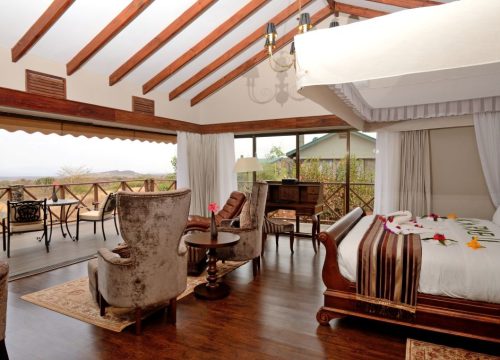
Tanzania Safari Accommodations: Luxury, Mid-Range & Budget Guide
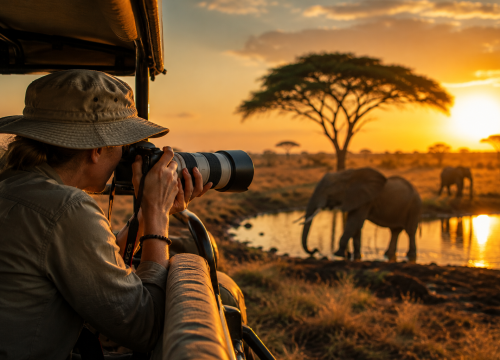
Safari Photography Tips for Beginners in Tanzania
Tanzania Safari FAQs: Answering 100 Common Questions Before You Visit Tanzania
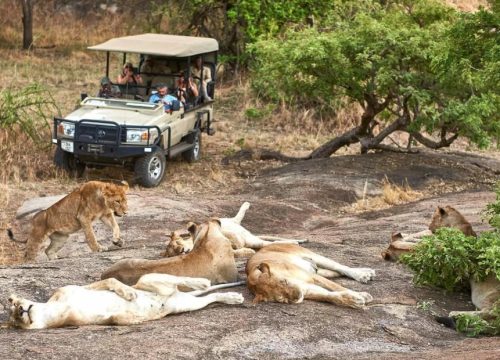
First-Time Tanzania Safari: 30 Things Nobody Tells You
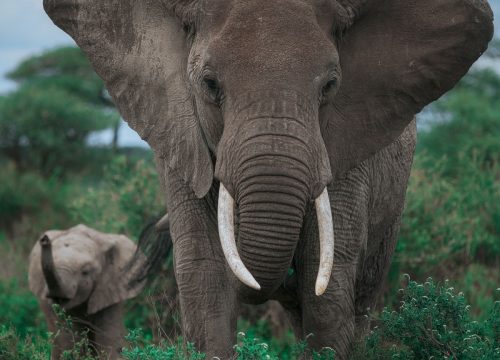
25 Animals You Can See on a Tanzania Safari: Complete Wildlife Guide
Ngorongoro Crater from Karatu: Price, Distance, Itinerary & Travel Guide
Serengeti Fly-In Safari from Zanzibar | Mara River Crossing 2026
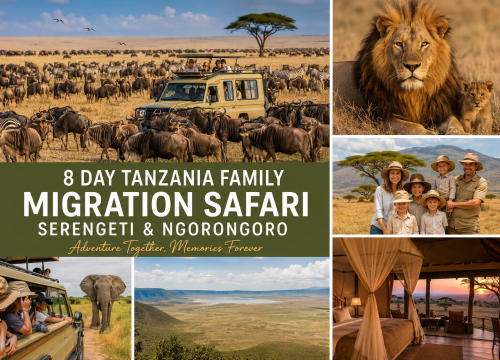
8 Day Tanzania Family Migration Safari
7 Day Tanzania Family Safari Great Migration Serengeti
Tanzania Safari in December and January: Best Time for Great Migration and Holiday Travel
Zanzibar Travel Guide- Best Beaches, Things to Do & Perfect Safari Extension from Tanzania
6-Day Tanzania Family Migration Safari
Materuni Waterfalls and Coffee Tour: Best Day Trip from Moshi
Tanzania Travel Bucket List 2027: 20 Unforgettable Experiences
Tanzania Safari for Older Travelers: Complete Travel Guide
Marangu Route Kilimanjaro: Complete Guide, Itinerary, Cost & Tips