Are you looking for a quieter wildlife experience in Tanzania? A Mkomazi National Park safari offers a chance to explore open savannah, search for unusual antelope species and learn about important wildlife conservation projects.
Located in northeastern Tanzania near the Kenyan border, Mkomazi is less visited than famous destinations such as Serengeti National Park and Ngorongoro Crater. It offers a different kind of safari, with dry-country wildlife, scenic landscapes and a strong conservation focus.
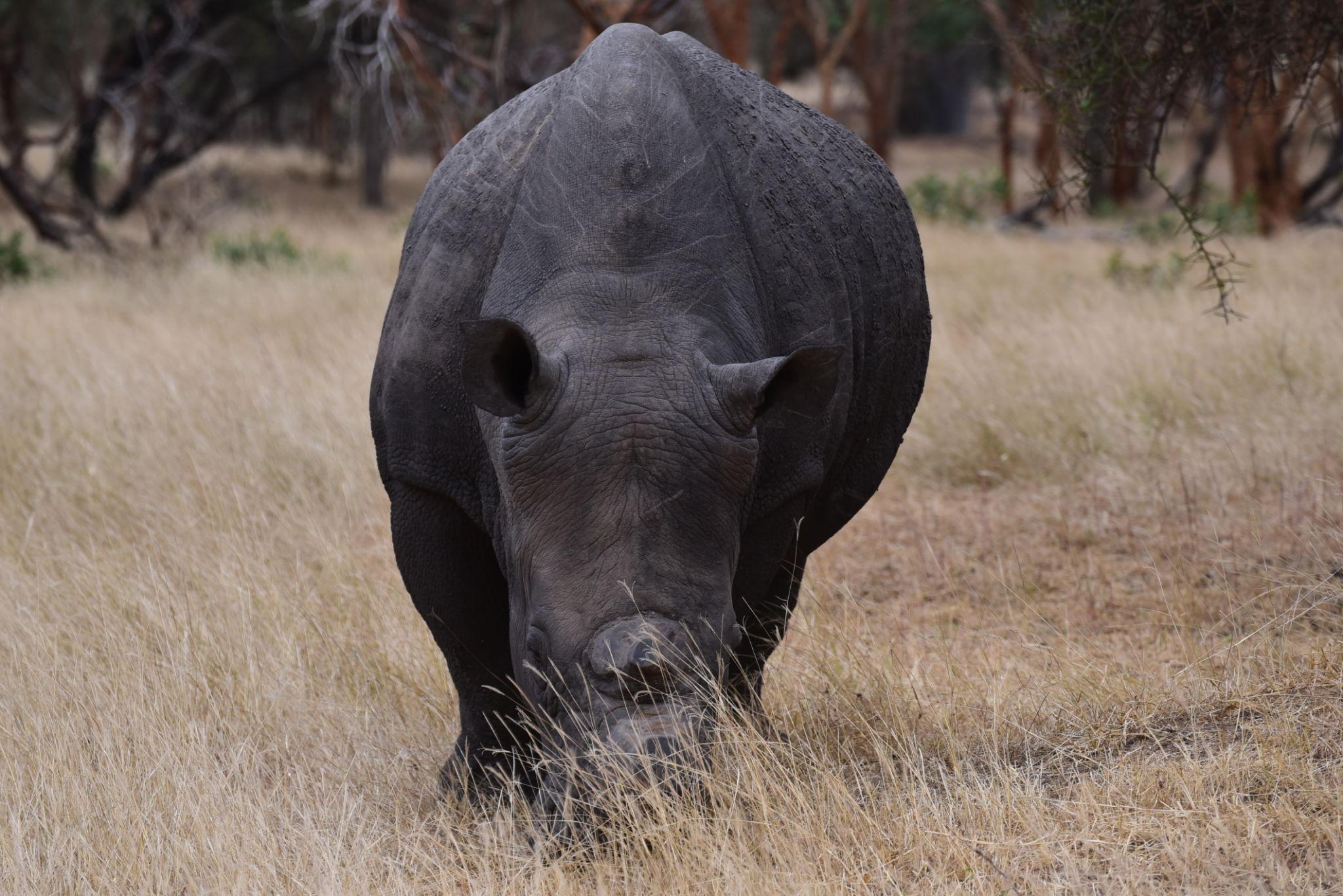
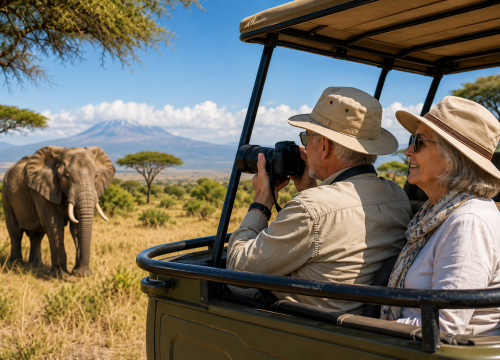
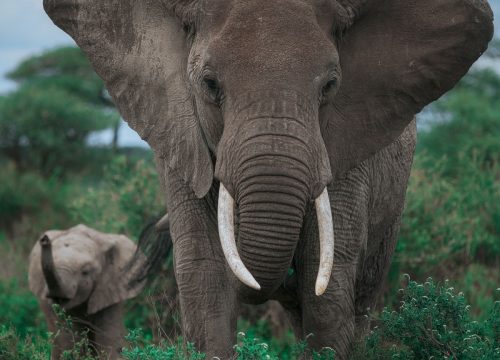
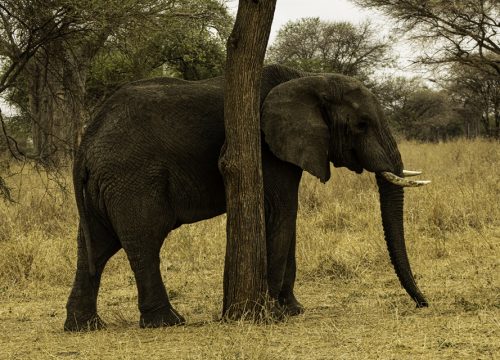
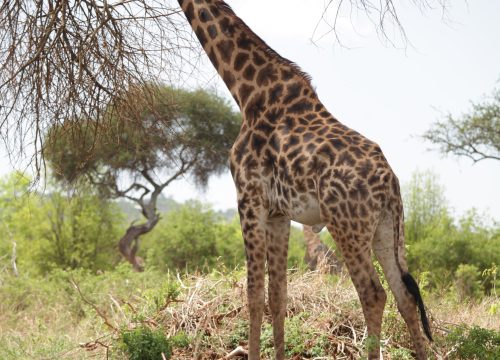
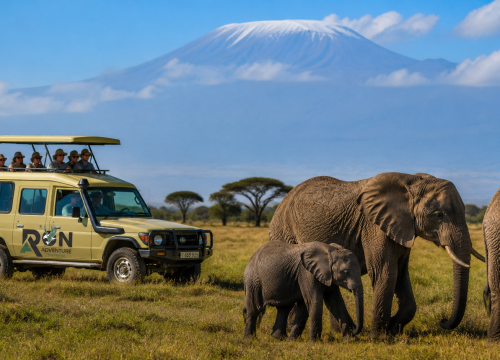
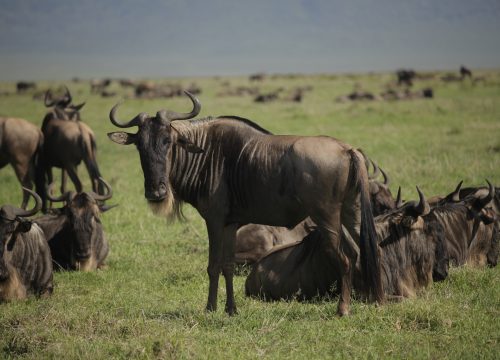
The park is particularly known for its black rhino conservation programme. Visitors may also encounter elephants, giraffes, zebras, buffaloes and a variety of bird species.
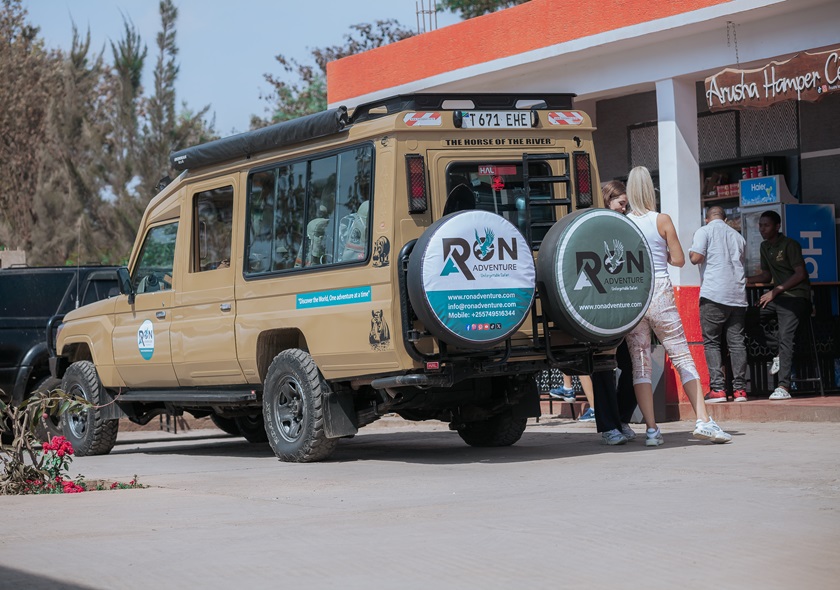
With Ron Adventure, you can explore options for a private safari or include Mkomazi in a wider Tanzania itinerary. This guide explains what to see, when to visit, how to get there and how to plan your trip.
Where Is Mkomazi National Park?
Mkomazi National Park lies in northeastern Tanzania, in the Kilimanjaro and Tanga regions, close to the border with Kenya. It forms part of a wider ecological landscape connected to Kenya’s Tsavo conservation area.
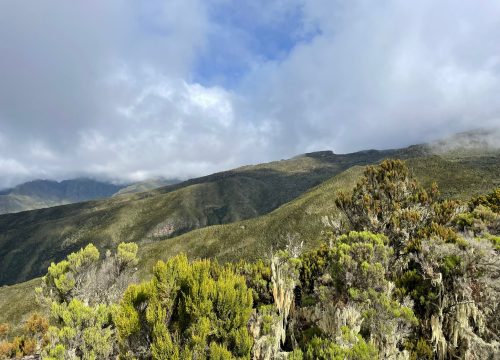
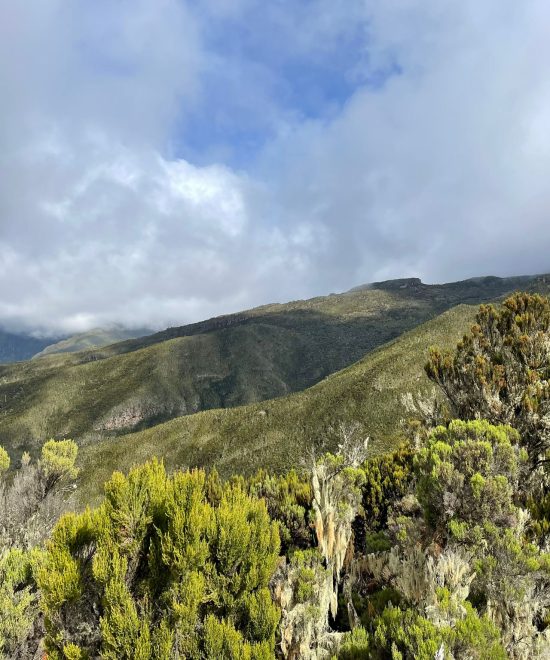
The park features semi-arid savannah, acacia woodland, seasonal watercourses and open plains. The surrounding Pare and Usambara mountain ranges add to the scenery.
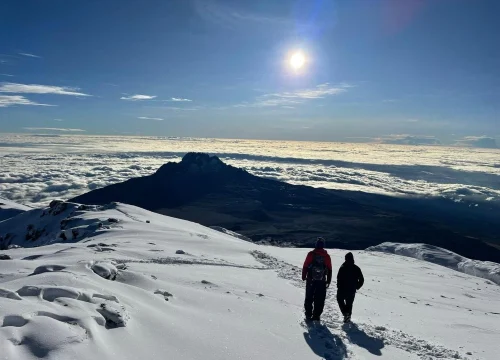
Mkomazi is also a possible addition to a trip that includes Mount Kilimanjaro, Moshi or other northern Tanzania destinations.
Travel times: The drive from Moshi to Mkomazi generally takes around two to three hours, depending on the park entrance and road conditions. From Arusha, allow approximately five to six hours, depending on your route and destination within the park. Confirm the route and timing when arranging your safari.
Why Visit Mkomazi National Park?
Mkomazi offers an alternative to Tanzania’s more frequently visited safari parks. It is especially appealing to travellers who enjoy quiet landscapes, birdwatching and conservation-focused experiences.
Here are four reasons to consider visiting.
Discover a quieter safari destination
Mkomazi often receives fewer visitors than the major northern circuit parks. This can provide a more peaceful game-drive experience.
However, wildlife sightings vary. Animal densities are generally lower than in some of Tanzania’s most famous wildlife destinations. Patience and realistic expectations are important.
Learn about black rhino conservation
The Mkomazi Rhino Sanctuary is one of the park’s most important conservation attractions. It supports the protection of endangered black rhinos.
Access to the sanctuary is controlled. Visitors should arrange permission and confirm availability in advance rather than assume that a rhino viewing visit is included in a standard game drive.
Search for unusual wildlife
Mkomazi supports several species associated with dry savannah habitats. These include fringe-eared oryx and gerenuk, which can be harder to encounter in other northern Tanzania parks.
Wildlife sightings are never guaranteed, but these species make Mkomazi particularly interesting for experienced safari travellers and wildlife enthusiasts.
Enjoy scenic landscapes and photography
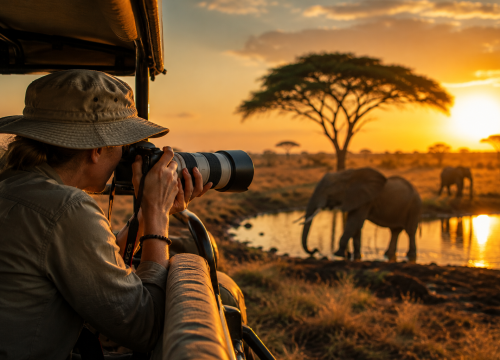
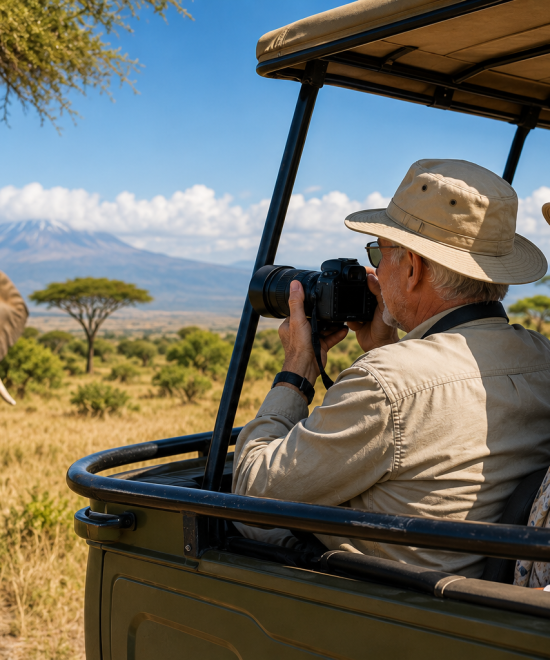
The park’s open plains, thorny woodland and distinctive vegetation create attractive photographic settings.
On clear days, Mount Kilimanjaro may be visible from suitable viewpoints. The scenery also provides opportunities for landscape photography and birdwatching.
Ready to plan your Tanzania safari?
Our Arusha-based safari experts will create a free, personalized Tanzania safari itinerary within 3 hours, tailored to your budget, travel style, and interests..
Wildlife in Mkomazi National Park
Mkomazi supports a range of mammals and birds adapted to its dry environment. Your sightings will depend on the season, weather, water availability and the areas explored during your game drive.
Mammals you may encounter include:
- Elephants
- Giraffes
- Zebras
- Buffaloes
- Elands and hartebeests
- Fringe-eared oryx
- Gerenuk
- Lions, leopards and hyenas, although sightings can be less frequent
The park is also recognised for its black rhino conservation programme and African wild dog conservation work.
Birdwatching in Mkomazi
Birdwatching is another reason to visit Mkomazi. The park’s habitats support a wide variety of resident and migratory birds.
Bring binoculars and a bird guide if you enjoy identifying species. An experienced guide can help you spot birds that might otherwise go unnoticed during a game drive.
Mkomazi Rhino Sanctuary: A Conservation Highlight
The Mkomazi Rhino Sanctuary protects endangered black rhinos in a carefully managed environment. Its work contributes to the wider effort to conserve one of Africa’s most threatened large mammals.
For visitors interested in conservation, the sanctuary can add an educational dimension to a safari. It offers an opportunity to learn about rhino protection, habitat management and the challenges of preventing wildlife crime.
Please note that sanctuary access is subject to authorisation and current visitor arrangements. Ask your tour operator to confirm whether a visit is possible during your travel dates and whether additional charges apply.
Best Time to Visit Mkomazi National Park
Mkomazi can be visited throughout the year, but the best period depends on your interests.
June to October: Dry season
The dry season is generally a popular period for wildlife viewing. Vegetation may be less dense, and animals can be easier to spot in some areas.
Daytime conditions can be warm, so carry drinking water, sun protection and a light layer for early morning drives.
November to May: Green season
The green season can bring fresh vegetation and attractive scenery. It is also a rewarding time for birdwatching, particularly when migratory species are present.
Rainfall may affect road conditions and travel times. Ask your safari operator about the conditions expected during your visit.
Our advice: Choose your travel dates according to your priorities. If wildlife viewing is your main objective, consider the dry season. If you prefer greener scenery and birdwatching, the green season may be a good option.
Activities in Mkomazi National Park
Game drives
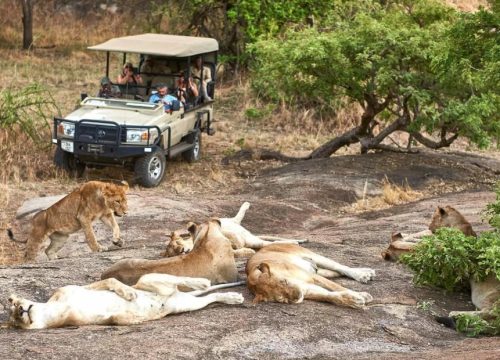
Game drives are the main way to explore Mkomazi. A safari vehicle allows you to cover more ground while searching for wildlife and enjoying the landscape.
Morning and afternoon drives can offer different light and wildlife-viewing conditions. Your guide can adjust the route according to current conditions and the time available.
Rhino conservation visits
If authorised visits are available, a trip to the rhino sanctuary can help you understand the work involved in protecting endangered wildlife.
Arrange this activity in advance and confirm the applicable rules, fees and availability.
Birdwatching
The park’s varied habitats make it attractive to bird enthusiasts. Allow extra time if birdwatching is a priority, as identifying species often requires slower travel and careful observation.
Wildlife photography
Mkomazi’s open scenery and distinctive dry-country species offer opportunities for wildlife and landscape photography.
A camera with a zoom lens and a pair of binoculars can be useful. Your guide can help you look for suitable viewing opportunities without disturbing wildlife.
How to Get to Mkomazi National Park
Mkomazi is accessible by road, making it possible to include the park in a northern Tanzania journey.
From Moshi
Moshi is a practical starting point for travellers combining Mkomazi with Mount Kilimanjaro. The drive generally takes around two to three hours, although the exact time depends on the entrance used and road conditions.
From Arusha
Arusha is a major base for Tanzania safaris. Travelling to Mkomazi from Arusha takes longer, so consider the driving time when deciding whether to visit for one day or stay overnight.
From Kilimanjaro International Airport
Travellers arriving at Kilimanjaro International Airport can arrange a road transfer towards Mkomazi. Your arrival time, accommodation and planned activities will determine whether it is practical to continue directly to the park or stay overnight first.
For a comfortable journey, arrange transport with a safari operator who can plan the route, park entry and timing.
Where to Stay When Visiting Mkomazi
Accommodation options around Mkomazi are more limited than in popular destinations such as Serengeti and Ngorongoro.
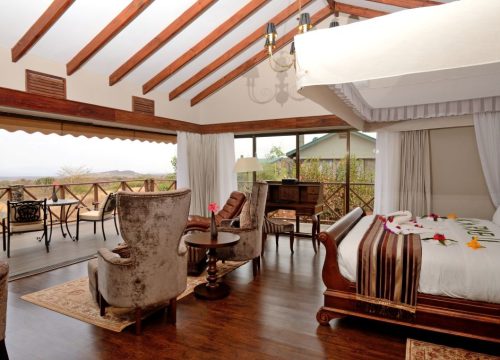
Depending on your itinerary, you may choose a lodge or guesthouse near the park, stay in the nearby town of Same, or arrange an appropriate campsite where permitted.
Consider these factors when choosing accommodation:
- Distance from your planned park entrance
- Comfort level and available facilities
- Whether meals are included
- Transport arrangements for game drives
- Availability during your travel dates
Book ahead when possible, especially if your trip falls during a busy travel period. Confirm the location and facilities of your accommodation before making payment.
How Many Days Do You Need in Mkomazi?
The ideal duration depends on your interests and how much time you have available.
One-day Mkomazi safari
A day trip can work for travellers staying within reasonable driving distance, particularly around Moshi or Same. It allows time for a game drive, subject to park opening hours and travel arrangements.
Travellers starting in Arusha should consider the longer road journey before choosing a day trip.
Two-day Mkomazi safari
A two-day trip allows more time to explore the park and reduces the pressure to complete everything in one day. Depending on availability, it may also allow an overnight stay near the park.
Longer wildlife and photography trip
Travellers with a strong interest in birds, photography or conservation may prefer additional time. Discuss your priorities with your guide to establish a realistic itinerary.
Can You Combine Mkomazi with Other Tanzania Destinations?
Yes. Mkomazi can be included in a wider Tanzania itinerary, particularly for travellers who want to explore beyond the standard northern safari circuit.
Mkomazi and Mount Kilimanjaro
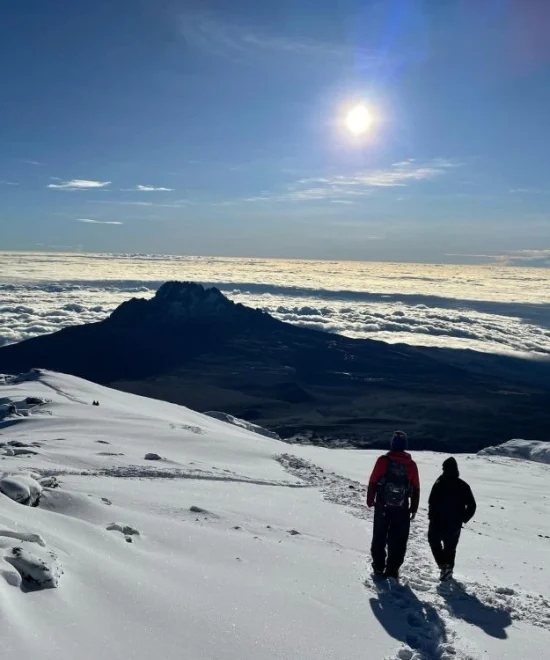
Combining a Kilimanjaro trek with a wildlife safari creates a varied holiday. You can plan the safari before or after your climb, depending on your arrival dates, trekking schedule and recovery time.
Mkomazi and the Northern Circuit
Travellers with more time may combine Mkomazi with destinations such as Tarangire National Park, Lake Manyara National Park, Serengeti National Park and Ngorongoro Crater.
These parks offer different habitats and wildlife-viewing experiences. However, distances can be considerable, so plan the route carefully to avoid spending too much of your holiday travelling.
Mkomazi and the Usambara Mountains
The Usambara Mountains offer a different experience focused on scenery, hiking and local culture. Combining them with Mkomazi can create a varied trip for travellers who enjoy both nature and wildlife.
How Much Does a Mkomazi National Park Safari Cost?
The cost of a Mkomazi safari depends on several factors, including the number of travellers, trip duration, accommodation, transport and activities.
Park fees and any authorised sanctuary visit charges should also be included in the budget where applicable.
A private safari may cost more per person than a shared trip, but it offers greater flexibility over the schedule and pace.
Before booking, ask for a quotation that clearly explains:
- Park entry and applicable conservation fees
- Safari vehicle and professional guide
- Fuel and road transfers
- Accommodation and meals
- Special activities and any additional permits
- Items excluded from the package
Park tariffs can change. Check the current official Tanzania National Parks (TANAPA) tariff before publishing specific prices or confirming a booking.
Contact Ron Adventure to discuss your preferred dates, group size and accommodation level for a personalised safari quotation.
Ready to plan your Tanzania safari?
Our Arusha-based safari experts will create a free, personalized Tanzania safari itinerary within 3 hours, tailored to your budget, travel style, and interests..
Practical Tips for Visiting Mkomazi National Park
A little preparation can make your safari more comfortable.
Bring the essentials. Pack binoculars, a camera, sunscreen, a hat, drinking water and comfortable clothing.
Choose suitable clothing. Lightweight, neutral-coloured clothing works well for game drives. Bring a light jacket for cooler mornings.
Allow enough travel time. Driving times depend on your starting point, road conditions and park entrance. Avoid planning a tight connection after a full-day safari.
Confirm special activities. Ask about rhino sanctuary access, additional charges and any restrictions before travelling.
Follow your guide’s instructions. Remain inside the vehicle unless your guide confirms that leaving it is permitted. Keep a respectful distance from wildlife.
Book your arrangements in advance. Confirm accommodation, transport and park entry requirements before departure.
Frequently Asked Questions About Mkomazi National Park
Is Mkomazi National Park worth visiting? Yes, especially if you appreciate quieter safari destinations, unusual dry-country wildlife and conservation experiences. However, it generally offers lower wildlife densities than some of Tanzania’s best-known safari parks.
Can you see black rhinos in Mkomazi? Mkomazi is known for its black rhino sanctuary. However, access is controlled, and sightings are not guaranteed. Confirm the availability and requirements for a sanctuary visit before travelling.
What animals can you see in Mkomazi National Park? Wildlife includes elephants, giraffes, zebras, buffaloes, elands, hartebeests, gerenuk and fringe-eared oryx. Lions, leopards and other predators also occur in the park, although sightings vary.
Is Mkomazi suitable for a day trip? A day trip may be suitable from nearby locations, depending on the route and activities. From Arusha, the longer drive makes an overnight stay worth considering.
What is the best time to visit Mkomazi? June to October is generally a popular period for wildlife viewing. November to May can offer greener scenery and good birdwatching opportunities, although rainfall may affect travel conditions.
Can I combine Mkomazi with a Kilimanjaro climb? Yes. Mkomazi can be included before or after a Kilimanjaro trek. Allow enough time for transfers and recovery when planning your itinerary.
How do I arrange a Mkomazi safari? Decide on your travel dates, group size and preferred accommodation. Then contact Ron Adventure to discuss transport, park activities and a suitable itinerary.
Plan Your Mkomazi National Park Safari with Ron Adventure
Discover a different side of Tanzania with a safari focused on wildlife, open landscapes and conservation.
Whether you are planning a short visit from Moshi or adding Mkomazi to a longer Tanzania adventure, Ron Adventure can help you plan an itinerary around your travel dates and interests.
Ready to explore Mkomazi National Park?
Visit Ron Adventure to discuss your safari plans and request a personalised itinerary.
Explore Tanzania beyond the familiar routes and discover what makes Mkomazi a distinctive destination for wildlife enthusiasts.