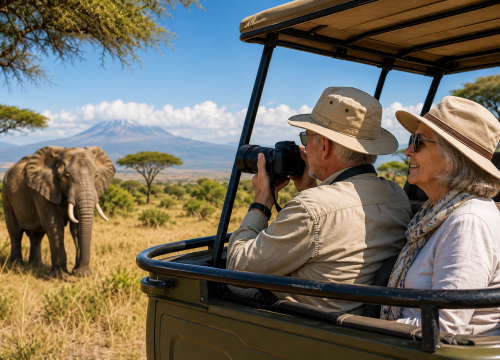
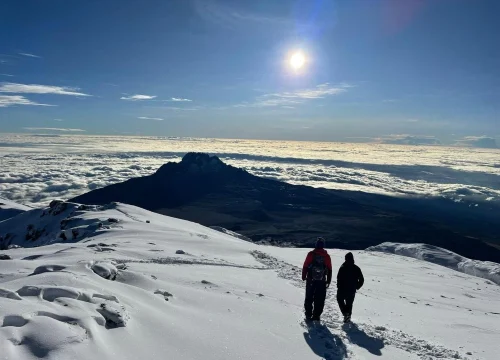
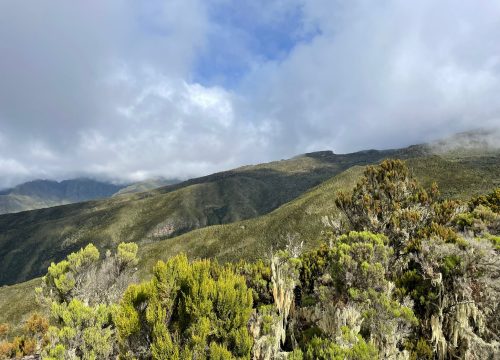
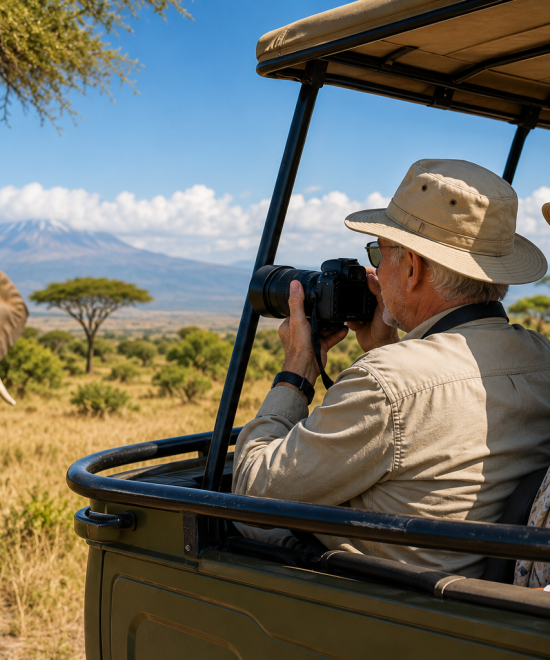
The Central Serengeti safari experience is one of the best choices for travellers who want to explore Tanzania’s famous wildlife plains, search for Africa’s big cats, and enjoy exciting game drives. Known for the Seronera Valley, open grasslands and rocky kopjes, Central Serengeti offers excellent opportunities to see wildlife in different seasons.
Whether you are planning your first Tanzania safari, a private wildlife photography trip, a family holiday or a longer Great Wildebeest Migration safari, Central Serengeti is worth considering. Its resident wildlife makes it rewarding throughout the year, even when the migrating herds move to other parts of the Serengeti ecosystem.
In this guide, Ron Adventure explains what to see in Central Serengeti, when to visit, where to stay, how many days to plan and how to organise a safari that suits your travel dates and budget.
Plan Your Central Serengeti Safari
Looking for lions, leopards and unforgettable wildlife
encounters? Let Ron Adventure create a Tanzania safari
that matches your travel dates, interests and budget.
Get Your Personalised Safari Quote
Where Is Central Serengeti?
Central Serengeti lies in the heart of Serengeti National Park in northern Tanzania. The area around Seronera Valley is particularly well known for its wildlife, riverine vegetation, open plains and rocky outcrops.
The Seronera River and its surrounding habitats attract animals throughout the year. Wildlife can gather near water sources, while the surrounding plains provide grazing for zebras, wildebeest, gazelles and other herbivores. These animals, in turn, attract predators.
Central Serengeti is also a practical base for a northern Tanzania safari. Travellers can combine it with destinations such as Tarangire National Park, Ngorongoro Crater and Lake Manyara National Park, depending on the length of their trip.
Why visit Central Serengeti?
- Excellent opportunities to look for lions, leopards and cheetahs.
- Resident wildlife throughout the year.
- Scenic plains, river valleys and rocky kopjes.
- Opportunities to see elephants, giraffes, buffalo, zebras and antelopes.
- A range of safari lodges and tented camps.
- Options for private safaris, family trips and wildlife photography.
- Access to the wider Serengeti ecosystem and seasonal migration routes.
Central Serengeti is particularly suitable for travellers who want a classic African safari without planning their entire trip around a single seasonal wildlife event.
Wildlife in Central Serengeti: What Animals Can You See?
Central Serengeti is famous for its variety of wildlife. Although sightings are never guaranteed, the area’s different habitats support many species throughout the year.
Lions
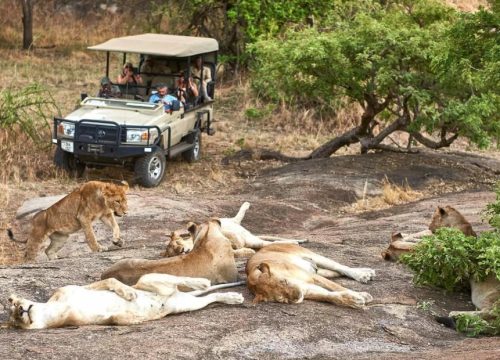
Lions are among the most sought-after animals on a Central Serengeti game drive. They may be seen resting in the shade, watching herds across the grasslands or moving through the plains in search of prey.
Early morning and late-afternoon game drives offer opportunities to observe their natural behaviour when conditions are suitable.
Leopards
The Seronera Valley is well known for leopard sightings. These elusive cats often rest in trees or use thick vegetation along river courses for shelter.
Finding a leopard requires patience and a good guide who understands its habitat and behaviour. Even in a wildlife-rich area, sightings depend on luck and conditions on the day.
Cheetahs
Cheetahs favour open landscapes where they can scan for prey and use their speed when hunting. The plains around Central Serengeti can offer opportunities to see them, although their movements change with prey availability and season.
For wildlife photographers, a patient game drive can provide memorable opportunities to observe these animals in their natural environment.
Elephants, giraffes and buffalo
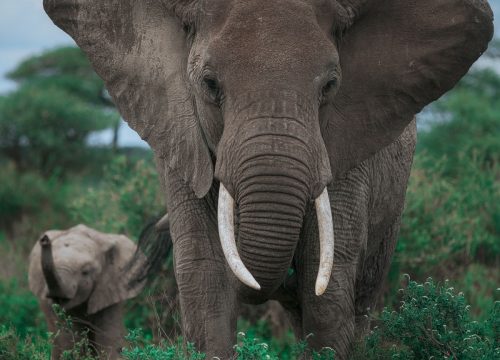
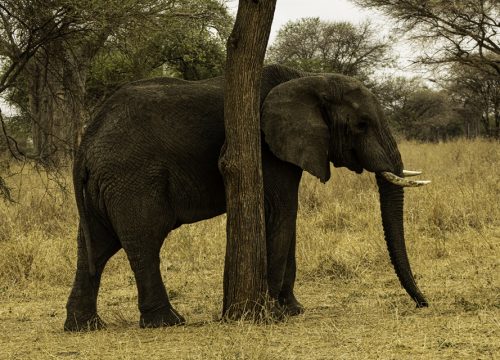
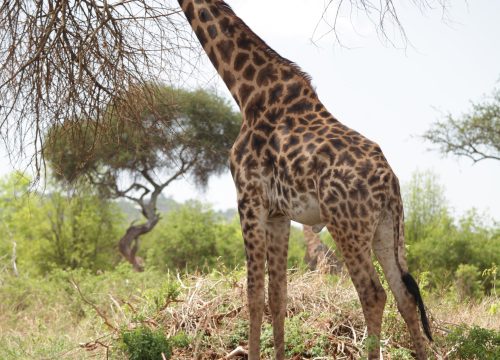
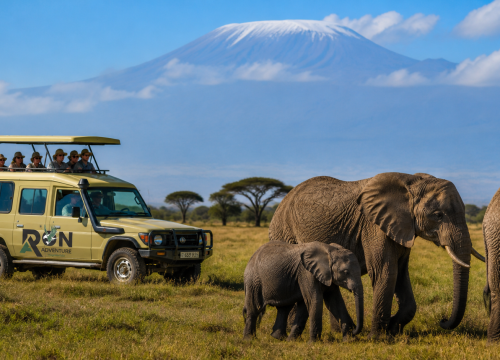
Central Serengeti is home to large mammals as well as predators. Elephants may be seen moving between feeding areas, giraffes browsing on trees and buffalo gathering in herds.
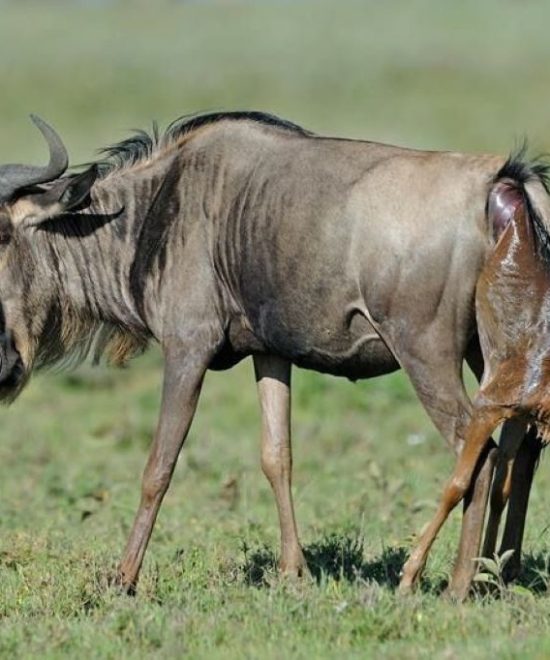
You may also encounter zebras, Thomson’s gazelles, impalas, topis, warthogs, hyenas, jackals and numerous bird species.
The Big Five in Central Serengeti
The African Big Five are lions, leopards, elephants, buffalo and rhinoceros. Central Serengeti is particularly rewarding for lion and leopard viewing, and elephants and buffalo are also present.
However, seeing all five animals is not guaranteed. Rhinoceros sightings are especially difficult, so travellers should not choose Central Serengeti solely on the expectation of seeing every member of the Big Five.
The Great Wildebeest Migration in Central Serengeti
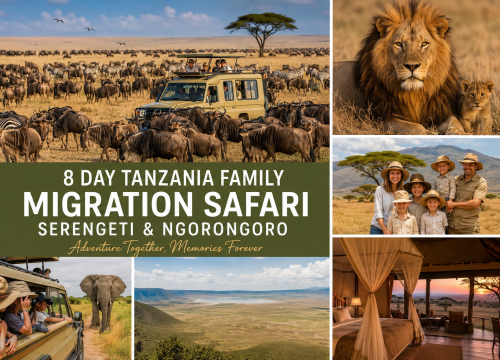
The Great Wildebeest Migration is the annual movement of wildebeest, zebras and other grazing animals across the Serengeti ecosystem and into Kenya’s Maasai Mara.
Central Serengeti can form part of the migration route, but the location of the herds changes throughout the year in response to rainfall, fresh grazing and water availability.
During some periods, migrating herds pass through the central plains. At other times, the largest concentrations may be in the southern, western or northern parts of the ecosystem.
If your main goal is to see a particular migration event, it is important to choose the safari region according to your travel dates.
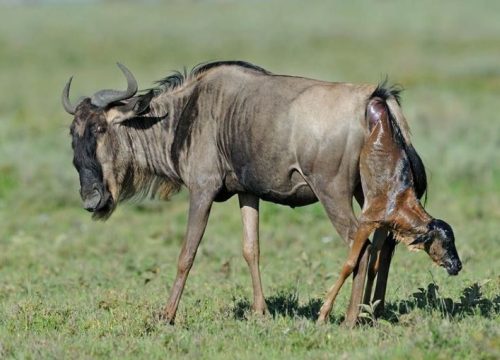
- January to March: The southern Serengeti and Ndutu area are important for wildebeest calving.
- April to June: Herds may move north and west, with activity varying across the ecosystem.
- July to September: Northern Serengeti is a key area to consider for possible Mara River crossings.
- October to December: Herd movements often shift southwards, although timing depends on rainfall.
These are approximate seasonal patterns, not fixed schedules. River crossings cannot be guaranteed, and the herds may move earlier or later than expected.
If you want to combine Central Serengeti with a migration-focused safari, Ron Adventure can help plan the route around your dates and preferred experience.
Best Time to Visit Central Serengeti
Central Serengeti offers wildlife viewing throughout the year. The best time for your trip depends on your priorities, including predator sightings, weather, photography, migration activity and accommodation budget.
June to October: The dry season
The dry season is a popular time for a Tanzania safari. Vegetation is often less dense, and animals may gather around reliable water sources, making wildlife easier to spot in some locations.
These months can also be busy, especially during the main holiday season. Booking accommodation early is advisable if you want a particular lodge or tented camp.
Central Serengeti remains a good choice for general wildlife viewing, while travellers hoping to see Mara River crossings should consider spending time in Northern Serengeti as well.
November to December: The short rains
The short rains can bring fresh grass and greener scenery to the plains. Showers may affect road conditions and game-drive schedules, but they do not necessarily prevent rewarding wildlife viewing.
This period may suit travellers who prefer greener landscapes and are flexible about the weather. The timing and amount of rainfall vary each year.
January to March: The green season
The beginning of the year is a good time to explore the Serengeti ecosystem. The southern plains and Ndutu area are especially important during the wildebeest calving season, when large numbers of young animals attract predators.
Central Serengeti can still provide rewarding wildlife sightings, but travellers whose main priority is calving should consider including the southern Serengeti or Ndutu in their itinerary.
April to May: The long rains
April and May are generally wetter months. The scenery can be lush, and some accommodation providers may offer lower seasonal rates.
Rain can affect driving times and road conditions, so it is important to plan realistically. Travellers seeking a quieter safari may find this period appealing if they are comfortable with some flexibility.
Our recommendation: There is no single best month for every traveller. Choose Central Serengeti for year-round wildlife and big-cat opportunities, and select other Serengeti regions when a specific seasonal event is your main priority.
Best Things to Do in Central Serengeti
1. Enjoy guided game drives
Game drives are the main activity in Central Serengeti. With a professional safari guide, you can explore different habitats, look for predators and learn about animal behaviour.
Early morning and late-afternoon drives are popular because wildlife activity can be good during cooler parts of the day. Full-day drives may also be arranged, depending on the itinerary and park regulations.
2. Go on a hot-air balloon safari
A hot-air balloon safari offers a different perspective of the Serengeti plains at sunrise. From above, you may see wildlife moving through the landscape and appreciate the scale of the ecosystem.
Balloon safaris depend on weather, availability and the location of the operator. They normally require advance booking and are charged separately from many standard safari packages.
3. Photograph wildlife and landscapes
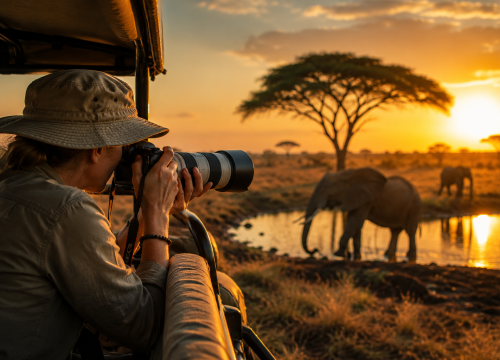
Central Serengeti offers opportunities to photograph big cats, elephants, giraffes, zebras, birds and dramatic African scenery.
Bring a camera or binoculars if you have them, and follow your guide’s instructions when approaching wildlife. A longer stay gives you more time to explore different areas and wait for suitable photography conditions.
4. Enjoy a tented camp experience
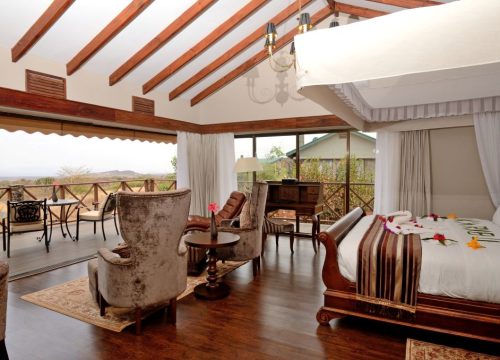
Staying in a tented camp allows you to experience the atmosphere of the African bush while enjoying the facilities provided by your accommodation.
Options vary from simpler safari camps to comfortable and luxury tented properties. Check the exact location, room facilities, meal arrangements, seasonal opening dates and included services before booking.
Where to Stay in Central Serengeti
Choosing the right accommodation is an important part of planning a Central Serengeti safari. Your camp’s location can influence how much time you spend driving to wildlife areas and how easily you can follow your preferred itinerary.
Budget and camping safaris
Camping safaris can be a practical option for travellers who want to focus their budget on wildlife experiences. Facilities and comfort levels vary, so confirm the type of campsite, bathroom arrangements, meals and equipment included in your package.
Mid-range tented camps and lodges
Mid-range accommodation suits travellers who want a comfortable place to rest after game drives without necessarily choosing a luxury property.
Compare the location, room type, bathroom facilities, meals and transport arrangements rather than relying on the price alone.
Luxury safari lodges and tented camps
Luxury properties may offer spacious suites or tents, quality dining, personalised service and additional facilities. Prices depend on the season, room category, meal plan and other services.
For any accommodation, check that it is actually located in or conveniently positioned for the area you want to explore. A property described as a Serengeti camp may be in a different region of the ecosystem.
Plan Your Central Serengeti Safari
Looking for lions, leopards and unforgettable wildlife
encounters? Let Ron Adventure create a Tanzania safari
that matches your travel dates, interests and budget.
Get Your Personalised Safari Quote
How Many Days Do You Need in Central Serengeti?
The ideal length of stay depends on your interests, budget and the other parks you plan to visit.
One night
One night can work as a short stop on a wider northern circuit itinerary. However, long road transfers may leave you with limited time for game drives.
Two to three nights
Two or three nights offer a better opportunity to explore different wildlife areas, enjoy several game drives and avoid rushing through the park.
This is a practical option for many first-time visitors who want to combine Central Serengeti with Ngorongoro Crater and Tarangire.
Four nights or longer
A longer stay gives you more flexibility to explore at a relaxed pace, spend additional time looking for wildlife and plan photography-focused game drives.
If the Great Migration is your main objective, the number of nights and the region you stay in should be chosen according to the expected seasonal movement of the herds.
How to Get to Central Serengeti
There are two common ways to reach Central Serengeti: by road or by domestic flight.
Road safari from Arusha
Many northern Tanzania safari itineraries begin in Arusha. Driving to Central Serengeti allows you to experience the changing landscapes along the route and can be combined with other national parks.
However, the journey is long. Actual driving time depends on the starting point, road conditions, stops, park entry arrangements and the route selected.
Your itinerary should allow enough time for the transfer rather than promising a full day of game viewing after a lengthy drive.
Fly-in safari
A domestic flight to Seronera Airstrip can reduce road travel time and allow you to spend more of your trip on safari.
Flight schedules, baggage limits, fares and connections vary. Transfers between the airstrip and your accommodation must also be arranged.
A fly-in safari can be especially useful for travellers with limited time or those combining the Serengeti with Zanzibar.
What to Pack for a Central Serengeti Safari
Packing appropriately helps you stay comfortable during early starts, long game drives and changing weather.
Consider bringing:
- Lightweight, neutral-coloured clothing.
- A warm layer for early mornings.
- Comfortable closed shoes.
- A hat, sunglasses and sunscreen.
- Insect repellent.
- Binoculars and a camera, if available.
- Spare batteries, charging equipment and any necessary adapters.
- Personal medication and basic travel essentials.
- A small day bag and a reusable water bottle.
For fly-in safaris, check your airline’s baggage allowance and whether soft-sided luggage is required. Your operator can advise you about the specific flight and accommodation arrangements.
Practical Tips for Planning Your Serengeti Safari
Book accommodation early for popular travel dates. July to October can be busy, and properties in sought-after locations may sell out well in advance.
Choose the region before choosing the camp. If you want year-round resident wildlife, Central Serengeti is a strong option. If you want calving season or Mara River crossings, the southern or northern regions may be more appropriate at the relevant time.
Allow enough time for transfers. Long drives can reduce the time available for game viewing. Ask for a realistic itinerary with travel times explained.
Check what your safari price includes. Confirm accommodation, park fees, meals, drinking water, transport, guide services, airport transfers and any optional activities.
Travel with a knowledgeable guide. An experienced guide can help you understand animal behaviour, identify species and adapt game drives to conditions on the day.
Respect wildlife. Maintain a safe distance, follow park rules, avoid disturbing animals and never ask a driver to approach wildlife in an unsafe or prohibited way.
Sample Central Serengeti Safari Itinerary
A three-day Central Serengeti safari can provide a useful introduction to the region. The schedule below is an example and should be adjusted to match your arrival point, accommodation and travel dates.
Day 1: Travel to Central Serengeti
Depart according to your agreed itinerary and travel to Central Serengeti. Enjoy a game drive if time and park arrangements allow, then continue to your selected camp or lodge for dinner and an overnight stay.
Day 2: Full-day game drive in Central Serengeti
Spend the day exploring the Seronera area and surrounding plains with your guide. Look for lions, leopards, elephants, giraffes, zebras and other wildlife. Return to your accommodation in the evening.
Day 3: Morning game drive and onward journey
Enjoy a morning game drive if your schedule permits. After breakfast, continue to your next destination, such as Ngorongoro Conservation Area, or travel according to your onward arrangements.
Road distances and driving times can be substantial. If you prefer a more relaxed experience, consider adding another night in Central Serengeti.
Frequently Asked Questions About Central Serengeti
Is Central Serengeti worth visiting? Yes. Central Serengeti is a strong choice for travellers interested in resident wildlife, big cats, scenic plains and a classic Tanzania safari. Wildlife sightings vary, but the region offers opportunities throughout the year.
What is the best month to visit Central Serengeti? There is no single best month for every traveller. The dry season from June to October is popular for general game viewing, while the greener months offer different scenery and seasonal opportunities. Choose your dates according to your interests and budget.
Can I see the Great Wildebeest Migration in Central Serengeti? You may see migrating herds when they move through the central region. However, the herds do not remain in one place, and their movement depends on rainfall and grazing conditions. For river crossings or calving, plan around the relevant region and season.
Can I see the Big Five in Central Serengeti? Central Serengeti supports several members of the Big Five, but seeing all five is not guaranteed. Rhinoceros sightings are particularly difficult. Your guide can help you look for the wildlife present during your visit.
Is Central Serengeti suitable for a first safari? Yes. It is a good option for first-time visitors because of its variety of wildlife and accommodation. It can also be combined with Tarangire National Park and Ngorongoro Crater for a broader northern Tanzania safari.
Is a private Central Serengeti safari better? A private safari gives you more flexibility over the pace, schedule and interests of your trip. A group safari may be more economical. The best choice depends on your budget, preferred level of flexibility and travel style.
Can I combine Central Serengeti with Zanzibar? Yes. You can combine a Serengeti safari with a Zanzibar beach holiday using suitable domestic flight connections and road transfers. Check flight schedules and allow enough time between connections.
Plan Your Central Serengeti Safari with Ron Adventure
A memorable safari begins with an itinerary that matches your travel dates, wildlife interests and budget. Whether you want to search for big cats in Seronera, enjoy a tented camp in the African bush, photograph the Serengeti plains or combine your safari with Ngorongoro Crater and Zanzibar, careful planning makes a difference.
Ron Adventure is based in Arusha, Tanzania, and can help you plan a private or tailor-made safari with suitable accommodation and experienced local guiding.
Plan Your Central Serengeti Safari
Looking for lions, leopards and unforgettable wildlife
encounters? Let Ron Adventure create a Tanzania safari
that matches your travel dates, interests and budget.
Get Your Personalised Safari Quote