Tanzania is famous for the Serengeti, Mount Kilimanjaro and the beautiful beaches of Zanzibar. But there is much more to discover beyond these well-known destinations.
If you enjoy exploring places away from busy tourist routes, Tanzania has plenty to offer. You can watch elephants roam across remote wilderness, trek through forests in search of chimpanzees, walk to spectacular waterfalls or relax on a quiet stretch of coastline.
These hidden gems in Tanzania offer a different way to experience the country. They combine wildlife, nature, local culture and outdoor adventure, often in places that receive fewer visitors than the popular Northern Safari Circuit.
At Ron Adventure, we believe some of the most rewarding travel experiences come from taking the time to explore beyond the familiar. Here are five unique places to visit in Tanzania if you want something different from a traditional safari.
Discover Tanzania Beyond the Ordinary
Explore remote wildlife parks, hidden beaches and beautiful hiking trails. Let Ron Adventure help you plan a journey around your interests, travel dates and budget.
Plan My Tanzania Adventure
1. Ruaha National Park: A Remote Tanzania Safari
Ruaha National Park is an excellent choice for travellers who want to experience Tanzania’s wilderness away from the busiest safari routes.
Located in central Tanzania, Ruaha is known for its vast landscapes, ancient baobab trees, seasonal rivers and impressive wildlife. The Great Ruaha River attracts animals during the dry season, creating excellent opportunities for wildlife viewing.
What makes Ruaha special?
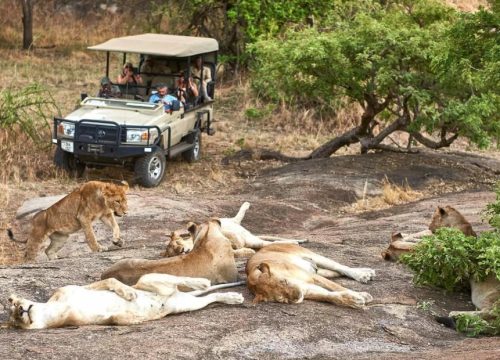
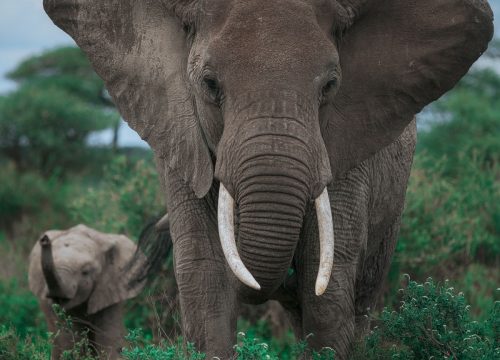
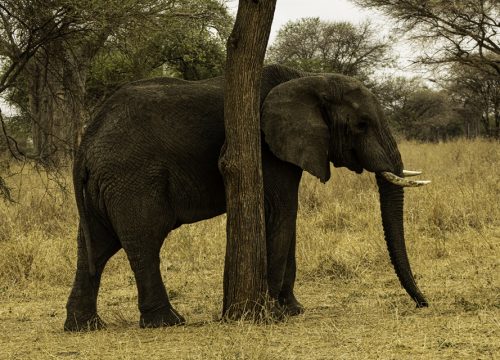
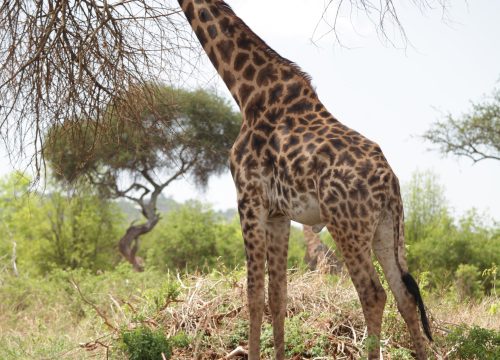
Ruaha supports large populations of elephants and lions, along with buffalo, giraffes, zebras, antelopes and many bird species. With patience and a knowledgeable guide, you may also encounter leopards or African wild dogs.
Unlike the busier safari areas, some parts of Ruaha can feel wonderfully quiet. You can spend time watching animals without the crowds sometimes experienced at more popular wildlife sightings.
Game drives are the main activity, while guided walking safaris may be available through suitable camps and authorised operators. Walking allows you to notice smaller details, such as animal tracks, plants and birds, that are easy to miss from a vehicle.
When is the best time to visit Ruaha?
June to October is generally a good period for wildlife viewing because animals gather around remaining water sources. The landscape becomes drier, making wildlife easier to spot in many areas.
The green season brings changing scenery and rewarding birdwatching opportunities, although rain can affect road conditions and access.
Who should visit Ruaha?
Ruaha is ideal for wildlife photographers, repeat safari travellers, couples and adventurous visitors looking for a quieter safari experience.
Because it is in southern Tanzania, reaching Ruaha can involve a domestic flight or a longer overland journey, depending on your itinerary. Allow enough time to enjoy the park rather than spending most of your holiday travelling.
2. Mahale Mountains National Park: Chimpanzees Beside Lake Tanganyika
Imagine walking beneath a forest canopy, listening to birds calling overhead and following your guide along a trail in search of wild chimpanzees. This is the kind of experience that makes Mahale Mountains National Park one of Tanzania’s most unusual wildlife destinations.
Located on the eastern shore of Lake Tanganyika in western Tanzania, Mahale combines forest-covered mountains, clear lake water and rich wildlife. It feels very different from the open savannah landscapes most people associate with an African safari.
What can you do in Mahale?
Chimpanzee trekking is the main attraction. With authorised guides, visitors can hike into the forest to observe habituated chimpanzees in their natural environment.
Watching these primates interact is fascinating. You may see them feeding, grooming, communicating or moving through the forest. Sightings are not guaranteed, and the length and difficulty of each trek depend on where the chimpanzees are located.
The experience can involve steep or uneven trails, warm conditions and considerable walking, so a reasonable level of fitness is helpful.
When you are not trekking, you can enjoy the scenery around Lake Tanganyika. Depending on your accommodation and local conditions, activities may include swimming in designated safe areas, kayaking or relaxing by the lakeshore.
When should you visit Mahale?
The drier months, particularly June to October, are generally favourable for trekking. However, conditions vary, and access depends on flights, boats, accommodation availability and weather.
Mahale is remote, so planning transport and accommodation well in advance is important.
Who is Mahale best for?
Mahale suits nature lovers, photographers and travellers who want a wildlife experience beyond conventional game drives. It can also work well for couples seeking a secluded escape.
If chimpanzee trekking is high on your wish list, consider combining Mahale with another western Tanzania destination, subject to transport connections and the time available.
3. Katavi National Park: Tanzania’s Untamed Wilderness
For travellers who want to go further off the beaten path in Tanzania, Katavi National Park offers a remarkable sense of space and remoteness.
Located in western Tanzania, Katavi is characterised by broad floodplains, seasonal lakes, open grasslands and woodland. It is far from the main northern safari circuit, and that distance is part of its appeal.
What wildlife can you see in Katavi?
Katavi is known for large buffalo herds, elephants, lions, hippos, crocodiles and a variety of antelope species.
During the dry season, water becomes scarce in some areas. Wildlife gathers around remaining pools and rivers, creating interesting opportunities for observation and photography. Hippos can sometimes congregate in large numbers in shrinking pools, although sightings depend on seasonal conditions.
The park’s remote setting also means that wildlife encounters can feel less hurried. Rather than moving between crowded viewing points, you may have more opportunities to enjoy the landscape and observe animal behaviour.
Best time to visit Katavi
The dry season, usually from June to October, is generally the preferred period for wildlife viewing. Access and wildlife movements change throughout the year, so check current conditions when planning your visit.
Katavi has limited accommodation and is commonly reached by scheduled or charter flights, depending on the season and available services. This can make the trip more expensive than a standard Northern Circuit safari.
Is Katavi worth visiting?
Katavi is particularly suitable for experienced safari travellers, photographers and people who value remote wilderness over a packed itinerary.
If your dream is to explore a quieter national park and spend several days focused on wildlife, Katavi deserves consideration.
4. Pangani: Quiet Beaches and Swahili Coastal Culture
Not every hidden gem in Tanzania has to involve a safari vehicle or a long trek. Pangani, on Tanzania’s mainland coast, offers a slower pace of travel, with palm-lined beaches, coastal villages and a rich Swahili heritage.
For travellers who want a beach holiday beyond Zanzibar’s better-known resort areas, Pangani is worth exploring.
What makes Pangani different?
Pangani has a history shaped by Indian Ocean trade and Swahili culture. The town and surrounding coastline offer opportunities to learn about local traditions, explore historic areas with a knowledgeable guide and experience daily life along the coast.
The beaches are a major attraction. Depending on the season and local conditions, you can enjoy quiet walks, relax beside the ocean or arrange a boat excursion.
Maziwe Island Marine Reserve, near Pangani, is known for its marine environment and opportunities for snorkelling when conditions are suitable. Boat trips and marine activities should be arranged with responsible local operators, with attention to tides, weather and conservation rules.
When is the best time to visit Pangani?
Coastal weather is warm throughout much of the year. Drier periods can be more convenient for beach activities, while seasonal rains may affect boat trips and road conditions.
Check local conditions before booking marine excursions.
Who should visit Pangani?
Pangani is a good option for couples, families and travellers who want to combine beach relaxation with cultural discovery.
It can also complement a mainland Tanzania itinerary, especially if you want a quieter coastal stop instead of spending your entire beach holiday in a busy resort area.
5. Udzungwa Mountains National Park: Forest Trails and Waterfalls
If you prefer walking through forests to watching wildlife from a safari vehicle, Udzungwa Mountains National Park is one of the most rewarding places to consider.
Located in south-central Tanzania, Udzungwa is known for its forested mountains, rich biodiversity and hiking trails. Its varied habitats support many plant and animal species, including endemic wildlife.
What can you do in Udzungwa?
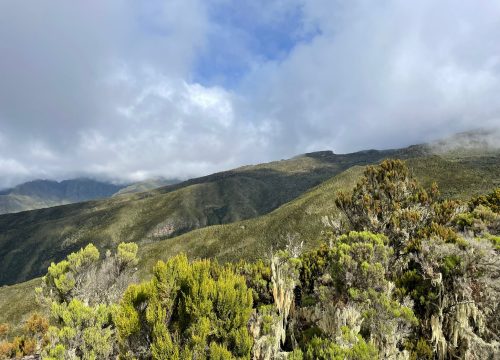
Hiking is the main attraction. Trails lead through tropical forest, where you can look for birds, monkeys, butterflies and interesting plant life along the way.
One of the best-known experiences is the hike to Sanje Waterfalls. The trail passes through forest before opening onto views of a dramatic waterfall and surrounding landscape.
The hike can be physically demanding, with steep sections and uneven ground. A guide can help you understand the local environment, choose a suitable route and prepare for the conditions.
Udzungwa is also an excellent destination for nature photography. Instead of focusing on large mammals alone, you can capture forest scenery, insects, birds, waterfalls and details of the ecosystem.
When should you visit Udzungwa?
Drier periods are often more comfortable for hiking, but conditions vary throughout the year. After rain, trails can become slippery, so check local guidance before setting out.
Wear sturdy walking shoes, carry water and follow your guide’s advice. The right trail depends on your fitness, available time and weather conditions.
Who is Udzungwa best for?
Udzungwa suits hikers, birdwatchers, photographers and travellers who want to explore Tanzania’s natural diversity beyond the savannah.
It can be included in a southern Tanzania itinerary, although you should allow sufficient time for road transfers between destinations.
Your Tanzania Adventure Starts Here
Not sure which destination suits you best? Tell us what you enjoy, how long you have and your budget. We can help you explore suitable safari and adventure options.
Explore Your Safari Options
More Unique Things to Do in Tanzania
These five destinations are an excellent starting point, but Tanzania offers many other unusual experiences for travellers who want to explore beyond the main tourist routes.
Meet local communities around Lake Eyasi
Lake Eyasi offers opportunities to learn about the traditions and daily lives of Hadzabe and Datoga communities through appropriately arranged cultural visits.
Choose respectful, community-led experiences that allow local people to share their knowledge on their own terms. Ask permission before taking photographs and follow your guide’s advice about cultural etiquette.
Climb Mount Meru
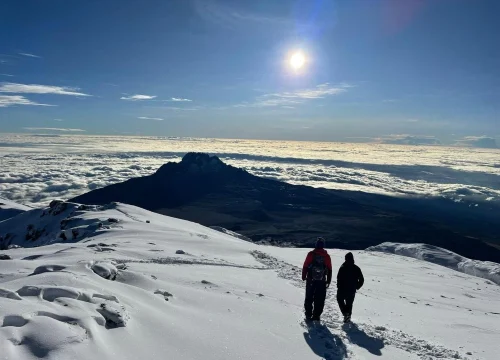
Mount Meru, near Arusha, is a rewarding trekking destination for visitors who want a mountain adventure. The route passes through different vegetation zones and offers impressive views when the weather is clear.
The climb requires preparation, suitable fitness and an authorised guide. It can be considered as an alternative to, or a complement to, a Mount Kilimanjaro trip depending on your schedule.
Explore Nyerere National Park by boat
Nyerere National Park in southern Tanzania offers a different perspective on wildlife through boat safaris along suitable waterways, alongside conventional game drives and authorised walking activities.
Depending on conditions and the route, you may see hippos, crocodiles and waterbirds, as well as elephants and other wildlife near the riverbanks.
Discover Tanzania’s quieter islands
Mafia Island offers opportunities for diving, snorkelling and exploring marine habitats. Chumbe Island, near Zanzibar, is known for marine conservation and guided reef experiences.
Activities depend on weather, tides, conservation rules and seasonal wildlife movements. Choose responsible operators and follow local guidance when entering marine environments.
How to Plan an Off-the-Beaten-Path Tanzania Trip
Remote destinations can be incredibly rewarding, but they require more planning than a straightforward safari through the Northern Circuit.
Keep these points in mind before booking.
1. Allow enough travel time. Some parks are far apart, and road journeys can be long. Domestic flights may reduce travel time but can increase the budget.
2. Check the season. Wildlife viewing, hiking conditions, boat excursions and road access can change throughout the year.
3. Book remote accommodation early. Smaller parks often have fewer lodges and camps, particularly during popular travel periods.
4. Choose the right activities. Chimpanzee trekking and mountain hiking require different levels of fitness from a conventional game drive. Be honest about your preferences and physical ability.
5. Budget realistically. Flights, specialist guides, park fees, accommodation and transfers can make remote destinations more expensive than expected.
6. Travel responsibly. Respect wildlife viewing rules, local customs and conservation guidelines. Support responsible operators and local businesses wherever possible.
7. Build flexibility into your itinerary. Weather, transport schedules and wildlife movements can affect plans. A little flexibility makes remote travel less stressful.
Can You Combine Hidden Gems with a Classic Tanzania Safari?
Yes. You do not have to choose between Tanzania’s famous highlights and its lesser-known destinations.
You could combine the Serengeti and Ngorongoro Crater with a cultural visit around Lake Eyasi. Travellers with more time might explore southern Tanzania, including Ruaha or Nyerere National Park, before relaxing on the coast.
A longer itinerary could also focus on western Tanzania and Mahale Mountains, although the distances and transport connections require careful planning.
The best combination depends on how many days you have, your budget, your interests and the time of year. Rather than trying to visit too many places, choose a few destinations that work well together.
Frequently Asked Questions About Hidden Gems in Tanzania
What are the best hidden gems in Tanzania? Ruaha National Park, Mahale Mountains National Park, Katavi National Park, Pangani and Udzungwa Mountains National Park are excellent options for travellers seeking wildlife, hiking, beaches or experiences away from the busiest tourist routes.
The best choice depends on whether you prefer a remote safari, cultural experiences, chimpanzee trekking or outdoor adventure.
Is Tanzania worth visiting beyond the Serengeti? Absolutely. The Serengeti is exceptional, but Tanzania also has remote southern parks, western forests, mountain trails, cultural destinations and quieter coastal areas.
Exploring beyond the Serengeti gives you a broader understanding of the country’s landscapes, wildlife and communities.
What is the best time to visit Tanzania’s hidden gems? There is no single best season for every destination. June to October is generally favourable for wildlife viewing in many parks and for some hiking activities, but conditions differ by location.
Consider your main activity, current weather conditions and access arrangements before choosing your travel dates.
Are hidden gems in Tanzania suitable for first-time visitors? Yes, provided the itinerary matches your interests and travel experience. A cultural visit around Lake Eyasi or a hike near Udzungwa may be easier to arrange than a multi-park journey into remote western Tanzania.
First-time visitors should consider travel distances, accommodation, guide arrangements and the amount of time available.
Are remote Tanzania safaris expensive? They can be more expensive than some standard safari itineraries because of domestic flights, limited accommodation, specialist guiding and long transfers.
However, costs vary considerably. The best way to compare options is to request a detailed itinerary showing accommodation, transport, park fees, activities and meals.
Can I combine a hidden gem with Zanzibar? Yes. Some mainland destinations can be combined with Zanzibar, depending on available flight connections and the duration of your trip.
Allow enough time for transfers and avoid trying to fit too many distant destinations into a short holiday.
Discover Tanzania Beyond the Usual Tourist Routes
Tanzania has much more to offer than its most famous safari parks. From the remote wilderness of Ruaha and Katavi to the forests of Mahale, the beaches of Pangani and the waterfalls of Udzungwa, there are plenty of ways to experience the country differently.
The key is to choose destinations that match your interests and allow enough time to enjoy them.
At Ron Adventure, our team in Arusha can help you plan a personalised Tanzania journey based on your travel dates, budget and preferred experiences. Whether you want a wildlife safari, a cultural excursion, a hiking adventure or a combination of several destinations, we can help you explore the options.
Ready to Explore Tanzania?
Whether you dream of a remote wildlife safari, chimpanzee trekking, mountain hiking or a relaxing beach escape, Ron Adventure can help you create a trip that fits your plans.
Tell us your travel dates, number of travellers and preferred experiences.
Request My Tailor-Made Itinerary